Monthly Archives: May 2020

Poetry Shelf connections: my Level 3 Mother’s Day poem


Little thistles


The bad thoughts will arrive

little thistles that cling

But I move them on

Yes, I am digging a hole

in the garden

for little thistles

with that stormy wind whining


And I am worrying about Level 3

and the people who are hungry

and the people who are sick

and still I can’t sleep


Tomorrow is Mother’s Day

and I’m making a daisy chain

of mother daughter memories


The time we read books together

or saw the Giant’s Causeway

or ate New York bagels

The times we hugged and

the times we will hug

again soon


Today I am lifting

my head above

the Covid clouds like a little

periscope a stretching

swan’s neck


to see how the world

will be


Paula Green


Originally published in the Herald‘s Canvas magazine (9.5.20). The last line was left off by mistake which made the future even more uncertain. You get a little jolt at the end of the poem in the paper version and that is quite cool! I am very grateful the paper has published a suite of my lockdown poems over the past four weeks.

Today, I sending Jacinda a virtual bouquet of flowers, because I am so proud and inspired by the way she is reshaping the way nations can be led.


IMG_5561


Poetry Shelf connections: Michelle Elvy’s ‘Kia ora’


Kia ora

for my mother


I remember the brooch you always wore

I remember it most of all

tiny fragments, blue dust

glinting on your breast

my hand reaching to touch


I recall the call of the song sparrow

I recall it most vividly of all

the squeech-squeech-trill

moving through sunlight

stopping on our sill


I can see the maple in our yard

I can see it best of all

its smooth  grey skin

planted in thin slanting soil

a young towering thing


Or was it a pendant?

A warbler? A white oak?

My memories, round

and flawed, you

across oceans and continents


It’s autumn in Dunedin

sunrise, cool and misty

glowing

the brooch            the pendant

the sparrow          the warbler

the maple              the oak


Michelle Elvy


Michelle Elvy is a writer, editor and manuscript assessor. She grew up in the Chesapeake Bay region of the US and now makes her home in Dunedin. She edits at Flash Frontier: An Adventure in Short Fiction and Best Small Fictions, and she chairs National Flash Fiction Day. Recent anthology projects include Bonsai: Best small stories from Aotearoa New Zealand (CUP 2018) and Ko Aotearoa Tātou | We Are New Zealand (OUP 2020). Michelle’s poetry, fiction, travel writing, creative nonfiction and reviews have been widely published. Her book, the everrumble (Ad Hoc Fiction 2019), is a small novel in small forms. michelleelvy.com


Poetry Shelf connections: two poems from Nicola Easthope


Unessential kiss


I thought we’d meet in Island Bay

on a park bench facing the sea.

Well, you two on it, in your safe bubble

with us three standing, two metres away.


There’d be coffee poured from the flask

steaming against the strait’s new ice

and muffins with feijoa’s soap-sweet grit.

We’d inhale the aroma, lift our masks.


In lock down, I can’t mistakenly slip

on the mussel-kelp-anemone rock

and the soft creased surface of your cheeks

cannot be surprised by my bursting lips.


Numb and Absurd have morning

love children

and there is small relief.


Boris has gone to hospital.

Donald is lost, will lose.

Scotland’s chief medical officer,


Catherine and our Health Minister, David

have apologised for breaking

their own rules. The Queen, Elizabeth


calls for stoicism and self-discipline.

The iwi from Uawa are dancing

on the checkpoint line, in rainbow chiffon


wings, totally winning.

Craig from Solly’s lorries says all loos

are closed on his route from Mataura


to Ashburton but he makes it in time

yet the journo presses him – just take us

through this – what did this feel like?


I am looking in the mirror at the small

purulent pimple on my chin

wondering why on earth at my age?


I am thinking of people with nothing

in the fridge and no safe haven.

I am loading the dishwasher too unlovingly


and chip the willow-green bowl my mother

made at a pottery nightclass way back

when all we ever caught off each other


were colds, mumps, chickenpox, headlice

and it was wickedly easy

to make ourselves burp, or cry.


Nicola Easthope


Nicola Easthope (Pākehā, tangata Tiriti) is a teacher, poet and cheerleader for teen activism, from the Kāpiti Coast. Her two collections are leaving my arms free to fly around you (Steele Roberts, 2011) and Working the tang (The Cuba Press, 2018), and individual poems have been published in Aotearoa, Australia, Scotland and the U.S. She was a guest of the Queensland Poetry Festival in 2012, the Tasmanian Poetry Festival in 2018, and a couple of very cool LitCrawl seasons in Pōneke. You can find more of her work on gannet ink


Poetry Shelf connections: Lynn Davidson reads ‘For My Parents’

LynnD_June_2017_016_13Jun17_Web-2.jpg


Lynn Davidson is a New Zealand writer living in Edinburgh. Her latest poetry collection Islander is published by Shearsman Books in the UK and Victoria University Press in New Zealand. She had a Hawthornden Fellowship in 2013 and a Bothy Project Residency at Inshriach Bothy in the Cairngorms in 2016. Lynn has a doctorate in creative writing, teaches creative writing, and is a member of 12, an Edinburgh-based feminist poetry collective.  Website


Poetry Shelf connections: 20 New Zealanders pick a comfort book

IMG_5498.JPG


Julia Marshall was on RNZ’s Morning Report this week talking about the Covid impact on our book communities with the closure of bookshops. Book sales of all genres, local and international, unsurprisingly have taken a hit. Some books have been moved to a new publication date, some launches dropped, some launches have gone online.

The best thing New Zealanders can do, Julia recommended, is to keep local bookshops open by buying local.

I started this book-list series because the world was spinning and I couldn’t settle or sleep; books, writing, cooking and gardening gave me the utmost comfort. Not everyone wanted to read or cook or garden, but I wanted Poetry Shelf to be an Open House – a place to make connections for readers and writers. A book list seemed like a good idea. I used the word solace. I used the word comfort. I used the words much loved. So many people have contributed over the past six weeks and for this I am grateful.

We are about to move into Level 2. Bookshops will be open, launches can be held, but things will still be different as we face daily challenges and changes.

Poetry Shelf will continue to be highly active – to offer connections that just might offer diversion, delight, and even at times, comfort.

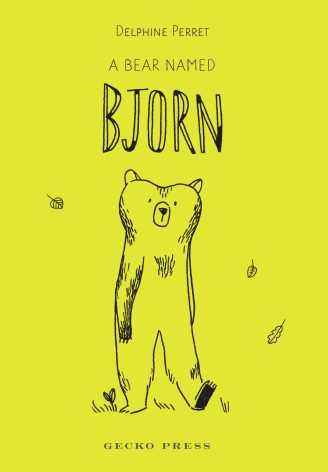
This week I have been reading a stack of children’s books recently published because I am going to post a Gecko Books reading diary on Poetry Box today (Penguin next week). This was my favourite:


A-Bear-Named-Bjorn-cover.jpg


Delphine Perrit’s A Bear Named Bjorn resonated because it is sweetly written. I agree with Bernice Mene that opening sentences can be such a hook. Even this simple: ‘Bjorn lives in a cave. The walls are very smooth. The floor is pretty comfortable.’ Turn over and you discover this bear, who loves mail-order catalogues, has won a red, three-seater sofa. It is the perfect book to read now – as couriers deliver avocados, paper and wine – and as we rediscover what fits in our lives and what doesn’t. Friendship and kindness are highly valued.

I am going to keep the comfort book lists going for a bit longer as way of supporting all aspects of our book industry.

A warm ‘thank you’ to everyone who contributed to this list because I know doing things has been much harder than usual. Kia kaha.


The Booklist


9780679752936.jpg  x300.jpg


Gretchen Albrecht (Artist)

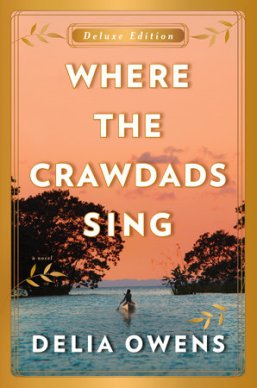
I seem to have had a great surge in reading this year and one standout for me was a novel I started in summer at the beach and finished just on cusp of lock-down: Where the Crawdads Sing by Delia Owens. Extraordinarily beautiful evocation of place and a deeply satisfying read. I loved it.

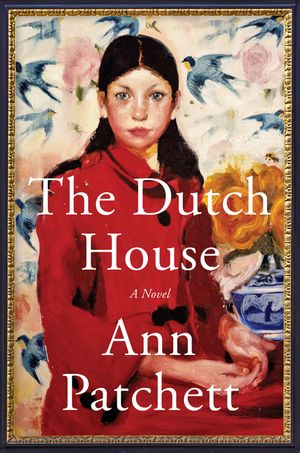
Since then I have ploughed through The Dutch House, Ann Patchett, and a re-read of Hilary Mantel’s trilogy (Wolf Hall, Bring up the Bodies and her latest, The Mirror and the Light. Mantel has a achieved something pretty amazing with these three, they seem to have a painterly eye, a poets ear for phrases and images and an ability to inhabit her characters in 16thC England. Bring up the Bodies remains the most satisfying for me in its completeness and tight focus around Anne Boleyn’s rise and fall.

However, to answer your question re comfort (at any point)…..

Two Books that remain personally comforting whenever I miss my parents – although they died decades ago (!) there are occasions when I wish I was a child again and they were alive and loving me – are:

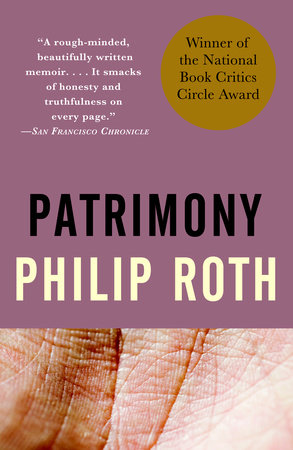
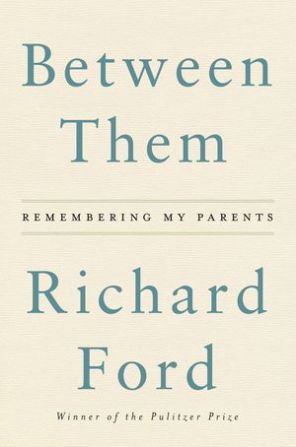
Patrimony by Philip Roth and Between them by Richard Ford. They speak of the relationship – child and parent(s) – that universal source that sweeps us along, helpless in the its powerful undertow.


original_400_600.jpg


Mary Biggs (Operations manager, Featherston Booktown Festival)

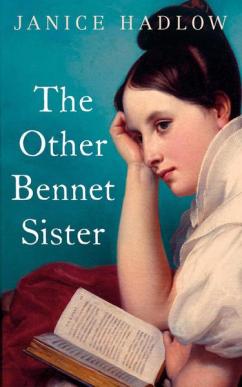
Over the sometimes anxious lockdown period, I have thoroughly enjoyed reading and been absorbed by The Other Bennet Sister by Janice Hadlow. It’s a story about Mary Bennet, the middle sister of the five Bennet sisters in Jane Austen’s Pride and Prejudice. Often overlooked and mercilessly teased for being plain and serious, Mary comes of age from a gauche, awkward, diligent teenager looking for escape from an unhappy home life (probably through marriage) to a young woman who eventually finds self-love, and then married love by realizing in the words of Mr Collins, ”our happiness depends on ourselves”.

She learnt to choose to be happy after watching and sharing in the contented family life at her uncle’s, Mr Gardiner’s, home in London. The author knows her Austen and there are plenty of references to Jane’s other books as well as a sharp wit and clever story telling.


Toby Buck QuaranReading.JPG


Toby Buck (Landfall Essay Prize Joint-Winner 2019, Sales and Marketing Manager at Te Mata Estate Winery)

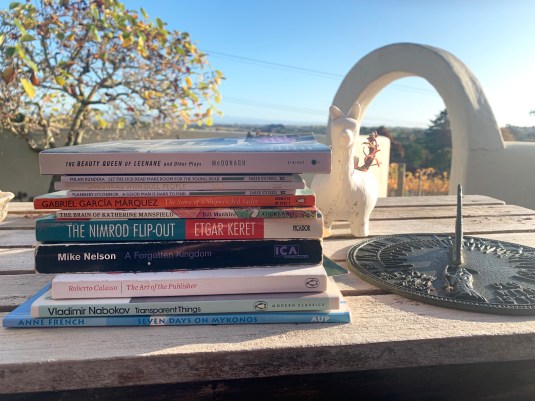
Always been a fan of a short book and these titles are a bit of chocolate-box collection of sorts. Each one is a treat that I’ve been saving to read or re-read. I’ve also been enjoying the audiobook of George Saunders’ Tenth of December and Flannery O’Connors Everything That Rises Must Converge. Great listening while making bread and cleaning, then re-cleaning until it’s time to make bread again.

The Beauty Queen of Leenane and Other Plays by Martin McDonagh
Let The Old Dead Make Room for the Young Dead by Milan Kundera
Christmas With Dull People by Saki
A Good Man is Hard To Find by Flannery O’Connor
The Story of a Shipwrecked Sailor by Gabriel Garcia Marquez
The Brain of Katherine Mansfield by Bill Manhire

The Nimrod Flip-Out by Etgar Keret
A Forgotten Kingdom by Mike Nelson
The Art of the Publisher by Roberto Calasso
Transparent Things by Vladimir Nabakov
Seven Days in Mykonos by Anne French


9780349411903.jpg


Chanel Clarke (Curator Māori, Auckland Museum)

Before Level 4 lockdown in New Zealand, I had already been one week into mandatory self-isolation having returned from South Africa on a work trip. Halfway through my isolation, I realised that the whole country was very soon going to join me all working from home. I gleefully began to imagine the half started writing projects that could finally get done and kicked out the door without the constant work interruptions. Alas, this has not been the case and as the business of museums and indeed the entire world transitions to online the pace of work just ramped up tenfold. As an on-again-off-again PhD student, and a historian, I’m a non-fiction reader through and through. On top of that, I’m a slow reader, so the thought of adding fiction to the list while tempting is probably not going to happen.

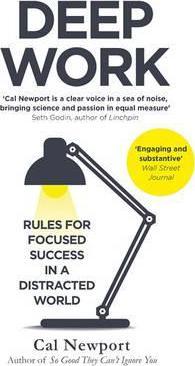
I could relate to Karyn Hays’ post though on the previous list and must also shamefully admit that my small collection of self-help books have probably all been purchased from airport book shops while waiting for planes. And so it is to the self-help shelf on the bookcase that I have turned at this time. I’ve been reading snippets of Cal Newport’s Deep Work: Rules for Focused Success in a Distracted World, a book I came across a couple of years ago as a PhD student. A computer science professor at Georgetown University, Cal writes about the intersection of digital technology and culture and in particular our struggle to deploy these tools in ways that support instead of subverting the things we care about in both our personal and professional lives.

Cal has been developing several ideas in his books over the past decade, including his Deep Work Hypothesis, and Digital Minimalism. He has argued that our ability to focus without distraction is becoming increasingly rare (due, primarily, to distracting technology), at the same time that it’s becoming increasingly valuable (as the knowledge economy becomes more cognitively demanding). As a result, those individuals and organisations who cultivate their ability to perform “deep work” will enjoy a major competitive advantage.

Similarly, he has argued that the services delivered through our devices have become so alluring and addictive that they can significantly erode the quality of our lives and our sense of autonomy. He calls for us to embrace digital minimalism by radically reducing the time we spend online, focusing on a small number of activities chosen because they support things we deeply value, and then happily miss out on everything else. Somehow I don’t think my teenage daughter will appreciate this philosophy. During this once in a lifetime experience that is Covid-19, as we take one week, and one day at a time, I have found myself returning to Cal’s rules for deep work. I have tried to choose just one task, finish it well, pat myself on the back, and carry on. When you are wading in the shallows of emails and yet another zoom meeting Cal provides a road map to help you through and to work smarter not harder.


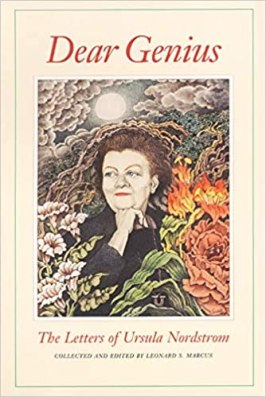
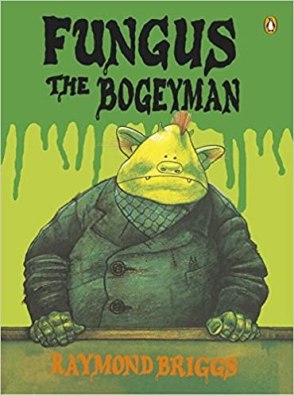
515QCGfqAIL._SX332_BO1,204,203,200_.jpg   51drRaSLDGL._SX368_BO1,204,203,200_.jpg


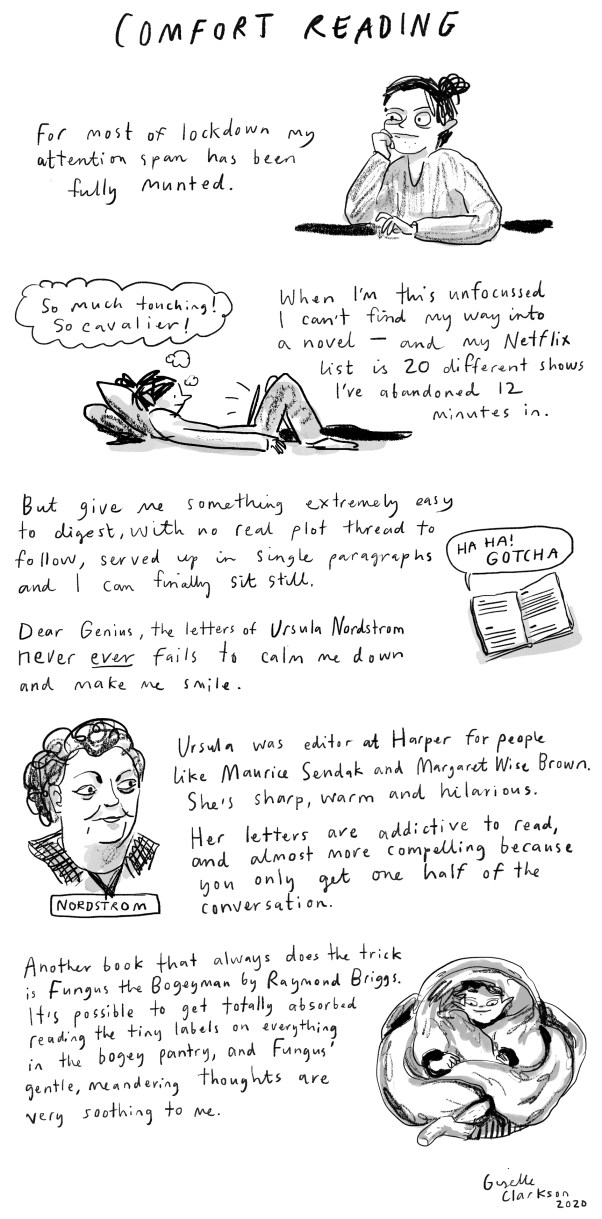
Giselle Clarkson (Cartoonist)


comfortreading.jpg


Screen Shot 2020-05-07 at 11.57.00 AM.png


John Cranna (Director, Creative Hub)

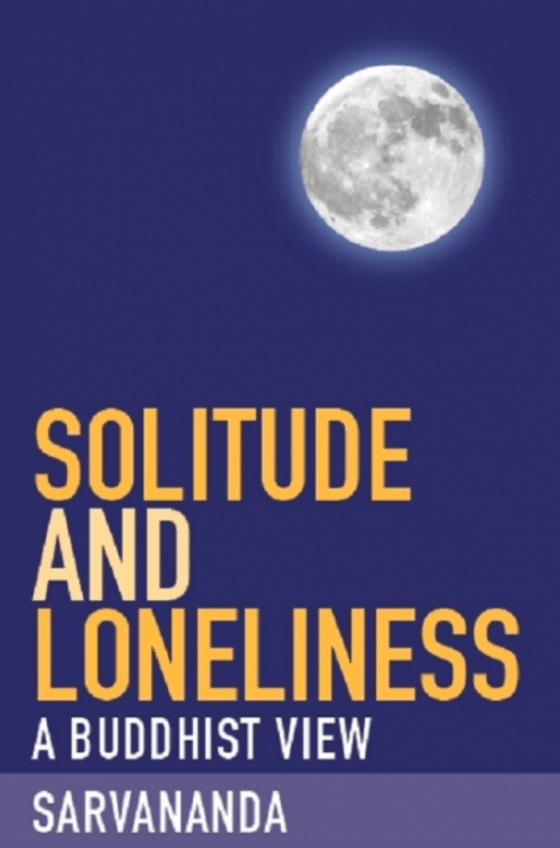
During the lockdown I have been returning to a beautiful book that I have read several times, Solitude and Loneliness by Alastair Sarvananda Jessiman (Windhorse)

Jessiman is a playwright whose work is regularly broadcast by the BBC. In this book he looks at the tension between these two forces – and how loneliness, if embraced, can ‘season us’, can invite us into the innermost hidden parts of our lives, and allow us to emerge reinvigorated and renewed. The fire to our Phoenix.

With reference to Philip Larkin, Emily Dickinson, Wordsworth and Alan Bennet, he notes that contemporary life is continually drawing us away to superficial stimulation, but that through contemplation of the inner life, with great artists as our guides, we can live much more fully and richly in the present.

Paradoxically, then, the lockdown starts to seem like a gift – an opportunity to go deeper into the places that really matter.

He is particularly good on solitary retreats in the wilderness – where we can also attune ourselves to nature’s rhythm, and revitalise our sense of the miraculous possibilities of language.”


9780473373184.jpg   9781869408701__60173.1550548994.jpg


Barbara Ewing (Actor)

I’m locked down for an extended time in New Zealand, instead of London, a quirk of fate caused by the plans we had made for having my new book published here. I am at the moment without very many things that give me comfort, including my books. But I do have a huge range of NZ books in London that I definitely get pleasure and comfort from all year round – and I am always grabbing people by the lapels and saying: “Do you realise how good New Zealand writing is?” and reading to them!

Three of these books are:

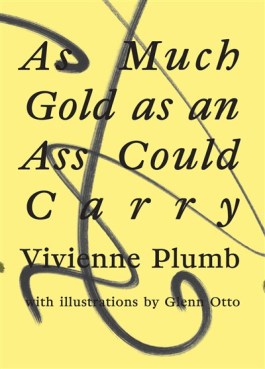
As Much Gold as an Ass Could Carry by Vivienne Plumb that includes the poem “On Using People You Love in Your Poems”” that makes me laugh.

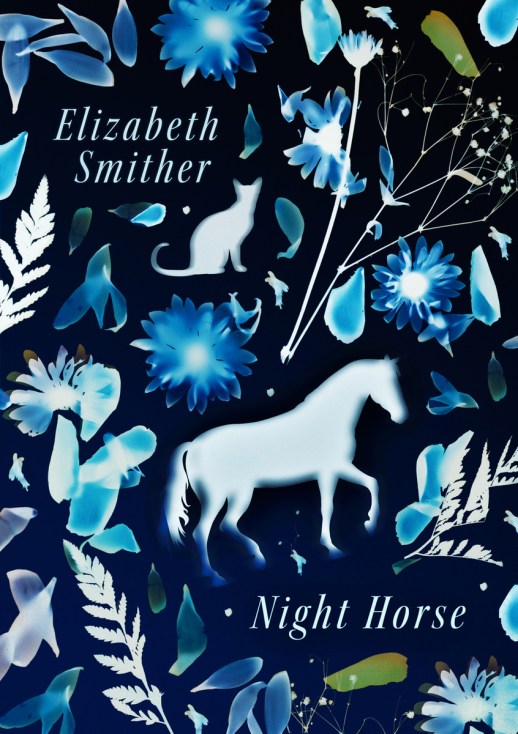
Night Horse by Elizabeth Smither, which includes the poem “The Heart Heals Itself Between Beats,” which makes me cry.

Shame Joy by Julie Hill whose eccentricity I love: a collection of short stories including the truly brilliant New Zealand short story “The Pavlova Debacle.”


Screen Shot 2020-05-08 at 9.54.46 AM.png  9780525562023-1.jpg


Jordan Hamel (Poet, co- editor Stasis Journal)

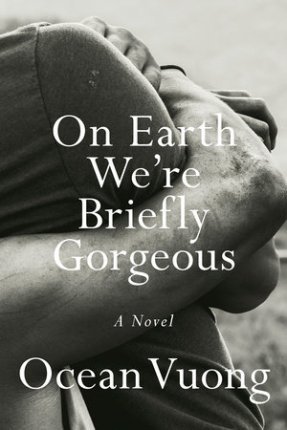
On Earth We’re Briefly Gorgeous – Ocean Vuong
The debut novel from one of the best poets alive. The coming-of-age story of the son of Vietnamese immigrant parents in the US, as seen through letters to his mother. Its so easy to get lost in Vuong’s playful and lush lyricism, this book is just great An absolute fucking treat.

Oyster – Michael Pederson
I bought this poetry collection from Vic Books when we moved to level 3, it came with a free bag of coffee beans, both the book and the beans have now been devoured. I love how Michael’s poems know when to string you a long, when to pull the rug from under you, when to hold you and when to let you go. Its bittersweet seeing the late Scott Hutchison’s illustrations alongside Michael’s poems but overall I can still hear Michael’s voice rise from the page as clearly as it did on stage at Verb Festival last year and I get all gross and nostalgic for a time when we could have lit events and listen to live poetry in a bar.

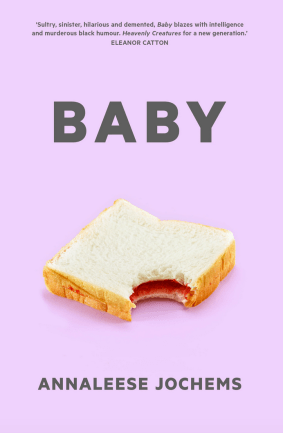
Baby – Annaleese Jochems
I love Annaleese’s writing, I love this weird story so much, isolation dominates the main character’s journey in so many different ways, the claustrophobic, manic, repressed, horny energy of this book is such a vibe for right now. Just buy it, read it and support great local writers like Annaleese please.


9781869713553.jpg    9780307278128.jpg


Miranda Harcourt (Actor, coach)

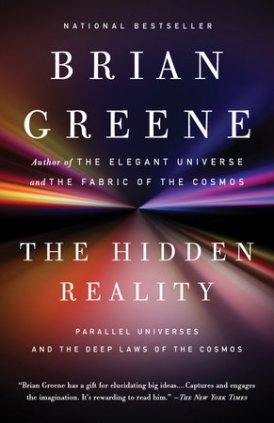
I used to be a fiction reader but for some reason non-fiction really appeals to me now. Maybe because I spend my work-time immersed in making fiction… or maybe because these days fact seems stranger than anything that could occur in a book. Quantum Physics is my favourite. At school I was not at all interested in the sciences so I don’t have the requisite background knowledge but when I read something like Brian Greene’s UNTIL THE END OF TIME I find myself in strange and amazing new worlds.

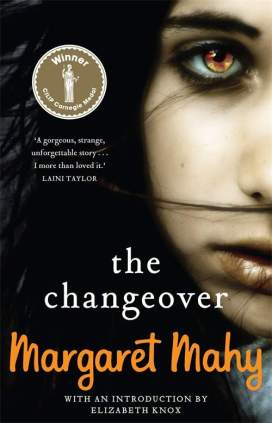
Actually, alongside my dear friend Deb Smith, I love mid-20th-century children’s books, and when I think about it, it is the books that had something to do with time and space that appealed to me even then. CHARLOTTE SOMETIMES by Penelope Farmer, THE CHANGEOVER by Margaret Mahy and A WRINKLE IN TIME by Madeleine L’Engle all grabbed me, as well as the works of Ursula LeGuin.

I am lucky to have had the opportunity to delve more deeply into THE CHANGEOVER than most people as Stuart McKenzie and I made it into a film starring Timothy Spall. It is a magical book, mixing social realism with the supernatural.

So the book I am recommending as one that gives me comfort and solace is the first book I read by Brian Greene, THE HIDDEN REALITY, which appears in THE CHANGEOVER as the book being read by the mysterious Sorensen Carlisle!


9781845076023.jpg


Sara Hughes (Artist)

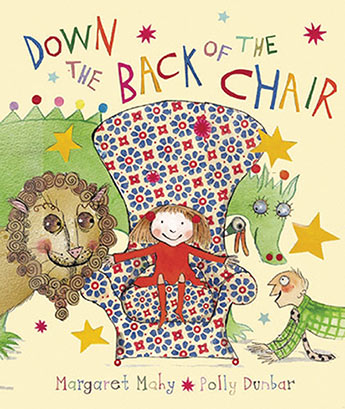
Lockdown has been full of reading to and listening to my two sons read. One of my favourite books to read them when they were preschoolers was Margaret Mahy’s Down the Back of the Chair. What joy I got when my 6 year old rediscovered it on the bookshelf and started reading it aloud to himself. He has wanted to read it daily since, the glee of the words rolling off his tongue … humour and rhyme mixed with imaginative narrative … all tangled up with a scarlet sash. Like all the best children’s books it is beautifully illustrated and Polly Dunbar bring the words to life with visuals of a Lion with curls and a Smiling snake … the words and pictures keep giving and it never fails to bring a smile even when read a hundred times.


9780099572886.jpg


Courtney Johnston (CE Museum of New Zealand Te Papa Tongarewa)


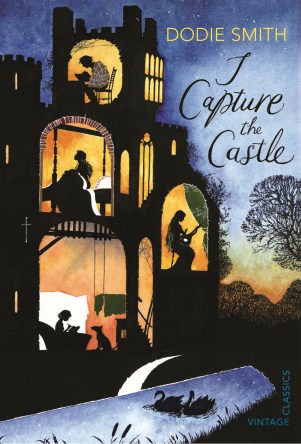
I Capture the Castle Dodie Smith.

My forever and always comfort read.

It’s the early 1930s in rural England. The Mortmain family lives in genteel (verging on desperate) poverty in a mouldering castle. James Mortmain had a major success with an avant-garde book published shortly before Joyce’s ‘Ulysses’ – but after a rather strange altercation with a neighbour, is imprisoned for three months and then abruptly moves his family to Suffolk. He hasn’t written since: he spends all day and most of the night in the gatehouse, reading detective novels, avoiding his family and his obligations.

Our narrator is the aspiring writer Cassandra (“I am seventeen, look younger, feel older. I am no beauty but have a neatish face”). The iconic opening line of the book (“I write this sitting in the kitchen sink”) is inscribed in Cassandra’s own sixpenny book, in which she is has just begun recording her family’s life, partly to practice her speedwriting, and partly to teach herself how to write a novel. Poised between startling insight and blithe teenage blindness, Cassandra draws a touching, often acerbic, picture of a family that has been forced into its own kind of self-isolation. When she begins the book, the family has very little to look forward too except, if the hens are willing, an egg to go with their bread for tea. And then, just as with Pride & Prejudice, two eligible brothers appear at the local stately home, and the campaign to marry the eldest Mortmain daughter off to the heir begins.

This risks making the book sound rather twee, and maybe it is a little; it shares the sparkling, knowing, romantic tone of Evelyn Waugh and Stella Gibbons and Nancy Mitford, and if you don’t like that, then you won’t like this. But oh – has anyone ever captured first love like Dodie Smith does here? Cassandra feels everything, and describes everything for us, and with her, we grow up. I re-read this book every few years, and every time I relate to it differently. It is, in my opinion, one of the best coming of age novels ever written.


x300-1.jpg


Mary Kisler (Art historian)

There is something rich and immensely satisfying about Ann Patchett’s prose that draws the reader in to each of the character in turn. The Dutch House is tantalisingly written – I got to the end, and felt that I could describe aspects of the house – the tiled fireplace, the Dutch portraits above it, the curtained window alcove in Maeve’s bedroom – yet I still don’t see the house in its external architectural entirety. The driveway, the linden trees that protect the house from the street, these are clear in my mind. But the house is like the people in the novel – her descriptive powers are so evocative that you feel you empathy for each character in turn, even those like Andrea, the ‘second wife’, and all that that might connote – to a husband, his children, and the wife who walked away, yet Patchett turns that trope on its head. The ending, which must not be revealed for those who haven’t read it, is a parable of forgiveness, and where that is not possible, of the need for acceptance. I find my mind going back to the text again and again, as if I can feel it on my skin.


51VeRZ6jrlL._SX331_BO1,204,203,200_.jpg


Finlay Macdonald  (Journalist, editor)


Home is so Sad

Home is so sad. It stays as it was left,

Shaped to the comfort of the last to go

As if to win them back. Instead, bereft

Of anyone to please, it withers so,

Having no heart to put aside the theft

And turn again to what it started as,

A joyous shot at how things ought to be,

Long fallen wide. You can see how it was:

Look at the pictures and the cutlery.

The music in the piano stool. That vase.


Philip Larkin


Clive James turned me on to Philip Larkin. I suppose I might have put Clive’s Unreliable Memoirs series in here too. The first of those brilliant little books got me all the way home from England to Auckland in 1984 in one long read. The others just brightened me up when they intermittently landed. Clive’s love of Larkin seeps through them all, and plenty of his other collections of essays and collections, until it eventually seeped into me.

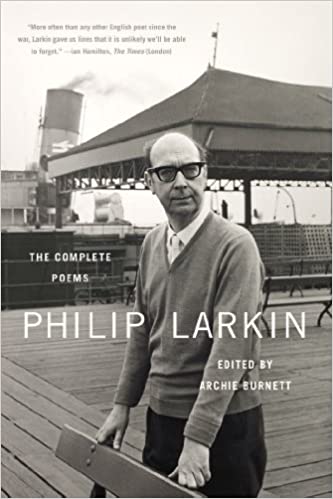
Then I read Clive’s very last little collection of writings, Latest Readings, published just before he died in which he praised the definitive Philip Larkin: The Complete Poems edited by Archie Burnett. So, perhaps presciently, I asked for it for Christmas. Little did I know it would sit on my bedside table throughout this strange ordeal, unintendedly perfect.

I picked the poem ‘Home is so Sad’, from The Whitsun Weddings, because I’d just re-read it, not because it describes life right now in any literal sense. Home, for the most part, hasn’t been sad at all. But its ten lines are also just right – quiet, reflective, musical, taut, a little ominous, completely real. And yes, oddly comforting.


9780812987683.jpg   x300.jpg


Don McGlashan (Musician)

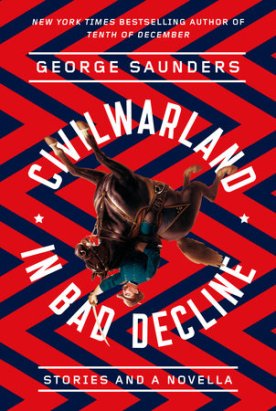
I’ve been reading a lot. First CivilWarLand In Bad Decline, a set of short stories by George Saunders, where grotesque but vivid characters scratch out lives in the wastelands and theme-parks of a post-apocalyptic America. I love how funny and bleak Saunders can be at the same time, and sometimes he just floors you with a piece of imagining so true and strong you have to put down the book and breathe deeply for a bit. Like that, for me, was a story called “Offloading for Mrs Schwartz”, about a man who is forced to sell memories to get by; first other peoples, then finally his own.

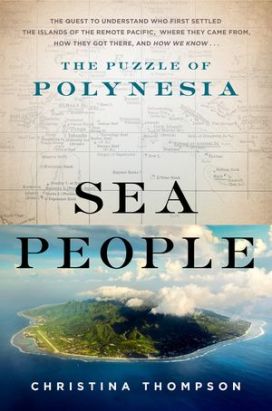
Then I read Sea People – by Christina Thompson, an utterly engrossing investigation into the history of Pacific peoples, and their voyages of discovery. Thompson, a US/Australian who teaches writing at Harvard, examines what we know, through the work of greats like Dame Anne Salmond and Te Rangi Hiroa; what we are only just now learning, like the re-vitalisation of ancient navigational knowledge by such scholar-voyagers as Nainoa Thompson – and what we still don’t know, like what happened to the Lapita and Rapa Nui civilisations who left such striking footprints and little else. “Sea People” uses multiple lenses: Polynesian oral history, linguistics, archeology, anthropology, the uniquely Western knack of suggesting radical (and wrong) theories rather than ask the locals – and Thompson has skin in the game, too: she writes from the heart because she’s married to a Maori man, and their children carry Polynesian DNA. I picked it up because I wanted to understand more about the Pacific and its people, but after a while, I found that the timeless fog already brought on by the lock-down became even more hazy, as I missed appointments, meals and sleep so I could cram in another chapter.


9780593187982.jpg    Little+Fires+Everywhere+-+Celeste+Ng.jpg


Thomasin McKenzie (Actor)

Over the past couple of years my love for books has become uncontrollable. Some days all I can think about is what book I’m engrossed in at that moment and what amazing worlds I’ll be able to dive into next. But last week I had to have surgery to get rid of a pesky Pterygium on my eye, and was terrified that I wouldn’t be able to read during my recovery. That was when I discovered audio books. The second I returned from the hospital, still a bit woozy from the general anaesthetic, I collapsed onto the sofa and for the rest of the evening and all the next day listened to Where the Crawdads Sing by Delia Owens. I was entranced by Kya’s love for nature and passion for learning.

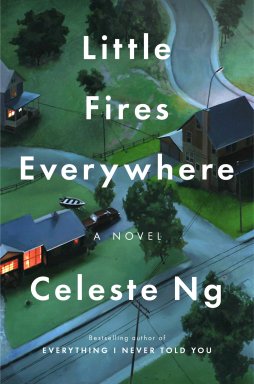
When I first considered the idea of audiobooks I was adamantly against them, determined that the only way to experience a book was by having a solid copy in my hand. Now my mind is changed and these days my favourite pastime is to turn on an audio book (right now it’s Little Fires Everywhere by Celeste Ng) and colour in while I’m listening. It’s my new approach to mindfulness during these crazy times.


x300-2.jpg


Bernice Mene (Former NZ netballer player)

Reading is and has always been an escape for me. The sign of a me unwinding or proper “time out” is a pile of books next to my bed.

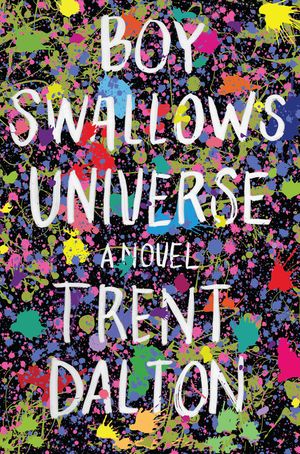
I am a big believer in the opening being a good litmus test for the pages to come. Boy Swallow Universe by Trent Dalton starts out, “Your end is a dead blue wren” which piqued my curiosity and reeled me in.

Set in Brisbane, the characters were vivid, entertaining and easy to imagine. Over the course of the book, Dalton evoked a spectrum of emotions. He is a clever storyteller, spinning a unique tale of a brotherly bond, unlikely friendships, love, tough times, and betrayal.

I was gutted when I came to the end of the book however am excited to see Trent has a new book released in 2020.


9781922268143.jpg


Claire Murdoch (Head of Publishing, Penguin Random House)

Comfort is the diminishing stack of New Yorkers that were still wrapped in their little sleeves and dating deep into the ’19s at the start of lockdown. It doesn’t matter that they’re from the time before we knew.

It’s the slow re-opening of all the little taped-up streetside libraries where you can leave and take books, honestly one of the greatest things about Auckland.

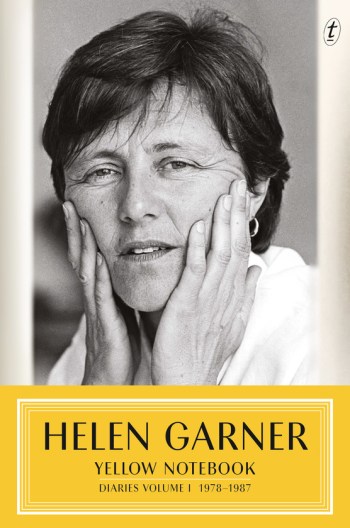
Above all, it’s Helen Garner. This from Helen Garner:

“I am a forty-three year-old woman, a mother, healthy, reasonable-looking. I am in my own city; I am able to make a living; I am sometimes sad or frightened, and recently I have been hurt … the Mighty Force has not come lately to me in the form I was expecting; but it does not abandon people, and it won’t abandon me.”

It comes from The Yellow Notebook, which is the very, very handsome Text edition of Garner’s Monkey Grip-era diaries, Vol I, 1978-1987, not to be confused with the excellent True Stories and Stories in the same beautiful series which it is also very good to own and read and re-read.

Hooray for the Mighty Force.


51Aq466cbHL._SX329_BO1,204,203,200_.jpg  9780143116486.jpg


David Parker (Attorney-General, Minster of Environment, Minister Trade & Export Growth)

I’ve been rereading Between Debt and the Devil published in 2016 post the GFC by Lord Adair Turner. As the title suggests, this book critiques quantitative easing (a.k.a. printing money) after the global financial crisis by overseas reserve banks. It considers the effects on the collapse of conventional monetary policy, rising inequality, asset price inflation, and other social ills. It has important lessons for the post Covid-19 economic choices all countries face

My light reading has been one of the Bernie Gunther anti-hero detective tales by Philip Kerr. This one is called A Quiet Flame and is set in post WWII Argentina. Always a good yarn.

Just before Covid I’d started The Anarchy by William Dalrymple, a history of the plundering of India by The East India Company for 250 years from about 1600 to the mid 1800s. Its very well written, but it will take me a while to finish.


9780143020042-1.jpg


Gaylene Preston (Filmmaker)

Electric City and other stories by Patricia Grace

I don’t have a favourite Patricia Grace book.  There are too many I like.  I like the characters, I like the settings, I like the authentic strong clear eye that permeates ordinary things – onion grass, the weather, the measured steps of men coming home from war, devastated.  I love her deft portraits of the Maori world.

I wish I could write with such poetic simplicity.  The characters shine.  They dance across the page. There are many humble heroes, but the big hero is the people. Whanau, Hapu and Iwi.  Every kitchen table, every cup of tea is linked to the big struggle of an ancient people disrupted finding their way in an alien age, keeping staunch to their old ways while adapting to the new.

I’d curl up by the fire and read POTIKI any day, and TU and CHAPPY.  I’ve chosen ELECTRIC CITY because it is the first Graceful Patricia book I read and it’s short stories for the lock down when our anxiety levels are up and our concentration is short. Deceptively humble stories about big things.  Land theft, what is now called ‘casual racism,’ written with beautiful simplicity.  Is that a tear she is describing or a raindrop on the window pane?

You can pull out THE KUIA and THE SPIDER with illustrations by Robin Kahukiwa and read it in English or Te Reo to your favourite little people if you have a copy lying around – and most homes do.  Aren’t we lucky to have such writers amongst us.


Screen Shot 2020-05-07 at 1.21.40 PM.png


Tom Sainsbury (Comedian)

Whenever I need some literary comfort I always turn to the books of Finnish writer, Tove Jansson, and her charming tales of the Moomintrolls. I love them all, but Moominpappa and the Sea would have to be my favourite.

For those that aren’t officiated into the wonderful world of Moomins I want you to picture a bipedal white hippo/troll with lovely eyes and a vibrant spirit. It’s a family of these creatures that the series follows. The books were obviously written for children but there is that extra layer of social commentary and observations of human nature that only adults can pick up on.

The Moomin family is a great inspiration for all. This is mainly because they happily welcome all sorts of critters into their lives and around the dinner table. There is also a constant sense in the books that life is haphazard and chaos reigns, and all you can really do is take the next step forward with warmth and grace. And finally there is that whiff of Scandanavian melancholy. Moominpappa and the Sea is a beautifully melancholy book. That might sound off-putting but when book expresses difficult emotion (such as melancholia) is dealt with beautifully it makes me stop avoiding it and simply embrace it as a part of the human experience.


Poetry Shelf connections: Cliff Fell’s ‘On the First Night of Lockdown’


On the First Night of Lockdown


Mottled clouds hanging over roadside paddocks

blistered with autumn

and the road still vanishing into the mountains

where I was looking

to see the new moon’s silver thread

out on the horizon


and thinking of you on your walkways

so far to the north of

these long golden hills strung out with weeds

and thistledown wired all the way

to your city above the troubled sea

where you’d be looking


for the same lop-sided smile


but the moon was in lockdown too

thick barcodes of rain

closing out the doors of the sky

and the road’s white arms flushed dark

with unknowing


Cliff Fell


Cliff Fell lives on the eastern edge of the Motueka river catchment, He has published three books of poems and recently completed a 3600 word prose poem celebrating Lawrence Ferlinghetti’s 101st birthday.


Poetry Shelf connections: a suite of poems from lockdown

IMG_5497.JPG

my kitchen activities


Over the past weeks I have received so many poems in my inbox – poems from friends, from poets, both known to me and not known. It seems some of us took up reading and writing, while others found words an impossible currency.

Each week I have invited different groups of New Zealanders (writers, publishers, booksellers and across the arts) to pick a book or two that has offered solace or comfort. Some people kindly said no as they haven’t been reading, while others have found books to be the greatest comfort. I plan to keep these lists going for a wee while yet as a way of supporting our booksellers and publishing communities.

Some people have written nonstop, while others either haven’t time with so many other pressures or haven’t found inclinations.

This is the year we go easy on ourselves. We do what we can when we can. We might write, we might not, and that is ok.

I have never had so many emails (and poems arrive) especially as Poetry Shelf is an invitation-only blog. BUT I decided to devote April and May to NZ poetry and do as many things as I could. Some days it has taken me 6 hours to read all the emails, so apologies if I have missed some and apologies I cannot post all the poems I have received.

I have taken such delight in reading what you have sent. It feels like – when such an unprecedented crisis slams us in the gut / heart / lungs – poetry can be a good thing, whether we are reading or writing it.

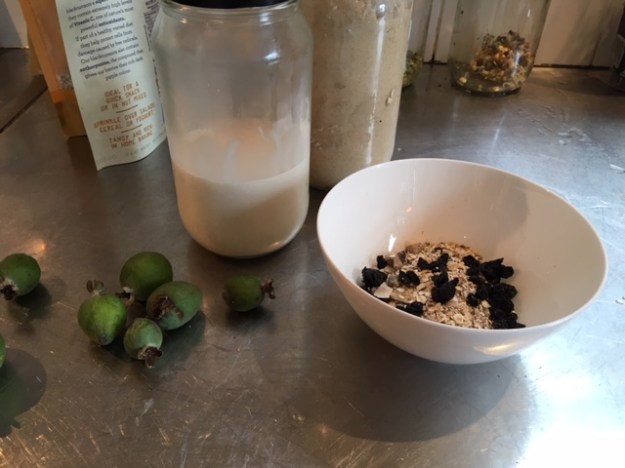
Along with the sough dough, the microgreens, the homemade almond milk and yoghurt (my coup!), and the walks down the road, poems have been fermenting across Aotearoa.

I have barely slept in the past months. I wake at some ungodly hour and find poems tiptoeing through my mind. I have been writing them down. Barely polishing them. Night arrivals. The Herald have published some – the last one will appear in Saturday’s Canvas.

Today I am posting some of the poems that arrived and will sprinkle a few more over the next week or so. I am also getting back to posting interviews, reviews, and various Poetry Shelf features. I will still host book launches, and other audio and video things. In fact, while I am going to reserve time for my own new projects and writing, I plan to keep Poetry Shelf highly active in these uncertain times.

Poetry Shelf is a way of making connections.

I want to thank everyone who has supported me and my requests during Level 4 and Level 3. You have made such a difference. Your kind emails have been essential reading. Kindness, here I am musing on this, is never a redundant word. Even more so. That and patience. And I am trying to learn more about empathy.


thank you poetry fans

may poetry sing and dance in our lives

kia kaha

go well


The poems


Where we sleep


when my marriage went west

I rebubbled in my childhood home


with two matriarchs

the dowager and incumbent


my father and sons


four-generations

it was never going to be easy


bought a red chaise longue


too wide for 1950’s doorframes

it sat on blocks in the garage

displaced my parents’ car


these days I have my own home

French doors and a faded chaise longue


elderly parents bubbling on a peninsula


sons ensconced with flatmates

on the other side of town


one cooks and plays guitar

the other lauds Japanese joinery


has discovered carpentry

the wondrous feel of wood

the throb and thrust of tools


there is nowhere to store his creations

he texts me a photo


My next lockdown project, Mum

I’m making you a table


Serie Barford


maple moon


you text us photos garden to plate

baby beetroot out of isolation

tides of beetroot where the moon fed

turned them red clusters of beetroot

in scarlet jackets like foxy

waiting waiting at our window

we text you photos

of the maple planted at your birth

text haiku autumn breeze/flames of leaves/

warm an empty sky/ and misty morning/

her leaves light/the whole house/ and pray

when the world repairs its lungs

with the business of breathing

the rising sea between us

becomes a red bridge


Kerrin P Sharpe


Rubbish day


putting out rubbish is the new black


neighbours listen for rumbling concrete

synchronise wheelie bins


join the procession

push

pull


Council approved receptacles

brimming with homemade scraps


to letterboxes


stand on berms

lean on lampposts

sit on green transformers


greet friends and strangers

chin wag


dogs at their feet

alert for moving cars


moving anything

yawn


Serie Barford


bubbles

in a room where you can’t get to him
he breathes despite his lungs

overnight the bones in your face
shift into the mask of grief

you speak to me over the fence
from a safe 3 metres

from a black tunnel that goes forever
at the far end with a lighter

that burns your thumb as you try
to see how to feel

your husband takes the kids inside
to watch peppa pig

they say every line by heart


Stephanie Christie


They Should’ve Sent an Influencer


‘Today, in the whole history of the world, it’s my birthday.’

London Kills Me Hanif Kureishi


Everyone has their time – goes the jingle –

to clonk out into the limelight,

to let that burning lime’s candoluminescence throw


your features into relief,

hyperreal, sunlike, and arrayed

with tendril shadows snaking black into the velvet

of the backcloth. Everyone a time,

and for every time a person. This is yours.


Reach. Snatch at it with your elaborations of peace and

kindness, bread and candour.

Bottle it like memory.


Sell it for free to the sick, the half-blind and sand-blind.

Give it a lemon spotlight. Bejazzle it with spaffed glitter

handwriting. As it twists, bepectacle it, add bunny lugs,

balloons, a flash of thunder from forehead to chin like

Jacinda Bowie. No: minimise. Let the brand tell


its story. The morning light the window’s hills sing.

Shadows burbling. A child shimmering, who takes

a sashayed step, takes it back, repeats.


It’s how one talks business, the talking and not the business.


It’s why heads lift, fingers tap, scroll, pinch.

This is their story you are telling of yourself.


At balance teeter anxiety, joy, vanity, yelping, relativism,


tigers, platters, psycho splatters.


All for the drawing in, the seating at your outdoor table,

are these flourishes and motifs, and affirmations


for their loyalty of looking. Preparing them for the real sell.


It is again your birthday. One must be all the ages.

And all the ages you have been are past, and the new

ones are hungry waiting.


This is your moment, your audience landlocked

to their living rooms, or hiding on a bath chair flicking

through your plays on light and motherhood.

This isn’t the worst day of your life,

though the restaurants are bolted closed


and I have bought you a present no husband should

ever buy his wife, even if she had asked for it,

but asked for it if he passed a supermarket, not wrapped


to double its unintended but now italic insult,

mouthwash. The streets are barricaded in a war

on the pandemic and it was all I … could …

But this is your limelit opportunity.

If you don’t seize it like a bear salmon,


the first one slopping out of its grip, but then

munch, right in the kisser, you are a debutante,

a wonder of the glare.


Nick Ascroft


Camphor Laurel

Avondale Police Station


our relationship grew

significant to you

the way an old friend

merits heritage protection


you find my green

refreshing

but leaves drop

on your cars

you feel displeased


here now

you are the pest species

your greenery

exhausts me


at my base

leaf–fall chemicals

collect

to deter your seedlings


whatever axing you plan

in my maturity

branches spreading old friend

look around

i saw you off


Janet Charman


Cover of daylight


with this suspension

of scruffy habitual delights


op shop used thrillers

coffee stands where you stand too


leaning against a shelf

sipping a cardboard Americano


while sorting out your change

writing up your notebook


it’s possible we’ll learn something

about ourselves and others


like how to share with decency

the space allotted to us all


and the time it takes for lives

collective and individual


to pause and rekindle

to accept and endure loss


or how saving someone

we love by our absence


by no means a passive commitment

may clarify things in the end


Tony Beyer


Cannibal ants


for the sake of the nest there is

neither ceremony nor commemoration


a dark column carries the debris

of existence away into the dark


thinking numerically

absorbs the individual


and any small hopes and regrets

until all pronouns are plural


yet we need not devour each other

in order to survive and succeed


lesson one of a thousand or million

to be preserved from this ordeal


being conscious of living through history

has never in the past been an advantage


(remember the old curse

May you live in interesting times)


the pace from here on will need

to be more humane if less profitable


except in the sense

that all should be well


Tony Beyer


Lockdown


From our three bubbles, I quiz

my mother and my sister

on the finer points

of bottling fruit


overnight, the supermarket

has bloomed into

a biohazard zone


invisible viruses

malevolent cans of peaches

and apple sauce


we would rather

holiday in Chernobyl


opinions differ on the internet

on the necessity of sugar

its preservative powers


my sister recalls

her mother-in-law

kitchen ninja


always added sugar –

not too much


my mother is equivocal

thinks it might be ok without

if using the water bath method


I don’t have a big enough pot


my stepfather chimes in

he has heard that sugar

makes the fruit last longer


how long does he think

that we’ll be here


best be on the safe side


we recall my grandmother’s

penchant for pickling


the jars of preserves

she would line up in her pantry


I remember picking strawberries

in vanished fields in Karaka


the time a knife fell on my foot

while chopping rhubarb


the small white scar

a never-ending memory of Christmas


Mum finally persuaded Grandma

to switch to Watties cans


she gave it up reluctantly

like driving at 87

taking the old people to church


unappetising bottled pears

the grittiness of quinces


air bubbles are safe in jars

as long as they’re sealed in


I wonder when we’ll next

be together in the kitchen


the memories

still hold us there.


Amanda Hunt


a ramble down a road                 


zig zag in and out

keep the two metre distance

pass walkers and dogs on leads

people smile but seldom speak

is it fear or are they trapped in their headphones?

i crave the sound of friends’ voices

ring Rosemary chat for 10 min by the side of the road

yesterday Janet rang, picked up my pieces

decide to ring a friend a day

texting useful but lacks warmth

happy now i ramble on

see Sam Sampson just after a swim

walking home with his wife and two kids

Sam wonders what i’m doing so far from home

we stop to chat at a safe distance

happy about low emissions

friendliness of people

peace and quiet

worried about families in crowded conditions

after solving the crisis we part

i walk on down to the tempting wild water

maybe tomorrow, maybe not

walking back i pull out my notebook

sit on a step and start to write

four steps down a sign says

Playground Closed

shove notebook in my pack

a glowing woman in a golden poncho passes

smiles, further up I see the family I saw yesterday

today the young boy walks with his mum

i slip to the road then step back to the sidewalk

the older boy and his dad follow behind

passing a rugby ball on the road

yesterday i follow this family

the two play catch back and forth

the young boy wants to join in

fumbles the ball, passes it end over end

frustration kicks in, he kicks the ball down a steep bank

both boys scramble after it

we laugh as i pass their parents

today we smile at each other as we zig zag in different directions


Ila Selwyn


THE SPIDER AND THE SITTING DUCK


a spider crawls across the wall

while I’m sitting on my meditation cushion

the wall is there to avoid distraction

a deliberately nothing kind of wall

until the spider crawled across it

although the Sensei says ignore the spider

indeed ignore the wall

if it comes to that

that spider’s very hard to ignore

outside

I hear the sound of tires on asphalt

making like a rain has begun to fall

but that I can ignore

whereas

if I quickly reached out

even while maintaining this Burmese half-lotus pose

I reckon I could grab the spider

squash it flat

I know Buddha says don’t do that

but the spider is a sitting duck

it’s almost as if it’s asking for it

squashed spiders presage rain

or so they say

but that’s plain hocus-pocus

take your mind off hocus-pocus things

how can you meditate

in this shall-I-shan’t-I kind of state

whereas if the spider wasn’t there

I’d be back in the groove

meantime (mean time indeed!) how long can I last

vacillating like a pendulum

neither here nor there

neither this nor that

Arthur nor Martha

though neither is my name

absorption in this kind of dithering

can make you lose all sense of the passing moment

which is after all the thing you’re meant to be noticing

as it passes

and it’s right about now

that I look up

having lost my focus on the wall for a lower one

that stain upon the carpet

and bugger me

the spider’s gone

the sitting duck has slipped away

and left in her stead

another sitting duck

sitting here

upon his meditation cushion


Murray Edmond


Myriad

the washing machine throbs

and convulses,

coughs and spits dark gunk.

the walls shake.

our hands shake,


but we don’t

shake

hands anymore.


black moths

litter our living room floor,

their fragile corpses like

small velvet off-cuts. the

mourning garb of old Italian women


is strewn over unrehearsed ground;

a myriad broken rosaries,

bodies of a generation piled like landfill.


feverishly we beat against the membranes of our bubbles,

drill frenetically into floorboards, slap white paint over

chips and scars, block the entry points

of mice and contagion,


but outside

the air is vibrant, the sky vivid, the land verdant


and in the

clear ear of the world,

there is resonance

and birdsong.


Sophia Wilson


Nick Ascroft was born in Oamaru. His latest collection is Moral Sloth (VUP, 2019). His previous poetry collections are From the Author Of (2000), Nonsense (2003), and Back with the Human Condition (2016); in 2018 Boatwhistle published his Dandy Bogan: Selected Poems. He has edited Landfall, Glottis and Takahē and was all-too briefly the Burns Fellow at the University of Otago. He is also a non-fiction author, writing on music and football. Nick is an editor by trade, a linguist by training and a competitive Scrabble player by choice. Victoria University Press author page

Serie Barford was born in Aotearoa to a migrant German-Samoan mother and a Palagi father. Her latest collection, Entangled Islands (Anahera Press 2015), is a mixture of poetry and prose. Serie’s work has appeared in numerous journals and anthologies. She was awarded the Seresin Landfall Residency in 2011 and is a recipient of the Michael King Writers’ Centre 2018 Pasifika residency. Some of Serie’s stories for children and adults have aired on RNZ National. She has recently completed a new collection, Sleeping with Stones.

Tony Beyer writes in Taranaki. His recent work can be found online in Hamilton Stone Review, Mudlark and Otoliths; and is forthcoming in print in Kokako and Landfall.

Janet Charman’s monograph SMOKING! The Homoerotic Subtext of Man Alone is available as a free download at Genrebooks. Her essay ‘Mary Mary Quite Contrary’ on Allen Curnow’s suppression of the poetics of Mary Stanley, appears in the current issue on-line of Pae Akoranga Wāhine, the journal of the Women’s Studies Association of NZ.

Stephanie Christie is a poet who also works on multimedia collaborations and produces zines. She is the featured poet in Poetry NZ 2019. Her latest collection is Carbon Shapes and Dark Matters (Titus Books, 2015). Stephanie’s author page.

Murray Edmond lives in Glen Eden, West Auckland. His latest book, Back Before You Know, includes two narrative poems, ‘The Ballad of Jonas Bones’ and ‘ The Fancier Pigeon’ (Compound Press, 2019).

Amanda Hunt is a poet and environmental scientist from Rotorua, currently locked down at Pukorokoro Miranda on the Firth of Thames. Her work has been published in Landfall, Takahē, Mimicry, Poetry NZ, Ngā Kupu Waikato, Sweet Mammalian and more. She has been highly commended in NZ Poetry Society competitions and published in numerous anthologies. In 2016, she was shortlisted for the Sarah Broom Poetry Prize.

Ila Selwyn gained First Class Honours in MCW at the University of Auckland in 2014, with a multi-media approach of drama, poetry and art. She wants to write a one-woman play, with poetry. She launched her latest poetry book, dancing with dragons, in 2018.

Kerrin P Sharpe has published four collections of poetry (all with Victoria University Press). She has also appeared in Best New Zealand Poems and in Oxford Poets 13 (Carcanet Press UK) and POETRY (USA) 2018. She is currently working on a collection of poems around the theme of snow, ice and the environment.

Sophia Wilson resides with her rural GP husband and their three daughters in Otago. She has a background in arts, medicine and psychiatry. Her recent poetry/short fiction can be found in StylusLit, Not Very Quiet, Ars Medica, Hektoen International, Poems in the Waiting Room, Corpus and elsewhere. In 2019 the manuscript for her first children’s novel, ‘The Guardian of Whale Mountain’, was selected in the top ten for the Green Stories Competition (UK). She was shortlisted for the 2019 Takahē Monica Taylor Prize and the 24 Hour National Poetry Competition, and was a finalist in the Robert Burns Poetry Competition. She won the 2020 International Writers Workshop Flash Fiction Competition and is the recipient of a 2020 NZSI mentorship grant.


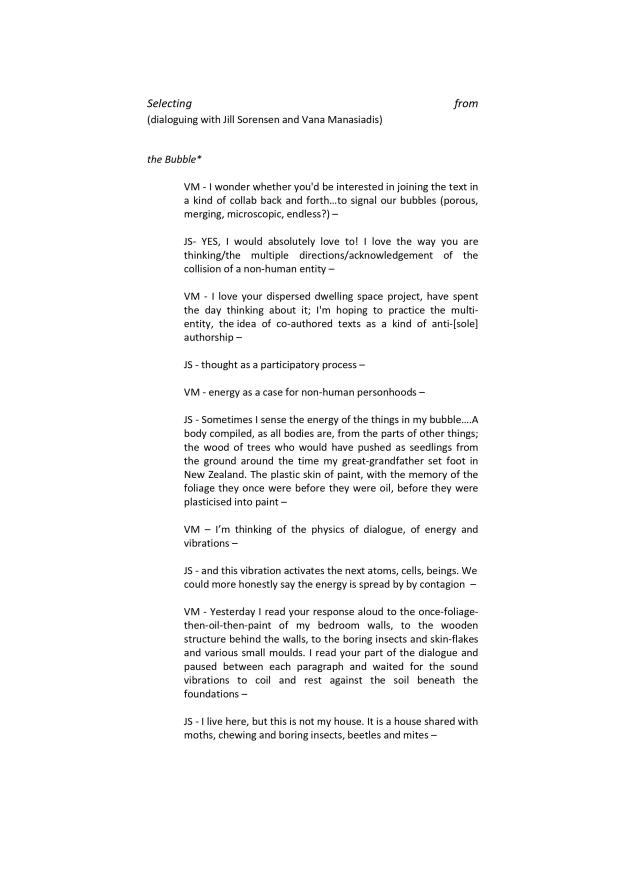
Poetry Shelf connections: Vana Manasiadis dialoguing with Jill Sorensen


Screen Shot 2020-05-06 at 10.26.16 AM.png


0001.jpgScreen Shot 2020-05-06 at 10.25.14 AM.png


0002-1.jpg


The full dialogue is here

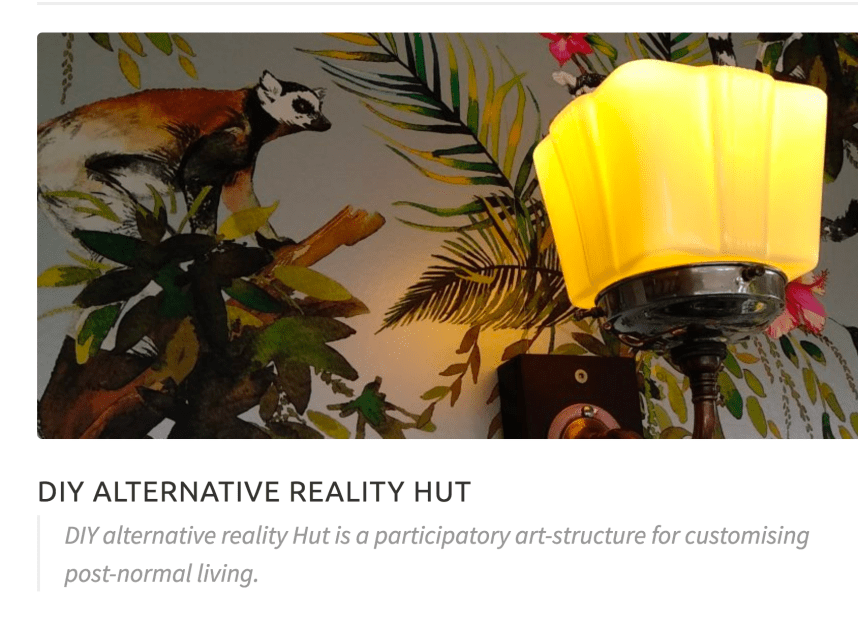
The Alternative Reality Huts is here


Vana Manasiadis is a Greek-New Zealand poet, translator and creative writing teacher who has been moving between Aotearoa and Greece, and is now living in Tāmaki Makaurau/Auckland. Her most recent collection, The Grief Almanac: A Sequel, was published by Seraph Press in 2019. She is the co-editor of the Seraph Press Translation Series, and was the editor and translator of Ναυάγια/Καταφύγια: Shipwrecks/Shelters: Six Contemporary Greek Poets (2016) and co-editor, with Maraea Rakuraku, of Tātai Whetū: Seven Māori Women Poets in Translation.


Jill Sorenson completed her undergraduate studies at the College of Fine Arts, University of New South Wales, Australia (1991) and gained an MFA (1st class honours) at Elam School of Fine Arts, University of Auckland (2002). She is a Fine Arts lecturer in the undergraduate program at Whitecliffe College of Arts and Design in Auckland and currently undertaking a PhD at Massey University College of Creative Arts,. She has exhibited both nationally and internationally, showing regularly at Whitespace in Auckland and Kobo Chika in Tokyo, as well as regional public galleries and independent exhibition spaces throughout New Zealand. She has initiated and lead a number of collaborative group projects played out as a series of installations at Rm Gallery in Auckland and  Blue Oyster in Dunedin. She is currently instigating research into ‘thinking together’ through the Conversation Pit project.


Petry Shelf connections: ‘The view from here’ series on Poet Laureate blog

Screen Shot 2020-05-07 at 7.47.30 AM.png


Peter Ireland introduced ‘The view from here’ series on April 14th on NZ Poet Laureate blog:

It is a time of the view from here, where each of us is, ensconced in our bubble, and so this seemed like a good peg to suggest to former poets’ laureate, on which to hang a few poems. The response to the invitation was generous and diverse in range. With poems came email conversations and further views, ‘of this place, this time of year, new footsteps overlaying the old ones’ from Michele Leggott. This view of Bluff port from Cilla McQueen: ‘In my study looking out at the port. The cranes immobile, little movement on the wharf, occasional trucks across the bridge. Log piles, woodchips, containers, pale blue sky, bright sun, slanting shadows, misty horizon. It feels like a solemn public holiday.

 

Over a number of days in April, former New Zealand Poets Laureate posted a poem from lockdown:

Vincent O’Sullivan  ‘In these troubled times’

Ian Wedde  ‘The view from here’

Elizabeth Smither ‘Cilla, writing’

Michele Leggott ‘h e l l o   a n d   g o o d b y e’

Cilla McQueen ‘Breach’

Brian Turner ‘Between Shingle Creek and Fruitlands’

Bill Manhire  ‘Takahe’


This is a terrific suite of poems that take you travelling. I got to hear the Laureates in Wellington read togther and it was a memorable occasion. This is a taste of that.

You can read the poems here.


Poetry Shelf connections: Frankie McMillan’s ‘We are not out of the woods yet’


We are not out of the woods yet


In the Netherlands during the war

the news came from watching

the windmills, sails set to indicate

good news or bad.


Here we shelter in place

in a city street and watch the one o’clock

Ashley Bloomfield show.

We wait for the numbers,

the dip and rise


of probable and confirmed and

the suspected cases who remain suspected

who drag their bodies from one day’s count

into the next, perhaps peering from their window

at the dark and tilted trees.


Meanwhile from our thick and boundless dreams

the scuffle of an unknown beast

rough nose pressed against the pane

checking to see if there has been change

in what was once our living room.


Frankie McMillan 2020


Frankie McMillan is the author of five books, the most recent of which, The Father of Octopus Wrestling and other small fictions, was listed by The Spinoff as one of the 10 best New Zealand fiction books of 2019. Her previous book , My Mother and the Hungarians and other small fictions was long listed for the NZ Ockham Book Awards, 2017. She was awarded the NZSA Peter and Dianne Beatson Fellowship in 2019. Frankie currently teaches at the Hagley Writers’ Institute in Christchurch.