Monthly Archives: April 2020

Poetry Shelf comfort book list from children’s authors


Sacha Cotter sent me these photos of her son with dad Josh; the baby hunts down his favourite book wherever they put it. I can’t find the words to say how much I love these photos. This is why we write children’s books. It is utterly magic.

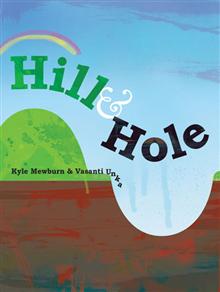
Children’s books are extra necessary while families are living in bubbles with children, but for me children’s books are an endless source of comfort and delight. They are always an essential part of my life. I am thinking of the joy I get reading Margaret Mahy picture books from The Three Legged Cat to A Summery Saturday Morning. Or Barbara Else’s The Travelling Restaurant. Kate De Goldi sent me a list of classics one summer and I had a heavenly time reading my way through the books. Every classic was a comfort. An uplift. But a book that offers supreme comfort is Kyle Mewburn’s Hill and Hole. A joy. As is this list.

forgive quality of some of the book covers – not always easy to find at the moment
 

9780143504535.jpg


the list


x300.jpg


Sacha Cotter

Arrgh – it was so hard to choose!!! There are so many books I could have chosen!!

I almost chose a baby book that our 9 month old is currently obsessed with (a brightly coloured book called This Little Piggy by Jarvis). We put it up on his book shelf in a different spot each day and even though he is still only commando crawling and can’t even pull himself up to sitting, he is still able to peek up, flail his arms about, find the book and pull it down each time!! So cute! We must read it to him ten times a day at least! Ha ha.

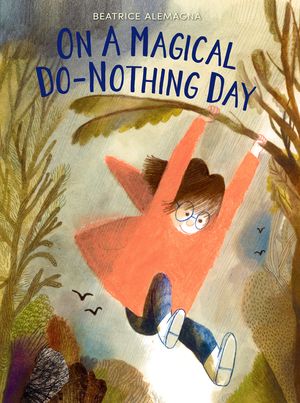
But…I think I’ll go with A Magical Do-Nothing-Day by Beatrice Alemagna. Perhaps more fitting for the current situation.

When I read the picture book On a Magical Do-Nothing Day I feel comforted and cosy and warm and also full of wonder and excitement all at the same time! On a boring, rainy day a child reluctantly goes outside expecting to find even more boringness. At first the child is unimpressed with the wet outdoors, but over the course of the story, without really realising it, the child begins to notice all the mystery and joy and adventure of being outside. I feel a special sense of connection with this story because it reminds me of my childhood and because spending time by myself outside, alone with my thoughts, is what I like to do to re-energise and appreciate the little things.
 

9781760292294.jpg


Kate De Goldi

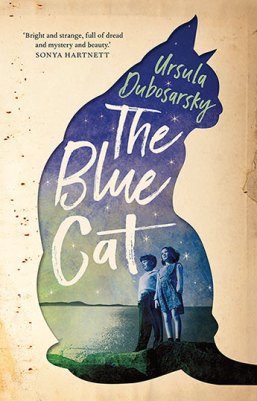
The Blue Cat by Ursula Dubosarsky, Allen & Unwin, Sydney 2017

This astonishing book begins with an epigraphic poem both mysterious and menacing: the final two stanzas suggest the act of horrified witness at the heart of the book:


his body shakes

when he’s asleep

with secret anger

dark and deep


there’s nothing

nothing we can do

i only know

the cat is blue


The book’s subject is grave and devastating but – as with all this writer’s novels – our lens is that of a child who only partially understands what she sees. We are in Sydney in 1942 and ten-year-old Colomba (the little dove) tries to stitch together the particulars of her life: the navy ships in the harbor, time gone backwards by an hour, a foreign boy newly arrived at school, her Cassandra-like friend, Hilda, impenetrable adult pronouncements, and a sleek blue cat that comes and goes. Dubosarsky’s writing is limpid but freighted; meaning reverberates between the lines. Beneath the apparently simple story surface are radiating mysteries. I find this book continually compelling and comforting – for its reminder of the terrors and hilarity of childhood perception, its complex expression of humanity, and its proof that great writing for children deploys the full cupboard of literary arts.
 

Screen Shot 2020-04-10 at 7.35.41 AM.png

Elena de Roo

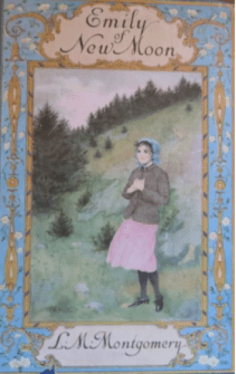
I am picking the Emily books by L.M. Montgomery because they transported me to another time and place (Prince Edward Island in Canada in the 1920’s) when I was eleven and staying at a kind elderly relative’s place for the school holidays. She had the whole hardcover set of three (Emily of New Moon, Emily Climbs and Emily’s Quest) on her book shelf and most afternoons while I was there, I’d sit curled up in a comfy arm chair and devour their musty smelling pages and delicious language, and dream.

‘Emily had slipped away in the chilly twilight for a walk. She remembered that walk very vividly all her life—perhaps because of a certain eerie beauty that was in it—perhaps because “the flash” came for the first time in weeks—more likely because of what happened after she came back from it.’
 

Screen Shot 2020-04-10 at 9.56.45 AM.png

Tessa Duder

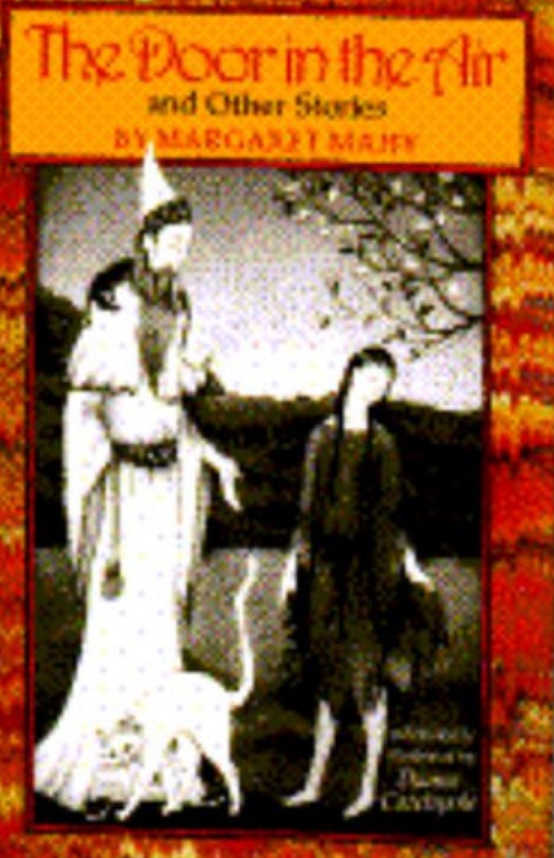
Margaret Mahy wrote hundreds of wonderful books, but for me, her finest writing is to be found in two short stories from her only young teenage collection, The Door in the Air and other stories.

Both ‘The Magician in the Tower’ and ‘The Bridge Builder’ are profound meditations on the nature of transformation and death, but lightly and compassionately told in breathtakingly beautiful language. I read and re-read them during a time of great family grief, and nearly thirty years on am still overawed by their power to provide comfort and wisdom. Aroha nui, Margaret.
 

9780812989632.jpg


Whiti Hereaka

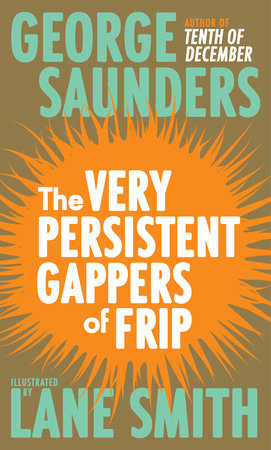
A book that’s given me comfort recently is The Very Persistent Gappers of Frip by George Saunders, illustrated by Lane Smith. It is a beautiful fable about a village, Frip, plagued by goat loving creatures called gappers. A little girl named Capable brings her community together with kindness (even though her neighbours have been less than kind to her in the past.) It’s a lovely little tale about the dangers of being selfish.
 

Screen Shot 2020-04-10 at 8.52.49 AM.png


David Hill

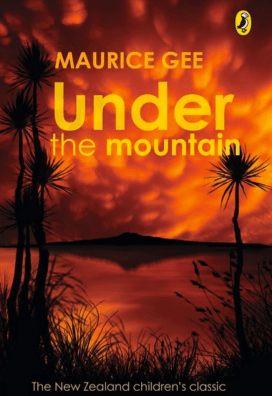
I’ve always enjoyed and hugely admired Maurice Gee’s Under the Mountain. The story of identical twins who become aware of a strange, evil breed of creatures called The Wilberforces living furtively in Auckland, and how with the aid of an old guy with strange powers, the twins are hurled into a series of astonishing adventures, which leads to Auckland’s volcanoes dramatically erupting, is a totally engrossing story – plus the twins are so convincing. It made a pretty good TV series, as well.
 

The-Jillion-600x600.jpg


Melanie Koster

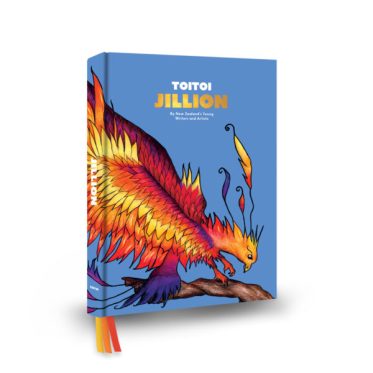
The book I have chosen is Jillion (by Toitoi). The stunning illustrations draw you in, and there is such a variety of stories and poems. If I feel like a quick read, there’s plenty of tiny poems and flash fiction. Or if I feel like getting stuck into something chunkier, there are longer stories and articles. There is writing that makes you think, wonder and laugh out loud. The talent from these young New Zealanders is awesome and inspiring.
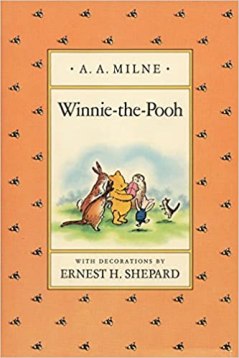
 

51ynloFd3fL._SX331_BO1,204,203,200_.jpg


Janice Marriot

This book (s) always delights me; all the varied characters, the acceptance of difference, acceptance of the bizarre wonder of the world.
“What day is it?” asked Winnie the Pooh.
“It’s today,” squeaked Piglet.
“My favourite day,” said Pooh.
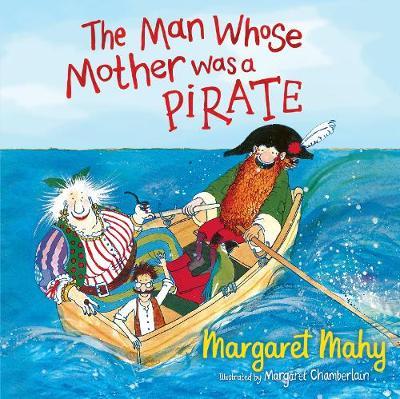


206436670.jpeg


Eileen Merriman

I love The Man Whose Mother Was A Pirate (Margaret Mahy). The beautiful artwork paired with the exciting, humorous storyline and poetic prose is delightful.
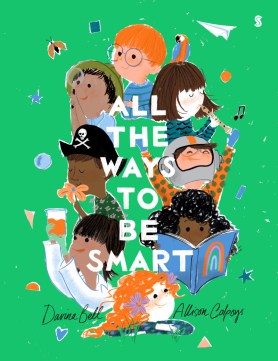


All The Ways To Be Smart cover.jpg


Amber Moffat

The book I have chosen is All The Ways To Be Smart by Davina Bell and illustrated by Allison Colpoys.

It is a great book to dive into as we all are finding new ways to be creative and keep learning while at home. It explores all the different ways you can be smart, like being, “Smart at rhyme and telling time, and building cubbies, making slime.” The illustrations are energetic, with lots of popping colour and flourishing lines – it’s a beauty!
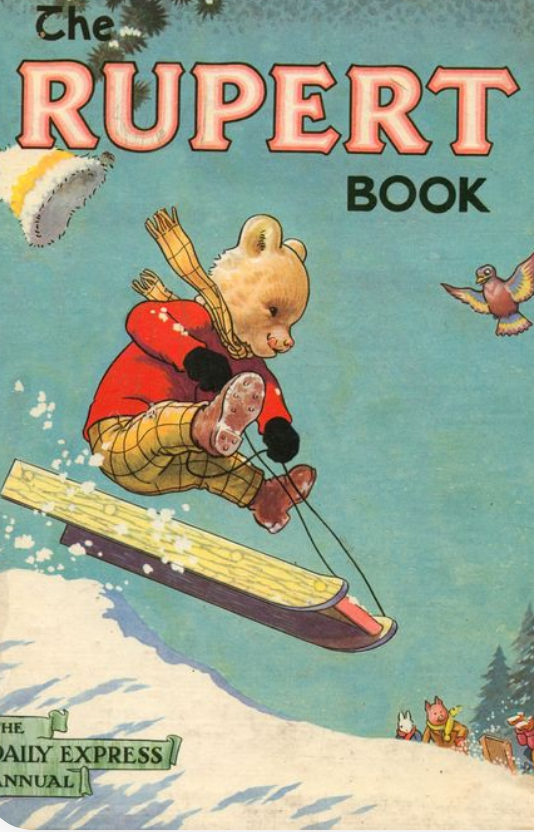
 

Screen Shot 2020-04-10 at 10.00.37 AM.png


Bill Nagelkerke

I loved, and still love, the stories about Rupert Bear, which were collected into Annuals. Rupert and his mates went on wondrous adventures and visited amazing places. They got into some tight spots at times, but they always came home safely.
 

cv_i_am_not_a_worm.jpg


Belinda O’Keefe

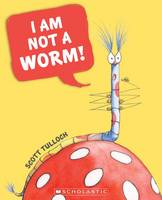
I am Not a Worm! By Scott Tulloch

I absolutely love this book by the very talented author/illustrator Scott Tulloch. The conversation between caterpillar and chameleon is hilarious, as caterpillar tries to convince chameleon he is not a worm. The expressions on the caterpillar’s face as his temper explodes is priceless – you can almost hear him shouting out of the book! With stunning illustrations, witty dialogue and a surprise ending, this book has me and my son in fits of laughter every time we read it. Enjoy!
 

51ttHbGi1KL._SX331_BO1,204,203,200_.jpg


Lorraine Orman

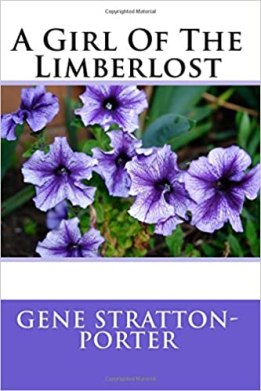
My go-to book for solace reading is very old. It’s Girl of the Limberlost by Gene Stratton-Porter (1909). When I was young, in the 1950s, my life wasn’t happy at all. I found comfort in reading this story about a girl who endured a poverty-stricken life with her cold-hearted mother – but came out on top because of her own efforts and the help of others. It’s available free at several internet sources, including here.
 

9780763642648.jpg


Clare Scott 

(note from Paula: PRH has postponed arrival of Clare’s fabulous The Midnight Adventures of Kiwi and Ruru)

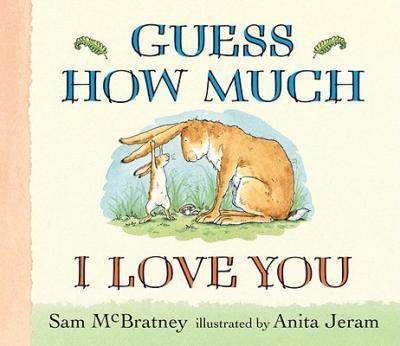
Guess How Much I love You (Sam McBratney) says beautifully and simply that there is nothing bigger than the love I feel for my special people – and that there really is no way of properly describing that immense feeling. It just simply ‘is’…
(And never is that more important than now!)


The-Bomb-website.png


Melinda Szymanik

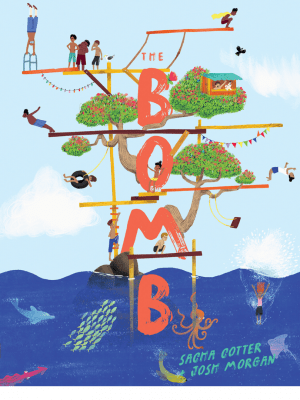
I’ve picked Sacha Cotter and Josh Morgan’s The Bomb (Huia, 2018). I remember my joyous reaction on reading this book for the first time not long after it came out. How quintessentially New Zealand it was, what energy there was in the story, and yet what patience too with the familiar childhood dilemmas of insecurity and fear over doing something for the first time, and how beautifully it was all resolved. Pictures and text working so seamlessly together. Such a feel good book.

And just before lockdown I was lamenting the fact that I didn’t own my own copy. I wanted to read it again, and share it with others. But inertia reared its head and I put off buying it. How lovely it would be in such strange times to be reminded of these simple New Zealand pleasures like doing a bomb, of summer fun, and where our biggest problem is finding the courage to dive in. Of course the silver lining now is that it is a purchase I can make to help my beloved local bookshop when the lockdown is lifted. And I feel like that reflects the spirit of the book.
 

51tAvrPhpNL._SY368_BO1,204,203,200_.jpg


Vasanti Unka

I’m more likely to read a children’s book for inspiration than comfort or solace but to comfort a child I’d go straight to A A Milne’s Winnie-the-Pooh. Such a predictable choice – I hear you sigh. I know, we’ve all seen too many ‘Pooh and Piglet’ memes.Yet I will be a fan forever – that bear is as silly as me.

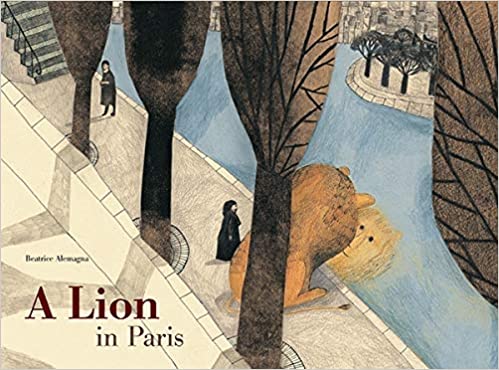
Maybe as an alternative – something more contemporary – I’ll tell you about a picture book that’s sitting on the floor near my desk, A Lion in Paris, by Beatrice Alemagna. I’ve been raving about it to my illustration students in the Zoom classroom. I wanted to show my students the book because it’s been rendered so sensitively in a mix of pencil, paint and collage. It exudes warmth and empathy. The skewed perspectives are apt.

The book is about a lion who is bored of living in the grasslands so he goes to Paris. As the Lion wanders the city, he wonders if people will be terrified of him but nobody even sees him. The lion, wanting to be noticed, becomes despondent. He looks in the river. The river is smiling up at him – its really his own reflection. Everything changes for the lion. At the Louvre a girl looks at him endearingly – its actually the Mona Lisa. The dreary city is transformed, ‘…smiling at him with all its windows.”

The text and illustrations poignantly capture the feeling of aloneness, the strangeness of new surroundings and then of finding one’s place and one’s self in the midst of this. There is a perfect big, happy ‘ROAR near the end.
 

charlotte 11802920.jpg

Philippa Werry

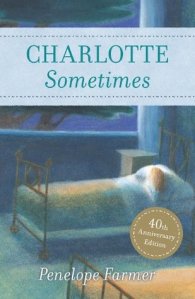
Charlotte Sometimes by Penelope Farmer

Charlotte Sometimes is a book I loved in childhood. I haven’t met many people who have read it but everyone should. As well as having an enticing title, it combined some of my favourite genres – time travel, family and boarding school stories – underpinned by themes of identity, war, death and loss. The first time I read it, some of those themes went right over my head. I didn’t get all the World War One references and I didn’t know about the Armistice or the 1918 flu epidemic. But I did know that I loved the story of Charlotte and Clare, their school life, and their desperate efforts to get back to their own time and their own families. Now I read it with a poignant sense of what time takes away from us in its passing, but I’m comforted also by a sense that there is a pattern to our lives and that we find ways to get through the hard times.


keep well

kia kaha

keep imagining


Poetry Shelf connections: Marty Smith’s ‘My lights, for Paul’ with poem and audio


My lights, for Paul

April 8, 2020


All summer long I go on

till every gap is gone,

winding and twisting

wires of lights,

higher and higher


I’m not worrying, I’m looking up

breathless


making more and more:

red bobbles on a plastic buoy

blue glass balls on a round ball valve

a warm white pyramid, tipped with gold

changing colours

on fluorescent globes


I covered it all in lights

right up to the top spike

of the monkey puzzle,

twenty foot high, dazzling out

in black space beside


a five-by-five foot glowing ball

of cats’ eyes, shining greenly

into the velvet dark

and in behind, the port lights

on the estuary


and still my wish is not bright enough

Paul is struggling to stand


the moon, strangely yellow too,

stops to pose above my lights,

pooling moonlight onto the sea


it’s all set up in front of the seat

where Paul can sit

and smoke and see them glow


the tiny red tips on the sea glass globe

are fading now, tail lights going away


Paul says he’s here to play pool,

not look at my lights


he sits smoking and staring at them

shining out of the softest night


he says,

I’d like to see them go in a line down the lawn

and into infinity


Marty Smith


Paul-DSCF9310 copy

Photo credit: Florence Charvin


Marty reads ‘My lights, for Paul’


Poet Marty Smith is in lockdown in Hawkes Bay. She plays pool every Friday night (not now) with Paul and a small hard core group. When the competition begins again, it will be renamed as the Davis Cup. For Paul Davis, the best pool player of all.


Poetry Shelf meditation: John Gallas ‘Self-Isolation : the Hermit-Poet copes’


Self-Isolation : the Hermit-Poet copes.


Being an Isolate Hermit, but not ill, is as awful as being under mild house arrest, kept in by a distant flood or too much sun, or just disliking the season or the times : that is, not very.

Guthlac of Crowland retreated to an island in the fens for twenty years. Wulfric of Haselbury shut himself inside some big rocks at Haselbury Plunkett. Julian of Norwich spent most of her life in a tiny wee cell stuck on her local church, watching Jesus bleed above her head while the population dropped dead of the plague outside.

There is a lesson here : that With Purpose, Away from the World, Much May Be Done.

Guthlac , who would not go to the shops for fear of (mostly moral) infection, ate clags of barley- bread and drank mud-water, and saw Demons with shaggy ears, horses’ teeth, throats vomiting fire and scabby legs, who would never stop shreiking. With much self-scourging, however, his soul was made safe, and his time passed usefully, and he now has his statue at Crowland Abbey (second tier up the old nave). When Guthlac died, honey poured out of his mouth and he flew away on a beam of sunshine with some Angels and became a Saint. How good is that ?

Wulfric (29 years a Hermit) had cold baths and wore a hairy shirt with chain-mail on top, and gnawed turnips and clover. His isolation focused his mind so well that he became an expert weather-forecaster and doctor, and told King Henry by cosmic vibes that he (the King) was soon going to die of food poisoning, which he did. One-nil to the Isolate ! (also now a Saint).

Julian of Norwich, of course, is perhaps the finest example of Retreat & Thrive. She wrote. Lord, did she wrote. While most of us might take up knitting or play Scrabble, Julian established direct communication with God, who Revealed Things to her via (note well, you isolates) the pure and specialised air of her cell, which was subsequently filled instead with crowns of thorns, submarine journeys, lots of blood and three different versions of Heaven. Julian now has a splendid swing-bridge named after her near Norwich Railway Station, something more than any of us can probably hope for.

These are more secular times, and we have, mostly, other gods. Yesterday, I got stuck into several of mine. I began a 2000-piece jigsaw of ‘Hunters in the Snow’ ; wrote a poem about a ruffled swan on a flooded pond near Stanton-under-Bardon ; listened to the audiobook of ‘The Hobbit’ ; made scones (and ate them) ;  and read some more chapters of ‘Anna Karenina’ (who has time for that in their healthy days ?). Today the sun is out, and I am going to really really concentrate under the plastic tiki on the wall with some mud-water, and have a vision of Beowulf, who will tell me about some brilliantly exciting and murderous adventures (which I will write down ; pen and paper are well ready) and come back tomorrow, shaggy ears and all, and tell more. Like Julian’s ‘Revelations of Divine Love’, I’m hoping there will be a Short Text, followed by a Long Text, followed by general fame and a literary Sainthood.

Cheer up, folks : we have nothing to lose but our ordinariness !


John Gallas. NZ poet published by Carcanet. 20 collections including The Song Atlas, Star City, The Little Sublime Comedy and 52 Euros. The Extasie (60 love poems) and Rhapsodies 1831 (translation of French poet Petrus Borel) to be published January and March 2021. Presently living in Leicestershire. Librettist, St Magnus Festival Orkney poet, Saxon Ship Project poet, Fellow of the English Association, tramper, biker and merry ruralist. Presently working on two sets of poem-prints (’18 Paper Resurrections’ and ‘Wasted by Whitemen’). ‘Unscythed’ written in Sefton, near Rangiora : home of bro.


Poetry Shelf noticeboard: VUP releases free e-book to entertain readers

Thanks VUP – what a cool idea!


Screen Shot 2020-04-08 at 12.40.46 PM.png

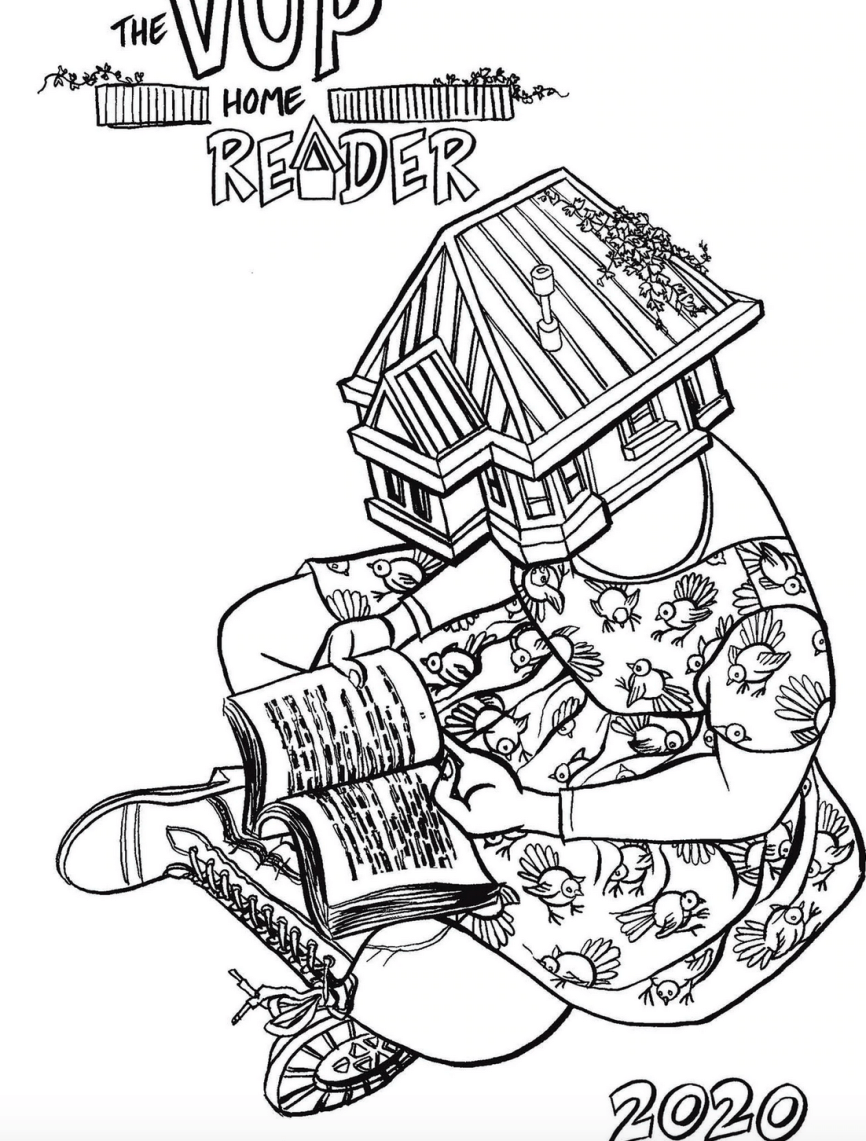
Victoria University of Wellington Press has released a free e-book with fiction, poetry and non-fiction by 42 writers as an offering to readers during the state of emergency in New Zealand.

The VUP publishers say in their brief foreword:

‘The VUP Home Reader is everything we’re working on at the moment—extracts of books which were published in February and March, books which are in the warehouse or on the water, final proofs and uncorrected proofs, manuscripts and work-in-progress—stretching into 2021. We offer it as company, as entertainment, as a promise.’

The VUP Home Reader can be downloaded for free in e-book formats and as a PDF from the VUP website.

VUP Website

MeBooks


Screen Shot 2020-04-08 at 12.40.13 PM.png


Poetry Shelf connections: Harriet Allen celebrates Sarah Quigley’s The Divorce Diaries


20200401_132404.jpg


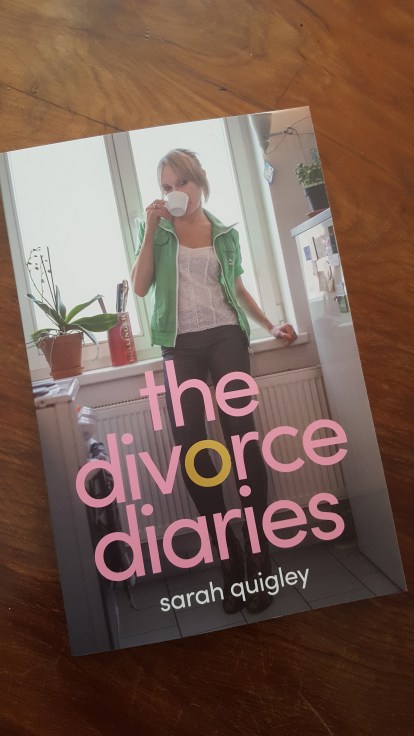
The Divorce Diaries by Sarah Quigley (Penguin Books)

Not everyone would be prepared to open up their lives to share one of the most painful times of their life. Not everyone can find humour and clear-sightedness, even when life is going well. Not everyone can write with honesty and perception about their own experiences. Not everyone can write with precision, beauty and adeptness. Fortunately for us, Sarah Quigley can and in spades.

I’m delighted that this month we are releasing this autobiographical book by this terrific writer. You can buy it online here And as soon as bookshops open again, you can also purchase physical copies.

You might have read about Sarah’s story in her Next magazine columns, for which she won the MPA Columnist of the Year in 2015 and was runner-up in 2016 and 2019. This book is a new version of that material written specially in book form, with added details. It’s smart, amusing and reflective.

Leap into its pages and be transported to Berlin and Sarah’s bohemian life among artists and writers. Be prepared for heartache and laughter, be prepared to be hooked in, right up to the last page. Here’s the beginning:

‘I had my first panic attack on a quiet sunny morning in Berlin. It was mid-summer. The city was drowsing, baking, in the grip of a heatwave. The massive chestnut trees were heavy with leaves, the grass on the sides of Karl-Marx-Allee grew dusty and long. Bats flickered like quicksilver through the sultry evenings. Every day I sat working with my feet in a bucket of cold water.

‘On that particular morning, when I first woke up, I felt as if there were no air in the bedroom. I pulled back the black sheet (we’d never bought curtains), flung open the window, saw the familiar ochre walls of the Babylon cinema across the street. Behind, a blue cloudless sky — which suddenly, inexplicably, felt too low. It was like a lid to the world, pressing down on the trees, on the houses, and especially on me, crushing the breath out of my lungs.

‘I hung out the window, gasping, feeling as if I were suffocating. For half an hour I stumbled around the apartment trying to breathe: lying on the floor, standing up again, half-crying. What was happening? I had no idea. I only knew I felt close to dying.’


To continue the first chapter, read here


Harriet Allan, Publisher


Sarah in conversation with Jesse Mulligan


Poetry Shelf noticeboard: new intitiative Stasis Journal opens for submissions


Call for Submissions - Stasis.jpeg

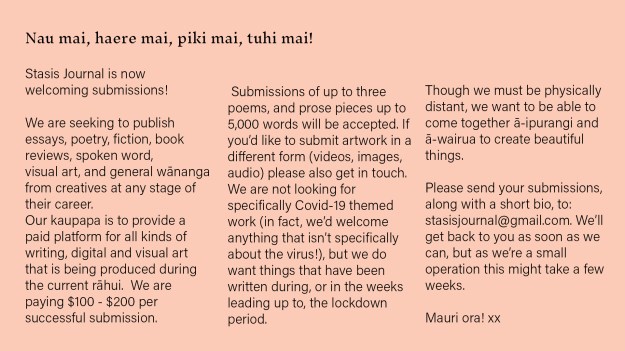
In light of COVID, Sinead Overbye and Jordan Hamel have decided to start an online journal that pays nz writers for their work.


Poetry Shelf noticeboard: Starling open for submissions

go here


Screen Shot 2020-04-07 at 7.05.55 AM.png

We hope that this news will be a bright spot in an uncertain time – the smallest thing that might help keep you on course. We are currently accepting submissions for our tenth issue. Starling has been running for an amazing five years, and that feels worth celebrating, especially given the circumstances. Submissions will close as usual on April 20, and although our own situations have changed as editors (working from home / home with kids) we will be trying to keep things moving at normal pace and deliver our best issue yet. For that we need your help!

If you are a New Zealander under 25 years old, send your new creative writing to us. Any genre, but write what counts. What is it you want to say? See our submission guidelines for how to format and send in your work.

If you know a young writer who may be interested in submitting something, please encourage them to do so and share this news. It might be just what they need.


Poetry Shelf Monday poem: Kiri Piahana-Wong’s ‘ Give me an ordinary day’


Give me an ordinary day


Ordinary days

Where the salt sings in the air

And the tūī rests in the tree outside our kitchen window

And the sun is occluded by cloud, so that the light

does not reach out and hurt our eyes

And we have eaten, and we have drunk

We have slept, and will sleep more

And the child is fed

And the books have been read

And the toys are strewn around the lounge

Give me an ordinary day


Ordinary days

Where I sit at my desk, working for hours

until the light dims

And you are outside in the garden,

clipping back the hedge and trees

And then I am standing at the sink, washing dishes,

And chopping up vegetables for dinner

We sit down together, we eat, our child is laughing

And you play Muddy Waters on the stereo

And later we lie in bed reading until midnight

Give me an ordinary day


Ordinary days

Where no one falls sick, no one is hurt

We have milk, we have bread and coffee and tea

Nothing is pressing, nothing to worry about today

The newspaper is full of entertainment news

The washing is clean, it has been folded and put away

Loss and disappointment pass us by

Outside it is busy, the street hums with sound

The children are trailing up the road to school

And busy commuters rush by talking on cellphones

Give me an ordinary day


And because I’m a dreamer, on my ordinary day

Nobody I loved ever died too young

My father is still right here, sitting in his chair,

where he always sits, looking out at the sea

I never lost anything I truly wanted

And nothing ever hurt me more than I could bear

The rain falls when we need it, the sun shines

People don’t argue, it’s easy to talk to everyone

Everyone is kind, we all put others before ourselves

The world isn’t dying, there is life thriving everywhere

Oh Lord, give me an ordinary day


Kiri Piahana-Wong


Kiri Piahana-Wong, Ngāti Ranginui, is a poet and editor, and is the publisher at Anahera Press. Kiri’s first full-length collection, Night Swimming, was published in 2013.