Shine, there’s shine and starlings and I’m starting to wake up to a series of occasional poems, so far a series of one, the first in a procession I look forward to as the starlings, nesting as usual in the wall behind the fridge, start again with a new season of fledging and flights. Yesterday Susan came over from next door with pastry that needed baking in our oven because hers has broken down and Lucinda was soon summoned to check on the state of the pastry while Robert was left on speaker-phone stoking his fire. He had been out gathering clay – but was it clay or had he been gathering mud, he wondered – to make a koauau to improve his poetry readings by layering in taonga pūoro. I like his poetry readings because of the way they sound just like him talking and how talking to him on the phone is like a poetry reading I am invited to interrupt when occasionally I have something to add, a sudden flight, but poetry readings have taken on more and more shine and dimension these days with music and dancing, even in my dreams. Last night, I dreamed of Robert’s koauau before waking to find a new series of occasional poetry launching on Poetry Shelf with Robert’s poem about gathering clay – but was it clay or was it mud, he wonders in the poem as he wondered on the phone, when he must have already been echoing the poem I read as an echo of the call, the poem he must have written before he talked to me about the mud, no the clay, and the koauau which is not yet made but one day will sound its sound into the air. I feel it echo in me before its first sounding and I want to mark the occasion of the dream-sounding of the koauau and to mark the occasion too of the occasional poetry series launch, and the occasion of the clay-gathering and the pastry baking and the phone call and the reading of Robert’s poem, so I am writing an occasional poem of my own, this poem, if it is a poem, not just a muddy stream of words, probably needing music backing it, or back-up dancers feathered and shining, sounding a sound beyond the words, beyond the work, beyond the occasion, beyond the writing first thing in the morning, the new moon (Tirea now, we have passed Mutuwhenua) still quietly auspicious though invisible now as the sun rises, rises and turns, has been rising for a while now, rising as I write, the birds quietening and my shoulders stiffening, and I still in my pyjamas – I don’t even know the time.
Anna Jackson
Anna Jackson’s latest collection of poetry is Pasture and Flock: New and Selected Poems (Auckland University Press, 2018). She also recently released Actions and Travels, a book on poetry (Auckland University Press, 2022). She is based in Wellington.
thinks about driving to Waihao to fetch some uku to make a koauau. It’s at Waihao Box where you said the local boaties couldn’t stand walking around your group of mana whenua collecting uku for taonga pūoro. I want to play taonga pūoro like you. It’ll improve my poetry readings where I need to lean against the fourth wall to be heard.
It ain’t easy. I still can’t click my fingers properly let alone make a clay flute in my head. It’s the idea that some non-Māori boaties are out there waiting to troll me for holding up their kayak adventure when this billy goat wants a koauau journey for healing. Āuē. I’m still in my dressing gown. If only Tangaroa would be my valet. Tomorrow it’s Mutuwhenua. I don’t even know the tides.
Robert Sullivan
Robert Sullivan belongs to the Ngāpuhi and Kāi Tahu iwi. He has won awards for his editing, poetry, and writing for children. Tunui Comet is his eighth collection of poetry. Robert’s an Associate Professor of Creative Writing at Massey University. He is a great fan of all kinds of decolonisation.
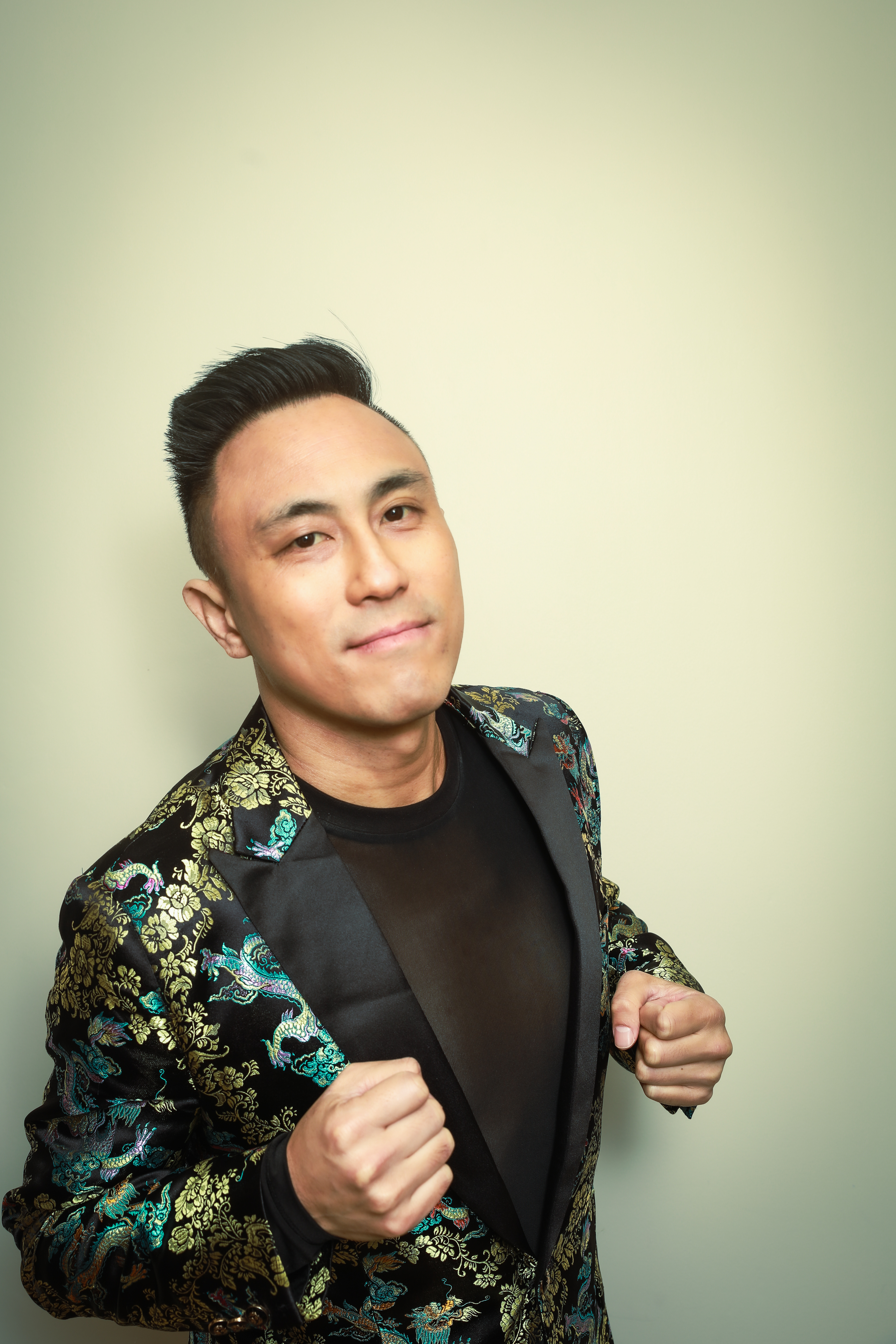
It’s almost a month since I celebrated the arrival of glorious poet, editor and mentor Chris Tse as our National Poet Laureate.
Time then to give a blog update. I feel like, as I just said on Twitter, I have emerged from the stables after the past months, and my mind is like a horse galloping cantering dancing around the paddock before settling in for a long nap. Glorious. A bone marrow transplant is such a refresher for the mind.
I have read so much this year – and in my time back home pretty much a sublime book per day. It got me musing on how I had to hunt hard for good children’s titles as so few of them had been reviewed in New Zealand. I was musing on how I love our local children’s book communities, what they are producing, and how in my experience children still love books: reading and writing, stories and poems! Against my better judgement, with my energy tank far from full, still coping with physical challenges, I decided to transform Poetry Box into a celebration hub for children’s books, for adults and for the young, all book categories. To challenge children to write poems. To challenge adults to share children’s books. To make as many connections as I can.
I am motivated to support our young readers and writers, to support our wonderful local children’s authors, and to showcase our fabulous librarians, booksellers, and publishers.
I am also doing my own secret writing projects because words are what hold me on an even keel at the moment – writing and reading make my heart sing and allow zero room for negativity or ‘if only’ or ‘why me?’ or glumness in my head. No matter what challenges I face.
But crazily madly a part of me also wants to wake up Poetry Shelf. And yes madness as this blog has always taken such a big bite of me. Not just the posts I assemble and write but all the communications and responses to requests – and even at times, aggressive emails. I can’t cope with demands at the moment, or deadlines, or even feeling like I am failing. When I don’t get to celebrate all your magnificent books, even when I have loved reading something, or when I have loved a book a little less, I feel bad. That becomes a form of failing for me. Not good.
So I am trying to make a plan where I can wake up Poetry Shelf just a tiny bit. What I want to do is occasionally review a poetry book I have loved or post a poem I have loved – or even post a notice now and then. Without rigid commitment or tight schedules or comprehensive coverage or worrying about what I don’t do.
So this is what I am thinking. I might never answer your emails or the phone. But slowly, step by step, I will start to shine little lights again on our fabulous poets and what they are doing. To share the way poetry is a source of joy and challenge, is balm and solace, refreshment – is re-engagement with our fickle and vulnerable and beloved world.
Watch this space!
Oh and keep an eye out for Roar Squeak Purr (my big anthology of animal poems by adults and children, out mid October thanks to the wonderful team at Penguin).
Love
Paula
PS I can’t tell you how much your cards and poem choices and the books (and chocolate!) you popped in the post have meant to me. I still have three envelopes to open for days when I feel fatigue and pain and glumness settling in. A thousand times thank you for your support and care and generosity. It has mattered so much.
What great news to hear Chris Tse will be our next Poet Laureate. His poetry is remarkable, he is a sublime anthologist, an excellent reviewer and is doing a stellar job editing the Friday Poem at The Spinoff. I am excited by the prospect of new poetry produced during his tenure and how he will inspire us with whatever he chooses to do in the public arenas. And that is what I love about the Poet Laureate role – how individual poets can ignite a passion for poetry across communities, ages, locations, ways of writing. Each poet makes the role their own, and each leaves us with a gift of words, the power of poetry to illuminate who and how and where we are.
So I raise my glass and toast Chris Tse – a supremely good choice! I wish him all the best over his two years.
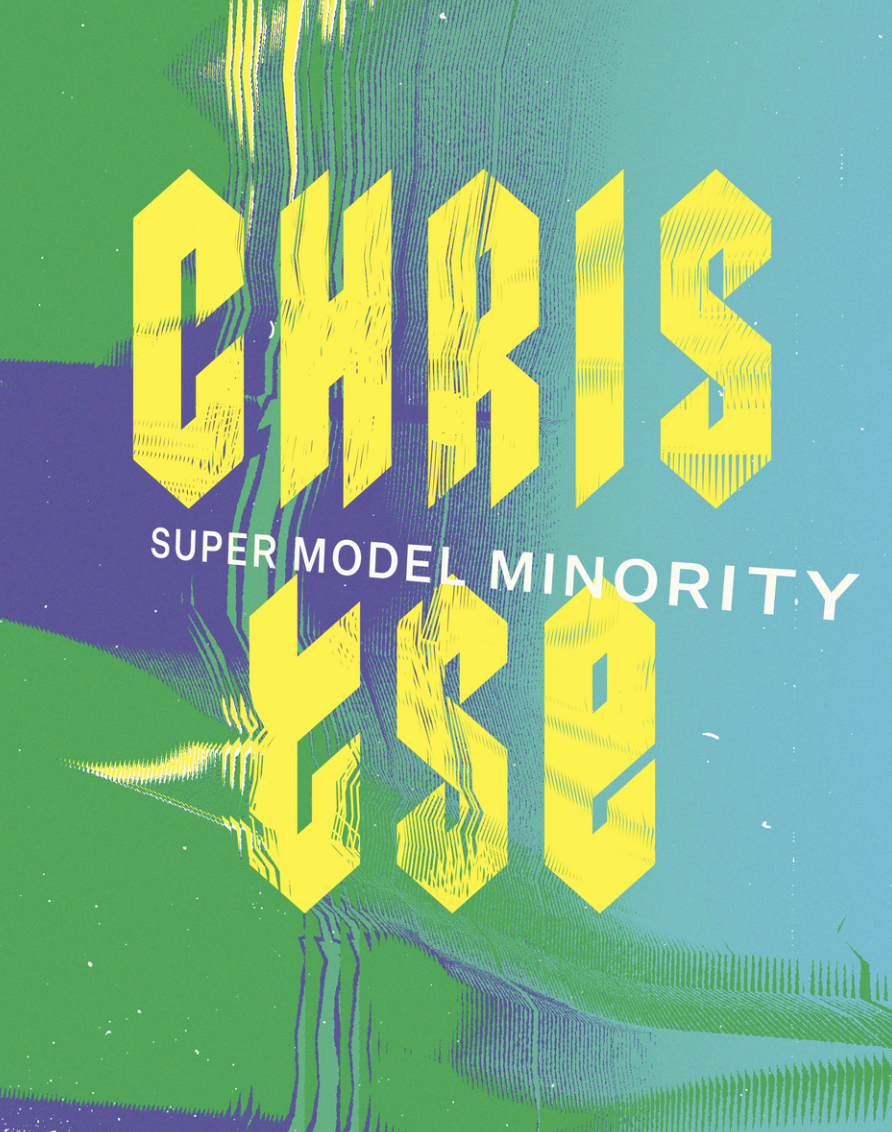
To celebrate I am re-posting a conversation we had earlier this year to acknowledge the arrival of his terrific new collection, Super Model Minority (Auckland University Press, 2022). Plus two readings from the book.
“The Poet Laureate Award celebrates outstanding contributions to New Zealand poetry. The Laureate is an accomplished and highly regarded poet who can advocate for New Zealand poetry and inspire current and future readers.” NZ Poet Laureate website
A reading
‘BOY OH BOY OH BOY OH BOY’ from Super Model Minority
‘Tomorrow, and tomorrow, and tomorrow’ from Super Model Minority
The conversation
Paula: In 2022 I am running a few email conversations with poets whose work has affected me over time. I have loved your poetry since your appearance in AUP New Poets 4 (2004). Your new book, Super Model Minority, strengthens my enduring relationship with your writing. The collection is an explosion inside me, but first I want to touch upon the spiky times we live in. What helps you? I am finding books keep repairing me, sending me on extraordinary package holidays, depositing me in the sky to drift and dream, to think. All genres. What are books doing for you at the moment?
Chris: Books have been such a comfort for me these past few years. Emma Barnes and I were still up to our necks in reading for Out Here when we went into lockdown in March 2020, so there was plenty to keep me busy and distracted. Things did get a bit more difficult when we couldn’t access some older and out-of-print books, but we made it work. I’m not a very fast reader so I do tend to take my time with several books on the go at any given time. Books have always made me happy – I was always happiest hunched over a book while my family watched rugby or played mahjong in the background. These days a big part of that happiness is the thrill I get seeing friends getting published and receiving well-earned praise for their amazing work. It’s such an exciting time to be a reader and a writer – to be able to experience the world through the poetry of essa may ranapiri and Rebecca Hawkes, or to have your brain recharged by the essays of Megan Dunn and Lana Lopesi. Aside from a few small projects I have no plans to start writing a new book, so I’m just hungry for stories and ideas right now to see where that might take me next. I want to read as much as I can for pleasure while I can.
Paula:Out Here gripped me on every human level imaginable, yet I never considered how Covid might prevent access to the archives. That was such a joy for me researching for Wild Honey. With Emma, you have gathered something special. Wide ranging and vital. It is how I feel about the younger generation of poets. I fall upon brittle, vulnerable, edgy, risky, exposed heart, potent – and I am grateful to Starling and The Spinoff’s Friday Poems for representing these wide-ranging voices. I am decades older than you, but how is the new generation affecting you?
Chris: For me, it’s such an exciting time to be a poetry reader right now with so many young poets producing ground-breaking and challenging work. Also, they’re voices and perspectives that we’ve been sorely lacking for such a long time – poets like Cadence Chung, Khadro Mohamed, Lily Holloway and Ruby Solly are all redefining what ‘New Zealand poetry’ means in their own ways. If I look back at what it was like to be a poet at their age, the playing field has shifted a lot because of journals like Starling and Stasis, and publishers like We Are Babies Press. I find their energy so infectious and inspiring – it certainly makes me want to keep pushing myself as a writer.
Paula: Exactly how I feel! But I also have poets I have carried across the decades since my debut collection in the 1990s. Bill Manhire, Michele Leggot, Bernadette Hall, Dinah Hawken, JC Sturm, Hone Tuwhare. Poets that helped me become a writer in so many ways. Particularly as I didn’t do any creative writing courses. Were there poets from the past or the present that were writing aides for you? In person or on paper?
Chris: My exposure to New Zealand poetry was sorely lacking as a high school student, so I’m really grateful that the papers and creative writing workshops I did at university introduced me to the canon and more contemporary writers. Jenny Bornholdt, Stephanie de Montalk, Bill Manhire and Alison Wong are poets whose work played a huge role in shaping my fumblings as a young poet. My poetry world was further expanded when I started to stumble across contemporary US poets like D.A. Powell, Frank Bidart, Cole Swensen and Richard Siken, whose first collection Crush I have written and spoken a lot about. It really is one of those life-changing books that set me on my current path. For Super Model Minority specifically, I turned to Chen Chen, Ocean Vuong, Danez Smith, Tusiata Avia, Nina Mingya Powles and Sam Duckor-Jones for comfort and inspiration. Their work feels so vital during these times of change and uncertainty.
Super Model Minority, Chris Tse, Auckland University Press, 2022
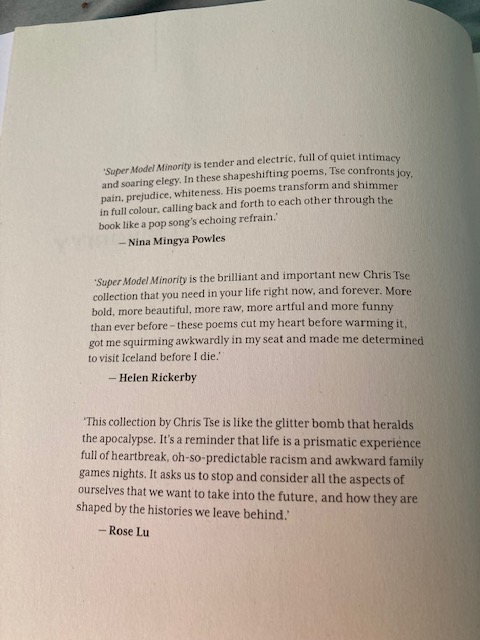
Paula: Inspired and comforted seem crucial for both readers and writers. Your new collection is body shattering and heart repairing. And yes, both inspiring and of comfort. The book includes the best endorsements ever (Nina Mingya Powles, Helen Rickerby, Rose Lu). They catch how the reading experience affected me perfectly. Would you couch the writing experience in similar terms?
Chris: Writing this book caught me off-guard, in a number of ways. First, I didn’t think I’d have a manuscript ready so soon after HE’S SO MASC – I was happy to take my time with the next book. Then a few things happened that set off something in me – an urgency to write and respond: the pro-democracy protests in Hong Kong, the aftermath of the Christchurch mosque attacks, and the rise of anti-Asian sentiment as a result of the Covid-19 pandemic. These events all triggered powerful emotions, but the overriding frustration I felt was that things seem to stay the same no matter how much we push for societal change and equality. I was overcome by anger, sadness, and helplessness, so I decided to write myself out of that state and turn it into energy. The poems kept coming and I found myself confronting a lot that I’ve left unspoken for so long – some of it out of guilt, some of it out of fear. Overall, the writing process taught me a lot about myself because of these responses and the realisation that it’s important to hold on to hope throughout the dark times – I’m not as nihilistic as I thought I once was, even if that’s how it may come across in the book!
Paula: I am coming across a number of poets who are re-examining a drive to write poetry in a world that is overwhelming, disheartening. Gregory O’Brien muses on poetry expectations: ‘If the times are dark, oppressive, tunnel-like – as they seem presently – maybe poetry can be a lantern?’ For me it’s Covid and impinging greedy powers. Shattered everyday lives in Hong Kong, Syria, Afghanistan, Ukraine. And it’s like you say – despite waves of resistance, critique, standing up and speaking out – a world free of sexism, racism, poverty, classism, homophobia can feel impossible. And yet … poetry can be essential at an individual level. It seems so, for you and I, as both readers and writers.
I will use my tongue for good. I say I will because this book needs to start with the future even though the future has always scared me with its metallic fingernails poking through the metaphysical portal come-hithering. Aspiration—and the threat of what we have awakened from the salty ashes of a world gone mad— aspiration will bolster my stretch goals. I will use my tongue to taste utopia, and share its delights with my minority brothers and sisters before the unmarked vans arrive to usher me back in time.
from ‘Utopia? BIG MOOD!’
The first poem ‘Utopia? BIG MOOD!’ is an inspired entry to the book. The opening line gives me goose bumps. I want it tattooed on my skin. Heck just reading it make me want to cry, stand up and getting going. It implicates the writing of poetry in the world and the world in the writing of poetry. It gives me hope reading this. You say it all in the poem but do you carry utopia in your heart? Despite your sadness and anger and helplessness?
Chris: That’s such a lovely quote from Greg – it sums up exactly how I feel as a poet and when I’m reading submissions for the Friday Poem. I’ve definitely noticed that recently poets are using poetry to light the way, even if we’re not sure where a particular path is leading us. Better to walk in light than stumble in darkness I suppose. I’m so glad that the first line resonates for you in that way. Here’s the thing – the first lines of all three of my books are a thread that ties them together. (I won’t presume that anyone is reading my work that closely to spot it!) All three books open with a reference to speech or being heard. In Snakes, it’s “No one asked me to speak…”; in HE’S SO MASC I wanted the flipside so the first line is “Shut the fuck up”. I knew I wanted the first line in Super Model Minority to echo the first two books – “I will use my tongue for good” felt like the best way to open this book about confrontation and working towards a brighter future. So, to answer your question, I do carry some form of utopia in my heart because without it I’d be resigning myself to a future that is ruled by sadness and anger. If there’s a conclusion that I come to in the book, it’s that utopia will always be out of reach because we’ll never agree on a singular utopia – the version we carry in each of us is built upon our own desires and subjective perspectives of the world around us.
Paula: Ah it gives me hope to imagine our world no longer governed by despair and anger. I loved your review of Janet Charman’s new collection with Kathryn Ryan on RNZ National ((The Pistils, OUP). I haven’t read the book yet but I got the sense it was personal, intricate, political. The same words apply to your collection. Each poem opens up in the process of reading, and then lingers long after you put the book down. It feels so deeply personal. The way you reassess vital things: the past, the importance of names (your name), speaking more than one language, your parents, relationships, being gay. And in this personal exposure and self-navigation, there are the politics that feed and shape who you are. Inseparable. It feels like a landmark book to me. Is that placing too much on its shoulders?
Chris: It feels like a landmark book for me personally in terms how far I’ve come as a writer over the last decade. I look at my three books side by side and even though there are things I would change in the first two (and I’m sure I may have similar feelings about some of the poems in Super Model Minority in a few years!) I’m really proud of this body of work I’ve created. HE’S SO MASC has those early flourishes of the personal and the political, and I remember being so worried about how it would be received because it was so different in tone and outlook than Snakes. All of my books to date have required a lot of self-reflection and self-critique to get to a place where I’m not only comfortable writing about these topics, but also to be able to share them. Even though the work is personal I hope people can see themselves in it too, or can see why some of the things I write about are a big deal for me and the queer and POC communities.
Paula: Would you see yourself then as a hermit poet, a social poet where you share what you are writing along the way, or something in between?
Chris: I’ve got a small group of trusted writers who I send works in progress to if I’m stuck on something, but this time around I did hold a lot back until it was ready in manuscript form because I wanted to work on trusting my own instincts. However, when it comes to sending work out into the world for publication, I’d say I’m more on the social side, although there were a few poems from Super Model Minority that I chose not to submit anywhere because I felt like they needed to be read in the context of the collection as a whole.
Paula: Is there a poem (or two) that really hits the mark. Whatever that mark might be! That surprised you even.
when asked to explain the lines that lead to now, you describe /
the shape of your body as it hits water / the shape of cold water
shocking muscle / the shape of fleshy chambers forced to loosen
and acquiesce / the shape of your grandparents in their coffins /
the shape of coffins that are too small to contain entire lifetimes /
the soft and hard moments we can’t forget no matter how often we
turn our backs to the light / [you write this poem out of love / but
even love can be a blindfold] / the shape of you and your parents
standing in your grandparents’ driveway / after being kicked out
for talking to your aunty’s white boyfriend / your hand reaching
out to someone you don’t recognise in a dream /
from ‘Identikit’
Chris: I’m really proud of ‘Identikit’ in this collection – finishing that one felt like a fist-in-the-air moment. I think it’s because it covers a lot of historical and emotional terrain that I’ve wanted to write about but had struggled to find a way to balance the pain with moments of joy. Same with ‘Love theme for the end of the world’, which is the slightly more optimistic and hopeful sibling to ‘Identikit’. In fact, the way the “…for the end of the world” poems revealed themselves as I wrote them was surprising to me, because they felt like a valve had ruptured and all this pent up pressure was being spilled out onto the page.
Paula: I wrote down ‘a bath bomb effect’ in my notebook as I was reading. The whole book really. A slow release of effervescence. The kind of poetry that you think and feel. That inspires and comforts! This comes through when you perform or record your poetry. The poems you recorded from the book for Poetry Shelf. Your performances with the Show Ponies. Your readings have got a whole lot of love on the blog. Mesmerising! Does it affect the writing? The future performances in the air?
Chris: Sometimes I’ll have a feeling as I’m writing as to whether or not a poem will be one suited for performances. ‘The Magician’, ‘What’s fun until it gets weird?’ and ‘Poetry to make boys cry’ were written to be performed at particular events so I was conscious about how they flow and build during a performance. Having that embedded into the poem really helps me when it comes to performing it, and hopefully that effect comes across on the page when others are reading it. Reading my work out loud, either at home or to a crowd, has become a much more integral part of my writing and revision process in recent years, even if it isn’t necessarily a poem that I think will make it into high rotation as a ‘live’ poem. This wasn’t really a major consideration when I was writing Snakes because the thought of sharing my work in that way wasn’t really front of mind, although I do love the opportunities that book presents when I’m asked to do a long set and have the chance to read a substantial selection from it.
Paula: I agree that what you write must be a big deal for the queer and POC communities. I am heartened by an increased visibility of Asian writers not just as poets but as editors. But at times I am also disheartened. How do you feel?
Chris: It really is heartening to see so many POC and queer writers getting published and stepping into editing and leadership roles, but there’s still a long way to go to undo decades of erasure and disengagement with the industry, and to not feel like we exist only to be a tick in the diversity box. When it feels like we’re not getting anywhere, I hold on to as many moments of joy as I can and celebrate our achievements. I’ll never forget being on the bus home after the last event at Verb 2019 and being overwhelmed with emotion after spending the weekend attending events featuring so many Asian authors. It felt like such a turning point to have so many writers I could consider contemporaries, and to be graced by the presence of US poet Chen Chen, who has been a major inspiration. The other time I’ve had the same feeling was while rehearsing for a staged reading of Nathan Joe’s play Scenes from a Yellow Peril – the entire cast and crew were Asian. It’s the dual power of being seen and finding your people! When I started writing, the concept of ‘a Chinese New Zealand writer’ felt so murky and out of reach, and I also wasn’t even sure if it was a role I particularly wanted to inhabit. The word ‘whakama’ comes to mind when I think about who I was at that time, and it’s taken me literally decades to push back against that shame and unpack the effect of racism on my life to understand why I need to be loud and proud about who I am.
Paula: Your epigraphs signpost both past and future. This is important. Both in view of poetry and life. Like I have already said, many poets are examining the place and practice of poetry in our overwhelming and uncertain world. Are you writing poems? What do you hope for poetry, as either reader or writer, as editor of The Friday Poem?
Chris: It’s been wonderful seeing more people read and engage with poetry over the last few years both on the page or in person. I think a lot of this is a result of people not relying on old structures and established means of production, and just getting on with getting their work out there through new channels, or putting on innovative events and festivals and mixing poetry with other artforms. It’s proof that we can continue to challenge people’s perceptions of poetry and to find ways to introduce it into people’s everyday lives. But it’s more than just poetry being ‘cool’ again – a lot of work still needs to be done to address diversity, equity and accessibility. From my perspective as a writer, reader and editor, the future looks bright – and isn’t that what we want poetry to do? To show us the power of possibility and give us reasons to be hopeful.
I guess there’s always the pull of more to do—flags to fly and words to scratch into the world’s longest stretch of concrete.
I guess what I’m saying is—I am not done with snakes and wolves; I am not done with feathers or glitter on the roof of my mouth.
This is me begging for a fountain to taker all my wishes. This is me speaking a storm into my every day.
from ‘Wish list—Permadeath’
Chris Tse was born and raised in Lower Hutt. He studied English literature and film at Victoria University of Wellington, where he also completed an MA in Creative Writing at the International Institute of Modern Letters. Tse was one of three poets featured in AUP New Poets 4 (2011), and his work has appeared in publications in New Zealand and overseas. His first collection How to be Dead in a Year of Snakes (2014) won the Jessie Mackay Award for Best First Book of Poetry, and his second book HE’S SO MASC was published to critical acclaim in 2018. He is co-editor of AUP’s Out Here: An Anthology of Takatāpui and LGBTQIA+ Writers from Aotearoa, published in 2021.
Poetry Shelf: Chris Tse reads from Super Model Minority
Tsunami poem wins National Schools Poetry Award 2022
Joshua Toumu’a, a Year 12 student from Wellington High School, has won the 2022 International Institute of Modern Letters (IIML) National Schools Poetry Award with a poem that creates a vivid snapshot of the aftermath of the Hunga-Tonga Hunga-Ha’apai eruption and the ensuing tsunami.
Joshua, who is of Tongan, Papua New Guinean, and Palangi descent, lived in Tonga for six years as a kid. The day of the eruption, he was messaging his friend just before communications were cut off. “My concern for family and friends, combined with memories of childhood years in Tonga manifested as this poem.”
The announcement comes as Aotearoa New Zealand celebrates the 25th iteration of National Poetry Day.
Judge Ash Davida Jane says, “After I first read the winning poem ‘Veitongo’, it stayed with me for days.” She adds, “The range of images and sensations in Joshua Toumu’a’s poem creates a vivid snapshot of Tonga. The real context of the poem is withheld until we reach the final two lines—at this point, we rethink the previous lines altogether.”
The 2022 National Schools Poetry Award is organised by Te Herenga Waka—Victoria University of Wellington’s IIML with funding from Creative New Zealand, and sponsorship and promotional support from Wonderlab.
Joshua, who happens to be the first male poet to win this award, receives a prize of $500 and his school library receives a book grant of $500. He also receives a package of literary prizes provided by Read NZ Te Pou Muramura, Te Herenga Waka University Press, Landfall, and the New Zealand Society of Authors. As part of the prize, Joshua will attend a poetry masterclass on Saturday 27 August with Ash Davida Jane and Stacey Teague, along with the nine other poets shortlisted for their entries.
Joshua says it is both exciting and validating to win this award. “I love to write and experiment with poetry and having a piece of mine recognised by an acclaimed poet like Ash Davida Jane made me feel proud of my work. I am looking forward to getting professional tips and feedback on my writing and having the chance to hear some of the other pieces students have created.”
There were more than 190 entries this year from senior high school students. “The writing we do when we’re young is powerful because it’s the things we feel we have to say,” says Ash.
“One thing that stood out was how much emotion these poems carry. I was also thrilled by how many of the entries dealt with the impacts of colonisation and the climate crisis. It shows how conversations about these issues, and how they intertwine, are present and thriving. It suggests these students are being encouraged to push back against colonial, capitalist structures. I love to see it.”
Ms. Chris Price, senior lecturer at the IIML, says, “I was blown away by the winning and shortlisted poems. The intensity and depth of thought shown by these young poets makes me confident the future of poetry in Aotearoa is in good hands.”
The other nine finalists are: Sofia Drew (Takapuna Grammar School, Auckland), Ivy Evaaliyah Lyden-Hancy (Papakura High School, Auckland), Natalya Newman (Huanui College, Whangarei), Louie Feltham (Samuel Marsden Collegiate, Wellington), Hannah Wilson (Raphael House Rudolf Steiner School, Wellington), Bella Laban (Michael Park School, Auckland), Ella Sage (Westland High School, Hokitika), Cassia Song (Otumoetai College, Tauranga), and Lucas Te Rangi (St Andrew’s College, Christchurch).
All finalists will join Joshua at the poetry masterclass and will receive prizes from Read NZ Te Pou Muramura and Te Herenga Waka University Press, and $100 cash each.
The winning poem, the complete judge’s report, and all the shortlisted poems will be available on the National Schools Poetry Award website. Joshua will join other poets to read his winning poem in an event marking National Poetry Day at 12.30 pm at Vic Books in Wellington.
Home sweet home! After five weeks and three days in Auckland Hospital’s wonderful Motutapu Ward, I am back in the quiet and pitch dark night of home, with the bush birds singing and the expanse of shifting skies beguiling. I am back in the loving care of family.
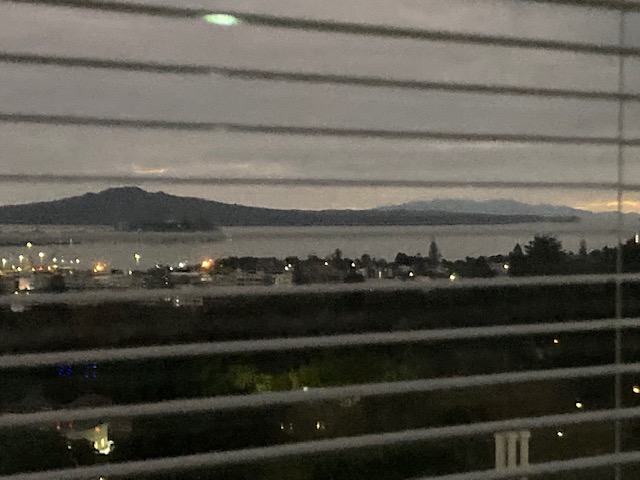
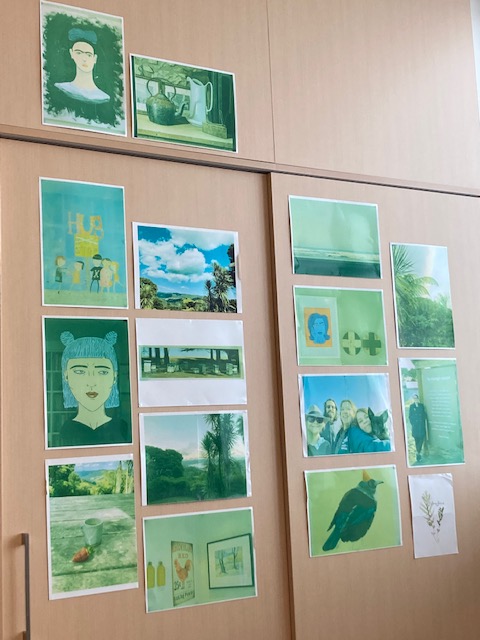
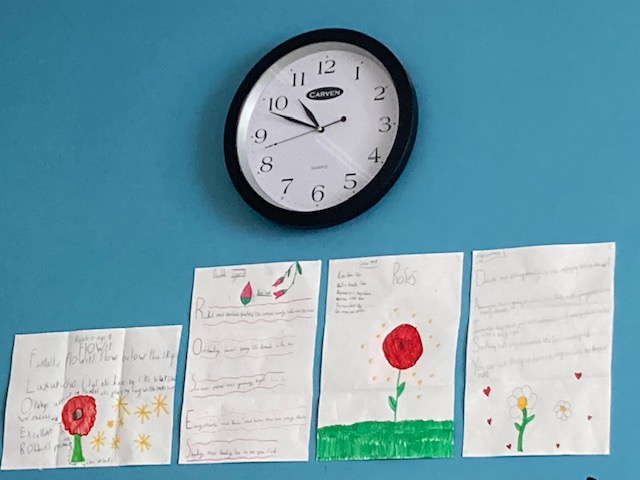
As a bone marrow transplant patient, I had my own room and I made it home with pictures on the wall (including the beautiful bouquet envelopes containing a couple of flower poems and pictures Westmere School children sent me every few days). I bought books and scrabble, a Frida Khalo colouring book and 48 colouring pencils. I had crossword puzzles and children’s picture books and novels lining the window ledge. I could see the harbour, the islands, a pocket of the domain, the sky tower, the clouds streaming fascinating tableau. It became a calm and happy place, and that was how my head and heart were.
Yes, it has been the toughest experience but it has also filled me with unbelievable joy and awe. The staff nurses and Drs were extraordinary. There I was dependent on their care, and no matter how long their shift, no matter when they came in on leave weeks to assist an understaffed and stretched ward, they were attentive, diligent, warm, empathetic.
And now to the next stage: to the long cobblestone undulating recovery road with its high risks and high rewards, as I take one single day at a time, keeping my head free of clutter, letting the outside world in, in strange smidgeons. It was good I laid boundaries for myself at the start with public, friends and family, not reading emails or social media, having my darling daughter act as go-between. Keeping the rooms in my head clear of demands and thoughts that are not helpful.
Back home I can measure my extreme fatigue and how I need to keep tending the rooms in my head and heart to maintain my state of calm and equilibrium. To take each day as it comes and take baby steps eating and walking, doing and being. I am going into Day Stay several times a week for awhile, where the staff are equally sublime.
I miss you. I miss my dear friends and extended family. I miss you sublime poets, I miss my connections with poetry communities who have fed me so well over the past decades. I am way off posting on my blog but it will come (I will sleep after this post!).
More than anything I thank you for the beautiful cards and messages and poems you sent me. It felt like a crazy invite but to have those images line the window shelf and to hold a Cilla McQueen, Emily Dickinson, Joy Harjo or Claire Orchard poem to my heart (among so many more) was such a balm. I saved them, and opened one by one, as I most needed them. It kept me in touch with a world that is humane and kind and generous. Our small gestures matter.
love
Paula
PO Box 95078 Swanson, Waitākere, 0653
the sunlight faded images to green (family artwork and home)!
A life is a cycle of swimming; we go from ahurumowai out into the bright lights with earthquakes and house shatters we are born brown and breathing yet again.
The center spent on land pulls us down hard as leafy things learn to grow beyond our reach. This whānau never had ladder in one season we’d wait for pecked fruit to fall rotten at our feet, soft speckled butter in the mouth.
In the other season we could fly we could climb we could breathe as unripe fruit from the highest boughs stung our tongues.
I learnt to see my body as a house from the way you cut down those trees to build me. I am soft wood and hard work. I am the family dream of four children per family – absoloute minimum.
I am girl surrounded by ghosts of elder dreams. They taught me with hand games, ring-a-ring-a-rosie showing you how many could fall to invisible soldiers, foreign bodies in the water, intruders in the rivers breathing through reeds just waiting to cut us down.
They taught me with be careful, They taught me with be quiet when known strangers asked us about how we flew one season then gifted the river a flooding the next. Now I tell them that I come from a long line of flood and draught.
Before you I am your young reflection, shaped like softness, dark eyes blue rimmed, sitting here so far from your lands knowing you will return only through me. Only through your dreaming of the dark water that connects you to a past felt but never seen.
Once you called me to your side to hold me “It is my job now to dream”, you said “It is my job to dream good dreams for you until the dreams come and take me away” And I knew then that we both came from that dark water that only we could see.
You close your eyes to me and see me better that way; both of our outlines a flickering in the black.
Ruby Solly
Ruby Solly (Kāi Tahu, Waitaha, Kāti Māmoe) is a writer, musician and taonga pūoro practitioner living in Pōneke. She has been published in journals such as Landfall, Starling and Sport, among others. In 2020 she released her debut album, Pōneke, which looks at the soundscapes of Wellington’s past, present and future through the use of taonga pūoro, cello, and environmental sounds. She is currently completing a PhD in public health, focusing on the use of taonga pūoro in hauora Māori. Tōku Pāpā, published in Februrary 2021, is her first book.
The weight of the world continues to be exhausting for some of us, especially if you try to load it on to your shoulders. You need a lot of help with that sort of thing, several strong men and – obviously – a highly experienced person to direct them. This might explain why the weight of the world is not for everyone. I myself prefer the weight of a handkerchief, one you can keep in your pocket; or maybe the weight of a flower (I would choose a zinnia, the first flower to be successfully grown in outer space – I wonder how many of you knew that); or hang on, maybe best of all now I think of it a slice of thin-crust pizza from that small neighbourhood place whose name always slips my mind. It is not important to me which flavour if flavour can even be, where pizzas are concerned, anything like the right word. Well, I can see it is not the right word. Topping would be better but in this particular context it sounds far too heavy.
Bill Manhire
Bill Manhire founded the creative writing programme at Victoria University of Wellington, which a little over 20 years ago became the International Institute of Modern Letters. His most recent book Wow is published by Victoria University Press in New Zealand and Carcanet in the UK.
The school bell shrieks its chalk down the daylight’s spine. Is this a drill, can you smell smoke? No need to. It already clouds the teachers’ faces. The silence around the alarm’s frantic hammer and anvil says this is no rehearsal. The staff are a paradox, gentle riot squad barely exchanging glances. ‘Move, girls. Now. Move.’
We’re quick; we’re orderly, we ditch our bags and books, soon gather in the quadrangle, fish for shooting in a barrel.
The sunshine knows how to do surreal. It touches each one of us on the crown: black and blonde and red and brown all gilded. It lifts a blue blur like aura around even the bitches’ shoulders; gives their white school shirts the Persil elegance of swans. Every one of us is illuminated into something brighter more urgent than beautiful: for now we catch the acrid rumor that spurts like flame along fuse-wire
bomb threat
we swallow with tongues like flour we breathe through throats like paper we shift on our cattle-truck haunches as like jet fighters in formation all the dread and sadness roar over;
someone mentions Libya, someone mentions their father who thins with terminal cancer, another mentions their mother who night-walks too young in dementia, another says a boy has molested her so now she can’t keep down what she eats another’s dreams of nuclear fallout mean she hardly ever sleeps.
As we stand there the winch of patience winds higher tense with expectation of thunder shatter sirens fire
yet there is no bomb
and still we could never call this hoax: for even now we carry the solid strop of time the knife that whets and whets; and gripped inside our chests a red grenade of fear.
Emma Neale
Emma Neale, a Dunedin based writer and editor, is the author of six novels and six collections of poetry. Her most recent collection is To the Occupant (Otago University Press). In 2020 she received the Lauris Edmond Memorial Award for a Distinguished Contribution to New Zealand Poetry.
I walk past it daily on my way to work, and mostly I forget my promise
to remember. The inward eye is lazy, defers at once to eyeball, retina
and light. The fact of tree can’t be defied: it is; it fills the field. It towers above
our offices. Yet even this, at times I do not see. It’s after rain, the tang
of eucalyptus in the air, and gumnuts strewn across the footpath, it’s then (sometimes)
I blink and search the ground, recall the lattice bones that swiftly, unexpected,
rose, as swiftly withered, sank. Ever-present, busy, usually unseen: tutae kehua, ghost
that comes up after thunder. All year I’ve tried and mostly failed to hold in mind
the basket fungus. There is a moving mesh beneath my feet. There is that fact.
Sue Wootton
Sue Wootton is a poet and novelist who lives in Ōtepoti Dunedin. Her most recent poetry collection is The Yield (OUP), which was a finalist in the 2018 Ockham NZ Book Awards.



 NZ Poetry Shelf