Tag Archives: POem Friday

Friday Poem: Anna Jackson’s ‘To my hen-flock’ –the hen is a transcendental stepping stone

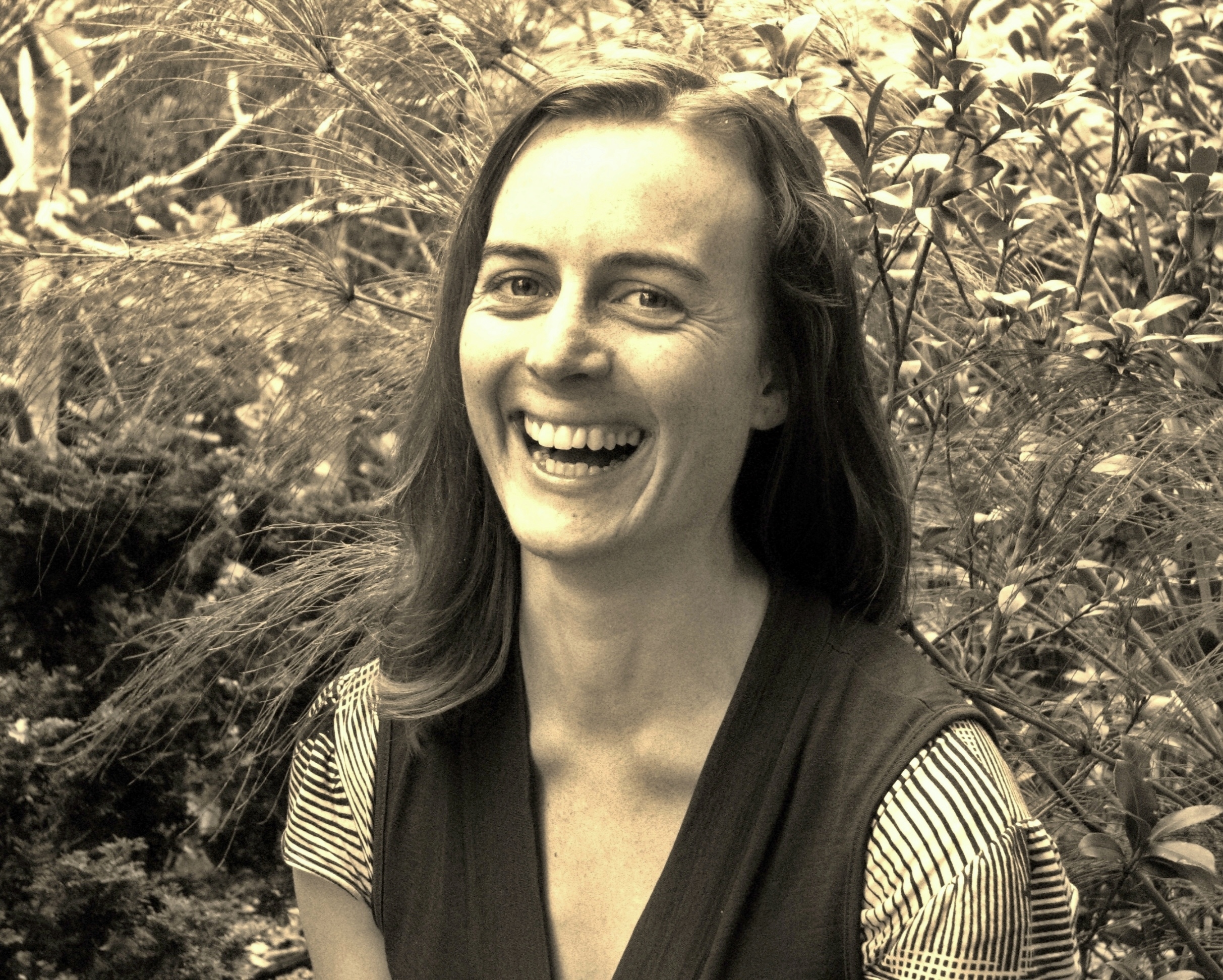
SAM_0467 (2)


To my hen-flock

Blithe they are, but spirits?

Birds they hardly are,

calling not in lyrics,

but with prosaic care

to put on record every moment’s find or fear,


grounded throughout, perching

awkwardly at evening

on their roosts, and lurching

squawking, wings wild-beating,

as soon as morning breaks, back to the earth’s receiving.


Far from here, the sky is

no threat, not forbidding

but no temptation either;

like the softest wing

of a mother hen it holds itself above them, brooding,


keeping all below it

close.   Not for my birds

the rapture of a poet

by the sublime stirred

to reach beyond the mundane to put into words


thoughts beyond his thoughts,

song beyond his song;

sweetly from their throats

my hens cluck all day long

about the smaller pleasures that to them belong.


Should the world not listen

nothing would be lost,

still the earthworm glistens,

still flies by the moth,

and to the hen beside her each hen murmurs as they roost;


should the world not listen

I will still be soothed,

learning some small lesson

best put into prose,

that beauty’s not the only thing that counts as truth.


Author bio: Anna Jackson is a poet, essayist, and fiction and academic writer. She teaches in the English Department at Victoria University. Author of five collections, her most recent volume of poetry, Thicket (Auckland University Press), was shortlisted for the New Zealand Post Book Awards in 2012.

Note from Anna: This ode to a hen-flock is a response to Shelley’s ode, “To a Sky-lark,” which begins

Hail to thee, blithe Spirit!

Bird though never wert –

That from Heaven or near it

Pourest thy full heart

In profuse strains of unpremeditated art.

It is a poem that again and again seems to me poised on the brink of silliness – “bird thou never wert”? – and yet every stanza lifts and falls its way towards the wonderful out-pouring of its last, long, alexandrine line in a way that I find beautiful. So when my friend Sonia Johnson, whose year-long project “A Formal Year” involves writing a poem in a different form every week, took on the challenge to write a poem using the alexandrine, I thought I would try writing in Shelley’s metre.

I have four hens I am very fond of, and I thought it would be funny to see what happened if Shelley’s beautiful verse form were used to write about hens rather than a skylark. The skylark becomes, in Shelley’s poem, a symbol for the poetic ambition to transcend the self in song, to give the self over to the creation of beauty, and yet, paradoxically, through doing so, to make a name for oneself forever, so that “the world should listen then, as I should listen now.” In contrast, an ode to hens can only celebrate more mundane, more humble pleasures – prose not poetry, ordinary conversation (or clucking) not elevated song, a grounded aesthetic not the soaring transcendence of the lark.

Here is a link to Shelley’s poem: http://www.poetryfoundation.org/poem/174413

And here is a link to Sonia Johnson’s project blog: http://aformalyear.wordpress.com/


Note from Paula: My eye first took in the visual flitter of lines on the page, scanning to and fro, before settling in to the words themselves. Shelley’s alexandrine form gives an other-worldly pitch for the ear, syntactical choices that mark a time elsewhere. That is one lure. Then there is the way you are drawn into an intimate space (the poem itself, and that of the hens in the backyard). The form’s regularity, that delicious metrical pattern, sings the regularity of day in day out, of the routine of hens. On the one hand, this is a celebration (the joy) of the mundane, of daily business but the hen is also a transcendental stepping stone to poetic musings. And then. And then it is the hen in all its beauty (a hen is a hen is a hen). The poem is replete with aural lures (moth/lost; birds/ stirred) and the lure of tropes (the sky likened to the wing of a mother hen). Above all, it is a poem of terrific movement– aurally, visually, linguistically, philosophically and temporally (pulling Shelley into a contemporary backyard). The poem is a work of beauty.


NZ Book Council author page

AUP page

Poetry Archive page

Arts on Sunday interview
Poem Friday: Cliff Fell’s ‘Once’ absorbs the pitch and shfts of Dante

188257_258223857536748_215928848432916_1103068_3434173_n


Once

Once when I was living in Florence

cycling home in the early hours

I heard an owl high in the campanile

and took a wrong turn down a wooden ramp,

an excavation in the Piazza Signoria—

and found myself in the city beneath the city

cycling between small ancient houses,

through alleys vaulted by the world of light

and the paving stones I knew.

They say we go into the ground

to know where Death will take us,

but I had entered this other world

in lively wonder— for I was in love with poetry

and the spectral light it casts over

the past and present and perhaps even the future,

though it is hard to say for sure what light

poems will cast over the time that is yet to come

or even that they will survive.

I only knew and cared that I was alive

in the catacombs and tumble

of a lost city, and that what I thought an alley

was really a thoroughfare leading to the river

between small shop fronts

such as you might find today

in cities like Herat or the Byculla backstreets

of Bombay— Mumbai as we must say.

Now I had to dismount to push the bike

and it seemed I had been heading

somewhere beneath the Uffizzi

for I had come to the waterside, though still

on a stratum below this world—

I could hear cars moving above me

on the via Lungarno,

the swish of their tyres on the cobble street,

close to the corner of Pontevecchio

and the nook where Dante once waited, alone and forlorn,

hoping to catch a glimpse of Beatrice,

as the pall-bearers carried her away.

Nothing ever happens twice,

and yet as I stood in the dank and must

of that underworld scene,

in what was once the Etruscan city,

I felt those old stones tensing up,

as though they could sense the poet in the shadows

waiting for the cortege to pass him once more,

and then to pass again.


Cliff Fell lives near Motueka. His latest publication is the illustrated poem, The Good Husbandwoman’s Alphabet, which is available in good bookshops or through messaging him on his Facebook page.

Cliff’s note: I can’t remember now exactly why or how I came to write ‘Once’,  but I think it must have been after a trawl through old notebooks and finding an entry from my Florence diary, where I lived in 1983 and ’84. I know it all sounds imagined, but in fact it’s based on a real event. I really did take a wrong turn on a bicycle down an archaeological excavation ramp in the Piazza della Signoria and find myself in the Etruscan city. Perhaps I didn’t get as far as the river, though. And there was an owl, too – but that was in the Piazza San Carmine, where I lived in my little car, an Allegro, through the autumn of 1983.

Paula’s note: Reading this poem I was taken right into the throbbing heart of Firenze with the shining detail of place, but I was also taken into the heart of Dante’s Inferno. It as though the narrating voice has absorbed the pitch and shifts of Dante as he (whichever) journeys deep into the underworld. This air of another poem accentuates the way Cliff’s poem is rich in strata. It is a physical journey located in time and place, but the poem also layers other travels. The old poet standing in the shadows awaiting his Beatrice is companion to the new poet on his bicycle (new world, contemporary time, young, alive). There is the way the movement into wrong turns and unexpected places yields mnemonic connections, and the way this physical and cerebral movement can be likened to the process of writing. The writing trope fits the poet perfectly (and I am also reminded of the freewheeling link between cycling and writing a poem). The way when you write a poem you stumble, take wrong turns, enter dark and light, emerge from dark and light, notice that things are not always as they initially seem. Each line of Cliff’s poem is handled with a deft touch, and each line takes you into the translucent sheen and surprise of the world with one stroke and into the lyrical beauty of Dante with another.

Poem Friday: Rata Gordon’s ‘Thumb in a House’ meaning and narrative spin on tiptoe surprisingly

IMG_1694 - Copy

Photo credit: Amber McLennan


Thumb in a House

pinching flakes for gold

fish two piglets nose

my palm pink cheeks in

the light of a hut

bamboo poles and sheets

with pansies and holes


blue rope swing a stick

to sit on dust up

my nose when a car

speeds past a red streak

in our dog’s fur where

the neighbor shot her


polar bears live in

the toilet’s white ice

rabbits as big as

your thumb in a house

boat floating in the

hall the cat ate my

mouse and a fantail


swam through the window

to say our granddad

has gone somewhere else

but warm pajamas

by the fire a sip

of rain before bed


Rata Gordon is a seventh generation New Zealander who lives in Grey Lynn. Her life at the moment involves writing, drawing, dancing, and planting trees. Rata’s poems have appeared in LandfallDeep South and JAAM (forthcoming).

Rata’s note: This poem is built from memories of my childhood home in Waimauku, West Auckland. I wrote it while I was in Begnas tal, a wee village in Nepal. I noticed that the physical distance from home made some things float to the surface that I hadn’t thought about for years.

It was an exercise piece for Whitireia’s Online Creative Writing Diploma and was my first attempt at a syllabic poem. I enjoyed the way that the syllabic constraints broke up and stitched together my memories in strange ways. It seemed like a good match for swift and bewildered childhood perception.

Paula’s note: The title of this poem hooked me. Incongruous. Puzzling. The accumulation of detail is the second hook. Sensual. Vibrant. Strange. Earthy. I love the way the lack of punctuation amplifies the momentum of the poem—both the ambiguity and the surprise. This is the gold nugget in this poem. The way each line break holds you back and then in delivering you smashes your expectation. Glorious. For example, follow this thread: ‘the cat ate my/ mouse and a fantail/ swam through the window.’ Constant little dance flurries in your head as the meaning and narrative spin on tiptoe surprisingly. There is also a elastic stretch between home and elsewhere (‘warm pajamas’ and ‘hut/bamboo poles’). You stall and you pirouette as you read, but there is a honeyed fluency. Just wonderful!

Poem Friday: Annelyse Gelman’s ‘And Start West’ is an exhilarating read

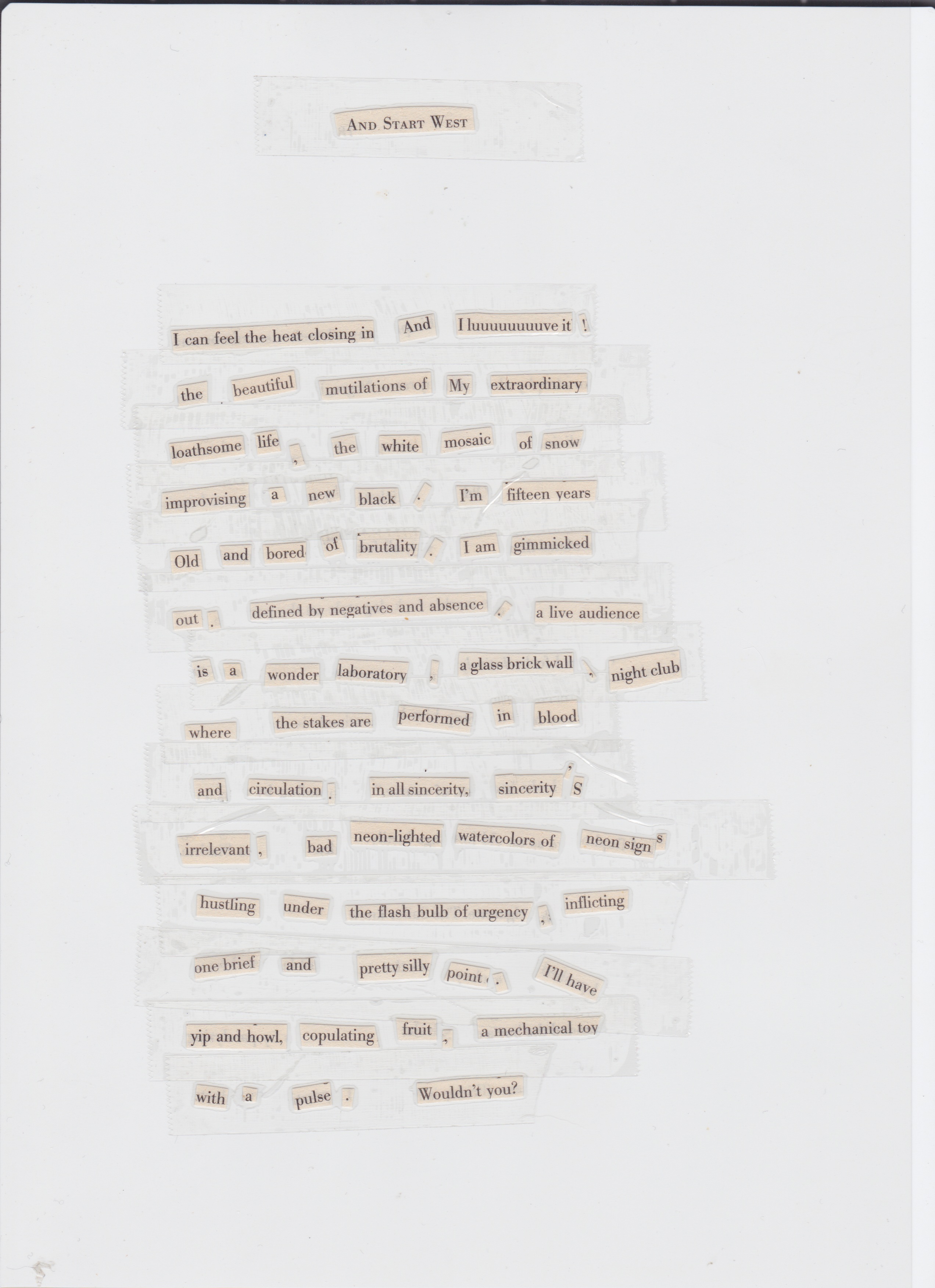
01 AND START WEST

Annelyse Gelman divides her time between the United States and New Zealand. Her work appears in Landfall, Hobart, and elsewhere, and she is the author of the poetry collection Everyone I Love is a Stranger to Someone (Write Bloody, 2014). Find her at annelyseg.tumblr.com or http://www.annelysegelman.com.

Annelyse’s note: “AND START WEST” is the first poem in a series-in-progress of centos (‘collage poems’) culled entirely from William Burroughs’ novel Naked Lunch. The project, ‘titled aw heck LaNd,’ is a reenactment of some of the cutup processes used in the making of the original book, and an experiment in voice, diction, character, text-as-image…. This first poem comes more from me (the author) than from any narrator; it’s about risk and renewal, choosing moth-hood over cockroach-dom.

Paula’s note: The constraints poets choose for themselves are fascinating. I once met a man selling envelopes of words at London’s Camden Market that you could compose into poems yourself. Christian Bök composed an entire collection of poems where in each chapter he limited himself to a single vowel. Mary Ruefle creates ‘poems’ by whiting out many of the words on a page of text. Interestingly, she doesn’t call what is left a poem, but such a constraint might be another poet’s avenue to writing them. Mary says: ‘An erasure is the creation of a new text by disappearing the old text that surrounds it. I don’t consider the pages to be poems, but I do think of them as poetry, especially in sequence and taken as a whole; when I finish an erasure book I feel I have written a book of poetry without a single poem in it, and that appeals to me.’ Alan Loney used the words on the erasure tape of his old typewriter as the vocabulary source for his collection, The Erasure Tapes. Annelyse’s poems leapt out at me. I loved the tactile sense of collage—of cut and paste by hand. Of shifting and shuffling words to find the lyrical links and the semantic bridges that delighted or puzzled. As I read this example, I was absorbing musicality despite her limited word palette and a sense of mesh-like, cut-up, hiccupy narrative. Knowing the original source, you go back and make new connections (the sharp edges acquire a new potency)—either way it is an exhilarating read.The sort of read that makes you want to write.

Poem Friday: Chris Tse’s ‘The saddest song in the world’ sweeps you into folds of sadness that in turn become folds of joy

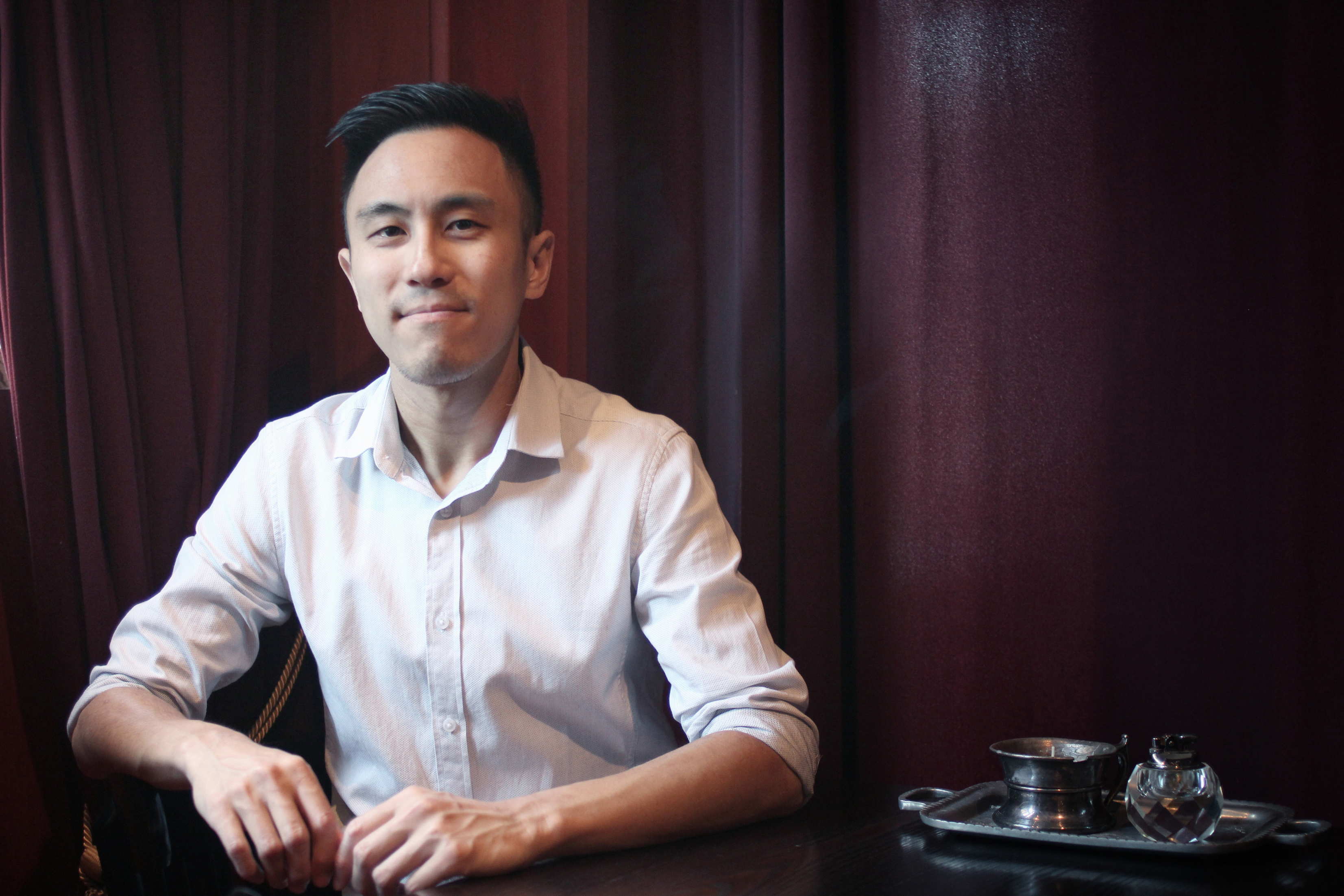
Chris Tse - author photo - 2014 - resized

Photo credit: Sklee

Today, two sections from a longer, unpublished poem by Chris Tse.


The saddest song in the world

1.

I can fit the saddest song in the world in my carry-on.

I can fit the saddest song in the world in my right-side brain.


But I can’t fit it in my lungs or hold on to it with confidence

when underwater.                 And I can’t fit the saddest song


on one side of a 90-minute cassette tape without

an uncomfortable silent interlude cutting into its breath.


There is only so much space I can allocate to the saddest

song in the world;                   the weight is unbearable.


4.

Once, a lover exhaled my name in ecstasy and transformed it

into the saddest song in the world       all bolting nerves


and tender skin       pulling at the roar of the avalanche

in me.     By morning his name had taken another form


one freed from the haze of giddy crush     though it still rings in me

a stubborn joy.       The room in which we sung each other’s names


is now an altar with no idol.           Likewise, when I was once lost

in the company of foreign tongues       every new word shared


to describe the sorrow of joy   shook me like the saddest song

in the world.   A list of first loves.   An index of loss.


The saddest song in the world was kind enough to pull me back

into comfort               its reassurances a cool blade of sound.


© Chris Tse.doc

Chris lives and works in Wellington. His first full-length poetry collection, How to be Dead in a Year of Snakes, will be published by Auckland University Press in September.

Chris’ note: I have a playlist on my iPod of my all-time favourite songs (embarrassing fact: the playlist is called “Awescool”). The majority of these songs are touched with tragedy and sadness, so it’s been a personal quest of mine to find the saddest song in the world (any leads will be gratefully accepted). Many of the poems that I’m writing at the moment explore the role of music in our lives and its relationship to memory. I’m particularly interested in how music functions as a conduit for shared experiences. With that in mind, this poem ponders what ‘the saddest song’ (in whatever form it might take) could mean to different people.

Paula’s note: With no idea of its genesis, when I originally read this poem, it read like an extraordinary incantation of sadness. It struck me as part list poem, building delicious momentum in surprising pieces and productive links, and as part song, exuding bitter-sweet lyricism. For me, the first section became more than how and where you carry sad songs, because it exploded into how and where you carry sadness. The song (the poem) became a bridge to melancholic luggage for a cast of characters. As you absorb the rhythms and details of each section, there is an ambiguous sway between invention and the real. You get pulled through memory, anecdote, confession, epiphany, and it is this glorious movement that diverts you from sadness as a distancing abstraction. Music has the power to mimic and affect you, and so too does poetry. I love the surprise and the fresh touch of this poem, the way it sweeps you into folds of sadness that in turn become folds of joy. How does the poem’s genesis change my reading? I am not sure. I love the mission. I love the way that mission becomes poetry.

Poem Friday: Vivienne Plumb’s ‘As much gold as an ass could carry’ deliciously fablesque

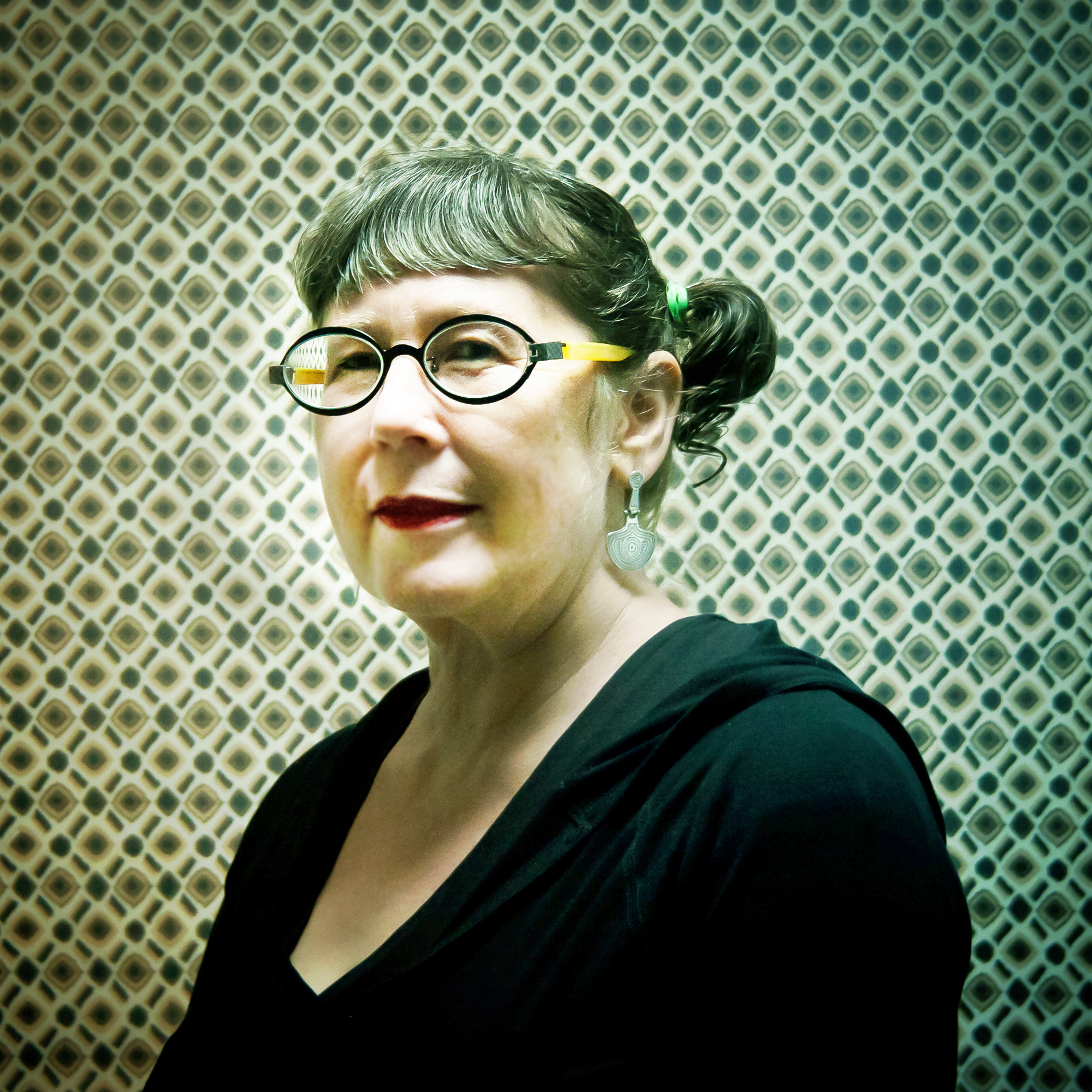
Viv Final

This week an unpublished poem from Vivienne Plumb.


As much gold as an ass could carry.

One endless summer when I was fourteen

I began to speak with a great arrogance

as wide as a river mouth, imagining I was

witty and charming and full of my own cream.


I refused to continue laying the fire

or to cook supper in the tiny croft-house.

Instead, I was dreaming of ten-foot palaces, a crop of corn,

my own chambermaid, and as much gold as an ass

could carry.


I was sent to learn how to cut willows

and weave, but I allowed the meats

in my basket

to become cold and infested with worms.


I breast-stroked far away

in my twenty-league boots, under the delusion

I was moving fast, when in truth

I had remained stock still.


© Vivienne Plumb.doc


Vivienne Plumb presently holds the 2014 Ursula Bethall writing residency at University of Canterbury. She is a poet, a fiction writer, and a playwright, and has recently completed a Doctor of Creative Arts. New published work includes Twenty New Zealand Playwrights (with Michelanne Forster) published by, and available through Playmarket (N.Z.), and a collection of short fiction, The Glove Box, (Spineless Wonders, Sydney).


Author’s note: The language of this poem was influenced by the language and content of stories such as those the Grimm Brothers collected. The poem attempts to give some instruction in a similar way to those kind of stories, where the advice was hidden in the text, such as Little Red Riding Hood (i.e: watch out for lone wolves). Apart from that, the piece is also about youth: the narrator wants to ‘breast-stroke far away’ but will later discover that for all her wild swimming she ‘remained stock still’; as how can we truly get away from what we actually carry inside us? The title, As much gold as an ass can carry, reflects our youthful dreams, so full of ‘cream’ and conjecture.

Note from Paula: When I first read this poem it struck me as deliciously fablesque—a poem that would fit perfectly in Italo Calvino’s mammoth and brilliant collection of Italian folk tales. Vivienne’s poem has the momentum and structure of a folk tale where the morals and messages lurk in the seams. You have, for example, to keep your eye on the world, on the small details in order to nourish the bigger picture (otherwise your meat will rot in its basket). And then, the old proverb: less haste, more speed. Yet what elevates this poem into something exquisitely more, is the layered movement— not just in the semantic and visual reverberations but also in the aural kicks and echoes. Take the phrase, ‘full of my own cream.’ It’s semantically and visually surprising (gives flesh to the girl on the cusp of womanhood) and aurally active (the ‘eam’ and ’em’ sounds leapfrog through the poem like aural glue or a vital backbone: summer, imagining, charming, dreaming, chambermaid, much, become, moving, remained). That phrase just bounces and bounds at the end of the line. The poem also stands as a rite of passage—the young girl exhibits the youthful need to flounder and laze, to break away from constraint into the magical, dangerous unknown. I loved, too, the way Vivienne is unafraid of tropes (‘a great arrogance as wide as a river mouth’). I loved the confounding somersaults that verge on oxymora; the breaststroker in her twenty-league boots, the girlhood activity that leads to stasis. Glorious!


Poem Friday: Morgan Bach’s ‘In Pictures’ There is an electric current that strikes you as you read

Morgan Bach

This Friday a previously unpublished poem from Morgan Bach.


In Pictures

The first time my father died, I was four.

A group of them emerged from their getaway train

into a grand room, in my head the walls are papered ornately

and the lights are chandeliers, and somebody shoots him.

Money flies around the room and he falls to his knees.

We see his face register the situation

before he falls flat on it.


The next time I am eight

and my father is in the tropics.

It’s World War Two, and his face is wet and dirty.

They have been walking through the jungle, when a Japanese soldier

shoots him just like the last guy did — right in the chest

and he falls to his knees, and then down.


When I am ten he dies peacefully in his sleep,

an old man who has had a long and busy life, inventing.


I can’t recall what got him when I was twelve,

but I do remember that he put a meat-hook through a man’s throat

before he was taken out.

It could have been a shot in the back.


When I am twenty-two he is set upon by flying beasts,

and takes refuge in a ruin.

But when the creatures come, tall, with skin

like freshly healed burns, their old cat teeth,

the pinkish one that leads them spears my father

through the gut. In this lingering death scene

I look around at the faces in the cinema

and am tempted to spoil the illusion.


When I am twenty-five he is consumed

by possessed ink.


When I am twenty-six he plays a game of politics,

watches the blood sports of the ancients

and on his fifth appearance has his throat cut.


When I am twenty–seven a friend tells me

my father was buried alive last night. This death I missed.

She says he begged, near the end.


When I am twenty-eight I get back from lunch

and my workmates say did you feel that?

I call my sister, and luck connects us.

Her voice shakes, she’s driving to get her boys.

She tries to sound calm when she says no,

we haven’t heard from him, I can’t get through

and asks me to try. Dad’s phone rings

through to voicemail. Which means it’s ringing.

I send a message – we’re not to overload the lines.

There is nothing, and nothing to do.


I sit at my desk and I hit refresh

on the photos of crumbling buildings coming through.

I’m looking for the Arts Centre, the theatre

in the bottom of the old stone building.

Why aren’t they showing it?

Is it good they aren’t showing it?

I check my email, and see the little green light

next to his name – online.

It’s green,

green,

green,

green,

orange.


Three and a half hours pass.

I do not think of all the times I’ve seen him die,

of his entrances and exits.

I count the minutes,

having no one to beg,

hitting refresh.


And then my sister sends a message

that simply says

he just walked in the door.

©Morgan Bach.doc


Morgan lives on Wellington’s south coast, and in 2013 she undertook the MA in Creative Writing at the IIML. She was the recipient of the Biggs Family Prize in Poetry, co-editor of Turbine 2013, and has work published or forthcoming in Sport, Landfall, and Hue & Cry.

Author’s note: This poem is about as factual and autobiographical a poem as it gets (my father, John Bach, is an actor). It was born out of a conversation I had in which I found myself saying ‘Oh I’ve seen my father die tons of times…’ and my realisation that this was an uncommon experience. Recounting this uncommon and strange element of my growing up led me to a point where real life interjected with an experience far too many of us have had in recent years. But, like it so often does in the movies (although, not for my father’s characters – as I’ve illustrated) this story turned out to have a happy, lucky ending.

Note from Paula: When I first read this glorious poem I had no idea of its genesis (as is the case when you read most poems), but what struck me as I read, was the way we carry numerous deaths with us (our own, our loved ones). Little pocket narratives that catch us by surprise and haunt or unsettle us. Morgan writes an assured line, where the narrating voice, with its steady rhythm, builds a mysterious momentum. Surprising. It becomes a list poem in its structure— each paternal death linked to a particular age, and death becomes a way of framing the narrator’s arc from child to young woman. What I loved, beyond the tantalising enigma, is the way at twenty-eight, the poem shifts gear. There is an electric current that strikes you as you read, as you realise the threat of death has moved from cinematic frame or theatrical stage to the threat of death in real life. The earthquake moment that now resonates so profoundly for so many. The simple lines (particularly ‘There is nothing, nothing to do’) catch you—and the way ‘his exits and entrances’ lead you back to the start. Morgan’s poem demonstrates so beautifully the way narrative drive becomes increasingly potent when matched with poetic economy and perfect line breaks. The end result, a poem that rewards at the level of language and then hooks at the level of emotional engagement—you enter the prolonged panic as if there, and then welcome the relief.

Poem Friday: Ashleigh Young’s ‘The bats’ resonates with such clarity

Ashleigh_Young (1)

Photo credit: Matt Bluett

Poetry Shelf now has a new feature. I always wanted to post poems on the site but I wanted to give everything else a chance to settle in first. I was on the judging panel recently for the Sarah Broom Poetry Award and assembled a list of suggestions for Sam Hunt. It seems fitting for an  award that honours such a fine poet as Sarah that I was so invigorated by the range and vitality of local writing from established writers to writers new to me. Moved in fact. I had around 65 names in my notebook under the heading : ‘want to read the book!’ Glorious. But in this tough environment for poetry publishing, I wondered how many would end up getting into print and getting the wider audience they deserve.

Poem Friday (like a sister to Tuesday Poem) is where I get to pick a poem that l have loved in my reading travels and with permission post it (so no submissions please). I am also taking a cue from Best New Zealand Poems and inviting the poet to write a sentence or two about their poem.

I have invited Ashleigh Young to launch the new feature (which seems apt in the light of her recent good news).


The bats

There is a kind of person who locks your shoes

inside of their house, and that is a person who is distracted


and who you see now through the window talking to his wife,

his face a protective shell grown fast around the phone.


The rush of not knowing someone at all lifts you

into the trees with the cicadas, your body too a bright clapping.


These are the situations through which you’ll get older

when you would like to walk home but your shoes are locked


in someone’s house, when you imagine sprinting down a driveway

as your back is pelted with rocks. These are unnecessary situations


because maybe you would have grown older anyhow, and likely

you do not need to cut your heart into two soft slippers to wear;


should need only to blot it with a paper towel as if it were

a bloody nose, all that blood turning to cold breath soon. Notice how


this person’s dog shows its affection by exploding into dangerous

shards in your arms. How much time do we have? None, very little


only some. But let yourself be lifted into the applause of the trees.

Let the applause be in anticipation of the slow motion


of him coming out of the house, quietly as a road cone

placed on a statue’s head at night.


Let his body be held, and graffitied, and prised apart.

Let the applause continue, even when it’s getting dark


even when it is dark

even when the bats come out.


© Ashleigh Young


Ashleigh works as an editor in Wellington and is currently working on a new collection of poetry and also a first collection of essays. Her debut collection was entitled Magnificent Moon. She has just been appointed Editor at Victoria University Press.

Author’s note: I have a fixation with cicadas, specifically with the way cicadas sound at the height of summer. It’s an urgent, panicky, overwhelming sound, always on the edge of total chaos. I was interested in how that sound might translate into a human feeling, and set out to write a scene about one possibility, when a kind of strange personal situation becomes amplified out of all proportion. And the bats? Well, I got to thinking about what the opposite of cicadas might be. I arrived at bats.

Note from Paula: Every now and then you fall upon a poem that fills you with such heart-stopping awe you just have to sit awhile and wait. That’s how I felt after reading this poem. Ashleigh’s poem leads you into the trees with the cicadas—into that glistening moment when the pitch of the cicada hits its summer zenith and all manner of subterranean feelings get to work on you. Yes, it leads you there, but then it leads you, surprisingly, lithely, into the jaw of difficulty. Where things go awry. And this is where the poem is glorious and light—in its movement into the enigmatic shade (an oxymoron I know). Its layers radiate out from the veiled situation, a bad situation you suspect. I love the gaps, the strangeness, the idea of someone locking someone’s shoes in their house. There were lines in this poem I wanted to hold in my mouth until they dissolved because they resonated with such clarity, beauty and deft phrasing (‘your body too a bright clapping’ ‘situations through which you’ll get older’). I also loved the lullaby-like repetition at the end that provided a point of solace along with a point of surprise (the bats).