

Eager
It’s four o’clock in the afternoon
and your face is red as sunset.
You are eager like a young dog,
chasing words for salivating feelings
and day by day building a rockpool
full of creatures and colours, and
rushes of tunneling sand. I want
to ask why you loved me so.
Nothing I did, even in fantasy,
was ever deserving of it. You tell me
that in your sky the crescent cycles
back and forth, threading the waist
of the moon, never quite full or empty.
I didn’t understand it. Is it possible
to be wrong about a world you don’t
believe in? What is that shape in your eye,
or is it a smile, opening you? And
what is that, moving, underneath
the sand? This place you have made,
I cannot begin to understand it.
When you dream, you dream of me.
Maia Armistead
Maia Armistead is a poet and student originally from Hamilton. She has been published in such places as Starling, Mayhem, Sweet Mammalian and The Spinoff, and is one of the editors of Symposia Magazine.
Poetry Shelf Protests: an introduction

Pro-Palestine supporters gathered in Aotea Square
(Source: Te Ahipourewa Forbes)
I am dedicating my first Protest post to Gaza. I’ve already posted Gaza poems on the blog, but I’m bringing them together here, along with others; poets and poems standing together, heart alongside heart, voice alongside voice. Some poets were unsure their poems were protest poems, but I think of the Poetry Shelf Protest series as a way of shining light, a way of showing support, a way of saying no to inhumanity, injustice, cruelty, and all manner of -isms.
Unlike so many other countries, Winston Peters recently refused to acknowledge the Palestinian State and, for many of us, this was a shameful move. Every morning we wake to the news of more unforgivable slaughter, greater starvation, lack of medical care.
In Aotearoa, we have been protesting on the streets, signing petitions, funding raising, organising readings, writing and sharing news articles and analysis, and we have been writing poetry.
In August, Airini Beautrais helped to organise a reading for Palestine in Whanganui. She said: “The event was very moving, and a lot of people were in tears, but went away feeling hopeful. Reading poetry felt like an affirmative and spirited response to an awful situation. We collected koha for grassroots organizations in Palestine.”
We’ve got to speak shout sing and whisper, hold a vital light, hold our loved ones close, hold each precious day and take the next compassionate step whether fierce or gentle.
With grateful thanks to all the poets who contributed to this collective protest.
Let’s keep writing and sharing poetry.
Let’s keep protesting.
Some GAZA poems
Prayer
Beads of war a rosary
turning round and round
between his finger and thumb
touching each one as
it circulates like oxygen
in blood evidence of atrocity
lay on the floor
on the whenua
in the red red rock at Ōnawe
like stains on the body bags
in Gaza gagging my throat
as they carry her away
without ceremony I see
the dead in the eyes of
the bereft:
“ka mate au i taku tangata”
the rosary continues
on its relentless spin
like the earth on its axis
where nobody pays for their sin
though the utu unparallels
the hara, changing the angle
of the earth now unbalanced
towards hurt, towards shame
towards a hopeless game
where the unholy become
righteous, the evildoer the
hero, the arms dealer the winner
the liar the truth-teller
kai hea te karakia kia tau ai i te rakimarie?
Ariana Tikao
Catalyst 22, 2025
Standing at the roundabout on Highway 10 on a Saturday morning, waving our Free Palestine flags and our Stop the Genocide signs, the twenty-five of us are a bit of a spectacle. Old people, young people, dogs, and children stare at us from inside new cars and little old cars, Utes with huge exhaust pipes, dirty farm trucks, ambulances, and police cars. Nearly half of the drivers toot their horn and wave; the occasional person gives us the fingers, the thumbs down, or a gesture that says we are crazy, but lots of the drivers and passengers and all the dogs just look. They open their eyes wide and stare at us for the whole time it takes to go around the roundabout and pass by; then they are gone and who knows what they will think about for the rest of this day. We are the human animals who live here, all of us parts of the sometimes kind and sometimes frightening whole.
Lynn Jenner
from her unpublished collection The Gum Trees of Kerikeri
Gaza
The dead boy tries to open his eyes.
He wants to see the world he is leaving.
But there is nothing to see here,
nothing and nothing, and anyway he is gone.
His parents held him while he died
but they are both dead, too.
Or he held them, no one remembers.
Bill Manhire
Book of Yahoo
The Yahoo wages war to excoriate the poor,
and beat Gaza to the floor.
The Yahoo taps on his media feed,
just to watch Gaza bleed.
Gaza bleeds and the Yahoo leads
with a look-what-you-made-me-do dance video.
The Yahoo brings selfies to the slaughter.
The Yahoo declares open season for murder
of professors of literature, professors of medicine,
professors of ethics, professors of peace studies.
When the day’s food ration for Gaza might fill
an abandoned suitcase, the Yahoo decrees the suit-case
is booby-trapped and orders it blown-up with a missile.
The Yahoo decrees that, by whatever means at hand,
those left behind must draw a line in quicksand,
and prepare for their last stand in what was once homeland.
The Yahoo decrees that a zone of interest
is defined by the cries coming from Gaza,
as eyes seek eyes to confirm that what ears hear
is refugees on fire ignited with napalm.
The Yahoo decrees your daily life is rubbish,
left behind a wall taken for landfill,
and that your song will be followed by a bomb blast,
and your protest poem will be followed by a massacre,
and your people will be driven out, driven back, driven over.
The Yahoo decrees no mercy, flatten Gaza,
wipe them off the face of the earth, and if the earth
itself is grieving, then scorch it into silence.
All is written in indelible red,
but the Yahoo declares, he will not be satisfied
until the Dead Sea itself is a sea of the dead.
The Yahoo blabs secrets to ears of corn.
The hand of God scribbles red on the sky,
as puddles of blood form where bodies lie,
but what happens to stars when they die?
A rose is a rose is a rose is a rose.
A numbskull is a numbskull is a numbskull.
A tooth is a tooth and an eye is an eye.
David Eggleton
But Not Beautiful
At ecstatic dance I am acutely aware for the first ten minutes or so of wanting to appear graceful beautiful which is the exact opposite of the point of ecstatic dance and besides everyone’s eyes are closed anyway No one is looking at me and I can’t see myself Finally I’m in a groove letting myself dance all feral and shit this voice comes over the speakers just beneath the drum and bass and I don’t know why I think she sounds mournful and then I am inside of one of the reels that keeps playing on my phone again and again Palestinian mother grieving her children again the Palestinian girl with blood spreading across her chest like crushed fruit eyes wild with fear I am crying and swivelling my hips to a dance beat shoving my ass cheeks from one diagonal to the other and back letting my face crumple into its own kind of flower but not beautiful not graceful and my own grief rises in my throat like the same red paint spreading across the girl’s chest ribs buds of breasts My grief is not about my life it reaches back through my entire lineage It’s why I was so scared in the pandemic why I bellied up to a vaccine I knew nothing about So easy to succumb to terror and the wish to make it go away with a single jab Or three It’s completely mixed up with the history unfolding now Boys shot in line for flour And now Premies in incubators gone cold Mothers whose breasts have run dry And Now
Kim Cope Tait
and I want to say
under the helmet, the American soldier pumps drum, excess bass, extra electric motherfucker guitar, until the music enters, urges, burns, and he says now me and my gun can release into The Zone
o my young one, my brother, this recruited Alabama teen, that hired boy from Flint, from inner city, inner poverty, please don’t sing as you kill, don’t tap to red, hum to murder
o mother and father of a coffin, a sad risk, the beginning of a long missing, a slow losing, I want to say you will find your child of flesh, of wish
and Mr. Bush, son of oil and gun, break your mirror of fear, of terror, you make families wail that Allah has failed,
and the world needs to breathe again.
Madeleine Slavick
I wrote this poem after the United States invaded Iraq in 2003, but it also speaks to the horrors of the genocide in Gaza.
THE RESTAURANT OF MY DREAMS
It’s 2024, October 16. The Guardian says a state-of-the-art
fire station in western Germany that was completed last
year at a cost of tens of millions of euros has burned
to the ground because it had not been equipped
with a fire alarm.
In recent dreams I’m holding a koala.
I’m holding or hunting for a koala or my father.
Reversing a huge car into a tiny park or my ex.
By the time we arrive the kitchen is closed
but we eat the owner.
For Hind alone we should all burn.
For Hind Rajab, aged six.
The chief and his thousand descendants say
I die, I die, I live, I live.
Some translate it as a question, some with a we:
will we die? Or will we live?
Is this the paramedics come to save us?
Is this our beloved’s celestial body, shining again?
Hinemoana Baker
Note: I realised when Paula contacted me that although I haven’t yet been able to write a poem solely addressing the genocide, Gaza is actually in almost all of the poems I’m currently writing in some way. This one above goes some way towards describing my experience of being anti-genocide and living in Germany. Germany is the second biggest military supplier to Israel after the USA. It’s also a country whose most left-wing party, Die Linke, has only in the last weeks taken a public stance against the genocide, and whose Green Party has actively supported it. This poem was first published by Starling in Feb 2025.
Pilates could happen to anyone
after Tom Stoppard and Tusiata Avia, for H-J Kilkelly
1
H-J has her abs on two and a half springs
and I have my phone on record in the black
box under my reformer because I am going
to write a poem about Pilates I am
going to juxtapose the instructions we are
given with the text from the stories on my
Instagram feed and I am going to make
a political point about the fucked
interconnectedness of wellness and white
supremacy lines like
2
if you like to work hard
choose the springs at the high end of the suggested
settings and if you need to you can reduce
them halfway through the exercise please remember
you should never feel any pain if you do stop
straight away while talks of ceasefire remain
inconclusive Israel is invading Rafah offering hug
a tree here’s what you need to know bomb kills at least
twelve people including children at two displacement
camps in eastern Congo grit happens it’s hell
week three hours from Auckland Discover New
Caledonia back on the menu queen olives t zone tight all
eyes on Rafah the people of Gaza cannot wait they have
nowhere else to go hug the moon the weather is
grim but we’ll still do poetry lick your toe and wave
it around a bit goodbye to dopamine addiction
with microlearning get the t-shirt springs women one to one
and a half men one and a half to two
3
over soy flat whites we agree we busy
our bodies to shush our minds our momentum
has taken over we google Kathleen
Stanford Grant we discuss our complex apocalypse
composting systems for entitled white men and their nice
white lady friends because compost is better for the planet
than setting them on fire in a big bin and sitting
on the lid smoking we have put a lot of thought into this
how we would watch them break
down under a sprinkling of tino rangatiratanga equity and drag
queen story times but this is a long term project and in
the meantime we consider who we would smash first with our
plough refined guns and the answer is always
the patriarchy we say it rolling our eyes in our heads on
our bodies that we are wresting from their control
we say it like it’s a joke
4
Lying on your back
on the reformer with your feet on the foot bar take
the hand straps and take the arms straight
up to the ceiling tabletop position imprinted
spine to make it easier make your teardrops smaller
t zone tight exhale now reverse your
teardrops direction change the way the world
works out pull the ribs to the hips inhale keep
going returning back down curl up exhale
5
I cannot write a poem about Pilates
6
tho I have been writing this one
in the shower where I usually
write my PhD and in bed at night where I am
supposed to be doing sleep and
behind my eyes where the tears live
last week I got to hang with both
my grown up children and we walked safe down
a safe street my counsellor thinks
it’s a good idea to give the news a break
Liz Breslin
from show you’re working out, Dead Bird Books, 2025
Will
30 September 2025
1.
It’s simple, this word, it implies
future
intention
wish
We say it with ease
I will see you later
He will get through
We will be there
We will be there
We say it quick, this confident contraction
I’ll see
He’ll get
We’ll be
We’ll be
2.
Today, I listened to the will of a young girl
written in June after two missiles struck her house
she was pulled, then, with her brother Ahmed, from underneath rubble
their survival a miracle
Three months later, another strike
and now her will carries across a room with neatly ordered seats
this purposeful body built
from the rubble of 1945, willing
security, and peace
The UN turns 80 this year
Rasha was 10
3.
I read the UN charter, the opening article underscoring
collective will
future
intention
wish
A poem is voice, is protest, is resistance
and shouldn’t these lines also be said
in sustained and repeated rhythm:
a call for collective measures
for the prevention and removal
of threats
to the peace
Rasha, the girl who died today, wrote in her singular voice
My will: If I become a martyr or pass away, please
do not cry for me, because your tears cause me pain.
Rasha, the girl who died today, asked for her clothes, her things, her allowance
her stories and notebooks to be given
to other children: Ahmed, Rahaf, Sara, Lana, Betur
In Gaza, schools are makeshift emergency
centres, shelters for too many
they are no longer
places for futures
In Gaza, the future is the question
– and we must ask it:
What will become of the children?
4.
Rasha wrote in a single moment
of determination
and grace
her will a statement for future specific use:
And please do not yell at my brother Ahmed
Please follow these wishes
clarity, in terror, her words read to us and recorded
because she died today
Rasha’s will is voice, is protest, is resistance
a call for collective measures
for the prevention and removal
of threats
to the peace
5.
We call children wilful when we mean stubborn, headstrong
even spoiled
but what of a child living in a ruined world|
where your will is all you have
a world with no sense of
future
In Rasha’s world survival was
intention
and caring for her brother was her last
wish
6.
And what of our easy forward-looking phrases
amid Rasha’s rubble and burning skies, the burden of meaning:
I will see you later
He will get through
And what of the document written 80 years ago
And what of the future, the imperative
call for collective measures
We will be there
We will be there
Michelle Elvy
After hearing a speech delivered by Dr. Thaer Ahmad, a Palestinian-American emergency room physician from Chicago here
Gaza
This walking up and down
will only wear a hole in the carpet
It will not stop the murder
It will not shame these men
whose grannies wear
brands on their arms
These men do not indulge in
rug-depleting reflection.
They scheme brazenly
they say wrong is right
they say black is white
their grifted arms
rain down grief
Do they not see
that the world is mourning?
Where is the umpire?
The one who calls time?
Jan Farr
Child
—Khan Younis, Gaza
I and a kinder world would address you Aisha |
Dalia | Salma but you are unrecognisable, Child.
Forgive me. I do not know—believe me, I have
searched, but could not find—your name. I turn
to my book of William Blake paintings, understanding
I will not find you amongst its pages, nor any answers
to the questions I wake to each morning. Blake’s
Song of Los is where I’m heading—those faltering
rays of light, that dark mountain looming. I lay
my head on his cold stone altar, holler: I am sorry.
Child, I am sorry. I will do my best to paint you.
How else to sing your life from the distant safety
of my island in the South Pacific? But, of course,
we cannot restore what cannot be restored. I paint
nonetheless and at close of day kiss your brow,
Child. You are swaddled again in the white robes
of innocence—silver and gold the ground that held
you where you fell, gold and blue the firmament.
Only when I lay my brushes down do I notice
your left hand folded in the position of a mudra,
thumb and forefinger lightly touching to form
a mandorla, palm turned outward as if in blessing.
Blake’s Los urged us to revolution. It’s the revolution
of keening I hear this evening in the softly falling rain.
Claire Beynon
2025
Gaza
We shriek and scream and holler and shout and
sign petitions and hold placards and boycott and
demand peace and listen to Gaza and weep
And our shrieks and screams and hollers and shouts
our petitions and placards and boycotts
our demands for peace and words and tears for Gaza
fall upon deaf ears
The borders are blocked food is scarce
aid is stopped displaced families are murdered
hospitals targeted under extensive ground operations
we are witnessing genocide
We will not stop shrieking and screaming
and hollering and shouting and signing petitions
and holding placards and boycotting and
demanding peace and listening to Gaza and weeping
we will not stop
Paula Green
4 am, May 19th 2025
Hotel Emergencies
The fire alarm sound: is given as a howling sound. Do
not use the lifts. The optimism sound: is given as the
sound of a man brushing his teeth. Do not go to bed.
The respectability sound: is given as a familiar honking
sound. Do not run, do not sing. The dearly-departed
sound: is given as a rumble in the bones. Do not enter
the coffin. The afterlife sound: is given as the music of
the spheres. It will not reconstruct. The bordello sound:
is given as a small child screaming. Do not turn on the
light. The accident sound: is given as an ambulance
sound. You can hear it coming closer, do not crowd the
footpaths. The execution sound: is given as the sound of
prayer. Oh be cautious, do not stand too near
or you will surely hear: the machinegun sound, the weeping
mother sound, the agony sound, the dying child sound:
whose voice is already drowned by the approaching
helicopter sound: which is given as the dead flower
sound, the warlord sound, the hunting and fleeing and
clattering sound, the amputation sound, the bloodbath
sound, the sound of the President quietly addressing
his dinner; now he places his knife and fork together (a
polite and tidy sound) before addressing the nation
and making a just and necessary war sound: which is given
as a freedom sound (do not cherish memory): which is
given as a security sound: which is given as a prisoner
sound: which is given again as a war sound: which is
a torture sound and a watchtower sound and a firing
sound: which is given as a Timor sound: which is given
as a decapitation sound (do not think you will not gasp
tomorrow): which is given as a Darfur sound: which is
given as a Dachau sound: which is given as a dry river-
bed sound, as a wind in the poplars sound: which is
given again as an angry god sound:
which is here as a Muslim sound: which is here as a Christian
sound: which is here as a Jewish sound: which is here as
a merciful god sound: which is here as a praying sound;
which is here as a kneeling sound: which is here as a
scripture sound: which is here as a black-wing sound: as
a dark-cloud sound: as a black-ash sound: which is given
as a howling sound: which is given as a fire alarm sound:
which is given late at night, calling you from your bed (do
not use the lifts): which is given as a burning sound, no,
as a human sound, as a heartbeat sound: which is given
as a sound beyond sound: which is given as the sound
of many weeping: which is given as an entirely familiar
sound, a sound like no other, up there high in the smoke
above the stars
Bill Manhire
from Lifted, Te Herenga Waka University Press (VUP), 2005
At the weekend it felt like a monster had taken over all our rooms and was scoffing up joy and fortitude and hope and leaving dribbles of greed and ignorance and violence on the wooden floors. I got to thinking about protest. I got to thinking about the ban the bomb badges I pinned to my school bag in 1969. I got to thinking about the Vietnam protestors, Martin Luther King, Bob Dylan, the women’s liberation movements, Rachel Carson’s The Silent Spring. I got to think about doing my Italian doctorate and reading about clientelism, corrupt governments, writers who challenged injustice and inequity, as I considered the ink in the pen of Italian women writing across a century.
And I got to thinking about how we have never stopped writing protest poems in Aotearoa.
Like many others, my heart is breaking at the situation in Gaza and in the Ukraine, at the recent refusal of our coalition government to recognise the Palestine State, at Israel’s interception of aid and peace flotillas overnight. I can not stop mourning our inhumanity. The senseless murder and starvation of men, women, children, aide workers, journalists.
I decided to create a third new series on Poetry Shelf entitled Protest. I want to feature protest poems from various decades and I want to feature specific issues.
But what is a protest poem? Poetry protest can take many forms: from subtle spotlights to fierce outrage. Protest includes placards and banners with overt messages, loud and clear. It includes stories that render inhumanity, injustice and struggle visible, whether in journalism, fiction, poetry or the oral stories we share. But protest can also be concealed in symbols and parables, especially in societies run by despots and tyrants. I have been wondering if this might be in store for the USA.
Many of us are finding it impossible not to make room for protest in our writing, for grief and helplessness.
How to write in such damaged and damaging times?
Today I’m looking at damp patches of Waitākere sky with Jimmy Cliff on full volume, the words of beloved sixties and seventies song writers streaming in my ears, thinking Bob and Joni and Neil. And yes, it is a wide wide world, it’s a rough-rough road, and yes it’s still inhumane fighting, genocide, greed and abuse. Are we sitting in Jimmy’s limbo with the world on fire and entrenched suffering in the lands? Waiting for the dice to roll. Today even my morning is a dense dark heavy personal patch, but I’m thinking of Helen Clark, John Campbell, Anne Salmond, Tusiata Avia, the frontline workers, journalists, songwriters, politicians, poets, caregivers, forest and ocean guardians, so many people across the globe who are working against all odds to hold onto the light. To share the light. To gift the light.
I have decided to dedicate my first Protest post to Gaza (Friday Oct 3rd). I’ve already posted Gaza poems on the blog but I’ve decided to bring them together along with some others; poets and poems standing together, heart alongside heart, voice alongside voice. Some poets were unsure their poems were protest poems, but I think of the Poetry Shelf protest series as a way of shining light, a way of showing support, a way of saying no to inhumanity injustice cruelty and all manner of -isms.
Bill Manhire has posted a number of Gaza poems on social media and gave permission to repost one in tomorrow’s post, but he also mentioned how his poem ‘Hotel Emergencies’, a poem written during the Iraq conflict 20 years ago, “seems to live beyond its moment”. And I agree. And this is why I want to travel through the decades and revisit poetry protest across a century.
To have heard Bill read ‘Hotel Emergencies’ at a festival, one of my all-time go-to poems, was utterly memorable. You can listen to Bill read the poem. There are certain poems we carry with us, and for me this is one of them.
On Facebook this morning, Ariana Tikao mentioned going to the Catalyst 22 launch last night at Space Academy in Ōtautahai. She read her poem ‘Prayer’, a poem which “stitches together the memories held in the whenua at Ōnawe with the genocide taking place in Gaza right now”. She asks us where is the prayer that will forge peace. She speaks of the flotilla, of the suffering: unbearable unforgivable relentless.
And our hearts are breaking apart.
And we’ve got to speak shout sing and whisper, hold a vital light, hold our loved ones close, hold this precious day and take the next compassionate step whether fierce or gentle.
Let’s keep writing and sharing poetry.
And protesting.
Peace
20 May
What if I made up a poem about a house
on a hill with views of the sea and passionfruit
vines laden, and a woman knitting stories
of family connections and sublime epiphanies
into socks and scarves and comfort blankets
with an abundance of vegetables in garden plots
and fruit on the trees and soup simmering
whatever the season and how she is always content
in her own company but one day she opens
a newspaper and it is full of war and plague
and bullies and hunger and racism and side-lined
histories and abusive relationships, underfunded
hospitals and underfunded schools, and she
looks at the olive-green sea and she smells
the tomato soup simmering the fresh basil aromatic
in the air and she turns on her radio and hears
the voice of a young Palestinian student
begging the world to listen, begging for freedom
for her people and how the relentless bombs
trap everyone in houses and how aid can’t get
through and how nowhere is safe and how
everywhere is under attack, and the woman
on the hill tries to imagine the terrified children,
the lack of news and power and water, and how
the catastrophe goes deep into roots and land and home,
and how they cannot pray safely in mosques, and how when
Palestinians resist they are terrorists and their resistance
is deemed invalid, and the woman on the hill looks
at the patch of blue sky and the free-floating clouds
and puts down her knitting with its happy stitching
its loving connections and storytelling skeins
and tells the olive-green sea that we are all
human, and we all need to eat and feel safe,
to stand on soil we call home, to speak our mother
tongues, tell our grandparent stories,
and to feel the depth and caress of peace
Paula Green
20 May 2021
Uniform
Louis and I had this theory that nobody knew
we were fucking. Uniforms could do that to a bloke —
help him blend in with a crowd. Only once, at a party,
did I ever see him without the shirt, collared and blue,
the high socks and striped scarf. All day at school,
stuffed and starved, I wanted to get them off him
as a way of loving him in them. Later, those first
February afternoons, our uniforms wilted in his room.
Nobody knew. But surely we inspired envy, our moody
solitudes and companies — a chance hand on his chest,
over the school crest — or our shining morning faces
in the supermarket, shimmering back to us in the glass
jars of olives. Behind us, watching, was Jackson McCarthy,
noted homosexual. Eater of olives. Writer of poetry.
Jackson McCarthy
I read this poem first at a Starling launch party in August last year, and people really seemed to like it. It’s one thing when a poem ticks all your own personal checkboxes: desire, love, Death, time, boys, mysteries, the night, vision, dreams, happiness, the dark furniture of the radio, Arcadia, blue jeans, blond hair, the vantage point of language where words sound before they mean, the city, parties, Louis, inexplicable sorrow, the past, beauty, mirrors, consent, solitude, virginity, and you. But it’s another when a crowd of real-life people click with it, too.
I think of ‘Uniform’ as an Italian sonnet (or at least in its typographical layout it appears to be) — but then it gives us a sudden English turn at the end. And I think this formal arrangement is mimetic of the tricks the poem’s playing on its readers about author, speaker, and confession: you start the poem thinking it’s one thing, but finish realising it’s another. I was writing a number of free-verse sonnets at the time, which I felt a little guilty about: it’s like sonneteering on easy mode. But you need some sort of formal scheme, no matter how defanged, to give you resistance; something to write into. I found even the most basic measurement of the sonnet — the terminal volta at the thirteenth and fourteenth lines — to be extremely productive for a while. You do twelve lines, then you do a twirl.
I would like to think this poem has a bit of nice sound patterning, including that delicious internal rhyme in the eighth line that to my shock and horror sounds clearer, I think, than the rhyme between lines thirteen and fourteen. Well, I guess I honestly have no clue what I’m doing — but then again, I do trust my own taste, my only gift. You can’t decide in advance or preempt what mode of work will become available to you, but you can shape it with your good judgement. If I get stuck I go for a walk and think of beautiful things: boys’ faces, the music of Poulenc, my parents, the water, my life.
‘Uniform’ was first published in The Spinoff’s Friday Poem column; I’m grateful to Hera Lindsay Bird for choosing it.
Jackson McCarthy is a poet and musician from Auckland currently studying in Wellington. He is of mixed Māori and Lebanese descent. His work has been published in Ōrongohau | Best New Zealand Poems, Landfall, Starling, The Spinoff, and elsewhere, and he currently serves as an editor at Symposia. You can read more of his work here.

A Shell-Print of Waves – Aramoana Poems
eds David Eggleton and Michelle Elvy
At the Bay | I Te Kokoru, 2025
A Shell-Print of Waves – Aramoana Poems is like a poem travel guide that draws a particular place into view with a rich stitching of visual detail. The chapbook presents poems that came out of sessions run by David Eggleton, Michelle Elvy and Madeleine Child in Aramoana in April 2024 and April 2025. The venture was run in association with Wild Dunedin while the chapbook was supported by Ōtepoti Dunedin UNESCO City of Literature.
Twenty-two poets step off from a place, Aramoana, to reflect and absorb: perhaps a writing exercise where you translate what is physically present through an array of senses, memory prompts, thought trails, word delights. A pocket guide book, and it feels like I have spent the weekend in a place unfamiliar to me. There are recurring motifs (how could there not be?): calm, storm, movement, constant change, sunlight, sky, birds, waves sand, sea. Every now and then, the presence of the writing circle filters through, exposing a process of seeing and doing.
I borrowed a few verbs from Michelle Elvy’s poem, ‘Waterways 2: our stories are wild weather’, to underline the way it’s a collection of shifting rhythms, as the poems burn grab ripple rumble puff weave carry nudge rainwash cloudswim swell pull dip.
Here’s a sample from Diane Brown’s ‘Not a matter of calm’, a poem that shifts and twists:
( . . .) We have come
to expect no day here the same.
Sometimes a flat sea and sun
to bathe in. Sometimes
we come face to face with wildness,
sea lions, leopard seals, or our shadowy
selves shifting course.
In ‘Between Aramoana Spit and Taiaroa Head’, David Eggleton amplifies both sound and image on the line, embedding the reader in a shadowy-rich scene. Here is the final stanza:
There’s a salty savour to the air; brine bubbles;
the tide’s sheen glides up over the wet, flat sand.
Shadows stretch estranged from what they shadow:
the shadow of a flounder, the shadow of an albatross,
shadow of macrocarpa, shadow of a channel marker,
shadow of a cargo ship bearing logs into chasms of the night.
Gilbert May, as the cover shows, has produced the perfect line drawings and design for the subject matter. This gorgeous wee chapbook is a perfect treat to tuck into pockets for a dose of weekend travel. Maybe I’ll pick up a pen, look about me, reflect a moment, and start writing: the flat and the wild, the shadows and the cargo.


Rejuvenate
Sometimes you reach a point
tipping breaking
where you’re wound too tight
rope pulled
fraying and about to break.
A fern frond folding back on itself
curling in instead of out
moving in the wrong direction.
Listen carefully.
Get yourself a fresh fry-bread.
A hot one that burns the soft skin of your fingertips
and oozes oil onto the plate.
Split it open down the middle and find an air-pocket inside.
Lay down in that doughy cave.
Rest your head against the velvet floor.
Eat yourself into a comfortable nook.
Watch the light filter through its thin skin and
take belly breaths of yeasty air.
You have to slow down sometimes
It’s just the way you’re built.
Wait for the flood.
A glossy golden wave of salted butter streaked with strawberry jam.
Don’t panic as it fills the cavity.
A gentle grip caressing your body, lifting you upward.
Stay a while and drink.
Aroha Witinitara
Aroha Witinitara (Ngāti Kahungunu ki Wairarapa) is a poet in their third year of study at Victoria University. They grew up in Masterton but live in Wellington now. You can find more of their work in Starling, PŪHIA, Takahē and elsewhere.

Poetry Aotearoa Yearbook 2025 – breath
ed. Tracey Slaughter, Massey University Press
Poetry Aotearoa Yearbook 2025 is entitled “breath”. It is a potent theme for an anthology of poems because it generates multiple possibilities for the reader. Breath is a key component in writing a poem, just as it is a key player in our mind and body partnerships. Breath stretches into a broad-ranging field of human experience: relationships, politics, moods, self care. Breath is the vital sign of life, and that is exactly what the anthology delivers, signs of life: distinctive, diverse, captivating.
Reading the 141 poems underlines poetry cannot be forced into square boxes that limit how and why we are writing across communities in Aotearoa in 2025. There is no singular setting for style, politics, the personal, recurring motifs. Both subject matter and mood are eclectic. As I read, I have a heightened awareness of shifts in my own breathing: slow and steady, gasps, skin prickling fast. The journal will affect and attract each reader in different ways – depending upon our own predilections, our favoured reading routes.
The poems draw me into haze and blur, proximity and distance, silence and disquiet, illness and death, yearning and resignation, life love sustenance. Some poems, perhaps many of the poems, are introspective, with the writer gazing inwards and drawing out an anecdote, reflection or story that may be deeply personal or utterly invented. There is a deep vein of anxiety, a walking on broken glass kind of feeling or balancing on tight rope that might signpost the world or self or both. There is a concatenation of surprise wonder delight. Where will this poem take me?
Take Chrys Anthemum’s astonishing poem ‘Ballad of the Ancient Laundry Woman’, for example. She infuses her poem with a surreal mix of inside-outness that catches the way a dream might tilt tiny anxiety kinks in the every day to something incredibly strange and skewing. Here is the first stanza:
I saw a woman dressed
in pearls
sneak in my laundry room
last night, she put
ovaltine in my washing machine
and left a note about
a wedding I was late for so
I tossed my sparkling eyes in,
Take the intensity of connection that builds in Bella Sexton’s ‘Lady in green’, with the uplift of detail grounding a relationship, and carrying us to an ending that imparts surprise and wonder in its pulsating intimacy.
In a year or two
these things will be closer than they are now
waiting at the front door
shadows against the glass
You can find me here
pressed between water-marked pages
in the soft opening
of the warmest ‘hello’
Hebe Kearney backtracks a city, reverse-reels Tānaki Makaurau in the glorious ‘Princess Young and the Prince Young the’. You simply need to read the whole poem to get the you-and-I reverse haunting. Gail Ingram’s terrific ‘Owning up’ is also a curling poem that is jittery at its edges of return, and looking inwards and outwards. Jitters and judders across a journal and yet the recurring patches of stillness, the utterly satisfying moment of pause, of observing sky, ‘a divine view’, Kupe’s sail. Take Emma Phillips’ extraordinary poem ‘When I leave’, for example, where a particular morning and where home, are linked to an artwork in vibrant detail. It’s a rich symphony of sound and image etched on the heart.
When I leave I see the lights of home blurring into the river /
everything stretched and warped across the water / and Van Gogh made
this moment / subtle brushstrokes and home is light in the dark / and
you don’t see the graffiti anymore / the cracks in the pavement / and
all that is compelling me to push the pedal to the floor is forgotten
/ I only see the stars in the review mirror / guiding me home
The more I read local poems, the more I am convinced poetry in Aotearoa draws upon eclectic voices, stylistic tracks, ways of breathing. So many poems in the anthology and I am holding my breath, hairs stand on end moment and I am blasted apart, physically and emotionally. Take Ash Davida Jane’s extraordinary poem, ‘visitors’, that renders death as a physical presence, a disconcerting character in the narrative. Here are the opening lines:
The death follows us down to the river.
We sit on flat stones with the death
cross-legged between us.
Crack cans of beers and cheers
being sure to make eye contact with the death.
The death dips its feet in the warmth.
We strip off and plunge ourselves in.
We eye the strength of the current
as the death wades out.
Poetry Aotearoa Yearbook includes breathtaking poems from familiar voices (Bob Orr, Sue Wootton, Fiona Kidman, Emma Neale, Erik Kennedy, Jack Ross), new favourites such as Cadence Chung and Jackson McCarthy, and also a significant range of voices new to me that I want to read more of. I wanted to invite a couple of poets to read a poem, but in the end wanted to hear the whole anthology as an audio. Ha! I have selected ten poets whose poems I loved, so you can have an audio taster and find your own listening rhythms.
In her introduction, editor Tracey navigates how breath infuses her selection, from the rhythm of writing to its connecting possibilities to sharp rage at the state of the world (here and abroad) to the oxygenating possibilities of the human and the humane. Breath is a vital tool for us as both readers and writers; it is the rhythm of the day, shadowing and guiding us through the tough, the quotidian, the awe-inspiring, offering multiple nourishments. Poetry is the breath upon the glass window – we make our own patterns, forage our own insights as we peer through a poem to worlds both intimate and external. This Poetry Shelf feature barely scratches the surface of the poem treats on offer, the featured poet, Mark Prisco, and extensive poetry reviews. Tracey has curated the best issue yet, an issue that will get you hunting down the work of a poet, or picking up a pen and writing your next poem. Let me finish with the final lines of Amber French’s ‘a love poem’ (you can hear her read the whole poem below):
The streets in this city are a garden where
flowers are made of crumbled tissues and greasy paper
it is very busy and the seeds spill everywhere
Laundry is tumbling at the laundromat
and everyone’s clothes are so happy
All this is to say:
be strong.
Poetry Aotearoa Yearbook 2025 page
ten readings
Nathaniel Calhoun
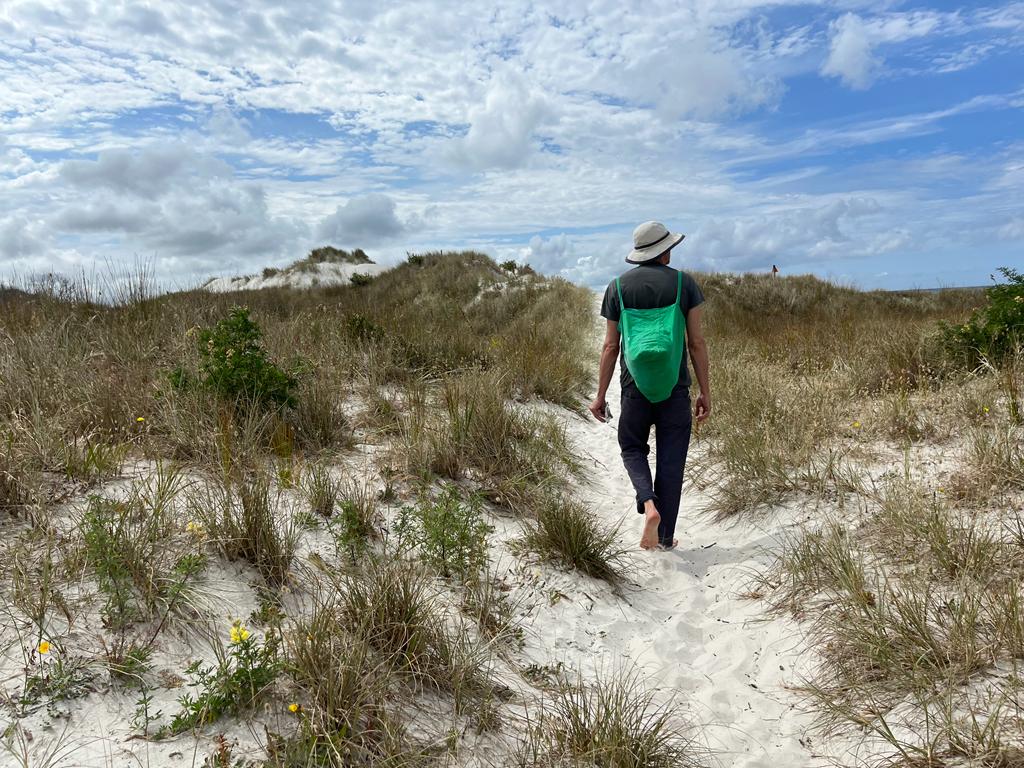
‘I guess this was non-negotiable’
Nathaniel Calhoun works on biodiversity and board governance. His projects focus mostly on the Amazon basin or Aotearoa New Zealand. His poems have featured or will soon feature in the Iowa Review, Oxford Poetry, Lana Turner, DIAGRAM and many others. He reads for Only Poems and tweets @calhounpoems
Amber Abbott

‘Rest stop’
Amber Abbott is a PhD student and writer who recently completed her first poetry collection and Master’s in Professional Writing at the University of Waikato. She enjoys sad poems, complex metaphors, and trains.
Shivani Agrawal
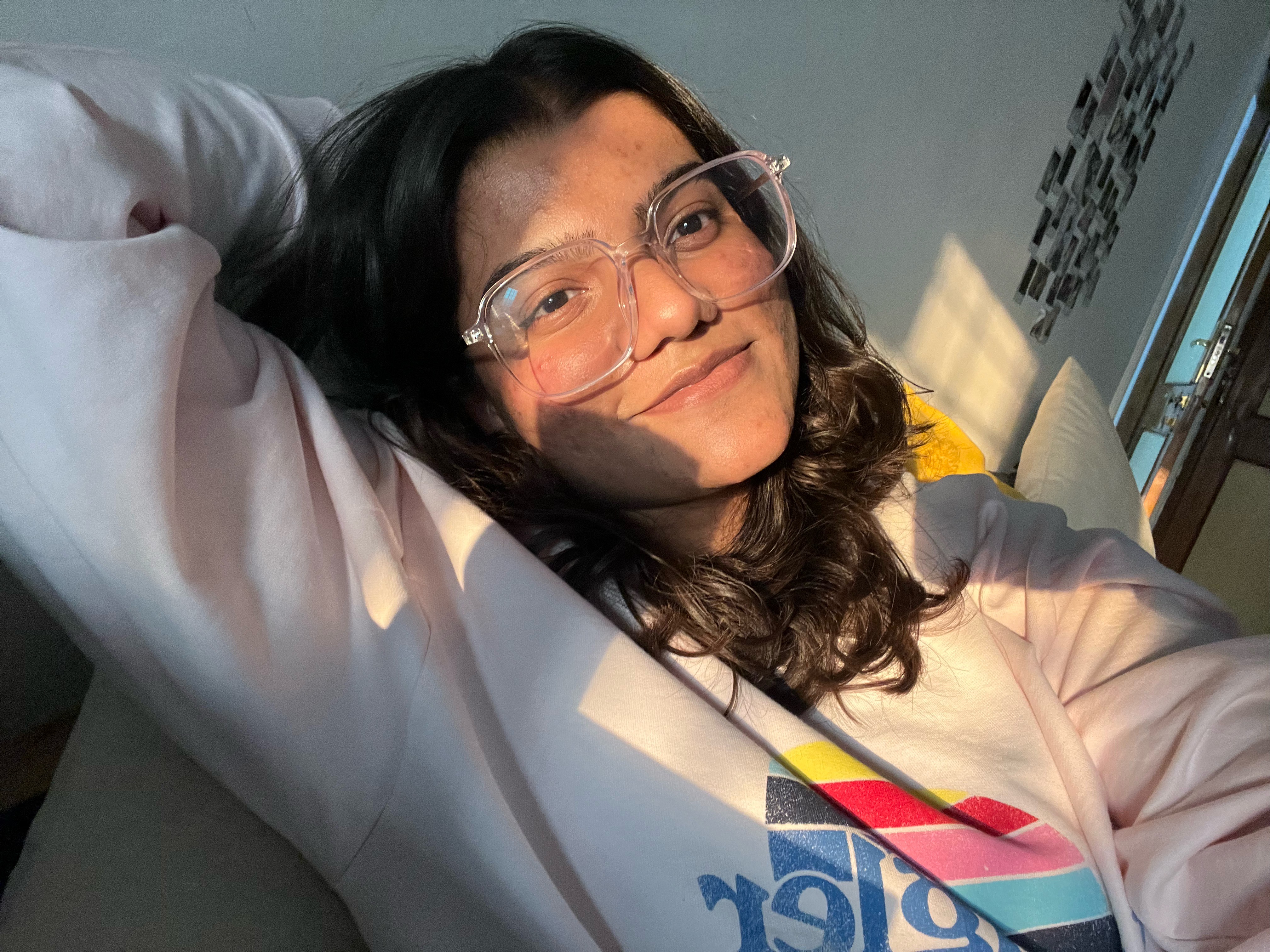
‘we’re just collecting some info,
and then we’ll restart for you’
Shivani Agrawal is a creative writer from India, based in Hamilton, New Zealand. She has completed her Master’s in Professional Writing from the University of Waikato and works as a communications advisor. Her work has been nominated for Sundress Publications’ Best of the Net 2026 and appears in Poetry Aotearoa, The Bombay Literary Magazine, Flash Frontier, Overcomm, Mayhem, Mister Magazine and The Alipore Post.
Adrienne Jansen
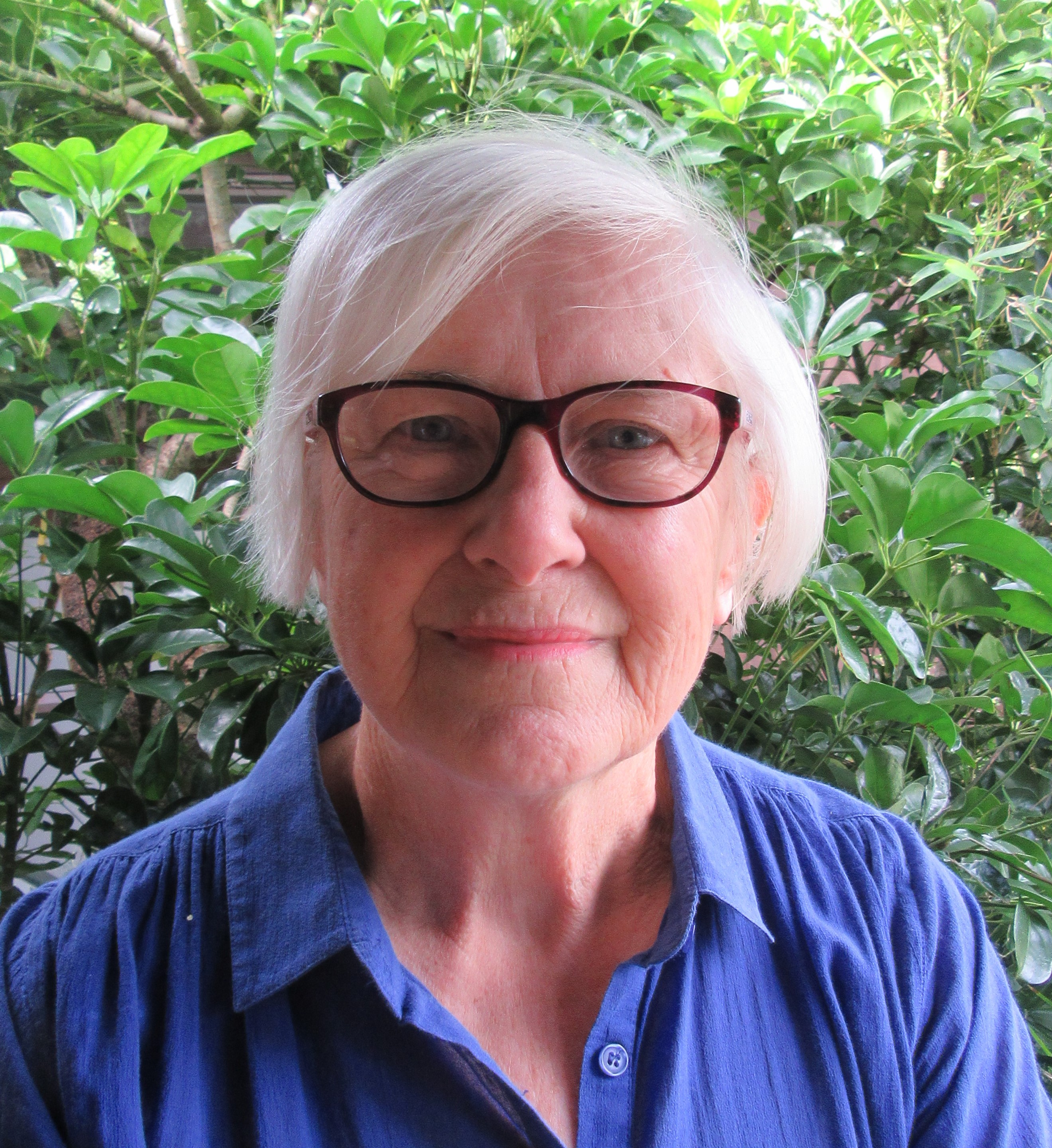
‘The tent’
Adrienne Jansen has published four collections of poetry, and her poems have appeared in several publications and anthologies. She also writes fiction and non-fiction. She is co-founder of small Wellington publisher Landing Press, which publishes accessible poetry with a social edge. She lives in Tītahi Bay, north of Wellington.
Amber Esau
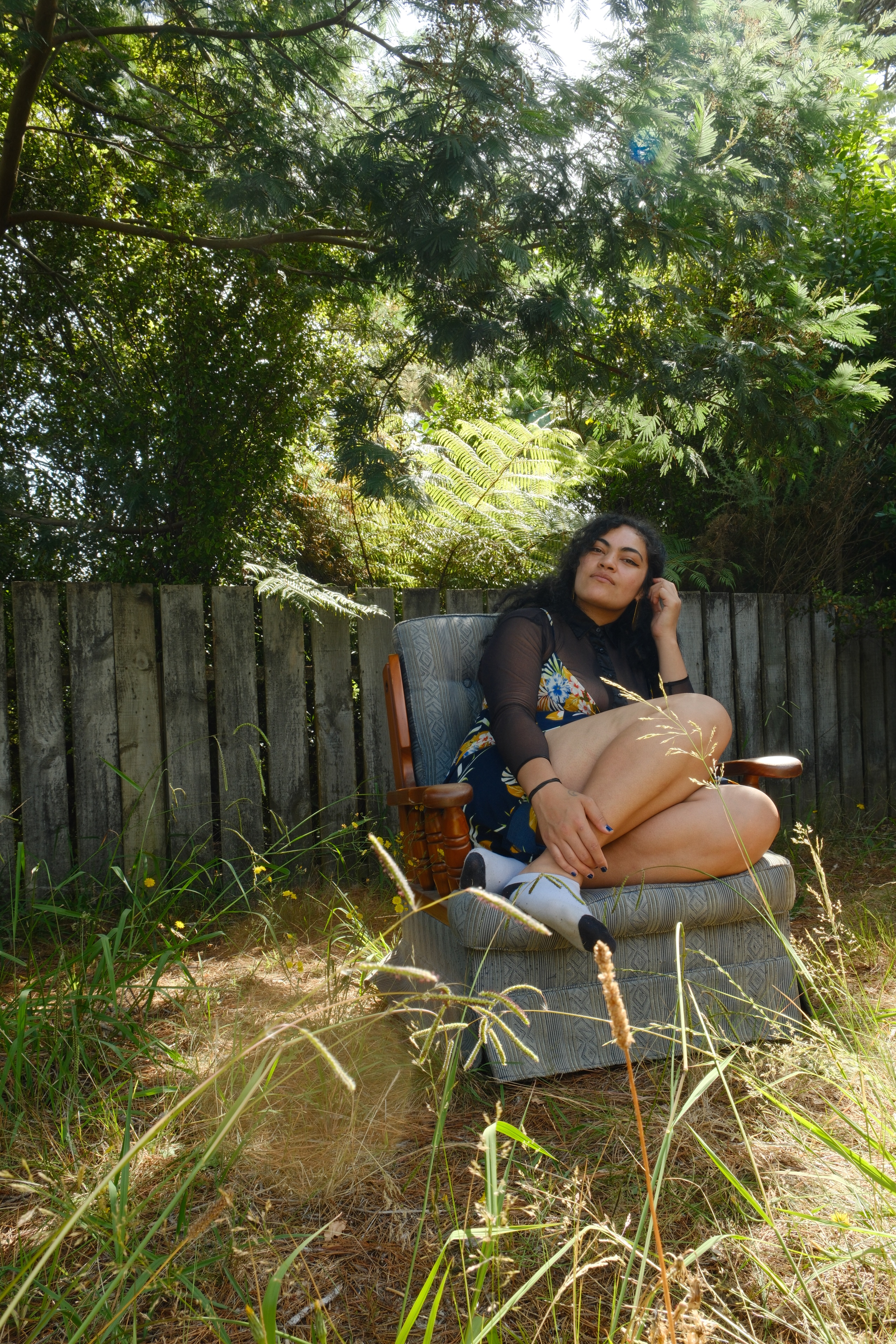
‘Muse’
Amber Esau is a Sā-Māo-Rish (Ngāpuhi / Manase) writer from Tāmaki Makaurau. She is a poet, storyteller, and professional bots. Always vibing at a languid pace, her work has been published both in print and online.
Victor Billot

‘Necessary’
Victor Billot is a Dunedin writer. He is the editor of The Maritimes, the journal of the Maritime Union. His poetry has appeared in Breath: Poetry Aotearoa Yearbook 2025 (Massey University Press), Perch (At the Bay, 2024), and A Kind of Shelter Whakaruru-taha (Massey University Press, 2023). He has work appearing in the forthcoming Landfall Tauraka 250th issue (Otago University Press, October 2025.)
David Eggleton
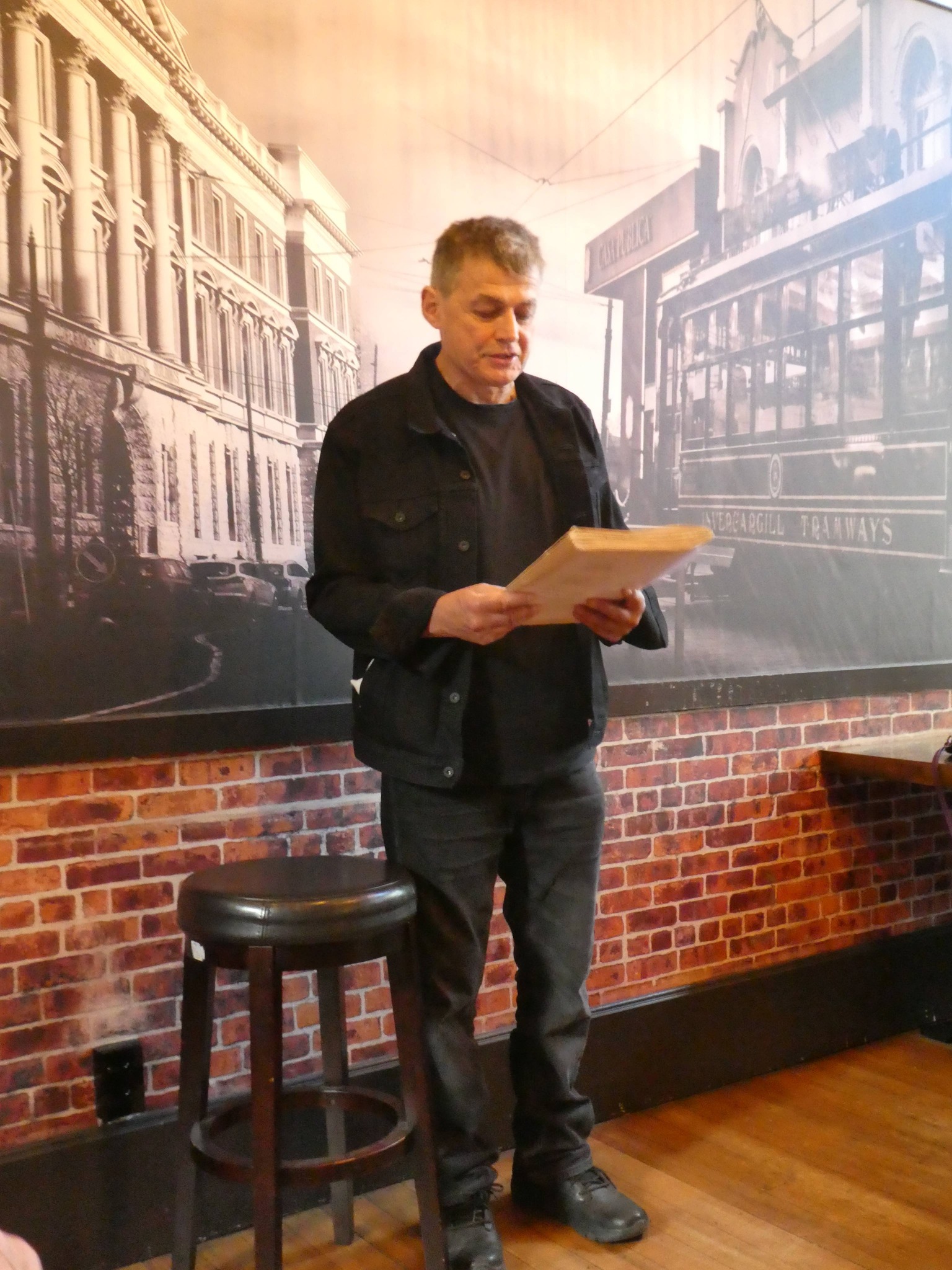
‘Below Te Ua’
David Eggleton lives in Ōtepoti Dunedin and was the Aotearoa New Zealand Poet Laureate between August 2019 and August 2022. He is a former Editor of Landfall and Landfall Review Online as well as the Phantom Billstickers Cafe Reader. His The Wilder Years: Selected Poems, was published by Otago University Press in 2021 and his collection Respirator: A Laureate Collection 2019 -2022 was published by Otago University Press in March 2023. He is a co-editor of Katūīvei: Contemporary Pasifika Poetry from Aotearoa New Zealand, published by Massey University Press in 2024. His poetry collection Lifting the Island was published by Red Hen Press in Los Angeles, California in September 2025.
Teresa Hakaraia
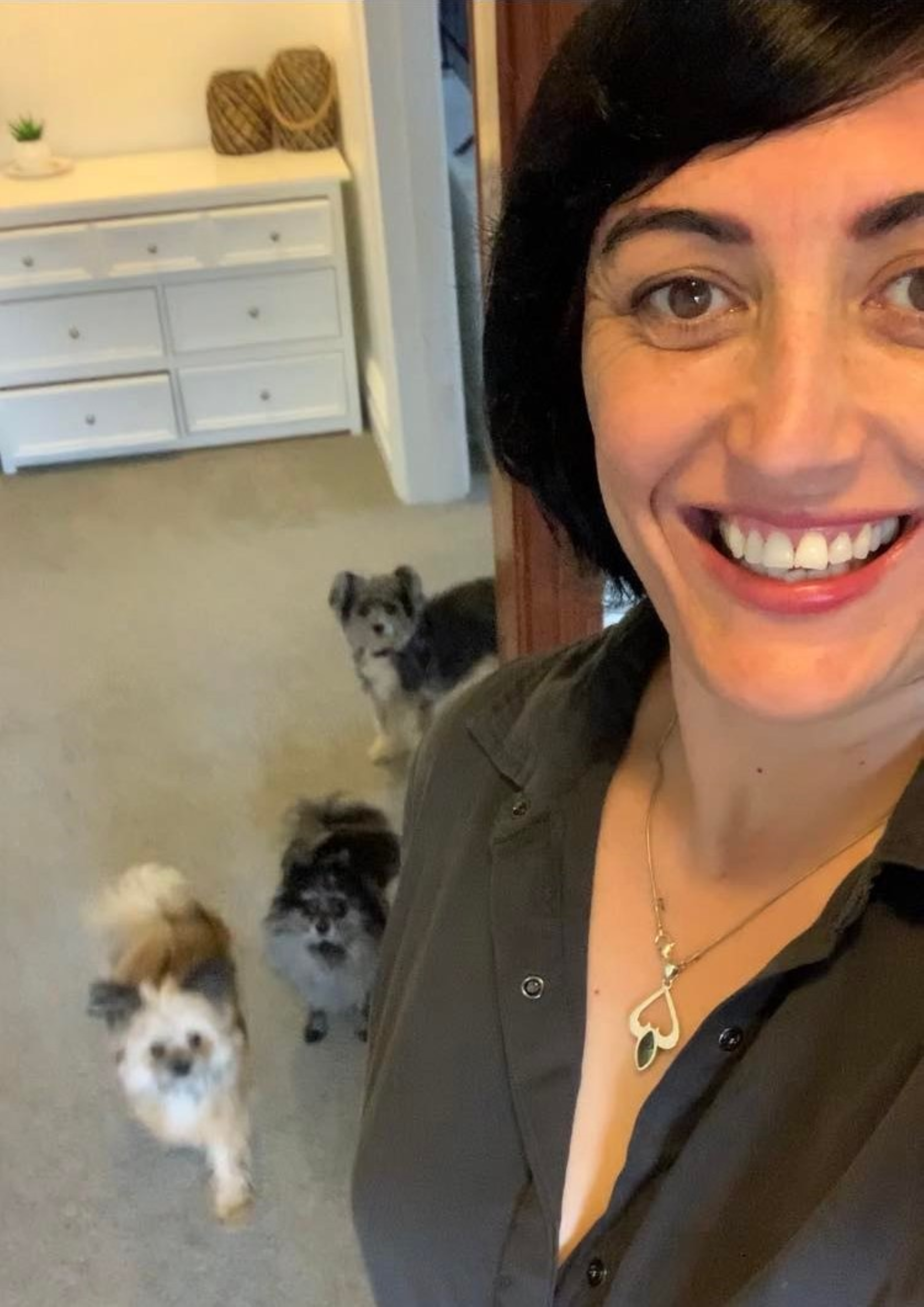
Teresa Hakaraia is of Ngāti Toa, Ngāti Raukawa, and Ngāi Tahu descent. She gained her Master of Writing with Distinction at the University of Canterbury. Having lived and travelled abroad, she now resides on the West Coast of the South Island, where she writes, collects rocks, and shares her home with her three small dogs- or rather- they share their home with her.
Zephyr Zhang 张挚
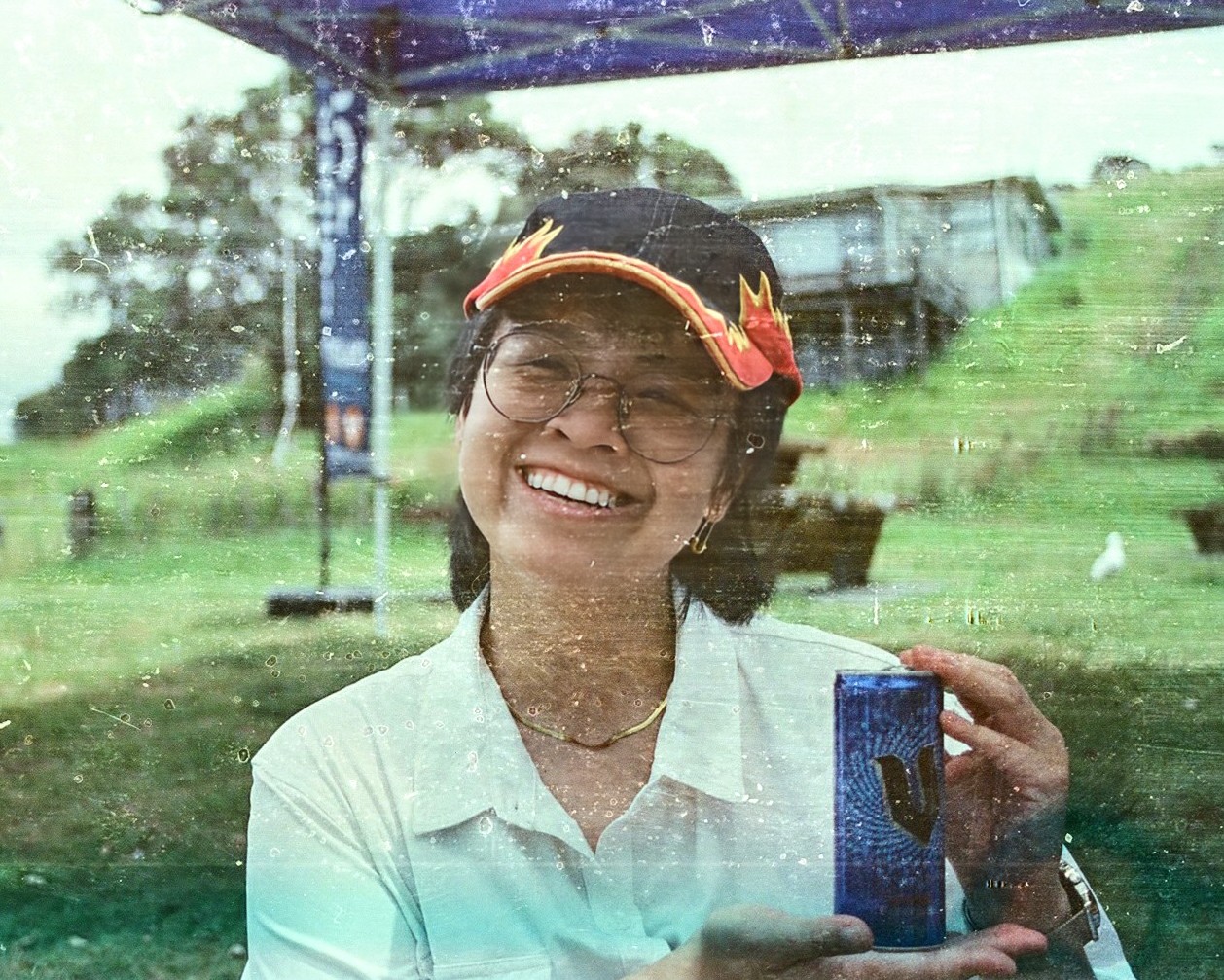
‘What was Built Over’
Zephyr Zhang 张挚 is an ex-geotechnical engineer based in Tāmaki Makaurau. They like half of the ingredients in a Jägerbomb. You can find more of Zephyr’s
poetry in Starling, Landfall, Sweet Mammalian, Ōrongohau | Best New Zealand Poems, and on their website.
Amber French
‘a love poem’
Amber French grew up in Waitakaruru, Hauraki Plains. Her ancestors came to Aotearoa from Somerset in England. A lover of books and reading, she lives in Sydney now, where she writes poetry and works in a school library. Her writing can be found in Takahē, Landfall, and Poetry Salzburg Review.
 NZ Poetry Shelf