Category Archives: Uncategorized

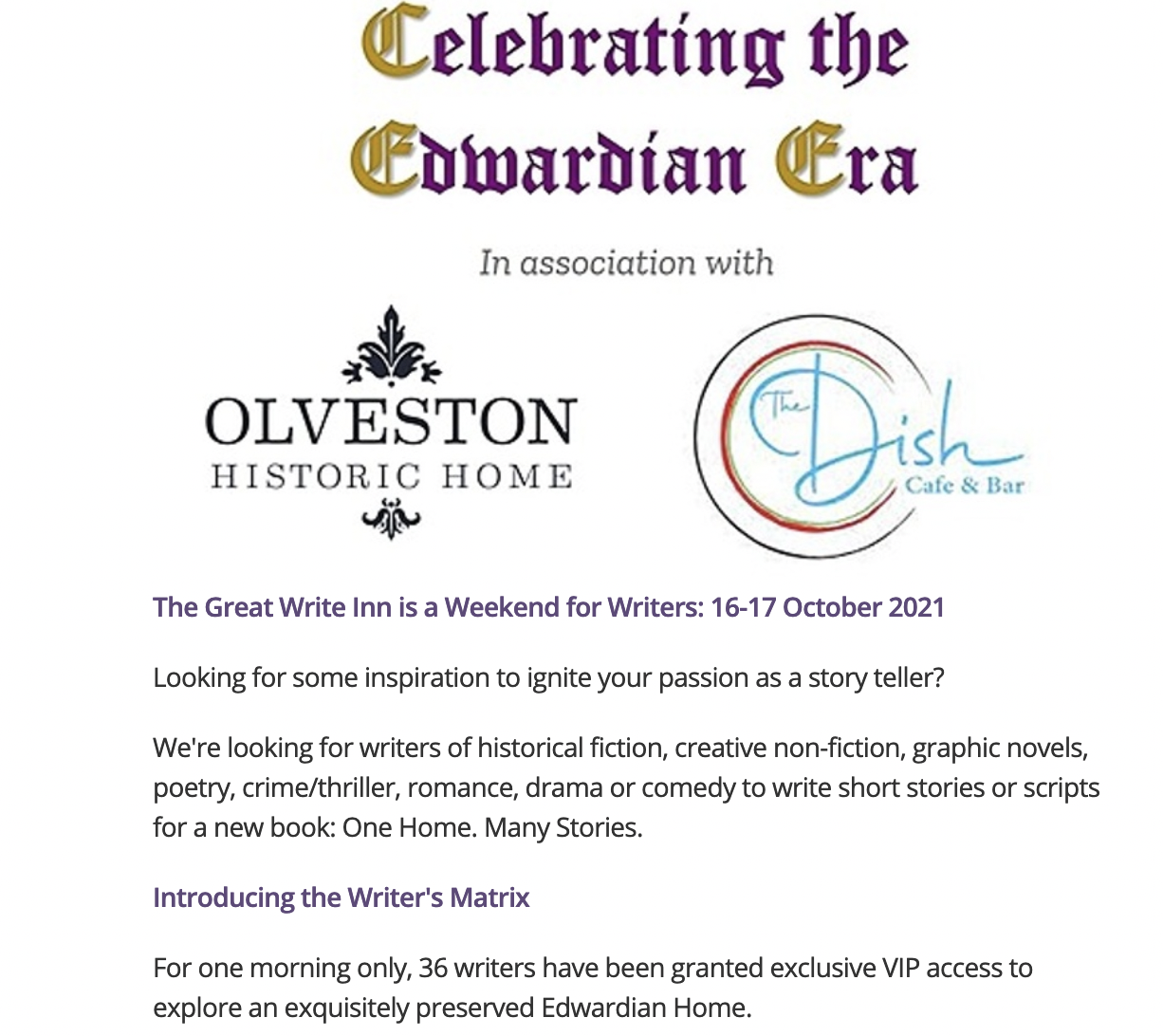
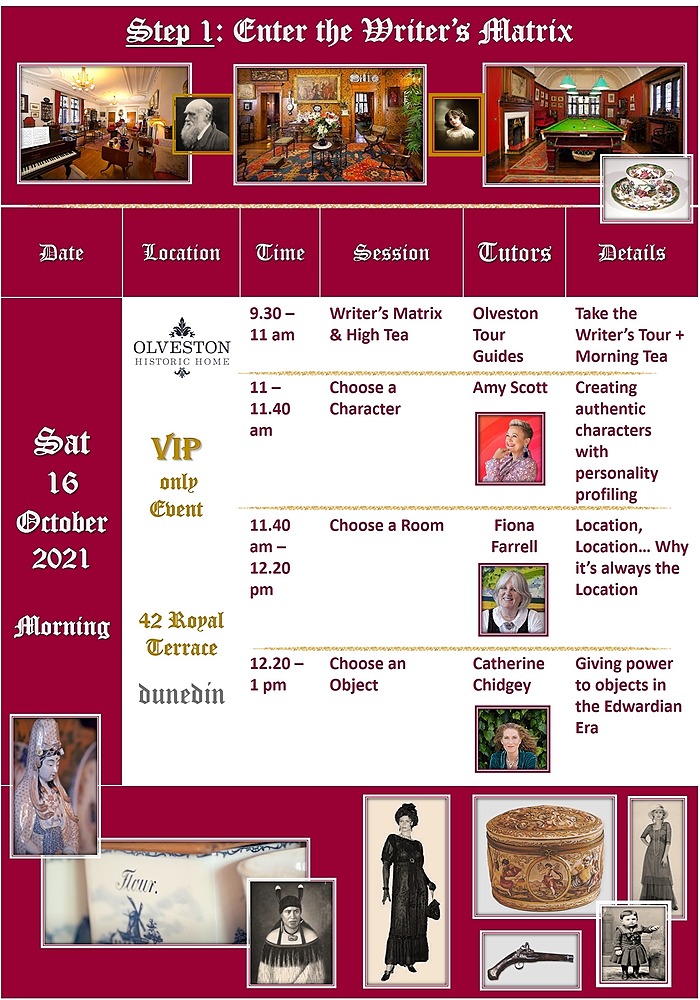
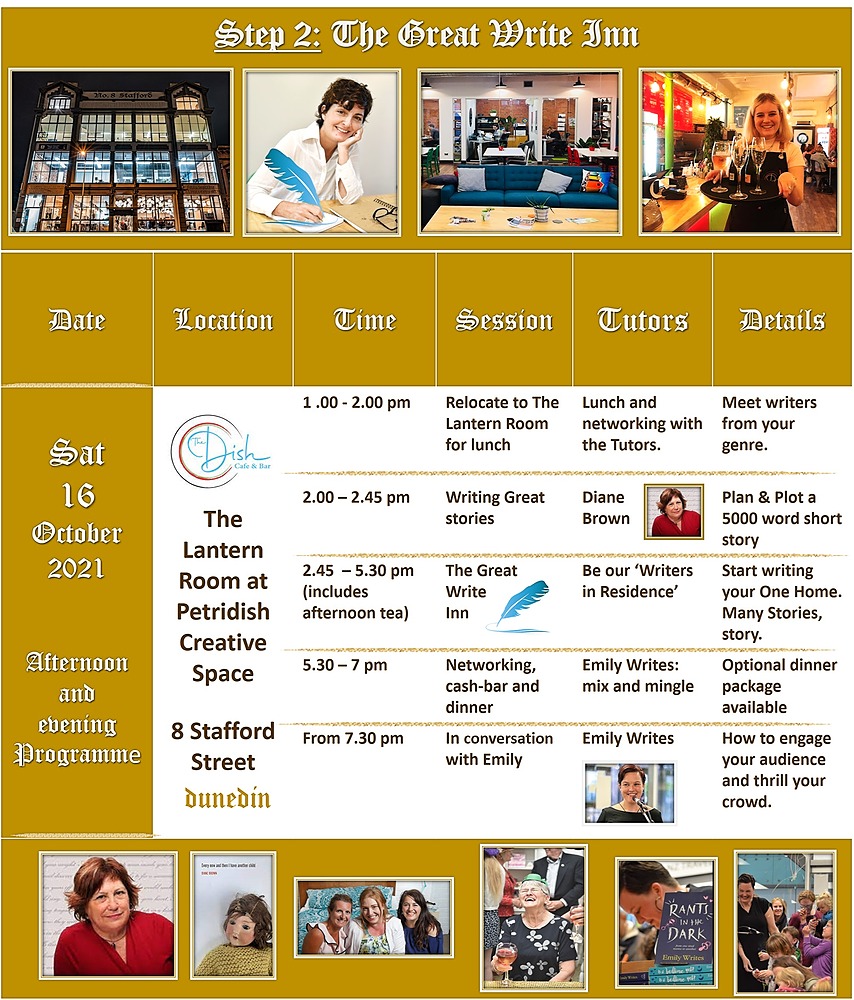
Poetry Shelf noticeboard: The Great Write Inn is a Weekend for Writers

The Great Write Inn is a Weekend for Writers: 16-17 October 2021 Created by writers for writers, featuring Catherine Chidgey, Diane Brown, Emily Writes, Fiona Farrell, Amy Scott, Fiona Cole, Emma Neale, Beverly Martens and other special guests.

You need to go to the site to check the full details out

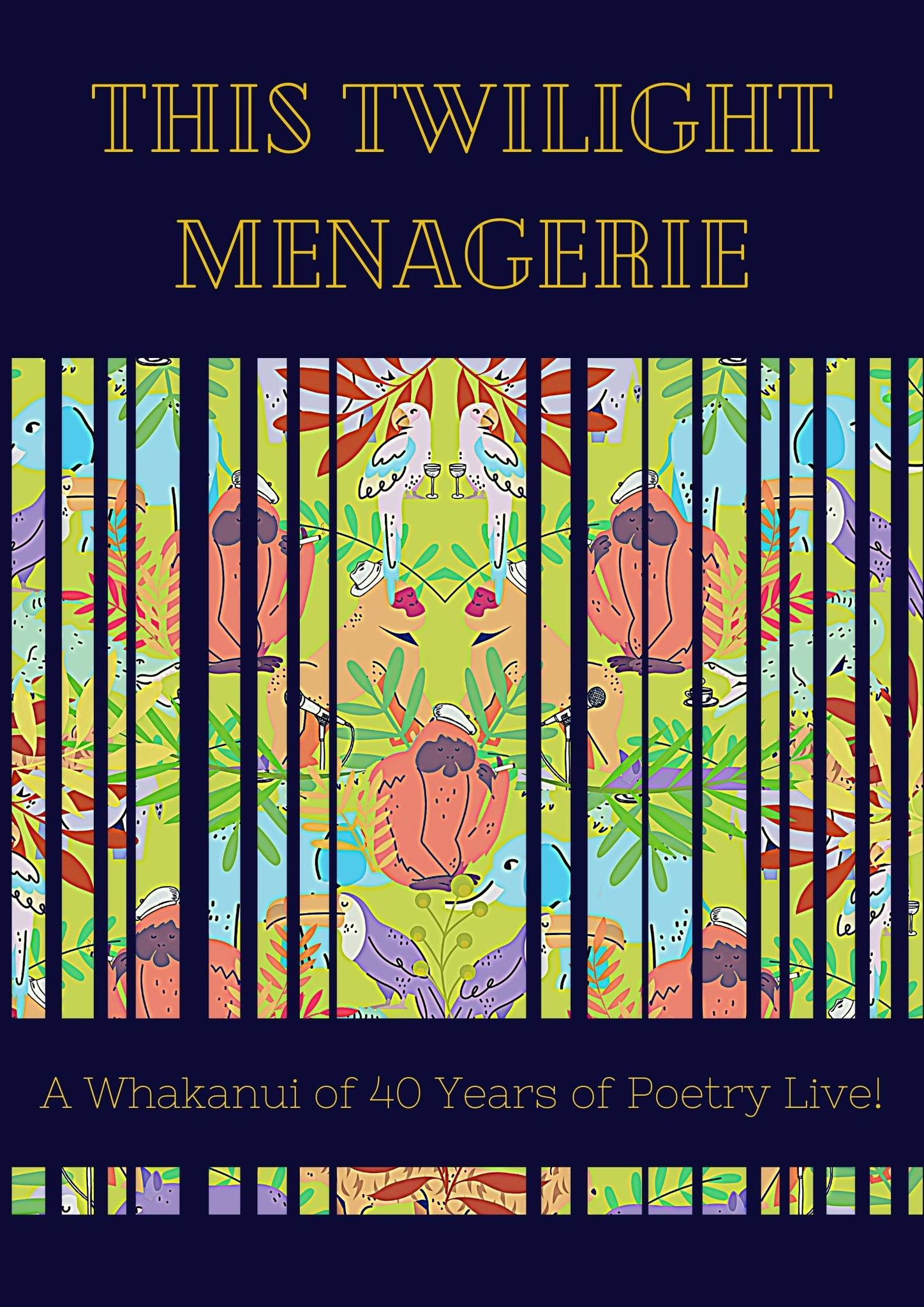
Poetry Shelf: Aidan-B. Howard reviews This Twilight Menagerie

This Twilight Menagerie is a poetry anthology of a special importance and a special calibre. Forty years ago, Poetry Live! was launched in Auckland as a weekly meeting of poets and poetry lovers, driven initially by the late David Mitchell, himself a poet of some national and international renown. Over the following years, the diverse team that runs this event has released occasional ‘annuals’ (in the loosest sense of the word). This year, however, is something even beyond this.

  To mark the 40th anniversary of this gathering, a significant 218-page anthology has been released, containing works from 79 poets, past and present, most still alive, but a few gone to that great typewriter in the sky. Many of these contributors have endured most of that entire 40 years on the local scene; some used to attend in the earlier days, but have subsequently moved on; others are fresh and enjoying the new opportunities that a local, public platform affords them. But in all cases, these poets have offered us something that they have considered to be of some quality and of some respect to the long Poetry Live! tradition.

  And it is from here that we see again that “special calibre”. Because the editors this year have been able to choose from so many artists and so many works that were offered for consideration, that selection has ended up being one of the finest collections that we could hope to find, one that would sit with pride next to the various yearbooks or the larger, more famous anthologies. It has poets laureate and literary award winners alongside retired teachers, plumbers and architecture students, all with one thing in common – their love of poetry. Aotearoa New Zealand already holds, and for a long time has held, the record as the country that publishes more poetry books, per capita, than any other, and so what we have here, really, is a tradition within a tradition, a ‘commonwealth’ of the two.

  Having been an arts and literary reviewer since the early 1980s, I have come across the good, the bad and the indifferent, as we find throughout the creative world. But for the first time in countless years, we have a collection in which there is nothing half-hearted, nothing disrespectfully casual. Covering every topic from the love of one’s father to the love of our grandmothers, from the pride in one’s mana to the fascination in the moon or in an octopus, to statues, to music, from the outrageous death of twin babies to the conflicted death of a junkie. The reader, any reader, will find something for themselves, a poem, a verse, a line, maybe a mere word or phrase, that means much to them and invokes an image, a memory or an intrigue… and maybe even a desire to put pen to paper and write themselves.

     I want to give words to you.

          Words to caress your face,

          To run across your lips, and around your eyes.

     …

     I want to give you words

          That you will keep on your bookshelf,

          In your record case, and behind the door in your loo.

     Words that are ideas

          So that you can build sandcastles with them.

          And then I’ll give you words

          To hold back the flowing tide.

                         [Roger Hicks, Words (excerpt)]

Aidan-B. Howard

This Twilight Menagerie, Jamie Trower & Sam Clements Editors, $20 plus p&p, orderable by email at poetryanthology40@gmail.com 219pp 210x150mm

Aidan Howard was the chief arts reviewer on Craccum for 13 of the years from 1980 to 2000, including 7 years as the arts editor and one as the editor.

Poetry Shelf noticeboard: The $10,000 Peter Porter Poetry Prize is now open

The $10,000 Peter Porter Poetry Prize is now open
Judged by Sarah Holland-Batt, Jaya Savige and Anders Villani 
First Prize: AU$6,000Four other shortlisted poets: AU$1,000 eachClosing date: Midnight, 4 October 2021 
Australian Book Review welcomes entries in the eighteenth Peter Porter Poetry Prize, one of Australia’s most lucrative and respected awards for poetry. Entries must be an original single-authored poem of not more than 70 lines written in English. 
The Porter Prize is worth a total of AU$10,000. It honours the life and work of the great Australian poet Peter Porter (1929–2010), an esteemed contributor to ABR for many years. 
The five shortlisted poems will be published in the January–February 2022 issue and the winner will be announced at a ceremony in January.
Click here to enter the 2022 Porter Prize
Entry costs 
Entry costs AU$15 for current ABR subscribers or AU$25 for non-subscribers*. Entrants who are not current ABR subscribers can choose to subscribe when submitting their poem for the special combined rates listed below:
Entry + ABR digital one-year subscription – $80Entry + Print one-year subscription (Australia) – $100Entry + Print one-year subscription (NZ and Asia) – $190Entry + Print one-year subscription (Rest of World) – $210 
*Non-subscribers will receive digital access to ABR free of charge for four months from entry.
Terms and Conditions / FAQs
 Before entering the Porter Prize, all entrants must read the Terms and Conditions. Before contacting us with a question, please read our Frequently Asked QuestionsClick here for more information about past winners.
Please forward this information on to friends, colleagues and students who may be interested in hearing about the Porter Prize. 
ABR gratefully acknowledges the long-standing support of Morag Fraser AM and Andrew Taylor AM.

Poetry Shelf in the city: Breakfast with secondary-school English teachers

This morning I had breakfast and conversation with five fabulous secondary-school English teachers (Bronwyn, Susan, Terri, Tom and Christine) in Mt Eden and it was such a treat (here for the NZATE conference). I say no to pretty much everything at the moment, because I am focusing on my own writing, and keeping my two blogs going. It’s a rare occasion I get to have a cafe breakfast and talk poetry, and I just loved it! And yes poetry was the main topic of conversation. I gave each teacher a one-off offer to invite one standout young poet to send me a few poems – and I would write back to them, and perhaps post a poem on the blog. I tried starting an ongoing spot for secondary-school students awhile ago but it fizzled. But I love the idea of finding a way of posting poems by secondary-school students. Hmm. I need to muse on this.

I was talking off the cuff this morning but one thing I kept returning to was how we can take our whole body into a poem, whether we read or write it. Ears might come into play first because so often we pay attention to the sound of the poem. The way it makes music. Eyes are a way of hunting for the detail that moves a poem from the general to the specific. The look of the poem on the page. Its form. Its page space. Heart might be the essential pulse of a poem, the way we feel the world. And lungs, because poetry is also breath. Mind, because ideas can matter. Poem can be a form of inquiry, curiosity, experimentation. How does this all work when you are exploring a poem as a set of language features? You might think of a poem as a set of rhymes. Yes various sound rhymes, but also visual rhymes, feeling rhymes. Near rhymes, off rhymes. Ideas that rhyme. Recognition rhymes. A rhyme between you as reader or writer and the poem itself. I say rhyme but I could say chord or I could say connection. I often picture a bridge between myself and the poem, and sometimes I just can’t cross it. So I ask, why not? That instantly fascinates me, and I hunt for new entry points, a backdoor, a portal, a keyhole. Poetry for me is a way of opening up not closing down. Poetry, even at my age, is all about play, no matter how serious I get.

Afterwards, on my drive back to the coast, I mused on the ways poetry can spark students into finding their voice, into exposing diverse engagements with themselves and the world, with people, things, feelings, places, experiences and ideas that matter to them. I got to wondering to what degree our students read New Zealand fiction and poetry? I know there is an exciting groundswell of young poets from teens through to 20s. The work appearing on Starling underlines that. It seems so very important and is no doubt one reason we have Ben Brown as our inaugural Te Awhi Rito Reading Ambassador.

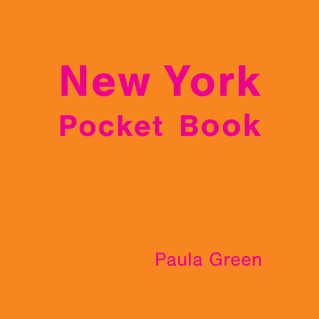
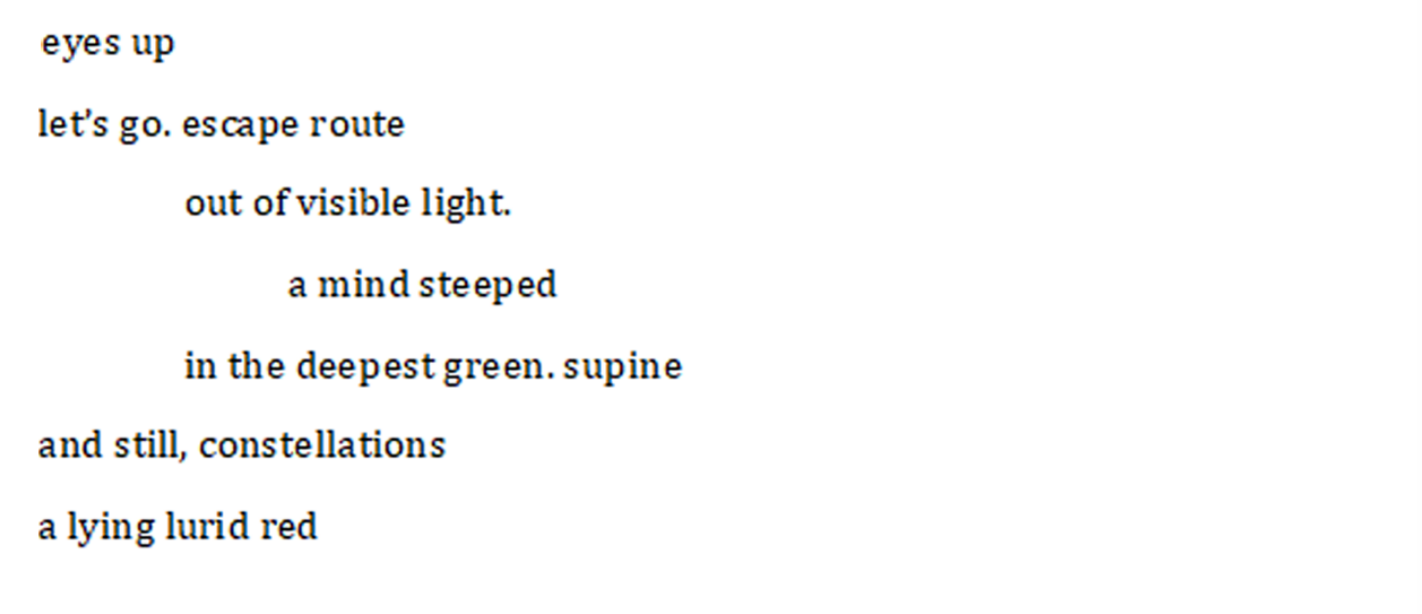
I got to read a poem from my New York Pocket Book (Seraph Press) that is so dear to me, the poetry prompted by the time Michael and our then teenage girls had ten nights in New York. Such an experience seems like a foreign country to us at the moment. And here I was today, reading a New York poem in a Mt Eden cafe to five English teachers, and it felt so unbelievably special I felt like crying. But I held up my latest collection The Track and got talking about creating a whole book in my head in a storm. Which is kinda how I feel now – writing and blogging in a storm to keep going. To keep one foot going after the next. To keep holding out the warmth and sustenance that poetry can offer.

Thank you NZATE for the breakfast invite. I am so grateful.

Poetry Shelf noticeboard: IIML students encounter Mīharo |Panoramic view of the Aratiatia Rapids at the National Library

from ‘Panoramic view of the Aratiatia Rapids’ by Jiaqiao Liu. The first in a series of nine responses to the Mīharo Wonder exhibition.

“While Mīharo Wonder is moored to the walls and arrested in its cases, its imaginative scope ranges freely – here is the best possible evidence of that.” — Peter Ireland, Mīharo Wonder co-curator

Writers encounter Mīharo Wonder

Wonder is a place where writing often begins — and each year, during the first six weeks of the MA in Creative Writing at the International Institute of Modern Letters, we set exercises designed to unlock the kind of wondering unique to each writer. In April 2021 we brought the MA students to the Mīharo exhibition in the hope that some of the resonant objects, images and artefacts might prompt stories, poems or essays. We gave them no brief other than to choose an exhibit and pursue the lines of imagination it prompted.

For these writers, encounters with the past have become acts of invention as well as recovery and re-evaluation. The exhibition becomes an observatory in which old stories give birth to new, the past is encountered with fresh eyes and transformed through the lens of the present. The writing presented here is only a sample of the work produced, and we imagine work by other writers will come to fruition in future. We’re grateful to National Library staff Peter Ireland, Anthony Tedeschi and Fiona Oliver for providing additional insight and background to the exhibition and to Mary Hay and Jay Buzenberg for publishing the student’s work on the website. And we hope you enjoy the wondering Mīharo has produced.

Chris Price, Tina Makereti and Kate Duignan

First response by here. They will continue each week.

Visit Mīharo Wonder at the National Library in Wellington
Experience the Mīharo Wonder online exhibition
Read the Encountering Mīharo blog series
Read the Mīharo Wonder blogs

Poetry Shelf noticeboard: Meteor Literary Salon returns for a stellar Matariki

The iconic Meteor Literary Salon returns for a stellar Matariki at the Meteor!

A special Matariki focused salon will see four leading New Zealand poets dynamically performing their work!    

The poets in question? Literary legends…

Hinewirangi Kohu-Morgan,  artist, poet, and visionary, known as an important harbinger of Māori poetry written in English.

Te  Kahu  Rolleston, Ngaiterangi born writer, activist, battle rap artist, actor, scholar, educator, poet, and national spoken word champion!

Vaughan Rapatahana, poet, and author, known for often delivering his poems with a kōauau soundtrack backgrounding his words and having his works published in both his main tongues – te reo Māori and te reo Ingarihi.

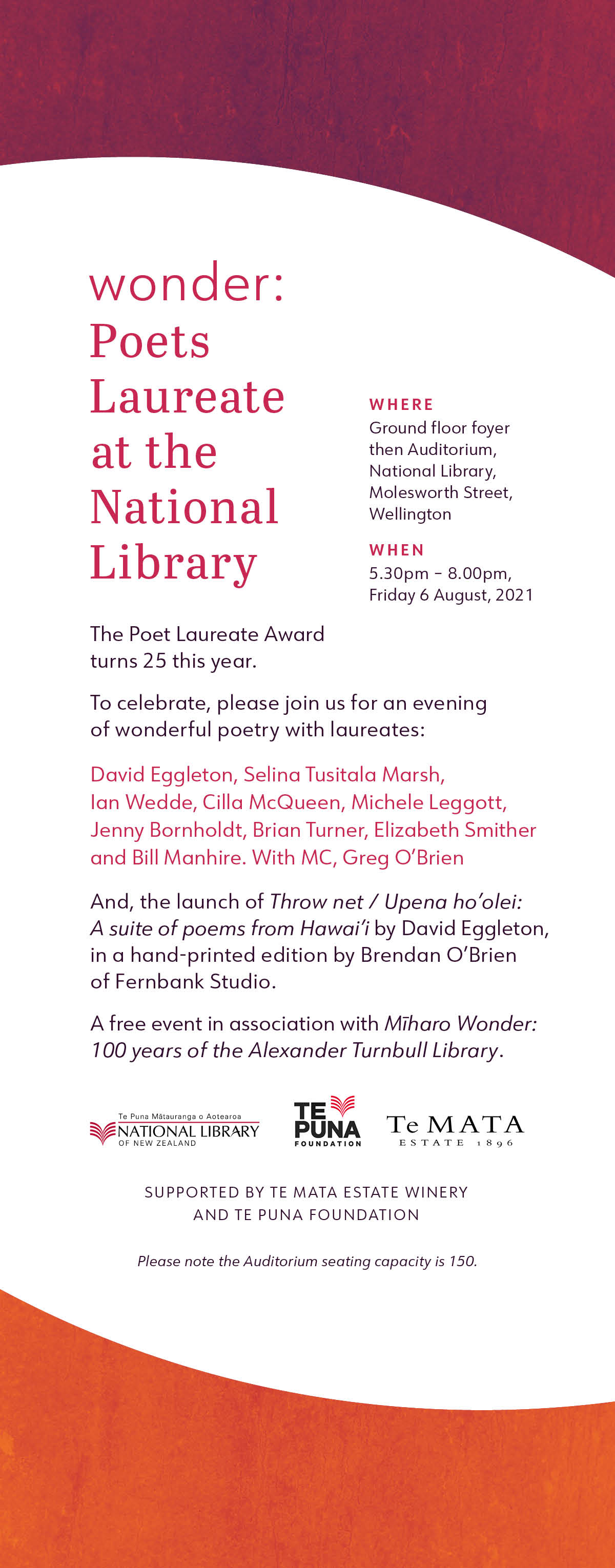
David  Eggleton, Aotearoa’s Poet Laureate, and recipient of the Prime Minister’s Award for Literary Achievement in Poetry!

Don’t miss your chance to see these four poets travel beyond standing still in an emphatic oral delivery of their work. Vaughan Rapatahana will be our MC and there will be some of our artists work available for sale at the event.

July 22, 7pm. Tickets $10 General Admission (including a glass and nibbles).

Poetry Shelf celebrates new books: Bryan Walpert reads from Brass Band to Follow

Brass Band to Follow, Bryan Walpert, Otago University Press, 2021

Bryan reads ‘In the lull’

Bryan reads ‘Brass Band to Follow’

Bryan Walpert is the author of four collections of poetry—Etymology, A History of Glass, Native Bird and most recently Brass Band to Follow (Otago UP). He is also the author of a novella, Late Sonata, winner of the Viva La Novella prize (Australia); a collection of short fiction, Ephraim’s Eyes; and two scholarly books: Poetry and Mindfulness: Interruption to a Journey and Resistance to Science in Contemporary American Poetry. A novel, Entanglement, is forthcoming with Mākaro Press in October. His work has appeared in New Zealand, Australia, UK, U.S., and Canada and has been recognized by, among others, the Montreal International Poetry Award, the New Zealand International Poetry Competition, the Royal Society of NZ Manhire Award Creative Science Writing Award (fiction), The Rattle Poetry Prize (US), and the James Wright Poetry Award (U.S). He is a Professor in Creative Writing at Massey University, Auckland. More on Bryan can be found at bryanwalpert.com.

Otago University Press page

Bryan Walpert website

Bryan in conversation with Lynn Freeman Radio NZ National