Do you want to design a Phantom National Poetry Day event for children? I wrote a new guide, including event ideas, inspiration poems, and a poetry bibliography.
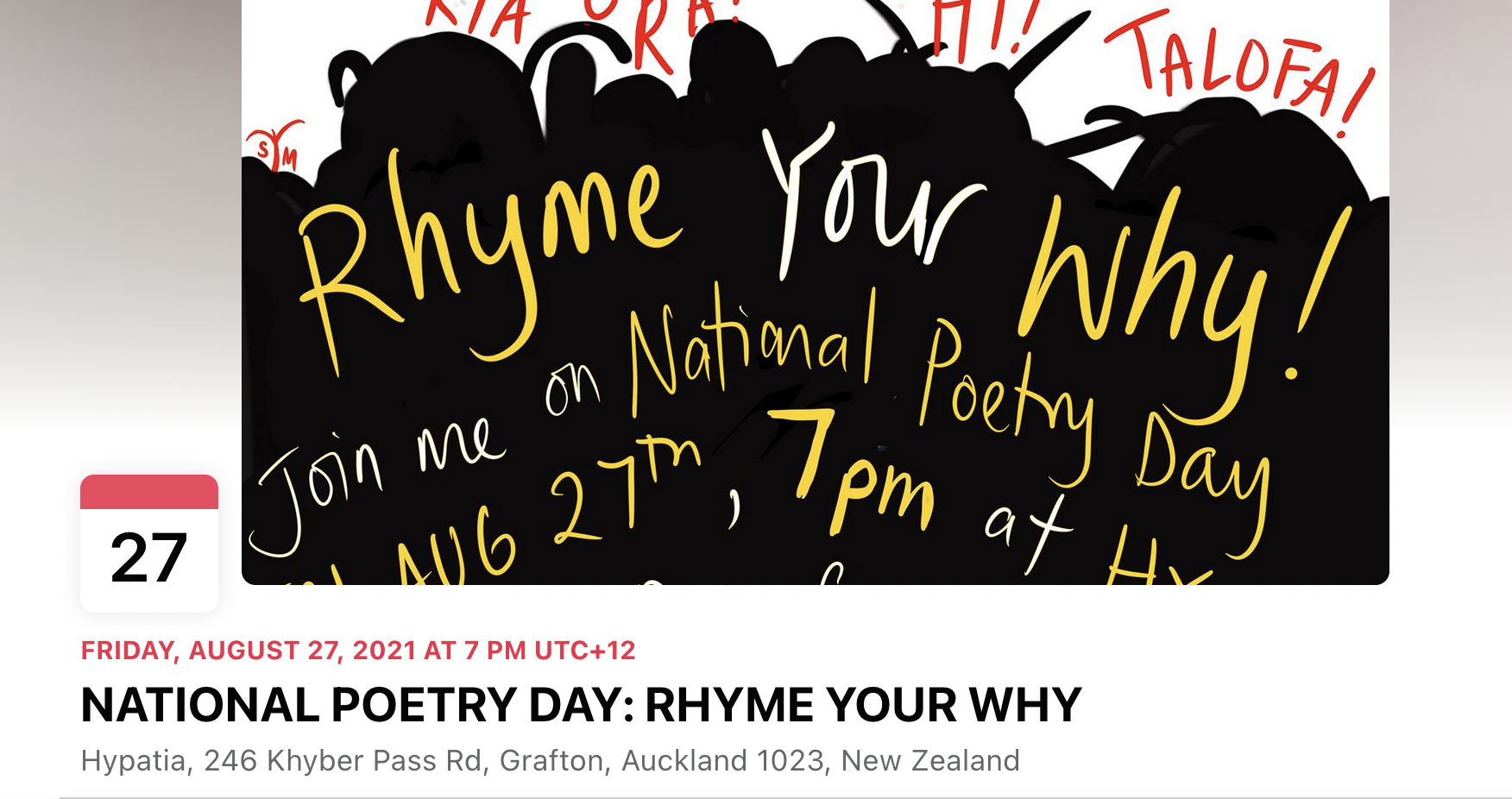
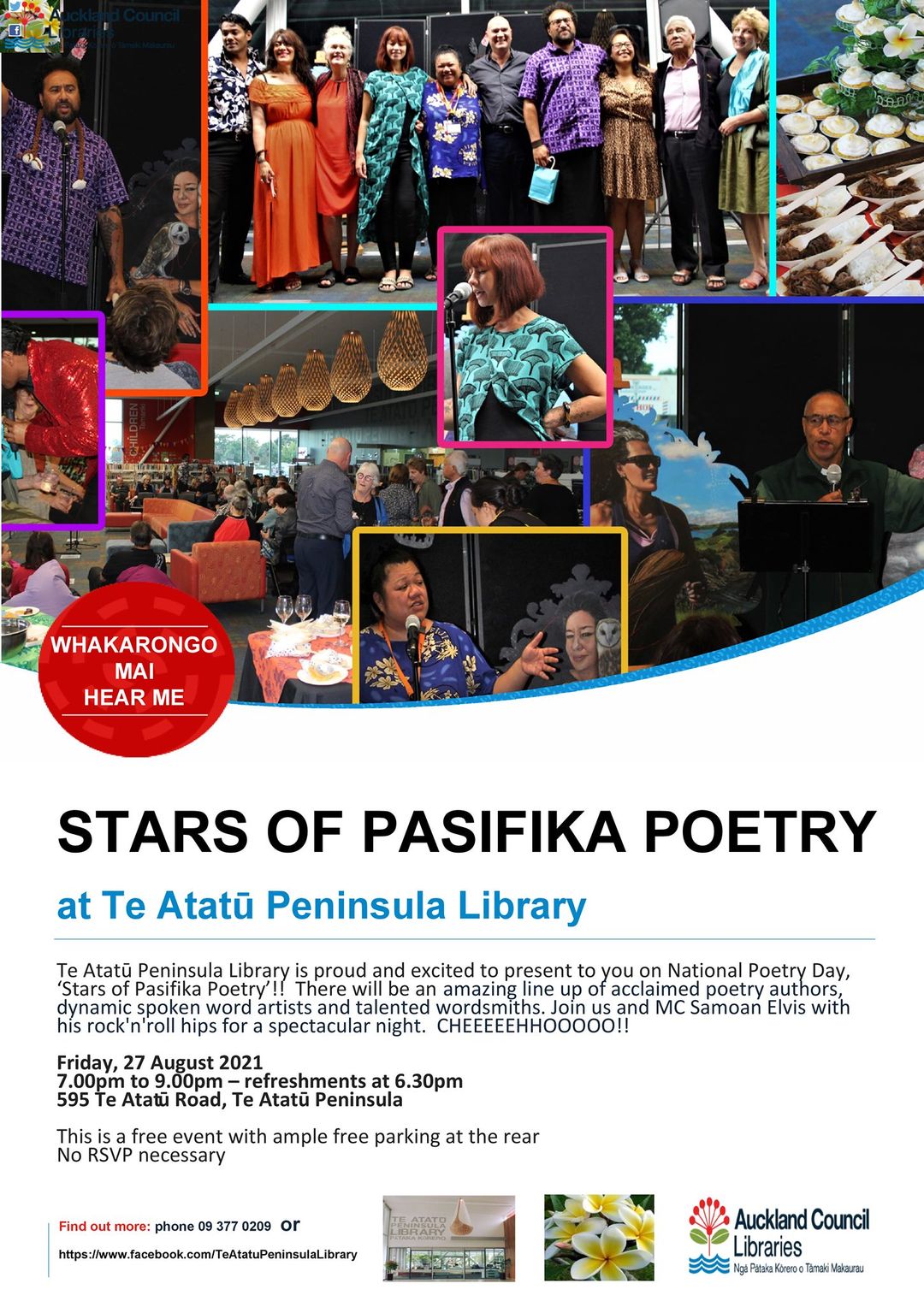
Poetry fans across Aotearoa New Zealand are eager to create a vibrant, diverse Phantom National Poetry Day on Friday 27 August 2021, after the global pandemic curtailed public gatherings last year.
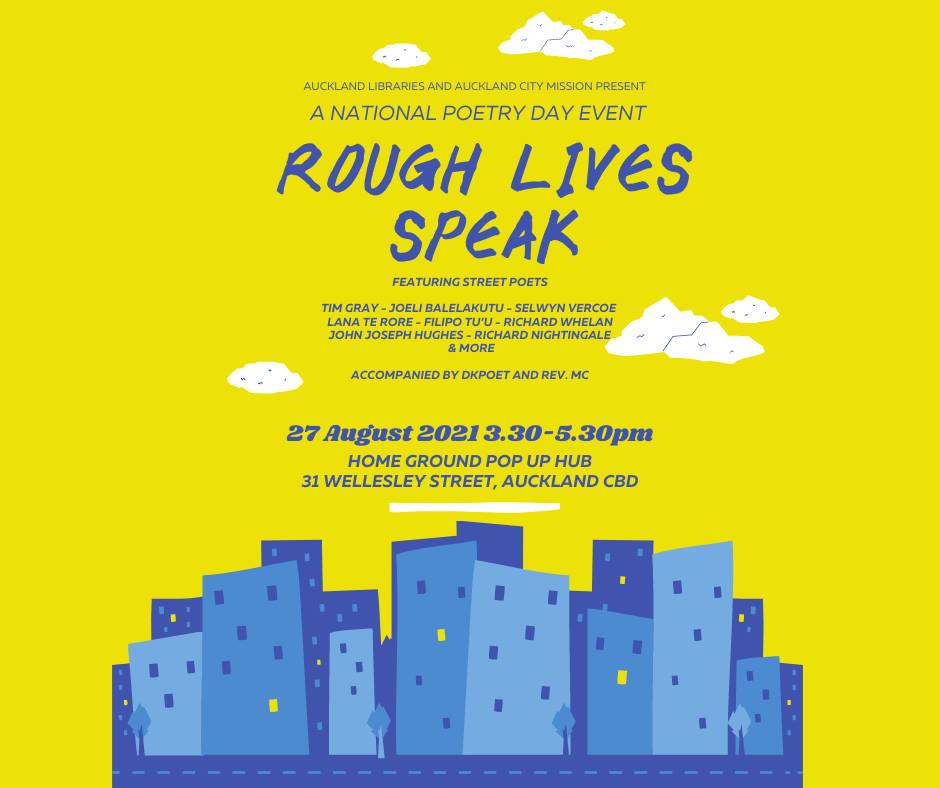
The packed programme goes live today (Thursday 5 August), revealing the breadth of our annual nationwide celebration. More than 100 events and competitions are scheduled for late August. You can find the full programme at Phantom National Poetry Day.
Now in its 24th year, Phantom National Poetry Day is set to go off with a bang, with events all around the country – from cafés and bars to libraries, bookshops, marae, schools, universities and parks. Poetry will also pop up on public transport, city streets, beaches, and hospitals. There’s something for everyone, whether it’s poetry slams, open mic nights, readings, book launches, workshops or performances.
Among the highlights are:
Whangarei – Fast Fibres Poetry 8: poetry anthology launch and performances
Auckland – Written Windows: poetry displays throughout Auckland Hospital, with a performance event including Selina Tusitala Marsh and Renee Liang.
Hamilton – Flesh and Bone ii featuring poets from the moana, including Kelly Joseph, Maluseu Monise and essa may ranapiri.
Wellington – Open Heart Surgery poetry evening at Good Books.
Christchurch – Counterculture – Politics in Poetry Open Mic: contemporary political poetry from Ōtautahi poets.
Queenstown – Pop-Up Poetry Workshop led by Amy O’Reilly and Bethany Rogers.
Dunedin – Poetic Cabaret: dine with pitch-perfect poets and invited instrumentalists.
To celebrate both Phantom National Poetry Day and Australia Poetry Month, online warm-up event Aus x NZ Poetry Showcase is scheduled for Thursday 26 August. The evening will includelively virtual readings from Tusiata Avia, winner of the Mary and Peter Biggs Award for Poetry at the 2021 Ockham New Zealand Book Awards; shortlisted poets Hinemoana Baker, Mohamed Hassan and Nina Mingya Powles; MitoQ Best First Book Award (Poetry) winner Jackson Nieuwland; and Aotearoa Poet Laureate David Eggleton.
On Friday 27 August, Tusiata Avia will also appear at the WORD Christchurch Festival 2021 event Confluence and Jackson Nieuwlandwill take part inWellington event Shouting Into The Void: Six Poets One Megaphone.
Poet and NZ Book Awards Trust spokesperson Richard Pamatatau says, ‘As always, this year’s Phantom National Poetry Day is an opportunity for our poets to bring words, ideas and language to people across Aotearoa. To celebrate who we are, what we stand for and to reflect on what has passed. In the midst of a global pandemic, and after last year’s socially distanced celebration, it is delightful to see activity and vibrancy surging back into the day, with so many events planned.’
Nearly 20 wickedly good poetry competitions are listed in the Competition Calendar, including online poetry competition Given Words 2021 – Noho Mai, in its 6th year, and E Tū Whānau’s inaugural Spoken Word Competition, with winners announced on Phantom National Poetry Day. To find out more and enter these competitions visit Competition Calendar.
Much-loved children’s poet Paula Green has created an inspiring resource for teachers to use with students – one which will spark their imaginations as they write poetry and create events. Find out more at Phantom National Poetry Day Schools Guide.
Phantom CEO Robin McDonnell says, ‘Phantom Billstickers LOVES poetry and has been taking it to the streets of New Zealand and overseas for nearly 40 years. There’s something delicious about finding poetry in unexpected places – on walls, lampposts, billboards – for all the world to see. Phantom National Poetry Day gives us an opportunity to go large and celebrate our local poets. What’s not to love!’
Held annually on the fourth Friday in August, Phantom National Poetry Day brings together poetry royalty and fans from all over Aotearoa New Zealand. Many of the programmed events will be FREE and open to the public. This popular fixture on our cultural calendar celebrates discovery, diversity and community. For the past six years, Phantom Billstickers has supported National Poetry Day through its naming rights sponsorship.
National Poetry Day was established in 1997 with a mandate to celebrate discovery, diversity, community and pushing boundaries. It is a one-day national poetry-event extravaganza held every August.
Phantom Billstickers has been assisting New Zealanders to express themselves since 1982. From the very beginning they’ve supported home-grown talent alongside their commercial campaign work, actively promoting New Zealand music, art, poetry and culture through a network that now numbers 6500 framed street posters countrywide.
The New Zealand Book Awards Trustwas established as a charitable trust in 2014 to govern and manage the country’s two major literary awards – The Ockham New Zealand Book Awards and the New Zealand Book Awards for Children & Young Adults – as well as Phantom National Poetry Day, and to ensure their longevity and credibility.
Siobhan Harvey takes part in Shifting Ground event on Saturday 13th November. See full programme here.
Fresh New Format Marks Going West Festival’s 2021 Live Season
Going West Festival’s 26th season is dialing it up, offering four multi-media Saturday evening events featuring Aotearoa’s finest writers of prose, poetry and music once a month from August.
Launching on Saturday 14 August, the richly layered new-format offers something for everyone with a love of reading and ideas.
“Going West Festival is 25 years old this year. We want to demonstrate our commitment to the next quarter century with a fresh programming approach. There will be live music, oratory, performance and kōrero taking place, as well as pop up performances and installations, on multiple stages, with refreshments available throughout the evening.
“You’ll hear new work from our literary and musical taonga and innovative ideas from some of our sharpest young minds. We’re keeping the kaupapa that our audiences tell us they love, so we’ll be as friendly as ever, and offering compelling insights into Aotearoa’s unique narrative culture all in one whare. But it won’t all happen in one long weekend.
“The new format is covid-adaptable. It provides new programming opportunities and it’s also going to be a lot of fun,” says director James Littlewood.
Award-winning writer and associate professor of creative writing at the University of Auckland Paula Morris is a mentor to the Festival’s fresh approach. Together with literary advisors Angelique Kasmara, Amy McDaid, Jack Cottrell and Sonya Wilson, Dr Morris has curated a programme that celebrates Aotearoa as a Pacific nation of increasing diversity under the theme ‘Stranded in Paradise.’
“Our group relished exploring books, writers, ideas, and imaginative connections for Going West this year. We looked for events that would engage and absorb diverse audiences, and feature emerging voices as well as established writers. We embraced the challenge of programming for such varied spaces,” says Dr Morris.
Gala Night
Theme: Stranded in Paradise
Saturday 14 August, 7pm – 10pm
Glen Eden Playhouse
$35 ($15 concession)
Always a sellout, the Gala night is the Festival’s traditional centre piece. This year it features arresting poets Darren Kamali and Karlo Mila, and a significant literary performance curated by singer-songwriter Charlotte Yates traversing her four albums of standout NZ poetry-to-song accompanied by multi-instrumentalist extraordinaire Show Pony and the stunning songstress, Julia Deans.
Emceed by Pita Turei.
Documented Reality
Saturday 11 September, 7pm – 10pm
Lopdell House and Te Uru
$25 ($15 concession)
Including powerful readings from Lana Lopesi, Charlotte Grimshaw, Alison Jones and Ghazaleh Golbaksh; conversations with Rebecca Macfie(Helen Kelly: Her Life) and Jack Cotterell (Ten Acceptable Acts of Arson); Len Bell on Marti Friedlander and Sarah Shieff on Denis Glover; a discussion with illustrations on The Front Line and conscientious objectors featuring Glyn Harper and Mustaq Missouri; and provocative performance poetry curated by Aiwa Pooamorn and Gemishka Chetty.
Fabricated Reality
Saturday 9 October, 7pm – 10pm Lopdell House and Te Uru $25 ($15 concession)
Including conversations and readings with powerhouse writers; a multi-media session with award-winning non-fiction writers; and a discussion on speculative fiction for screen.
Shifting Ground
Saturday 13 November, 7pm – 10pm Lopdell House and Te Uru $25 ($15 concession)
Look forward to a panel discussion on te reo translating; an illustrated talk; readings from award-wining novelists; and a scripted musical soundscape from some of our finest poets.
Tickets go on sale at 9AM, Thursday 1 July fromhere
Going West is grateful for the support of CNZ Creative New Zealand, The Trusts Community Foundation, Waitakere Ranges Local Board, Auckland Council, Te Uru Contemporary Art Gallery, Lopdell House and Glen Eden Playhouse
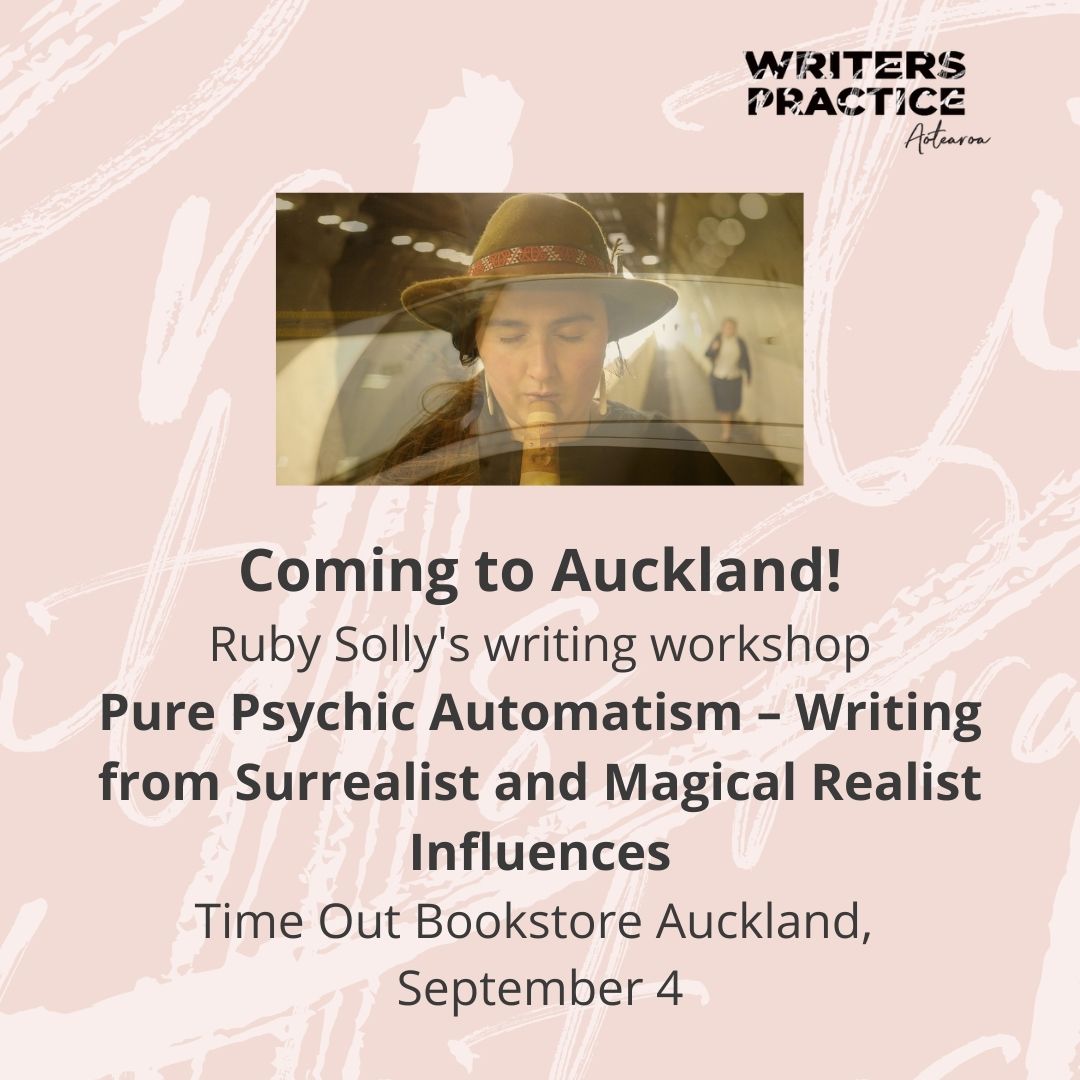
Pure Psychic Automatism September 4, 2021 10:30 am – 3:30 pm
The written word is powerful, but it is also a chance to play and create things which we cannot have in our real lives. More so, it is a place to create things that are impossible even to think about; overripe stones, long hair always full of nocturnal animals, and sugar set fragily ajar by the wind. Join us as we read authors such as André Breton, Leonora Carrington, Richard Brautigan and Samuel Beckett. This workshop will also feature collaborative work using surrealist games and techniques developed during the surrealist movement, as well as exercises inspired by the work of surrealist and related writers. A great workshop for all who wish to extend their writing, to embrace the strange, and work on their potential to describe the indescribable.
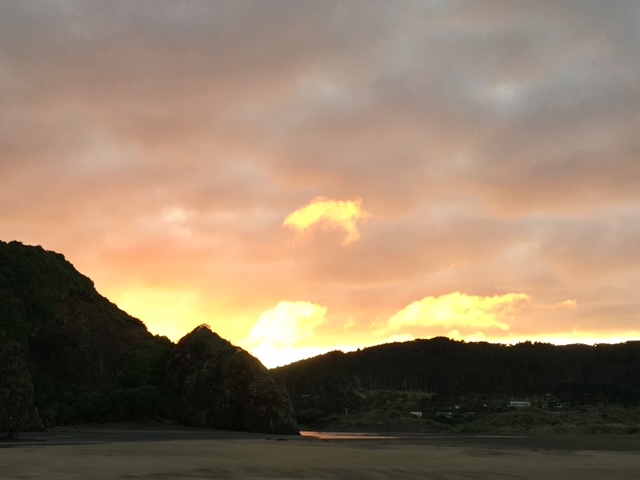
Light, lightness, lighting, lightly, that startling moment when it’s you on the deserted beach, and the sun appears on the horizon, a blinding glorious beauty blast that lifts you off the sand. Light, the shifting weather coming in from the coast, mapped out in shade colour daydream, storm and clarity. Yes poetry is home for the dark, but it is most definitely a place to celebrate the light.
The poems I have selected are not so much about light but have a light presence that leads in multiple directions. Once again I am grateful to publishers and poets who are supporting my season of themes.
The poems
Like Lamplight
One day when you are beside me
invite me to speak
of the secrets I never knew
I wanted to tell you, of the warmth
I never knew I owned
until you released it
by moving close as lamplight seems
to glass. Ask me
why I came to you
with the reverence of one
who sees a flower bloom
where none has bloomed before.
By saying what is
I will have said what is.
Sometimes when you are content
ask me what it is
that moves me to want to hold you so,
so often, and laugh when I tell
you the same old
indestructible thing.
One day when you are
where you need no invitation to be
I will tell you
how you flower
like lamplight in me.
Brian Turner
from Selected Poems, Victoria University Press, 2019
A swim with mum
She abandoned the boat one summer
and began to swim
a careful clumsy breast-stroke through the river. From the jetty
to the bridge, from the bridge to the jetty and
back again, patient as a beaver.
At twilight
the one light
is Mum, swimming.
She wears a black whaleskin onepiece
and her strange pale skin,
her hair a slow-moving beacon
through the mildew of trees.
She tells me the garden looks different, is smaller
from the river
and that one never grows familiar
with the soft tongues of weed that browse the skin.
Each breath when she swims is held and let go like a precious thing,
a pushed swing:
this is the only time she is not talking.
The river that runs past the house is darker, is quieter
when mum is swimming.
Ashleigh Young
from Magnificent Moon, Victoria University press, 2012
Still Life with Wind in the Trees
So much of the planet is fragile:
things that flap on the line,
stuff on a plate, a car skidding
over the paddocks . . .
I mean: abrupt, conditional,
and as usual,
brief: so that you once again assume your place.
Yet what if one day you looked out
through the open window
and saw mortality
in the grey scribble
of a boy holding an apple?
Fragility. Brevity. Beauty, even.
Light in available space.
And what’s joy?
Even a pencil will point to it.
for Joanna Margaret Paul, 1945-2003
Bill Manhire
from Lifted, Victoria University Press, 2005
A Life
The late afternoon
finds you seeking
clarity in a book
of Rilke poems, a
shortbread biscuit,
and a cup of lemon
tea—with a dash
of honey.
The honey swirls
down through the
tea, and biscuit
crumbs fall into
the book, lodging
in the spine. The
fading sun slants
across the page.
Today, you decide,
you are truly content
to call your life a
great song. Or even
a small song.
A lullaby. Something
to sing your child to
sleep.
Kiri Piahana-Wong
from Night Swimming, Anahera Press, 2013
Saipipi, Savai’i, Samoa
Nana Se’ela asked me once
Eke mana’o e fai sau malu?
i turned to her, my makas widening in shock
i gaze down at the jellyfish, seagulls, and crosses
under the stars
tattooed around her thighs
in my Samoglish i questioned
me? Ae ā Mum?
Nana’s throat made a raspy sound
like she was going to spit on the sand
true – Mum was lost to Niu Sila burdens
disguised as palagi exoticness
had less time for village matters
she was spread between two Motherlands now
The first, native to her tongue rooted from the sands and plantations
where her mother gave birth to her.
The second, native to her offspring where she became mother herself.
Mum was fiapalagi, out of necessity
but i was palagified out of consequence.
so, was I much different?
i tilted my face up to the stars
that were more familiar to me
than the ones on Samoan thighs
without turning to her, i answered
Leai fa’afetai, Nana.
i felt her stare at me for a long pause
before puffing on her rolled tobacco.
we sat there silently looking at the night sky
until we were tired and went to sleep
side-by-side on a falalili’i in her fale.
Ria Masae
from ‘Native Rivalry’ in AUP New Poets 7, Auckland University Press,
experiments (our life together)
here is my experiment with the dark
we run to the top of the street and crossing it
become aware of the fountain’s lip and mosaics
under water pink blue hyaline we step through
the foot bath yes the gold leaf is holding on
here is my experiment with stars
it is a dormitory on the top floor this two o’clock
the babies wrapped loosely in sheets asleep
and somehow not falling out of their little moulded beds
the blinds drawn down the afternoon heat
here is my experiment with humours
aqueous the home movie
tears on the lens and always the return
to rivers their flumes and fumaroles
so plural so carrying so carried away
here is my experiment with light
which leaves me now the dear shapes
gone to sound the end wrapped around
the beginning a piano in a dark room that is
quite what it is like and never the same
here is my experiment with river
memory and the wind ruffles her hair
there are no fences on the sun only a truck
bouncing on the flood its wheels gone and us inside
scared to death and still steering
here is my experiment with rain
we swim and let the current take us
where it will which is some toehold around
the corner under cliffs of black honeycomb
the saltwater pool afloat on its concrete rim
here is my experiment with amygdala
in the morning we find a bar and marmelata
as the sun comes up and the streets are cool
a slice of duomo at the end of each stony block
an orchestration a theatre of the mind
here is my experiment with immanence
who was waiting there who was asking me
to look at heaven from the end of a dark wharf
and when I did when I raised my empty eyes
the city was there a necklace of light a horizon
here is my experiment with periphery
who was asking me not to forget
rippling scales in another room a gallery
at the top of the stairs a cupola a vault
a canopy a river of light on the ceiling
Michele Leggott
from Heartland, Auckland University Press, 2014
Into the Blue Light
for Kate Vercoe
I’m walking above myself in the blue light
indecently blue above the bay with its walk-on-water skin
here is the Kilmog slumping seaward
and the men in their high-vis vests
pouring tar and metal on gaping wounds
the last repair broke free; the highway
doesn’t want to lie still, none of us
want to be where we are
exactly but somewhere else
the track a tree’s ascent, kaikawaka! hold on
to the growing power, sun igniting little shouts against my eyeballs
and clouds come from Australia
hunkering over the Tasman with their strange accent
I’m high as a wing tip
where the ache meets the bliss
summit rocks exploding with lichen and moss –
little soft fellas suckered to a groove
bloom and bloom – the track isn’t content
with an end, flax rattling their sabres, tussocks
drying their hair in the stiff southeasterly; the track wants to go on
forever because it comes to nothing
but the blue light. I’m going out, out
out into the blue light, walking above myself.
Rhian Gallagher
from Far-Flung, Auckland University Press, 2020
Lantern light
Cannon room. Soft delight.
Rattling fight. Mud platoon.
Fighting fit. Parlour’s floor.
Blind allure. Iron bit.
Head device. Treasured caul.
Blank morale. Not advice.
Mighty fall. Good to go.
Aching slow. Dead appall.
Acre of snow. Dead applaud.
Nightly call. Goodbye go.
Back in old. Noted vice.
Head of lice. Threatened more.
Binding law. Lying wit.
Crying quick. Hole in wall.
Rat in flight. Bloody moon.
Crayon gloom. Lantern light.
Oscar Upperton
from New Transgender Blockbusters, Victoria University Press, 2020
light
he moves his hand
down the dip of her back
over her buttocks
then up again
each stroke
the sound of a wave
over shingle
it’s like your skin has a grain he says
like the scales of a fish
oh she says feeling the world turn
liquid
she turns and there
it is — a touch
of rainbow in her skin
as he catches her
in the right
light
Alison Wong
from Cup, Steele Roberts, 2006
Sailing
A wet shrub drips a thousand tiny mirrors.
Cows climb from the blue-veined clay.
The sea’s monster lung trembles.
Ocean lilies of yachts spread sail.
Sunlight bubbles on the purple cloudpane.
Time lies in its sunburn.
A knife cuts open a grapefruit’s centre.
Pips sparkle like summer boats.
David Eggleton
saying your names
after Richard Siken
the earth has names in every language / in
body language, an unravelling, the self offered,
open-faced and blushing, leaves flat and
extended, tender / since the beginning of human
thought / we’ve been drunk with naming,
with godly names, secret names / true names
with absolute power / animal names, not scientific
but the names wild beasts give the world, guttural
and warm, worn in the throat, irresistible /
inexpressible, but we’re trying, gesturing
at the sky and the ground, like babies learning
to speak, imitate, repeat, we learn the sounds
other people respond to / the more we love
a thing the more names it has, like the sun,
my emotional support star, my long-distance
lover, the original hot girl, the inventor
of sunsets, distant world in a sci-fi novel,
wildfire / if you look directly at it everything
dissolves / each name gets closer but refracts /
like looking through a prism, light glancing
everywhere, refusing to be held
Ash Davida Jane
from How to Live with Mammals, Victoria University Press, 2021
Spark
Our son, nearly one, has one near-word:
another determined birth
the sound stutters, gutters
then rushes and floods
“A-la,
a-lie,
a-lie-uh,
a-lie-uh-duh.”
He points to lamp and torch,
to LEDs on clock, computer, answer machine,
to sun-strike – on sash windows, ignited
from an old ute’s wing mirror, firing
a red beech leaf as it falls, flares,
flaught – like torn newsprint in a grate
as it spasms into flame….
“That’s right!” we say, “A light, a light.”
And as he points to hyacinth, door, cat,
and tries,
“A-lie?
A-lie-uh.
A-lie-uh-duh!”
say, “No, that’s a flower, a door, a cat,”
but he, small and earnest professor,
cranes forward a little on his rump,
to repeat slowly and with extra care
“A-lie.
A-lie-uh.
A-lie-uh-duh”
until we look again.
It gathers in thick cones,
rods of bee caves
dozens of lilac oboe mouths
peeled back into stars.
It hovers on one wall
like a vertical lake
that rapidly drains
to miraculous views
(a dog! a tree! a car!)
then fills again with itself
hard, white, stilled.
It unfurls, blackbird-blue,
to arc and vault
from windowsill to garden
where discs and glints of it
flock, merge, and wheel apart
into hedge, clothesline, pegs, water,
frost on red roof, green blade, yellow grain:
“A-lie.
A-lie-uh.
A-lie-uh-duh.”
“Ah,” we say, “We see. There.
And there.
Light. Light.
All shapes of light.”
Emma Neale
First published in Spark, Steele Roberts, 2008
Windows
I like the light that comes up
from down beyond the land.
I like the human light
yellow in windows.
The people moving about
in them. I like, too,
the way they amplify the light
beyond the land.
The way it will not last too long,
The way it will be extinguished by
another light we call the dark,
where everyone goes to recall
the light & the way it was,
among the fall of shadows.
Richard Langston
from Five O’Clock Shadows, The Cuba Press, 2020
The poets
David Eggleton is a poet and writer of Palagi, Rotuman and Tongan descent based in Dunedin. He has published a number of poetry collections, and has also released a number of recordings with his poetry set to music by a variety of musicians and composers. He is the former Editor of Landfall and Landfall Review Online as well as the Phantom Billstickers Cafe Reader. His book The Conch Trumpet won the 2016 Ockham New Zealand Book Award for Poetry. In 2016, he received the Prime Minister’s Award for Literary Achievement in Poetry. His most recent poetry collection is The Wilder Years: Selected Poems, published by Otago University Press in May 2021. He is the Aotearoa New Zealand Poet Laureate for 2019 – 2022.
Rhian Gallagher’s first poetry collection Salt Water Creek (Enitharmon Press, 2003) was shortlisted for the Forward Prize for First Collection. In 2008 she received the Janet Frame Literary Trust Award. Her second poetry collection Shift, (Auckland University Press 2011, Enitharmon Press, UK, 2012) won the 2012 New Zealand Post Book Award for Poetry. A collaborative work, Freda: Freda Du Faur, Southern Alps, 1909-1913, was produced with printer Sarah M. Smith and printmaker Lynn Taylor in 2016 (Otakou Press). Rhian was the Robert Burns Fellow in 2018. Her most recent poetry collection Far-Flung was published by Auckland University Press in 2020.
Ash Davida Jane’s poetry has appeared in Mimicry, Sweet Mammalian, Starling, The Spinoff and elsewhere. Her second book, How to Live With Mammals, was published by Victoria University Press in April 2021. She lives and works in Wellington.
Richard Langston is a poet, television director, and writer. Five O’Clock Shadows is his sixth book of poems. His previous books are Things Lay in Pieces (2012), The Trouble Lamp (2009), The Newspaper Poems (2007), Henry, Come See the Blue (2005), and Boy (2003). He also writes about NZ music and posts interviews with musicians on the Phantom Billstickers website.
Michele Leggott was the first New Zealand Poet Laureate 2007–09 under the administration of the National Library. She received the Prime Minister’s Award for Literary Achievement in Poetry in 2013. Her collections include Mirabile Dictu (2009), Heartland (2014), and Vanishing Points (2017), all from Auckland University Press. She cofounded the New Zealand Electronic Poetry Centre (NZEPC) with Brian Flaherty at the University of Auckland where she is Professor of English. Michele’s latest collection Mezzaluna: Selected Poems appeared in 2020 (Auckland University Press).
Bill Manhire founded the creative writing programme at Victoria University of Wellington, which a little over 20 years ago became the International Institute of Modern Letters. His new book Wow is published by Victoria University Press in New Zealand and Carcanet in the UK.
Ria Masae is a writer, spoken word poet, and librarian of Samoan descent born and raised in Tāmaki Makaurau. Her work has appeared in various publications including, Landfall, Takahē, and 2020 Best New Zealand Poems Anthology. A collection of her poetry, titled, ‘What She Sees From Atop the Maunga’, can be found in, AUP New Poets 7. She is currently working on a sole anthology of poems for publication.
Emma Neale is a writer and editor. Her most recent collection is To the Occupant. In 2020 she received the Lauris Edmond Memorial Award for a Distinguished Contribution to New Zealand Poetry.
Brian Turner was born in Dunedin in 1944. His first book of poems, Ladders of Rain (1978), won the Commonwealth Poetry Prize and was followed by a number of highly praised poetry collections and award-winning writing in a wide range of genres including journalism, biography, memoir and sports writing. Recent and acclaimed poetry collections include Night Fishing (VUP, 2016), and Just This (winner of the New Zealand Post Book Award for Poetry in 2010). He was the Te Mata Estate New Zealand Poet Laureate 2003–05 and received the Prime Minister’s Award for Poetry in 2009. He lives in Central Otago.
Oscar Upperton lives in Wellington. His first collection New Transgender Blockbusters was published by VUP in March 2020. His second collection, on the life of nineteenth century surgeon Dr James Barry, is upcoming.
Kiri Piahana-Wong is a poet and editor, and she is the publisher at Anahera Press. She lives in Auckland.
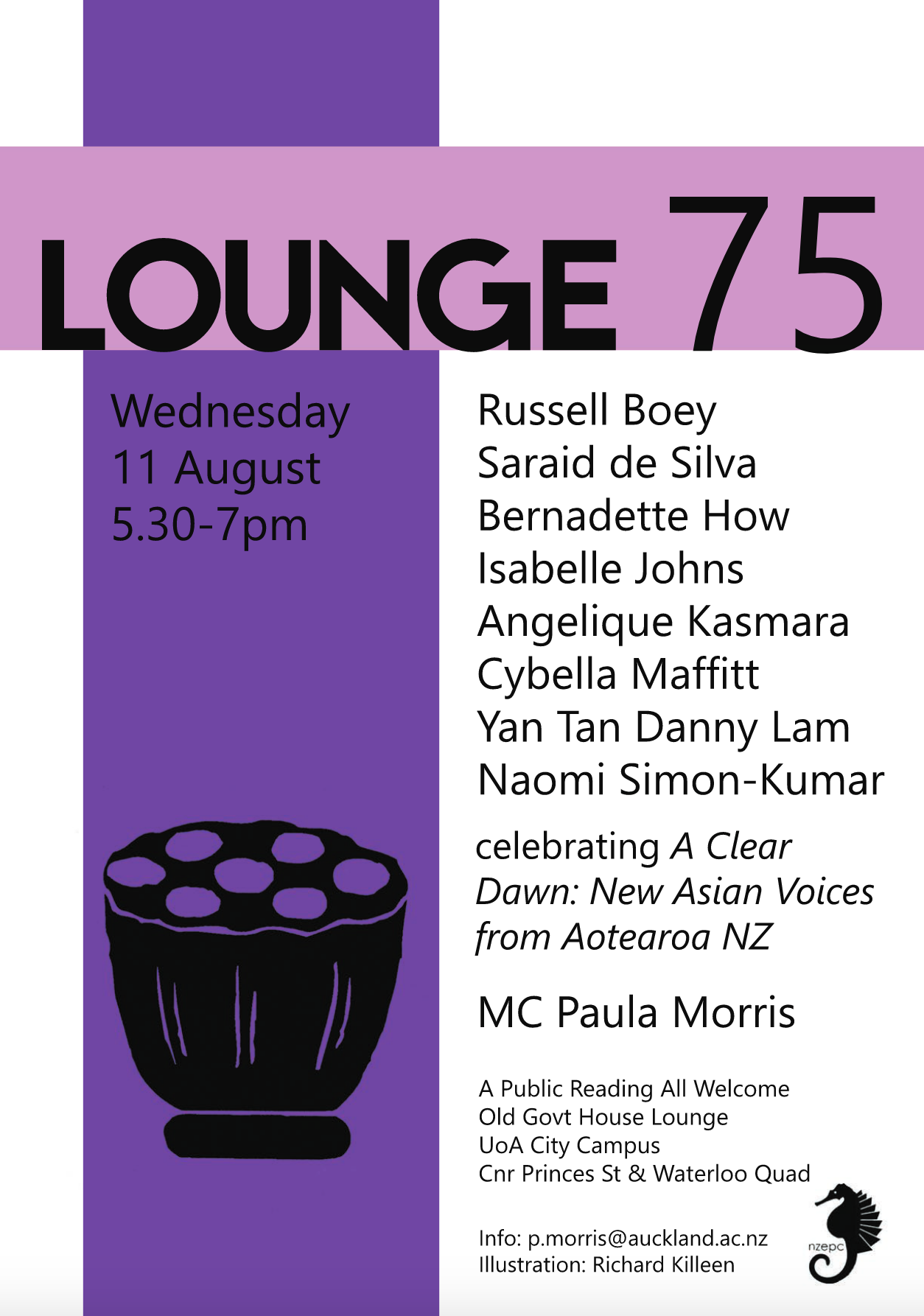
Alison Wong is the coeditor of the first anthology of creative writing by Asian New Zealanders. A Clear Dawn: New Asian Voices from Aotearoa New Zealand (AUP, 2021). Alison’s novel, As the Earth Turns Silver (Penguin/Picador, 2009) won the NZ Post Book Award for fiction and her poetry collection Cup (Steele Roberts, 2006) was shortlisted for the Jessie Mackay Award for best first book of poetry. She was a poetry judge at the 2018 Ockham New Zealand Book Awards.
Ashleigh Young is the author of Magnificent Moon, Can You Tolerate This?, and How I Get Ready. She works as an editor at VUP.




 NZ Poetry Shelf