Anahera Press and the Women’s Bookshop invite you to:
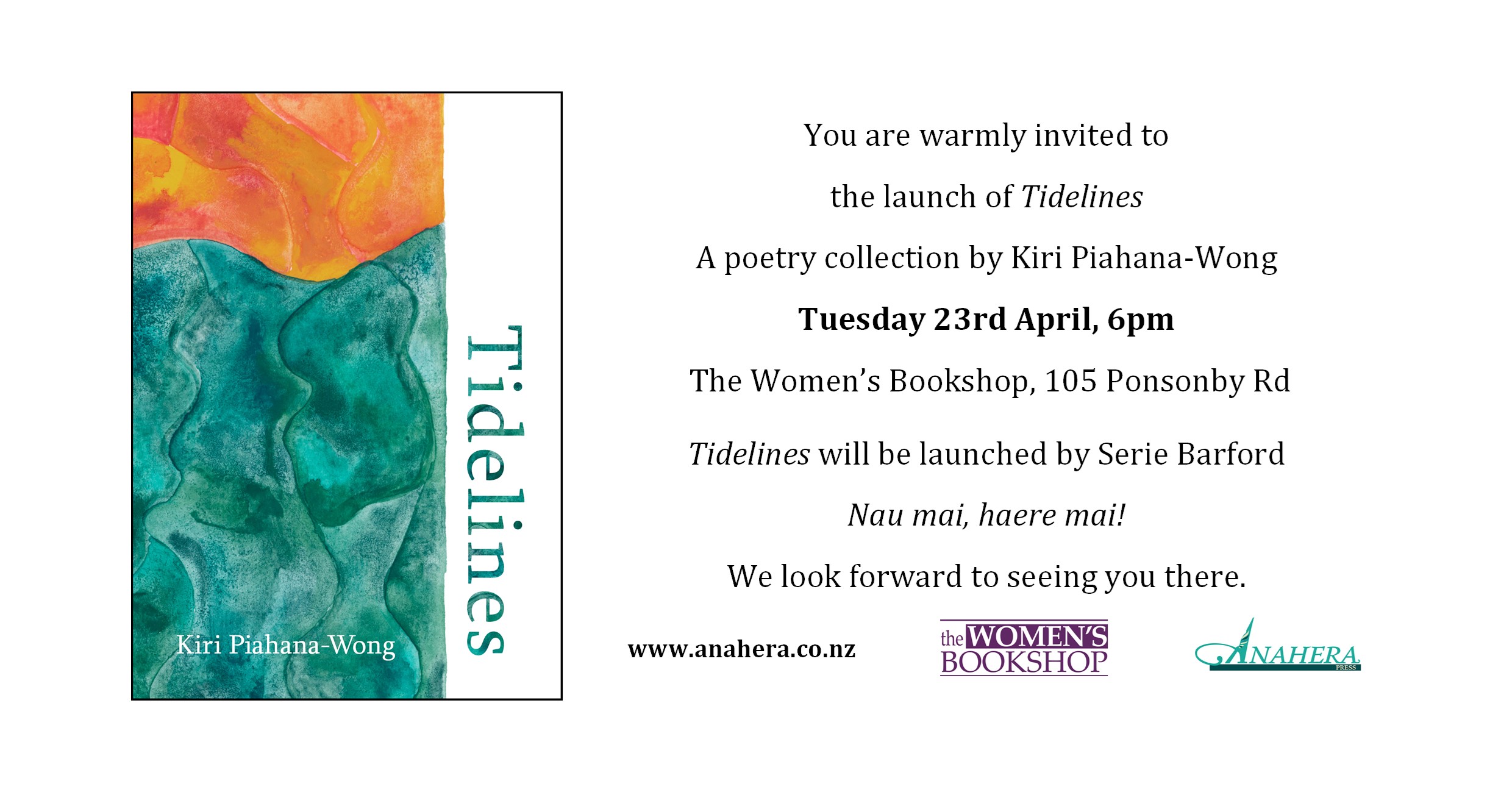

Anahera Press and the Women’s Bookshop invite you to:
Submissions for the next issue of Starling close in one week! New Zealand writers under 25, send us your new work by 10 April 2024 – full submission guidelines can be found here.

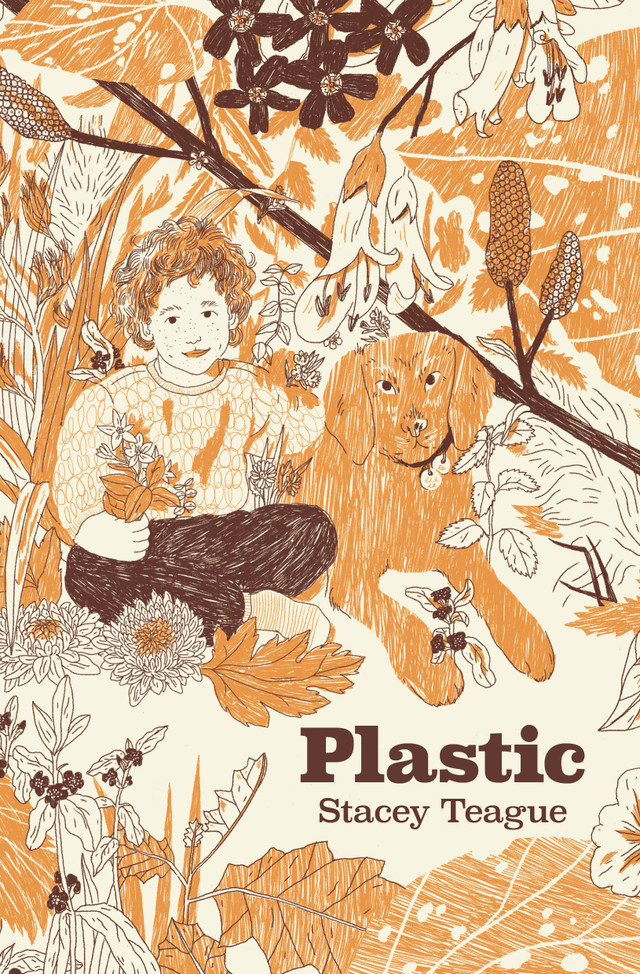
“In Plastic, Stacey Teague reaches beyond the frame of her known world to find a way back to te ao Māori. Hers is a complicated, joyful route, full of conversations with ancestors, old places and herself. In form these poems range from plain-speaking prose and concrete poetry to odes and spells; in mood they are just as restless, taking in those times when life feels as big as a movie screen and times when it is more like ‘a loose stone to kick down the path’.” Publisher blurb
‘Spell for Hilma af Klint’ from Plastic (Te Herenga Waka University Press, 2024)
Stacey Teague (Ngāti Maniapoto/Ngāpuhi) is a poet and teacher living in Te Whanganui-a-Tara. She is a publisher and editor at Tender Press. Her poetry collection Plastic came out in March 2024 with Te Herenga Waka University Press.
Te Herenga Waka University Press page
Stacey Teague website
Ff Fast Fibres Poetry 11: call for submissions
Fast Fibres Poetry this year has an open theme.
We invite poets with a strong Northland connection to submit 2 or 3 of your best poems. Please include a two line biographical statement.
Deadline: June 7, 2024. Email submissions to: fastfibres@live.com
Each poem should be single spaced and typed in 12 pt. Times New Roman. Poems must be submitted together in a single Word document, with your name in the filename. PDFs and handwritten submissions will not be considered.
Poets@OneOneSix, April 18, 5.30 – 7.30pm, 116 Bank Street, Whāngarei Share your poems with a supportive group.
Poets@OneOneSix, May 16 will be held at Creative Northland, Railway Road, Whāngarei from 5.30pm and will feature Peter Bakowski, a well known touring Australian poet together with local Whāngarei poets.

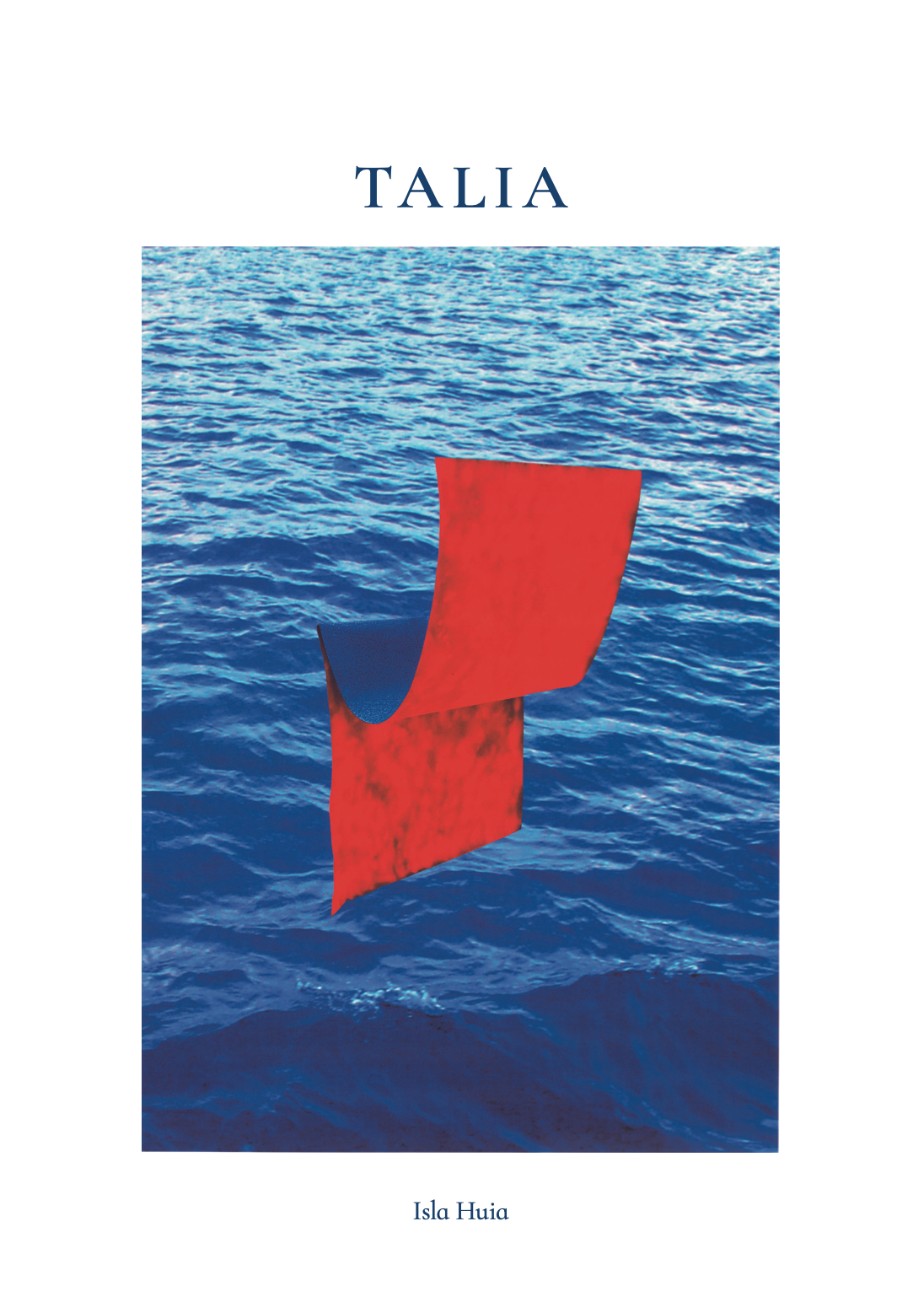
To celebrate the inclusion of Talia by Isla Huia (Dead Bird Books, 2023) on the Ockham NZ Book Award Poetry short list, Isla has read three poems from the collection and I have written a short review. Isla’s debut collection is a book to be celebrated. The awards will be announced at an Auckland Writers Festival Event on May 15th. In the meantime here is a taste of this sublime book, and if you get a chance to hear Isla read live, do!
The reading
‘Hiruhārama’
‘Pegasus’
‘Motuoapa’
Isla Huia (Te Āti Haunui a-Pāpārangi, Uenuku) is a te reo Māori teacher and writer. Her work has been published in journals such as Catalyst, Takahē and Awa Wāhine, and her debut collection of poetry, Talia, was released in May 2023 by Dead Bird Books. She has performed at the national finals of Rising Voices Youth Poetry Slam and the National Poetry Slam, as well as at writers festivals and events throughout Aotearoa. Isla can most often be found writing in Ōtautahi with FIKA Collective, and Ōtautahi Kaituhi Māori.
Dead Bird Books page
The review
when you carried me to the bath / and to the chest where i
sat / and pronounced myself very much alive again
to night ‘n day / where we married /
over steaming hot potato / and it felt so native,
so hāngi / so ancestor / to say
the passenger seat is your mould now / love /
there is nothing i wouldn’t do for you / and
i think we should keep this up forever /
a fact so irredeemable / and hot to the touch / that it
slots better / into a cloud formation or penne pasta /
than into language
from ‘eleven eleven’
Poetry books can be like favourite albums that demand repeated listening for all kinds of reasons. Reading Talia is so. The poetry soothes and tugs, unsettles and mesmerises. The poems are personal, intimate, revealing. They pull you into the sweet musicality of words and the magnetic power of storytelling. There are the resonant and connecting threads of place. There is the absolute need to connect with people: whanau, friends, loved ones, mother, whaea, wife, tīpuna, whakapapa.
Voice is paramount, within audible distance, necessary, singing in both te reo Māori and English, with epiphany, reflection, memory, challenge. Acknowledgement. Ah, there is a pulse of yearning, of writing one’s self close, of speaking health and the planet, cancer and virus and isolation. Of signposting division and injustice and rejuvenation.
There is a sense of urgency, a building momentum, like a whispered chant, or compelling list poem, with the surprise arrival of certain words (‘this wholegrain miracle of feast’), or the lyrical agility of a phrase (‘there’s a swamp beneath us all, a cathedral / in the abdomen, and rūaumoko’), or the physical tang and sweetness of detail (‘before the becoming, it was all body / bags of meatloaf, the lingerie, the storm.’)
You will fall upon Nina Simone, Keri Hulme, Audre Lorde, the isolation hotel, headlights, islands, suburbia, hospitals, love. Yes, this is a collection so movingly steeped in aroha, in the power and reach and traffic of love. It is a poetry collection to put on repeat, to lose and find your way in. I love it.
Paula Green
The poem
god-ly
“In some future day, when this generation is dead and gone, to those who look up inquiringly at this statue it will be told how the fathers of the colony left their homes and tamed the wilderness under the leadership of a man of heroic type; how, when he died, the representatives of the people, appreciating his character, determined to erect a monument worthy of his memory, and how a great sculptor in executing the work impressed it with the stamp of his genius. So shall some old man speak in the after time To all the people, winning reverence. And now I may congratulate the city that this statue is about to be handed over to its care, worthy as it is of admiration, like King Arthur’s sword of old, not only for the memory of a great man, but on account of its own intrinsic beauty not like that sword, to disappear from the eyes of men, but to be preserved by us and our successors as a possession for ever.” – C.C. Bowen, 7 Aug 1867
godley, you’re standing awful casual up there
warmer layers slung in your crook
lookin like your foot wants to accelerate something
or stand or somethings neck
you’re balding now
but have done well to love what’s left
a blueprint of my own swelling curls
framing eyes that are hungry, unyielding
for the next swampland you may conquer
another someplace hot and brown
to be the founder of, frame this
as experimental, or really good work,
or home
godley, how’s it looking from up there
since your recent resurrection
you can see the birds, shitting in the rafters
they want to fix that too, apparently we
are all walking around gutted without a cathedral,
headless, big bellies bleeding
hey, i’m still upright
same as you, the first face of this land
to be petrified in bronze, cast in forever
the creation story of pākehā public art
auē old koro, i see your oxygen
and your ships, and associations
i don’t even want to patu you up
or send you shaking at the whites
of my eyes, i just want them to
stop spending our money on
your very dead face, freckled
i imagine, and maybe cracked
i want to whakaiti you, wanna
munch on your mana, wanna
bark at you, wanna rip up the
stone and the bins and the benches
and plant a pā harakeke and
whistle to my bird brothers and
my tattooed sisters and my mobsters
and my students and my knees
and we can just all here sit on you
like the weight of our great mother
and hold your hand while the dust
of your settler manhood does settle
e tau, e tau
e tau, e tau
when the first four ships came
to see what you had made and then
live on it, your wife said you did not
know whether to cry, or laugh, and
so you did both
godley, did you know my ancestors?
what were they like? what did they say?
were you kind to them? did they dance for you?
in me they are immortalized
like you in this square chest of the city
i hold them up to the sun and say
thank you, one by one to the bones
interred in us just as the words of this
plaque make memory of you
godley, why don’t you lay down
just for a little while
just sleep
let me see the sky
your stomach takes up.
Isla Huia

Whitianga Testament
Je suis l’espace où je suis
(Noël Arnaud)
Shells, pools, holes in the mudflat,
edges, ledges, shelves and hollow places;
homes: so utterly these
are homes for each particular inhabitant.
Each creature is its habitat,
its space the locus of its movement.
I walk the waterline at dusk, the mud
at low tide sucking at my feet,
these little brown and olive crabs
scuttling from me. Look.
They scud across a broken image of the
moon
scattered over saturated land.
I’ve been away from here too long, so long
required to live another life,
so long an actor in a play who somehow
got the stage-directions wrong.
Now I just want to head for home,
a home just where I just aim.
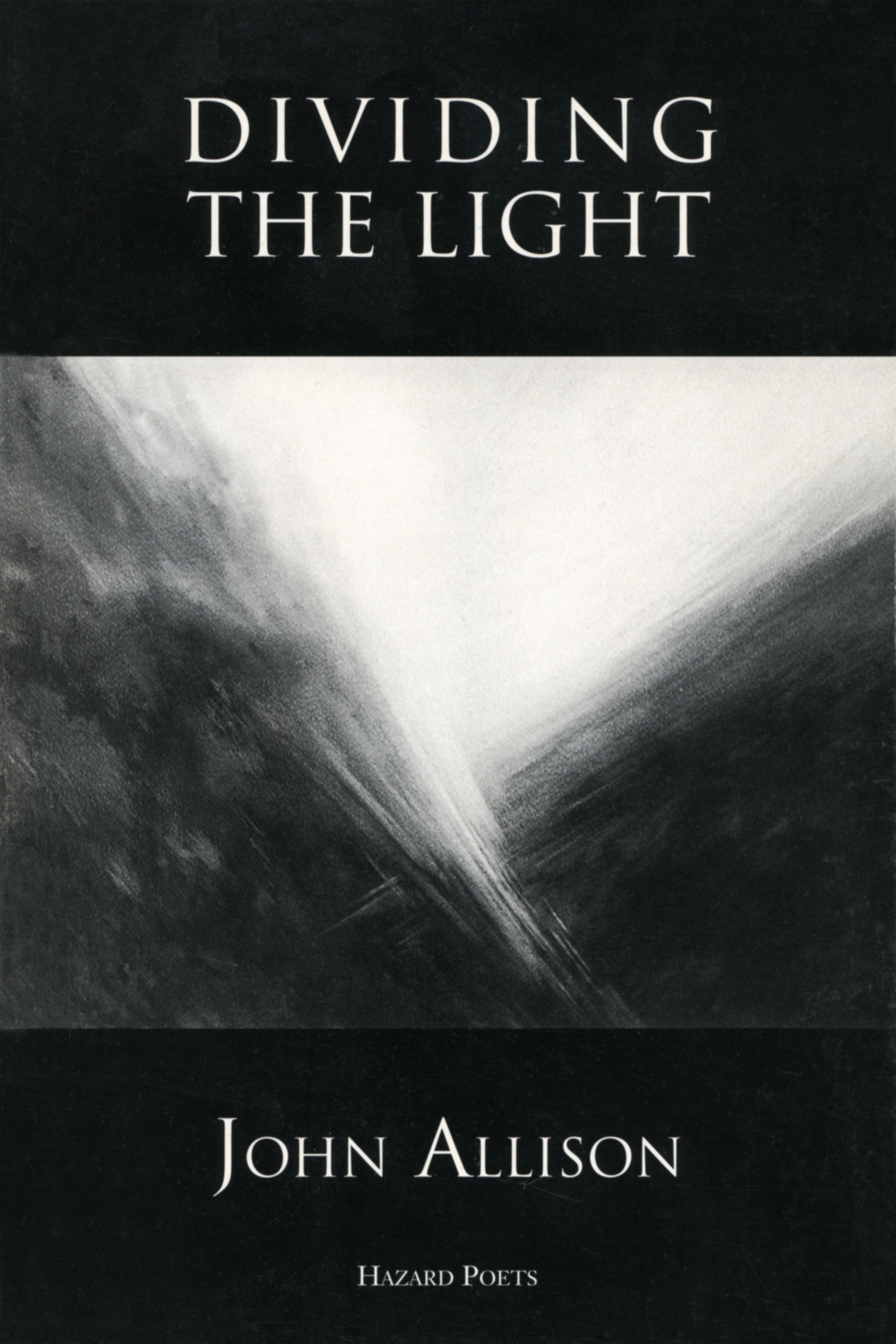
John Allison from Dividing the Light, Hazard Press, 1997
John Allison (1950 -2024), a poet and musician, lived in Heathcote Valley near Christchurch. His debut collection, Dividing the Light was part of the Hazard Poets series, edited by Rob Jackaman and Philip Mead. A Long Road Trip Home was his seventh and final poetry collection (Cold Hub Press, 2023). His previous book, Near Distance, was also published by Cold Hub Press in mid-2019. He was Poetry New Zealand 14’s featured poet, and his poem, Father’s axe, grandfather’s machete, was selected for the Best New Zealand Poems, 2020.
Poetry Shelf will be posting a tribute feature.
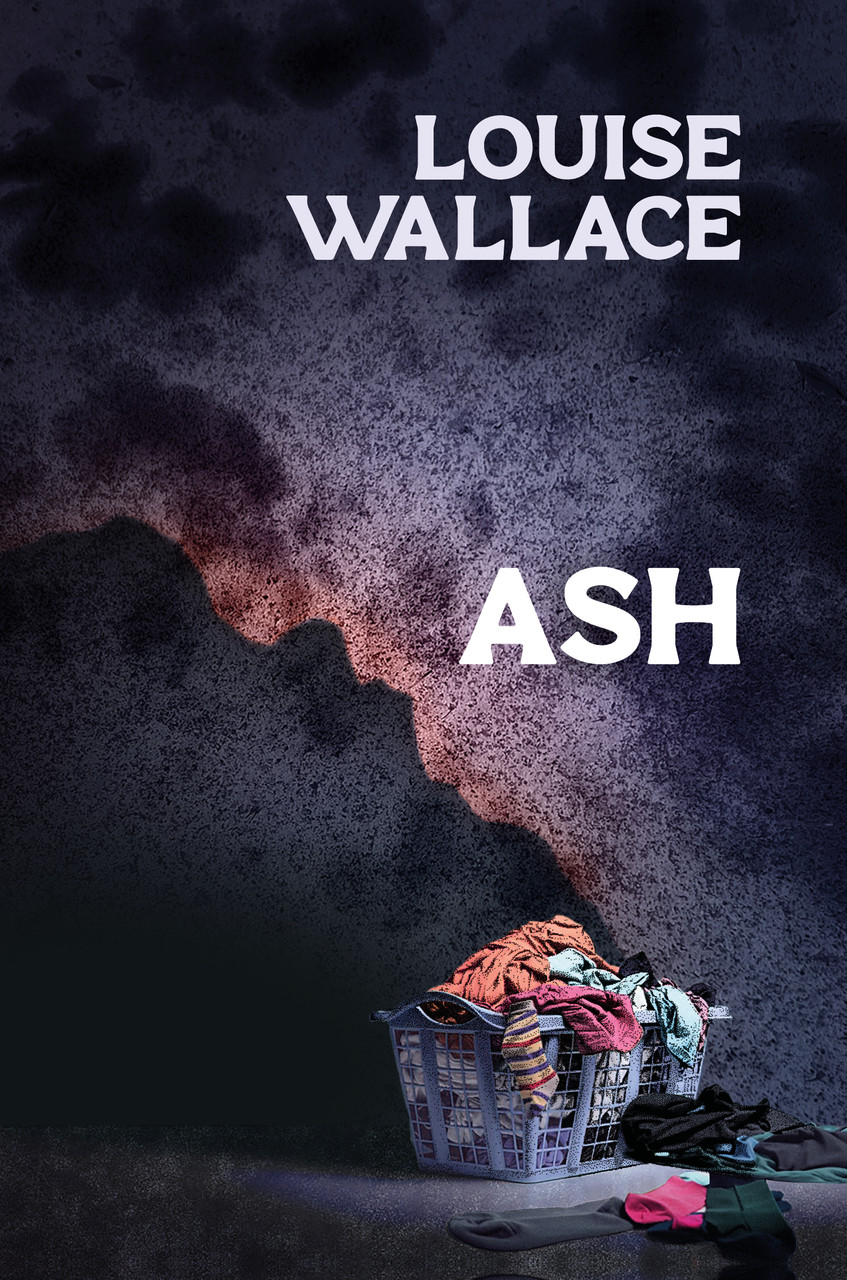
Please join Te Herenga University Press and and Unity Books Wellington for the launch of ASH, a much anticipated first novel by Louise Wallace.
Te Herenga University Press page
It’s time to register for Phantom Billstickers National Poetry Day 2024!
Mark your calendars! The date for this year’s nationwide celebration of poetry is scheduled for Friday 23 August. Registrations and seed funding applications are now open, and event organisers across the motu are encouraged to get involved and celebrate Aotearoa’s growing and vibrant poetry scene.
In its 27th year, Phantom Billstickers National Poetry Day has established itself as a prominent and popular event in the literary calendar that promises an explosion of poetry countrywide in late August.
Poetry has made its mark everywhere during previous events, from bricks to buses, sidewalks to sand, resonating through national parks, churches, hospitals, museums and city streets. “The possibilities are endless,” emphasizes NPD’s new national coordinator, Gill Hughes. “We invite organisers to don their creative hats and come up with unique and wonderful ways to celebrate poetry in all its forms”.
Phantom Billstickers CEO Robin McDonnell says, “Poetry is the beating heart of unity, inspiration, and endless imagination. From poem posters on the streets of Aotearoa to a verse that hits you right in the heart, it crosses every boundary. At Phantom Billstickers, sponsoring National Poetry Day for nine years, we’re still in awe of how it brings us all together.”
Gill urges interested organisers to register early for seed funding and to take advantage of the heavily promoted official schedule of Phantom Billstickers National Poetry Day 2024 events.
Registration forms, templates, planning and marketing resources are all available on the NPD website. Don’t miss out on the opportunity to showcase your love for poetry and engage with your community in a meaningful way. Join us in making Phantom Billstickers National Poetry Day 2024 a memorable and successful celebration of creativity and expression.
Applications for seed funding close at 5pm on 4 June 2024. The official Phantom Billstickers National Poetry Day 2024 calendar will be announced on 1 August.
For further information contact NPD national coordinator Gill Hughes at poetryday@nzbookawards.org.nz and to keep up with plans for NPD 2024, follow NZPoetryDay on Facebook, Instagram and X (formerly Twitter).

