Category Archives: Poetry

An Occasional Series on Poetry: Joan Fleming on poetry as a child on fire who is trying, and failing, to pronounce itself

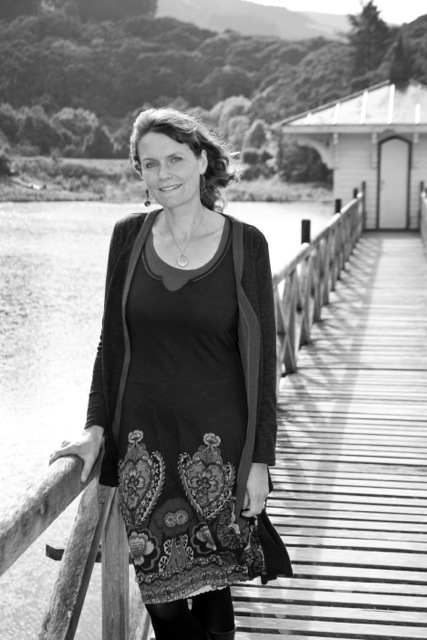
joanfortuesdaypoem (2)  sameyes.9780864736987__33157.1347922933.140.215   sameyes.9780864736987__33157.1347922933.140.215

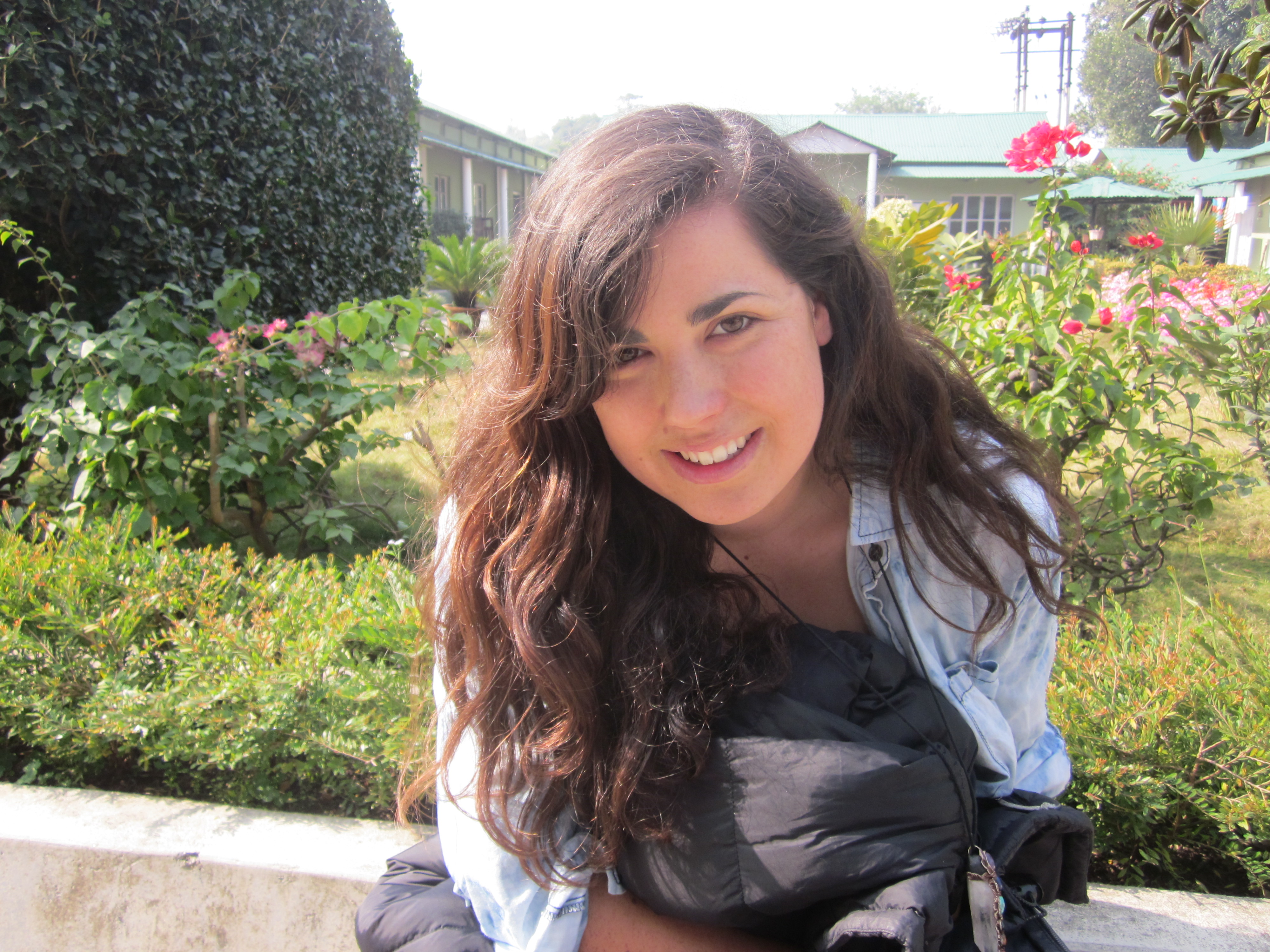
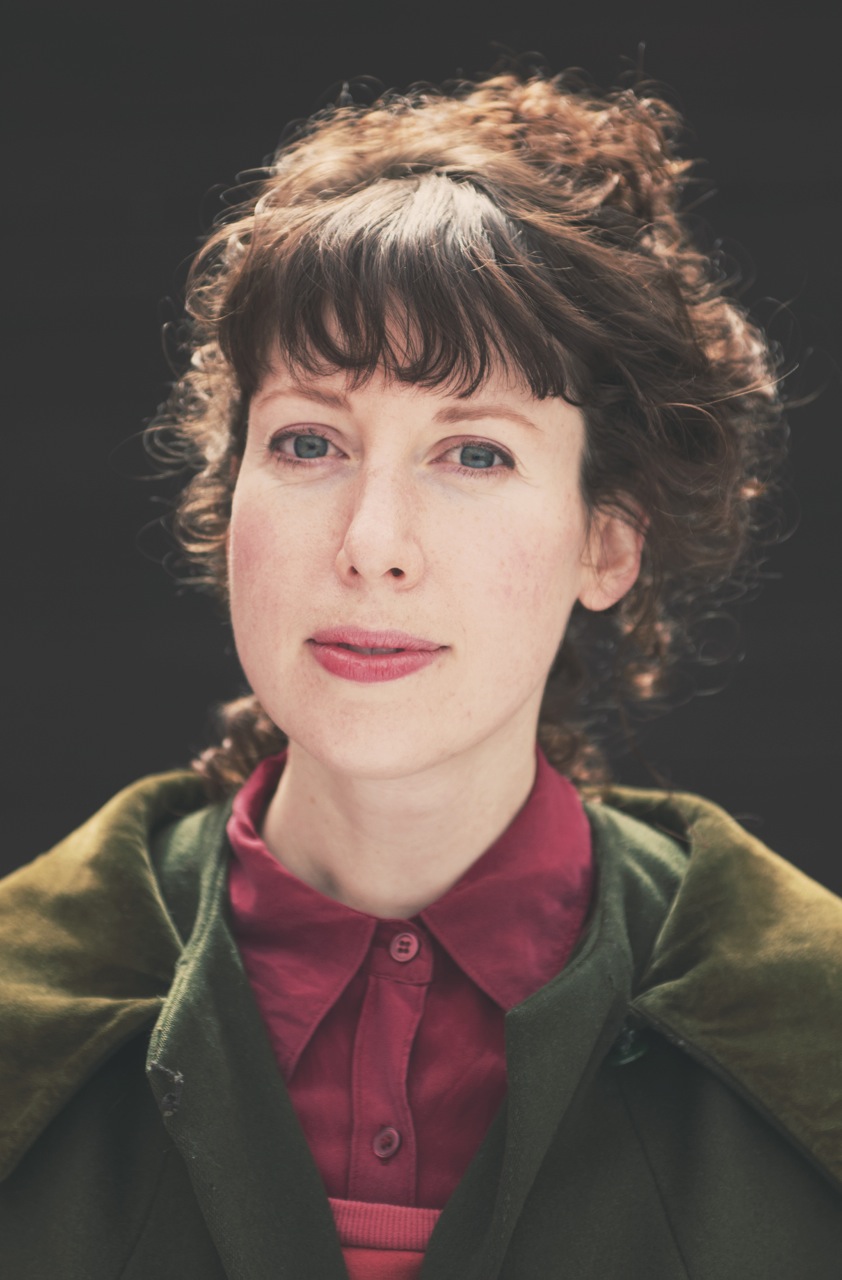
Photo credit: Kate van der Drift

Poetry as a child on fire who is trying, and failing, to pronounce itself.

My current relationship is so not a failure that I have to find ways to lie about it, poetically speaking. We have parallel occupations and preoccupations. We are the same age, at the same stage in our lives. And things with us are great. Really great. Things with us are gorgeous and brindled and hot and warm and lukewarm and cool, and often not perfect, and I guess I wouldn’t have it any other way.

But because I am writing a book of failed love poems, I have had to invent a set of constraints so that I can write about what is foremost in my life — this relationship, this successful love story — and still keep the project moving. So love becomes loss, pleasure becomes cruelty. I make the words switch places. I tell a lie, and I make a failed love poem.

It makes sense to lie, as what we have is not True Love, in the way I understood it when I was younger. When I was younger, I idealised love as a total, perfected, suited thrumming: two people so in tune, so in love, that any twinges of disconnection and doubt were disavowed. In my Disneyland romance-cosmos, these feelings were not okay. There was no place for them in forever. And if they ever came up so strongly that they demanded to be talked about, it meant I had failed, we had failed, the relationship had failed.

My poetry reflected this, and it was terrible. High abstraction married jumbled metaphors in a house of rigid metre, where I rhymed deep with weep and sleep and endowed the sea with an embarrassing number of abilities, including the ability to weep and to fall asleep, and none of it was ironic or subtle or interesting. I thought the poems I wrote were “true.” I thought I was being honest about how perfect and total my love-feelings were for the guy, and how utterly painful it was to be away from him. But the result could not have been more of a lie. Bad poetry on the page, no matter how sincere the intention, can never access the paradoxes and slant colourings of emotional truth.

Now, of course, I understand love to be a knottier and richer and more self-confronting thing than new relationship energy, where it seems the beloved can do no wrong. And now I wonder if my early hyperboles and my grand rhymes were another kind of lie: a way of trying to convince myself that I still felt for the guy what I had felt at first, despite the inevitable anxieties, disconnections, discomforts, and doubts.

I no longer believe in True Love. Instead, I believe in hard work, communication, and mistakes. I believe in wringing the joy out, in being giving and game. I am interested in writing about the gaps between people, the drifts, the miscommunications, the evasions, and the near-misses. At the moment, it feels more worthwhile to spend time with what is difficult, than with what works.

But now there are new problems. Some of my failed love poems are straight-up fiction. But many are based on my own experiences, or the experiences of those I am close to.When writing about my sister’s ten-year marriage, for example, or a difficult year I spent with an ex-partner, I experience crises of conscience: that I am not being fair, that my necessary selections and orchestrations will betray those who have trusted me with their stories, that a poem’s fierceness is overbalancing its tenderness, that my extreme subjectivity is a form of violence. I worry that I am not giving voice to the other. I worry that my inventions are musical but mean. I am no longer deceiving myself into a celebration of impossible perfection, but this is tricky territory. I don’t know what the rules are. Some poems have already offended people I care about, and I am heavy with the weight of that.

The kinds of poems I like are rich with ambiguity and grounded in intense situations. I like the feeling of language refracting the facts of experience and casting a spell made of itself. But even with a problematised understanding of the relationship between language and experience, there are ethical concerns in a project like this. The sign and the signified might not speak the Truth, but language is still powerful. It moves people. It tells their stories. It is a volatile and dangerous tool.

These are the things I am learning. I still have many questions. How to retain my poet’s naïveté, to follow an impulse along a charged path, while being sensitive to those who have gifted me the impulse? It’s a tightrope walk, a magic trick. How to make the lovely-and-talented assistant disappear, and keep the puff of smoke, the flash of light, make the audience gasp? For answers, I look to masters like Elizabeth Bishop, whose poem “Casabianca” remains one of my guides in the writing of the failed love poem. The poem is concrete, grounded in experience. It writes back to an earlier poem about a genuine historical event. And yet, it is perfectly mysterious. It is both a truth and a lie. It tells a kind of story, but more importantly, it resonates with something untellable. It is a portrait of a child on fire who is trying and failing to pronounce itself.

Joan Fleming is currently studying towards a PhD in ethnopoetics at Monash University, Melbourne, and working on her second book. Her debut poetry collection, The Same As Yes (2011), was published by Victoria University Press.  In my review in The New Zealand Herald’s Canvas magazine, I wrote that the poet is open ‘to the world in all its strangeness, absurdities, loveliness and wonder. The poems are a meeting ground for the surreal, the offbeat, the magical and the ordinary.’ It was one one of my favourite debut collections of the year. Joan won the Biggs Poetry Prize in 2007. She has recently started blogging here.

Victoria University Press page here

A poem on Tuesday Poem here

Poem in Snorkel here

Announcement of the finalists for The Sarah Broom Poetry Award 2014


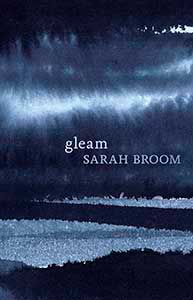
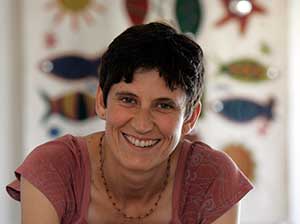
cp-gleam    cl-sarah-broom-1

Photo credit: Shane Wenzlick/Fairfax Media

The Sarah Broom Poetry Award aims to provide recognition for an emerging or established poet, and to provide financial contribution to support their work. The prize was established in 2013 in honour of New Zealand poet Sarah Broom (1972 – 2013), the author of Tigers at Awhitu and Gleam (published by Auckland University Press).

In 2014 the judging panel included Sarah’s husband Michael Gleissner, Sarah Ross, Paula Green, and guest Head Judge, the much loved poet, Sam Hunt.

The inaugural Sarah Broom Poetry Competition attracted around 300 entries from throughout New Zealand. The submissions included established poets, emerging poets and poets at all stages between, and clearly reflected a writing landscape that is in very good heart. The entries demonstrated a stunning range of complexity, subject matter, tone, style and form. The quality and breadth of submissions created a tough job for the judging panel with at least thirty poets deserving a spot on the shortlist. The selected finalists will read in a session at the Auckland Writers Festival where Sam Hunt, will announce the winner (Sunday 18th May, 1- 2pm, Upper NZI Room ).


The three finalists are:

Emma Neale

GWPimg_0715

Photo Credit: Graham Warman

Emma is a Dunedin-based poet (four collections published), novelist, teacher, mentor and anthologist. She has a PhD in English Literature from London’s University College, received the inaugural Janet Frame Memorial Award for Literature (2008), the Kathleen Grattan Award for Poetry (2011) and was the 2012 Robert Burns Fellow at the University of Otago. She was the Summer Resident at the Pah Hometead in 2014 (supported by Sir James Wallace Arts Trust/ University of Otago). Her latest collection is entitled The Truth Garden.

Emma’s poems often find a starting point in her domestic life—with her exquisitely tuned ear and her roving mind producing lines of singing clarity. The musicality is enhanced by a sumptuous vocabulary, by single words that stand out in a line and a rhythm that gives each poem startling breath and movement. What struck us particularly is the way each poem is made more complex—through an unfolding pocket narrative, meditative strains of thought, aching confession, political sharpness, the rollercoaster ride of maternal feeling. These were definitely poems with an aftertaste that kept you wanting more.

Emma: ‘I wonder if the rhythms of everything from nursery rhymes to an old tape of Yehudi Menuhin playing Mendelssohn violin sonatas, which I used to listen to obsessively as a teenager, are as deeply embedded in my sense of poetic music as my love of certain poems.’


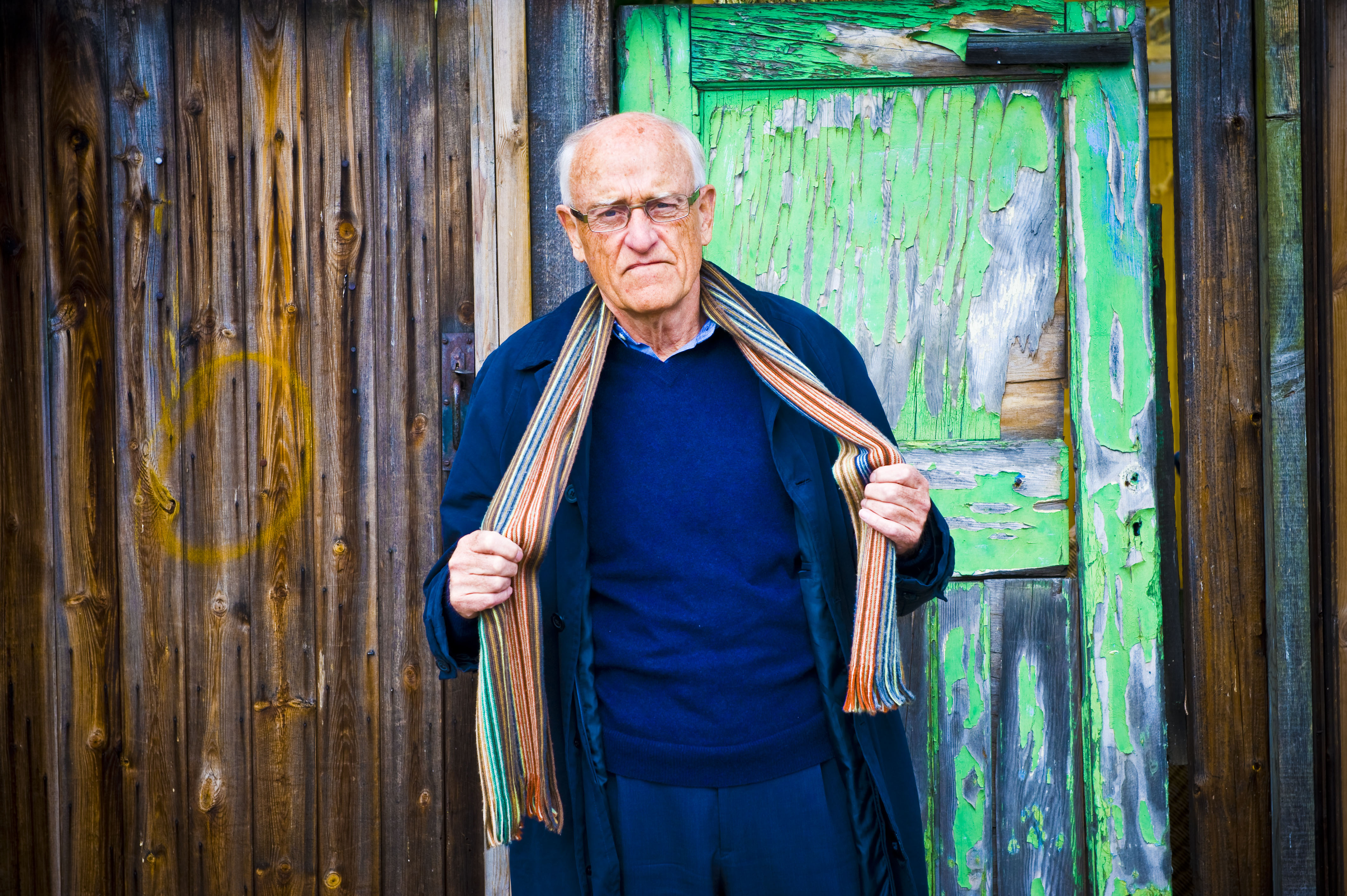
CK Stead

Author C. K. Stead in London

Karl has published over forty volumes of poetry, fiction, memoir and criticism. Along with New Zealand’s highest honour (the Order of New Zealand), he has received the 2009 Prime Minister’s Award for Fiction, a 2009 Montana Book Award for his Collected Poems and the esteemed Hippocrates Prize for Poetry and Medicine in 2010 amongst numerous other awards. Karl’s latest collection is The Yellow Buoy (published by Auckland University Press in New Zealand and Ark in the United Kingdom).

Karl’s poems embrace a vision that welcomes both an intellectual life and an everyday life along with a joyful attentiveness to sound. There is the characteristic wit, reflection and irony, but there is also tenderness, empathy and acute insight. These poems radiate such a contoured experience for the reader through their layering of ideas, self-confession, musical agility and location within a history of reading and thought. The subject matter shifts from the intimacy of a love poem to his wife, Kay, to a cheeky eulogy to Derrida (‘the enemy of plain sense’) to a hilarious case of mistaken identity. These poems have an unwavering strength to pull you back again and again to fall upon new discoveries.

Karl: ‘Poetry has been my life, and all the other literary endeavours, criticism, scholarship, fiction, circle around and out from it.’


Kirsti Whalen

IMG_4591

Kirsti is a poet and disability advocate currently studying Creative Writing at Manukau Institute with Robert Sullivan and Eleanor Catton. She has written and read poetry since she was a child, and has won both the Katherine Mansfield Young Writers Award and the Bell Gully National Secondary Schools Poetry Award. She has published poems in various journals.

Kirsti is a fresh young voice on the poetry horizon line. Her submission indicates she has an astonishing ear for the way sounds soar on a line, the way they dip and fall. Her syntax is bold and on the move, but she is unafraid of neither simplicity nor silent beats. The poems take you into the heart of family from a mother’s x-rays to kitchen dinners to a grandmother’s quince trees. Each poem is brought alive to a startling degree with sensual detail, electric connections, canny ellipsis, judicious repetition. It is a voice that feels original, that is willing to take risks and that exudes a love of writing in every nook and cranny.

Kirsti: ‘I have been working to tell the story of my family, which is about women’s resilience and the ways of winning the most subtle and internal of wars.’


Award website: http://www.sarahbroom.co.nz/poetry-prize.html

Helen Rickerby’s Cinema: an aperture into the magically fizzing world we inhabit

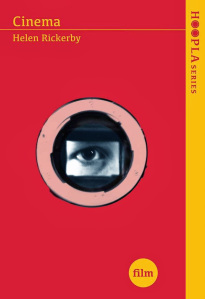
cinema-front  cinema-front

Helen Rickerby, Cinema, Mākaro Press, 2014 (part of the Hoopla Series)

‘With a whirr and a click/ we’ve conquered distance and memory’

There is an anecdote that the Italian film directors, the Taviani brothers, saw a movie when they were adolescents that rebounded a version of their world back to them (the constellation and collision of worlds that we know as Italy) and they dramatically said, ‘Cinema or death!’ Such boldness in the light of this shared epiphany.

Helen Rickerby’s terrific new poetry collection takes you into the world of cinema. Fittingly, the first poem is entitled ‘When the Lights Go Down.’ I immediately stalled on the title and pondered on the shared experience of reading poetry and watching a film. Even in the public space of a cinema, there is something intimate and private about your immersion in the cinematic world. It is comparable to entering a splendid poem and letting the world fade to pitch black along with the barking dog and the wet laundry— it’s just you and the poem.

In this book, ‘cinema’ is a thematic glue that gives the collection cohesion, but it is also the ingredient that animates at the level of detail. If you love film, and you have a history of film viewing, then this collection offers abundant rewards.

An early poem, ‘Revolutions,’ leads you into various meanings of the word from the click and whirr of the camera and the projector to the daring work of pioneer filmmakers. And so it is with the poems– the poetic effects are various, whether humorous, confessional, inventive, challenging, insightful, quirky.

There are a series of wry poems that re-imagine the life of a friend or Helen herself as directed by a particular filmmaker (Ken Russell, Sergio Leone, Quentin Tarantino, Stanley Kubrick, Jane Campion, and so on). ‘Chris’s life, as directed by Ken Russell’ is particularly witty. When Chris awakes to find ‘an anteater on my chest/ tearing at my throat’ it is , as Ken says, ‘the anteater of self-doubt.’

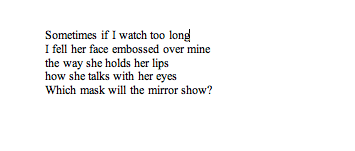
There is the way cinematic life has the ability to seep into and become saturated in your own (or vice versa) as the title of one poem suggests (‘Impressionable and impressed’). Thus the last verse of this poem hooks you:

Screen shot 2014-04-29 at 11.35.27 AM

What these poems do, too, is capture the magical, mysterious pull of cinema where there is a physical interplay between light and dark that then shifts beyond the material to an interplay between intellectual and emotional levels. Light and dark’s electric connections become the connections between life and death, desire and indifference, ghosts and humanity, real life and fantasies. In ‘Camera’ there are numerous such ripples —and the opening lines signpost the burgeoning magic: ‘There are lots of different stairs to be climbed/ each with a different kind of railing.’

The collection has an intermission! As though we can make our way out of the dark to collect popcorn or ice cream. I have never thought of this before, but I feel like I install a miniature intermission after each poem I read (if it is any good!) in order to absorb the poetic complexities or savour the poetic simplicity.

I love the way Helen’s collection pulls you into a poetic mis-en-abyme—into layers and levels of translucence, symbols, self exposure, tangible details, ephemeral details and above all a contagious love of film. Not that it’s a terrifying vortex! It is just deliciously complex.

Several longer poems stood out for me. I love the glorious ‘Two or three things I know about them’ which carries you along the white-hot tension between Jean-Luc Goddard and François Truffaut, and their different approaches to making a film. I also particularly loved ‘Symbols that make up the breaking up girl,’ a lush poem in parts where each part exudes a joy of language.  Then there is the wonderful density and intensity of detail, with shifting tones and fitting repetition, in ‘A bell, a summer, a forest.’ I also delighted in ‘Nine movies,’ a sequence of poems that filter love and personal life through somebody else’s movie plot, incidents and discoveries.

Each poem in this collection is like an aperture into the magical world of cinema which in turn is an aperture into the magically fizzing world we inhabit—in all its shades of light and dark. And this then becomes poetry. As a big cinema fan, I loved it.

photo

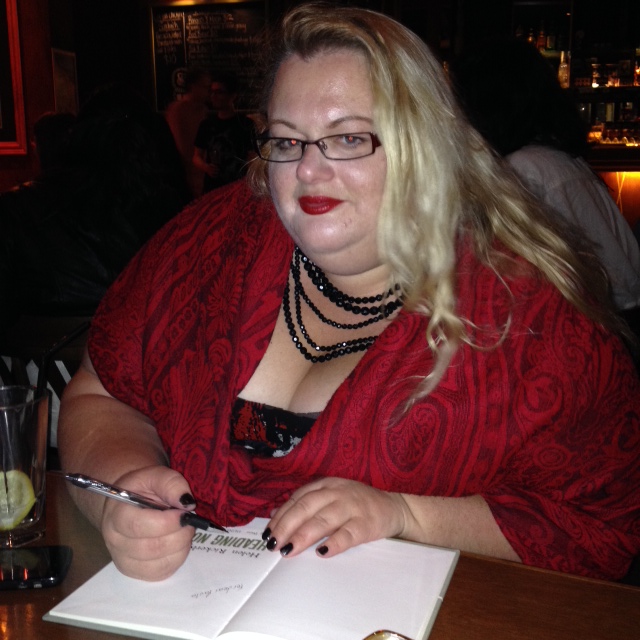
Helen is a poet, publisher and public servant with three previous poetry collections to her name. She runs the boutique Seraph Press and is the co-managing director of JAAM. Along with Anna Jackson and Angelina Sbroma, Helen is organising Truth or Beauty: Poetry and Biography, an upcoming conference at Victoria University. Details here.

Mākaro Press website Hoopla page

Helen Rickerby’s Seraph Press

Helen’s blog Winged Ink

An interview with Helen


a lovely, lovely launch for two lovely, lovely books– Lee Posna and Steven Toussaint

Two beautiful chapbooks were launched by Compound Press on Saturday at Timeout Bookshop in Mt Eden (how I love this flurry of poetry presses the length and breadth of New Zealand). For a moment there, when Lee Posna started reading his ant poem it felt like I was sitting back in Frank O’Hara’s New York apartment listening to the lilt and lift of American poetry (only done that via YouTube!). There is something to be said about an intimate audience leaning forward intently into the pleasures of poetry.

Lee didn’t read from his book, Arboretum, but instead read a longish poem about ants that took you from Salvador Dali’s ‘The Persistence of Memory’ to Luis Buñuel‘s Un Chien Andalou and made various other sidesteps. His book has delicate artwork that brought to mind the painterly gestures of Judy Millar– here in black and white. Beauty may be a suspect word when it comes to poetry and  the ability of language to transmit such a concept, yet reading Arboretum, I do get a transcendental, beauty effect. It is a matter of absorbing the layer of simplicity (‘I die right now./ I am past.’) that then unfolds and refolds the rebounding layers of complexity. The syntax buckles. The vocabulary challenges and soothes. There is the insistent hook of death that keeps up appearances. There is the strange difficulty of life (a life in passing glimpsed in shards).

Steven read a brief extract from his book, Fiddlehead. Again, I felt transported at the level of beauty — through a concatenation of physical detail and musical litheness. This long poem takes its starting point from Dante’s geographical world view in The Divine Comedy and in Questio de acqua et terra. Steven re-imagines the island left when the southern lands fled to the Northern Hemisphere (sighted by Ulysses in a distant haze just before his ship sunk) to Rangitoto. Listening to an extract from Fiddlehead and then reading the complete poem is reading poetry at its musical fullest. I have not read poetry like this in an age—poetry that startles the ear as though each word is a note picked or threaded as chord in a musical composition. The listening experience brings to mind the joy of hearing Michele Leggott read. Or reading Susan Howe. Lisa Robertson. There are aural contours that shift you from difficult word to exquisitely simple phrase along syntactical shudders. The physical detail grounds you. And then moves you on. Elsewhere. Into an ambiguous but moving  ‘I.’ At times the detail is sensual and a locator of place, at other times it is off key and slightly surreal. A foothold into the local landmark. A foothold into Dante’s circles.


Steven Toussaint

photo

Lee Posna

photo

photo

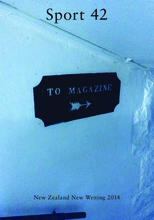
to the magazine! Sport 42 ‘long times spent sitting/ looking at the view so long’

42_cover_front__63802.1392602823.220.220   42_cover_front__63802.1392602823.220.220   42_cover_front__63802.1392602823.220.220

I love Sport‘s cover photograph snapped by Damien Wilkins at the Royal Albatross Colony in Dunedin. It features a sign indicating the direction ‘to the magazine.’ There is a delicious ripple of irony as the editor and publisher of Sport, Fergus Barrowman, had last year announced the journal’s demise due to a lack of funding from Creative New Zealand.  Sport had momentarily lost its way, much to the consternation of readers throughout the country. But as the journal secured funding from elsewhere, we now have a terrific issue to savour over the coming year. Yeeha!

This issue, along with the usual mix of fiction and poetry, includes four essays. I would love to see more of this (sounding a bit Rick Steinish in the face of both good food and endangered species!) How stimulating to read Mark Williams’ lively and inventive approach to New Zealand poetry in ‘When You’re Dead You Go on Television: Sex, Death, and Household Objects in Some New Zealand Poetry.’ It was the sort of essay that got you thinking about other poems in relation to his three themes and the fertile possibilities of exploring these three themes in the one critical space.

I haven’t finished reading Sport 42 yet, because I like to dip and delve over months rather than weeks, and I am not going to comment on the fiction (which I haven’t even started upon) other than to say I spotted some must-read names: Lawrence Patchett, Pip Adam, Tina Makereti, Breton Dukes and Charlotte Simmonds along with a cluster of those new to me.

There is an equally tempting list of poets that range from some beloved landmarks on our poetry landscape (Bill Manhire, Geoff Cochrane, Elizabeth Smither, James Brown, Chris Price) to the recently emerged (Sarah Jane Barnett, Amy Brown, Kerrin P Sharpe). There are about 39 poets and a number of these are brand new sparkling voices!

Here is a tasting plate of what has struck a poetic chord so far:

Amy Brown has a sequence of poems that take her into temporal elsewhere, and that highlight the power of an object to take you in multiple semantic and nostalgic directions (as though the poem is a little like a pocket memory theatre). I particularly ‘Names’—a poem that is evocative, tender and vibrant, and that embodies loss in aching detail.

Chris Price‘s poem, ‘The also-ran,’ reminded me how much I like her poetry. Here the disgruntled ‘runner’ is a misfit on the hunt for the elusive or the grass-that-is-greener or self recognition. Price relishes musical fluency as her miniature narrative is punctured into stanzas (broken breath) with sweet enjambment that connects, keeping both runner and reader on track.

Lynn Davidson‘s ‘Kapiti Island Welcomes Back the Girl and Her Mother,’ is steered by the deft hand of both storyteller and musician: (‘They cut through weed and current/ flicker and fin to get in’ and ‘to make words make/ this wind that howls/ make the frequencies for language’). AAhhh!

Sarah Jane Barnett‘s long poem, ‘Running with My Father,’ also adopts the rhythm of running, but her poem strengthens in its shifting style. The early morning run absorbs the father figure in memory flashes, the way the puff and pant of lungs and heart working hard draw in different images and insights. This is a glorious poem that pulls you in closer to thoughts of death and of life.

Frances Samuel is not a poet that I am familiar with, but I was struck by her poems and was delighted to see VUP will publish her debut collection later this year. Her poems have serenity, simplicity, a meditative quality, an offset quirkiness running through them that is utterly alluring. One poem begins: ‘There are so many ways to write about dying.’ Another start: ‘In the very earliest time/ autumn trees stretched to the sky/ raking the reds and pinks of the sunset.’

I found myself half singing Bill Manhire‘s selection then wanted Hannah Griffin to take over— her heavenly voice igniting ‘Rikkitikkitavi/ you’re so charming/Rikkitikkitavi/ oh my darling.’ Is this a bad thing? You get Bill’s cheeky wit on the page, the sweet pull of repetition and rhyme, and then you want to sit in a dimly lit room and hear these poems sung.

And I loved Damien Wilkin‘s found poem —the titles of books Bill Manhire left behind on his shelf.

Next up the rewards of James Brown and Elizabeth Smither ….


.

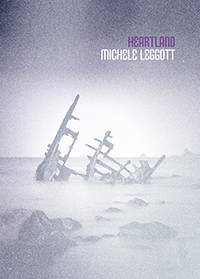
Michele Leggott’s book launch– Heartland drew us in close

cp-heartland  cp-heartland

Michele Leggott, Heartland, Auckland University Press, 2014

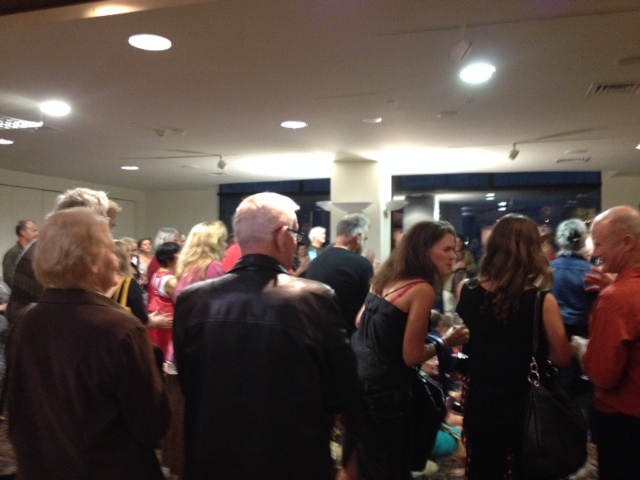
It was a feisty storm in Auckland but a good crowd turned out to help Michele Leggot launch her new collection, Heartland, at Auckland Central Library last Thursday.

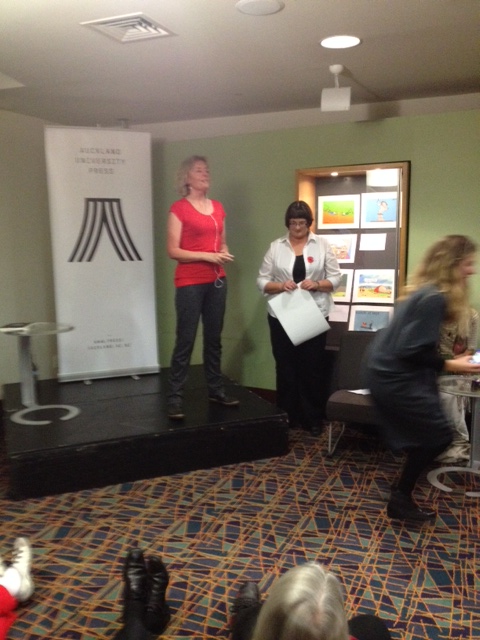
John Newton took us on a tour of the shapes of Michele’s books and reminded us how they have shifted from landscape to portrait, and how that physical shift also saw a shift in other ways. The poems have become more transparent, have embraced narrative to a greater degree and have employed a less fragmented syntax. John also suggested, and I think this is the case for many poets, that Michele’s body of work is like one long poem in installments (perhaps the landscape poem and now the portrait poem).

As John was talking, I went off on a train of thought. I feel that Mirabile Dictu and now Heartland have opened themselves wider to the words and narratives in the world that is close at hand. These books draw in family in way that is close, intimate and touching in both semantic and linguistic choices. And then it is as though these books are held open for family, so these loved ones may gain entry as readers.

Michele read three short poems using her listening device rather than the book. It was just wonderful to hear her voice lift the words from the page. I was particularly taken with this comment: ‘Every book should have a way of stepping out of it—by stepping into what’s coming next.’ In this case the Matapouri poem in the book. I am fascinated by the way certain geographical locations have white-hot resonance. Having grown up in Whangarei and spent most summers on the Tutakaka coast (and still do) that physical landscape triggers all kinds of poetic responses in my secret writing life. I can’t wait to see where Michele is heading next.

photo photo 1 photo 2 photo 1

photo

The Totally Official Launch of Pen Pal by Sugar Magnolia Wilson

1981892_287549788068665_2082679686_n

An invitation from Cats & Spaghetti Press:

where: 19 Tory Street, Wellington                 when: 7pm Friday 16th May

We’re going to be having a bit of a shindig to say welcome to the world to Pen Pal. There’ll be readings by Sugar Magnolia Wilson and special guests Hannah Mettner, Jackson Nieuwland, Carolyn DeCarlo and Morgan Bach.

Come along to get your copy and have a drink and maybe even a bit of a dance in celebration.

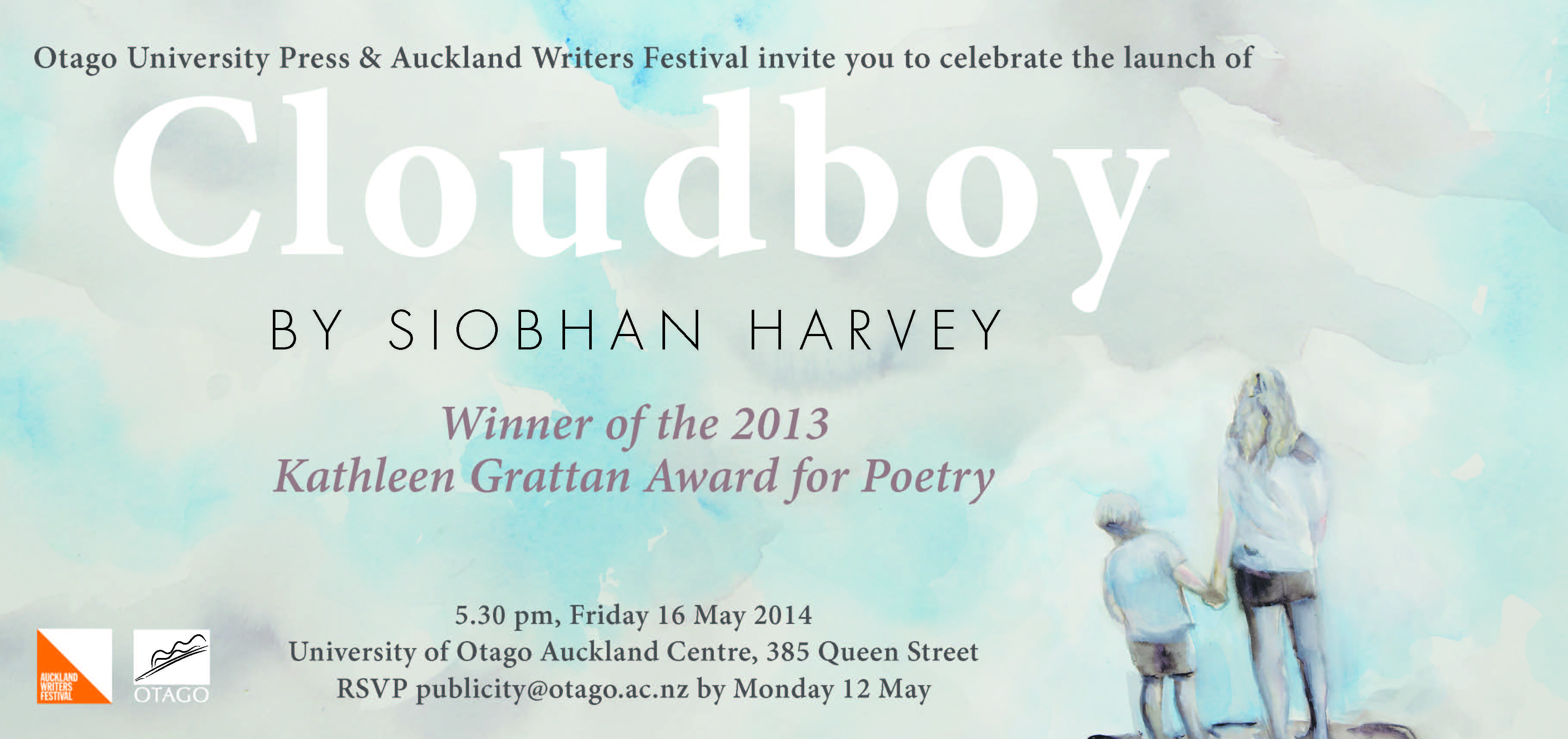
An invitation to the launch of Siobhan Harvey’s Cloudboy

Harvey launch invitation for emailing_Page_1

I heard Siobhan read a bit from this at the Pah Readings and witnessed the degree to which the audience was moved.  Was rather special.