The week of interviews, twenty minutes each to face a panel for my disappearing job.
I went into a shop called Accessory House and bought a flamboyant fabric rose
of the most arresting red as arresting as Liverpool F.C.’s elite Garibaldi red
and pinned it to my black linen jacket. I sat on a chair in the corridor, waiting
wondering what I would say. I had prepared nothing, it would have to be
spontaneous, from the heart, like the rose or the Garibaldi goalkeeper with his gloves
straining for the crossbar of the goal or diving like a salmon in its death throes.
Protect me, rose, I said, as the bell sounded and I walked in, stiff-backed and sat.
Good morning, good morning. We like your rose. Was that a point on the score sheet?
I’m sure I said something foolish. The rose was causing me to relax. I told it
to keep it together. Remember the worm that flies in the night. It settled back
on my lapel and nestled against my cheek In the corridor again I unpinned it
and held it to my nose. A little perfume from my wrist had climbed inside it.
Elizabeth Smither
Elizabeth Smither has just completed a collection of four novellas, titled ‘Angel Train’ which will be published later this year by Quentin Wilson. ‘The interview rose’ is the title of a new collection of poems for Auckland University Press.
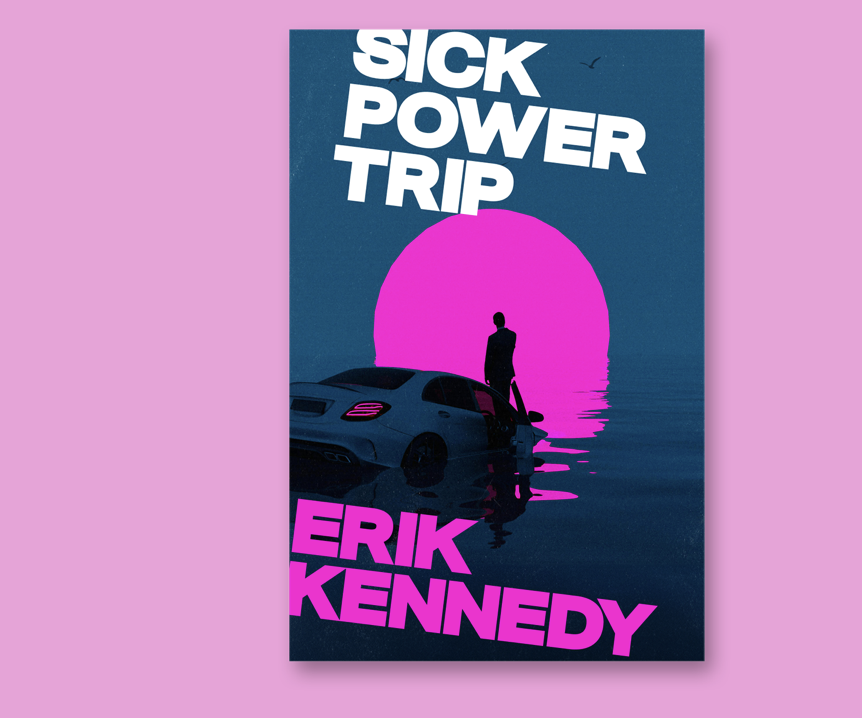
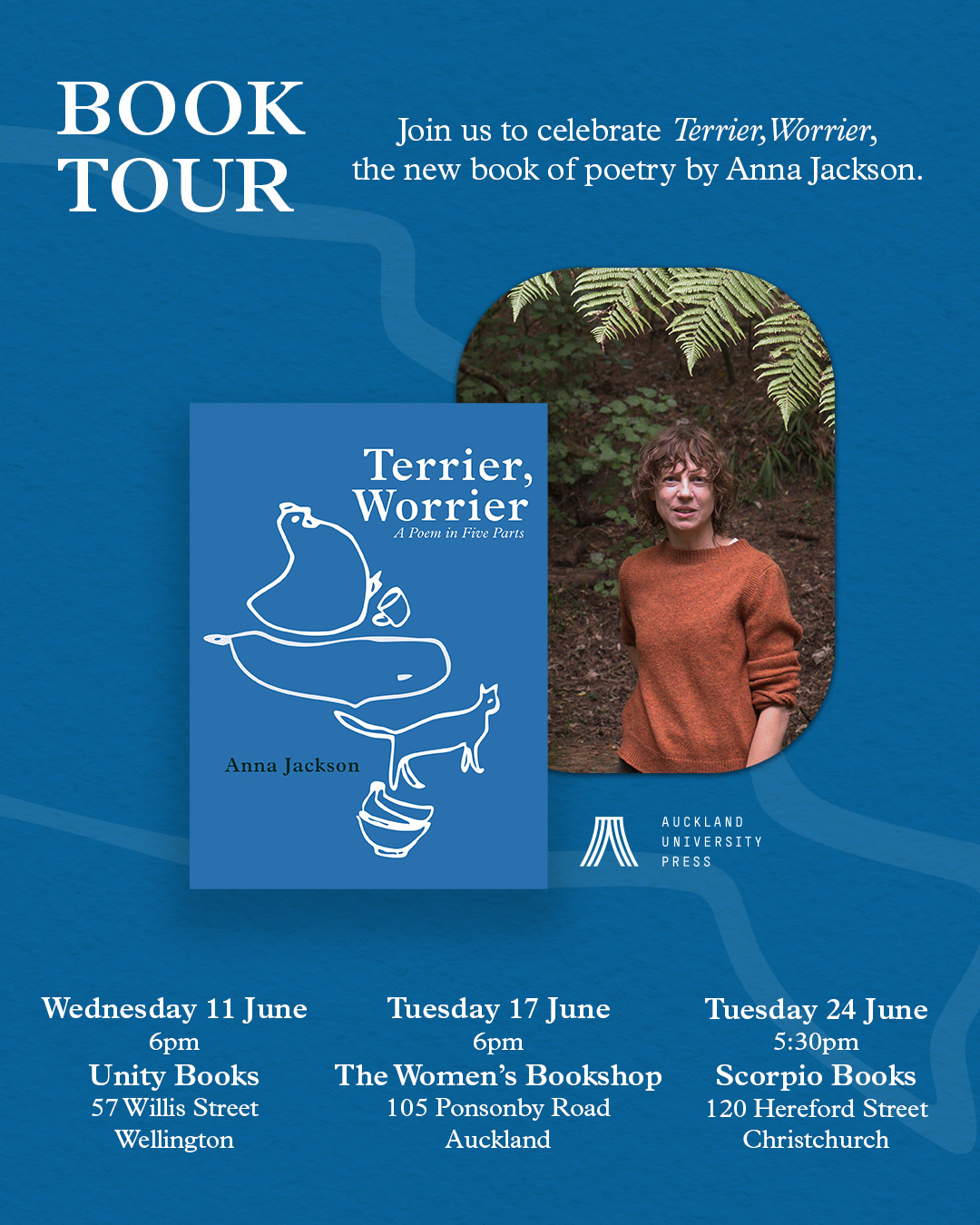
Please join Te Herenga Waka University Press and Scorpio Books for the launch of Sick Power Trip, Erik Kennedy’s excellent new poetry collection.
Thursday 10 July Arrive from 5:30pm for a 6pm start Scorpio Books, 120 Hereford Street, Ōtautahi Christchurch View more info on our Facebook page.
The book will be launched by Claudia Jardine, while Ciaran Fox and Tarn Wright will add to the celebration with readings.
To help Scorpio Books manage catering and capacity, please RSVP here.
Free event. All welcome!
I stored my plan for world peace safely in my coat pocket, and then I washed the coat.
Sick Power Trip is Erik Kennedy’s most personal and vulnerable book yet. These are poems that tell us: the world is unwell, and sometimes writers are, too. Kennedy scrutinises the broken social contract and the dangerous actors who seem determined to dominate us, and writes with open eyes about long COVID and living wages, self-medication and sea temperatures. If it feels like we’re stuck in a post-truth moment, Kennedy reminds us that some things remain true and vital: self care, empathy, and solidarity.
‘This collection is a masterful example of taking back power one poem at a time.’ –Chris Tse
‘With wry humour and a distinct playfulness, this new collection offers not a balm for the world but the courage to dismantle it.’ —Ash Davida Jane
AUP New Poets 11: Xiaole Zhan, Margo Montes de Oca, J. A. Vili editor Anne Kennedy, Auckland University Press, 2025
The AUP New Poet series has launched the careers of many poets, consistently showcasing the depth and breadth of poetry in Aoteraoa. Editor Anne Kennedy has drawn together three distinctive writers, whether in view of style, form or subject matter, yet there are also vital connections. For example, the poets – Xiaole Zhan, Margo Montes de Oca and J. A. Vili – acknowledge a history of poetry reading, referencing writers that have nurtured and inspired them. There are recurrent anchors in memory, experience, ideas, politics, the personal, everyday contexts. Above all, there is the contagious transmission of joy. Whether I am entering fields of pain, grief, wonder or philosophy, I am experiencing joy as I read. Absolute delight in what poetry can do.
I have reviewed each section, and followed that with a reading and conversation with each poet.
In the drench, there is a room where my Pākeha grandfather waits beside an upright piano covered in dust. His eyes are milky with illness. Lucius Seneca crouches in the corner, wheezing in and out. The piano has outlived the axe, and the tree, and both men in the room. Like the word heaven.
Xiaole Zhan from Arcadiana
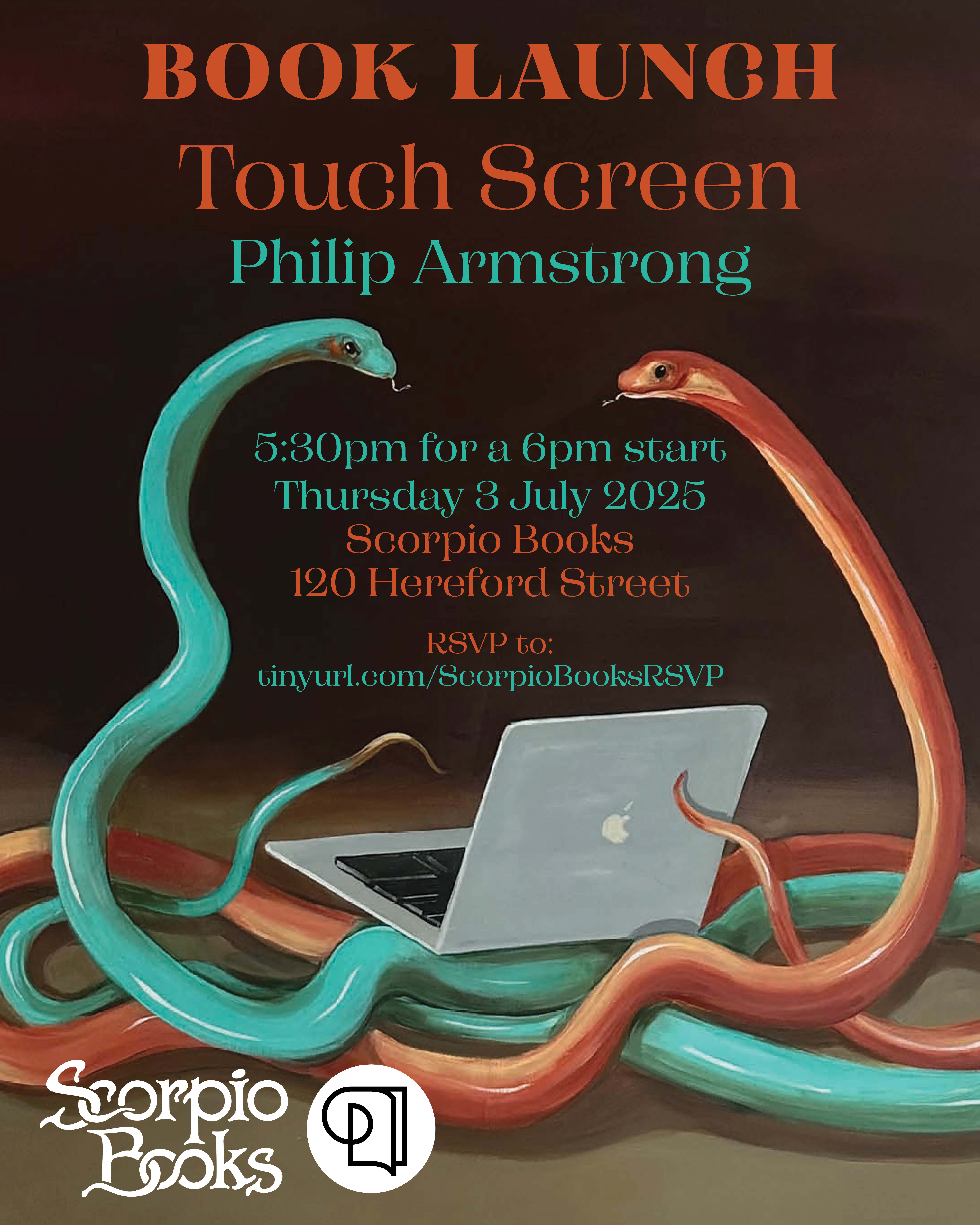
Xiaole Zhan’s hybrid sequence, Arcadiana, resembles an album of navigations; writing that can be claimed as essay, poetry, memoir, prose . . . a suite of cross fertilisations. At its heart, and yes this is a sequence with heart, is the magnetic pull of storytelling. Why do stories matter to us? Does poetry matter?
I want to share some of my readings avenues through ‘Arcadiana’ in order to offer a taste of my delight. I often flag poetry that moves me, but what do I mean by ‘move’? For me to be be moved as a poetry reader encompasses multiple movements, maybe like a sonata might move mind, heart and body. It’s intake of breath and goosebump skin. So yes, I am intensely and wonderfully moved by Arcadiana’.
Xiaole is exploring their memory chambers, hunting out piquant and personal detail that sticks, sometimes unsettling, detail that sets them musing. It’s sights and smells and sounds; it’s childhood and healing strength. It is a storehouse of stories, most especially the thorny depository in the Bible, with its violence, horrors and miracles. Just like fairytales. The cruel Pakehā grandfather, the nasty Pakehā stepfather, reading to the young child. It’s the strengthening mother.
Philosophical threads captivate my hunger for ideas, especially in the open field of storytelling, especially as we navigate lies and belief, how to advance and enhance what we tell. How we might fall upon mourning in music, and music in mourning. This metonymic rubbing, this idea against that experience, that experience against this idea. Ah. The citations from key thinkers/writers, in keeping with the mode of essayist, enriching links to history, culture, intellectual thought, personal experience. And in this open field, reading and writing are both forms of listening.
I love how moisture, drench and stormwater are a recurring motif or theme. I find myself exploring the collection in view of its moistness, whether sweet dew or slam of flood. Colonisation. Racism. I soak up a poem’s reach and possibilities. I discover ‘Arcadiana Op. 12’, is a 1994 composition for string quartet written by the English composer Thomas Adès, with both water and land movements, haunting violin. And here we are full circle. Back to movement. Steeped in poetry joy. I won’t forget this reading for ages.
& the window is open – enough for some sky to spill inwards with a coolness that flows over my arms and Ru beside me who murmurs and sighs, his closed eyes half-moons in the pillow-dark.
The more I remember time the more I press my face to the glass of it the more the outside world seems to vibrate with memory of its own. It whispers through the window’s mouth & in a language I half-understand says look,
Margo Montes de Oca from ‘omens’
As the title suggests, Margo Montes de Oca‘s collection of poems, intertidal, is also a series of movements, but the movement carries you along different currents. Before I started reading, I pondered on the constitution of an intertidal zone, on the idea of ebb and flow, deposit and removal. And then, when I was immersed in the poetry, the first word I jotted down was joy. I felt an incredible brightness, a joy in the natural world, the beach and the river, as the poems embraced sea, time, dream, light, breath, drift, sky.
The physicality of the poems resembles visual buds, detail that opens out a vivid scene, and place simply glows into existence. This is my first love. My second love is the way Margo’s poetry embodies notions of braid, entirely fitting in an intertidal zone. She uses a variety of poetic forms. For example, the poem ‘bajo la luna, un caballo de noche’, is a glosa, a form that braids borrowed lines with the poet’s, in this example Louise Glück (you can hear this poem below). Margo tests out Natalie Linh Bolderston’s invented poetic form, ‘a germination’. Twelve small triplets on the page like a baker’s dozen, poetic buds as much as braids, as the visual layout propels my physical reading in myriad directions. My eyes darting as the poem catches proximity and distance, Mexico and Aotearoa, arrival and farewell, land and light. An intertidal zone. Glorious.
There are also language braids: Spanish nestling alongside English with their different musicalities and heritage, the language of sky, ocean, world, the language of breath . . . all linked to an impulse to read, a compulsion to read the drift of sea or river or cloud. And more than anything, above all, so haunting and evocative, is the braid between ebb and flow, the polyvalent gap. We reach the open window through which the sky spills, the crevice in the floorboards through which the speaker may fall, the fertile gap/movement/bud between today tomorrow, together apart, awake asleep.
A number of poems are written ‘after’ or dedicated to a muse (H. D., Sappho, Louise Glück, Alice Oswald, Virginia Woolf) and again we enter an intertidal zone, because, in a way, we are all reading and writing after the poetry that precedes us, that inspires and nourishes. In reading Margo’s collection, I am ‘setting off into quiet drift’, the poems drawing me deep into the understated and the shadow figures, a mesmeric physicality, the way poetry can be both bud and braid. Glorious.
But I am carved in thought My tongue is kauri My eyes are shells My heart is stone In a graveyard sowed with death I am captured – by how full of life the weeds are.
J. A. Vili from ‘Your Tangi’
What I love about AUP New Poets 11, is way the anthology promotes new poetry as many things. There is zero attachment to the formulaic because the poetry stretches possibilities in view of voice, form, mind and heart. The final poet, V. A. Vili, draws us deep into poetry as ache in his chapbook, Poems Lost During the Void. Many of the poems are dedicated to friends and family, and many of the poems depend upon a bloodline of grief and loss. It is personal and it is poignant. In Vili’s bio, we read that the poet has dedicated some of the poems to his children whose mother died when they were young.
I feel like I am entering a precious clearing, a space for both poet and reader to grieve, to stall upon casket, graveyard, ashes, tangi, mourning; to travel in memory fields and draw closer to the missed and the missing. To reflect and retrieve and perhaps nourish self and loved ones.
Yet this poetic space for mourning is not held at a distance. It is embedded in everyday life and memory, it belongs to particular times and places, where someone dons Karen Walker glasses, wears Chucks, watches rugby league, drinks L & P, listens to ‘Back in Black’, gifts a zodiac oa. We read in the opening poem, ‘Funding Cuts Deep’, of these ‘torrent times’ and that ‘the tūī sings in protest’. We are in the rip and tear of the present. One poem features a chess game, where the moves are tough, and the queen is lost, but where checkmate becomes ‘check on you, mate’, and that is unbearably touching. Poetry itself matters. Reading matters. Going to libraries. Reading Robert Sullivan and Carole Ann Duffy and Thomas Kinsella. Poetry is invested in relationships, making multiple appearances.
Viti’s poems are infused with grief and you carry that with you as you read, but they also, and most importantly, radiats life. The final poem, ‘Your Tangi’, dedicated to his tamariki, so nuanced, so fluent in its telling, is the most moving poem I have read in age (you can hear Viiti read it below). If poems are lost in the void of grief, poems are also recovered, restored, and replenished in the passages of living, in vital relationships with friends and family to whom these poems are dedicated. If we keep asking why poetry matters, herein is an answer, poetry is a lifeline, a love-line, a gift. A taonga.
This anthology makes me want to keep reading and reviewing and writing poetry. A gift indeed.
Xiaole Zhan
Xiaole reads an excerpt from ‘Arcadiana’
Were there any highlights, epiphanies, discoveries, challenges as you wrote this collection?
I began writing Arcadiana with the questions of ‘what is a story?’, and ‘what does a story matter?’ My childhood in a Chinese-Pakeha family, as with many childhoods, perhaps all childhoods when recalled in memory, was one in which the line between myths, stories, secrets and lies were hazy.
Many of the stories I grew up with might be called secrets, or lies—I believed as a child I was a blood descendant of Captain Cook, who I was told was a great explorer and a distant relative of my Pakeha grandmother. My late Chinese father, who was abusive, was kept a secret from me until I accidentally found a photo of him in my aunt’s drawer as a teenager.
I recall in Arcadiana, too, the memory of my mother, when I was fourteen or so, arranging for me to teach Sunday school at the local church where I took piano lessons. I had never attended Sunday school myself; we were not a religious family. When I brought this up as a possible issue, my mother said to me, 宝贝, Darling, it doesn’t matter. Even now, my mother doesn’t see anything particularly grave nor comical about this arrangement. I learnt then: stories and lies mean different things to my mother and to me.
The line between a lie and a story shifts across cultures; it’s common for Chinese families to withhold things like sickness and death from children, or from the sick and dying themselves, until the very last moment, or even indefinitely. Perhaps a lie matters less within a culture where allegiance to family, to holistic social ties, comes before allegiance to individual truth. Perhaps bearing an uncomfortable truth in secret is a burden of love; perhaps being told a lie is being spared.
The line between life and death is blurry, mediated through the haze of health. The line between myth and reality is also blurry, mediated through the haze of memory. I am interested in how language allows us to be submerged in the haziest of boundaries.
What matters when you are writing a poem? Or to rephrase, what do you want your poetry to do?
As a child, I remember running to my mother with a finished story, seeing her nod at words she didn’t understand, and then watching her carry on with washing the dishes. I can’t help but feel now that a story matters less in a childhood where meals were eaten steaming hot and dishes were washed by my mother’s callused hands. My popo, too, never learnt to read or write, or to speak in Mandarin. What does a story matter in the wake of a grandmother speaking in Cantonese to a granddaughter who no longer understands the language?
I remember telling my mother over the phone the other day about an event where I had been invited to share a bit about my life as a guest speaker. A little later in the call she said to me, matter-of-factly, she feels as if she doesn’t have any major achievements in life, that she only has her children. Nervousness for a public speech matters less in the realisation that my mother has led the life more worthy of being shared upon that stage: that her vastness of personhood is as deserving and devastating as anyone else’s.
One of J.A. Vili’s poems in this collection comes to mind, one that I have returned to often, ‘Mother’s Rope’. I admire how Vili’s poems feel as living and breathing as people. Indeed, he describes his children as his “greatest poems”. I realise more and more that what keeps me most tethered to life isn’t art or poetry or beauty or even hope, but people — mothers and loved ones.
I feel as if I’ve answered this question backwards. Perhaps what I’m trying to say is: I find a lot of meaning in allowing things to matter less in the wake of the already-monumental stakes of living, of staying alive, of doing the dishes, of calling mothers, of worrying over daughters, from moment to moment — in the wake of the vastness of other people. So, at the moment, it makes the most sense for me to write from this place of — and I’m not so sure what the right word is here — perhaps, humility — or, perhaps, astonishment — for people, and for life itself.
Are there particular poets that have sustained you, as you navigate poetry as both reader and writer?
I’ve been thinking a lot about this poem by Polish poet Wisława Szymborska, A Word on Statistics. I love that it’s funny, a kind of ironic character study of all of humanity. But I also repeat certain lines to myself, like how out of 100 people, those that are “Worthy of empathy” are “ninety-nine”, even if more than half are “Harmless alone,// turning savage in crowds”. I confess — I often feel ninety-nine is far too high a number! But I’m finding it more and more difficult to condemn individuals—the way I often condemned others confidently, even a year or two ago—living among people, especially family, who are often difficult, most of whom would be ‘cancelled’ for one reason or another if they shared their thoughts publicly. I feel interested in Szymborska’s empathy, in most people being deserving of empathy (perhaps even 99 of 100!), and how empathy is neither condemnation nor absolution, but, perhaps, attention to how every person is irreducible, how condemnation or absolution is always an inadequate shorthand for personhood.
We are living in hazardous and ruinous times. Can you name three things that give you joy and hope?
I have to turn our attention here to Palestinian relief funds, such as the Palestine Children’s Relief Fund. The Palestine Toolkit is also a helpful tool for guidance in taking concrete actions, but each city and locale will have their own communities and targeted action points.
I say I find it more and more difficult to condemn individuals, but when it comes to large-scale systemic violence—such as Israel’s ongoing genocide of Palestinians, and its long history of violent settler colonialism—there is no choice but to condemn these structures as individuals who hope to form a more humane community. The alternative is what forms and sustains structures of systemic violence. There is no choice but to take concrete actions—donating to relief funds, or buying an e-sim, or writing to local MPs, or attending and aiding community protests—these actions give me hope.
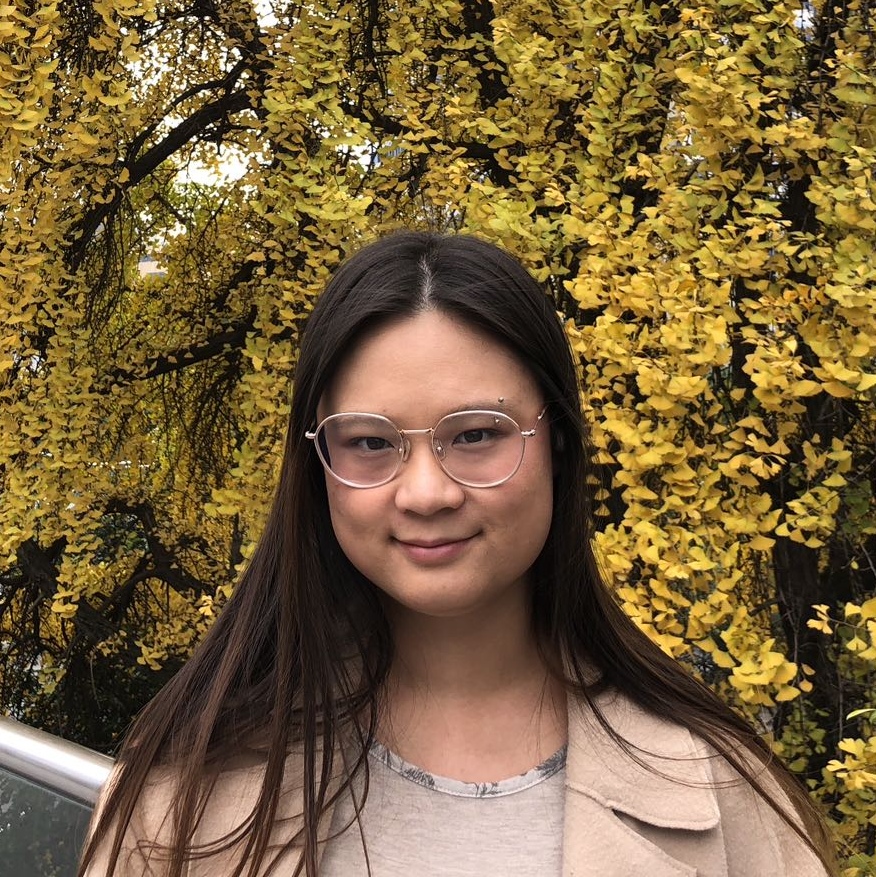
Xiaole Zhan (詹小乐) is a Chinese-Aotearoa writer and composer based in Naarm. They are the recipient of a 2025 Red Room Poetry Fellowship, the 2024 Kat Muscat Fellowship. They were also the winner of the 2023 Kill Your Darlings Non-Fiction Prize for their essay-memoir ‘Think An Empty Room, Moonly With Phoneglow’ exploring experiences of racism growing up in a mixed Pākehā-Chinese family, and the winner of the 2023 Charles Brasch Young Writers Essay Competition for their essay ‘Muscle Memory’ exploring music, depression, queerness, and gender discrimination over time. Their name in Chinese is 小乐 and means ‘Little Happy’ but can also be read as ‘Little Music’.
Margo Montes de Oca
Photo credit: Harry Culy
‘Metamorphic’
‘Tuatoru Street’
‘bajo la luna, un caballo de noche’
Were there any highlights, epiphanies, discoveries, challenges as you wrote this collection?
For a while it was hard to write enough poems to fill the gaps in the chapbook. I discovered that a good way to catalyse a poem was to respond to existing work, or to find a form which allowed me to engage with other poems I loved, so that writing felt more like an experimental conversation than a solitary exercise. My favourite form-discoveries were the golden shovel, the glosa, and the germination.
What matters when you are writing a poem? Or to rephrase, what do you want your poetry to do?
I like Anne Carson’s suggestion that ‘to make a mental space memorable, you put into it movement, light and unexpectedness’. I think maybe these things are what I try to put into my poems. I like poems that feel honest about the extent to which our memories or experiences are porous, unpredictable, and shaped by our interactions with everything around us. I also like poems that feel ghosted by something – like writing about the natural that’s ghosted by the preternatural, present ghosted by future or past, thought ghosted by dream. Poetry has a dreamlike intensity and resonance which allows us to reimagine our relationship to time and the non-human. I would like to think that my poems carry some dream-residue.
Are there particular poets that have sustained you, as you navigate poetry as both reader and writer?
(Preter)natural poets like Alice Oswald, Ted Hughes, W.B Yeats, H.D., Elizabeth Bishop. Mexican poets like Amparo Dávila and Homero Aridjis. Local poets like Alison Glenny, Anna Jackson, and Dani Yourukova. Most especially two of my best friends in the world, who have introduced me to so much writing and also happen to be my favourite poets, Loretta Riach and Ruben Mita.
We are living in hazardous and ruinous times. Can you name three things that give you joy and hope?
Being outside, in particular swimming in the sea (my favourite beach is Princess Bay on Wellington’s south coast), or even better being outside with friends or family. It is one of the most important things I can do to remind myself of what’s real around me and of what is worth protecting — that is, people and place. Going to protests. Eating food cooked by my dad.
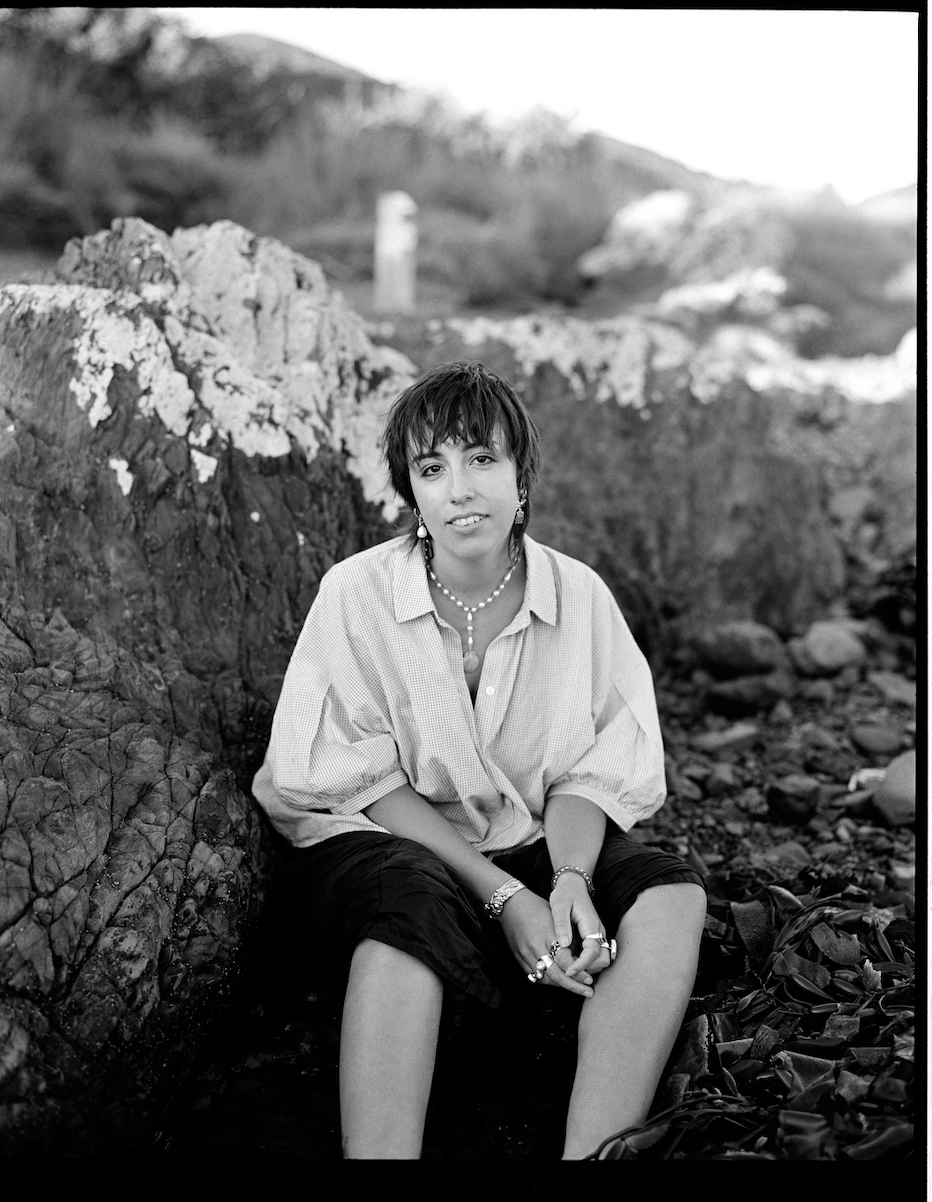
Margo Montes de Oca is a poet and researcher of Mexican and Pākehā descent, living in Te Whanganui-a-Tara. She holds degrees in English Literature and in Ecology and Biodiversity from Te Herenga Waka Victoria University of Wellington. She was a 2024 Starling writer-in-residence at the New Zealand Young Writers Festival, and her poetry has been published in journals like Starling, Sweet Mammalian, Min-a-rets, Turbine | Kapohau and Mayhem Journal. Her debut chapbook, ‘intertidal’, can be found in AUP New Poets 11 (AUP 2025).
J. A. Vili
‘Sleeping with Bats’
‘Tobruck Road’
‘Your Tangi’
Were there any highlights, epiphanies, discoveries, challenges as you wrote this collection?
A big highlight was that I didn’t rhyme, not even once. I can laugh at it now, but I would have been a great rapper or song writer. I also finally grasped that I had to stop thinking and writing inside my head, just wasting words in a mental space and just to let my pen touch the page. I found out then, that it just starts to move by itself and the verses start flowing. There were two poems I found challenging and decided to leave out. The first was about a child with a terminal illness, which I will attempt to write a children’s book on. The other was about the Mount Wellington Panmure RSA tragedy that occurred in my community, I just couldn’t break the wall for that one. There is a 25-year gap between my poetry, so I thought about what I had achieved during that time and my children were the only thing that mattered. And for what I had lost, well that’s where departed family, friends and “Poems Lost During The Void,” came about.
Someone told me after reading my poems in this collection, “So, you talk to dead people.” I found that quite amusing. I realised it’s plain for people to see that I do, but I’m in a moment of reminisce, just writing poetry freely with no nuance of subjects being alive or not. This was a paradox to me and I wanted to find an answer to try and explain it, and that’s where the epiphany comes into it. It’s like a soldier at war, writing letters home to their loved ones. Telling them how much they missed them, promising them that they will make it back to them. I don’t know if it was memory, or just how I feel about their loss, but it is the answer that best describes why I write, the way I write poems for them. If I was to crossover tomorrow, I would see my old family and friends come to greet me and their first words out of their mouths were, “Welcome home poet(soldier), we got your poems(letters),” and that gives me a sense of peace, like death is just catching up with old friends.
What matters when you are writing a poem? Or to rephrase, what do you want your poetry to do?
I was a teenager when I wrote my first poem which was about a friend’s suicide. The teacher never read it out to the class, like she did the others. I don’t want any poem or subject stifled or put to the bottom of a pile due to one person’s opinion, I want it to be read or heard first before judgement. I started writing again after all these years to console my children over their mother’s death and to give them memories of her. Then I started writing and gifting poems to family and friends at funerals. My poems were never meant to be public, as I always threw them into graves, but due to my friends’ death in his 40’s, my advocacy for suicide prevention reignited and I started selling my poems for gold coins to fundraise for the charities. I want my poems to comfort my children, make them laugh, question and dissect this other side of their father. Also, that maybe the experiences I write about can resonate with others to find a glimmer of light from their loss and grief, or to remember their own fond memories of their departed. That is what I want most from this collection of poetry.
Are there particular poets that have sustained you, as you navigate poetry as both reader and writer?
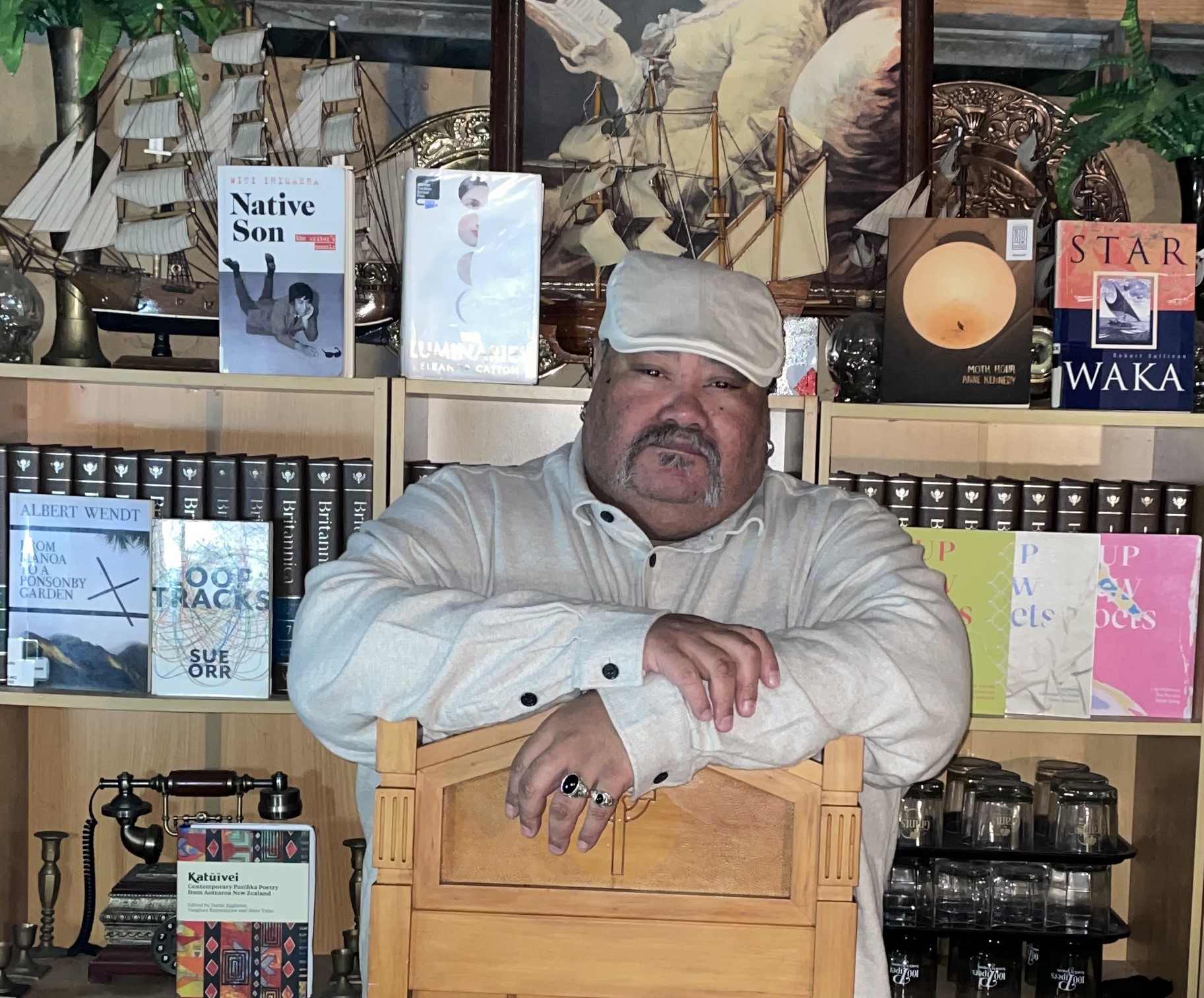
For some naïve reason (probably the years away from poetry), I thought that maybe if I went to writing school and graduated, I could call myself a true poet, not realising I had become one in my teens, just with no life experience. I was always immersed in old poets in my youth, but it was the wealth of NZ poets that caught me by surprise when I returned to school later on in life. I have always had a fondness for my teachers, all the way back to Primary School, especially English. I may seem biased in my choice, but I have continued learning from them, even a decade after graduation, through their books. I read Anne Kennedy’s Moth Hour last year and that was a wonderful respite from my own writing and contemplating another poet’s tribute to their loved one’s passing was a continuation of the healing process poetry can have. It was revitalizing. Over the new year, I read Robert Sullivan’s Hopurangi – Songcatcher: Poems From The Maramataka. If you were taking a walk together listening to him recite his book, you would not have realized you just walked over a mountain, across a beach and into his garden, as if his words had carried you along the journey. What better textbooks do I need and who better to learn from. These two poets also encouraged me not to quit and to submit my work, so I am grateful for that.
We are living in hazardous and ruinous times. Can you name three things that give you joy and hope?
My children making it through adolescence, becoming young adults and then watching them have children. I truly believe that grandchildren are your second chance to make up for your parental mistakes and bring you even closer to your children later on in life. Things that can’t be forgotten can always be forgiven and I find solace in that and the future looks far more kinder through them.
I am in awe of NZ poetry and writing. The old bards still trailblazing and the young amazing talent coming out from the biggest cities and smallest of towns. The ever-changing voices of the poetic landscape gives me a great sense of pride and I would be quite happy to read only NZ poetry for the rest of my life. That’s what I did during the lockdowns, in books and online, from a school boy to the NZ Poet Laureat, from a farm girl to a MNZM recipient. It was a truly awesome lockdown for me to discover all these special voices, who I know have made a difference in this world.
Aotearoa is a melting pot of culture, especially in Auckland and it is great to have all these ethnic celebrations to experience. The Pasifika Festival is back on with vibrant noise and the food is a celebration in itself, along with the many cultural and fine food festivals around the country. Matariki is a chance to visit local attractions and vistas. Polyfest is still going strong, the Chinese New Year festivities are a spectacle and I still want to experience my first Holi festival. I never seem to miss St Patrick’s Day though, being fellow “Islanders,” and all, even if I’m just celebrating at home. My grass is green.
J. A. Vili is an Auckland-based poet of Samoan descent whose poetry often advocates for suicide prevention and mental illness support. He dedicates poems to friends and to his children who lost their mother at a young age. Vili holds a bachelor of creative writing. His poems have appeared in Ika journal and Katūīvei: Contemporary Pasifika Poetry from Aotearoa New Zealand (Massey University Press, 2024).
In a dark red night, in a light tight box seconds develop into past particles, a dream of seizing time. In the light tight box the world is closed to sound & everything a picture.
The heart sees in wide angles & thinks in slow/fast shutter speeds Each beat a click of the shutter freezing a moment. Freezing a movement.
The camera is a birthday gift, not once but twice.
The camera can break.
This could be a fact or myth, it could be nothing at all-the heart can think for itself.
On a night like a yellow apple, the air is purple and wanting, the heart is electrical -give me thunder, give me lightning. The heart is mechanical. Give me grease. Everything divides by one.
Give me a match, a candle. Give me something to set this heart alight.
Give me a roll of film – B&W or colour, Let me weave through the chamber Let me follow your every move
If the camera is a room, the heart is also a room:
Sometimes the kitchen, dishes left unwashed in the sink, as if this lazy person left in a hurry. Sometimes the attic – furnished with paintings of ships in stormy seas, an old naval uniform, footsteps dragging across the floorboards after dark. Sometimes a bedroom with light streaming in through the half closed curtains last night’s clothing strewn on the floor.
Sometimes the heart doesn’t know where to begin Sometimes the heart is a second thought.
The heart is a confidential informant
The heart contains a small bird. That is to say the heart is a bird cage. The camera snaps the small bird in flight. Caught, captured. A bird in the heart is worth two in the bush.
The heart sees you, like the camera sees you.
It sees you & me
& I am firefly without wings You are here, you are here I take your photograph My heart it sings, it sings
Jo McNeice
Jo McNeice completed a MA in Creative Writing at the International Institute of Modern Letters, Te Herenga Waka-Victoria University of Wellington in 2013. Blue Hour, was published by Otago University Press, 2024. Her poems have been published in Turbine|Kapohau, Sport, JAAM, Takahe and Mayhem. She lives in Te Whanganui-a-Tara.
The moon will be here before I say cheese and crackers and I am wishing in vain for feather down sleep
It’s almost dawn There’s a pheasant on the lawn My mouth is dry The first light feels magenta
Today I will read Claire Keegan write a long shopping list visit the hospital read Anna Jackson’s poetry
This is not a poem it is a tree
from The Venetian Blind Poems
I was going to let my seventieth birthday slip by with little more than a bowl of comfort Moroccan soup, not the usual extended family lunch or dinner feast. But on Wednesday Jackson McCarthy sent me the most wonderful email in response to my invite for a Monday poem. I loved it so much I felt other people would love it too – how many of us are struggling in these tumultuous times, our hearts breaking every morning at the daily news from Gaza, the Ukraine, the choices of our inhumane Government. And how those of us who write, wonder how to write through the dark and the light.
Shortly later I got an email from Peter Ireland at the National Library in Te Whanganui-a-Tara Wellington. He had discovered an eye-catching photograph in the archives that might fit an exhibition he is planning. I loved this email gift.
After reading Jackson’s email, and stalling on the photograph, after musing on silence and light, poetry, protest and road trips, I felt so warm and comforted, an idea fell into my mind, surprisingly delightfully, and I decided to write a blog entitled ‘Beacons of Light’ to celebrate my special birthday. Seven beacons for seven decades. Peter and Jackson have given permission for me to include the letter and the image.
This miracle birthday.
one: my two blogs
My blogs have held on by thin threads over the past few years, especially as I read and write at the pace of a garden snail, my energy jar’s tiny, and each day a patchwork cloak of dark and light. Mostly light. Yet I harvest so much joy, energy, love and connections by doing Poetry Shelf and Poetry Box. A beacon of light, beacons of light. I am happy for review books to be sent – I can’t promise to review and feature them all, but I absolutely love travelling within the pages of new books.
The letter from Jackson:
Paula,
Thank you for thinking of me!
I’ve been following along with your recent posts and greatly appreciated yours and Bill Manhire’s Gaza poems. For me, it is the tough but urgent subject. I remember talking to Hinemoana Baker about the violent streak in some of her recent poems, wishing I could allow myself a voice or a kind of imagery able to face a genocide.
The truth is I can’t write about Gaza, but I can clear a space in the poetry for that suffering, a suffering that isn’t mine. I find it haunting my recent poems, which are concerned with dying, the city, dreams, and memory, albeit in oblique ways.
I keep thinking of Ben Lerner, his poems “No Art” and “Dedication” (the former of which I think you might love), and in particular this phrase from “Dedication”: “For the mode of address / equal to the war / was silence”.
But then I think again, of silence as ignorance, as violent in itself or consenting to Death somehow; as a kind of shroud of disinformation or apathy. I wonder if there are different registers of silence: the honorific silence that signifies mourning; the obliterating silence of a concert hall moments before music; the heartless silence of those who will not speak out; the lucid silence of what a poem, being a poem, necessarily occludes.
Basically, yes, I’d love to send you something for Poetry Shelf. And I’m very grateful for your blog’s little lifeline in dark times. The poem is called “Song”, and it’s attached to this email. I hope you like it.
Best, Jackson
two: libraries, bookshops, books
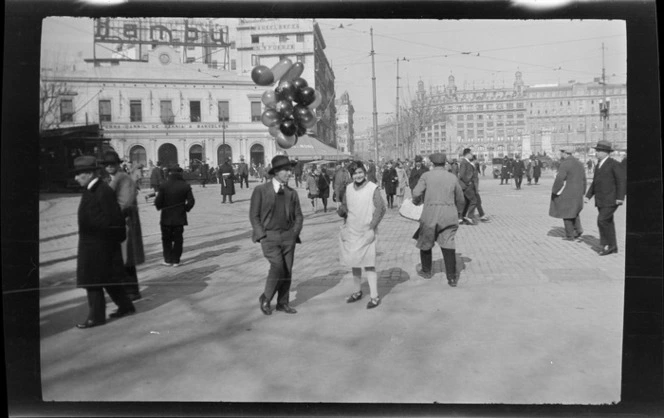
Pedestrians and a balloon seller, Barcelona ca. 1925 Photographer: William Williams Alexander Turnbull Library 1/4-100050-F
I have spent a number of years trawling in the archives over the decades, most especially when I was researching Wild Honey: Reading New Zealand Women’s Poetry, and most especially in the Alexander Turnbull Library in Wellington. What a treasure house. When Peter emailed this photograph I was transported back to the joy of discovery and curiosity. The image transfixed me – firstly it was a golden ticket to a road trip of another time. The light, the couple posing hands in pockets, the buildings, the quotidian pedestrian movement. Secondly it was a golden ticket to the time Micheal, Georgia, Estelle and I spent in fabulous Barcelona, on our extended road trip in Spain, Portugal and Ireland. Ah. I fall into a reverie of road trips.
And herein lies the delight of my second beacon of light – the way books are an essential form of travel. I haven’t yet been into a bookshop physically, but have sustained myself ordering books online. I am a big fan of Carole Beu and The Women’s Bookshop, Volume Books in Nelson, Unity Books in Wellington, and numerous bookshops in the Wairarapa. I highly recommend the NZ Bookhub as a way of tracking down books and supporting our local bookstores. My book parcel might contain a few novels, a nonfiction book, a cookbook, children’s books, overseas poetry. Instead of outings and travel, I splash out on reading.
And of course audio books. For those of us running on small jars of energy audio books are gold nuggets. I’ve been binging on Graham Norton’s books – he is a whizz at Irish accents, prismatic characters, twisty cryptic plots, and before you know it, you are back there in the embrace of Ireland. Oh heck Irish audio books full stop.
Every day I read poetry. New light that gleams from the review books stacked on my desk and the undiminished light in old favourites on the shelves in my poetry room. So many ideas sizzling for poetry in Aotearoa and in my own secret writing projects. As Poetry Shelf underlines, we are rich in poets and poetry books, poetry that moves, dazzles, challenges, comforts, sings, imagines and invents in a thousand and one ways. We can write poetry out of pain and love, simplicity and knots, music, mystery, old age, youth, experimentation, tradition, politics, confession, global turmoil, global healing, poetry that feeds the ear, the mind, the heart. Heck yes, we can write.
three: listening to music
Listening to music is full scale light, whether a beloved album on repeat or a favoured playlist. I love listening to whole albums. I recently read and loved two local poetry collections that prompted me to put an album on as I wrote the reviews.
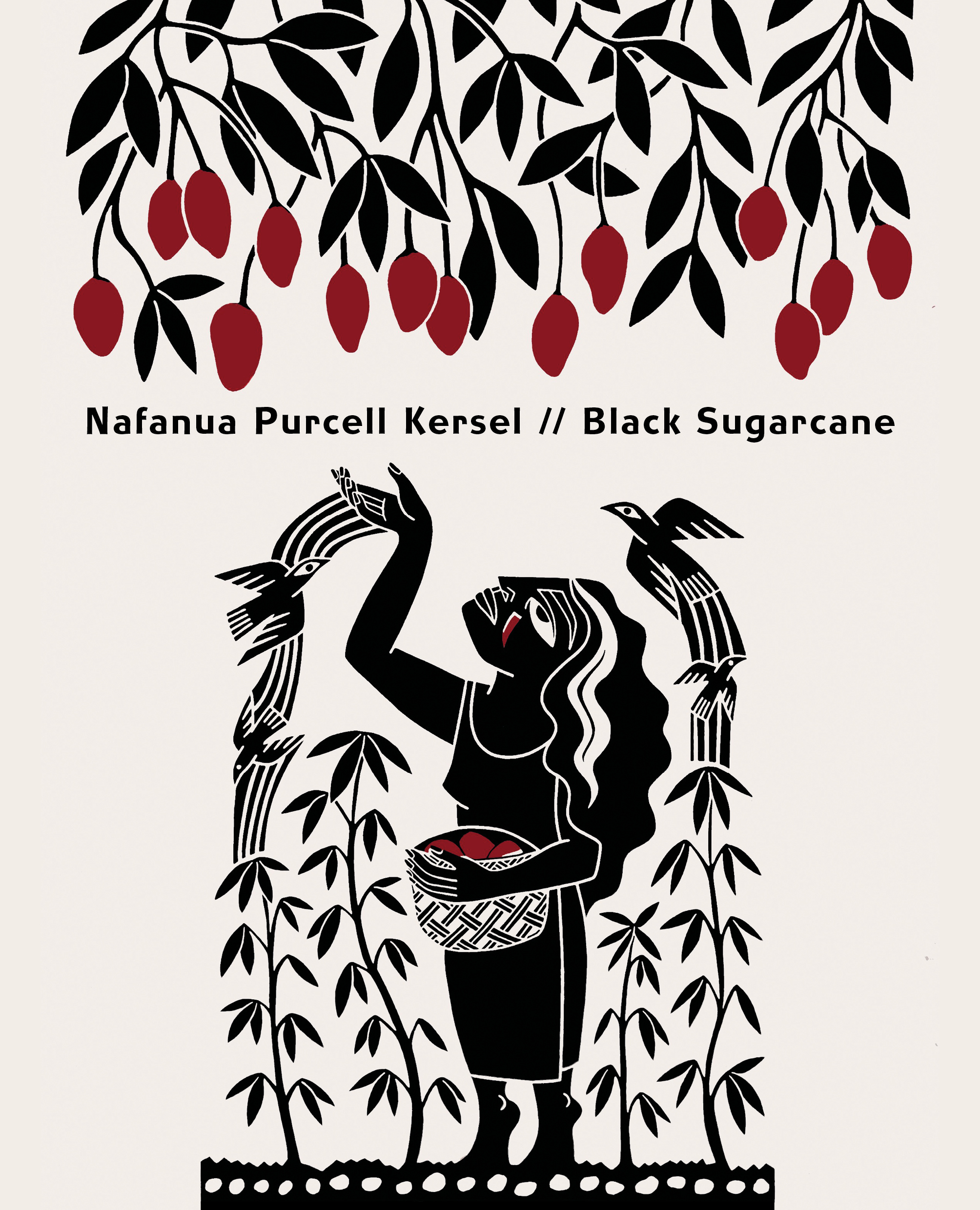
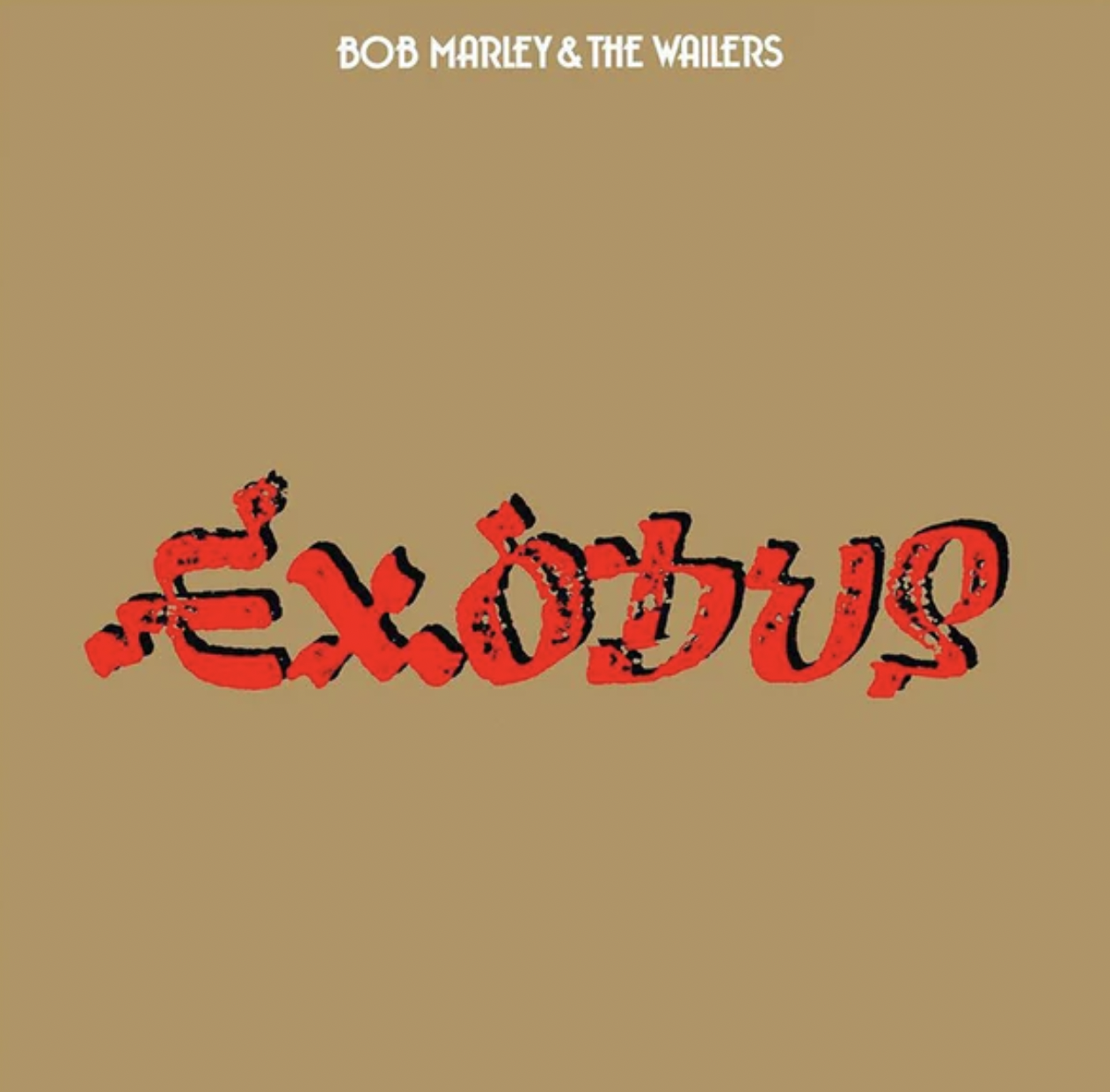
Bob Marley makes an appearance in Nafanua Purcell Kersel’s sublime debut poetry collection, Black Sugarcane. I am big fan of Bob, so put Exodus on as I was writing the review. Reggae is a go-to uplift genre for me at the moment, but it also takes me back to Western Springs in the 1970s when I saw Bob and his band one blue-sky Sunday afternoon. Ah. Those standout music gigs. The Rolling Stones also on 1970s Sunday afternoon. Hearing Nina Simone at Ronnie Scotts in London, being right up the front for Prince’s astonishin final concert in Aotearoa, hearing opera diva Alessandra Marc at the Aotea Centre. My review and Nafanua reads here.
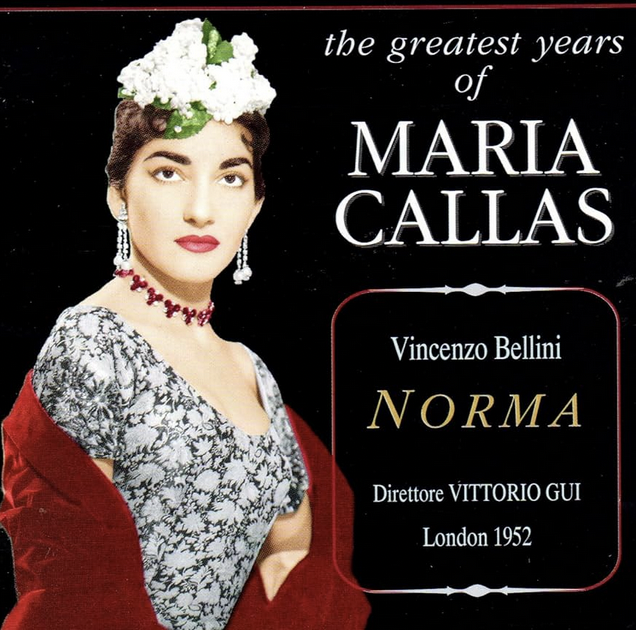
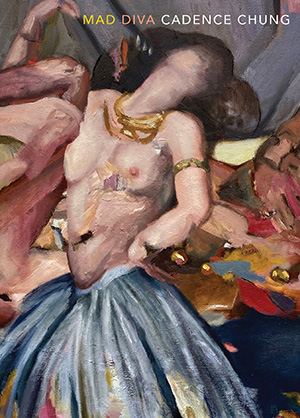
When I was reviewing and loving Cadence Chung’s brilliant Mad Diva, I played the opera Norma with Maria Callas singing. Have a listen to ‘Costa diva’, Hairs on end. You can read my review and hear Cadence read.
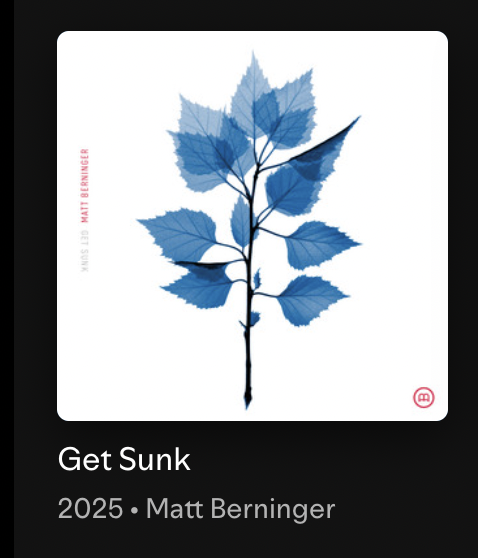
My daughter Georgia and I are big fans of The National (she went to concerts in Europe, USA, Australia and here), a band that has been a go-to listen for me this year, along with Reb Fountain, Marlon Williams, Boy Genius . . . and a bit of Bach, especially violin partitas, Lucinda Williams. Ah the joy of delving into the hundreds of albums I have amassed over the years. And yes! Georgia has just gifted me Matt Berninger’s solo album, Get Sunk.
four: food
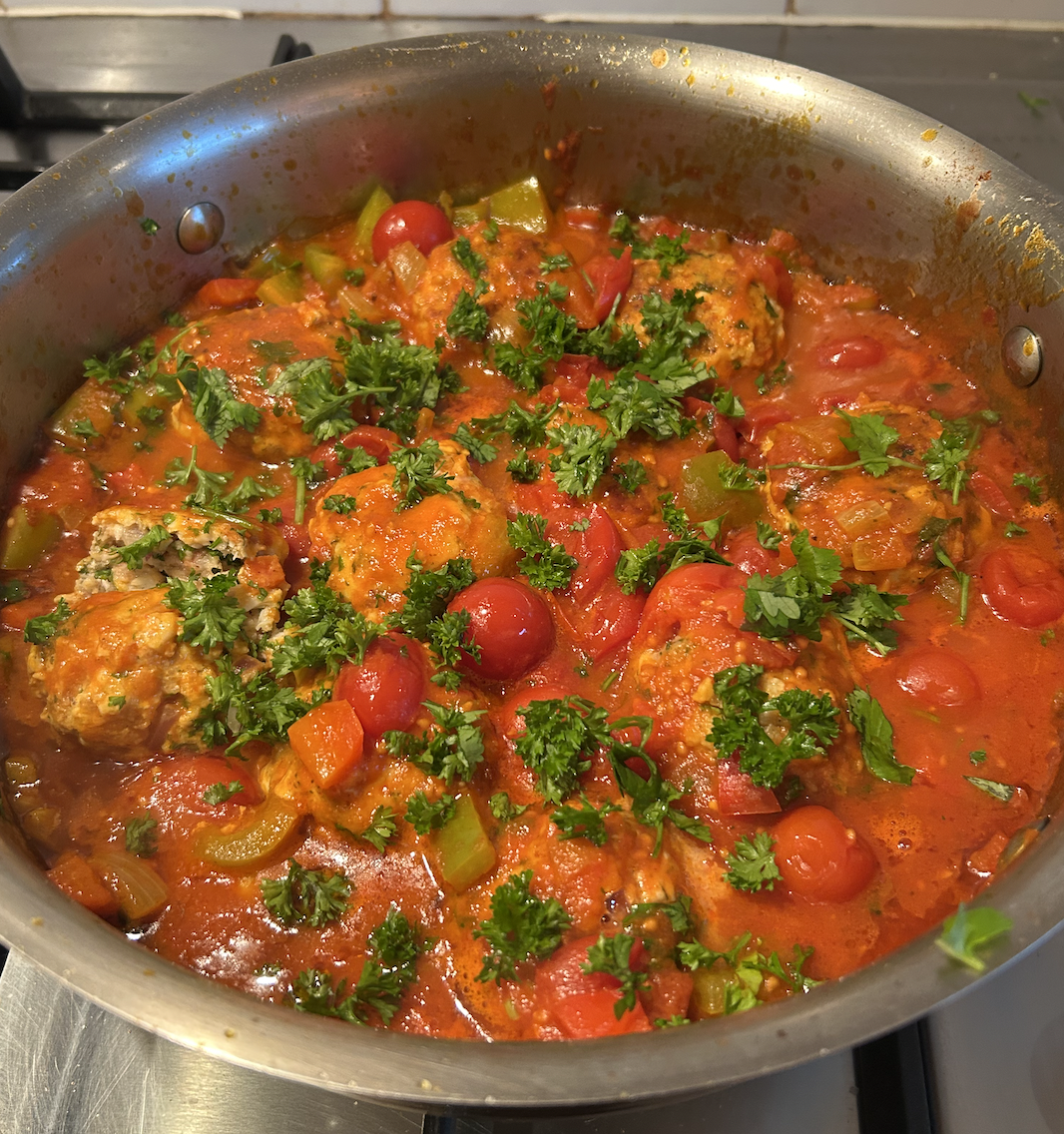
Moroccan fish tagine
Food is also a form of travel, returning me to my favourite cuisines, favourite road trips. Even if I can’t eat banquets, I can nearly always cook. Daily bread. A meal, a soup, a baked treat. Food can be simple, nourishing ingredients, tasty combinations and easy to prepare. At the moment Moroccan, Spanish and Indian, with a serving of Italian is on my frequent playlist.
Fish tagine
saute one onion slowly, season add two tablespoons of rose harissa spice paste add sliced carrot, orange kumara and green pepper chunks add a few cups of stock of your choice maybe add some halved plump dried apricots or green olives simmer for at least thirty minutes add chunks of fish and cook for 5 minutes or so sprinkle chopped herbs – coriander, dill, parsley
recipes are stepping points – change the spices, the protein just like poems! We make them our own.
note: the tagine in the photo uses tomatoes, carrots, celery and green olives
five: looking at art
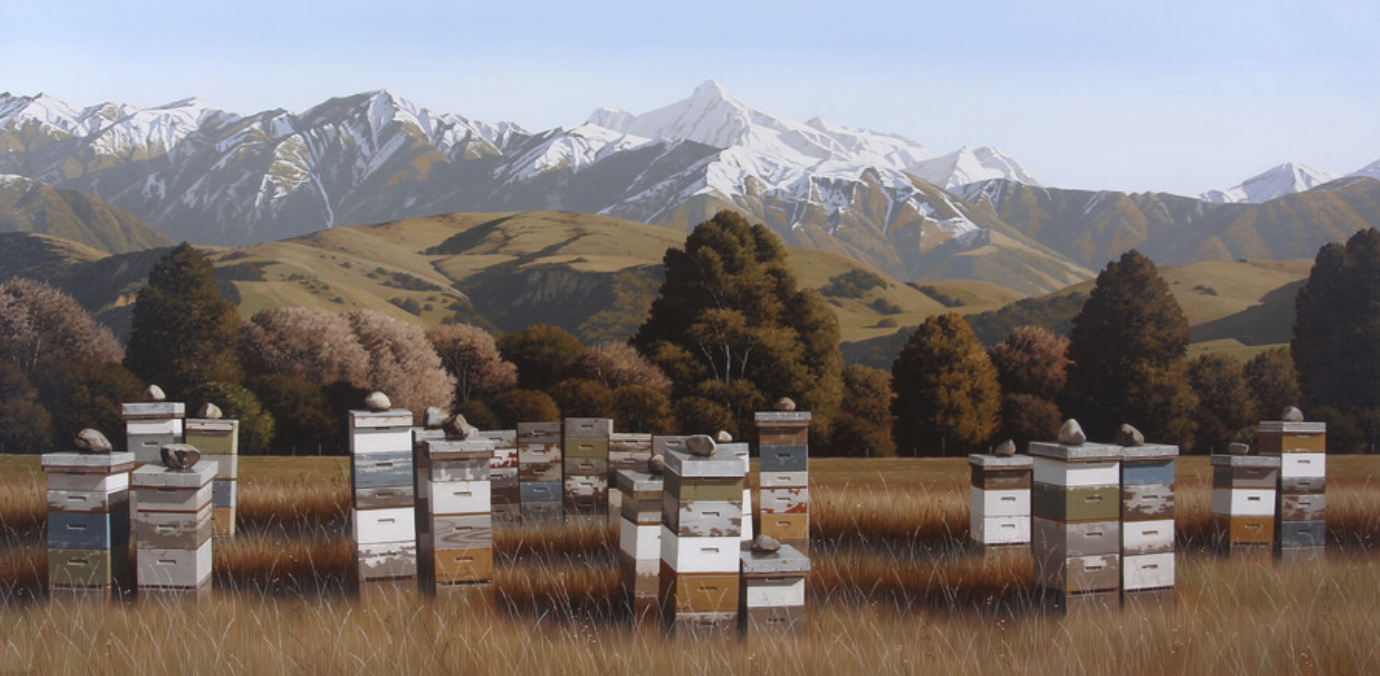
Michael Hight, ‘Tapuae-o-Uenuku’ (2021), oil on linen, 915 x 1830 x 33 mm Private collection
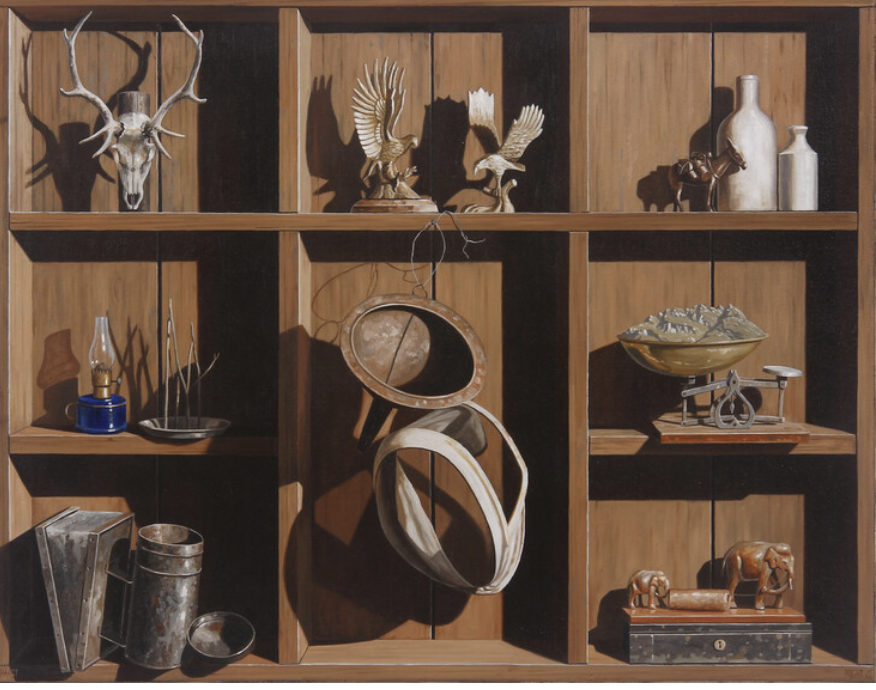
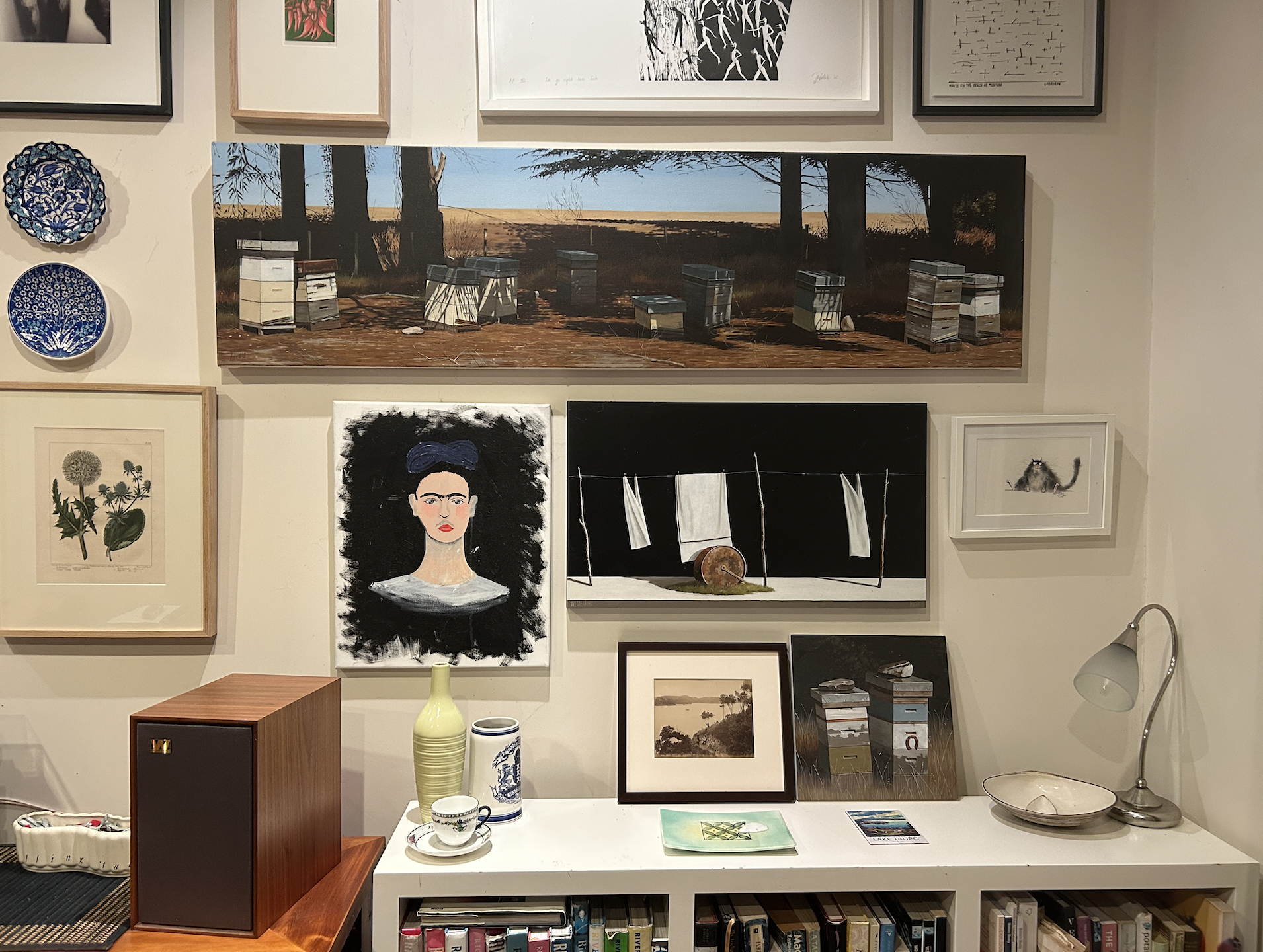
Yes, you got it, art is also a form of travel, an elevation of spirits and mind. I am such a fan of art with heart. Art that makes you both feel and ponder something. I have lived with an artist for almost forty years. To be able to walk into his studio and fall into one of his sublime paintings, incandescent with light, is worth a thousand and one road trips.
Michael Hight, ‘Haast’ (2021), oil on canvas, 551 x 704 x 34 mm Private Collection
From the kitchen table I get to travel with some of Michael’s paintings on the lounge wall, and the portrait of Frida my daughter Estelle did for me.
six: writing
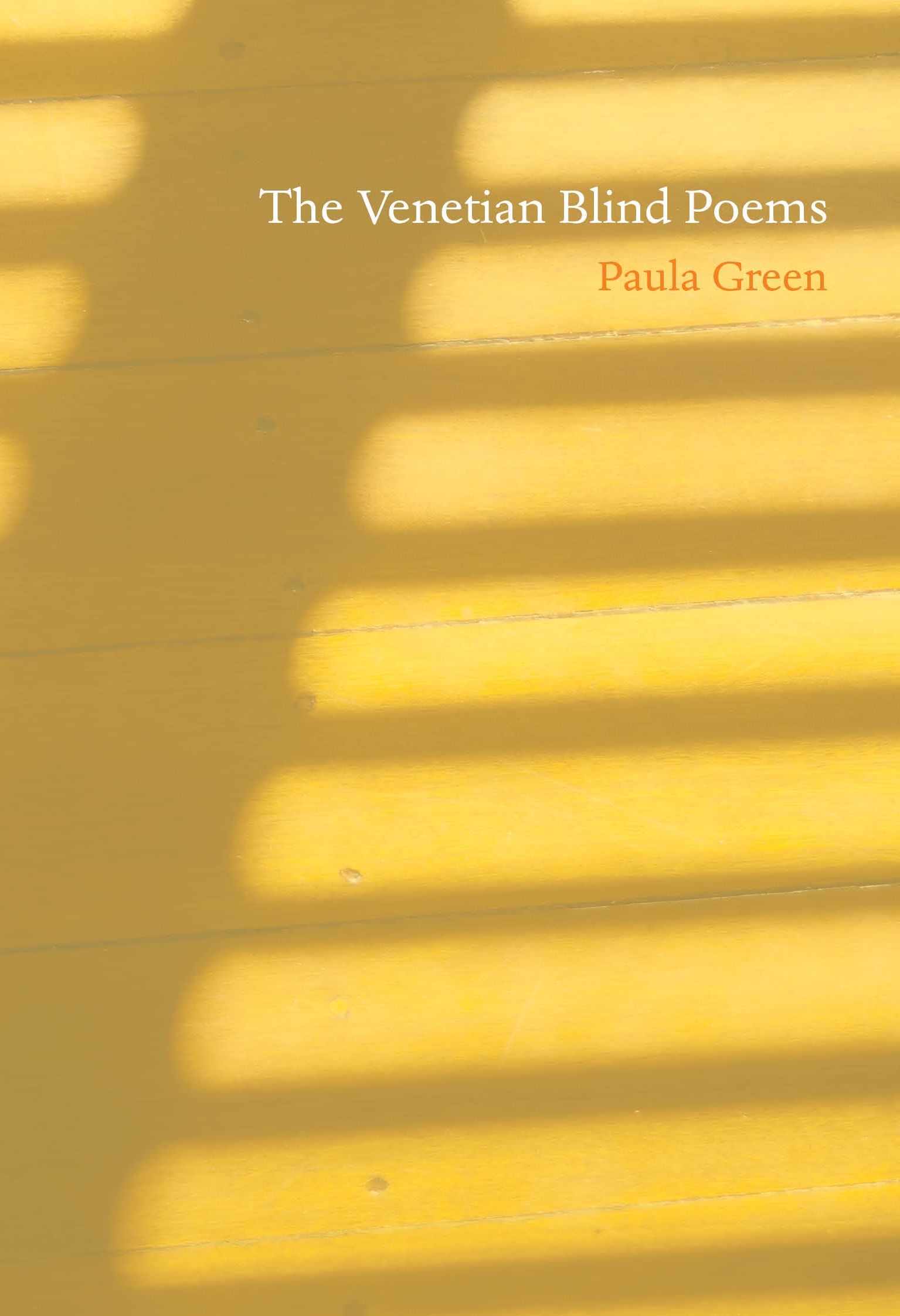
Writing is not work for me. Writing is survival. It is love. Connections. I have written many different things over the last few years and my manuscripts and ideas are all at various stages. But one of them, The Venetian Blind Poems, will be published by The Cuba Press in July this year. It has been a joy working with two fabulous book-lovers, Mary McCallum and Paul Stewart. I wrote the first part of the book in my head when I was in Motutapu Ward having my bone marrow transplant and the second part when I began my recovery back home and the wider world seemed so tilted.
Today there is the real wolf and the imagined wolf mixing up with an Airini Beautrais short story and missiles are dropping and children are starving and I can only do one day at a time, and The National is singing and there’s a midnight moon in the dead of the night with the window wide open
seven: home, otherwheres
My seventh beacon of light and it’s hard to choose. So I find a quiet cushion and write down seven words that matter to me. I often ask poets to do this when I interview them, so I thought I would ask myself. Each morning I imagine a patchwork cloak of things I can do. Sometimes small patches, sometimes larger. The words I just have written down, are the words stitched into my day. After lunch I drape the cloak over my shoulders and dream. Maybe the umbrella word care fuels the beacons of light, beginning with the all important self care, and then moving onto caring for those nearby, and this beautiful broken astonishing planet we share.
Celebrate New Zealand’s poetic talent: Nominate a New Zealand Poet Laureate
Kia hiwa ra! Kia hiwa ra!
The National Library of New Zealand Te Puna Mātauranga o Aotearoa is seeking nominations for the New Zealand Poet Laureate Award 2025–2028.
Poetry is a quintessential part of New Zealand art and culture, and through the New Zealand Poet Laureate Award the government acknowledges the value that New Zealanders place on poetry.
The National Librarian Te Pouhuaki will appoint the New Zealand Poet Laureate after reviewing nominations and seeking advice from the New Zealand Poet Laureate Advisory Group.
Nominees must have made an outstanding contribution to New Zealand poetry, and be an accomplished and highly regarded poet who continues to publish new work. They must also be a strong advocate for poetry and be able to fulfil the public role required of a Poet Laureate. The role includes engaging with a wide range of people and inspiring New Zealanders to read and write poetry.
Candidates are expected to reside in New Zealand during their tenure as Laureate.
The term of appointment for the next Poet Laureate will run until August 2028.