
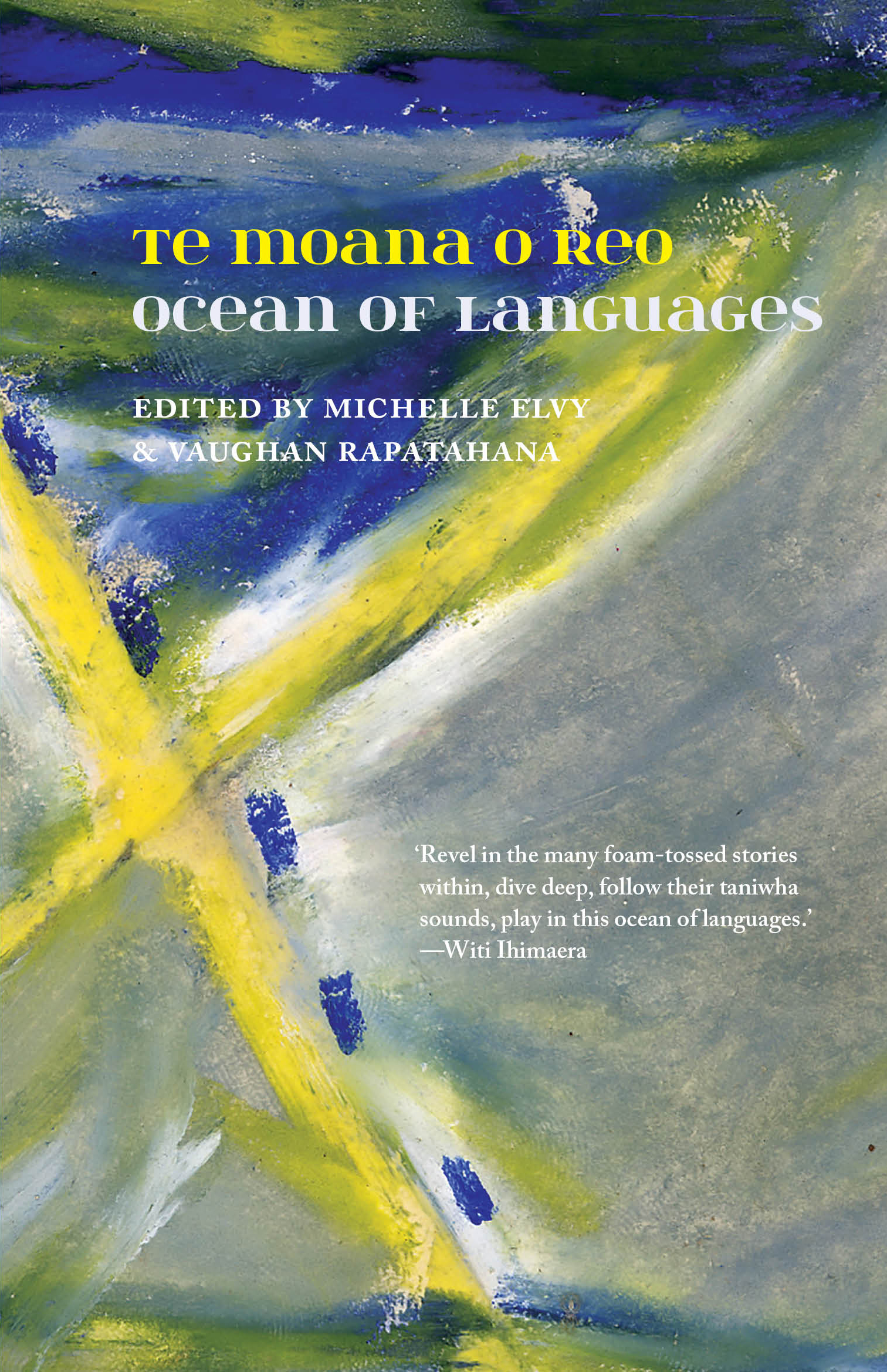
Te Moana o Reo: Ocean of Languages
editors Michelle Elvy and Vaughan Rapatahana
To celebrate the arrival of Te Moana o Reo: Ocean of Languages, I invited nine authors to read their introductions and their pieces in both languages (where applicable). I also gave the editors three questions to answer. To hear a language spoken is an uplift, to hear its music and rhythms, the word endings, the differing vowels and consonants, is aural nourishment.
I began my recent Margaret Mahy lecture on writing poetry for and with children by describing a scene. I was sitting in the shade at the beach cafe at Te Henga Bethells writing the lecture when an Italian family turned up. We started a conversation in Italian and it felt like the Italian room in my head at opened up again. There we were speaking of books and art and food and cities. And I felt alive with the Italian cadences. Just as I feel switched up a level when Scottish words and accents lead me back to my Scottish grandmother, my father’s linguistic heritage. Having spent over a decade at the University of Auckland doing Italian degrees, I have always felt this: we are what we speak as much as we are what we eat.
So Te Moana o Reo: Ocean of Languages, edited by Michelle Elvy and Vaughan Rapatahana is very special to me, this lovingly assembled anthology. More than forty languages come together, across multiple genres. As Chris Tse says on the blurb: ‘Although language is the common thread that binds these pieces together, the range of stories contained is as broad as the languages represented, each a surprising burst of colour and sound.’
Each contribution is prefaced with a tiny introduction by each author. There are twelve essays that reflect upon myriad ways language matters: how it connects, forges identity, is organic, the bearer of narratives, myths, history, genealogy, politics, culture, home anchors.
This is a book that will enlighten, set your ears and heart travelling, get you thinking, communicating, sharing. As Emma Neale says on the blurb: ‘This polyphonic, polyglot collection reminds us that we underestimate the small at a cost: the cost of joy and wisdom.’ Indeed. A storehouse of colour and sound, joy and wisdom. Settle into listening. Renee Liang’s terrific reading ends with the word ’embrace’, and that is the word I am offering you, a sublime anthology offered as warm embrace. Thank you.
The readings
Iona Winter
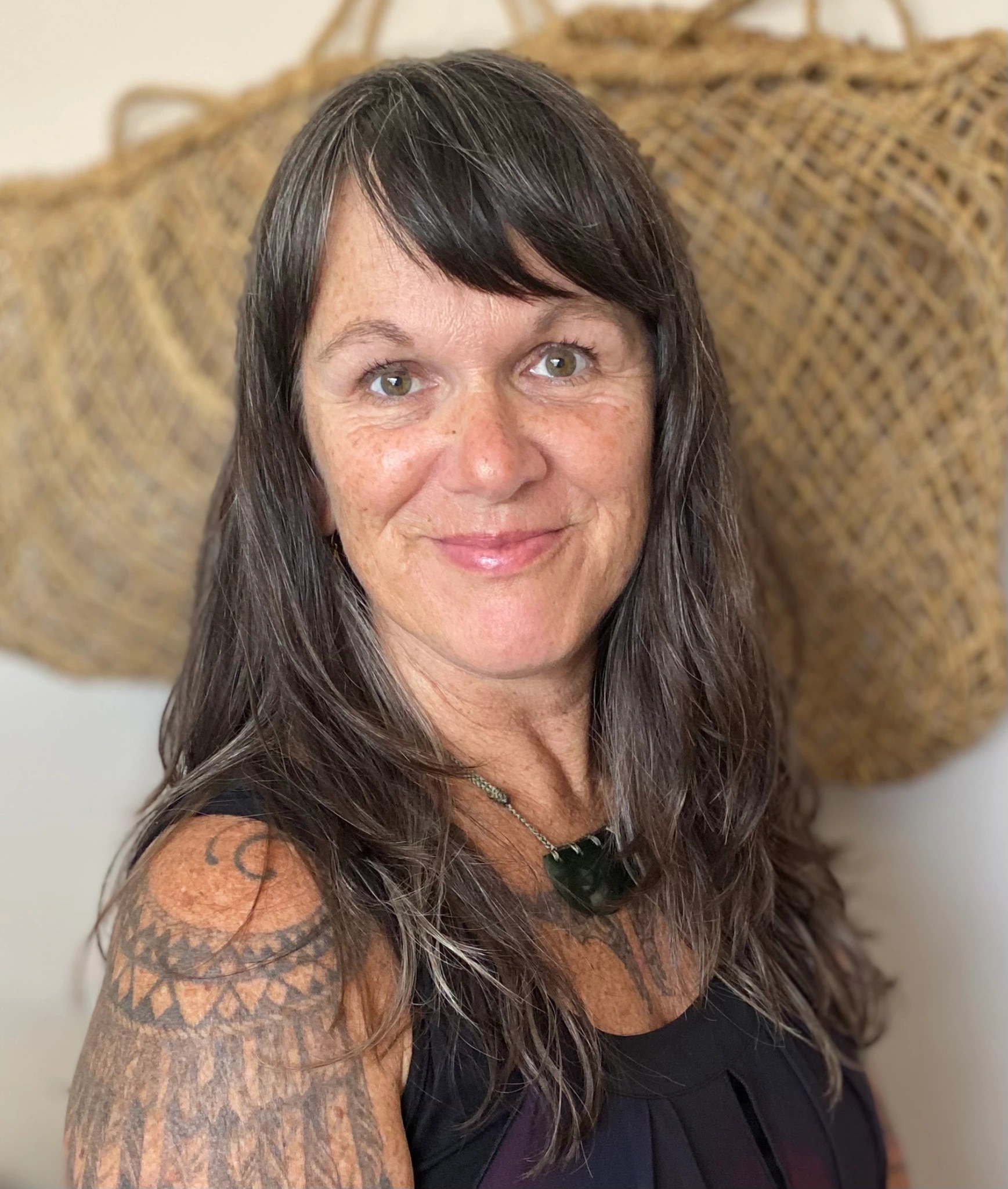
‘Tōrea’
Kay McKenzie Cooke
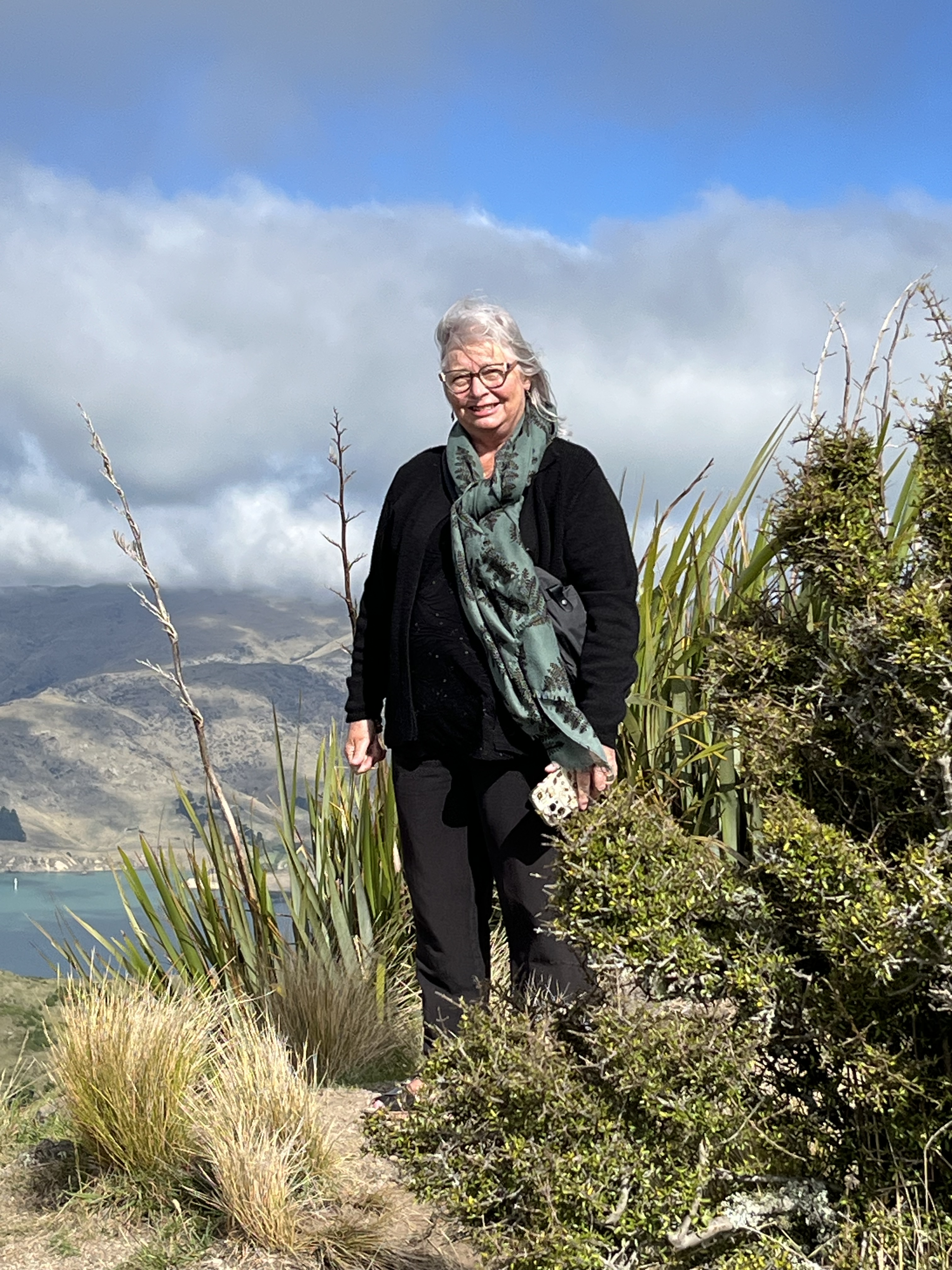
‘Language as Species’
Lynn Davidson
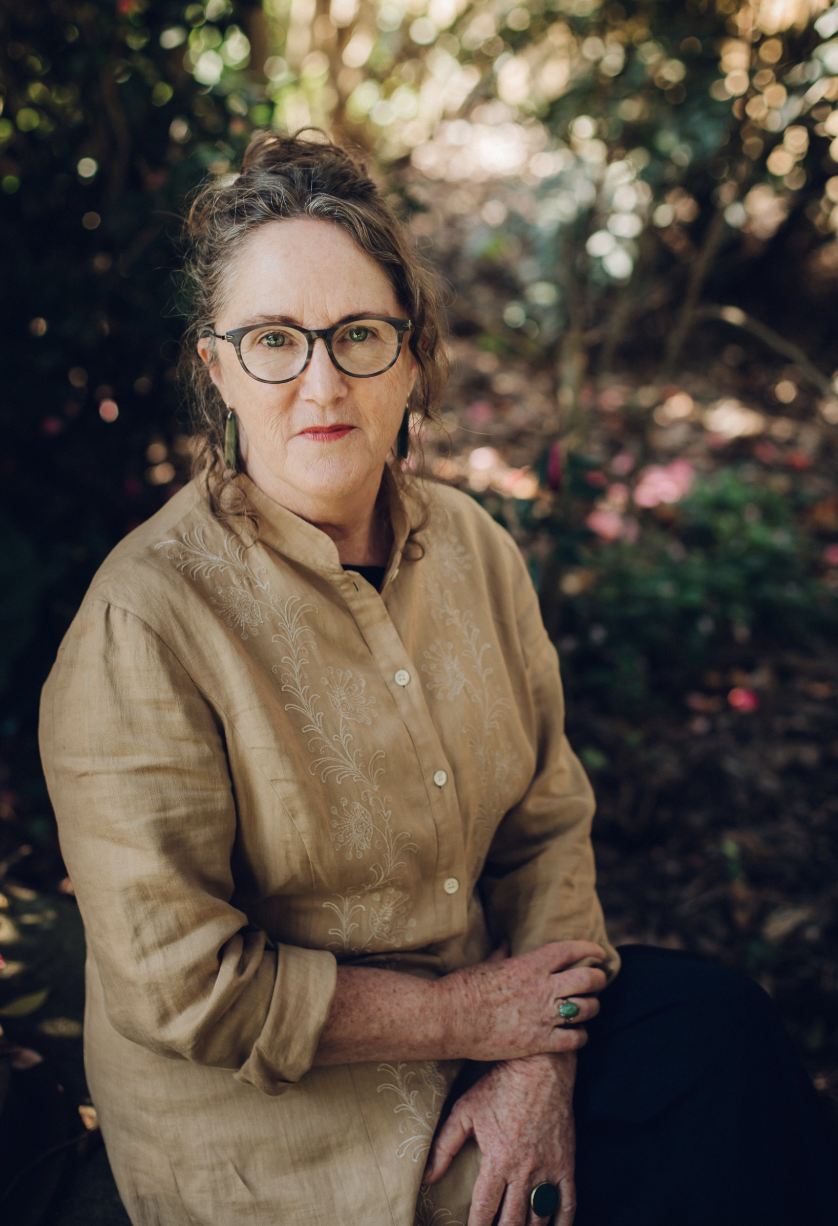
Lynn reads ‘When Yellow’s on the Broom’
Gina Cole
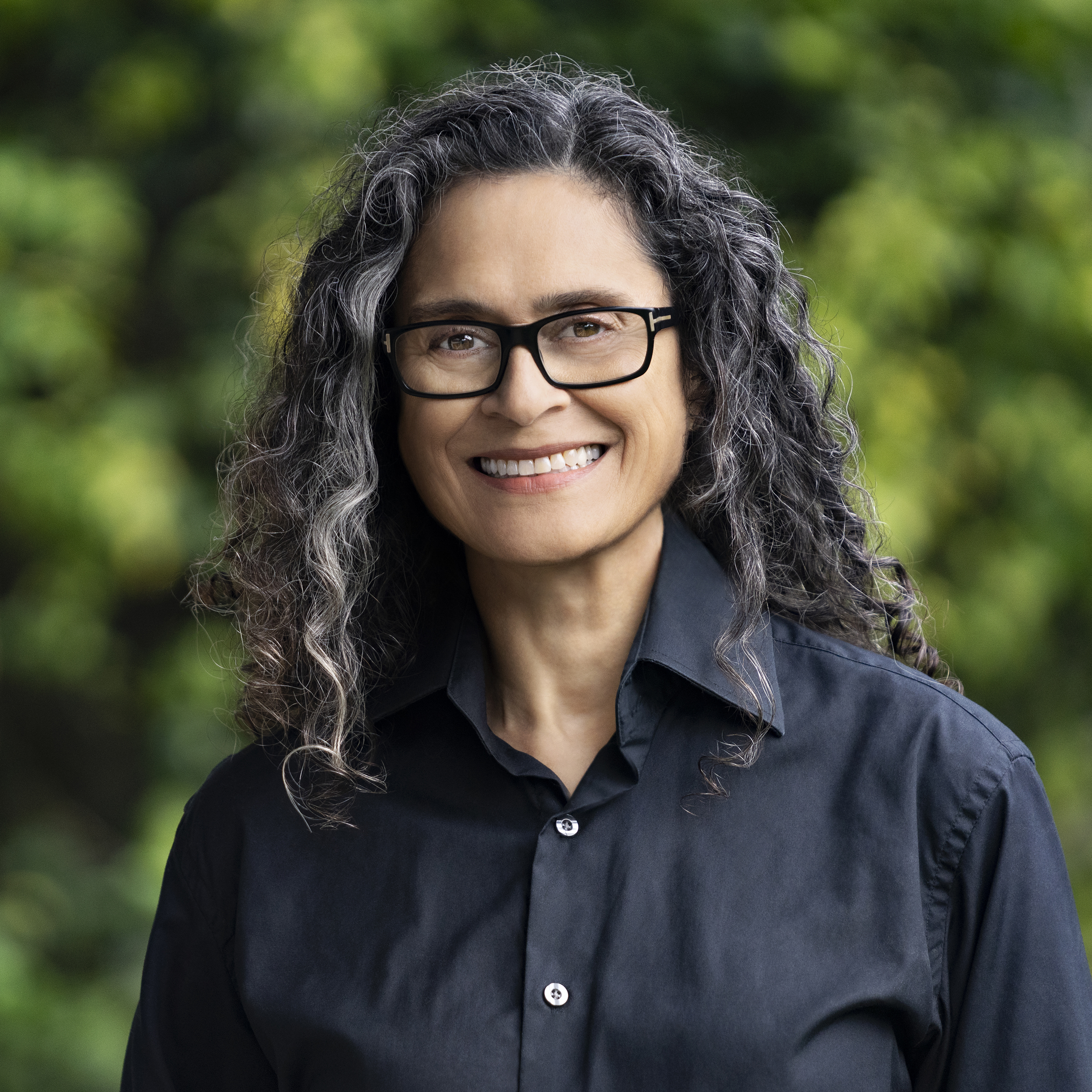
Gina Cole reads ‘na suluwanu e sega ni mate rawa’ ‘immortal deepstaria’
John Geraets
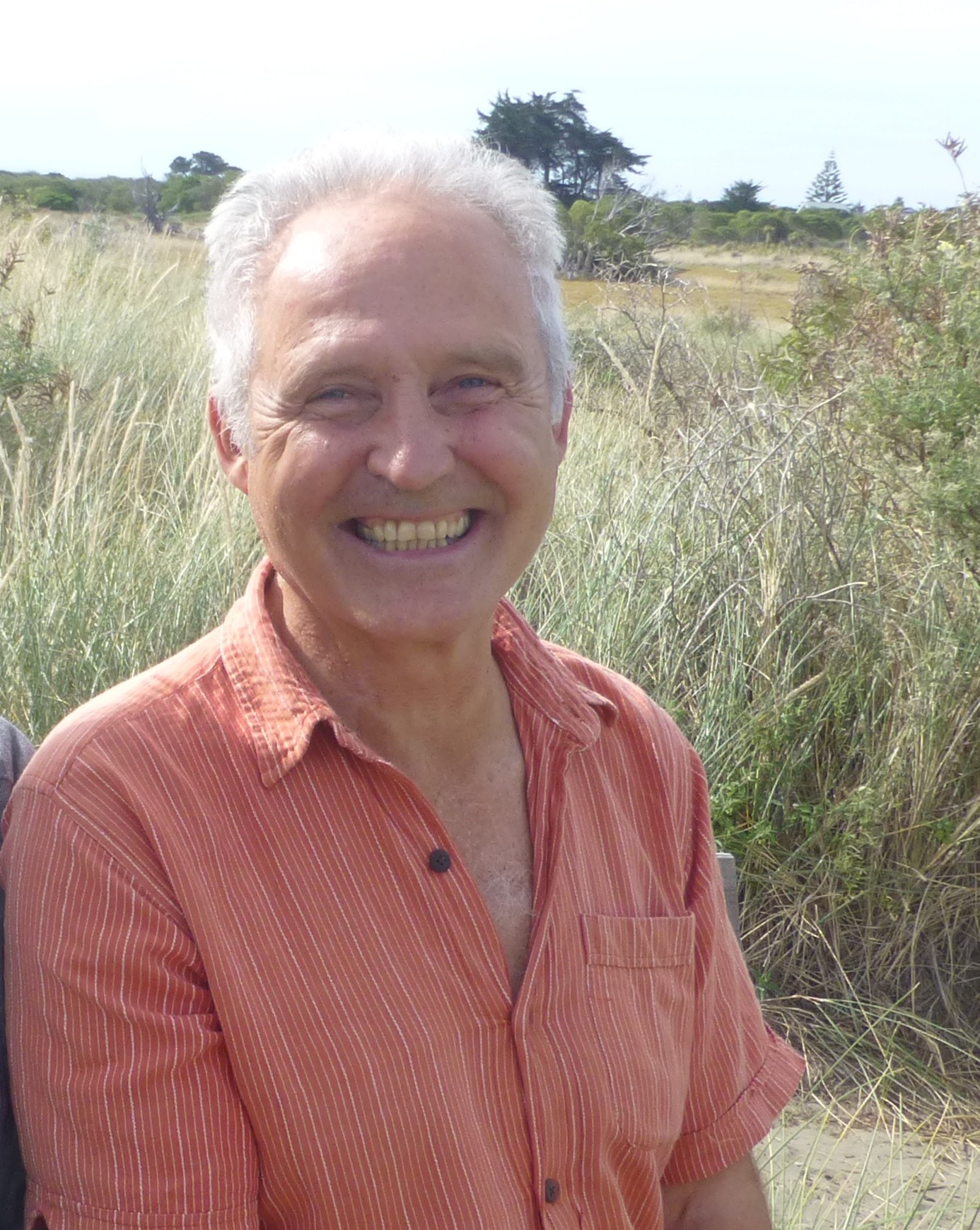
John reads ‘Whangarei Walks’
Mikaela Nyman
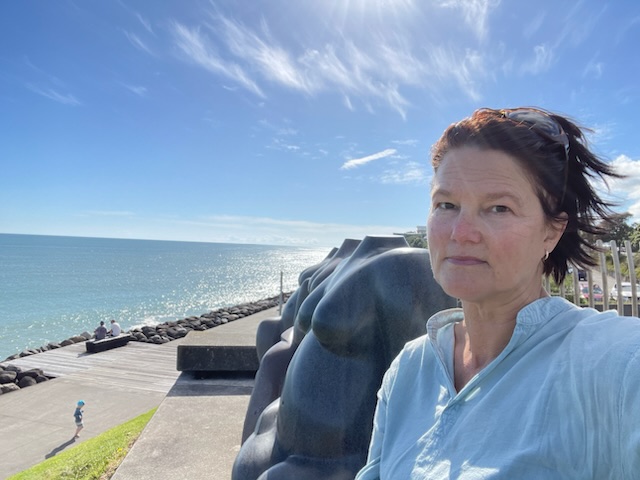
Mikaela reads ‘Hålla Fast’ ‘Holding On’
Nod Ghosh
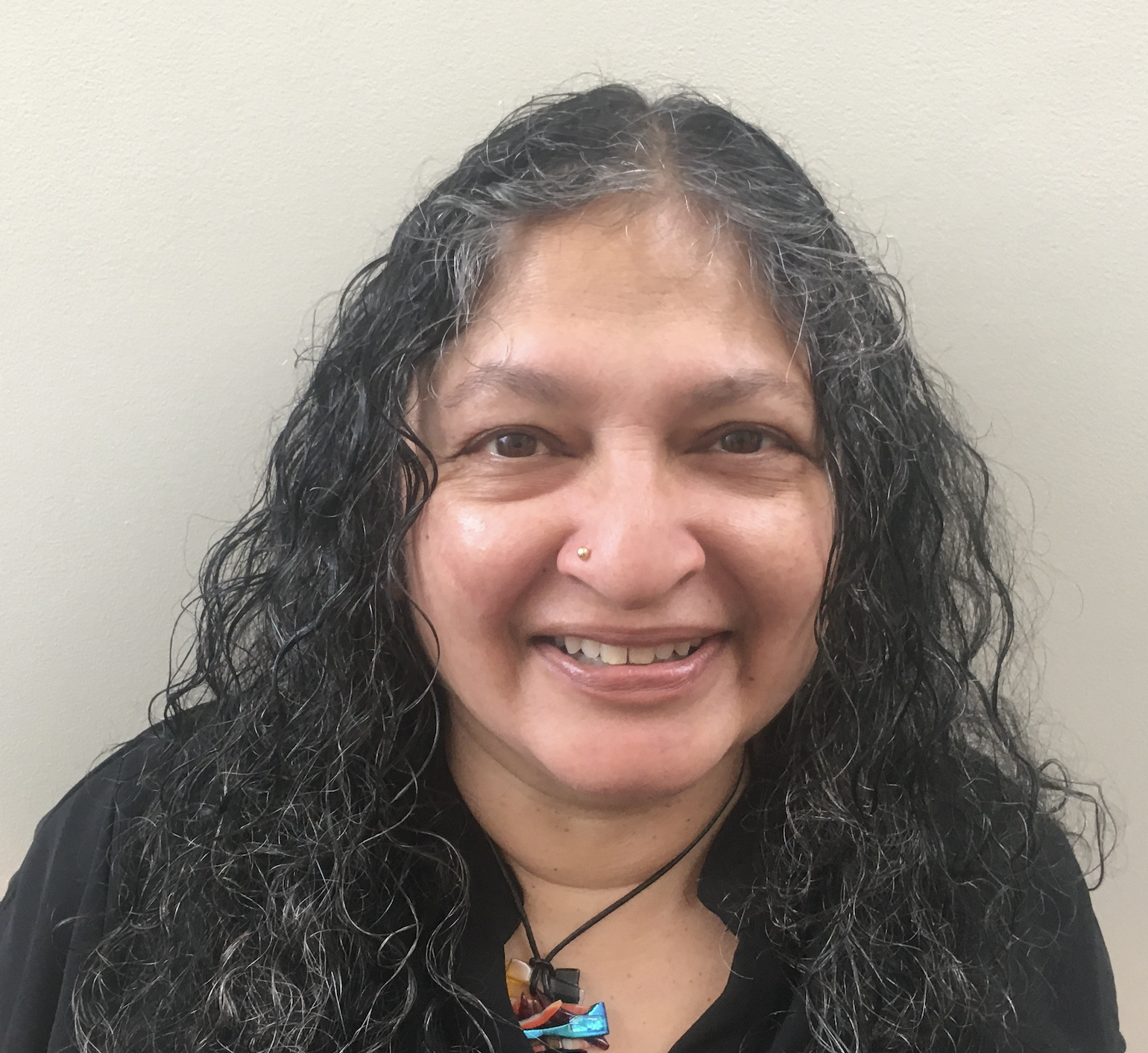
Nod reads ‘Kokrano Chul’
Serie Barford
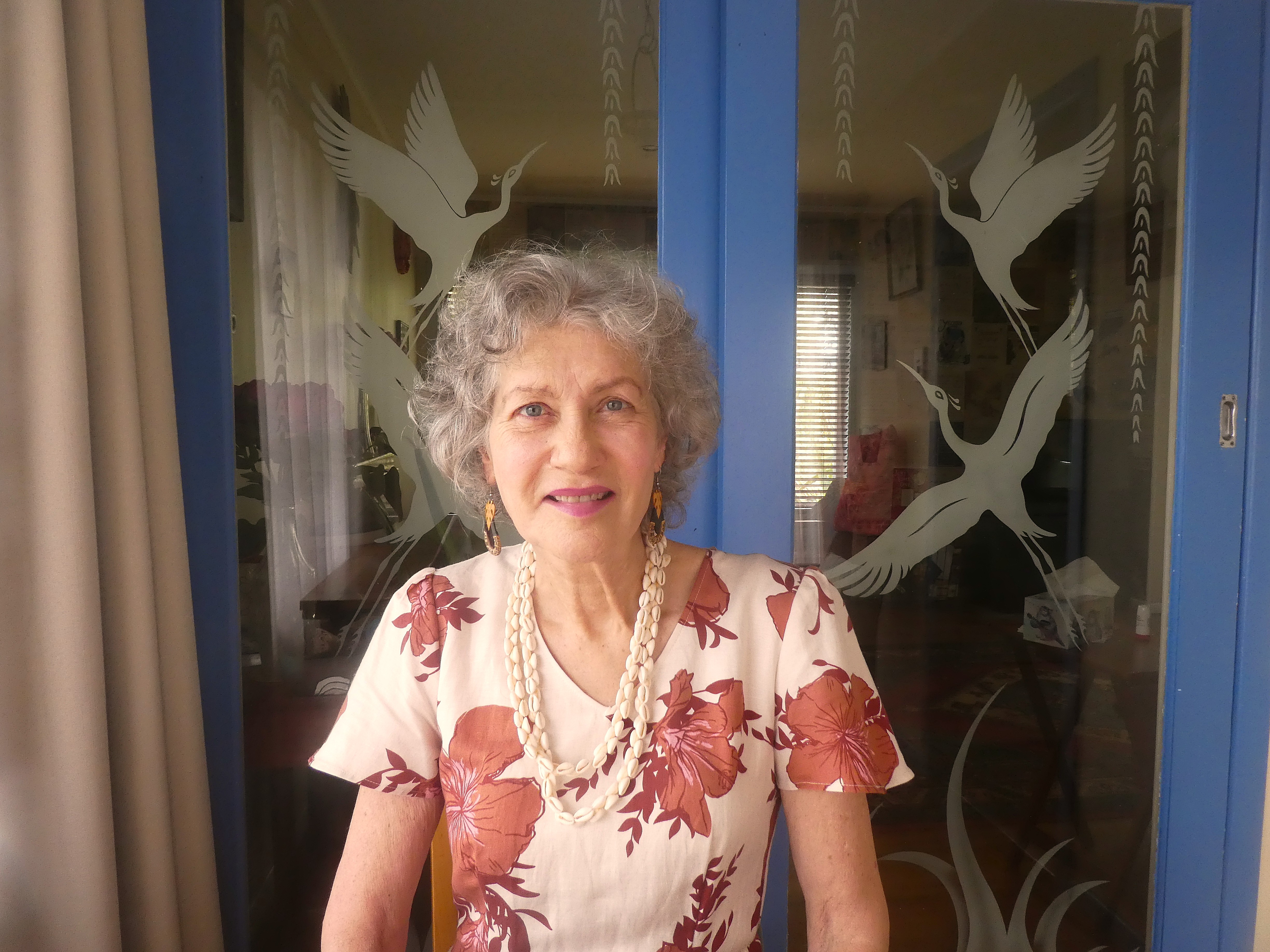
Serie reads ‘The Temptation of Apples’
Renee Liang
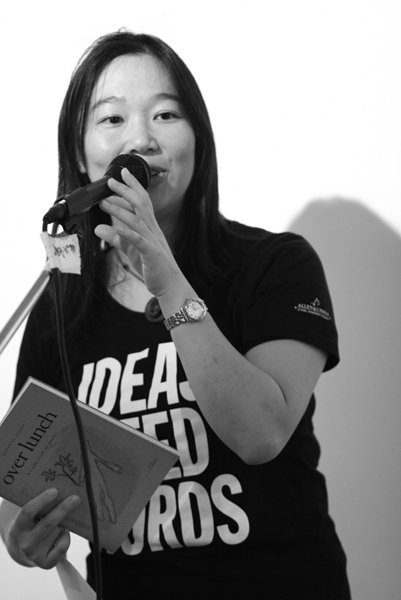
Renee reads ‘Embrace’
The readers
Gina Cole is a Fijian/Pākehā writer living in Tāmaki Makaurau. Her short story collection Black Ice Matter won Best First Book Fiction at the 2017 Ockham New Zealand Book Awards. Her fiction, poetry and essays have been widely anthologized. Her science fiction fantasy novel Na Viro is a work of Pasifikafuturism. She holds an LLB(Hons), an MJur and a Masters of Creative Writing from University of Auckland, and a PhD in creative writing from Massey University. In 2023 she was appointed a Member of the New Zealand Order of Merit (MNZM) for services to literature.
Iona Winter (Waitaha/Kāi Tahu) is a poet, essayist, storyteller and editor. She has several published collections of poetry and short fiction; most recently In the shape of his hand lay a river (2024). Her upcoming book A Counter of Moons, creative non-fiction speaking to the aftermath of suicide, is due for publication in 2024. In 2023, Iona founded Elixir & Star Press, as a dedicated space for the expression of grief in Aotearoa New Zealand. The inaugural Elixir & Star Grief Almanac 2023, a liminal gathering, included over 100 multidisciplinary responses to grief. Widely published and internationally anthologised, Iona creates work that spans genre and form, and lives in the Buller region.
John Geraets lives in Whangārei and his personal work plus a range of group projects can be found at johngeraets.com. His Everything’s Something in Place was published in 2019 by Titus Books.
Kay McKenzie Cooke (Kāi Tahu Kāti Māmoe) lives with her husband Robert in Ōtepoti with their tamariki and mokopuna living close by. She is the author of four poetry books and three novels. Currently, at the request of whānau, she is working on collecting memories into some semblance of order.
Lynn Davidson was 2021 Randell Cottage Creative New Zealand Writer in Residence. In 2023 she was Mike Riddell Writer in Residence in the Ida Valley, Central Otago. She had a Hawthornden Fellowship in 2013 and a Bothy Project Residency in the Cairngorms in 2016. Her memoir Do you still have time for chaos? was published by Te Herenga Waka University Press, Wellington, in 2024. Lynn calls Aotearoa New Zealand and Scotland home.
Mikaela Nyman is from the Åland Islands in Finland and lives in Taranaki. A critically acclaimed writer of poetry, fiction and nonfiction in Swedish and English, she was honoured to be the 2024 Robert Burns Fellow. As an adult, she decided to write herself back to the language universe she’d been born into.
She is the author of the climate fiction novel
Sado (2020) and co-editor of Sista, Stanap Strong! A Vanuatu Women’s Anthology (2021). Her first English-language poetry collection The Anatomy of Sand is forthcoming with Te Herenga Waka University Press in May 2025.
Nod Ghosh is a graduate of the Hagley Writers’ Institute, Ōtautahi Christchurch, and has had work published extensively in New Zealand and overseas. “How to Bake a Book”, a creative writing textbook with a difference, is due soon from Everytime Press. Further details on Nod’s other books can be found on the website: http://www.nodghosh.com
Renee Liang is a poet, playwright and essayist. She has toured eight plays and collaborates on visual arts works, dance, film, opera, community events and music. Some poetry and short fiction are anthologised. A memoir of motherhood, When We Remember to Breathe, with Michele Powles, appeared in 2019. In 2018 she was appointed a Member of the NZ Order of Merit for services to the arts.
Serie Barford was born in Aotearoa to a German-Samoan mother (Lotofaga) and Pālagi father. Her most recent poetry collection, Sleeping with Stones (Anahera Press), was shortlisted for the Mary and Peter Biggs Award for Poetry at the 2022 Ockham New Zealand Book Awards.
Questions for the editors
Editing an anthology can offer multiple joys as you scavenge your shelves, libraries and the archives for contributions across genres. What surprised or delighted or challenged you?
Michelle: I was delighted by how many authors took on the challenge to write something that held personal meaning (exploring family history and culture, traditions and frictions) while doing it with such intensity – the demand of the small form. Even the fictions are an exploration of our realities. The creative nonfictions blend so well with the small fictions, and this is a wonderful outcome of this book.
The challenges lay, first, in the attention to detail that was required with so many languages. Many people played a role, including translators and language experts who worked with the authors and editors, and then the font selections that happened on the design end. As well, there were challenges for the final presentation, beyond fonts: how to give space to each author and their commentary, plus their biographical information. We began with an idea for micros but each piece is supported by various parts, many of them presented with two languages. We also made the important decision to grant the needed space to each piece; these are not stories that can be crowded on the page. This book demonstrates how space can be a meaningful contribution to contents, and the designer gave careful consideration to all these aspects in this ambitious and beautiful collection.
Vaughan: I was/am delighted that there were so many willing participants, from a multitude of language backgrounds in Aotearoa New Zealand, who expressed themselves so articulately via a range of genre. Indeed, I was a little surprised by the plenitude of languages we – the editors – were able to include, realising along the way that there were/are still more tongues to wag, as it were!
I love how the anthology is prismatic in its reach. It feels absolutely vital we hold Aotearoa’s multiple voices and languages to the light. How what we speak matters. You have written an excellent introduction that responds to the question, ‘Why this anthology?’. What motivated you to create this rich gathering?
Michelle: It began when we hosted a Phantom Billstickers series for National Flash Fiction Day in 2022. Those posters included 10 writers whose work shines for the language(s) it represents, and they were shared nationally, also representing the varied geographies of the authors: Ivy Alvarez, David Eggleton, Vera Dong, Teoti Jardine, S J Mannion, Selina Tusitala Marsh, Neema Sing, Piet Nieuwland, Mikaela Nyman and Cristina Schumacher. That series inspired us to think further on this idea – we knew there would be many gems representing the many more languages of Aotearoa. And we were right: we put out a call for submissions and found many finely tuned works representing such a wide range of voices. We also invited some writers to send work so we’d have excellent balance between new voices and some of our already known poets and writers. Some of the pieces are previously published, some are new; the original 10 from the Phantom Billstickers series are also included, of course.
We state this in the introduction, which you’ve referenced: We live in an increasingly multicultural and multilingual society…. In the twenty-first century, we navigate an ocean of languages in this country. And so, we set out to tune in to the many languages around us, to hear how they might ring out on the page.
We wanted to create a book that would bring into focus just how multicultural our world is – and how this is the dynamic reality of Aotearoa. Little did we know then how this book might matter even more by the time it was published.
Vaughan: I must stress that the idea for this anthology, the constant driving force, was from my co-editor Michelle Elvy, who kindly invited me to join the project. I was more than happy to assist, especially as my own background has been so strongly emphatic of the need to realise that the English language or rather agents of it, is a veritable Hydra whereby Indigenous tongues have for so long been and continue to be usurped by it. All the more important for me, then, was to stress the viability and versatility and visibility of other languages in – and of course beyond – this country. Tēnā koe mō tēnei kōwhiringa a Michelle.
You both write terrific poetry. Go voyaging in poetry oceans. What matters when you are writing a poem? Does it change things when the world is so awry?
Michelle: Thank you! The world is off-kilter these days, yes. How to write in such a time? For me, poetry offers a space to consider our world in both real and imagined terms. It’s a space where we can express direct observations as well as intentions, or desires. In a class just this week, we were talking about working at the ‘edges’ and how this opens possibilities. The most interesting, and most gratifying, thing is to see how we can hang there on the edge, sometimes a sheer cliff; we sense the vertigo, the off-balance nature of things, yet find a way not only to express it but to live in it. Uncertainties permeate our world; poetry offers new spaces for those voyages you mention. I love that idea of poetry oceans; it implies calm and storm, and poetry allows for all of it.
Vaughan: For me, writing a poem is almost always a vital existential action, a form of personal solace. Penning a poem for me is akin to breathing. More, doing so certainly enables better navigation across this Antipodean cultural ocean, as well as the cultures I am fortunate to also take part in when back in Asia for long periods. By the way, I do not subscribe to the point that the world is ‘so awry’. Complex, contradictory, exasperating at times – but this is an historical constant, where poetry can be, should be, panacea.
It is on my mind every day. How to navigate this toxic world? What gives you joy? Hope?
Michelle: We can find joy in the quiet. We can find joy in the spaces between us. We can find joy through collaborations and connections. We can find joy in the act of sharing. For me, joy comes when there are no other distractions – it’s often private but sustaining. This is a noisy world, with baffling and destructive forces all around us. And so: I find joy in small, good things. Which brings me back to this ocean of languages.
My hope is that people will pick up this book, share it – and find ways to think more deeply about who we are and about why our many voices matter. My hope is that beyond a single book there is a much bigger message. With the threats against individual freedoms, with the attacks on spaces where we express ourselves, this is a book for our times. (In my dreams, I fly across the US and launch a coast-to-coast book drop. I’d skip Texas and Florida but collaborate with the Little Free Library and their efforts to counter the banned books policies.) My hope is that this will sing out as an important chorus from Aotearoa New Zealand. It’s something vital, I think.
Vaughan: Again, I do not believe that this is a ‘toxic world’. There is so much to be thankful for. In my own case, it is still being alive after my recent diagnosis of high-grade cancer and the ongoing treatments. Joy and hope spring from seeing another sunny day; being with my wife and our whānau – including our dog; being supported by many; laughter; nga karakia me nga inoi te wā katoa.
Michelle Elvy is a short story writer, poet, editor and teacher of creative writing, working across many genres. She is founding editor of Flash Frontier: An Adventure in Short Fiction, and her anthology work includes, most recently, Ko Aotearoa Tātou | We Are New Zealand and A Kind of Shelter Whakaruru-taha. Her books include the everrumble and the other side of better. She has edited numerous anthologies, including the forthcoming Poto! Iti te kupu, nui te kōrero| Short! The big book of small stories, edited with Kiri Piahana-Wong (MUP). She is currently sending a weekly poem dispatch rom the USA to post on Poetry Shelf.
Vaughan Rapatahana (Te Ātiawa, Ngāti Te Whiti) is a poet, novelist, writer and anthologist widely published across several genres in both his main languages, te reo Māori and English. His most recent collection as co-editor is Katūīvei Contemporary Pasifika poetry from Aotearoa New Zealand (Massey University Press, 2024). Co-edited with David Eggleton and Mere Taito. Vaughan has embarked upon a long term critique of agents pushing the English language globally, as is evidenced by his inaugurating and co-editing English language as Hydra (Multilingual Matters, Bristol, UK, 2012) and Why English? Confronting the Hydra (Multilingual Matters, Bristol, UK, 2016). A book he considers his most important book is this year’s Sexual Predation and TEFL (Teaching English as a Foreign Language) (De Gruyter Brill, The Netherlands) for which the link is here.
The Cuba Press page
 NZ Poetry Shelf
Pingback: Poetry Shelf 2025 highlights (or some summer reading and listening) | NZ Poetry Shelf