I want to lean in to uncynical joy eat fruit when my mouth craves fruit I will let my body sleep for as long as it needs I will have a cry in the back room of Café Laz go out the first warm day after a cold snap and remember what it is to be careless with my body heat to not have to clutch at it
peel off the layers one by one expose the soft hairs at the nape of my neck my mind half an orange every drop of juice squeezed from it the good plant shop down the road closed and another plant shop moved in I walk past it on my way home give a little wave to the driver who lets me cross the street stuff newspaper in the toes of my boots and hope they are dry by morning when I drag myself from sleep to a little cat breathing fish breath on my face she’s checking that I haven’t died in the night if you believe the videos on the internet
the world is my husband and I am a good wife I air out the sheets on bright days drink coffee on an empty stomach until I feel real or at least more real than my baseline think about gone girling myself and my main concern is who will continue to feed the cat I’ve never even seen the movie I just live in the world and now it’s inside me
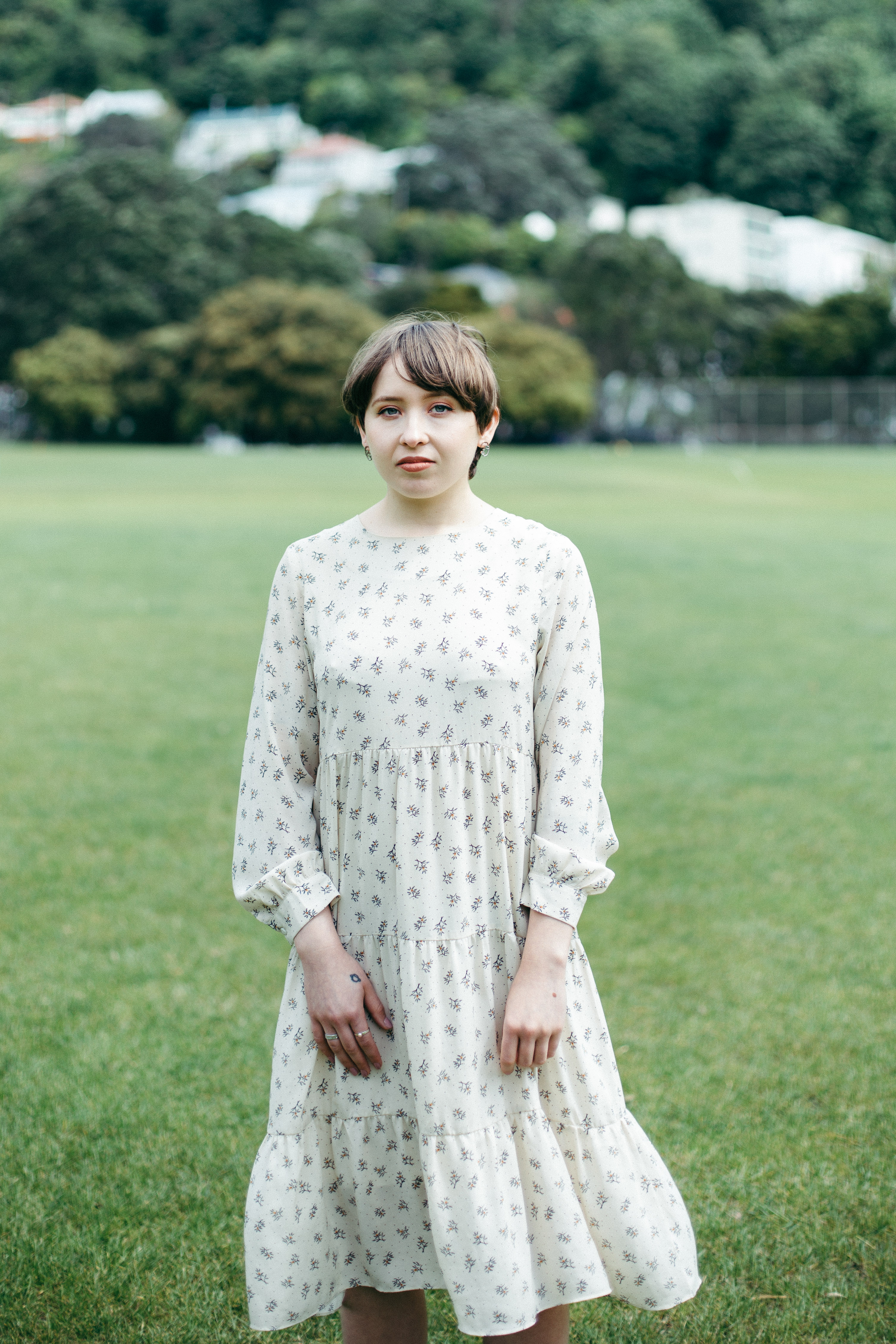
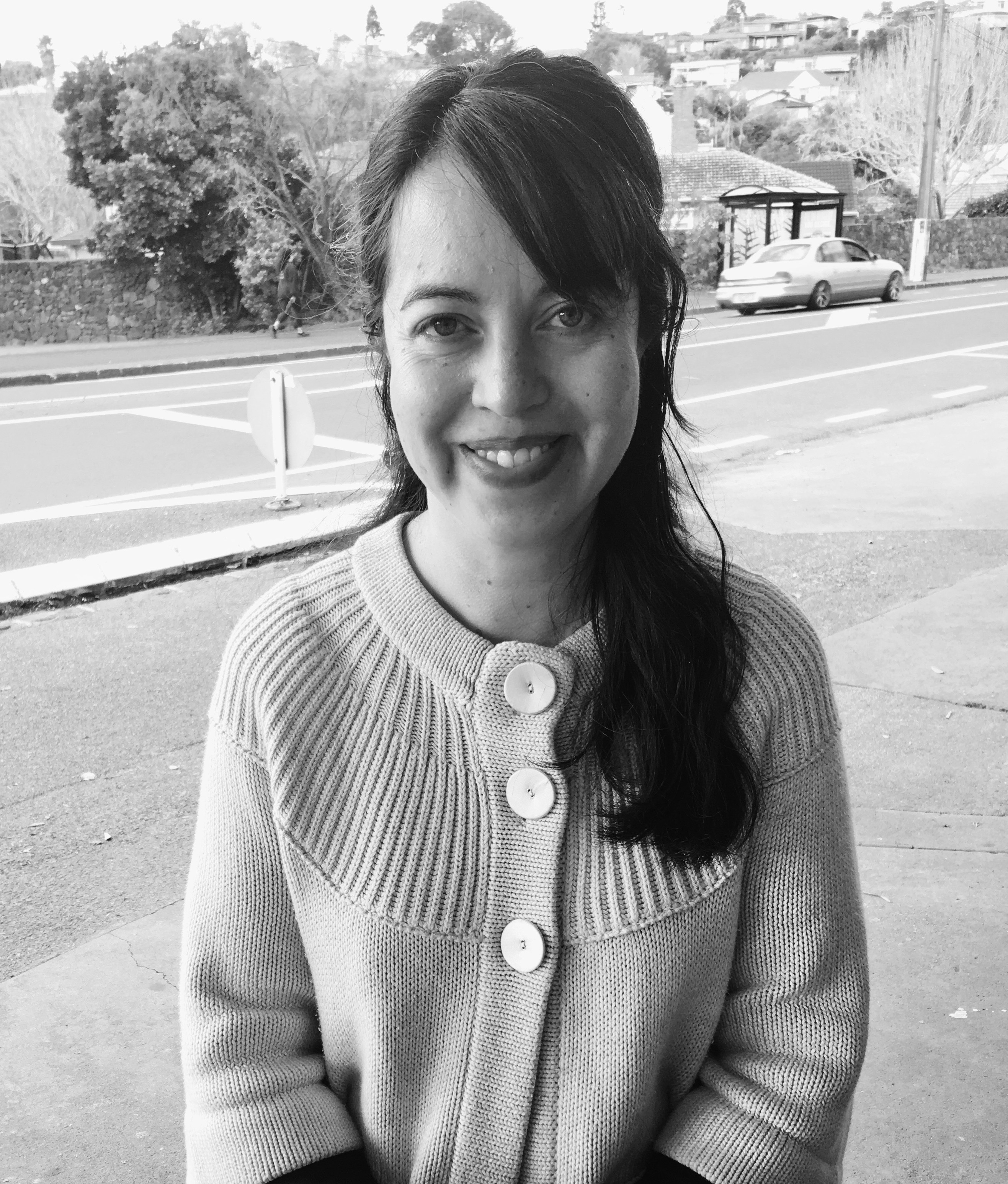
Ash Davida Jane
Ash Davida Jane is a poet, editor and reviews from Te Whanganui-a-Tara. Their second book How to Live With Mammals (Te Herenga Waka University Press) won second prize in the 2021 Laurel Prize. They are a publisher at Tender Press and reviews co-editor at takahē.
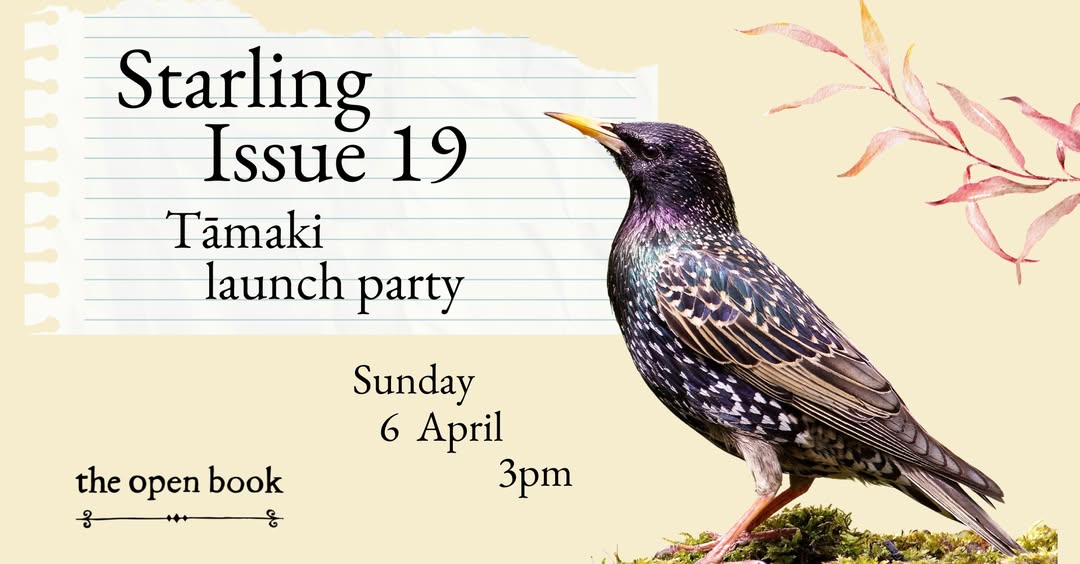
The Open Book is thrilled to welcome back Starling for the Issue 19 Tāmaki launch party at 3pm on Sunday 6 April!
We’ll be celebrating the new issue with readings from several of its authors – come along and join us in hearing new work from young Aotearoa authors, and have a browse of the Open Book shelves while you’re at it.
No ticket or entry fees needed, and we will have drinks and nibbles for you to enjoy. We look forward to seeing you there!
We are driving to North Carolina, my mother and me. We depart early, from our Maryland home; we are on the move after weeks of staying put, a kind of fear and anger deep in our bones, this dangerous energy
driving our sense of survival. I pull my coat close; it is cold. But there are signs of spring everywhere: dots of snowdrops in my mother’s yard, their delicate milk buds resilient, delighting year after year with their knowing, their sense of coming.
For nearly six weeks I could not write a poem, frozen in the atmosphere of this place, my molecules slowing and arranging themselves into fixed positions, my solid state a barricade against encroaching storms. A friend said we write more when we are busy – she is right, I see.
We are driven to put our words on paper; sometimes it’s a small thing, an observation, sometimes a problem to examine or solve. We know, after stasis, the only thing to do is to move ourselves, to thaw, to look for some thing that gives, to find the light.
2.
In Winston-Salem, we sit in a concert hall at my mother’s alma mater, hearing young musicians bringing interpretations of Beethoven and Rocherolle to the stage; we slow down and breathe the southern air, quiet our senses and spend the day listening.
We visit with friends and family, a cousin I seldom see even though we grew up knowing each other and admiring the life the other had; we reminisce: tennis and hot summer days and Steve Martin’s genius.
We go see her dad, my mother’s favourite cousin (you can see why), and when we leave she gives me a cookbook to bring home to New Zealand, recipes from Durham, the town driven mad this time of year with Blue Devil fans (us too, admittedly) and their quest for the winning trophy, also the town where I was born.
3.
I love the trip south but I am stuck some days, still. I cannot ignore the now of these headlines: a Columbian couple who have called California home for 35 years cuffed and deported; new executive orders demanding proof of citizenship and social security eligibility. A Black Sea deal agreed – but peace? No,
peace seems precarious, even implausible. And yesterday war plans texted in a simple chat app, a grand-scale security breach defended (can we really call this ‘national intelligence’ anymore?). Meanwhile, Mahmoud Khalil sits 1000 miles from anyone he knows, and grocery prices are driven up
and up and up, and the man in charge (the man US voters put in charge?) says Europe is freeloading and pathetic, says he’ll bully his way to Greenland and call it friendly, says climate change will actually be beneficial, says – well, you know, so why I am writing this?
4.
Today, I will check on the chairs at Maryland Hall (a small installation started in Dunedin a year ago) – two chairs in a room alone, nothing more, facing each other, awaiting two people who may sit and silently take in a moment together, a moment
of quiet, of reflection, a moment shared, a moment those two strangers did not have the day before. Today, I donate a small sum to Randell Cottage, a trust driving to secure ongoing support for writers – I pause on the word trust, this notion of comfort, this power of believing,
of having faith. Today, I open the pages of Naomi Klein’s Doppelganger (you gotta read it, a trusted friend says). Today, I wonder where my brother could be; I wait for bad news and read good news sent by my daughter.
I pause on the word good and thank goodness for her goodness, her calm, her guarded optimism, her quiet drive. Today, I will breathe through an hour of yoga, stretch beyond my body’s bounds, look for a kind of gentle space for change. I pause on the word
kind. I think of shelter, of lines by Craig Santos Perez, his poem ‘A Sonnet at The Edge of the Reef’, his anguish, his silence, that moment of despair but also perhaps refuge, a gift for his young daughter.
5.
On the trip north, through wide wet highways of Carolina and Virginia, we can’t see two cars in front of us, driving rain obscuring our view. It is cold and I pull my coat close.
After nine hours behind the wheel, we pull up to the house and in my mother’s yard forsythia on the incline has broken out, its colour brilliant like the kōwhai that blooms in my Dunedin garden, both blossoms yellow like fire and igniting
something like hope. I pause on the word hope, something expectant, also related to trust. I think this plant is kind. Forsythia: a protecting species, clever like so many plants, driven by unsaid natural laws to safeguard against everything, knowing how
to look forward, how to plan for eventual disaster, their flowers becoming pendent in inclement weather, guarding their wee capsules inside, tiny winged seeds growing and preparing for what comes next, ready to take flight.
To celebrate the four collections on the Ockham NZ Book Award Poetry Short list I invited the poets to answer a handful of questions.
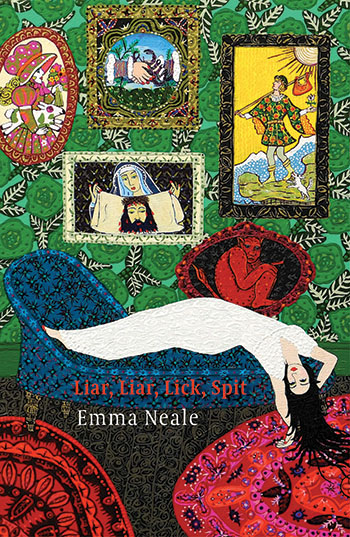
Liar, Liar, Lick, Spit, Emma Neale, Otago University Press, 2024
I want to hold this morning under an agapanthus sky with a gentle, moth-eyed horse as if the thread of language could ever weave a hide against the hook and ache of loss when we carry it deep as the mare carries the sprint, the vault, in her hocks, her fetlocks.
Emma Neale from ‘The Moth-eyed Steeplechase Horse’
Poetry grows out of both experience and imaginings, with truth and lies active in both realms. Lately, I have been musing upon and indeed bolstered by the way poetry is fed and watered within community gardens. A hub of vital connections. I have read Emma Neale’s Liar, Liar, Lick, Spit three times and it is the kind of book I want to have a long slow cafe conversation with you over coffee and pain au chocolat. This is a book born out of experience, out of truth and lies, out of the personal and the political, a book nurtured by a threads of reading, the stepping stones, poetic pivots and ideas that infuse and influence the making of a poem.
This is also a book nourished by ‘enthusiastic poetry talk’, with dear friends and writing companionship. And that matters. It is heartwarming to read Emma’s notes and acknowledgments. To think of poetry as conversation in myriad directions. One poem is an almost fan letter to Janet Frame, another a subconscious dialogue with poet Poppy Haynes.
As the title suggests, Liar, Liar, Lick, Spit is a book of lies, from little to large, from under the threat of torture or a mother’s stern gaze, from a homeless man scamming sympathy with self-inflicted wounds to lies told to save face or skin.
Emma’s poetry has always been a gift for the ear, and this collection is no exception, the linguistic dexterity, the rich lexicon. With her new collection, there is a terrific density of sound and effect. Every poem an intricate arrival of sonic mesh knit chord soar whisper. How it strikes the heart as you read.
To be reading this book is so very timely, when we are grappling and despairing at inhumane leadership, at planet-and-people-polluting toxic lies, at the self-serving manipulations of self-serving politicians. How to read and write in the age of weasel Trump and weasel Luxon Seymour Peters? What can language do? Ah.
I hold this book close to my heart because it reminds of the reach and possibilities of poetry. We can speak of the child, sons and daughters, mothers and fathers. We can write of loss and love, grief and abuse, epiphany and recognition. Failings and flailings. We can write out of and because of omission, and we can write out of and because of erasure.
There are multiple tracks and clearings as you read. You might feel the sharp blade of reading along with the sweet balm of self care. Take ‘Genealogy’, for example, a poem that steps into a complicated weave of ancestry, where Emma asks, so astutely, ‘is every white genealogy poem an erasure poem / is every postcolonial poem an erasure poem will we ever be fair / and true and clear’.
Or take ‘An Abraham Darby Rose’. Take this poem and sit with under the tree in the shade and embrace its physicality, an attribute that is a gold thread of the collection as whole. Spend time with the rose, honing in on both thorn and petal (‘peach-toned ruffles’), before facing the needle sting of the son’s departure, the self-examination within the greater context of life – and sit there finding ripples of comfort as the speaker gently places plantings in ‘the soil’s quiet crib’. Take this poem and hold it close.
Imagine we are in a cafe. Imagine we are in cafe reminding ourselves that silence is a form of consent. To write is to fertilise our community gardens. To write, as Emma does, and speak of tough stuff is to strengthen who and how we are in the world. To navigate, as Emma does, being mother daughter sister friend. Human and humane being. To gather a box of groceries for the welfare centre: ‘in the hope that kindness migrates invisible currents / to pollinate every tyrant’s heart’ (from ‘Wanting to believe in the butterfly effect’). To gather a folder of poems.
Ah. This precious book with its layers and weave of vulnerability and admission. This book of hauntings. This haunting book. This necessary fertile sequence of plantings. I love this so very much indeed.
The Lake
This child feels it like blue pollen that makes her hive of fingers dance. This one a groove along his spine that must be filled with running. Another as music that only rises here, deep in his mind, never sung. This last, as crystal numbers that link, fold and fall like pleats in time.
We think they all must know the lake’s mother tongue. They are her water cupped in our hands, new skins for the old light we believed in.
Photo credit: Caroline Davies
six questions
Were there any highlights, epiphanies, discoveries, challenges as you wrote this collection?
One of the challenges was in whittling down the original manuscript to give some titles more room to breathe. I had to discard about sixteen poems to streamline things. This meant taking out poems about Putin and Trump; about the Erebus disaster, with Justice Mahon’s infamous phrase ‘a litany of lies’; a playful poem about fake orgasm; darker poems about anorexia; domestic violence; gaslighting; and more besides. I had to think hard about which remaining poems would still carry traces of some of the social and political power dynamics I was preoccupied by.
Is there a particular poem in the collection you have soft spot for?
It’s less a soft spot than a sense of relief that I’ve managed to wrestle the difficult material into a poem with its own shape and forward drive. ‘My Blank Camouflage’ has been more than 30 years in the making, in that it’s taken me that long to find a way to address the topic in a poem.
What matters when you are writing a poem? Or to rephrase, what do you want your poetry to do?
I want to choose the words so that each potential nuance fuels and remains true to the poem’s psychological energy. I want the poem to resonate with sonic qualities so that it shows traces of its musical ancestry. I want the poem to have a hot nucleus of emotional truth.
I would find this impossible to narrow to one example, but is there a poem by a poet in Aotearoa that has stuck with you?
As I get older, answering this kind of question feels less and less possible! So many have stuck with me, that narrowing it to one feels like a falsification. And what sort of world would we be in if only one poet really spoke to us?
Are there particular poets that have sustained you, as you navigate poetry as both reader and writer?
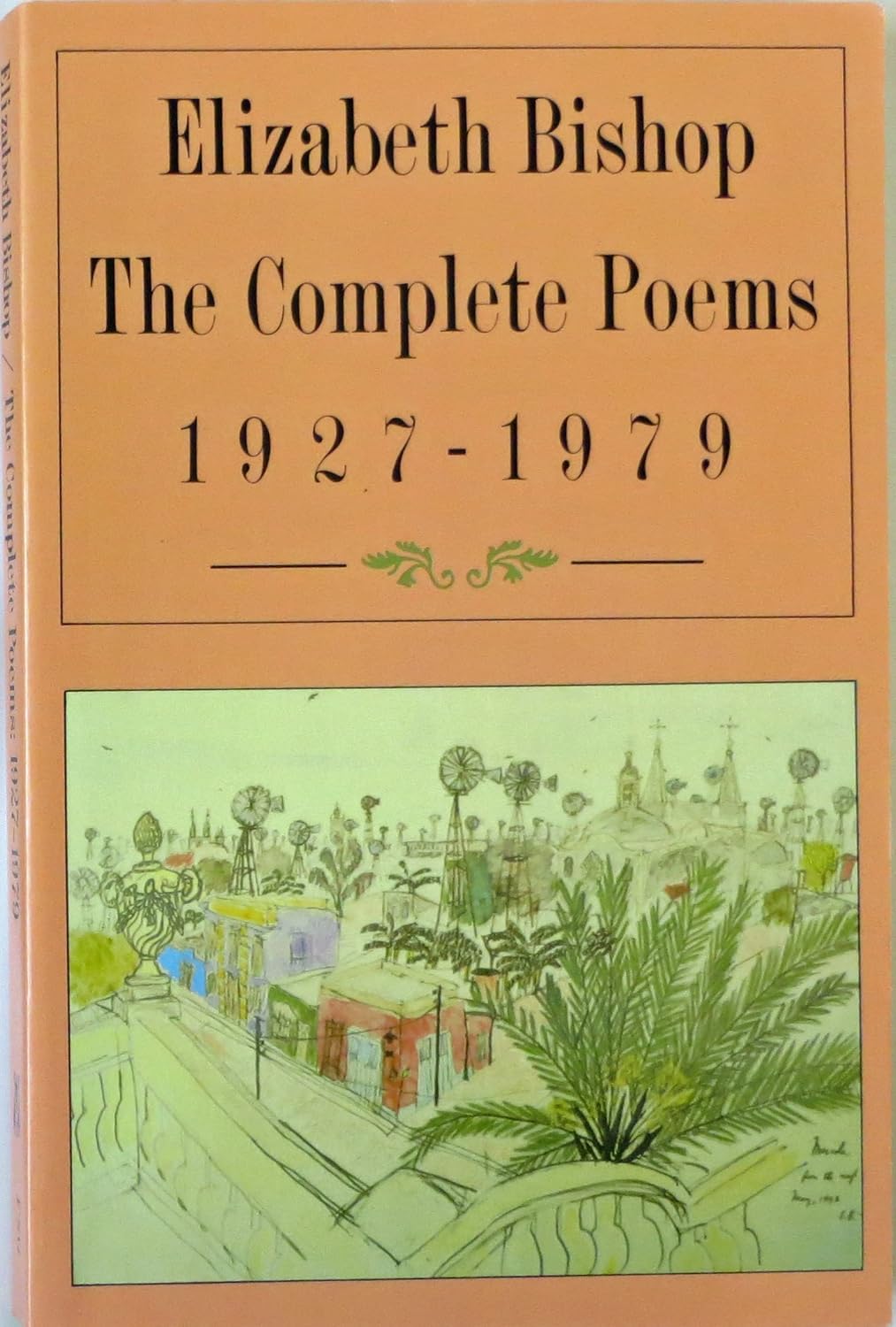
What sustains me is the very fact that there is such a wide range of poets out there, past and present, reminding me that poetry itself is such a capacious, expansive genre. I’ve really enjoyed reading my fellow short-listed poets over the past week: three very different poets, all with resonant voices. I’ll cheat here, and catalogue some of my other recent reading: I’ve lately returned to reread Elizabeth Bishop’s Collected Poems and was struck by poems that hadn’t lingered with me before, although she is someone whose work I’d read and taught over the years. This was a thrilling realisation: to see how age and time uncover fresh potential, fresh insights, in long-term loves.
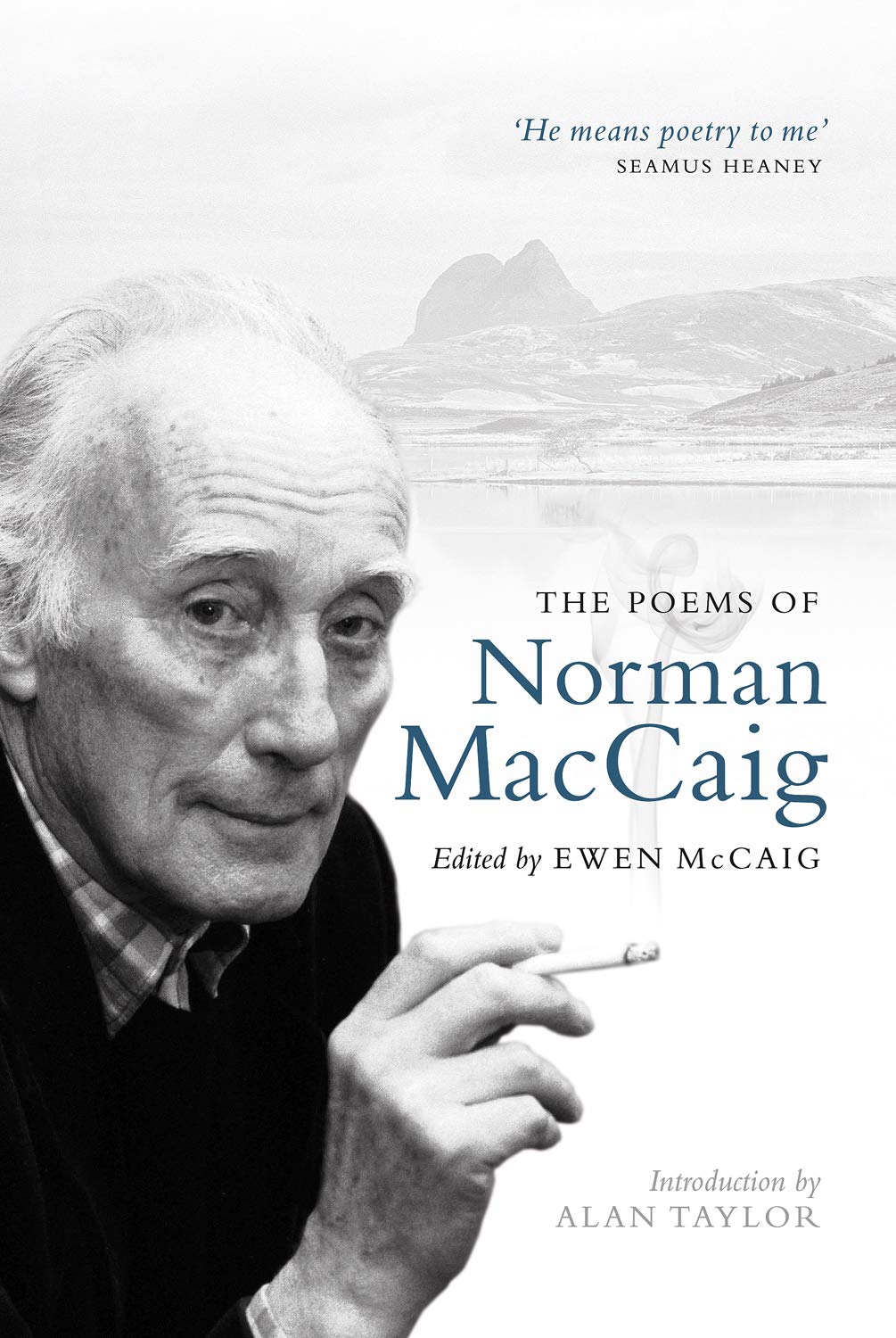
I recently came across the work of Norman MacCaig, a Scottish poet who was totally new to me, although he lived from 14 November 1910 – 23 January 1996. It was again thrilling to realise that I could still experience that falling-upon-a-poet with the same delight, absorption and a sense of reading as energising that I had as a young hopeful writer. There is something magically transporting when his work is firmly grounded in the sparkling, sensuous natural world.
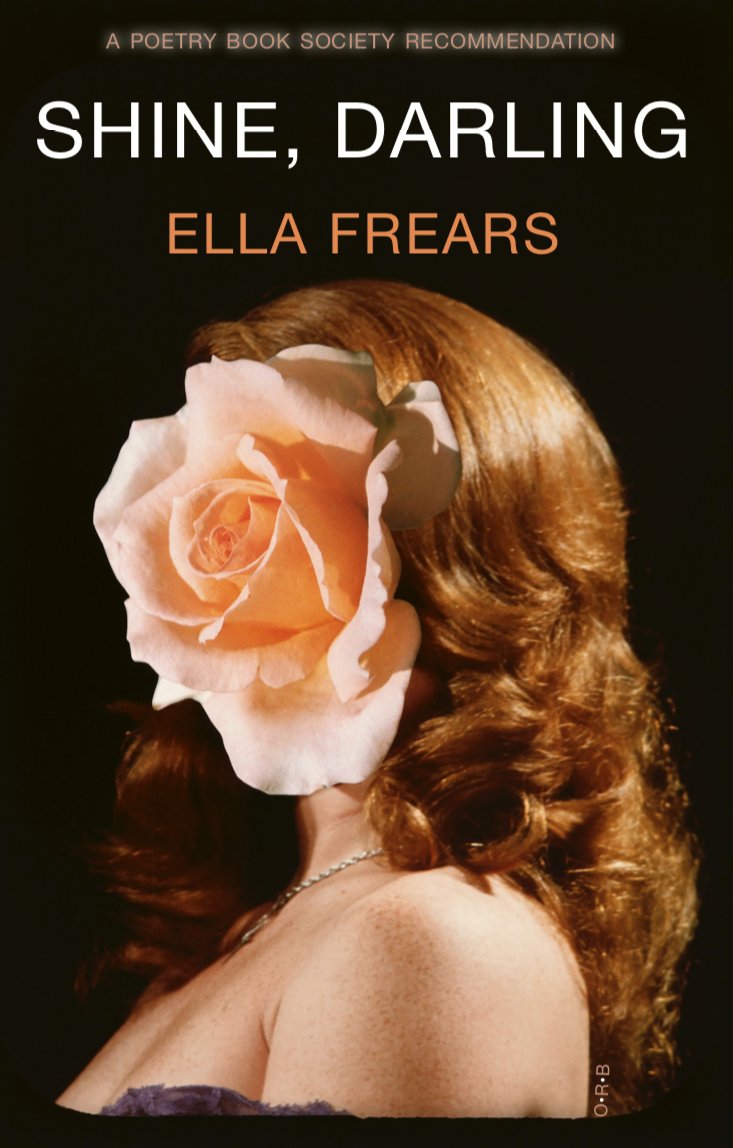
I also recently came across the work of young UK poet Ella Frears: her work is much grittier and more urban than a poet like MacCaig; it’s sassy, frank, darkly funny sometimes, and vinegarish with satire.
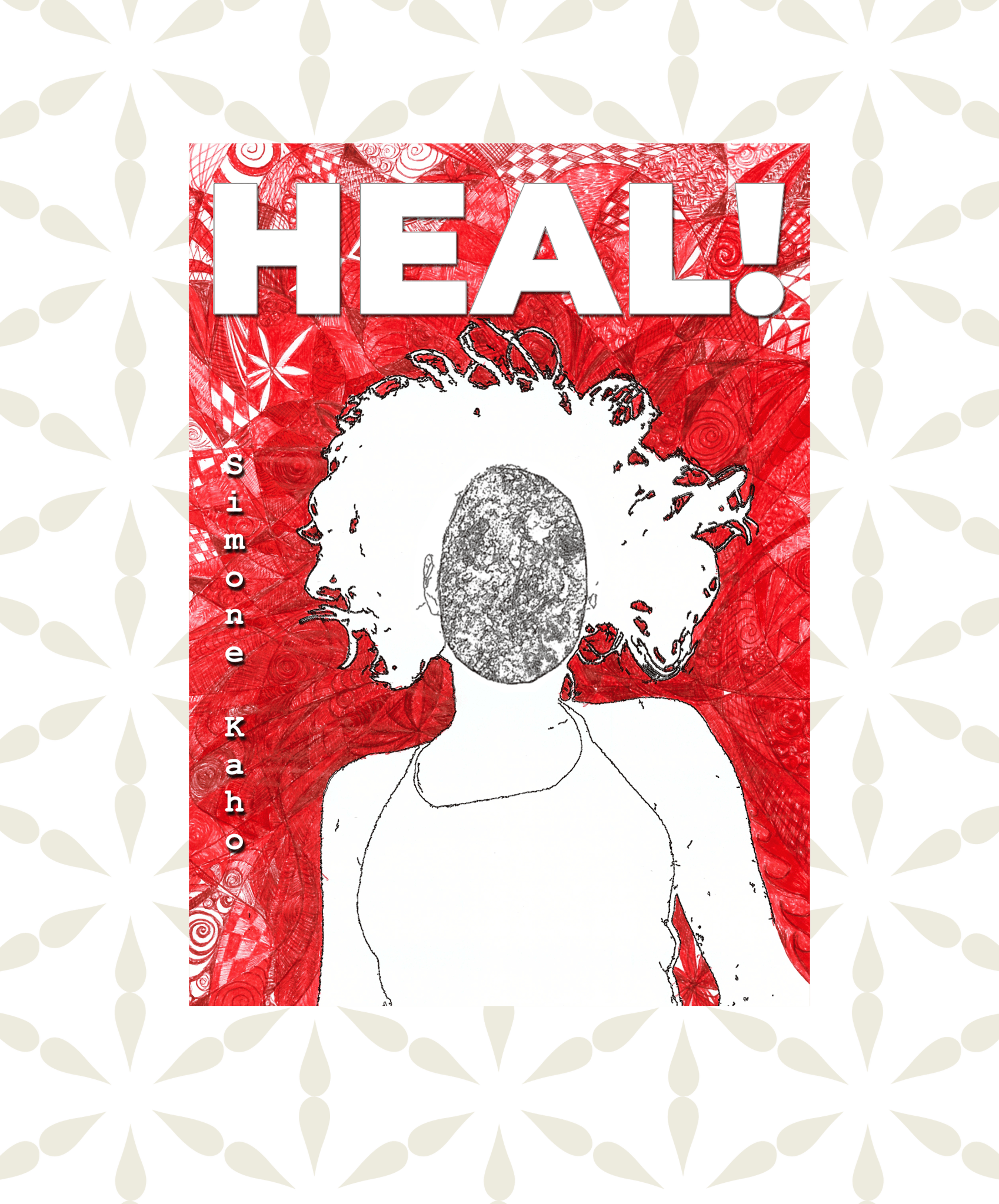
I’ve also recently re-read Heal! by Simone Kaho; the lyricism and honesty in this moved me all over again. As I said elsewhere, when it first appeared, it has a fiery lyricism, even when it’s a sister of narrative prose and it serves a productively discomforting exposure of all kinds of inequality. I loved it in a stirred-up way.
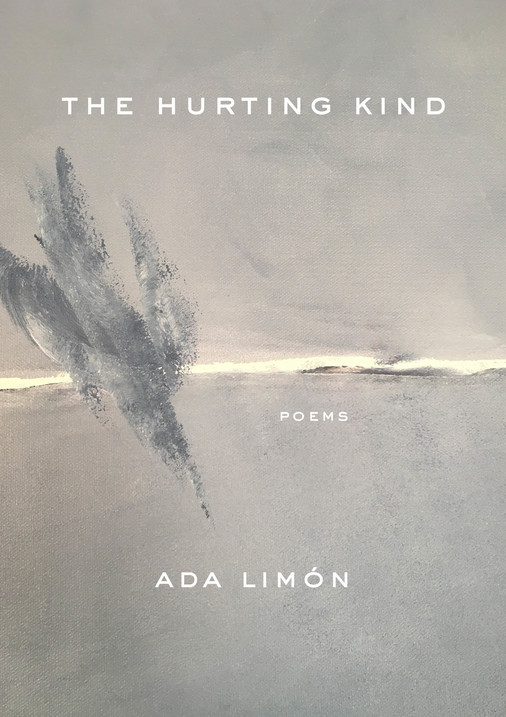
Every now and again, I’ve been dipping back into collections by Ada Limón and feel both recharged and calmed by her ability to compress disparate experiences, contraries, into compact, contained, controlled and intimate lyrics.
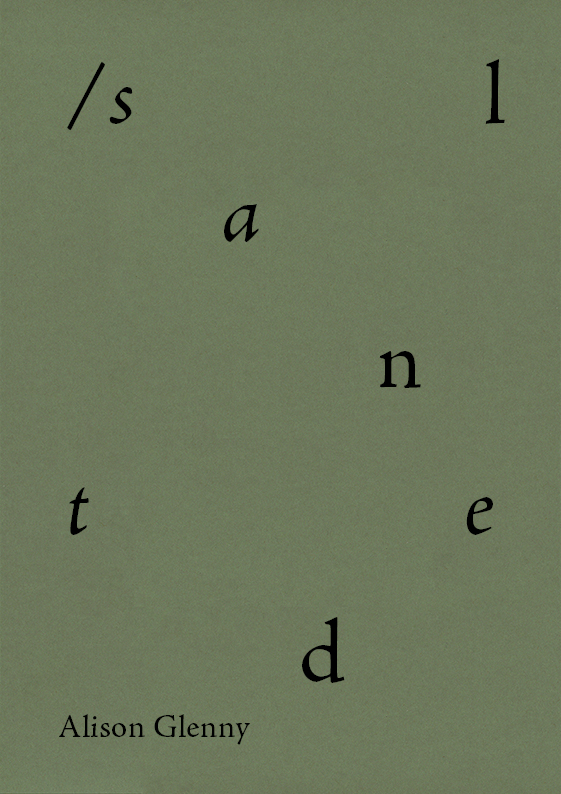
And I’m in awe of how Alison Glenny, in her new collection Slanted, turns the page into such a flexible and evocative visual and typographical field. It is like watching a combination of a visual artist carefully etching lines, and a skilled gymnast dance across and transform a tumbling floor.
We are living in hazardous and ruinous times. Can you name three things that give you joy and hope?
The miracle of something as plain and ugly as a tuber containing the diva of a dahlia.
Intelligent, compassionate, excellent communicators, such as, say, the poet and academic Claudia Rankine, or the neuroscientist, literary critic and psychiatrist Iain McGilchrist, whose work I’ve only just stumbled recently also, via podcasts: I haven’t read his major work, The Master and His Emissary, but now I feel a sense of happy urgency about tracking it down. (Not having read the book, I hasten to add that I can’t yet know if I agree with all his views: and the point of having an open, intellectual society should mean having the freedom to disagree, even with people we admire.) The fact that there are deep, empathetic thinkers out there, capable of linking disparate disciplines and social phenomena together, and conveying their ideas in multiple forms and media: this gives me hope that the best of humanity will persist against the narcissistic, cruel and hateful.
My extended family, and in particular, my own children. One is an independent adult, now; one is still in high school. Despite all I fear for them, and all the things I worried were flaws and inadequacies in myself as a parent, they astonish me with the way they approach the world with entirely their own attitudes and with strengths that I never had. An analogy must be that if their father and I were the tubers, they are the dahlias. Their own extended family would be soil, rain and sun.
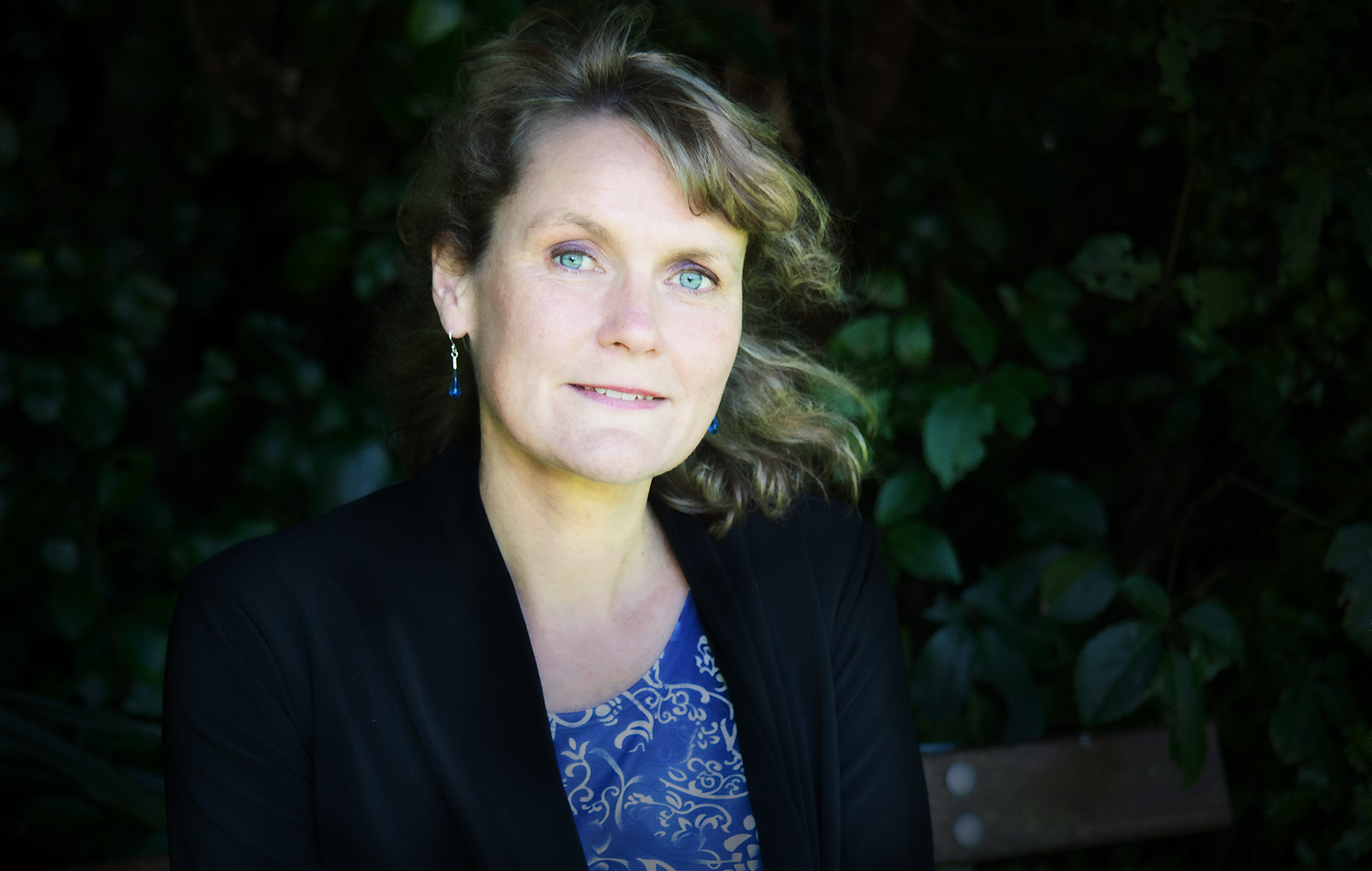
Emma Neale is the author of six novels, seven collections of poetry, and a collection of short stories. Her sixth novel, Billy Bird (2016) was short-listed for the Acorn Prize at the Ockham New Zealand Book Awards and long-listed for the Dublin International Literary Award. Emma has a PhD in English Literature from University College, London and has received numerous literary fellowships, residencies and awards, including the Lauris Edmond Memorial Award for a Distinguished Contribution to New Zealand Poetry 2020. Her novel Fosterling (Penguin Random House, 2011) is currently in script development with Sandy Lane Productions, under the title Skin. Her first collection of short stories, The Pink Jumpsuit (Quentin Wilson Publishing, 2021) was long-listed for the Acorn Prize at the Ockham New Zealand Book Awards. Her short story, ‘Hitch’, was one of the top ten winners in the Fish International Short Story Prize 2023 and her poem ‘A David Austin Rose’ won the Burns Poetry Competition 2023-4. Her flash fiction ‘Drunks’ was shortlisted in the Cambridge Short Story Prize 2024. The mother of two children, Emma lives in Ōtepoti/Dunedin, Aotearoa/New Zealand, where she works as an editor. Her most recent book of poems is Liar, Liar, Lick, Spit (Otago University Press, 2024).
“I cannot pick material that does not relate to survival and resistance.” Tongo Eisen-Martin, poet
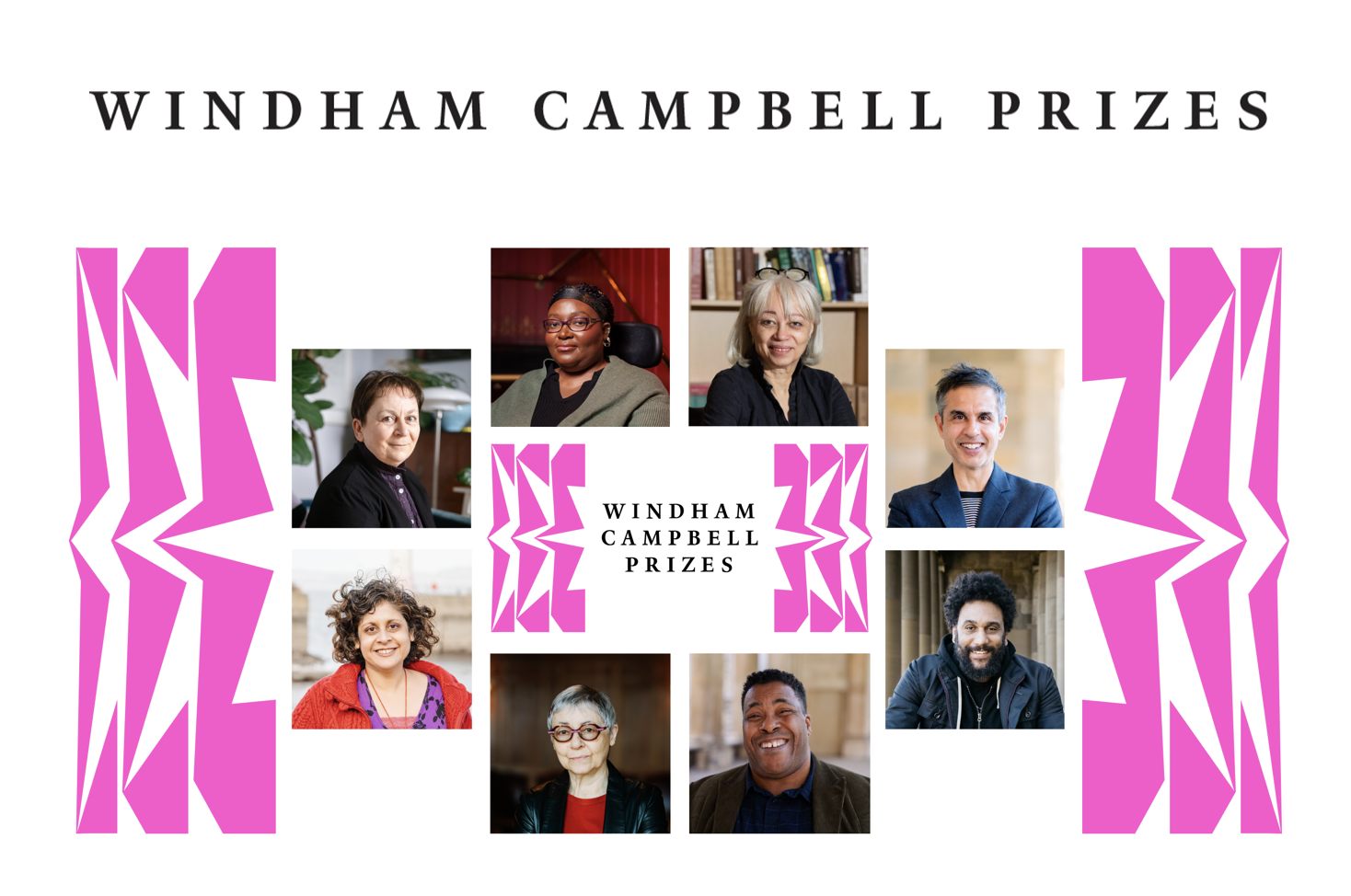
The Windham Campbell Prize is an extremely generous literary award from Yale University USA which supports 8 exceptional writers from across the globe: two writers from fiction, nonfiction, poetry and drama categories.
How good to celebrate happy news in these tough times.
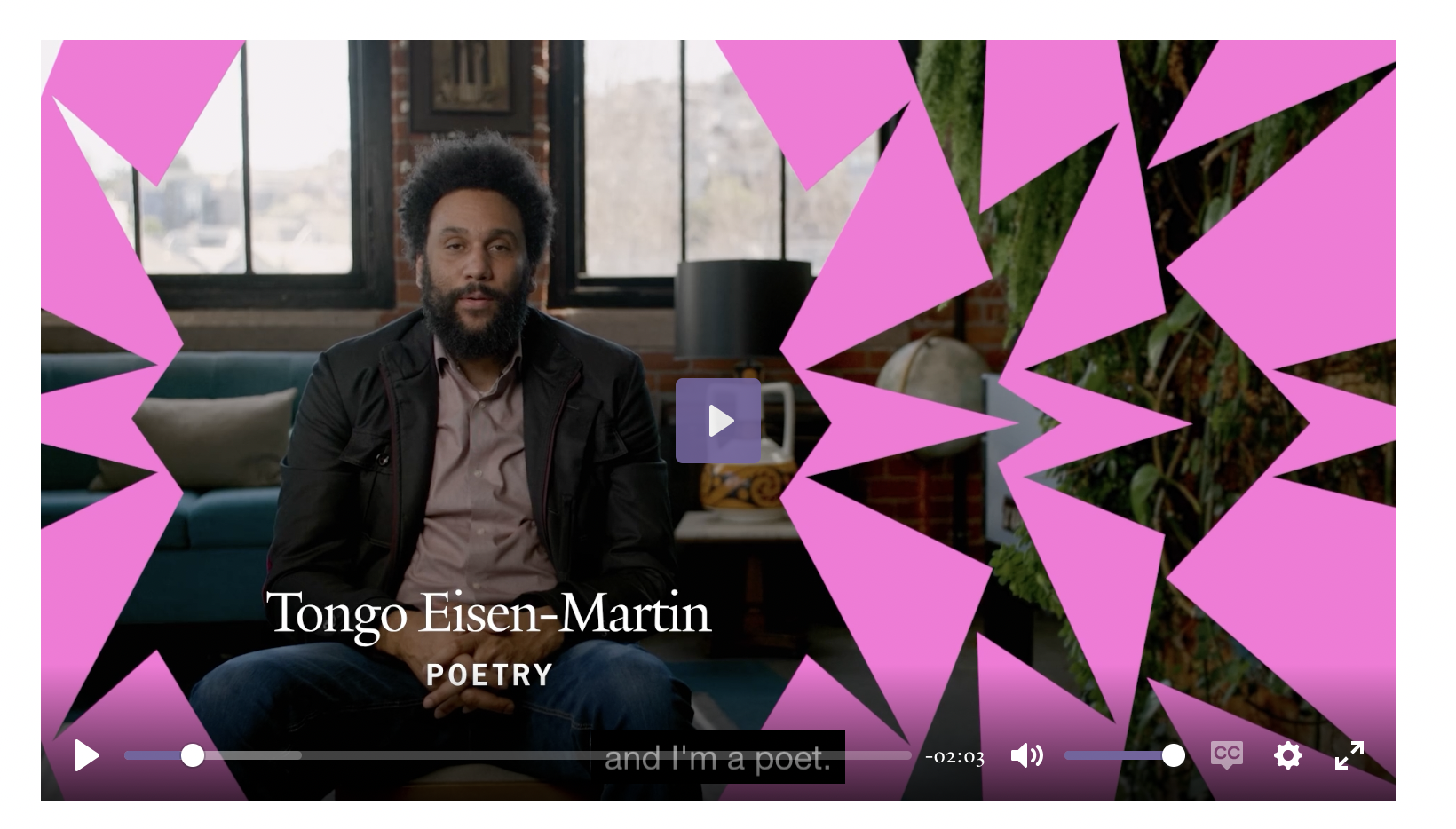
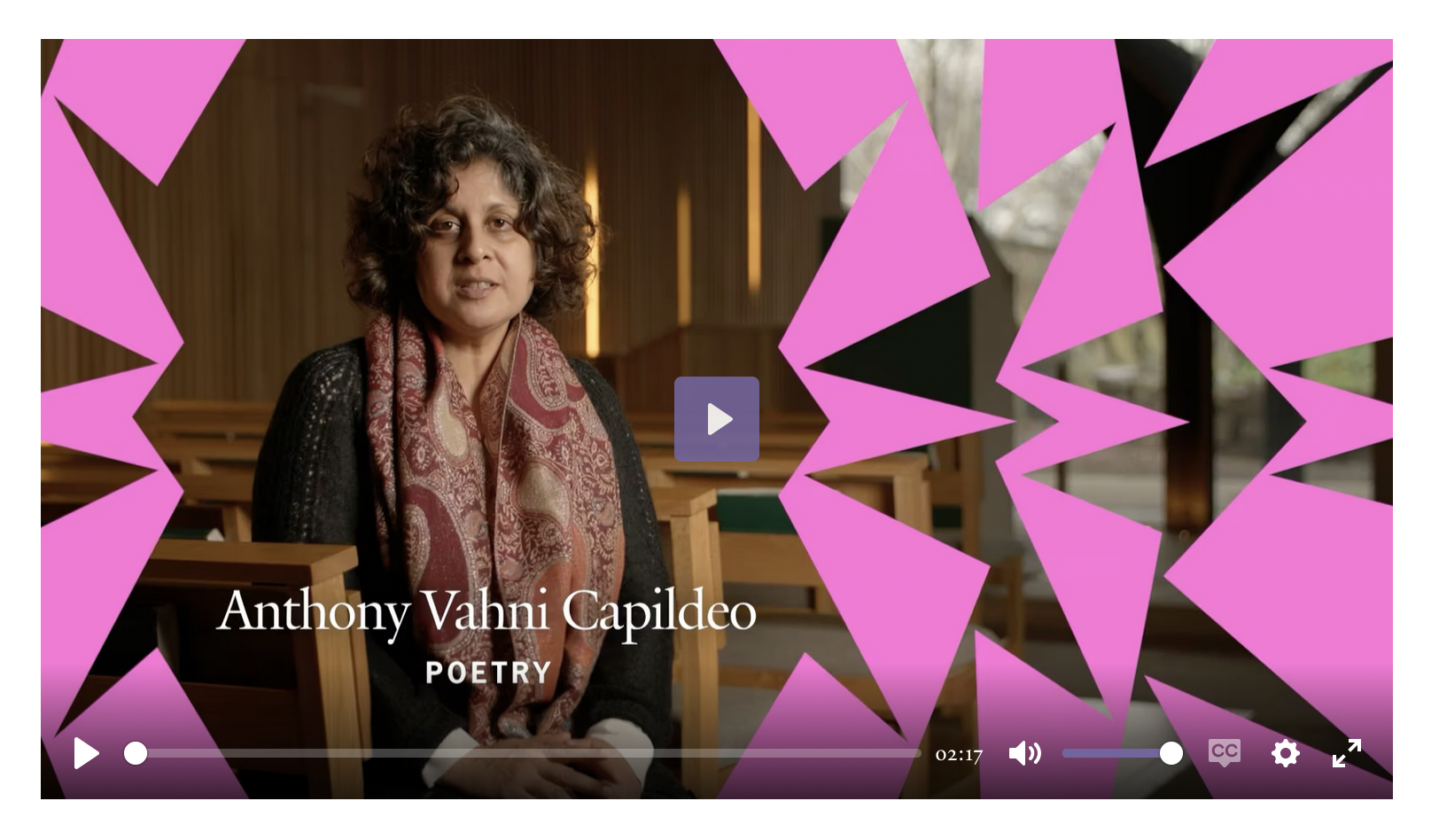
I am already a big fan of the fiction winners, Anne Enright (Ireland) and Sigred Nunez (United States), but have now listened to the two poets, Anthony V. Capildeo (Scotland/Trinidad and Tobago) and Tongo Eisen-Martin (United States) on the Award website (links below for you).
This is unmissable skin-prickling listening. Two poets sharing thoughts on writing poetry. I am now ordering some of their books.
“Each year, the Windham-Campbell Prizes celebrates eight exceptional writers for their literary achievement. Each awardee receives US$175,000 each, a gift that we hope allows for the space and time to support their boldest, most vital work.”
The 2025 cohort includes Sigrid Nunez (United States) and Anne Enright(Ireland) in fiction; Rana Dasgupta (United Kingdom) and Patricia J. Williams (United States) in nonfiction; Matilda Feyiṣayọ Ibini (United Kingdom) and Roy Williams (United Kingdom) in drama; and Anthony V. Capildeo (Scotland/Trinidad and Tobago) and Tongo Eisen-Martin (United States) in poetry.
To learn more about each writer, head over to windhamcampbell.org where you can watch mini-documentaries on their lives and creative inspiration.
Thank you for this extraordinary gift, which in these smashed times feels even more extraordinary.
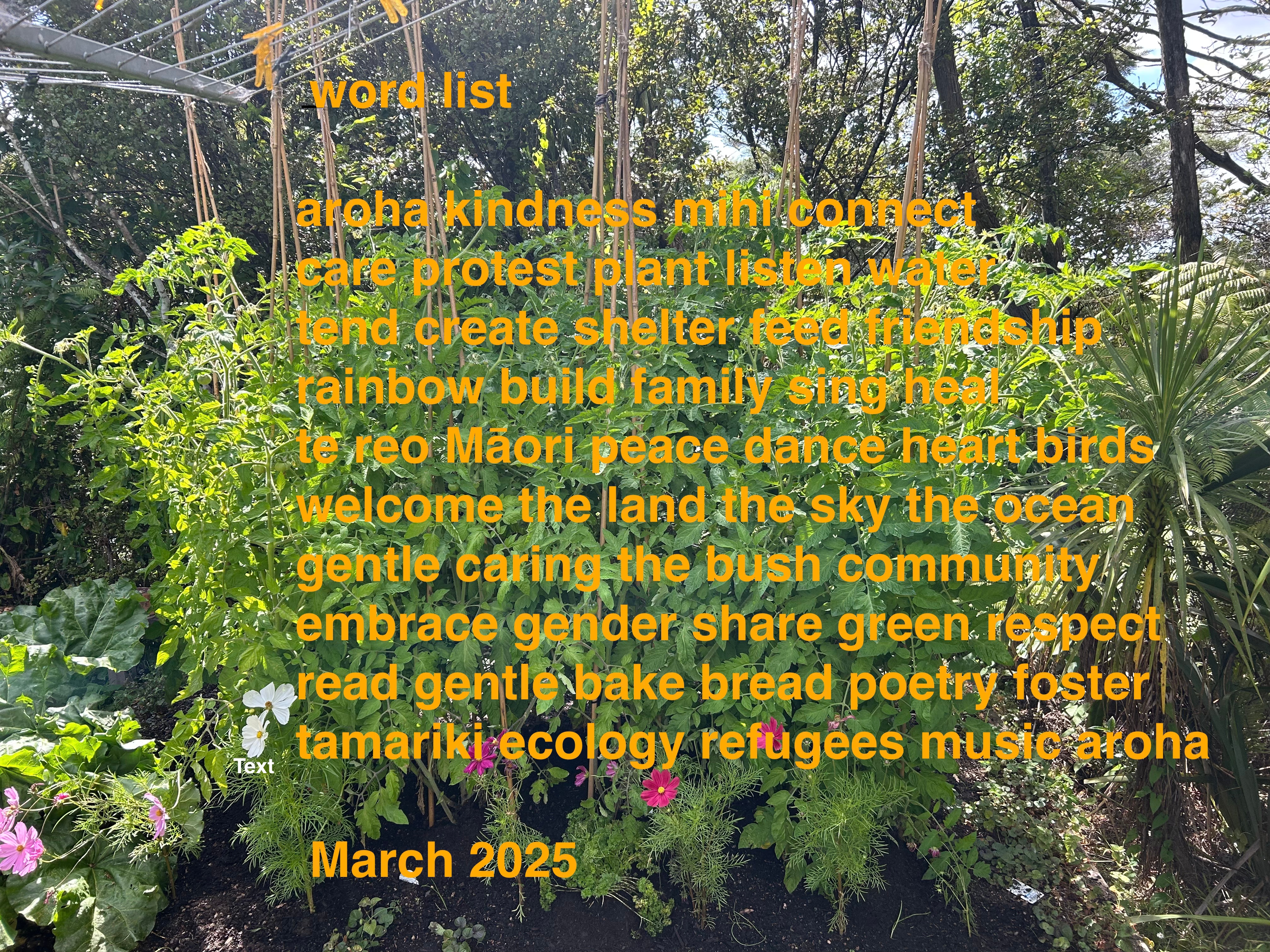
I was listening to a news bulletin, hearing soundbites from world and local leaders hellbent on dismantling the world, and instead of feeling a dark weight descend upon my shoulders like I usually do, I began building my own essential word list.
So many of us are at breaking point. I have never been at such a jagged breaking blistering point. Trying to muster the strength and energy each day to take small steps, to bake the bread and plant the seeds, to write to the child and create the blog, to read the book and cook the meal. To tread water as I do a slow taper off a toxic drug with scant understanding of my current health challenges, let alone the road ahead. To struggle with the compounding questions. To sleep.
And yes, so many of us feel helpless as war criminals keep murdering innocent families in Gaza, as leaders dismantle services and practices that care for people at global and local levels and that improve the wellbeing of our planet. We witness the most vile forms of racism, sexism, homophobia. Our Government has scant understanding of what we need to do to nurture happy, healthy, multi-literate well-fed children (yes reading writing maths, but also emotional and creative literacy). Our health system is smashed and our incredible doctors and nurses are working in the rubble.
I am crisis point. Earth is at crisis point.
For the past two years I have been writing A Book of Care, a book of aids that help keep my feet on the ground, that help me weather the darkest corners and sharp skids down the mountain scree. I hold onto light and mountain beauty, and I hold onto joy, but sometimes it is so incredibly tough.
The tūī are our daily soundtrack. The dancing pīwakawaka dancing delight.
I embrace the notion that things can make a difference. Small steps. My blogs make a difference to me. Writing my secret things makes a difference. Reading your poetry makes a difference. Reading children’s books published in Aotearoa. Hearing people protest and speak out across the world makes a difference. I love tuning into the BBC podcast of People Fixing the World, or their Food Chain podcast, or their Happy Stories from around the World podcasts.
Creating my own word list made a difference this morning. Let us flood the world with word lists and gestures and actions that connect and rebuild and care.
Above me, the pink and grey clouds are unravelling It’s 8pm and still warm. As usual, I’m struggling to turn the hose tap off after watering the garden. They call this time high summer, I believe, and it is— Our five tomato plants are fruiting, There are so many beans and sugar snap peas we can’t eat them all, The corn isn’t ready yet, but it will be soon, the ears are growing, the silks turning brown, and a number of huge marrows, that grew during our holiday, lie forgotten and obscured by leaves. The branches of the peach tree bow to the ground, heavy with fruit. I point this out to my son, and he says, Are they bowing to us, Mum And I say, Why yes. Yes they are. And we bow back.
Kiri Piahana-Wong
Kiri Piahana-Wong is a poet, editor and the publisher at Anahera Press. She is the author of two poetry collections, Night Swimming (2013) and Tidelines (2024), and the co-editor of Te Awa o Kupu (Penguin NZ), an anthology of contemporary Māori literature, as well as Short! Poto! The big book of small stories (forthcoming from MUP in June 2025). She lives in Whanganui.
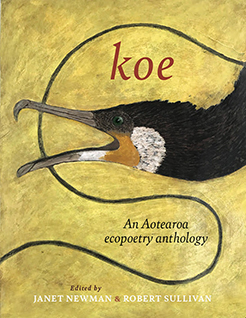
Koe: An Aotearoa ecopoetry anthology edited by Janet Newman and Robert Sullivan Otago University Press, 2024
Ecopoetry. I have been musing on the slipperiness of poetry labels and categories. Poetry has always re-presented and celebrated nature, drawn upon its beauty and its wild-er-ness, used it as a source of comfort, healing, symbolism, bridges into states of mind, a way of mapping the coordinates of home. But what shifts when ecosystems are under increasing and devastating threat? How do we write nature? Every morning I wake up to the radio and social media scrolling the evil choices of [some] world leaders and it forms a heavy overcoat of darkness. What we are doing to this planet is unforgivable, to nature, to people, to creativity, to the stories we tell, the justice we build, the lives we save. Heartbreaking.
So what good is poetry?
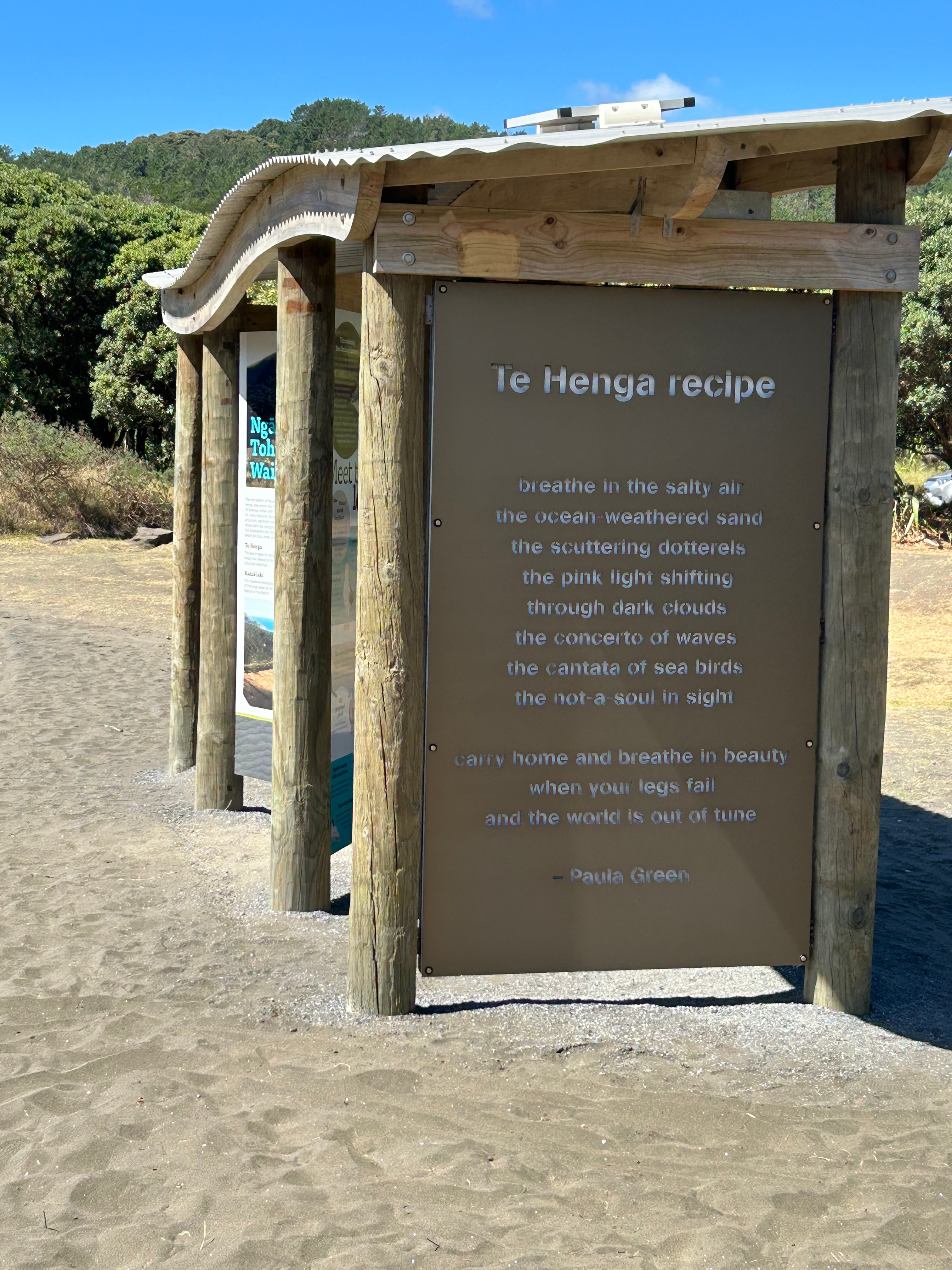
Janet Newman asks at the beginning of her unmissable introduction to Koe: An Aotearoa ecopoetry anthology: “Can poetry save the earth?”. A question that reverberates across the globe as poets struggle to write in a climate of catastrophe. Not just the environment. Not just nature. I keep returning to the notion that poetry is an incredible aid and homage to life. To write a nature poem might be to write beauty and wilderness but to write an ecopoem might be to widen that view. I live near Te Henga Bethells Beach, a place dune-ravaged in the Gabrielle cyclone and storm, where dottorel are under continued threat, where the wetlands are fragile and contested. I wrote a poem to go on the visitor booth at the start of the beach. Is it a nature poem? Is it an ecopoem? Who knows? The poem is an entry point into a place we locals hold in our hearts. A place we are working hard to protect. I have carried the beach image though the wounding shards and cracks of the past three years, through the pandemic, as balm for my stuttering health coupled with our stuttering planet.
So what good is poetry?
Koe: An Aotearoa ecopoetry anthology was a timely arrival late 2024. It is an anthology lovingly edited and introduced by Janet Newman and Robert Sullivan and, with equal love and care, designed and produced by Otago University Press. Janet and Robert place ecopoetry within the context of Aotearoa, where the first voices are the tangata whenua. Where Māori poets were singing the land’s beauty and bounty and narratives as a taonga not to be taken for granted. As a taonga to be conserved and nourished.
‘Koe’ is a bird cry and also a scream, as Robert suggests via H. W. Williams’s Dictionary of the Māori Language. Robert writes: ‘a disturbing scream from the forest, or the shore, or the marshes, or the bushlined gullies and gorges, or its absence from the paddocks, the eroded dead-timber hillsides and mountains, the oxidation of ponds and outfalls.’
Poetry as scream.
The anthology is divided into three parts: ‘The early years’, ‘The middle years’, ‘Twenty-first-century ecopoetry’. I love this. I love being transported across the different attachments to nature, to the environment, to ways of singing contemplating challenging screaming. And yes this Aotearoa, this ground we stand on, in which we plant multiple roots, this ground is colonised contested stolen. Janet and Robert have gathered an anthology of voices across time culture location preoccupations experience to unsettle and resettle the view. The views. It is personal and political.
Poetry connecting me to you to planet to you to me.
Poetry as challenge.
Poetry as beauty and kindness.
Poetry as hope.
To celebrate the anthology, five poets read a poem and Janet answers five questions.
The readings
Ash Davida Jane
photo credit: Ebony Lamb
‘2050’
David Eggleton
‘A Report on the Ocean’
Rebecca Hawkes
‘The Land Without Teeth’
Erik Kennedy
‘Phosphate from Western Sahara’
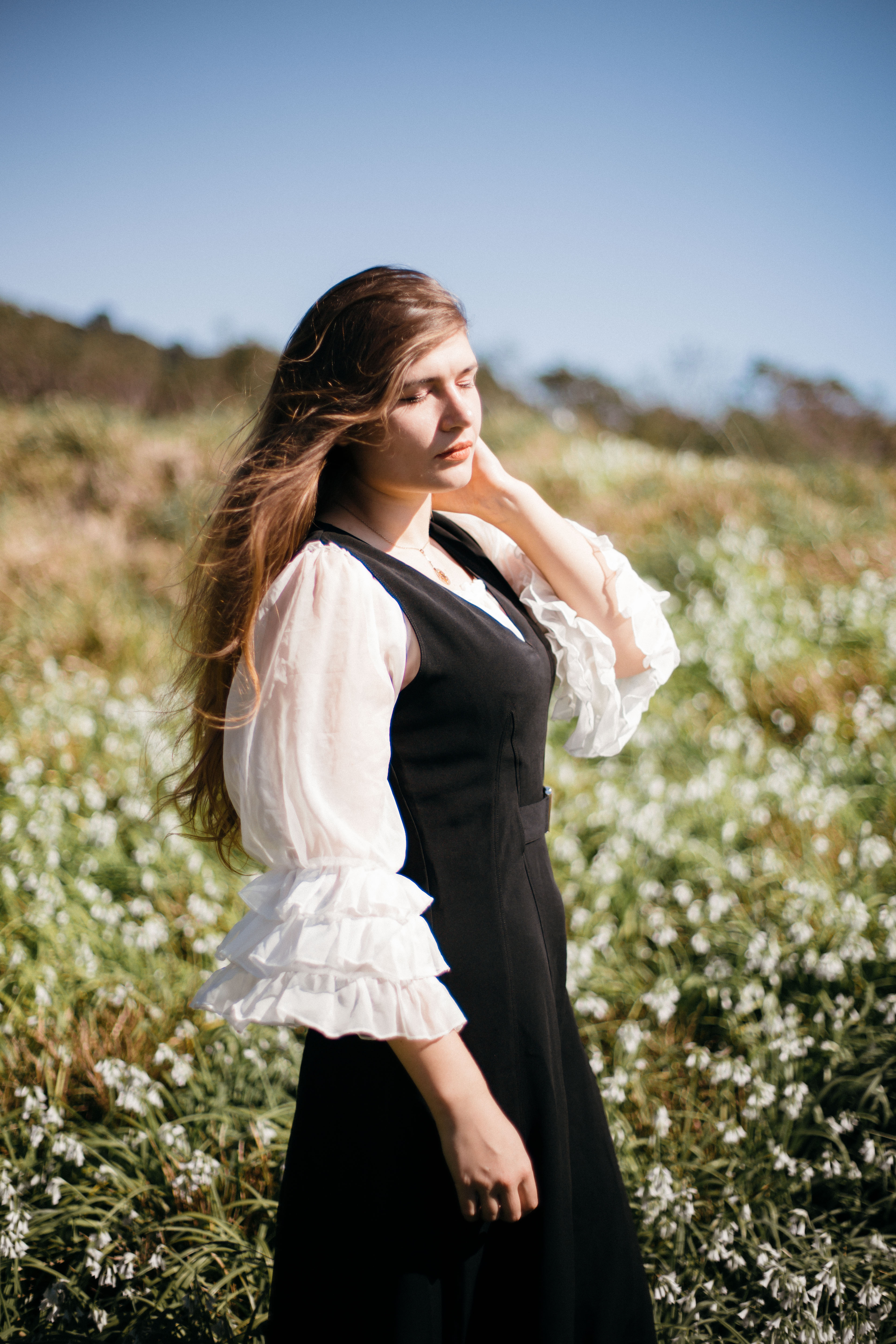
Kiri Piahana-Wong
‘Piha’
5Questions for Janet Newman
Editing a poetry anthology can offer multiple joys as you scavenge your shelves, libraries and the archives for poems. What surprised or delighted or challenged you?
I was surprised that Aotearoa New Zealand did not have an ecopoetry anthology. Much of this country’s poetry and indeed literature is focused on the landscape and relationships between people, land and sea, so it seemed we should have been one of the first countries to explore our ecopoetical heritages. Once I started delving into New Zealand’s ecopoetry I was surprised to discover that even in colonial times when European settlers were felling the forests, their poets were portraying senses of loss. Not only loss of the forests but of the solace they provided, and also loss of the living things forests supported: vines, ferns and bird life, so an awareness of ecological interconnection. Once I started looking outside of the English poetry canon it was no surprise to find that traditional Māori poetry showed emotional, cultural and physiological attachment between people and nature. What was surprising, however, was the total absence of poetry stemming from the Māori tradition in the English poetry canon until as recently as the second half of the twentieth century. It also struck me that the concept of culture as a part of nature and vis versa, portrayed at first in English in poems by Hone Tuwhare, were entirely alien to an English speaking audience and treated as something other by critics at the time. It shows how much has changed in this country if we look, for example, at the granting this century of legal personhood to the Whanganui River, Te Urewera and Mount Taranaki.
The biggest surprise of all, though, was how critics primarly in northern hemisphere countries appeared to be completely unaware of such concepts in which human and nonhuman worlds are entwined and defined ecopoetry in terms of duality between nature and culture. It was satisfying to discover that this country’s ecopoetry is not only a unique, local variant but that it expands current Eurocentric characterisations of the field. I feel proud to belong to a country with rich poetic heritages that recognise and value the importance of different relationships between people and nature. Nevertheless, Aotearoa New Zealand’s ecopoetry is saturated with loss. Loss of ecologies and loss of a sense of belonging. So it was heart-rending to read Romantic ecopoems revelling in solace in a nature constructed by colonisation which were written at the same time as marginalised ecopoets portrayed a sense of alienation through the loss of land and indigenous species.
I love how the anthology is divided into three sections: ‘The Early Years’, ‘The Middle Years’ and ‘Now’. What struck you about how poetic attachments to the land, shores, forests, skies have travelled over time? What connections and disconnections, challenges and homages?
Over time, the Māori and English poetry traditions which are the heritages of contemporary Aotearoa New Zealand ecopoetry are drawing closer together. In earlier years, there was wide separation. The nineteenth-century genesis of New Zealand ecopoetry in English is marked by fatalism towards a dying nature, such as William Pember Reeves’ “The Passing of the Forest” (1898). Conversely, just nine years earlier, Pāora Te Pōtangaroa reissued Te Kooti Te Arikirangi Te Tūruki’s moteatea, “Kaore Hoki Taku Manukanuka,” which called on nature, specifically the behaviour of the mātuhi (bush wren), as a model for iwi to unite against British takeover of Māori land, hailing nature’s endurance during times of struggle. In the twentieth century, Pākeha poets wrestled with a sense of belonging in an alien land and found solace in the nature constructed by colonisation while poets from the Māori tradition mourned the loss of indigenous ecologies and Indigenous culture. This century, we see a coming together of the two traditions. Airini Beautrais’s “Trout / Oncorhynchus mykiss / Salmo trutta” recognises the detrimental effect of introduced trout on indigenous fish species. Dinah Hawken’s “Losing Everything” states ‘I am the beneficiary of injustice’ as it acknowledges that the poet’s forbears bought land illegally confiscated from Taranaki Māori. Te Kahu Rolleston’s “The Rena” relates the sinking of the container ship off the coast of Tauranga in terms of capitalist pollution of not only the sea––‘the realm of Tangaroa’––but also of kaitiakitanga and tikanga. Hinemoana Baker’s “Huia, 1950s” wrestles with the knowledge that the call of the extinct huia is preserved in a sound recording of a huia trapper mimicking the song. ‘I want to tug / something out of him’ she writes. These poems show the complexities of nature and the human relationship with it in a settler colonial country.
Is there a poem or two that particularly resonate with you?
A poem from The Early Years section that particularly resonates with me is Alan Mulgan’s “Dead Timber.” By finding that the only creative act of settler society is nature’s destruction, it connects ecological ruin with the shaping of a national character devoid of artistic or literary culture. The national character Mulgan is referring to is that of European settlers such as my forebears. Another poem that resonates shows a way of perceiving the natural world beyond my personal experience. Co-editor Robert Sullivan’s “Waka 16 Kua wheturangitia koe” in Star Waka (1999), in the list of Further Reading, mourns the diminishment of star light due to the artificial nightlights of modernity. By portraying stars as natural elements and guiding lights of ancestors, their diminishment is both a physical encroachment and a spiritual and communal violation.
In these earth-smashing times, I find myself drawn to writing the Te Henga beach beauty as much as writing poetry as both challenge and marker of human and earth catastrophe. How does this tension between beauty/solace and ruination/despair affect you as a poet?
Reading ecopoems has given me an understanding of the many different ways in which nature and the human relationship with it is conceived. As a farmer, I am working in a constructed nature and yet it contains animals and much beauty which together lend me a sense of wellbeing. However, farmland is a source of great loss and grief to tangata whenua, as Jacq Carter reminds in “Our Tūpuna Remain.” I am aware that the ecologies of the local places where I love to swim and enjoy ‘nature’–– Mānawatu River, Ōhau River and Waitārere Beach––are largely constructed by colonialism. “Nothing that meets the eye on a New Zealand coastal plain that has been the subject of a swamp drainage scheme is yet a century old,” writes Geofff Park in Theatre Country, Essays on landscape and whenua (2006). My poem “Koputaroa, near the Manawatū River” in Unseasoned Campaigner (2021) explores how “the recognisable combination of trees, pasture and human structures makes it seem perhaps as if they are all that was ever here.” Like you, Paula, I am caught between appreciating beauty and acknowledging loss.
It is on my mind every day. How to navigate this toxic world? What gives you joy? Hope?
It is in poetry that I find joy and hope. As Gail Ingram writes, poetry “moves us … by bearing witness to pain, joy, all that our community is … it gets us back to living again.” Finding in poetry the expression of feelings of fear and optimism similar to my own gives me a sense of community:
song coming. Song coming, beyond any we’ve ever before lifted in song.
Carolyn McCurdie, from ‘Ends’
The readers
Ash Davida Jane is a poet, editor and reviewer from Te Whanganui-a-Tara. Their second book How to Live With Mammals (Te Herenga Waka University Press) won second prize in the 2021 Laurel Prize. They are a publisher at Tender Press and reviews co-editor at takahē.
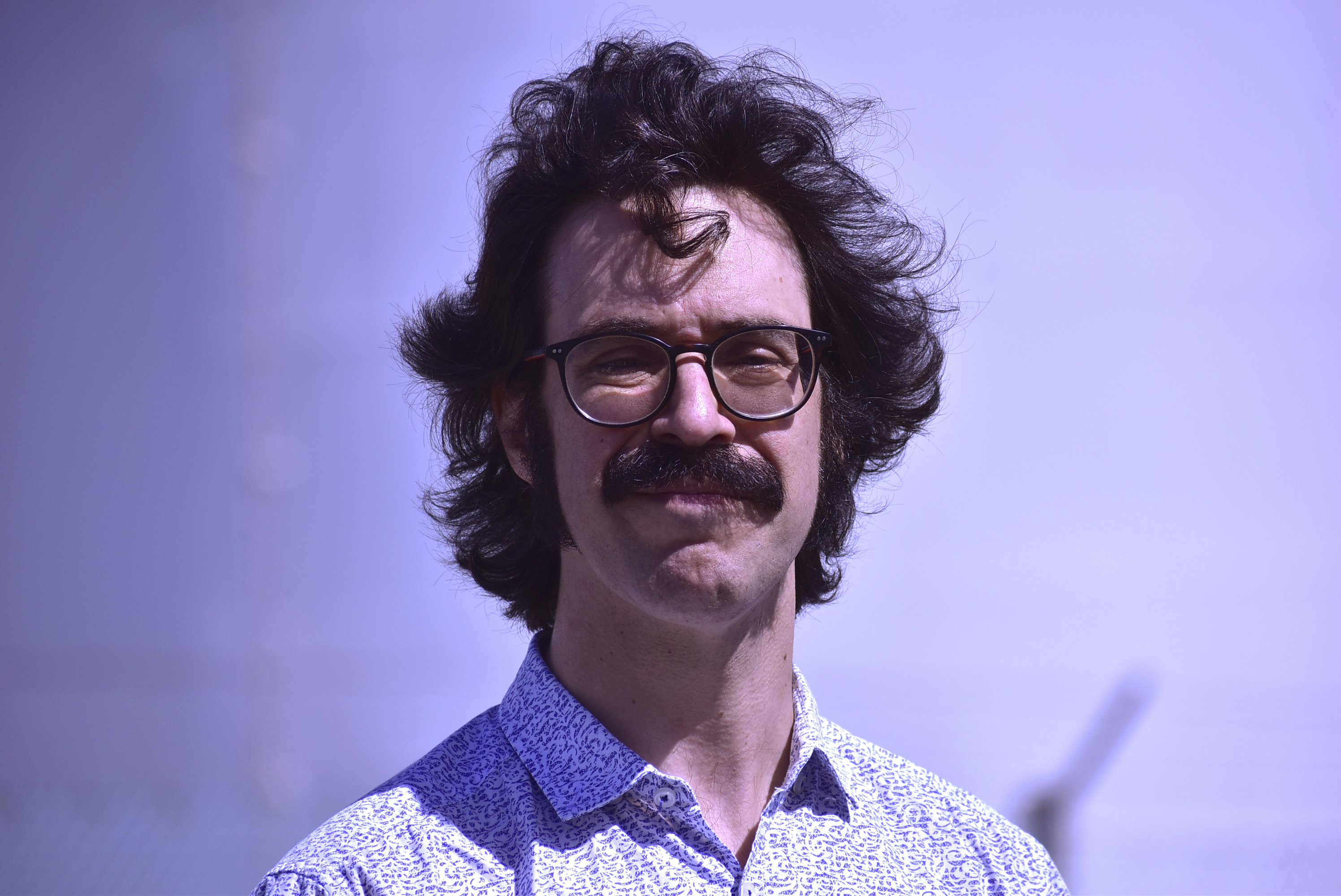
David Eggleton lives in Ōtepoti Dunedin and was the Aotearoa New Zealand Poet Laureate between August 2019 and August 2022. He is a former Editor of Landfall and Landfall Review Online as well as the Phantom Billstickers Cafe Reader. His The Wilder Years: Selected Poems, was published by Otago University Press in 2021 and his most recent collection Respirator: A Laureate Collection 2019 -2022 was published by Otago University Press in March 2023. He is a co-editor of Katūīvei: Contemporary Pasifika Poetry from Aotearoa New Zealand, published by Massey University Press in 2024.
Kiri Piahana-Wong is a poet, editor and the publisher at Anahera Press. She is the author of two poetry collections, Night Swimming (2013) and Tidelines (2024), and the co-editor of Te Awa o Kupu (Penguin NZ), an anthology of contemporary Māori literature, as well as Short! Poto! The big book of small stories (forthcoming from MUP in June 2025). She lives in Whanganui.
Rebecca Hawkes is a queer painter-poet from a farm near Methven. Her first book is MEAT LOVERS (Auckland University Press). She shepherds the warm-blooded journal Sweet Mammalian and co-edited the anthology No Other Place to Stand. Rebecca is currently topsy-turvy between hemispheres studying an MFA in yearning (and, to a lesser extent, poetry) at the University of Michigan.
The editors
Janet Newman lives at Koputaroa in Horowhenua. She has a PhD from Massey University for her thesis ‘Imagining Ecologies: traditions of ecopoetry in Aotearoa New Zealand’ (2019). Her essays about the sonnets of Michele Leggott and the Romantic ecopoetry of Dinah Hawken won the Journal of New Zealand Literature Prize for New Zealand Literary Studies in 2014 and 2016. She won the 2015 New Zealand Poetry Society International Competition, the 2017 Kathleen Grattan Prize for a Sequence of Poems and was a runner-up in the 2019 Kathleen Grattan Awards. Her first collection of poems, Unseasoned Campaigner (OUP, 2021), won the 2022 New Zealand Society of Authors Heritage Book Award for Poetry.
Robert Sullivan (Ngāpuhi, Kāi Tahu) is the author of 10 books of poetry, a graphic novel and an award-winning book of Māori legends for children. His most recent poetry collections include Tūnui | Comet (AUP, 2022) and Hopurangi—Songcatcher: Poems from the Maramataka (AUP, 2024). Robert is the co-editor of anthologies of Polynesian poetry in English, Whetu Moana (AUP, 2002) and Mauri Ola (AUP, 2010), alongside Albert Wendt and Reina Whaitiri. He’s also the co-editor of an anthology of Māori poetry, Puna Wai Kōrero (AUP, 2014), with Reina Whaitiri. Among many awards, he received the 2022 Lauris Edmond Memorial Award for a distinguished contribution to New Zealand poetry. He is associate professor of creative writing at Massey University and has taught previously at Manukau Institute of Technology and the University of Hawai‘i at Mānoa.


 NZ Poetry Shelf