
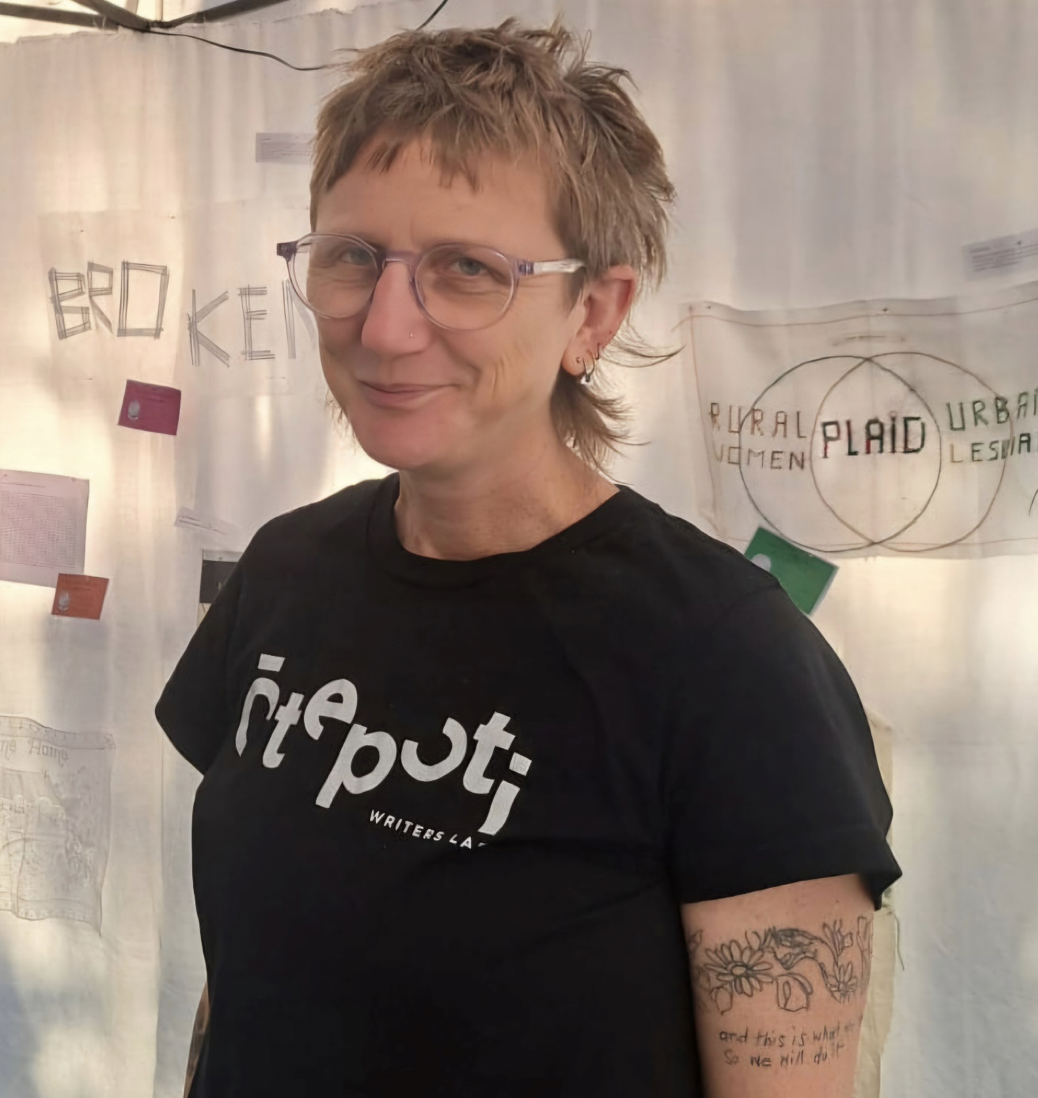
I have been thinking a lot about the place of poetry in global catastrophe and the incomprehensible leadership in Aotearoa. How do we write? Read? Do we need comfort or challenge or both? This week Liz Breslin.
5 questions
1. Has the local and global situation affected what or how or when you write poetry?
Thank you for having me as part of this series. I’ve been thinking a lot about the place of poetry too, or perhaps more precisely about showing up in a specificity of words. Reading the words ‘comfort’ and ‘challenge’ above made me think about how, personally, there are times when I feel comfortable and need challenging and challenging times when it would be OK to let myself have some comfort. And in political terms, how those of us who have a relative level of comfort ought to be challenging ourselves pretty much constantly at the moment, and thinking about how we can bring comfort for people facing challenges. But then I think those two words or the alignments I’ve made aren’t quite specifically right enough for my thoughts about any global and local situations. I’m situated in a place where I want to use very specific words including ‘genocide’, ‘tino rangatiratanga’ and ‘colonisation’ and ‘what the actual fuck’ on the daily.
My writing and my reading right now is shaped by a can’t-look-away-ness of the wide and deliberate use of words to uphold a white supremacist worldview. Like the vast disparity between how people write about Palestine and Ukraine. Like David Seymour condemning ‘political violence in all its forms’ after Trump getting shot at while pushing through multiple egregious political violences here in Aotearoa. It’s so disgusting and it makes me want to take language apart and shake it.
2. Does place matter to you at the moment? An object, an attachment, a loss, an experience? A sense of home?
I’m currently doing a PhD which is a queer exploration of settler coloniser stories of gender, space and violence in the rural south of Te Waipounamu. So I think that’s probably the place that I’m spending most head space in at the moment, even when sitting at my desk in Ōtepoti. As a sense of place, it gives me more ‘challenge’ than ‘comfort’, because although I am getting so much out of the opportunity to explore the stories, it’s also a place I am very uncomfortable in as there are a lot of reminders of my abusive marriage there. What I am loving is finding and cutting and pasting stories from the area that challenge the she’ll-be-right Southern Man patriarchal stronghold, and even working out some of my own stories. My notes app is my best friend and constant confuser in this regard.
3. Are there books or poems that have struck a chord in the past year? That you turn to for comfort or uplift, challenge or distraction.
O gosh. What even is a year? Noreen Masud’s A flat place for really particular and thoughtful takes on trauma and landscape. Lots of Mary Oliver, which is a constant. Local reads include Robert Sullivan’s Hopurangi Songcatcher, Majella Cullinane’s Meantime and Ash by Louise Wallace. I absolutely can’t wait to read Whaea Blue by Talia Marshall. Also I’ve been consuming and consumed by a lot of Alexis Hall books. And I wanted to like The Priory of the Orange Tree but, no thank you to a book that says it’s queer but is super based on women existing to reproduce and none of the queer characters getting a happy anything. Poems by Mosab Abu Toha. He had one called ‘The Moon’ on the New York Review of Books a few weeks ago that I couldn’t stop reading. (https://www.nybooks.com/articles/2024/03/21/the-moon-mosab-abu-toha/) Something Nathan Joe said a while back made me determined to be a more conscious consumer of words and media – the exact quote is probably somewhere buried in the aforementioned notes app. But then I go and ruin it all by hammering whole seasons of shows like ‘I kissed a girl’, ‘I kissed a boy’ and ‘Are you the one?’ (Season 8 is the queer one).
4 What particularly matters to you in your poetry and in the poetry of others, whether using ear, eye, heart, mind – and/or anything ranging from the abstract and the absent to the physical and the present?
I wish I knew how to answer that. I think it would make me more in charge of my ability to craft. I spend a lot of time on the edge of unsureness but I love the catch of a true word group feeling thing that is a poem.
5 Is there a word or idea, like a talisman, that you hold close at the moment. For me, it is the word connection.
I’m always obsessing over words and recently one of them is ‘manifest.’ Rooted in the French word for ‘hand’, it’s also a ships list and a kind of magical thinking. Which is maybe a joining of hands. I think that thinking about the possibilities of ‘manifest’ was sparked by something I read in Living a feminist life by Sara Ahmed. I’m obsessed with her queer and particular style and also I’m prone to hand-thoughts anyway. I had a quick look just now and found them in nine recent poems.
Two unpublished poems though the first is on my Instagram… @liz_breslin. I chose them because one is the very cutting up of language and the other is all about the hands, in this case the hands of a specific settler coloniser woman I’ve been studying but that’s another story.
two poems
The ABCs of Don’t say gay
All the words from Mount Aspiring College’s ‘Pride video’ 2024
a a a a a a a a a a a about about about about about about about about about acceptance accepting accepting after all all allows also also and and and and and and and and and and and and and and and and and and and and any anyone applied are are are are around as as as as as awareness
be be be be be because because because been being being but by by
celebrate celebrate celebrating celebrating character colourful come coming community community community community community confident content creating
despite differences different diverse diversity doesn’t doesn’t don’t
each embodies encouraging environment equality equity everybody everyone everyone everyone everyone
fairness family faster fear feel feel feel feel flag flag for for for for for for fostering free friends friendship from from fun
great great great
hard has have honour how how how
I I I I I I if important important important importantly in included inclusivity inclusivity initiative involved is is is is is it it it it it’s it’s it’s it’s it’s it’s it’s it’s it’s it’s it’s it’s
judgement judging
kindness King kura
let looking louder love love Luther
make make making manaakitanga Martin matter matter may me me me me me me me means means means members members most much
near not
of of of of of of on only or other others others others otherwise our our our our
peers people people people person person place positivity Pride pride pride pride pride pride pride pride pride progress
really really really recognise reflect remember reminder respect respectful right
said school school sense sense should show show show show show show so so society speaking support support
tell that that that that that that’s that’s the the the the the the the the the the the their them then there there’s these they they they things things think think think think think think this this time time time to to to to to to to to to to to to to to to to to to to tolerance towards towards treat treat treated
up us
valued video wanna watching way way we we week week week week week weeks welcome what where which who who who whole with with within within within without workers write
you you you you you you you you you your your your yourself yourself
Acceptable notions
Ecclesiastes 3:7
A time to tear apart and a time to sew together;
A time to be silent and a time to speak
A time to smooth your hands on the rough of your skirt
A time to feel the fibres of your fingers curl
A time to count the callouses for all they are worth
One a penny two a penny three a
time to watch your palm as it strokes against hers
A time to make light of the shift of the day past your window
A time to swallow your emotions
A time to
swallow
you’re
A time
A time
to stare at the hills and think the word horizon
Like it does not shift as you shifted as you
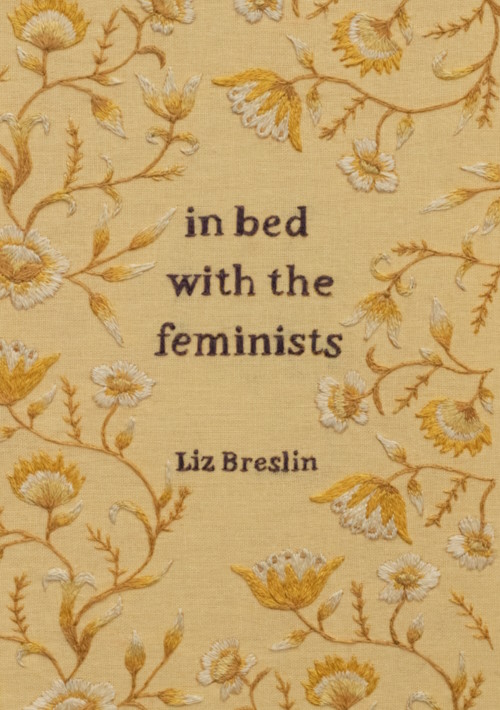
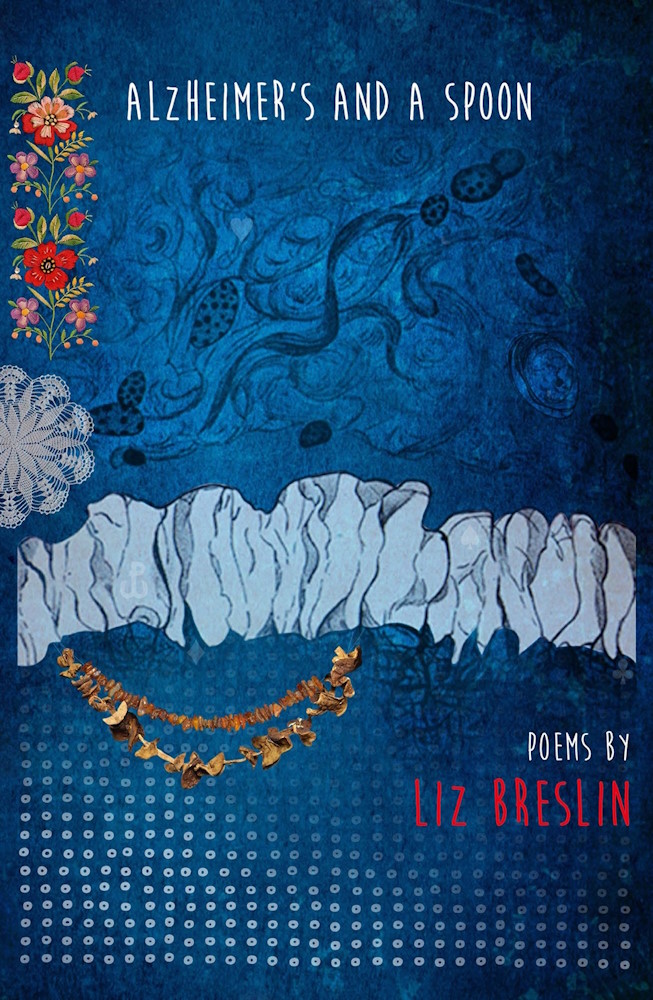
Liz Breslin is a tangata Tiriti writer, editor and performer of Polish and Irish descent, living in Ōtepoti Dunedin. Liz’s poem collections are In bed with the feminists (Dead Bird Books, 2021, 2023), winner of the Kathleen Grattan Prize for A Sequence of Poems 2020, and Alzheimer’s and a spoon (OUP, 2017, 2021), one of the NZ Listener’s Top 100 books of 2017. Liz is a creative critical PhD candidate (and recipient of a City of Literature scholarship) at the University of Otago Ōtākau Whakaihu Waka, making zines and poems and sewings about cycles of settler coloniser violence in the rural south of Te Waipounamu.
 NZ Poetry Shelf