

Photo credit: Anne-Marie Davis
Sitting in these hokey pokey sandhills
eating fish & chips
watching the bright vanilla waves roll in to
the kelp-strewn beach.
from ‘Beach Therapy’
from Music Therapy (Earl of Seacliff Art Workshop, 2001)
With sadness, writing communities across Aotearoa received the news of the death of Peter Olds. There has been shared grief, words and links across social media. Poetry Shelf is offering a selection of Peter’s poetry, some selected by me, and some selected by Peter’s publisher, Roger Hickin (Cold Hub Press), as a celebration, a contemplation, a tribute.
I also recommend reading Out of the Jaws of Wesley: 1944 -1972 a record: Peter Olds (Cold Hub Press, 2022). It is a moving and insightful miscellany that gathers together photographs, letter extracts, poems and prose to present a portion of a life. It marks Peter’s engagement with other writers, his meeting with James K Baxter, his mental health and his addictions, his drive to write, the months leading up to his debut poetry publication. He called his poems ‘songs’: ‘This is where I came / to write my songs when / they first twitched / in the mind.’ (from ‘In the Dragon Cafe’)
Writing becomes so much in the ink of Peter Olds. Yes it is song, and I picture a guitar slung over shoulder, yes it therapy, as I am drawn into his various treatments and diversions, yes it is reflection as I am drawn into memory and turning points, yes it is food and nourishment, the piquant fish and chips matching the piquant word. It is travel and anchor, it is it is rural and it is urban, it is walking and it is conversation. It is to be shared.
A man is writing in a large
notebook with colouring pencils
at a table near the door in the
Methodist Mission coffee lounge
A life story? A theory of life? …
An intense concentration
of tea things and a banana skin.
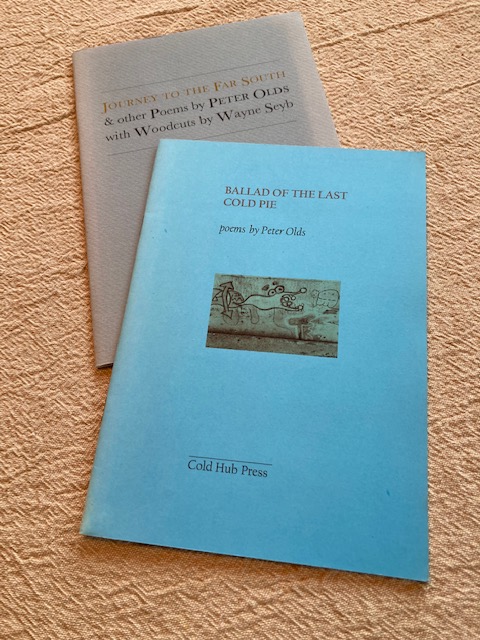
from ‘Ballad of the Last Cold Pie’
from Ballad of the Last Cold Pie (Cold Hub Press, 2010)

from You fit the description
(Cold Hub Press, 2014)
Oxford
I played on the graves while you mowed the lawns:
white pebbles and angels with broken wings,
glass domes and wire flowers,
the smell of petrol,
the smell of cut grass and bees.
Cows scattered in bush:
tin from neighbours’ farms wrapped around trees,
whole trunks torn up like twigs,
pigs howling
in the screaming nor’wester.
(2010)
Black bees
My father used the old Ford as a tractor,
dragged dead cows to the pit across the paddock,
taking me along because I was quiet and no trouble.
I’d stand on the back seat and watch him blowing
stumps with plugs of powder; watch him straightening hives
the cows had rubbed against; watch him smoke bees dopey
before taking the lids off the hives … Sometimes he’d leave
me and the car on a dusty back road.
I’d stand on the back seat, the car rocking in a hot nor’wester,
while he went off into the silence of whining fence-wire,
somewhere out there; smoking bees, making sermons
in the sweet smell of hemp smouldering in the puffer.
He’d come back, poke his head through the open window and enquire:
“Are you alright?”
He’d open the door and the smell of sticky wax would follow him in.
He’d toss the straw hat covered in fairy wings onto the back seat.
I don’t remember being stung.
They said they stopped counting …
I could hardly breathe.
“Stay in the car,” was the order, but in the silence I forgot.
The hot nor’wester was full of raiding black bees.
I climbed down and went to look for him.
The wind whined in the fence-wire.
The car rocked in the yellow dust.
(2012)
The special
for Jim Nepia
I first heard about Jerusalem from Baxter himself.
We were standing on the corner of Cosy Dell
and Drivers Road and he was in an agitated state
like someone on an unnatural high.
“God told me in a dream to go to Jerusalem,” he said,
“a Catholic Maori community on the Wanganui River,
and grow vegetables and start a new life.
I would like you to join me there when I get things set up.
I believe God wants me to do this.”
There always was something odd about Baxter
and this seemed to confirm it.
I could be silly, but I was young.
Baxter was a grown man with a family …
As it transpired later that year
I wound up in Cherry Farm mental hospital
not able to go anywhere anyway,
and Baxter took off for Auckland and set up
a community in Grafton for hippies and bums
before going on to Jerusalem –– and for a while
the communication between us stopped.
But Cherry Farm was a community too
with its own drugs and gurus ––
and brainy people who flew aeroplanes
and smoked American cigarettes,
who wrote novels like Henry Miller
and had been to university three times!
And (funnily enough) I met a Maori man there
by the name of Jim who knew a lot about eels
and how to catch them:
down in the tidal creek under the road bridge
just outside the hospital grounds
on a hook and line with a piece of mutton fat
from the pig tins.
When Jim boiled up those eels in the villa kitchen
man! –– the whole place stank …
But Jim was a ‘Special’,
and no one was of a mind to stop him
from doing what he had to do.
(2012)
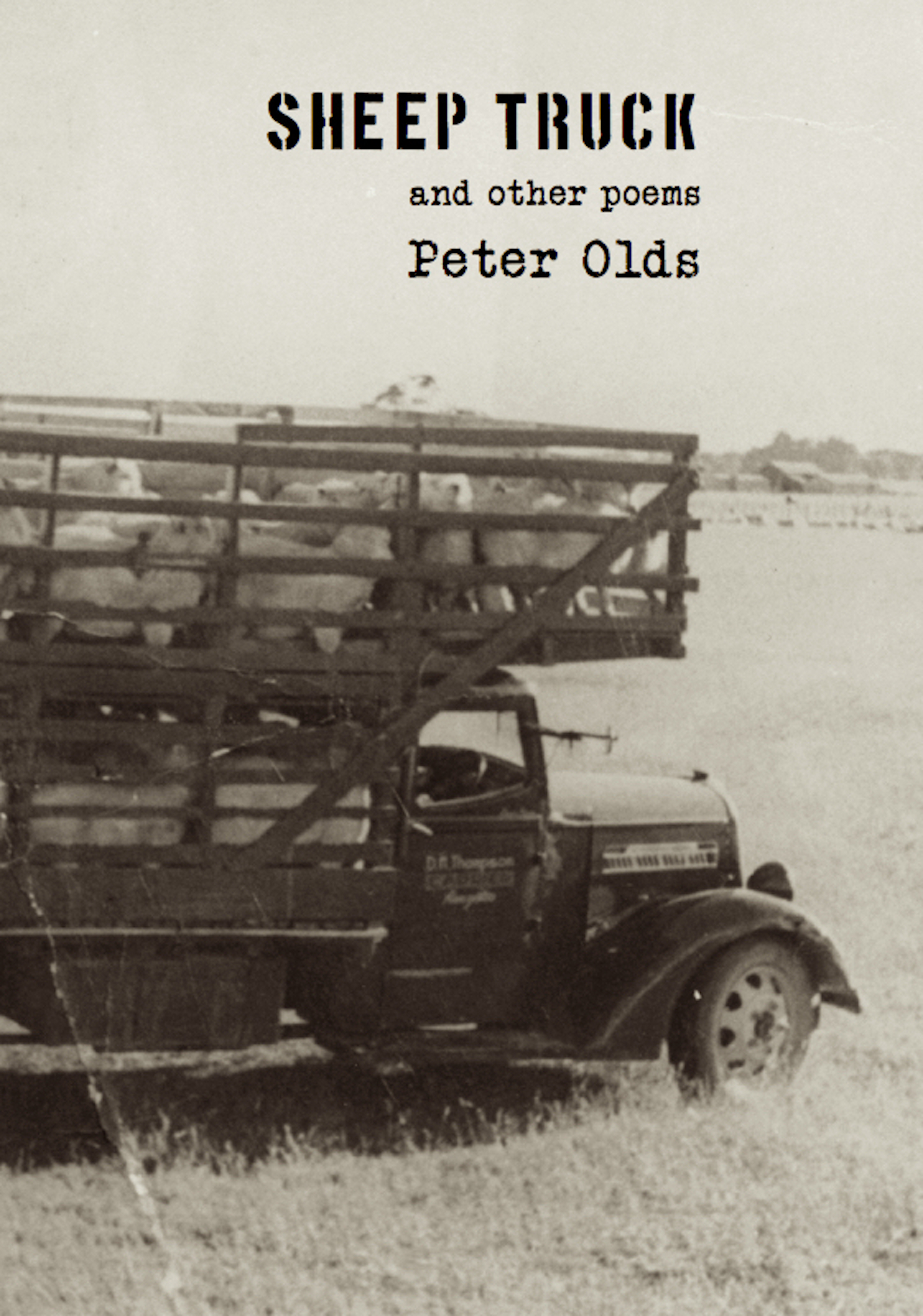
from Sheep Truck
(Cold Hub Press, 2022)
Poet makes a useless round-trip journey
Walked around City Rise from home
to the Warehouse, above the Exchange, to look
for notebooks & scribble-pads. Quite a hike
for me these days . . . Out of Prestwick, past Sim,
down Drivers Road, into Queens Drive, Royal Terrace,
up London Street, across Stuart, into Arthur (at
Otago Boys’ High), over the top of York & down
Rattray to Maclaggan, & on to the Warehouse
where I bought 3 DVDs but no notebooks––Oh!
––& an icecream . . . Then on again to Queens
Gardens for a pee at the public toilets next to
the brothel, & on past the Leviathan Hotel
around the corner from the old Police Station
to the new Bus Hub opposite the new Police Station
where I caught a bus back home.
I want to be normal said the worm
I want to be normal said the worm
and live in a garden by the sea
and have healthy trouble-free teeth
strong limbs and wild hair
if I wanted to eat
I’d only have to pick the fruit
off the trees
there would be enough vegetables
in the garden to feed a large family
kahawai would run in the surf
so thick you could walk on them
for company I would keep chooks
and maybe a milking cow
the kind elderly couple next door
would look after my garden while
I went on holiday
I would never drown in the sea
swimming would be like
warm love
the black wet rocks would never
threaten
the sky would always be bright
and deep blue––except of course
at night when the discussion
on the radio would turn
serious
people talking about relationships
and food and wine––
I would sleep in my hole
better than ever
and awake refreshed and sparkling
with the birds
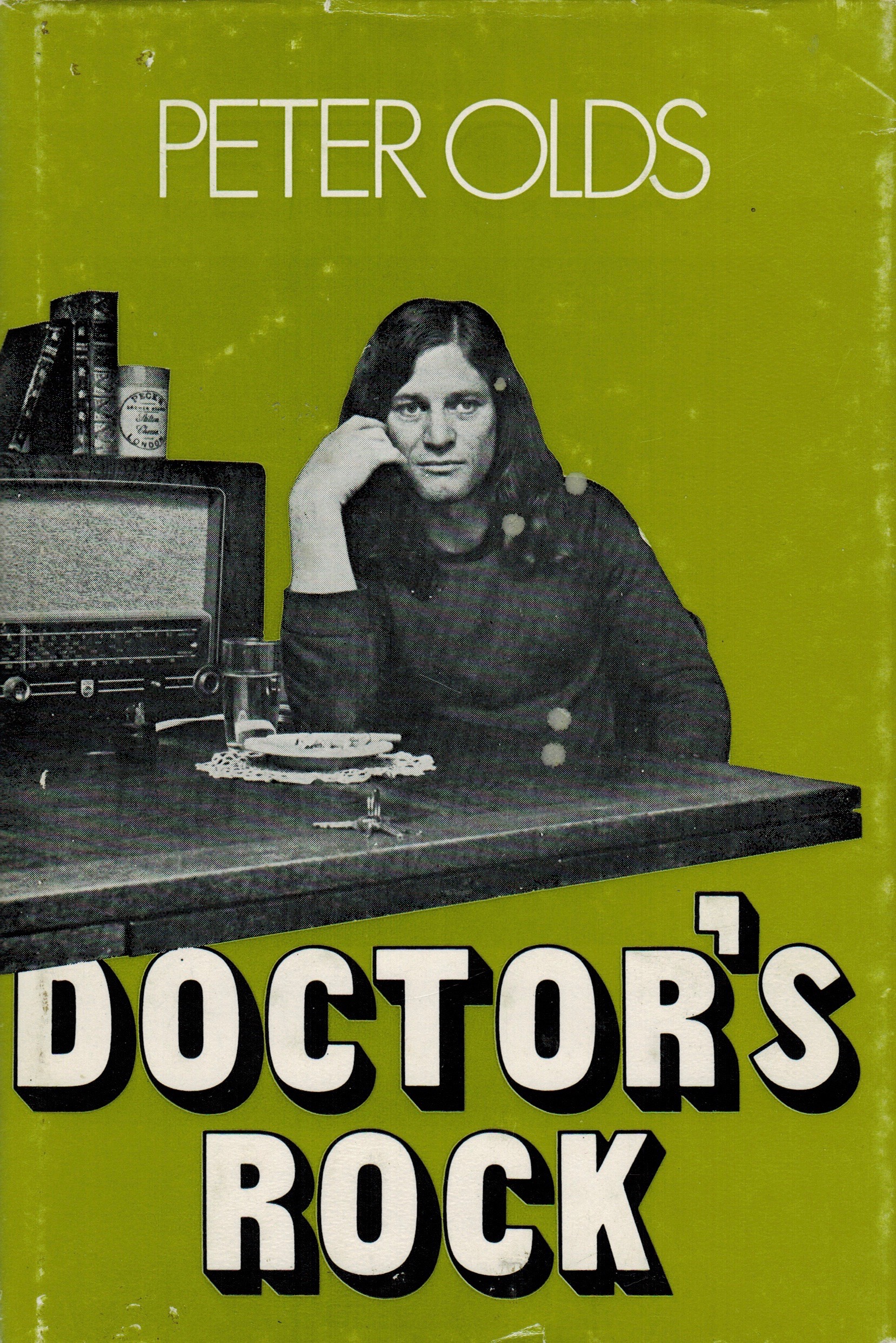
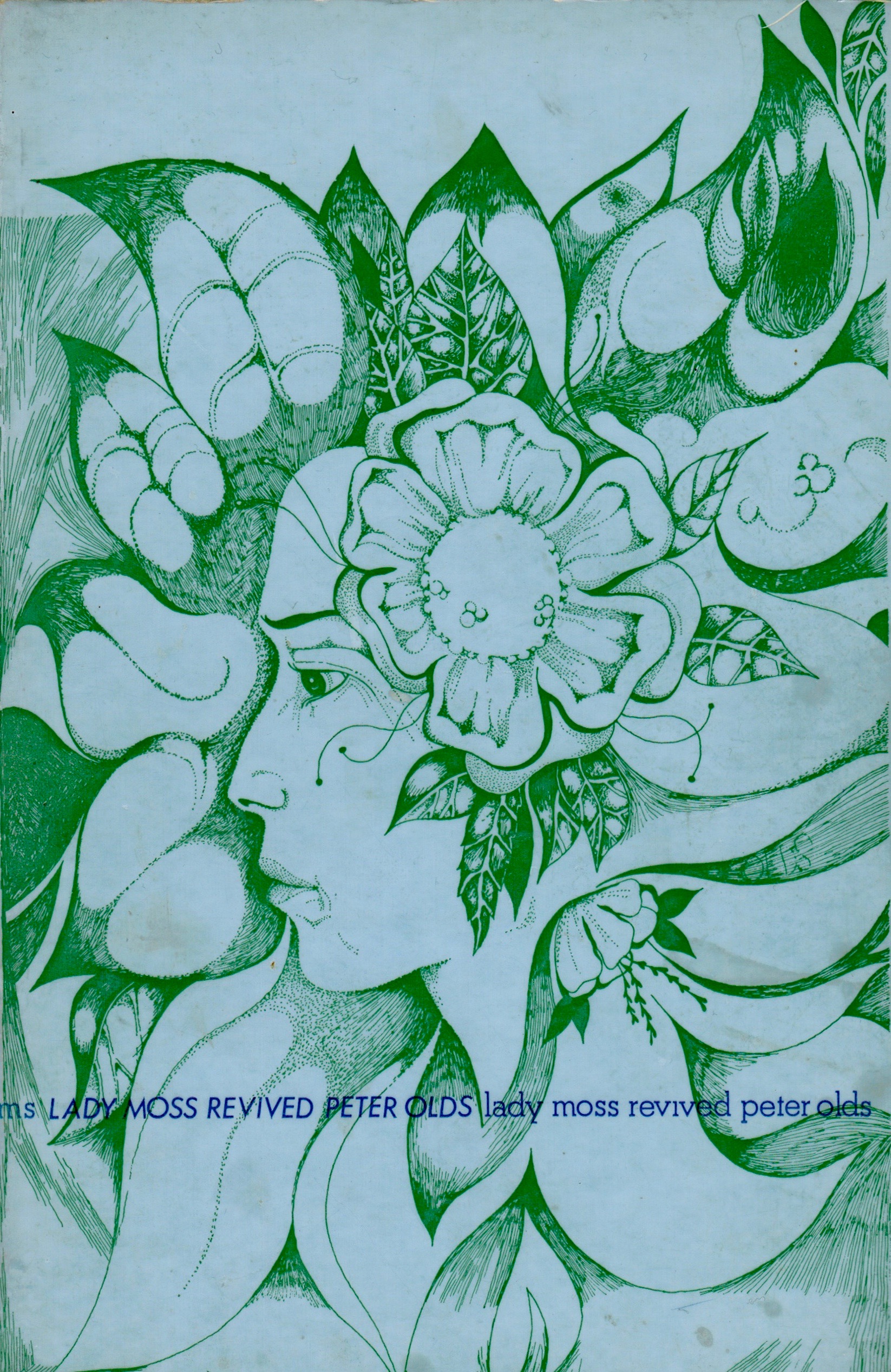
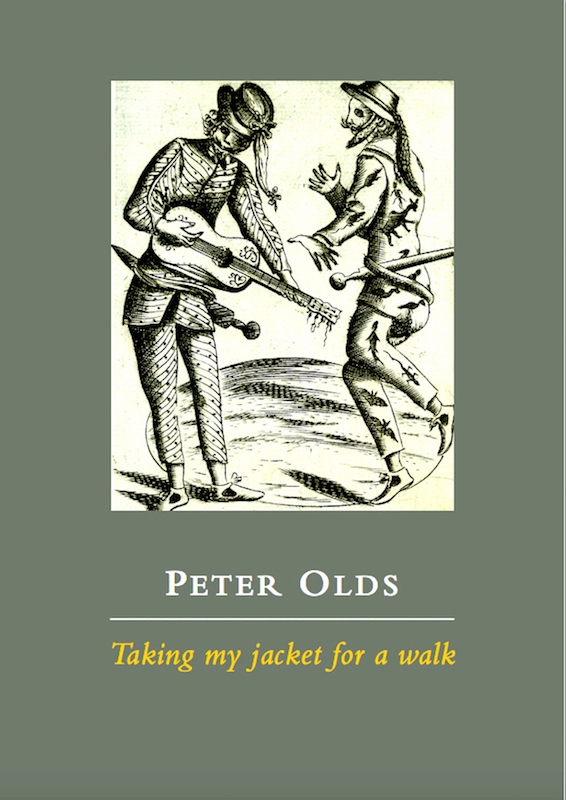
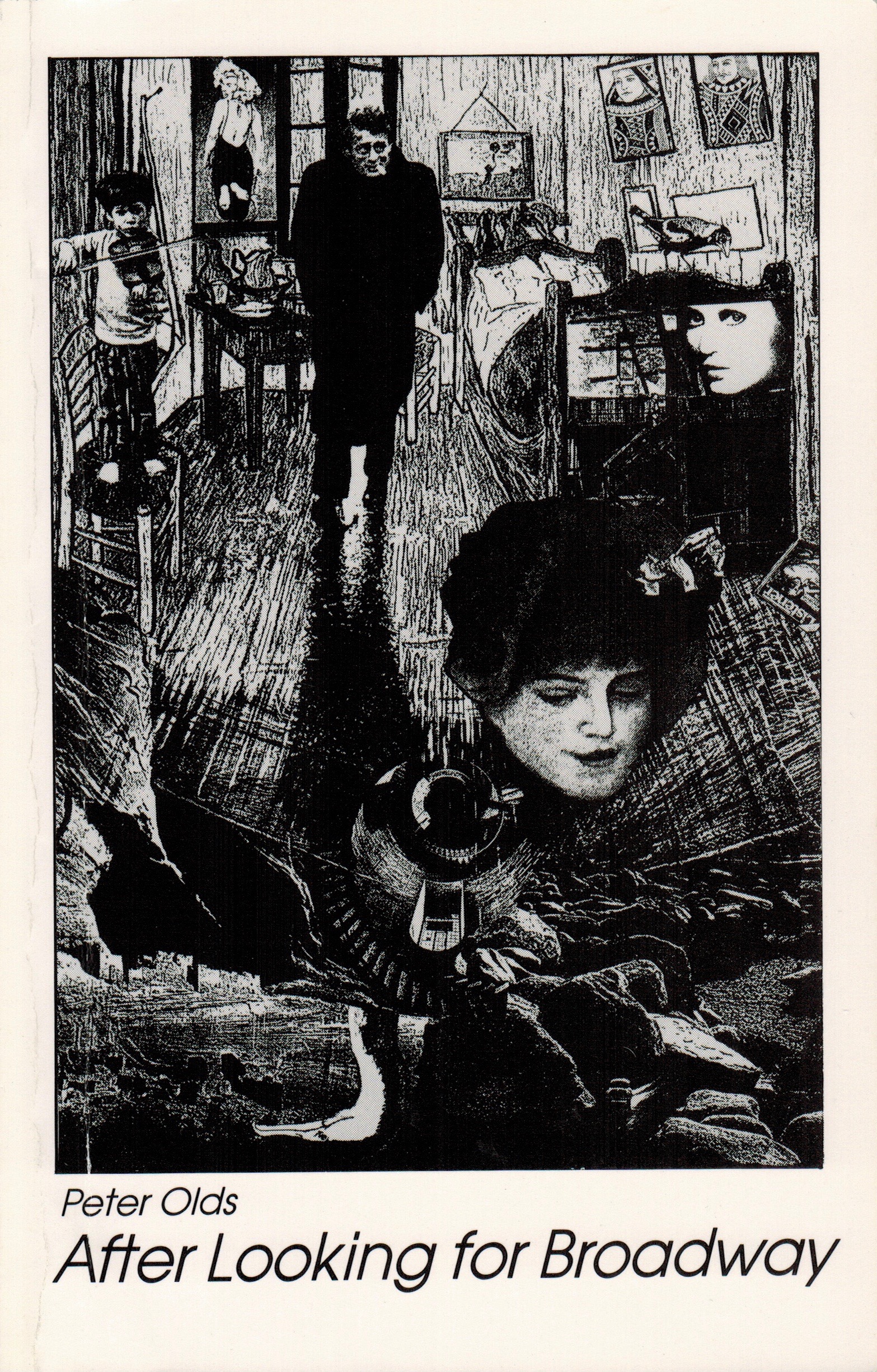
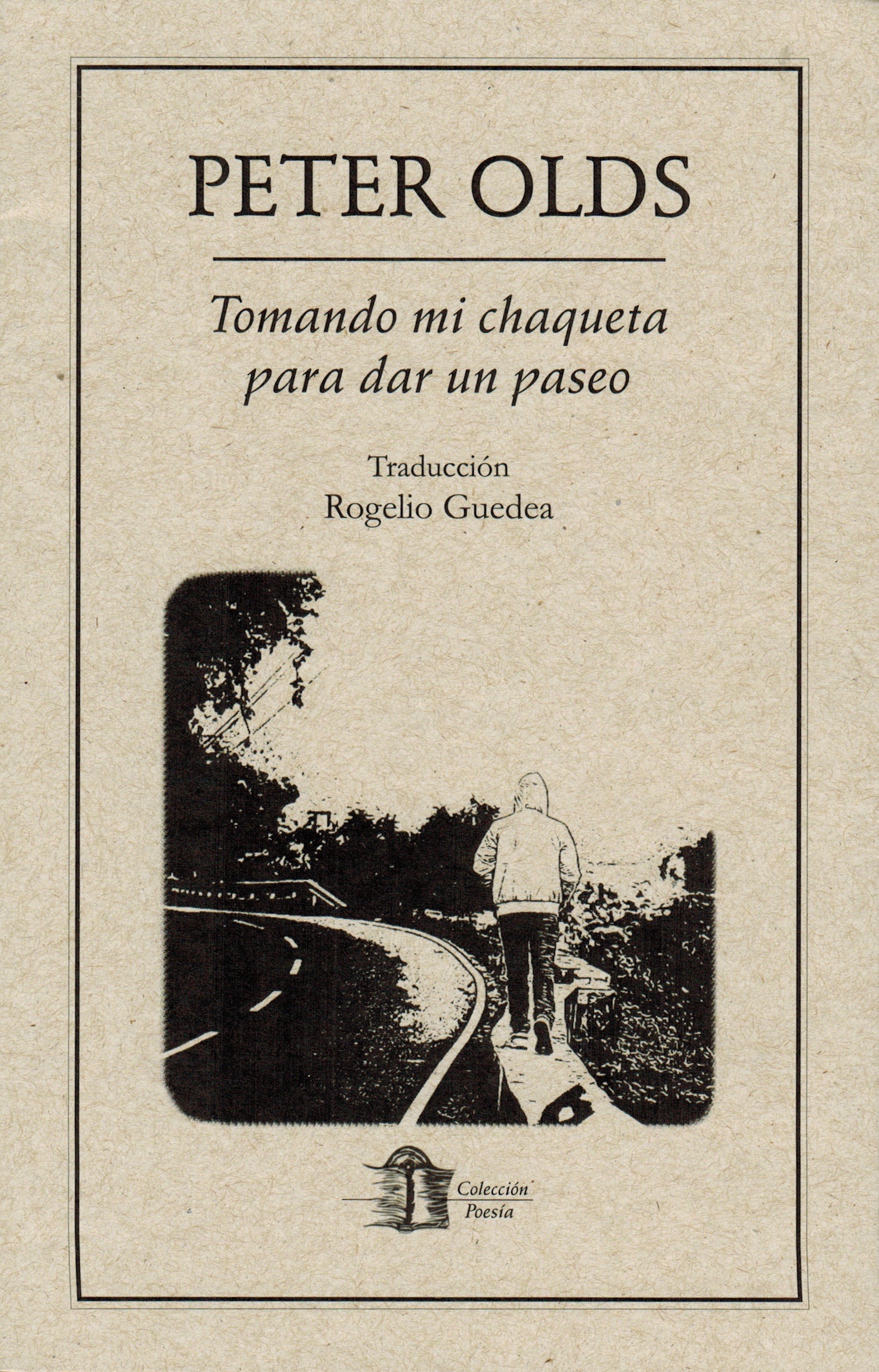
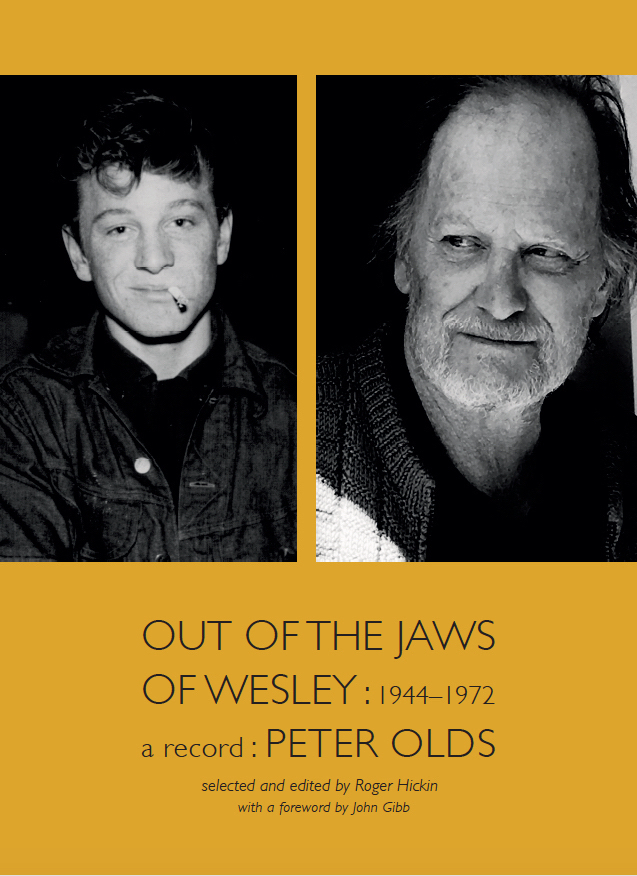
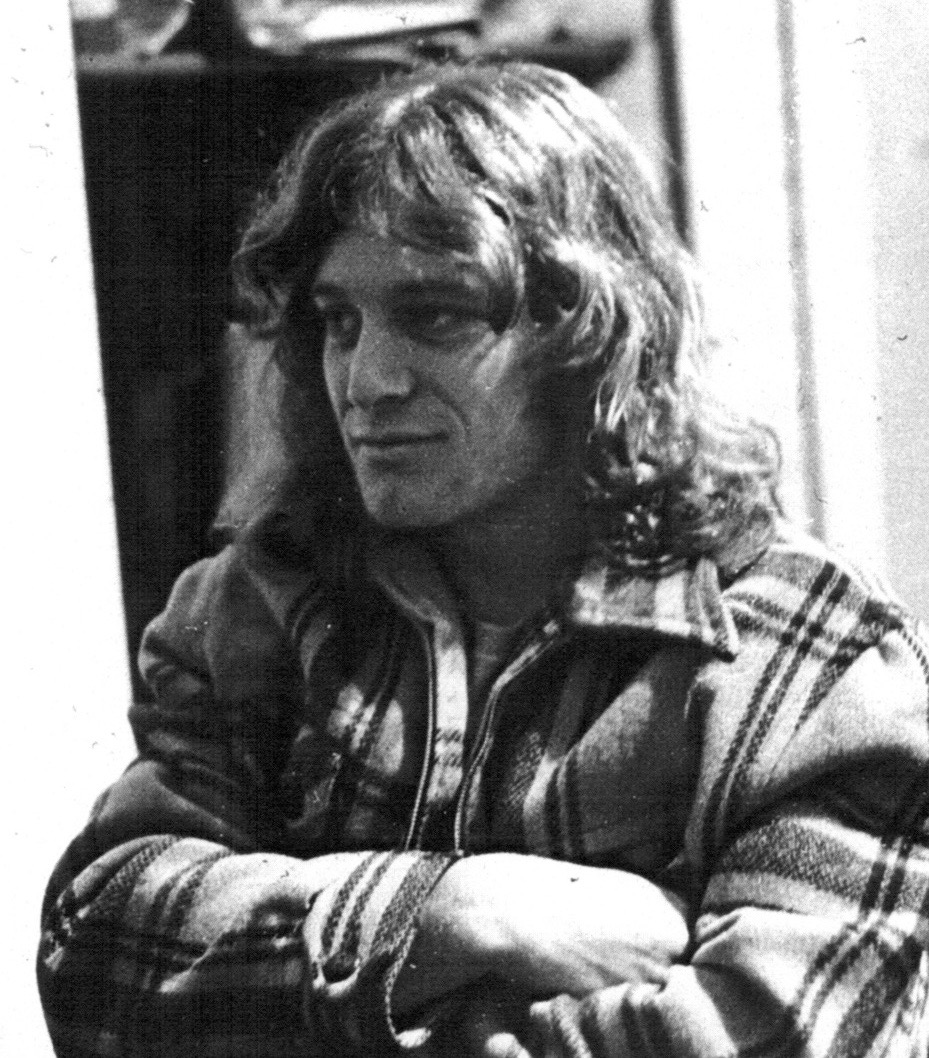
Peter Olds, one of Aotearoa New Zealand’s finest poets, died in Dunedin on August 31, aged 79. In his introduction to The Glass Guitar, a collection of thirty-two previously uncollected and unpublished poems by Olds due out from Cold Hub Press on October 24, his friend John Gibb describes him as “a navigator of contrasting and sometimes contradictory worlds, a kind of battered Zen ambassador of humanity, an at times irreverent pilgrim making his way through life”. David Eggleton called him “the laureate of the marginalised”. And as Frank O’Hara was the poet of New York, and Sydney Goodsir Smith the bard of Edinburgh, he was Dunedin’s unofficial but authentic poet laureate.
Roger Hickin
from The Glass Guitar
(Cold Hub Press, publication date: 24 October 2023)
The Glass Guitar
At first you don’t notice it
among the furnishings & potplants
half hidden in a darker part of the room:
the glass guitar
its neck bent
strings curled round its head
almost shameful in an otherwise
cheerful room,
people drinking beer
watching TV
taking little notice of arrivals and departures
clinking glass on teeth for sound effect
and in the hallway a small stereo tapping quietly
by a bedroom door,
no one paying attention to the glass guitar.
At first you don’t notice the urge
to smash glass:
the coffee table wet with slippery light
the floor crowded with spinning bottles
foetuses and clown-masks
walls sucked in like toothless heads . . .
Flopped in a beanchair
the overhead lights switched off
a candlestub spluttering for effect,
it suddenly hits you
like something you can’t find words for
and you reach for the guitar
and start strumming and singing
like mad.
Omokoroa: the place of walks
1
An aeroplane fades overhead towards the Kaimais
a magpie beats-up a heron
2
A plastic bag with a small fish inside
thrashes around on the wet pontoon
a small girl steps gingerly up to it
3
Hats and walking sticks
elderly couples
hand in hand
4
Fruit rotting under trees
next to the self-help food stall
5
A mile away
clear as an eye
a dog barks
chases ducks
through water
6
God’s glorious sunset
blue Omokoroa
like a Bible tract on water
7
You can’t see them
but they’re there
the small fry
lying just below the surface
under the jetty light
8
Above the orange grove
clouds’ glacial drift
solid as sheep
9
When the large fish
pass underneath
the water suddenly becomes popcorn
jumping on a redhot plate
Shipwrecked on Tautuku Beach
a therapy
We were drinking from a leaky barrel.
Dancing couples slid across the deck.
From the rigging Neil Diamond screamed Hallelujah!
Down below the netball team were cutting sandwiches.
Madonna, winner of the costume competition,
was on the bridge screwing the Captain.
Edith Piaf spun on the intercom . . .
I was smoking Pig Island weed with the ship’s cat
when we hit. I don’t remember much––only the last strains
of a crashing wall of surf followed by a scream.
I got ashore––I don’t know how.
My gumboots filled with water.
I was lucky: the cat didn’t make it.
On the beach three clowns were sitting round a fire
drinking salvaged beer: ‘What the hell happened!’
they shrieked, white-faced. ‘Whose fucking idea was it
to go out in this weather anyway?’
We counted the missing:
Three gay bishops, one policeman, a prostitute,
Edith Piaf, two hitch-hikers, Abba’s entire CD collection,
a couple of shearers (who were supposed to be lookouts)––
the netball team were nowhere to be seen.
When the sun rose I walked to the end of the beach to clear
my head. Walked as far as a dead cow: its legs in the air,
bloated like an Indian raft adrift on the Ganges . . .
I lay on the sand, thankful I still had my teeth,
and waited for the rescue-team to arrive.
You’d think the beach had always looked like this:
mist on bush, kelp entwined in bleached driftwood––
gulls standing in water just out of reach.
Cold Hub Press page
David Eggleton talk on Peter Olds
Gregory O’Brien on Peter Olds and Geoff Cochrane with Kim Hill RNZ National
David Eggleton picks two poems by Peter Olds for Poet laureate blog
Poetry Shelf review of A Town Trod by Poets, by Roger Hickin, photographs and poetry by Peter Olds
Lying here watching insects
through the bamboo blind
zigzag across the window pane
fine rain
from ‘From the Hut Window’
from Music Therapy (Cold Hub Press, 2001)
 NZ Poetry Shelf
Pingback: Poetry Shelf Postcards 2023 by 14 Poets | NZ Poetry Shelf