Monthly Archives: August 2014

August On the Shelf: Poetry picks from Emily Dobson, Siobhan Harvey, Harry Ricketts, Jack Ross, James Norcliffe

Siobhan Harvey: Conversations by Owl-Light, Alexandra Fraser, Steele Roberts, July 2014 Conversations by Owl-Light is the first collection by Auckland author, Alexandra Fraser who is one of the finest contemporary writers engaging with scientific themes in New Zealand. Chemistry, love, botany, family, astronomy, tarot and ancestry: this heady mix of themes is delicately and decidedly well handled by Fraser’s evocative language, pinpoint accuracy and sumptuous concern for human interaction. See here for more details.

Autobiography of a Margueritte, Zarah Butcher-McGunnigle, Hue & Cry, June 2014 See here. Each time I read this first collection of prose-poems by Butcher-McGunnigle I’m staggered by its depth, skill, astuteness and vibrancy. A workbook for illness; a diary of familial dysfunction; a finely tuned navigation through self-representation and identity: Autobiography of a Margueritte is all this and more. A must-read.

Siobhan Harvey‘s recent books are 2013 Kathleen Grattan Award for Poetry winning Cloudboy (Otago University Press) and, as co-editor with James Norcliffe and Harry Ricketts, Essential NZ Poems – Facing the Empty Page (Penguin Random House NZ, 2014). Recently, a poem from a new work she is creating was runner up in 2014 New Zealand Poetry Society International Poetry Competition.


Harry Ricketts:  I Knew the Bride, Hugo Williams, Faber & Faber, 2014  Hugo Williams is my favourite contemporary English poet. His line in mordant wit and lurching loss gets me every time. Here the suite of poems called ‘From the Dialysis Ward’ really hits the spot.

Harry Ricketts recently co-edited Essential NZ Poems – Facing the Empty Page (Penguin Random House NZ, 2014). Harry has a new collection of poems out next year with Victoria University Press.


James Norcliffe: A couple of the poetry books I have been reading recently are Siobhan Harvey’s Cloudboy and James Tate’s Return to the City of White Donkeys.

Cloudboy is a remarkable achievement: passionate, imaginative and sustained. It’s hard enough to pull off a short sequence but Siobhan negotiates a book length sequence effortlessly. It is easy to see how this book won the Kathleen Grattan Award last year.

I returned to James Tate’s book because I wanted to talk about flash fiction to a class at the Christchurch School for Young Writers just in advance of National Flash Fiction Day on (appropriately) the shortest day. I’ve been a huge admirer of James Tate ever since I came across The Lost Pilot years and years ago. Return to the City of White Donkeys is a collection of prose poems wry, often funny and often unsettling. Wonderful. I really enjoy Tate’s deadpan surrealism and I was lucky enough to hear him read in America a few years back. There was standing room only on a bleak rainy night.

James Norcliffe recently co-edited Essential NZ Poems – Facing the Empty Page (Penguin Random House NZ, 2014).


Jack Ross: First of all, there’s  the Collected Poems of Jack Gilbert (New York: Alfred A. Knopf, 2012). I picked this up secondhand and have been reading it with increasing delight and respect ever since. There’s something plain and straightforward about this guy that really appeals to me. When the book was nominated for the 2013 Pulitzer prize, the citation read: “a half century of poems reflecting a creative author’s commitment to living fully and honestly and to producing straightforward work that illuminates everyday experience with startling clarity,” which I think is quite nicely put. He’s the very opposite of a showboat poet (not that they can’t be fun too, sometimes). He died shortly after the book appeared, so it really is the last word on a lifetime devoted to the craft.

Another book I’ve been reading in this month is the final, complete version of Doc Drumheller’s 10 x (10 + ’10) = 0 (Christchurch: The Republic of Oma Rāpeti Press, 2014). I first met Doc last year, at the Hawke’s Bay Poetry Conference (though we’d been corresponding on and off for years), and found him a very interesting person to talk to. This huge, ten-part poem, compiled over the past decade, consists of a series of poems compiled according to stringent writing restrictions, rather in the mode of an Oulipo project. The tenth and twentieth poem in each volume is a palindrome, reading the same backwards and forwards. Give the popularity of such poets as Christian Bok (Eunoia), it’s nice to know that New Zealand has its own workshop of potential literature humming away down there on the Canterbury Plains (and finding periodic expression in the journal Catalyst, which Drumheller also edits).

Jack Ross teaches at Massey University Albany.  He has a poetry book coming out later in the year from HeadworX. It’s called “A Clearer Look at the Hinterland: Poems & Sequences 1981-2014.” Catch up with what he is doing on his blog here.


Emily Dobson: On my bedside table for the last little while has been Marty Smith’s Horse with Hat (VUP: 2014). Any adjective I think of for this book I quickly think of its opposite – it is loud, but also quiet, wicked but also exquisitely tender, you get this primal sense of the horses but it is utterly human – the affection the poems have for their characters is palpable. The collaboration with Brendan O’Brien is brilliant. One of my favourite poems is ‘A mile here, a mile there’, which completely floored me when I first read it on Turbine. Knowing what Marty has put into these poems from when I first met many of them 10 years ago on the MA, I can’t think of a more deserving winner of the Best First Book of Poetry in this year’s NZ Post Book Awards. I’m very proud of her.

Emily Dobson‘s new collection of poems, The Lonely Nude, was published by Victoria University Press in July. I will review this on Poetry Shelf.
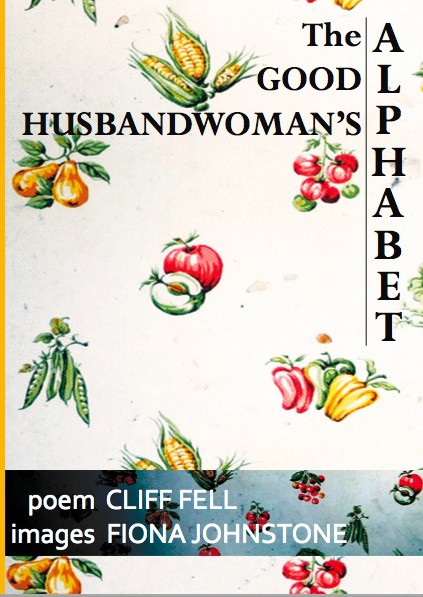
Cliff Fell’s The Good Husbandwoman’s Alphabet This gorgeous sequence holds you within its frame

TGHWA cover for Paula     TGHWA cover for Paula

Cliff Fell, The Good Husbandwoman’s Alphabet, Last Leaf Press, Motueka, 2014


Cliff Fell has published two previous poetry collections, The Adulterer’s Bible (Victoria University Press, 2003) and Beauty of the Badlands (Victoria University Press, 2008). His debut book gained the Adam Prize in Creative Writing and the 2004 Jessie Mackay Prize for Best First Book of Poetry. He currently lives on a farm near Motueka and teaches at Nelson Marlborough Institute of technology.

His new book, The Good Husbandwoman’s Alphabet is a team effort, as Cliff has worked in conjunction with artist, Fiona Johnstone and photographer, Ivan Rogers. The book is both slender and aesthetically beautiful. The images are alluring hooks that can either be read as self-contained visual poems or as part of an alternative narrative thread that forges subtle connections with the arc of Cliff’s text. Exquisite.

The poem takes the alphabet as its framing device. Each letter pirouettes upon the possibility of words, the power of words, the shimmering vulnerability of words. The voice of the husbandwoman gives us glimpses, only ever glimpses as we discover in ‘G,’ yet she accumulates, piece by piece, in the relations she unveils. Signals of self in ambiguous traces. You get to the end and hold a trembling portrait that flips and twists to become a portrait of the husbandman. Or is it. The ‘he’ and the ‘you’ slip and slide so you are not sure where husband ends and adultery begins (this poem has its origins in The Adulterer’s Bible).

This gorgeous sequence holds you within its frame. The mysterious code on the final page sends you back to see the portrait in a new light. An intense and aching light and I am not spoiling the hit of the revelation by speaking of it here. The lines are deft and bereft (ah the ache) and befit the narrating woman. Little pockets of confession, reflection and quiet. It is a joy to read.


Bridle

These words: throat-lash, brow band, bit—

how a horse gets broken in.

Each night I am unbridled.

Never try to understand a marriage.

It’s beyond the knowing of all but the finest

gentleman: how the bridle’s said to fit the bride.


NZ Book Council page

Victoria University Press site

NMIT page

ROADWORDS: A LITERARY TOUR OF SOUTHERN TOWNS BY FOUR AWARD-WINNING WRITERS

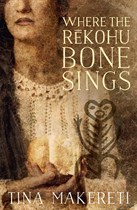
This looks great! You will get to hear the author of one my top novels from the past year, Tina Makereti — the other writers are tremendous too. I would be there in a shot if I wasn’t all over the place myself. Bravo whoever thought of this, planned it and put it into action. We need more of it.

9781775535188    9781775535188    9781775535188


Four award-winning authors will read from new work and speak about their passion for writing this October. Calling at Ōamaru, Dunedin, Gore and Te Anau before finishing in Wanaka, the tour will feature informal events to encourage and inspire local readers. Taking part in the tour are Wellington novelist and short story writer, Pip Adam; Dunedin based novelist Laurence Fearnley; Kāpiti fiction and non-fiction writer, Tina Makereti; and Kāpiti fiction writer Lawrence Patchett.

The tour hopes to encourage the experience of high-quality literature in southern communities that are sometimes excluded from major literary festivals and events. As Laurence Fearnley notes: ‘Distance and cost can make it difficult for people from smaller communities to access literary festivals in urban centres like Auckland, Wellington and Christchurch. As writers we want to be proactive, tour the south and introduce audiences to new and exciting work.’

‘By holding free events in libraries and public galleries, we hope to create an informal atmosphere where readers and writers from all age-groups and backgrounds can not only hear our work being read but engage in open and stimulating dialogue about the writing process and what it means to be a writer in Aotearoa/New Zealand today.’

The authors met while completing PhDs in Creative Writing at the International Institute of Modern Letters at Victoria University, in Wellington. ‘The course was supervised by Bill Manhire — a poet with strong Southland connections — so in a way there is a nice symmetry in being able to acknowledge his support and influence on our careers by bringing our work down south.’

All events are free and made possible through the support of Creative New Zealand.

South Island towns.


For more information, please contact:

Laurence Fearnley, (mobile) 021 212 3235

pounamu@gmail.com

http://roadwordsblog.wordpress.com/


Roadwords Tour dates:

Oamaru Public Library, Thursday 2nd October – 6pm

Dunedin Public Library, Friday 3rd October – 6pm

Eastern Southland Art Gallery, Gore, Saturday 4th October – 4.30pm

Te Anau Public Library, Sunday 5th October – 2pm.

Wanaka Public Library, Tuesday 7th October – 7pm


About the Writers

Pip Adam is author of Everything We Hoped For (VUP) and I’m Working on a Building (VUP) and has received the 2011 NZSA Hubert Church Prize for Best First Book of Fiction and an Arts Foundation of New Zealand New Generation Award in 2012. She teaches creative writing at the IIML and Arohata Women’s Prison and is writing a new novel about the ocean.

Laurence Fearnley is a novelist and non-fiction writer. In 2011 she won the fiction category in the NZ Post New Zealand Book Awards for her novel, The Hut Builder. Her novel, Edwin and Matilda was runner-up in the 2008 Montana New Zealand Book Awards. Her latest novel Reach will be published by Penguin in late September.

Tina Makereti is the author of Once Upon a Time in Aotearoa and Where the Rēkohu Bone Sings. In 2009 she was the recipient of the Pikihuia Award for Best Short Story in English, and the RSNZ Manhire Prize for Creative Science Writing (non-fiction). In 2011 she received the Ngā Kupu Ora Award for Fiction. She is currently the CNZ Randell Cottage Writer in Residence.

Lawrence Patchett is the author of the short-story collection I Got His Blood On Me: Frontier Tales, which was awarded the 2013 NZSA Hubert Church Prize for Best First Book of Fiction. In 2014 he was awarded the Creative New Zealand Todd New Writer’s Bursary, and is currently writing a dystopian adventure novel.

Roadworks: A Literary Tour of Southern Towns by Four Award-Winning Writers

This looks great!  You will get to hear the author of one my favourite novels of the past year (Tina Makereti). The others are equally tremendous!

9781775535188   9781775535188   9781775535188


Four award-winning authors will read from new work and speak about their passion for writing this October. Calling at Ōamaru, Dunedin, Gore and Te Anau before finishing in Wanaka, the tour will feature informal events to encourage and inspire local readers. Taking part in the tour are Wellington novelist and short story writer, Pip Adam; Dunedin based novelist Laurence Fearnley; Kāpiti fiction and non-fiction writer, Tina Makereti; and Kāpiti fiction writer Lawrence Patchett.

The tour hopes to encourage the experience of high-quality literature in southern communities that are sometimes excluded from major literary festivals and events. As Laurence Fearnley notes: ‘Distance and cost can make it difficult for people from smaller communities to access literary festivals in urban centres like Auckland, Wellington and Christchurch. As writers we want to be proactive, tour the south and introduce audiences to new and exciting work.’


‘By holding free events in libraries and public galleries, we hope to create an informal atmosphere where readers and writers from all age-groups and backgrounds can not only hear our work being read but engage in open and stimulating dialogue about the writing process and what it means to be a writer in Aotearoa/New Zealand today.’


The authors met while completing PhDs in Creative Writing at the International Institute of Modern Letters at Victoria University, in Wellington. ‘The course was supervised by Bill Manhire — a poet with strong Southland connections — so in a way there is a nice symmetry in being able to acknowledge his support and influence on our careers by bringing our work down south.’


All events are free and made possible through the support of Creative New Zealand.


Attached Photo: North Island writers Tina Makereti, Pip Adam, and Lawrence Patchett will join Laurence Fearnley on a tour of South Island towns.


For more information, please contact:

Laurence Fearnley, (mobile) 021 212 3235

  1. pounamu@gmail.com

http://roadwordsblog.wordpress.com/

Roadwords Tour dates:

Oamaru Public Library, Thursday 2nd October – 6pm

Dunedin Public Library, Friday 3rd October – 6pm

Eastern Southland Art Gallery, Gore, Saturday 4th October – 4.30pm

Te Anau Public Library, Sunday 5th October – 2pm.

Wanaka Public Library, Tuesday 7th October – 7pm


About the Writers

Pip Adam is author of Everything We Hoped For (VUP) and I’m Working on a Building (VUP) and has received the 2011 NZSA Hubert Church Prize for Best First Book of Fiction and an Arts Foundation of New Zealand New Generation Award in 2012. She teaches creative writing at the IIML and Arohata Women’s Prison and is writing a new novel about the ocean.


Laurence Fearnley is a novelist and non-fiction writer. In 2011 she won the fiction category in the NZ Post New Zealand Book Awards for her novel, The Hut Builder. Her novel, Edwin and Matilda was runner-up in the 2008 Montana New Zealand Book Awards. Her latest novel Reach will be published by Penguin in late September.


Tina Makereti is the author of Once Upon a Time in Aotearoa and Where the Rēkohu Bone Sings. In 2009 she was the recipient of the Pikihuia Award for Best Short Story in English, and the RSNZ Manhire Prize for Creative Science Writing (non-fiction). In 2011 she received the Ngā Kupu Ora Award for Fiction. She is currently the CNZ Randell Cottage Writer in Residence.


Lawrence Patchett is the author of the short-story collection I Got His Blood On Me: Frontier Tales, which was awarded the 2013 NZSA Hubert Church Prize for Best First Book of Fiction. In 2014 he was awarded the Creative New Zealand Todd New Writer’s Bursary, and is currently writing a dystopian adventure novel.

Friday Poem: Rachel O’Neill’s ‘Almost exactly the love of my life’ Its knots and overlay render me curious

RachelO'Neill


Almost exactly the love of my life

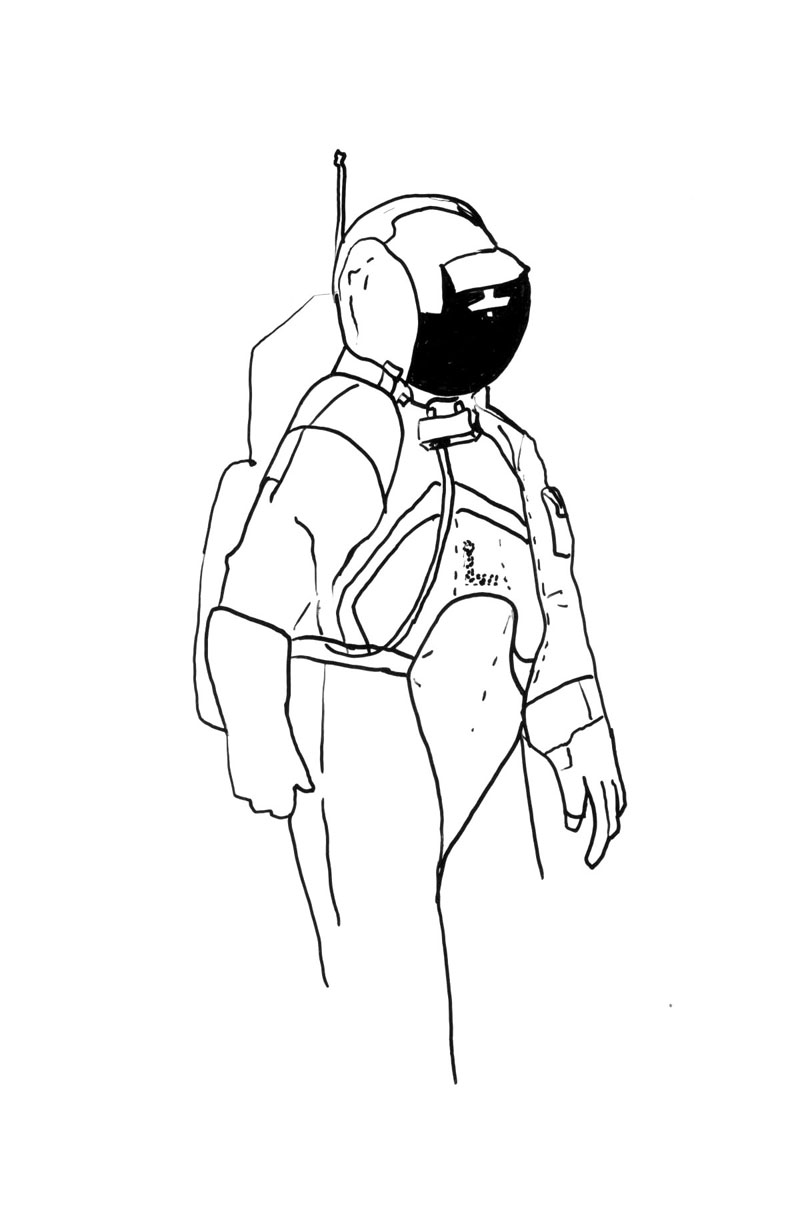
On slow days at the office I wrote love letters to myself from the woman who was almost exactly the love of my life. In these letters I, or she – well, ‘we’ – wrote of our desire for me as a passionate explorer might. ‘Once you bring back footage of the moon’s farside,’ she said, ‘there’s no telling what miracles it will perform on the diseased parts of our relationship.’ In these letters she promised not to leave me and was happy to put our life on hold for a year or two of probing research. ‘Why jump into the next phase with reckless abandon?’ she wrote one week. ‘Just because we broke into seventy six terrible pieces last time doesn’t mean we shouldn’t try again.’ I came to love the heart and mind that wrote me these messages, overwhelmed at times by their quiet and unobtrusive undercurrent of encouragement. Even now I feel bound to this correspondent as if to a great abiding mystery, such as the inexplicable shifts in our planet’s poles that can push ships onto rocks or that can draw whales as if by leashes onto shore.


Astronaut sm


Author’s note: This poem is from a series I’m beginning about a character living in an Aotearoa very like ours except that there is considerable Unmanned Moon Exploration activity. The character is engaged in secret work and struggles with not being able to disclose details about the day job to their girlfriend. The character would like nothing more than to debrief, especially about the pressure the team is under to navigate ice fields and bring back soil samples. Over the arc of the sequence the Unmanned Moon Exploration corporation in question goes under and this leads to some disgruntled worker-type protests and raiding of the ‘stationery’ cupboard, which houses pens and pulsating spheres. Oh, and someone frees the Lunar Clones! This poem was recently published in Minarets journal with a host of fantastic poetry by the likes of Hinemoana Baker, Zarah Butcher-McGunnigle and Alex Mitcalfe Wilson. Check it out here. There is so much exciting New Zealand writing coming out at the moment and it’s a pretty inspiring time to be a poet.

Author bio: Rachel O’Neill is a writer, artist and filmmaker who lives in Paekākāriki on the Kapiti Coast. Her debut collection of poetry One Human in Height was published by Hue & Cry Press in 2013. You can find out more about what she’s up to on her blog.

Paula’s note: I am reading this piece in isolation—splintered from the series in which it plays a part, but that makes scant difference. It hums and resonates with a fullness of belly, surrealness, questions (is this human?) and a lightness of touch, along with knots and overlay that render me curious. I see this piece as a stack of tracing-paper figures laid one upon each other until they gain surprising life. They merge and separate; they merge and separate (she she she she she). There is a surety of touch in each line. There is an undercurrent of ideas (the power of greater invisible forces, the impact of the big upon the miniscule, the multiplication of ‘me’ through an inked pen, the love of self and the self of love, the recognition and misrecognition of self, the nurturing, fragmentation). Is this flash poetry? Sharp, sudden, luminous? It’s a delight to read so I am hungry for the sequence. I had no idea about Lunar Clones as I read this!