

Poetry Aotearoa Yearbook 2025 – breath
ed. Tracey Slaughter, Massey University Press
Poetry Aotearoa Yearbook 2025 is entitled “breath”. It is a potent theme for an anthology of poems because it generates multiple possibilities for the reader. Breath is a key component in writing a poem, just as it is a key player in our mind and body partnerships. Breath stretches into a broad-ranging field of human experience: relationships, politics, moods, self care. Breath is the vital sign of life, and that is exactly what the anthology delivers, signs of life: distinctive, diverse, captivating.
Reading the 141 poems underlines poetry cannot be forced into square boxes that limit how and why we are writing across communities in Aotearoa in 2025. There is no singular setting for style, politics, the personal, recurring motifs. Both subject matter and mood are eclectic. As I read, I have a heightened awareness of shifts in my own breathing: slow and steady, gasps, skin prickling fast. The journal will affect and attract each reader in different ways – depending upon our own predilections, our favoured reading routes.
The poems draw me into haze and blur, proximity and distance, silence and disquiet, illness and death, yearning and resignation, life love sustenance. Some poems, perhaps many of the poems, are introspective, with the writer gazing inwards and drawing out an anecdote, reflection or story that may be deeply personal or utterly invented. There is a deep vein of anxiety, a walking on broken glass kind of feeling or balancing on tight rope that might signpost the world or self or both. There is a concatenation of surprise wonder delight. Where will this poem take me?
Take Chrys Anthemum’s astonishing poem ‘Ballad of the Ancient Laundry Woman’, for example. She infuses her poem with a surreal mix of inside-outness that catches the way a dream might tilt tiny anxiety kinks in the every day to something incredibly strange and skewing. Here is the first stanza:
I saw a woman dressed
in pearls
sneak in my laundry room
last night, she put
ovaltine in my washing machine
and left a note about
a wedding I was late for so
I tossed my sparkling eyes in,
Take the intensity of connection that builds in Bella Sexton’s ‘Lady in green’, with the uplift of detail grounding a relationship, and carrying us to an ending that imparts surprise and wonder in its pulsating intimacy.
In a year or two
these things will be closer than they are now
waiting at the front door
shadows against the glass
You can find me here
pressed between water-marked pages
in the soft opening
of the warmest ‘hello’
Hebe Kearney backtracks a city, reverse-reels Tānaki Makaurau in the glorious ‘Princess Young and the Prince Young the’. You simply need to read the whole poem to get the you-and-I reverse haunting. Gail Ingram’s terrific ‘Owning up’ is also a curling poem that is jittery at its edges of return, and looking inwards and outwards. Jitters and judders across a journal and yet the recurring patches of stillness, the utterly satisfying moment of pause, of observing sky, ‘a divine view’, Kupe’s sail. Take Emma Phillips’ extraordinary poem ‘When I leave’, for example, where a particular morning and where home, are linked to an artwork in vibrant detail. It’s a rich symphony of sound and image etched on the heart.
When I leave I see the lights of home blurring into the river /
everything stretched and warped across the water / and Van Gogh made
this moment / subtle brushstrokes and home is light in the dark / and
you don’t see the graffiti anymore / the cracks in the pavement / and
all that is compelling me to push the pedal to the floor is forgotten
/ I only see the stars in the review mirror / guiding me home
The more I read local poems, the more I am convinced poetry in Aotearoa draws upon eclectic voices, stylistic tracks, ways of breathing. So many poems in the anthology and I am holding my breath, hairs stand on end moment and I am blasted apart, physically and emotionally. Take Ash Davida Jane’s extraordinary poem, ‘visitors’, that renders death as a physical presence, a disconcerting character in the narrative. Here are the opening lines:
The death follows us down to the river.
We sit on flat stones with the death
cross-legged between us.
Crack cans of beers and cheers
being sure to make eye contact with the death.
The death dips its feet in the warmth.
We strip off and plunge ourselves in.
We eye the strength of the current
as the death wades out.
Poetry Aotearoa Yearbook includes breathtaking poems from familiar voices (Bob Orr, Sue Wootton, Fiona Kidman, Emma Neale, Erik Kennedy, Jack Ross), new favourites such as Cadence Chung and Jackson McCarthy, and also a significant range of voices new to me that I want to read more of. I wanted to invite a couple of poets to read a poem, but in the end wanted to hear the whole anthology as an audio. Ha! I have selected ten poets whose poems I loved, so you can have an audio taster and find your own listening rhythms.
In her introduction, editor Tracey navigates how breath infuses her selection, from the rhythm of writing to its connecting possibilities to sharp rage at the state of the world (here and abroad) to the oxygenating possibilities of the human and the humane. Breath is a vital tool for us as both readers and writers; it is the rhythm of the day, shadowing and guiding us through the tough, the quotidian, the awe-inspiring, offering multiple nourishments. Poetry is the breath upon the glass window – we make our own patterns, forage our own insights as we peer through a poem to worlds both intimate and external. This Poetry Shelf feature barely scratches the surface of the poem treats on offer, the featured poet, Mark Prisco, and extensive poetry reviews. Tracey has curated the best issue yet, an issue that will get you hunting down the work of a poet, or picking up a pen and writing your next poem. Let me finish with the final lines of Amber French’s ‘a love poem’ (you can hear her read the whole poem below):
The streets in this city are a garden where
flowers are made of crumbled tissues and greasy paper
it is very busy and the seeds spill everywhere
Laundry is tumbling at the laundromat
and everyone’s clothes are so happy
All this is to say:
be strong.
Poetry Aotearoa Yearbook 2025 page
ten readings
Nathaniel Calhoun
‘I guess this was non-negotiable’
Nathaniel Calhoun works on biodiversity and board governance. His projects focus mostly on the Amazon basin or Aotearoa New Zealand. His poems have featured or will soon feature in the Iowa Review, Oxford Poetry, Lana Turner, DIAGRAM and many others. He reads for Only Poems and tweets @calhounpoems
Amber Abbott
‘Rest stop’
Amber Abbott is a PhD student and writer who recently completed her first poetry collection and Master’s in Professional Writing at the University of Waikato. She enjoys sad poems, complex metaphors, and trains.
Shivani Agrawal
‘we’re just collecting some info,
and then we’ll restart for you’
Shivani Agrawal is a creative writer from India, based in Hamilton, New Zealand. She has completed her Master’s in Professional Writing from the University of Waikato and works as a communications advisor. Her work has been nominated for Sundress Publications’ Best of the Net 2026 and appears in Poetry Aotearoa, The Bombay Literary Magazine, Flash Frontier, Overcomm, Mayhem, Mister Magazine and The Alipore Post.
Adrienne Jansen
‘The tent’
Adrienne Jansen has published four collections of poetry, and her poems have appeared in several publications and anthologies. She also writes fiction and non-fiction. She is co-founder of small Wellington publisher Landing Press, which publishes accessible poetry with a social edge. She lives in Tītahi Bay, north of Wellington.
Amber Esau
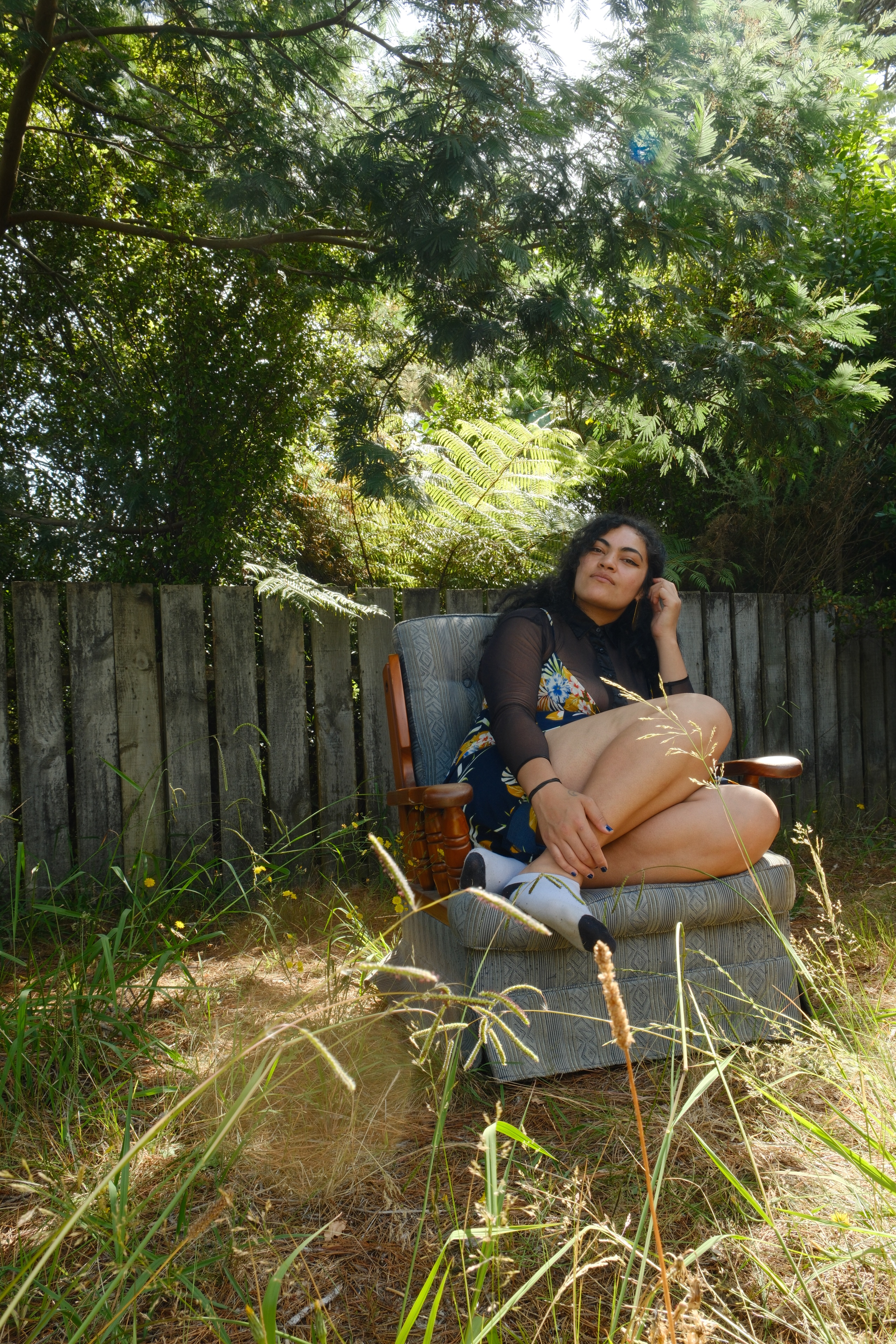
‘Muse’
Amber Esau is a Sā-Māo-Rish (Ngāpuhi / Manase) writer from Tāmaki Makaurau. She is a poet, storyteller, and professional bots. Always vibing at a languid pace, her work has been published both in print and online.
Victor Billot

‘Necessary’
Victor Billot is a Dunedin writer. He is the editor of The Maritimes, the journal of the Maritime Union. His poetry has appeared in Breath: Poetry Aotearoa Yearbook 2025 (Massey University Press), Perch (At the Bay, 2024), and A Kind of Shelter Whakaruru-taha (Massey University Press, 2023). He has work appearing in the forthcoming Landfall Tauraka 250th issue (Otago University Press, October 2025.)
David Eggleton
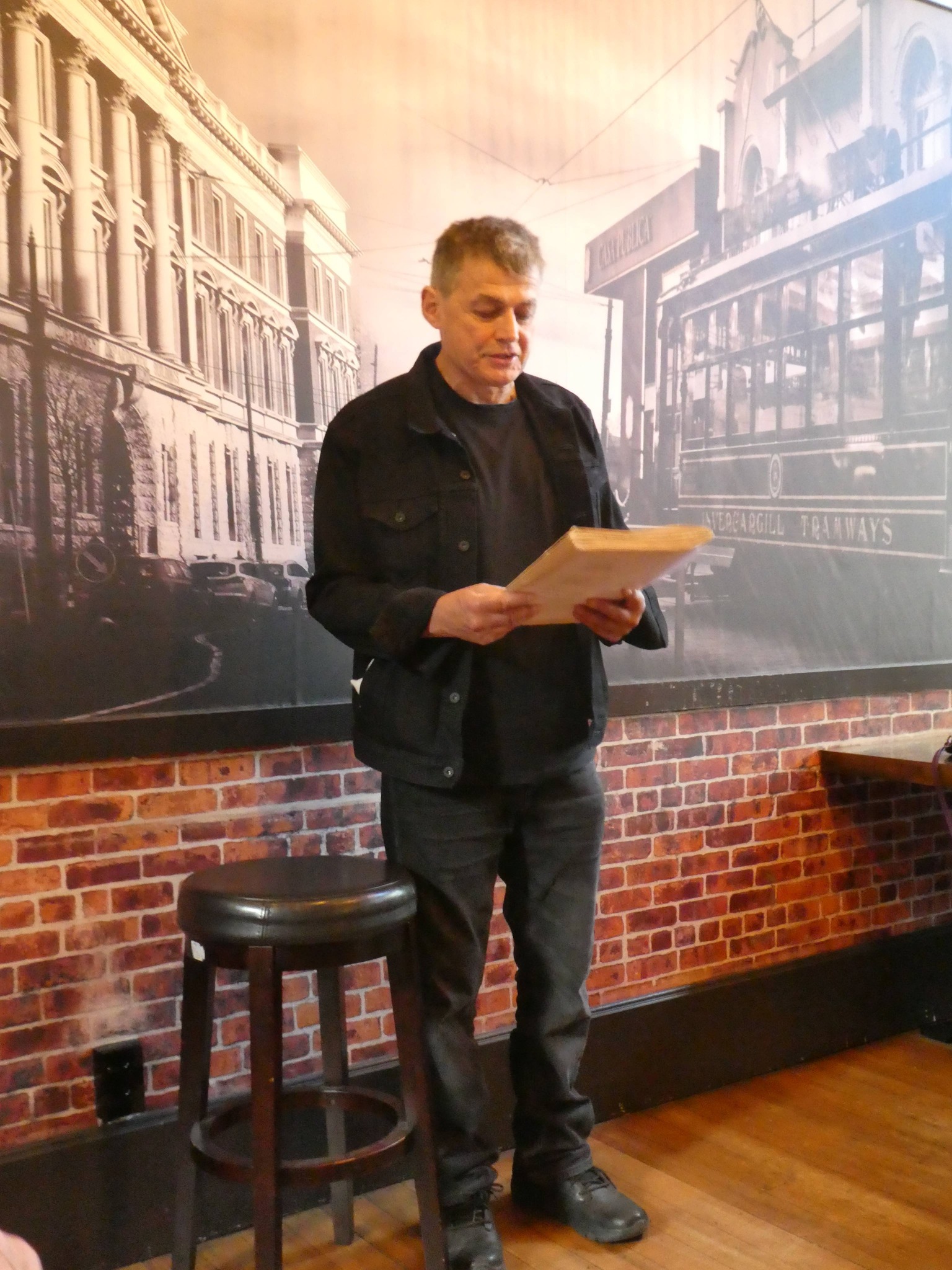
‘Below Te Ua’
David Eggleton lives in Ōtepoti Dunedin and was the Aotearoa New Zealand Poet Laureate between August 2019 and August 2022. He is a former Editor of Landfall and Landfall Review Online as well as the Phantom Billstickers Cafe Reader. His The Wilder Years: Selected Poems, was published by Otago University Press in 2021 and his collection Respirator: A Laureate Collection 2019 -2022 was published by Otago University Press in March 2023. He is a co-editor of Katūīvei: Contemporary Pasifika Poetry from Aotearoa New Zealand, published by Massey University Press in 2024. His poetry collection Lifting the Island was published by Red Hen Press in Los Angeles, California in September 2025.
Teresa Hakaraia
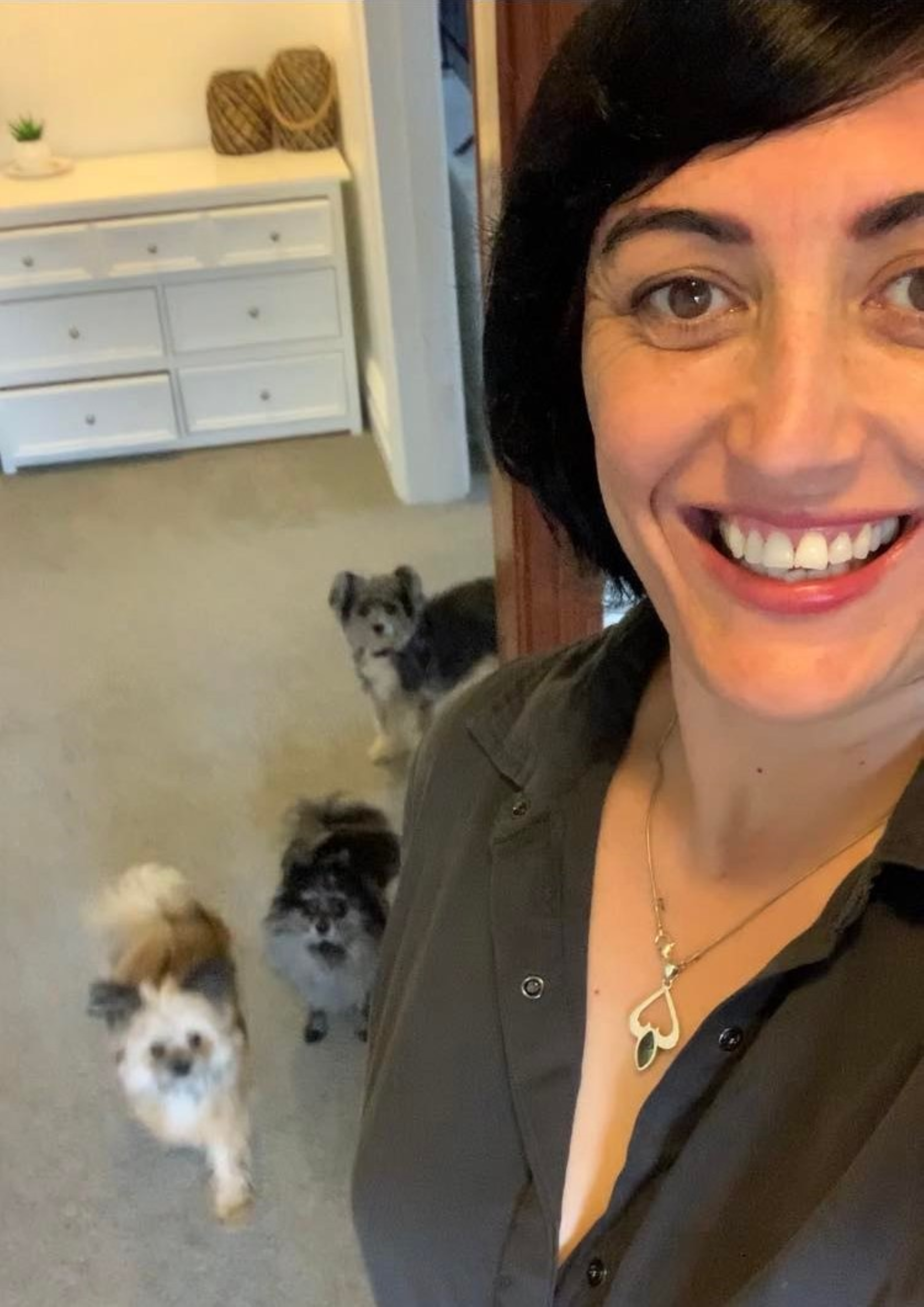
Teresa Hakaraia is of Ngāti Toa, Ngāti Raukawa, and Ngāi Tahu descent. She gained her Master of Writing with Distinction at the University of Canterbury. Having lived and travelled abroad, she now resides on the West Coast of the South Island, where she writes, collects rocks, and shares her home with her three small dogs- or rather- they share their home with her.
Zephyr Zhang 张挚
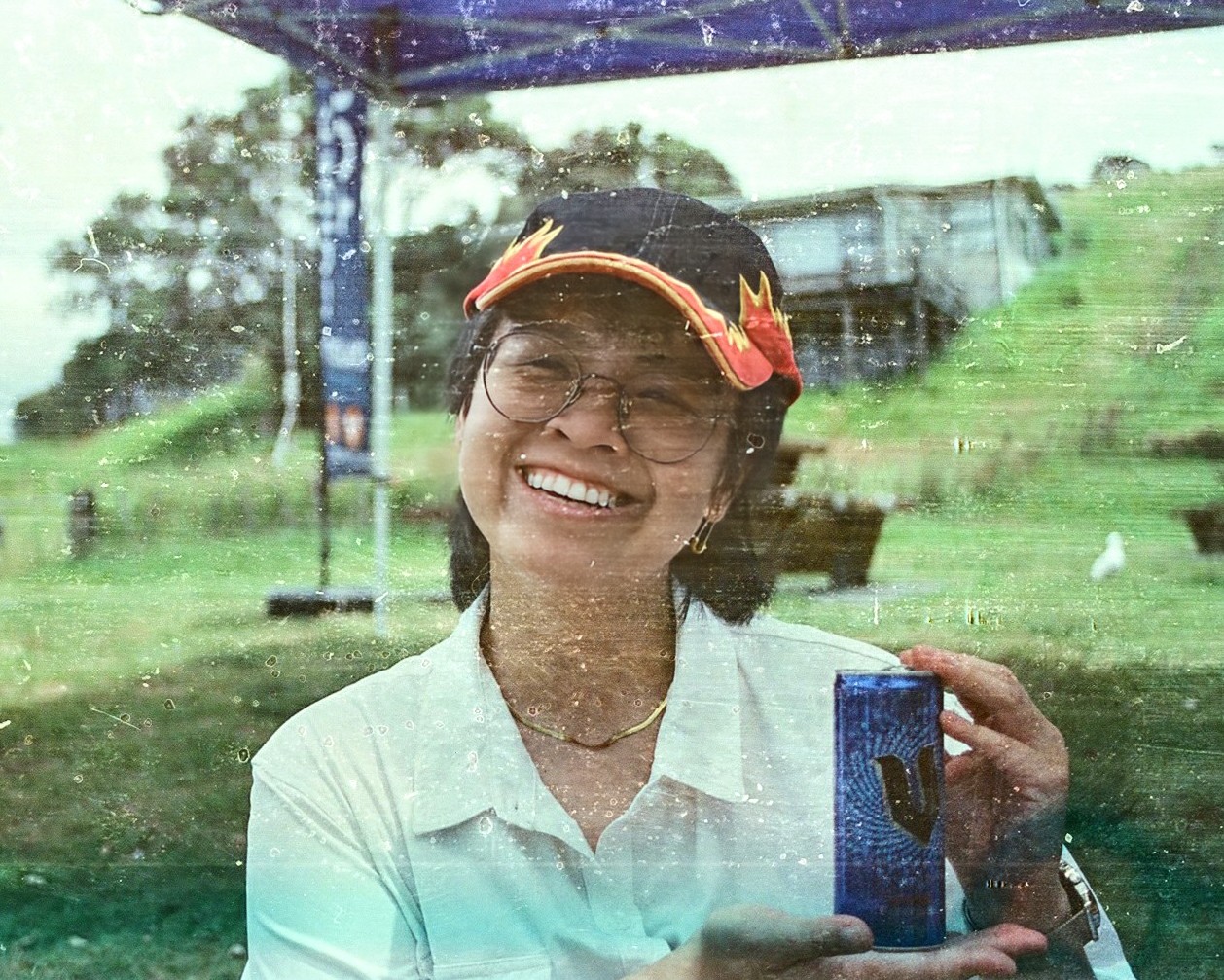
‘What was Built Over’
Zephyr Zhang 张挚 is an ex-geotechnical engineer based in Tāmaki Makaurau. They like half of the ingredients in a Jägerbomb. You can find more of Zephyr’s
poetry in Starling, Landfall, Sweet Mammalian, Ōrongohau | Best New Zealand Poems, and on their website.
Amber French
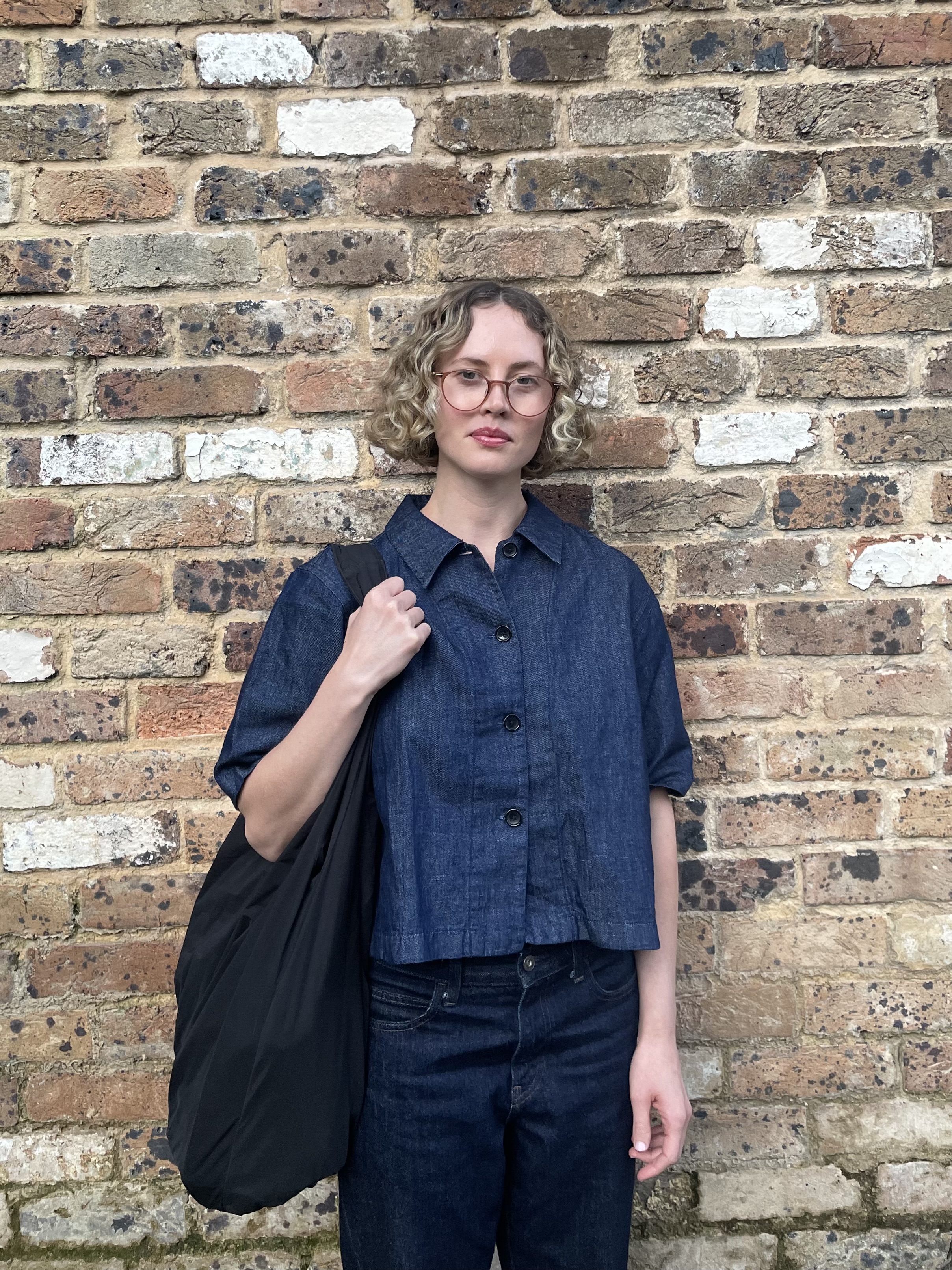
‘a love poem’
Amber French grew up in Waitakaruru, Hauraki Plains. Her ancestors came to Aotearoa from Somerset in England. A lover of books and reading, she lives in Sydney now, where she writes poetry and works in a school library. Her writing can be found in Takahē, Landfall, and Poetry Salzburg Review.
 NZ Poetry Shelf