Tag Archives: NZ Poetry

Poetry Shelf Playing Favourites: Chris Tse

(Biopsy)

He is a man carved from witness wood
and tonight they will cut him open.

Whispers ate his tongue
and people failed to ask after him.

As they tear at his flesh to let in borrowed light
his body splinters and edges its way under their nails.

No men with warmth in their fingers or an inkling
of privacy, no women with a shred of public sympathy.

They fling his body open.
They dismantle him with effortless crime.

Behold the human mess inside           cue a surgeon’s wail.
Blood-and-bone strokes warped beyond recognition.

What ages he has lived through                           what ruinous tides have
claimed him            not unlike the waters that claimed the SS Ventnor.

And having cast off the grain of his years into hallowed seas
he traded fear                   for a nightmare of snakes.

Inside he could be dancing
his feet as light as music.         Inside he could be snow.

Extraction after extraction           there is no consensus
on who will keep his soul, who will keep his bones.

When their cruel exercise is over
when they have retrieved                       what they never needed

what remains is a man of a thousand regrets.
The insects bury themselves in his swollen dark.

Chris Tse
Published in How to be Dead in a Year of Snakes (AUP, 2014).

It’s around this time 20 years ago that I was putting the final touches on my thesis for the MA in Creative Writing at the International Institute of Modern Letters. My thesis was split into three sections, one of which contained the earliest versions of poems that would eventually become my first book, How to be Dead in a Year of Snakes. Some of these poems made it into the final version of the collection untouched, but that first go at telling the story of Joe Kum Yung only scratched the surface of the themes I’d ultimately explore.

‘(Biopsy)’ wasn’t written during that period – it came along much later and was prompted by an unlikely source: the television series Desperate Housewives. In episode two of season seven, Bree Van de Kamp’s contractor and love interest Keith Watson shows her some timber that he wants to use as panelling for her study. “Feel it,” he instructs her. “You know what they call this? Witness wood, ’cause it’s seen so much history.” I’d never heard the term ‘witness wood’ before; later I learned that it specifically refers to salvaged and repurposed wood from structures that were present during significant events. You never know when you’ll see or hear something that’ll give you the start of a new poem. I certainly didn’t expect that watching the melodrama and sexual tension unfold on Wisteria Lane would also give me the start of one of Snakes’ key poems. 

Having spent some time revisiting my first book over the past couple of years, to mark its 10th anniversary and to prepare for the audiobook recording, I see the beginnings of themes and concerns that continue to pop up in my later work. ‘(Biopsy)’ is one of my first attempts at untangling the complications of writing about history and the power imbalance that goes with it. In some ways ‘(Biopsy)’ is a small meta moment in the collection that comments on the writing of the book itself and the use of Joe Kum Yung as a source of trauma to drive the narrative forward. Lionel Terry used Joe Kum Yung to make a point about ‘the Yellow Peril’ – as writers, how do we navigate our own biases and motivations when it comes to writing about other people and historical events, even if we’re doing so with the best intentions?

Chris Tse

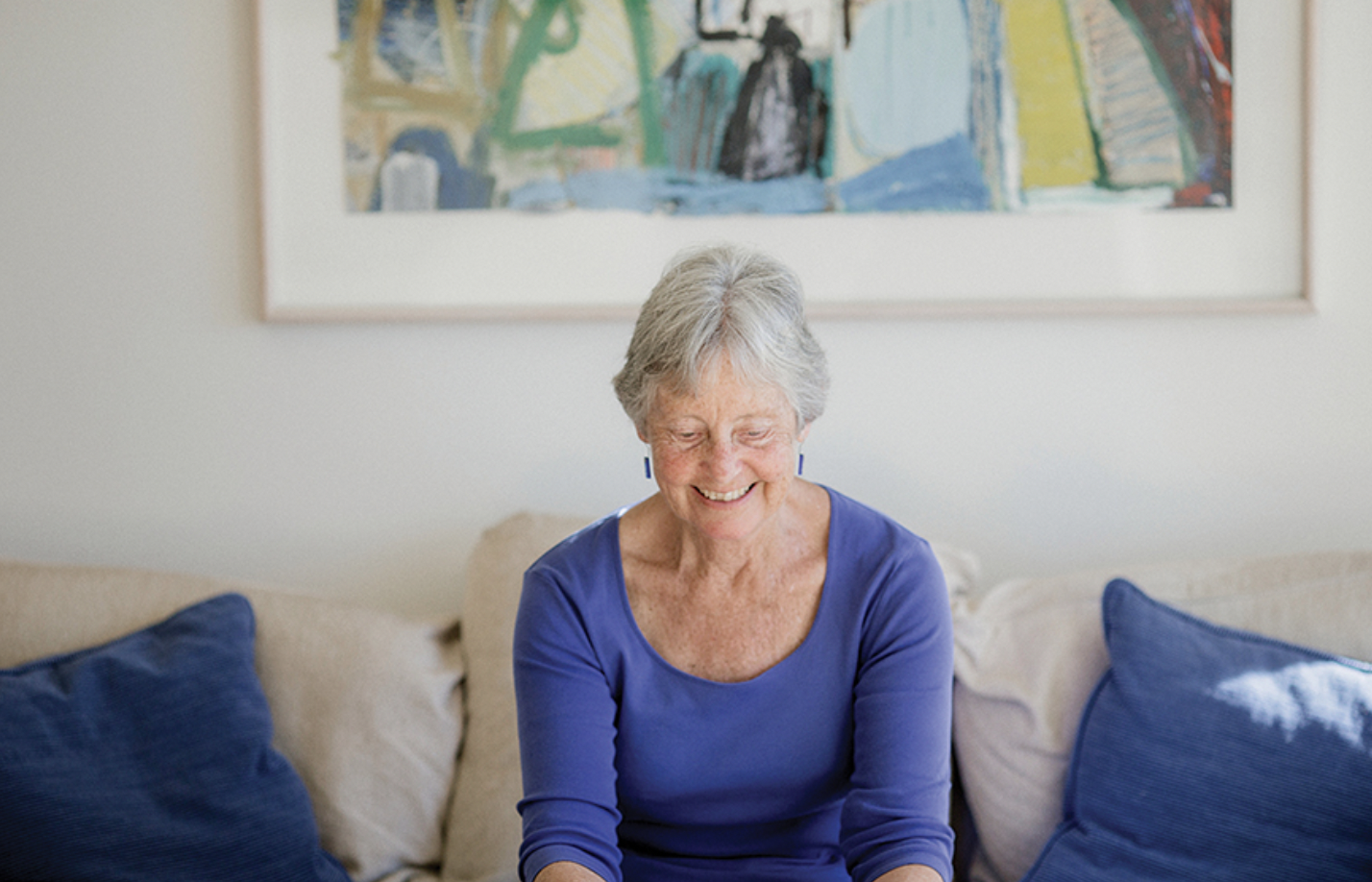
Chris Tse is a poet and editor based in Te Whanganui-a-Tara | Wellington. He is the author of three poetry collections published by Auckland University Press: How to be Dead in a Year of SnakesHE’S SO MASC, and Super Model Minority. He and Emma Barnes edited Out Here: An Anthology of Takatāpui and LGBTQIA+ Writers from Aotearoa. In 2022, Chris was named New Zealand’s 13th Poet Laureate and completed his term in August 2025. He was a 2024 fellow of the University of Iowa’s International Writing Program Fall Residency and a 2025 Nederlands Letterenfonds writer in residence.

Poetry Shelf Monday Poem: WILD SWANS AT PAEKĀKĀRIKI by Murray Edmond

WILD SWANS AT PAEKĀKĀRIKI

‘old altars will be overturned’
Jacqui Sturm, ‘Good Friday’

Toward Raumati in a butter-yellow
dawn five black swans swim north
while a camper-van hurtles south
down The Parade, a message writ
above the cab: JESUS IS COMING.
From one house a Ukrainian flag,
from another the United Tribes
of 1835. And the swans progress.

There’s a poem on a plaque on a
post that stands beside the sea
that warns us all: ‘Old altars
will be overturned.” A boy runs
round and round Campbell Park.
He wants to be Christian Cullen.
The septic tank truck lumbers by
after Jesus who’s departing fast.

Did ever a day dawn like this
on Papa-tū-ā-nuku? The answer
to that common question is
always different, always correct.
The mind is a beach, or words to
that effect, the poem says. Infinite.
Hour by hour the sand shifts and shifts.
And the swans have already flown.

Murray Edmond

Murray Edmond: born Kirikiriroa 1949; lives in Glen Eden, Tāmaki-makau-rau. Recent publications: Time to Make a Song and Dance: Cultural Revolt in Auckland in the 1960s (Atuanui Press,  2021) – cultural history; FARCE and Sandbank Sonnets: A Memoir, (Compound Press, 2022) – 2 books of poems; Aucklanders (Lasavia, 2023), a book of 15 short stories.

Poetry Shelf Cafe Reading: Anne Kennedy

Anne reads a selection of her poems

Anne Kennedy’s most recent books are The Sea Walks into a WallThe Ice Shelf and, as editor, Remember Me: Poems to Learn by Heart from Aotearoa New Zealand. She is the current editor of AUP’s New Poets series. Awards include the Prime Minister’s Award for Poetry, the NZ Post Book Award for Poetry and the Montana Book Award for Poetry. Anne lives in Tāmaki Makaurau. 

Poetry Shelf Playing Favourites: Ian Wedde

1

McCahon’s Defile
For John Reynolds

And so Colin I cast off in my frail craft of words
my craft of frail words of crafty words
into the defile of Three Lamps where 
struck by sunshine on the florist’s striped awning
and the autumn leaves outside All Saints  
as you did before fully waking in Waitākere
to look at the elegant pole kauri in dewy light
I defile my sight with closed eyes
and so see better when I open them the Sky Tower
pricking a pale blue heaven like Raphael’s
in Madonna of the Meadows or the scumbled sky of
Buttercup fields forever where there is a constant flow of light 
and we are born into a pure land through Ahipara’s blunt gate 
a swift swipe of pale blue paint
on Shadbolt’s battered booze bar where bards 
bullshitted among the kauri.

Gaunt cranes along the city skyline
avert their gazes towards the Gulf 
away from babblers at Bambina
breakfast baskers outside Dizengoff 
some pretty shaky dudes outside White Cross 
beautiful blooms in buckets at Bhana Brothers
(open for eighty years) Karen Walker’s window
looking fresh and skitey across Ponsonby Road
my charming deft dentist at Luminos 
most of South Asia jammed into one floor at the Foodcourt
Western Park where wee Bella bashed her head 
on some half-buried neoclassical nonsense
the great viewshaft to not-faux Maungawhau
and then turn left into the dandy defile of K Road
where you make your presence felt yet again
Colin through the window of Starkwhite
in building 19-G_W-13 where dear John Reynolds
has mapped your sad Sydney derives and defiles 
across the road from Herabridal’s windows all dressed up
in white broderie Anglaise like lovely frothy brushstrokes
or the curdled clouds and words you dragged into the light
fantastic along beaches and the blackness that was all
you saw when you opened your eyes sometimes
like the bleary early morning Thirsty Dogs 
and weary hookers a bit further along my walk.

I love the pink pathway below the K Road overbridge
a liquid dawn rivulet running down towards Waitemata’s riprap
but also the looking a bit smashed washing hung out
on the balcony above Carmen Jones
and over the road from Artspace and Michael Lett etc
there’s El Sizzling Lomito, Moustache, Popped, and Love Bucket
the Little Turkish Café has $5 beers
it’s like a multiverse botanical garden round here
you could lose yourself in the mad babble of it
like the Botanical Gardens at Woolloomooloo
with the clusterfucking rut-season fruit-bats 
screaming blue murder.

But it’s peaceful again down Myers Park
the mind empties and fills like a lung breathing
the happy chatter of kids swinging 
and my memory of you Colin 
sitting alone and forlorn on a bench
must have been about 1966
contemplating the twitchy cigarette between your fingers
as if it divined the buried waters of Waihorotiu
or the thoughts that flow beneath thought
in the mind’s defile at dawn when you open your eyes
and see that constant flow of light among the trees.

Ian Wedde

Note on

Ode to Auckland 1. McCahon’s Defile (For John Reynolds)

This is the first of five ‘Ode to Auckland’ sections/poems, themselves the first twenty-one-page section of a sixty-one-page book BEING HERE: SELECTED POEMS 2020 – 2025 looking to publish in 2026. The poems address a city I’ve loved for the many years I’ve lived in it at various times, including early on when I was a student at Auckland University in the 1960s when I lived in Wood Street, Ponsonby. It was a pretty rough neighbourhood then compared to the Ponsonby of today which is mostly upmarket and chic. Our part of it in Three Lamps is not in the wealthy space, a functionally convenient four-floor unit in a multi-unit apartment complex with office space on the top floor for my wife Donna and myself.  What this elevated space provides is the view out west from my panoramic fourth-floor windows to the Waitākare hills across the luxuriantly tree’d suburbs that stretch across that view. What’s just across the road from our inner-city place is one of my favourite dog-walks, it takes Maxi and me into the steep, sensational viewshaft down to the north-east harbour where we often walk in the morning via one of the little old-tree-planted parks that have survived from the 1960s Ponsonby I remember.  

Living here now in this folding-together of memory and present, I celebrate the huge old Chinaberry tree that stretches up past our office window on Donna’s northern side and is typical of the old plantings I can see stretching out west to the Waitākeres on my side, and I’m glad to have most of what I need within walking distance, but I’m annoyed by the homogenizing impacts of the suburb’s wealth and even find myself grumbling in an old-fuck way about why all the classic villas are getting painted the same white. But the frustration is really with myself. Back in the day when I was flatting in Wood Steet the scungy villas hardly mattered and Ponsonby was just a great place to live. It still is. The title of my prospective book, Being Here, should be where I stop whingeing.

The poems in the ‘Ode to Auckland’ section are mostly written to-and-fro across something like a give-or-take twelve-syllable line which I like because it gets the measuring mind in a focused but not stalled state – like walking with wide-open eyes and a sense of your foot-falls having an organic not regimented pace, mind and breath in synch, the lines reaching ahead but anticipating a transition that keeps the thing moving.

Ian Wedde, 21 October 2025

Poetry Shelf Monday Poem – SIDE A: MANIFESTO and SIDE B: MANIFESTEAUX by Tate Fountain

SIDE A: MANIFESTO

  1.  I WILL NOT DWELL IN THE CAUSEWAYS OF ANGUISH.

  2.  I WILL NOT DWELL IN THE CAUSEWAYS OF ANGUISH AND CALL THEM DREAMS.

  3. WE WILL CELEBRATE THE PETALS OF THE SPIDER CHRYSANTHEMUM, EMBRACING IN THREE DIMENSIONS, EACH AS A THICK IMPASTO STROKE REACHING FURTHER INTO THE WORLD THAN ANY MORTAL PAINTER COULD MANIFEST, DUSTED WITH TRACKS OF PIGMENT ALMOST-MIXED AND OF GREATER DIVINITY FOR IT—THE VIEW STILL AND EXPLODED.

  4. EVERYTHING WILL BE ALRIGHT, ACTUALLY—IF YOU HOLD TO THIS KNOWLEDGE AND ARE TENACIOUS ABOUT YOUR LIFE.

  5. I WILL NOT DWELL IN THE CAUSEWAYS OF ANGUISH.

  6. I WILL NOT DWELL IN THE CAUSEWAYS OF ANGUISH AND CALL THEM GOD-GIVEN.

  7. YOU MUST FIND THE THING THAT SINGS TO YOU AND LET YOURSELF REJOICE IN THE MELODY.

  8. MY LIFE CAN BE REAL WITHOUT IT BEING CAPTURED. A YOUNG WOMAN WALKING DOWN KARANGAHAPE ROAD IN THE RAIN, BUNCHES OF FLOWERS FROM A PONSONBY GROCER CRADLED IN HER ARMS, IS JUST AS BEAUTIFUL WITHOUT BEING FLATTENED, FRAMED, AND HELD AT A REMOVE. SHE LIVES WITHOUT US HAVING SEEN HER.

  9. DIVE INTO THE HAVING. SEE HOW IT IMPACTS YOUR COMPULSION TO SPEAK.

  1. MY LIFE CAN BE REAL WITHOUT IT BEING CAPTURED. LET SOMEBODY BREATHE WORDS OF LOVE BEHIND A CLOSED DOOR AND RESIST THE URGE TO HAVE A LENS PHASE INTANGIBLY THROUGH THE WOOD. SET DOWN THE SCREENPLAY.

  2. MY LIFE CAN BE REAL WITHOUT IT BEING CAPTURED. ARE YOU IN LOVE OR DO YOU JUST WANT SOMEONE TO TEND TO IN THE SOFT BLUR OF A CROWD SHOT?

  3. MY LIFE CAN BE REAL WITHOUT IT BEING CAPTURED.

  4. MY LIFE IS REAL—THIS—NOW—AND IT IS HAPPENING.

  5. KEEP SOMETHING FOR YOURSELF—THE TROUBLE WITH SO EASILY DISGUISING THE EXERTION IS THAT THOSE YOU’RE SOOTHING DON’T GAUGE THE DEGREE OF YOUR EFFORTS.

  6. YOU DON’T HAVE TO LIVE WITH THIS CAVERNOUS THING INSIDE THAT YOU FEEL COMPELLED, FOR OTHERS’ SAKE, TO CRACK OPEN.

  7. WE WILL CELEBRATE THE HURTLING BEAT—THE SOARING CHORUS—THE WAILING SINGER—THE ALTO AT DUSK.

  8. YOU’RE NOT TRAPPED IN THIS. YOU’RE NOT TRAPPED AND ANYTHING CAN CHANGE AND NOTHING IS EVER WITHOUT HOPE.

  9. I WILL NOT DWELL IN THE CAUSEWAYS OF ANGUISH.

  10. MY LIFE CAN BE REAL WITHOUT IT BEING CAPTURED: SURGING ADRENALINE, A POP BEAT AND A THICK ANCHOR—THE THRUM, THE THRUM, THE THRUM, THE THRUM, THE THRUM. THE TURN AWAY. THE I’M BACK. THE HEY, BABY. THE—THE—THE—

  1. I WILL NOT DWELL ON EVERYTHING THAT COMES AFTER. I WILL FRONTLOAD THE GIFT AND THE DOING.

  2. WE WILL CELEBRATE CORIANDER AND MINT AND BASIL—CELEBRATE THE PARSLEY THAT USED TO GROW IN CLAY POTS AT THE VERGE WHERE YOUR GREAT-GRANDFATHER’S GARDEN MET THE STEPS OF THE HOUSE. YOU HAVE THE SAME HANDS NOW AS THOSE HE HELD. THE SAME IDIOSYNCRACIES AS ONCE KNOWN BY THOSE WHO HAVE CLOSEST LOVED YOU.

  3. WE WILL CELEBRATE THE REFRACTED LIGHT AS IT CASTS ITS SLANTING GLANCES.

  4. WE WILL BANISH SELF-DENIAL.

  5. I WILL DEFAULT TO COURAGE AND FAITH.

  6. I WILL EMBRACE FUN!!!!!!!!!!

  7. MY LIFE CAN BE REAL WITHOUT IT BEING CAPTURED.

  8. MY LIFE CAN BE REAL WITHOUT IT BEING CAPTURED. THE TENDER SLICING OF ANGEL TOMATOES ON THE SUMMER MORNING—THE GENTLE POOL OF OLIVE OIL—THE UNENCUMBERED ENOUGHNESS IN THE MEASURE OF MILK TO BE STEAMED.

  9. I WILL BE ACTIVE IN MY DEVOTION.

  1. WE WILL CELEBRATE THE FACT IT’S ALL AN ADVENTURE, EVERY SINGLE THING, AND ONE DAY IT WILL BE GONE.

  2. I WILL LET GO OF THE COMPULSION TO CARVE IMMEASURABLY DEEP GULFS BETWEEN MY PRESENT SITUATION AND A FORMLESS, IMAGINED SCENARIO WHEREIN MY LIFE IS SOMEHOW BETTER. I WILL LET GO OF ABANDONING MYSELF AND MY DEAREST ONES AND ALL THOSE I AM YET TO MEET. I WILL COME HOME TO MYSELF AND LOVE HER.

  3. I WILL BE GRATEFUL FOR EVERY HAND-UP AND KINDNESS.

  4. ALL OF US IN SUCH CIRCUMSTANCES WILL CELEBRATE OUR DAY-TO-DAY STABILITY AND THE SAFETY IT CAN BE SO EASY TO TAKE FOR GRANTED. WHEN WE FIND OURSELVES IN POSSESSION OF THIS INALIENABLE HUMAN RIGHT, NEEDLED PERHAPS BY DISSATISFACTION BUT NOT RAVAGED BY STATE-SANCTIONED EVIL, IT IS OUR DUTY TO STAND AS MEANINGFULLY AS WE CAN WITH THOSE WHOSE HUMANITY, HISTORY, AND FUTURE IS BEING TARGETED AND ERASED. WE MUST. HEAR ME: WE MUST.

  5. I WILL BE ACTIVE IN MY DEVOTION.

  6. I WILL RETIRE THE METHODS I TOOK UP TO SURVIVE MY ADOLESCENCE—I NEVER HAVE TO BE THAT GIRL AGAIN. INSTEAD—

  7. I WILL BE EXACTLY THE PERSON I’VE WAITED FOR, EVERY WOMAN I’VE LOOKED AT WITH ADMIRATION AND DELIGHT, WITH DEEP, DELICIOUS ASPIRATION. I HAVE THE MEANS NOW. I JUST HAVE TO RESPECT MYSELF ENOUGH TO BECOME HER.

  8. I WILL NOT DWELL IN THE CAUSEWAYS OF ANGUISH AND CALL IT BEING PREPARED.

  1. WE WILL CARVE OUR MOST FUNDAMENTAL TRUTHS INTO THE MATTER OF THIS AND ALL WORLDS, AND WE WILL NEVER LET IMPOSED DESPAIR WIN OUT.

  2. WE WILL MAKE MISTAKES AND GROW AND ALLOW THE SAME FOR OTHERS.

  3. WE WILL CELEBRATE PASSION AND RELIEF.

  4. I WILL COME HOME TO MYSELF AND LOVE HER.

  5. I WILL NOT DWELL IN THE CAUSEWAYS OF ANGUISH.

  6. I WILL COME HOME TO MYSELF AND LOVE HER.


SIDE B: MANIFESTEAUX

  1. The thing about the other side is that it fuckin’ rocks

  2. —once you take the reins of your life and throw all that other shit out.

  3. It’s a wonder what the right pair of boots will do, even if they immediately crack a sole on the edge of the footpath. Even at the end of a month that has felt cursed to you. Even as everything in your body is screaming at you that it’s time.

  4. Throw it away! Throw it away! Let it mean more by letting it go! Throw it away!

  5. Don’t luxuriate! Let the tides lap at it! It’ll stay if it’s meant to! Here’s your real life, baby!

  6. BRIGHT BLEEDING TULIPS SPRAY CHRYSANTHEMUMS THE LONG LINE FOR THE MADELEINES THE CITRUS ZEST AND THE ELDERFLOWER THE OIL CLINGING TO THE ICING SUGAR THE BUFFETTING LATE SPRING WIND

  7. THE DIP OF YOUR COLLARBONE SMOKED LAVENDER ELECTRIC BLUE

  8. Loosen your grip! Open your hand!

  9. It’s all got a bit serious, hasn’t it!

  10. THE DIP OF YOUR COLLARBONE SMOKED LAVENDER ELECTRIC BLUE THE MONT BLANC DOWN THE ALLEYWAY ON A SUNNY DAY THE SQUARE LINES THE GEOMETRIC JAVA TILING THE SWEET DEEP EUCALYPTUS THE

  11. DEEP EU— ORANGE TU— ENOUGH LOVE HERE THAT THERE’S SOMETHING TO LOSE

  12. You owe it to yourself not to hesitate. Or else you owe it to yourself to power through. You owe it to yourself to be the version of yourself you wish you could be, the one you know you are at your best. Tip your head back and meet the rain. And meet it. And meet it. And—

  13. Most of the time what you’re scared of losing isn’t the thing itself anyway, just evidence that, for a time, you had it—and you did; and you do; but the past doesn’t exist anymore, just as the future doesn’t, hasn’t reached us yet; what can you put down on the way there? What preemptive punishment are you assigning to yourself in order to beat some hypothetical judge to the punch down the line? Let it go! And—

  14. I love you in words I love you aloud I love you waiting for the bus I love you incomprehensible I love you at the perfect time I love you with jitters I love you with your hair in a bun giving notes I love you and your dog who is in many ways a lot like me and vice versa I love you through all events I love you with shared pocket tissues I love you for the others you love I love you from 1.5m away to ensure we’re in focus I love your attentive baby I love your braids I love you at the football I love you unproofread I love you undone I love you I love

  15. THE UNEXPECTED GENEROUS GIFT NEVER ASKED FOR AND YET RECEIVED NEVER ASKED FOR OUT OF THE ASSUMPTION IT WOULD NOT BE GRANTED AND YET RECEIVED AND YET GIVEN WITH THE FULLNESS OF ANOTHER’S HEART

  16. AND NOTICE THE EXCITEMENT SPILLING OVER ACROSS THE TABLETOP FLOODING THE PICKLED FENNEL AND THE STRACCIATELLA THE CRUMBLED PISTACHIO AND THE SICILIAN OLIVES THE FOCACCIA AND THE ROSEMARY ALREADY OILED AND FLAKED WITH SALT AND THE UNREMARKED-UPON SHARED DESSERT

  17. WHAT MIGHT OTHERS TAKE AS SIGNS WHEN REALLY THE LOVE IS AT THE SURFACE WHEN REALLY THE LOVE IS THERE WHEN REALLY ALL I MEAN IS EXACTLY WHAT I AM SAYING TO YOU WHEN WE CAN SINK TWO SPOONS INTO THE CUT OF A CHEESECAKE TO TASTE OUR EQUAL SHARE OF BLISS AND I’M NOT TRYING TO TELEGRAPH ANYTHING ELSE AND WHAT IT MEANS IS THAT WE’RE HERE TOGETHER WHAT IT MEANS IS THAT WE’RE HERE TOGETHER WHAT IT MEANS IS THAT WE’RE HERE TOGETHER HERE RIGHT HERE FOR NOW THANK GOD

  18. One day, sickeningly soon, it’ll all change. You’ll have to find someone new to call on the way home from work, some new supermarket corner to be disappointed by, yet another new site to which hopes can be pinned. All those things you once wrote about with such matter-of-fact self-derision—well, in many ways you were right, trying to haul yourself up as you always have, closer to that great wish, that gnawing right place, that fantasy. But that other world will be one you build, which requires grace. A different flower market. A different, likely more demanding, commute.

  19. Another gentle gaze to fall into.

  20. For the better. For the better.

  21. LET THE IMAGES CASCADE

  22. If you tallied it up—took time and took stock—it’s likely that the list of material objects you’d deem essential to the base comforts of your life and your sense of self would be vanishingly small. To be told this makes you defensive, as though you’re being reprimanded, as though they’re being taken from you by another person’s thought experiment, as though you are without agency again. Unless you’re being actively threatened, resist this urge. The odds of the ‘you’ actually being you are rare. Act in good faith. Let the rest fall through your fingers, unclaimed, to find a better home.

  23. All those months. Years. Whispered, as in prayer: Give me something to run to. Give me something that makes it hard to leave. Better yet—baby, just go. You’re ready! You’ve done all the learning you need to! All the rest will roll on from here, underfoot and overhead and in your hands. So much unknown—and how electric is that!

  24. LET THE IMAGES CASCADE AS A BROOK AS A PERFUME AS A WATERFALL YOUR BEAUTIFUL FACE YOUR BREATHLESS LAUGH YOUR SINCERITY CAUGHT OFF GUARD YOUR HAIR UNKEMPT YOUR SOFT SHIRT CORNFLOWER BLUE MY BOOTS REPLACED THE CRYSTAL DESCANT THE FINAL RASPING JAGGED STONE AGAINST THE SMOOTHNESS OF YOUR VOICE THE PAPERED FRONDS

  25. THE IRIS BOLTING—

  26. ALL THOSE YEARS AS CONCERTINA. LET YOUR HEART REACH RIGHT THROUGH.

  27. You’ve got here and you love her: you love her; you love her; you love her.

  28. Here’s your real life, baby. Here’s your real life and your leitmotif and the themes you’ll never be cured of.

  29. STAND YOUR GROUND / EXHIBIT GRACE / REARRANGE YOUR PRIORITIES FOR THE WORLD YOU LIVE IN AND THE WORLD YOU HOPE, THROUGH ACTIVE COURSE, YOU’RE HEADED TO

  30. Enjoy it, this, everything—everyone through a warm lens, half-grained and smiling.

  31. BELIEVE IN SOMETHING BETTER, FULLER-HEARTED / REFRAME ABUNDANCE / ESCHEW DEPLETION / BE STEADFAST, CLEVER, FIERCELY KIND

  32. And you love her. Keep on proving it.

  33. AND THE IMAGES CASCADE

  34. And you’re here now.

  35. AND YOU HOLD THEM

  36. And you’re gonna love it here.

  37. AND YOU’RE HERE NOW

  38. And you love her.

  39. AND I’M GONNA LOVE IT HERE.

  40. And I’m here now.

  41. AND I LOVE HER / AND

  42. I’m gonna love it here.

Tate Fountain

Tate Fountain is a writer, editor, and creative producer. She has held programming, digital marketing, and strategy roles with Te Ahurei Toi o Tāmaki Auckland Arts Festival, Whānau Mārama New Zealand International Film Festival, and theatre and film company, extracurricular. She is the author of SHORT FILMS (Tender Press, 2022) and, as of September 2025, the editor of Starling, alongside Maddie Ballard. 

Poetry Shelf Playing Favourites: Kiri Piahana-Wong

Deep Water Talk

In honour of Hone Tuwhare
For Melinda, Sophie & Nathan

& no-one knows
if your eyes are
blurred red from
the wind, too
much sun, or the
tears streaking your
face that could be
tears or just lines of
dried salt, who
can tell

& you never can tell
if you are seasick,
drunk, or just
hungover — the
symptoms are the
same

& sea and sky merge
until the horizon is
nothing but an
endless blue line
in every direction,
so that you are sailing,
not on the sea, as you
thought, but in a
perfectly blue, circular
bowl, never leaving
the centre

& you wonder who is
moving, you or
the clouds racing
by the mast-head

& you wonder if
those dark shapes
in the water are
sharks, shadows, or
nothing but old fears
chasing along behind
you

& the great mass of
land recedes, until
you forget you were
a land-dweller, and
you start feeling the
pull of ancient genes
— in every tide, your
blood sings against
the moon

& food never tasted
so good, or water
so sweet — you’ve
never conserved water
by drinking wine
before — and rum;
and coke; and rum
and coke; and can
after can of cold
beer

& your sleep is
accompanied, not
by the roar of traffic
on the highway,
but by the creaks
and twangs of your
ship as she pitches
and moans through
the dark ocean,
all alone

& you wonder —
where did that bird,
that great gull perching
on the bowsprit,
come from?

Kiri Piahana-Wong
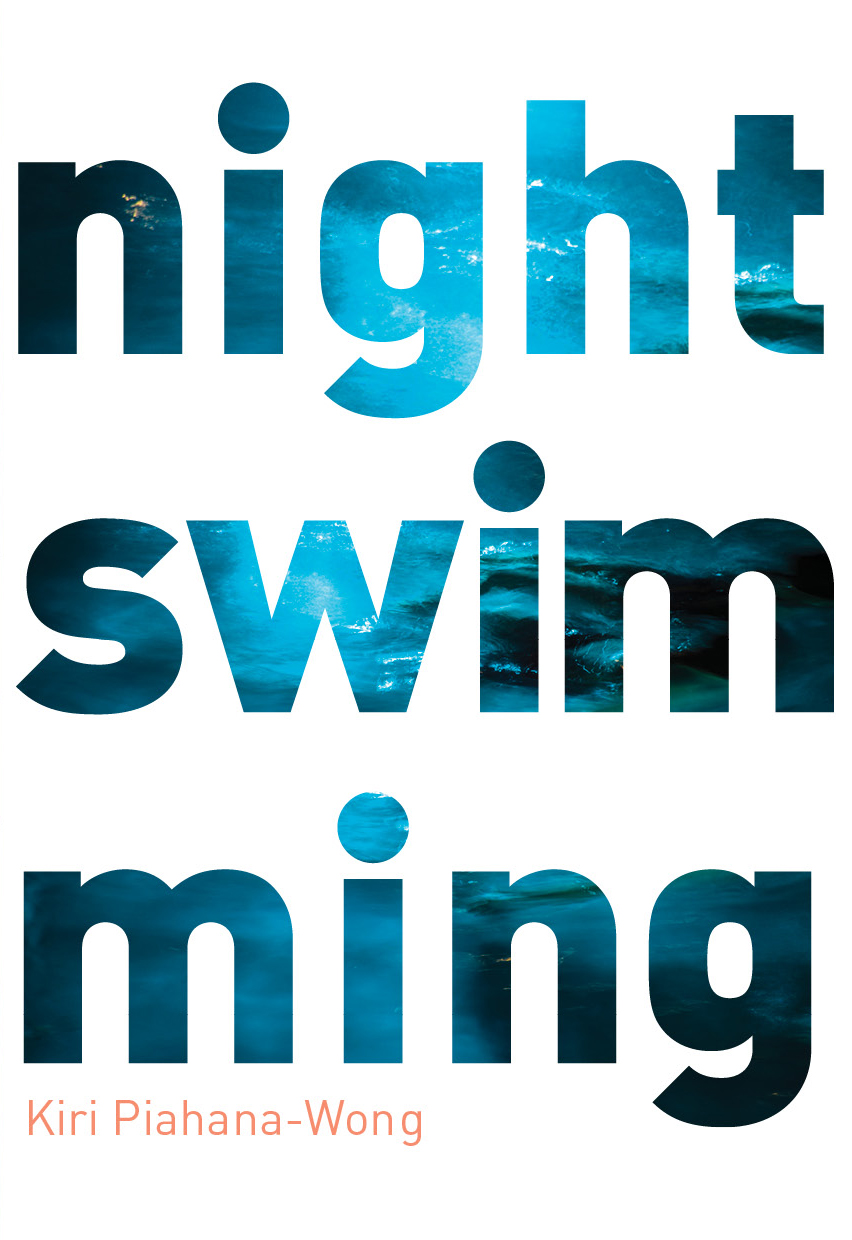
The poem first appeared in Snorkel (2005), and then was reprinted in Night Swimming (Anahera Press, 2013).

Deep water talk

I wrote this poem when I was in my early twenties. I’d been reading a lot of Hone Tuwhare – the poem’s title is a homage to his 1994 collection Deep River Talk, and it also has some stylistic similarities to his work. During this time of my life, sailing was very important to me, and I wanted to capture how it feels to be on the ocean day after day. I dedicated the poem to three close friends whom I regularly sailed with at this time. 

This was the first ever poem I had published, in an Australian online journal called Snorkel in 2005. These days, I’m four books in and I’ve had hundreds of poems published, to the extent I struggle to keep track of all of them. But back then, it was all new to me, and I remember just how excited and euphoric I was to have finally received that elusive first acceptance. The one that comes when nobody knows you, and you’ve published nothing at all, and you’ve been writing for years and stashing the poems in a box under your bed, and you’re studying English Lit at university and you read poetry books in the park, and you’re dreaming of being a writer like the writers you’re reading. The ones who have actual books, and people like you reading them. 

Snorkel posted me a cheque for $50 for the poem (yes, this was way back in the days of cheques), which was an absolute thrill. I photocopied the cheque and pinned it above my desk for encouragement and inspiration. Snorkel shut up shop in 2016, however I’m still grateful to them all these years later. ‘Deep water talk’ eventually became the opening poem in my first poetry collection, Night Swimming (Anahera Press, 2013), and I’m still very fond of it.

Kiri Piahana-Wong is a poet, editor and publisher living in Whanganui.

Poetry Shelf review: In the Hollow of the Wave by Nina Mingya Powles

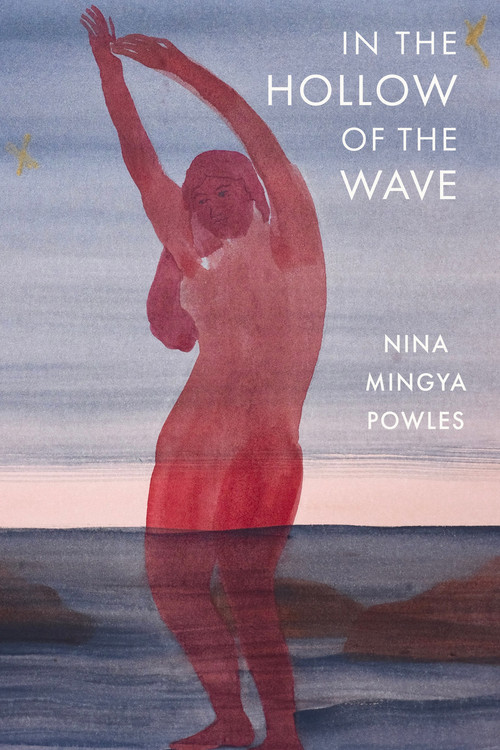
In the Hollow of the Wave, Nina Mingya Powles
Auckland University Press, 2025
first published, Nine Arches Press, UK, 2025

handiwork


People asked me where I learned
and I said I taught myself the slow work of making.

But memory is a house with scraped white walls.
I step inside and choose what to take, what to leave behind.

My hands feel their way through
the gathering, the careful pulling apart.

The work of particular poets can strike you so deeply, so resonantly. Poets who produce collections that satisfy your hunger to read so keenly, with books that take up residency in both your mental and physical poetry rooms. Nina Mingya Powles has been that kind of poet for me, from her terrific debut collection Magnolia 木蘭, through her various other published offerings. Her new collection, In the Hollow of the Wave, is one of the most gorgeous poetry books I have held this year – a sweet combination of heavenly paper stock, generous size, lovingly-tended internal design and vital breathing room. Nina has also created textile works that add to the visual beauty and allure of the book.

Textile is a key word. I experience the book as multiple loomwork: a weaving of memory, experience, language, cottons and fabric. Weaving as a way of observing the world, feeling the world, observing the object, feeling the object, observing the past, feeling the past. It might be the sewing machine upon which her grandfather stitched quilts from garments belonging to her siblings, mother and grandmother. It might be a gown, a pleat, or a sheet of white paper or fabric.

And now, with In the Hollow of the Wave, the granddaughter is herself stitching quilts; inside the stitched poem the stitched cloth, and inside the stitched cloth the stitched poem. I experience contemplation pockets tucked with memory pleats, and inside memory pleats, I threads of slow contemplation: andante, largo, adagio.

The book title is borrowed from a line in Virginia Woolf’s To the Lighthouse. It gains its own life as Nina ponders Virginia’s use of orientalism and Kitsushika Hokusai’s woodblock print, ‘The Great Wave off Kanagawa’. The poem haunts, the hollow in the wave haunts, the recurrent pulse of existence and non-existence haunt. The poem is skin-prickling reading:

beyond the frame I saw a distant city / a place I used to know / where rain
falls in the foreground / all day and all night / I took out my sketchbook /
sharpened my pencil / drew a line across the sea / asked the mountain /
what does it mean to see and be unseen / it did not answer

So many echoes across the collection. So many threads to follow and pause on(slip stitch, ladder stitch, cross stitch). There is the scent of plants and plantings, herbal remedies, the reminder of the women in poverty who stitched the garments we wear, the reflection of self in a stirred pan on the stove, the way dreaming seeps into making, the way the language, chores, hopes and the lives of women still matter. The way poetry can be a way of asking questions.

Inside the hollow of a wave is a poem. And inside that poem is a book. A book such as this one. Stitched with aroha and luminous threads. I want you to read it for yourself and get absorbed in its beauty and craft. It has already found spots in my poetry rooms.

Nina Mingya Powles is a poet and writer from Aotearoa New Zealand, currently based in London. Her debut poetry collection, Magnolia 木蘭, was published in New Zealand, the UK and the US, and was a finalist in the Felix Dennis Prize for Best First Collection and the Ockham New Zealand Book Awards. Powles won the inaugural Women Poets’ Prize in 2018 and the inaugural Nan Shepherd Prize for under-represented nature writers in 2019. Her resulting book of essays Small Bodies of Water was published in 2021 by Canongate. She has also published a short food memoir, Tiny Moons: A Year of Eating in Shanghai (The Emma Press, 2020).]

Auckland University Press page

Poetry Shelf Monday Poem: RUMBLE STRIP by Hinemoana Baker

RUMBLE STRIP

The verb to be
is not, in Māori.
How, then,  would we
translate that soliloquy?

We had the choice.
We said not.
Is this why they (me)
tried so hard to 

kill us (we)?
We need be not.
We live, which is
a dark disguise

a river which 
itself swims.
Beauty which flies
into nets and tropes.

This is a warning
and we all hear it:
our wheels rumble
and hum high strung

before we veer 
(volcanic) left
or right towards
the grimacing witness.

*

Look at me posing like this!
Like that! A mother in a
tizz with salt sea hair
struggles not to stray.

Later a bodied wine 
will warm her glass
and mine, the chamber
of my voice, my rising

chest. Like mine
her verbs and nouns
resist. Her troubles,
like the unforgiving

childgod, sometimes 
break the plates. 
Volcano in a fortification.
Mirror in a mirror.

At any time at least one of us 
is looking straight ahead, no 
fraying, no strays. Look at me
kneeling like this!

Look at me holding all fine
things towards you! The deep 
blood beat of my music.
Be, it sings. Be. Be.

Hinemoana Baker

Takatāpui poet and performer Hinemoana Baker traces her ancestry from Ngāti Raukawa-ki-te-Tonga, Ngāti Toa Rangatira, Te Āti Awa and Kāi Tahu, and from England and Germany. Her four poetry collections, several original music albums and other sonic and written work have seen her on stages and pages nationally and in many other countries around world in the last 25 years. Her most recent poetry collection, ‘Funkhaus’ (THWUP 2021) was shortlisted for the Ockham New Zealand Book Awards, and has been translated into German and Polish. Having lived in Berlin for 9 years, Hinemoana has now returned home, and recently finished a term as Randell Cottage Trust’s 2024 writer in residence, living and writing at the historic homestead at the base of Te Ahumairangi (Thorndon) in Te-Whanga-nui-a-Tara. 

Currently Hinemoana is working towards a Creative Writing doctorate at IIML (Te Herenga Waka Victoria University), for which she is writing a new collection called ‘Exhaust World’. As a long-time teacher and mentor for other writers, Hinemoana is also involved in facilitating poetry sessions for takatāpui and LGBTQI+ Māori writers, through Mana Tipua Trust in Ōtautahi. These sessions, called ‘Ruri Rongoā’, are also part of Hinemoana’s doctoral research, facilitating poetry wānanga as a form of rongoā, repair, solidarity and community. In this work she draws on the model of Te Whare Takatāpui, a framework created by Dr. Elizabeth Kerekere. 

Poetry Shelf Cafe Readings: Richard von Sturmer

Welcome to the new Cafe Reading series on Poetry Shelf. Listening to poets read and talk poetry in cafe settings is a joy. To share a taste of this, I have invited some poets to read and talk poetry over the coming months. Enjoy!

Richard von Sturmer reads two tankas

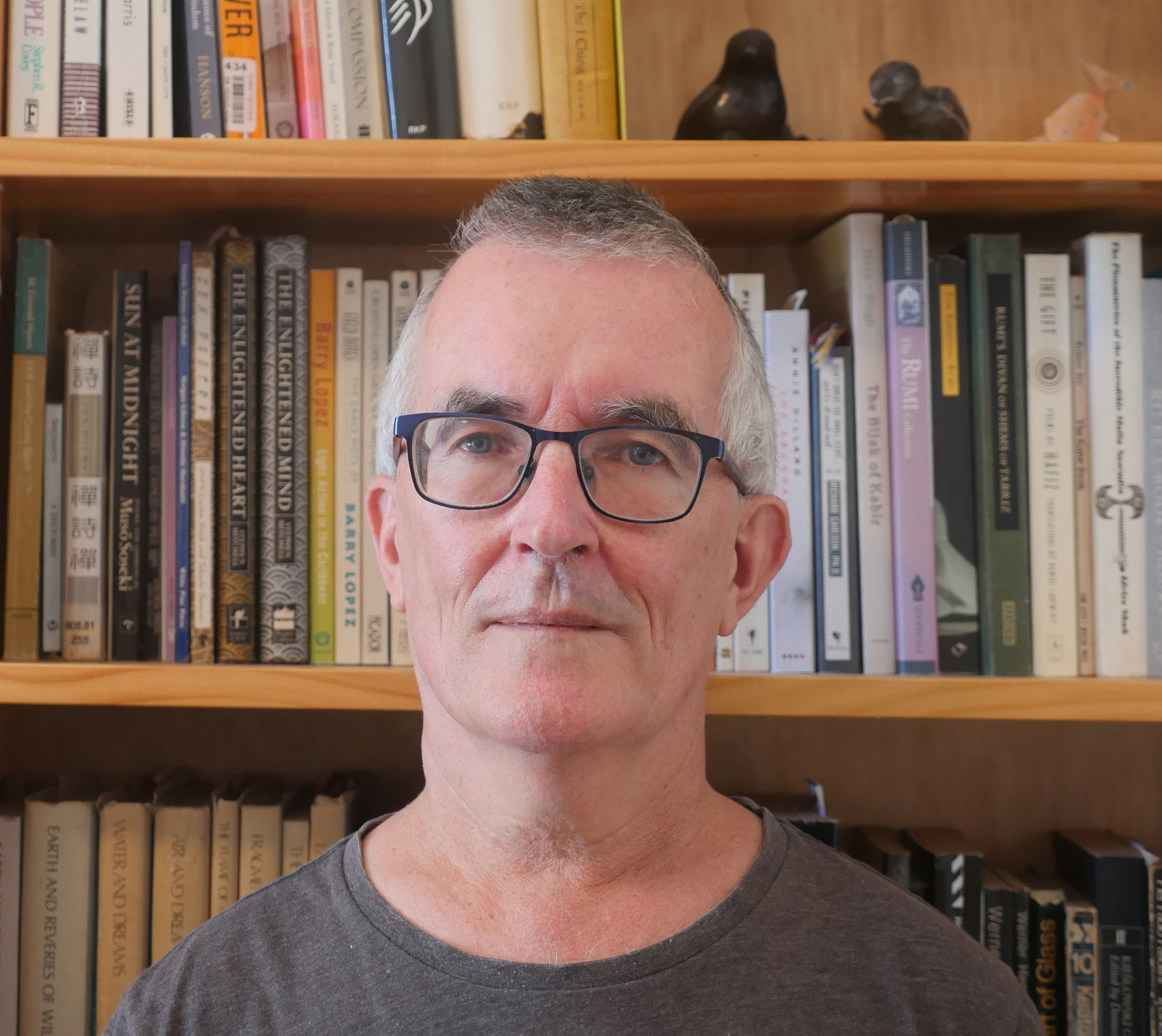
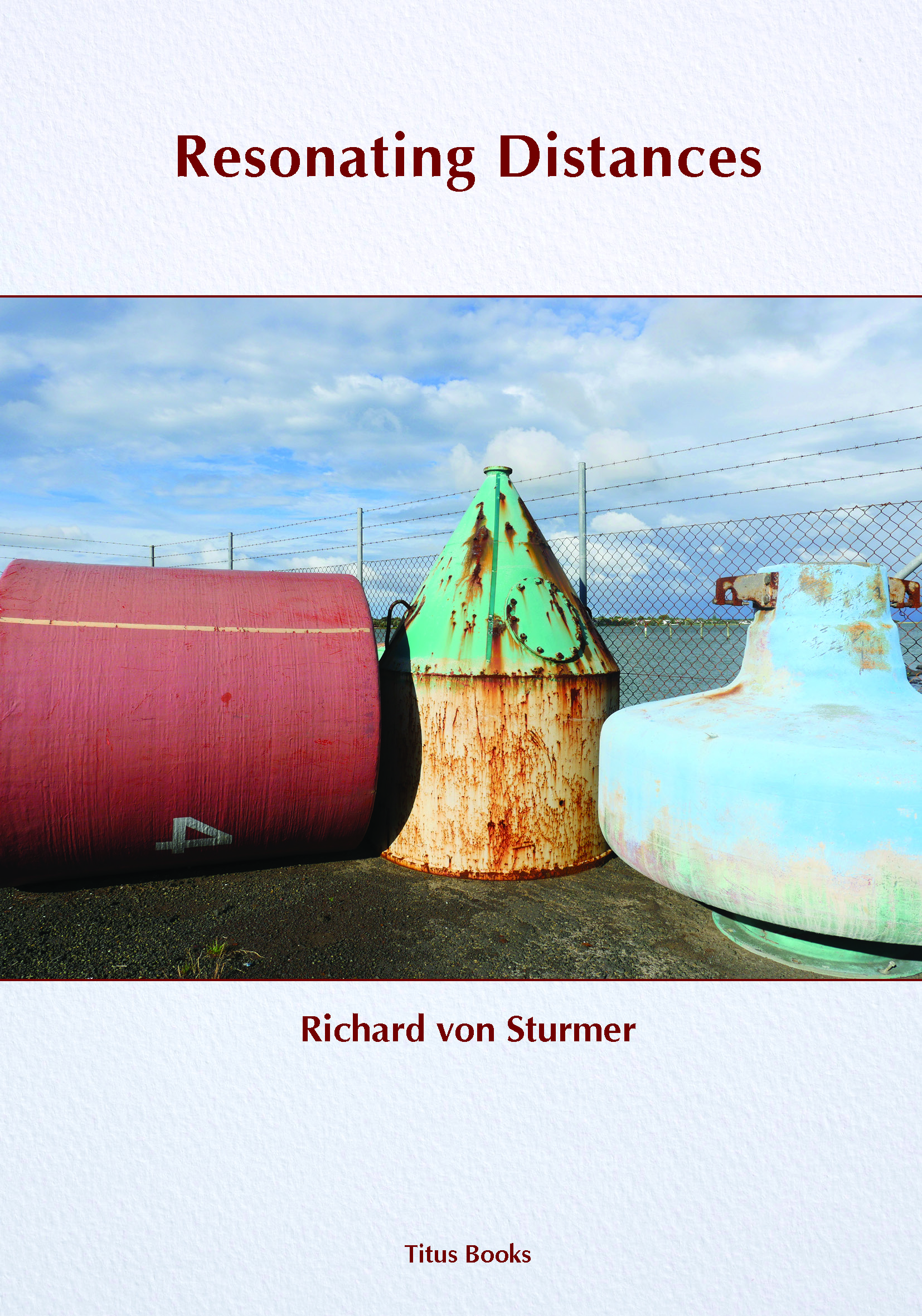
Richard von Sturmer is a New Zealand writer. He was born on Auckland’s North Shore in 1957. His recent works are the acclaimed memoir, This Explains Everything (Atuanui Press, 2016), Postcard Stories (Titus Books, 2019), and Resonating Distances (Titus Books, 2022).

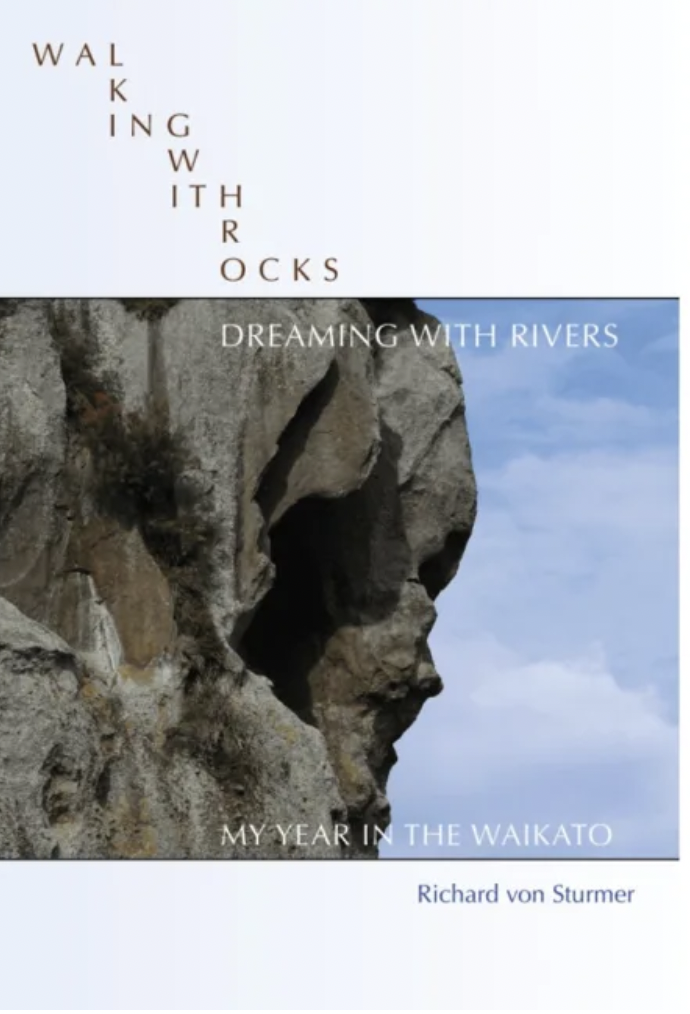
In 2020 he was the University of Waikato’s writer-in-residence. His book Walking with Rocks, Dreaming with Rivers: My Year in the Waikato (Titus Books, 2023) was written during his residency.

In 2025 his new collection of poetry, Slender Volumes (Spoor Books, 2024), was shortlisted for the Mary and Peter Biggs Award for Poetry at the 2025 Ockham Book Awards.

Poetry Shelf noticeboard: Given Words winning poems

Given Words, established and curated by poet Charles Olsen for ten years, has been a regular feature of Phantom Billstickers National Poetry Day. After deliberating alongside Pat White and Sophia Wilson, Charles recently published the winning poems and a selection of special mentions in both the adults’ and under-16s’ categories. Over 160 poems were received this year, and the judges have chosen 64 to publish here on Given Words.

This year the ‘given words’ were supplied by five filmmakers: Ebba Jahn, Tom Konyves, Cindy Stockton Moore, Ian Gibbins and Colm Scully. Here are the five words: justice, endure, pair, lightfast, hold.

The winner of Best Poem is Sadie Yetton for her poem ‘Venus, Don’t You Laugh At Me ‘and the winner of Best Poem by Under-16s, for the second year running, is Miranda Yuan for her poem ‘The Menu’.

For this 10th edition, and because there were so many wonderful poems, the judges awarded Special Mentions in the adults category to Gail Zing for her poem ‘Lightfast’, Cindy Kurukaanga for her poem ‘Nō Te Paruparu, Nō Te Purapura | Of the Mud, Of the Seed’, and to Renee Liang for her poem ‘Pinhole’. In the under-16s category, Special Mentions go to Sabrina Li for her poem ‘Photos taken the day they said it was over’, Gia Beckett for her poem ‘My Purple Life!’, and Lily Richards for her poem ‘Thread of Reality’.

Congratulations to all on behalf of Given Words, The Cuba Press and Massey University Press. You can read the judges comments and all the winning poems on the Given Words website, but here are the two winning poems.

Venus, Don’t You Laugh At Me

Venus, don’t you laugh at me
I’m your daughter, it appears you made a crooked one
Stilted in manner, steadfast in mania
Unjust in justice, your infinite amusement
Venus, you birthed a brute
You spat out a savage
You knew I’d fall on the way of love
Just as wolves fall on rabbits
Making a mess of how I eat it; blood, bones, brain
Clueless how to clean up after myself
What have I ever been if not your doing?
I was a child, then a child with a woman’s voice
I was lightning, lightfast, then lightless
I was a person, then somehow only parts of one
But I’ve always been of your blood
And you can’t bleed it out of me
A creature is still a child if it claims to be
A freak is due her worth if she endures
Venus, I know why you laugh at me
Because not feigning hilarity
At your own incompetence is worse than being so
Even with your back to me, we’re a pair of siamese souls
Because this rabid thing resembles its mother
And she wants you to hold her like you mean it
Look at who you made
Love it

Sadie Yetton
Tāmaki Makaurau Auckland

The Menu

Tonight’s Special: The Final Feast

Appetizer
Bread
And circuses
to entertain the masses.
Elevated rations
of what the poor had to endure.
Olive
A single fruit offered from the branch.
Starvation is minimalism,
and minimalism is art.

Main
Lamb
From the slaughter
with flesh that tastes like still-warm blood.
Pair it with red wine
lightfast on the lips.
Whose feet had juiced the grapes?
Let’s raise a glass to justice.

Dessert
Pomegranate
Six seeds to hold you–
sweet as the promise of love.
Brûlée
The world burns with a hint of orange.

Miranda Yuan, aged 15
Ōtautahi Christchurch