In the poetry section of Unity Books, I collided with you. I was in a hurry to buy some sadness or a patch of earth, freshly dug, in rain, some beauty easily missed.
This, you suggested, perhaps noticing how all the metal in me was being pulled by the day’s arbitrary offerings, drawing me to a room of words in a glass city, where people leafed through, sighing on waterways.
I stepped out into the High Street sunshine with a tome of humanity in a bag and there we parted ways – I confess, god, I let you down again there at the junction where I turned towards the gulf.
Medb Charleton
Medb Charleton is originally from Sligo, Ireland. Her poetry has been published in Landfall, Sport, Poetry New Zealand and Turbine | Kapohau.
Sitting in these hokey pokey sandhills eating fish & chips watching the bright vanilla waves roll in to the kelp-strewn beach.
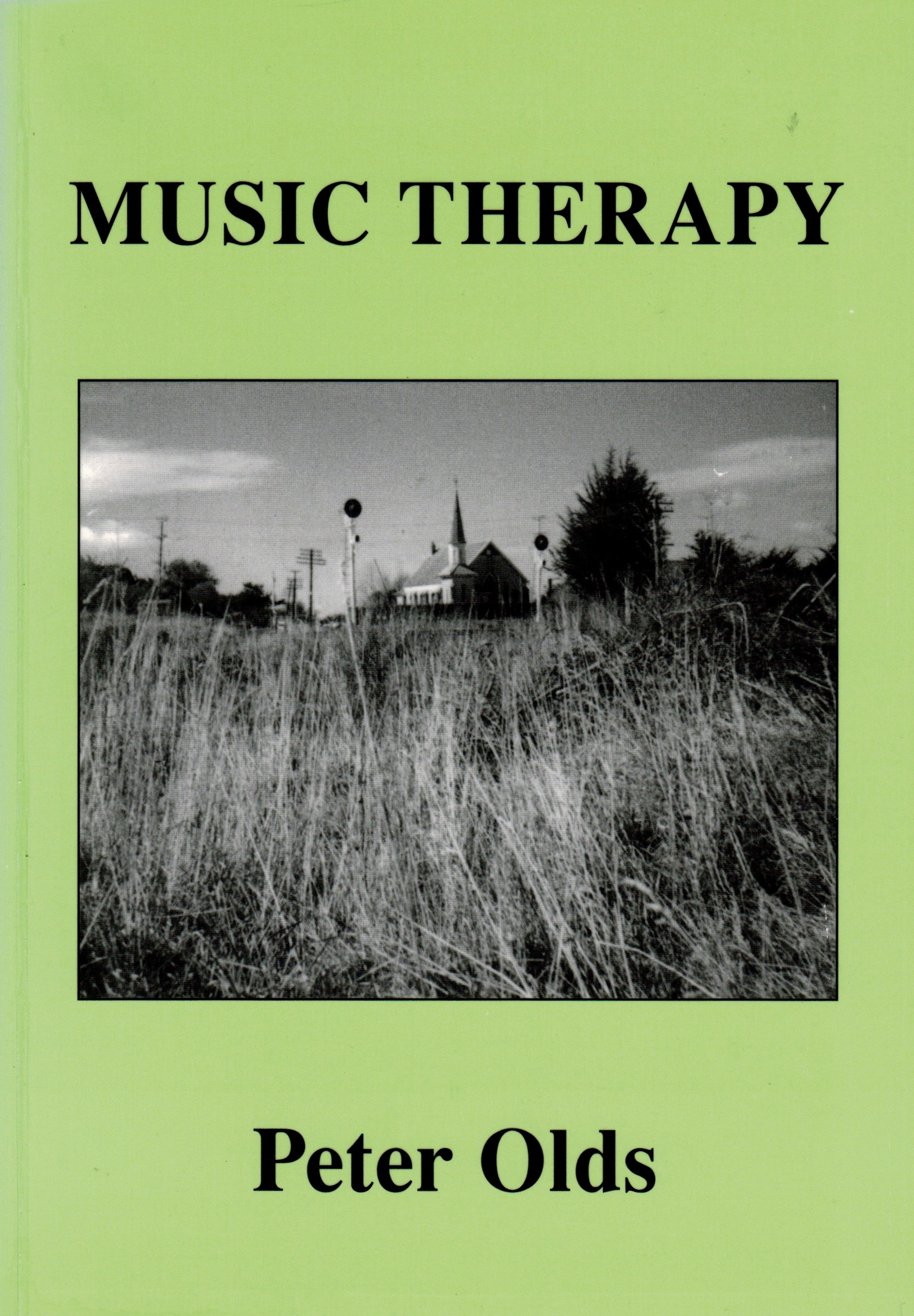
from ‘Beach Therapy’ from Music Therapy (Earl of Seacliff Art Workshop, 2001)
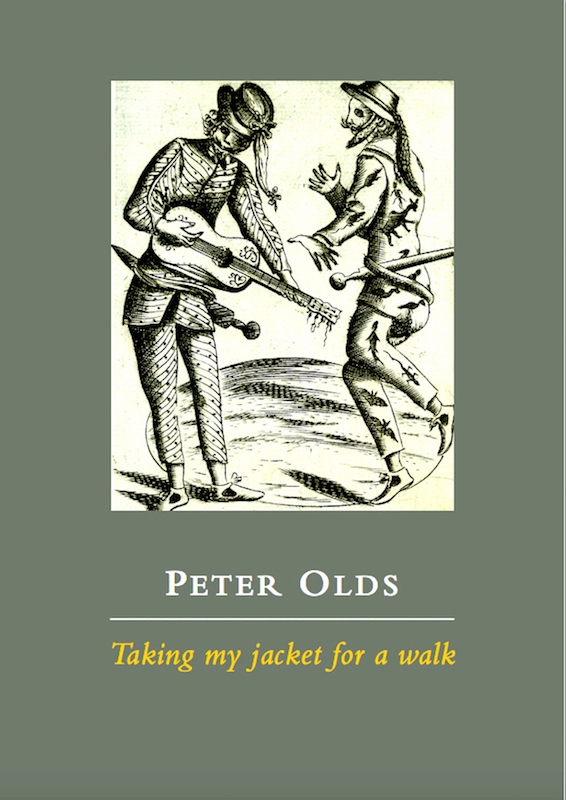
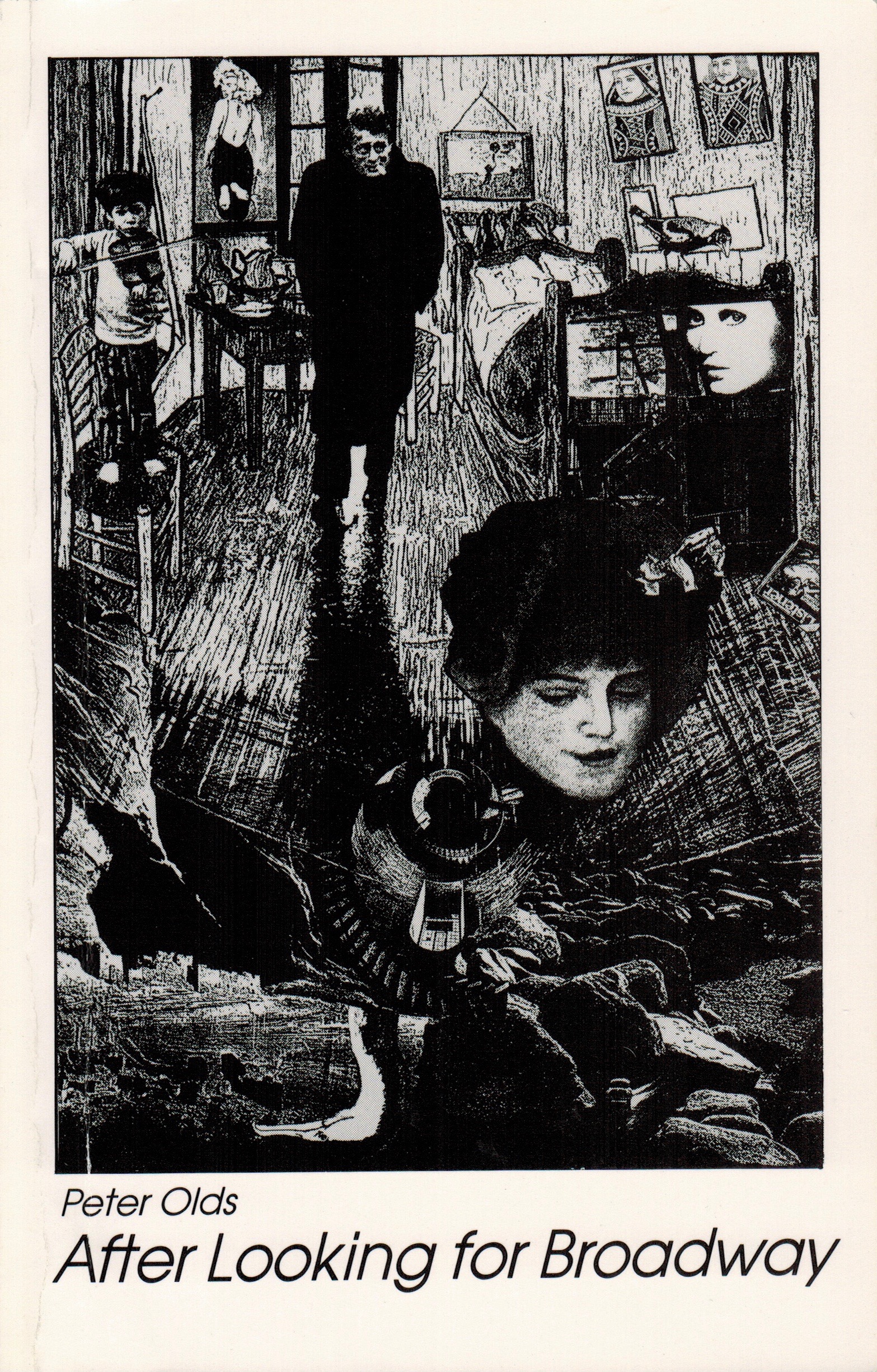
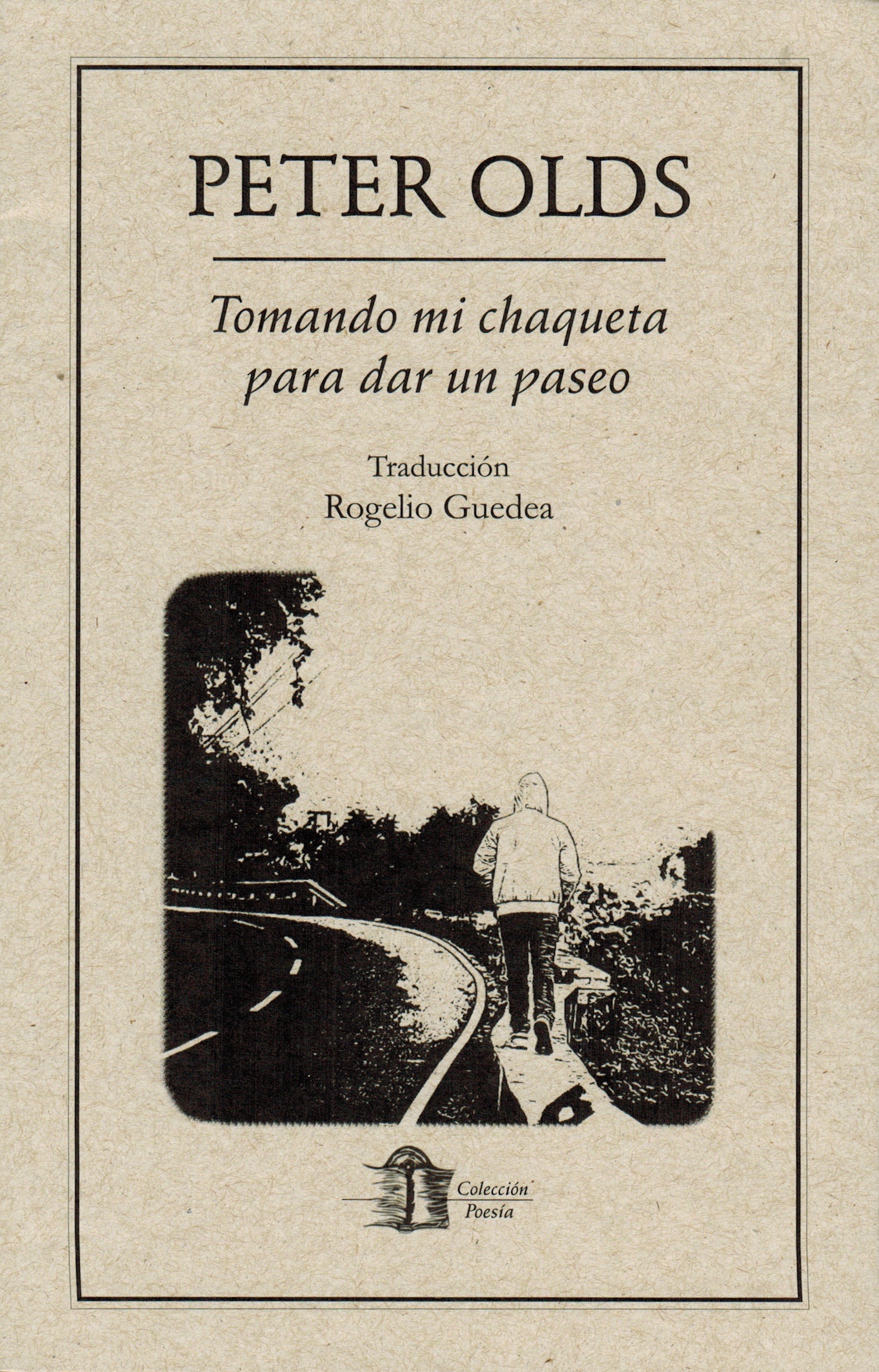
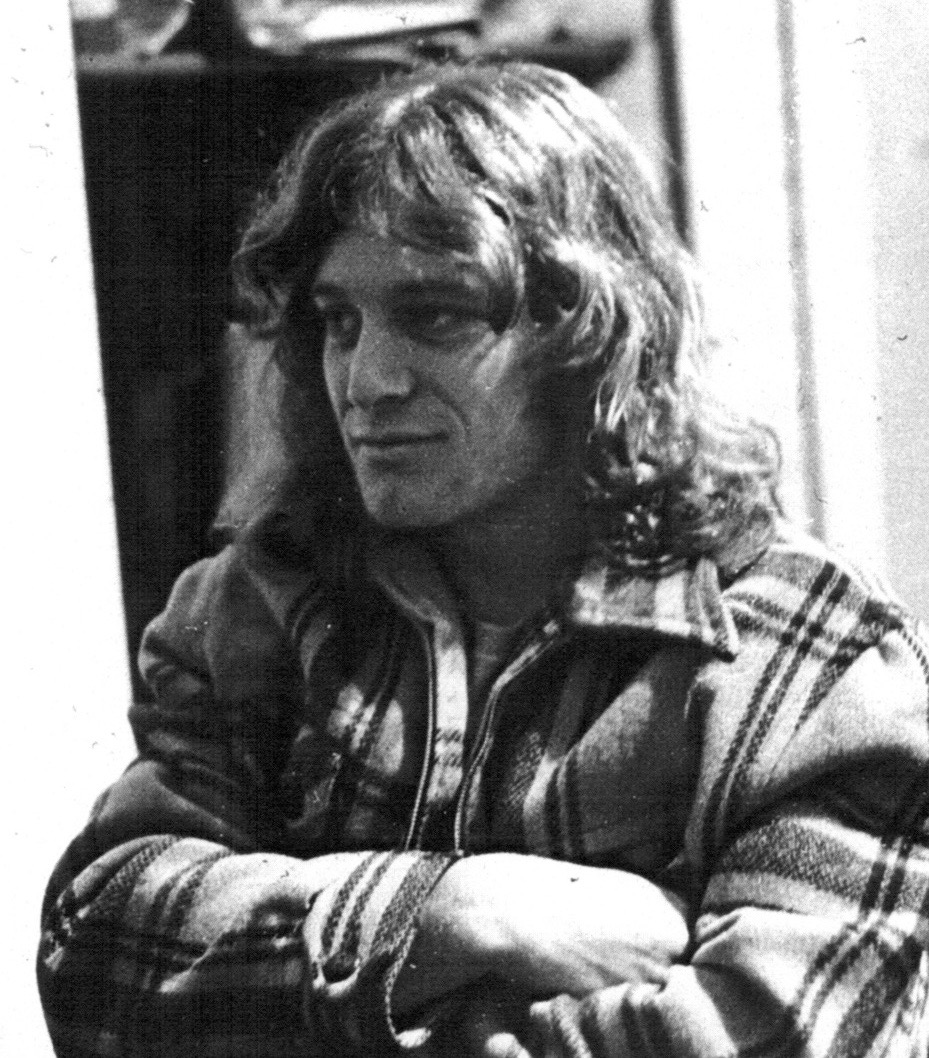
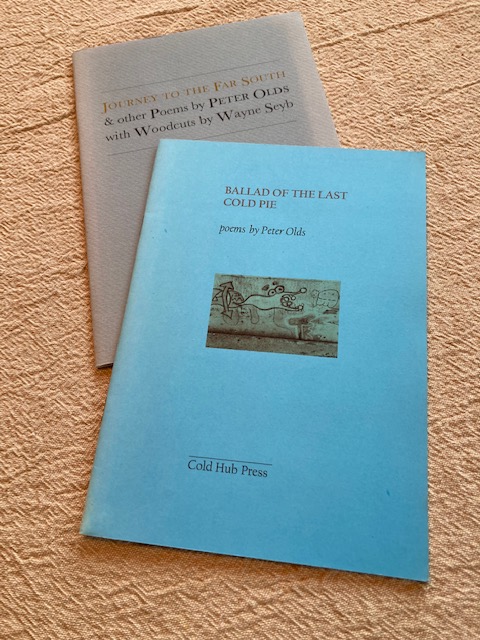
With sadness, writing communities across Aotearoa received the news of the death of Peter Olds. There has been shared grief, words and links across social media. Poetry Shelf is offering a selection of Peter’s poetry, some selected by me, and some selected by Peter’s publisher, Roger Hickin (Cold Hub Press), as a celebration, a contemplation, a tribute.
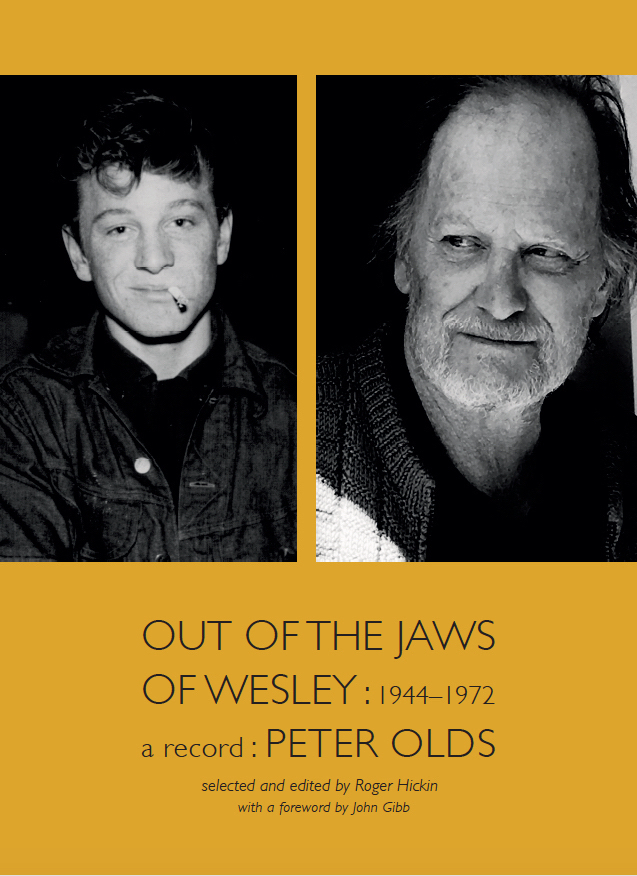
I also recommend reading Out of the Jaws of Wesley: 1944 -1972 a record: Peter Olds (Cold Hub Press, 2022). It is a moving and insightful miscellany that gathers together photographs, letter extracts, poems and prose to present a portion of a life. It marks Peter’s engagement with other writers, his meeting with James K Baxter, his mental health and his addictions, his drive to write, the months leading up to his debut poetry publication. He called his poems ‘songs’: ‘This is where I came / to write my songs when / they first twitched / in the mind.’ (from ‘In the Dragon Cafe’)
Writing becomes so much in the ink of Peter Olds. Yes it is song, and I picture a guitar slung over shoulder, yes it therapy, as I am drawn into his various treatments and diversions, yes it is reflection as I am drawn into memory and turning points, yes it is food and nourishment, the piquant fish and chips matching the piquant word. It is travel and anchor, it is it is rural and it is urban, it is walking and it is conversation. It is to be shared.
A man is writing in a large notebook with colouring pencils at a table near the door in the Methodist Mission coffee lounge A life story? A theory of life? … An intense concentration of tea things and a banana skin.
from ‘Ballad of the Last Cold Pie’ from Ballad of the Last ColdPie (Cold Hub Press, 2010)
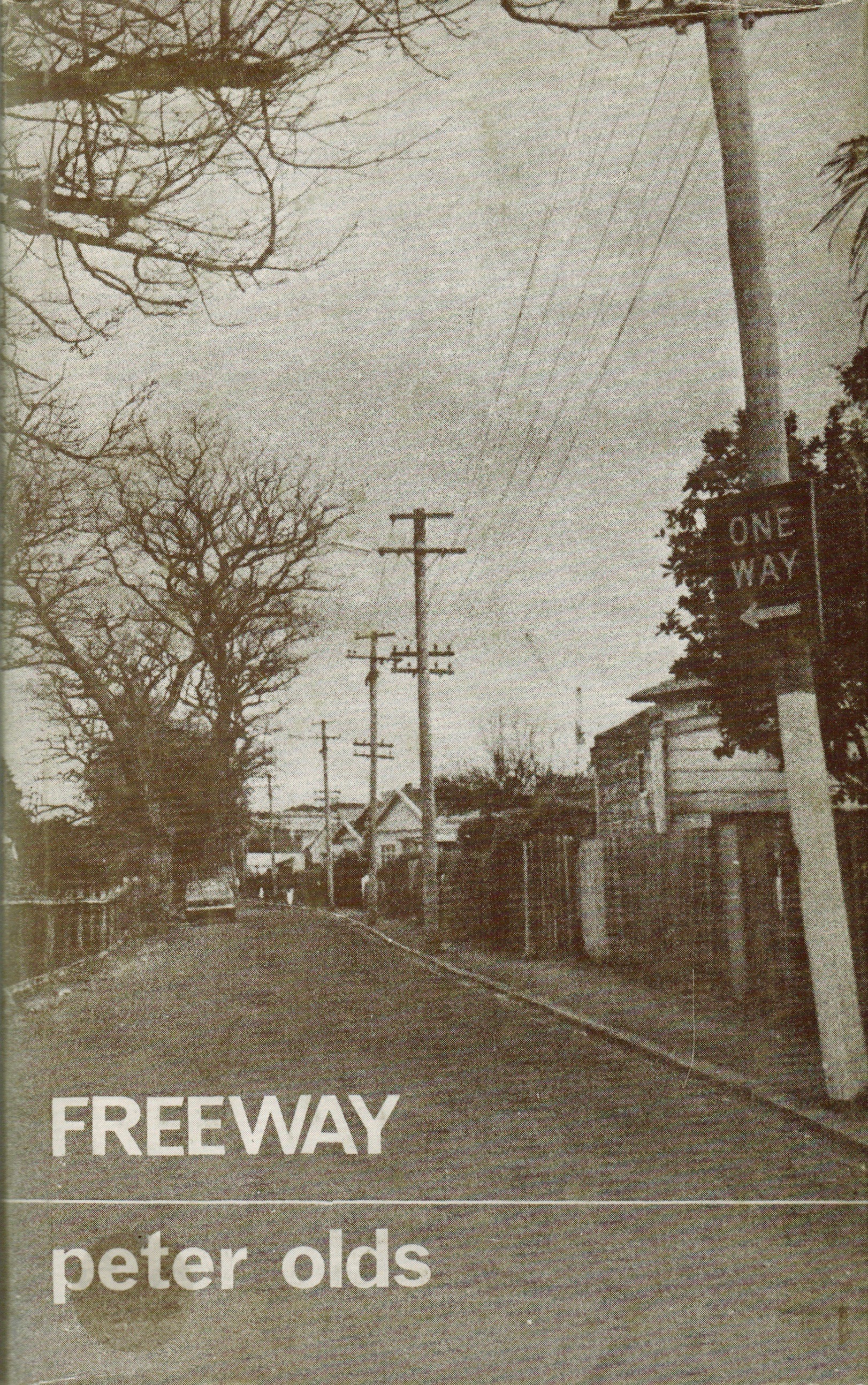
from You fit the description (Cold Hub Press, 2014)
Oxford
I played on the graves while you mowed the lawns: white pebbles and angels with broken wings, glass domes and wire flowers, the smell of petrol, the smell of cut grass and bees.
Cows scattered in bush: tin from neighbours’ farms wrapped around trees, whole trunks torn up like twigs, pigs howling in the screaming nor’wester.
(2010)
Black bees
My father used the old Ford as a tractor, dragged dead cows to the pit across the paddock, taking me along because I was quiet and no trouble. I’d stand on the back seat and watch him blowing
stumps with plugs of powder; watch him straightening hives the cows had rubbed against; watch him smoke bees dopey before taking the lids off the hives … Sometimes he’d leave me and the car on a dusty back road.
I’d stand on the back seat, the car rocking in a hot nor’wester, while he went off into the silence of whining fence-wire, somewhere out there; smoking bees, making sermons in the sweet smell of hemp smouldering in the puffer.
He’d come back, poke his head through the open window and enquire: “Are you alright?” He’d open the door and the smell of sticky wax would follow him in. He’d toss the straw hat covered in fairy wings onto the back seat.
I don’t remember being stung. They said they stopped counting … I could hardly breathe. “Stay in the car,” was the order, but in the silence I forgot.
The hot nor’wester was full of raiding black bees. I climbed down and went to look for him. The wind whined in the fence-wire. The car rocked in the yellow dust.
(2012)
The special
for Jim Nepia
I first heard about Jerusalem from Baxter himself. We were standing on the corner of Cosy Dell and Drivers Road and he was in an agitated state like someone on an unnatural high.
“God told me in a dream to go to Jerusalem,” he said, “a Catholic Maori community on the Wanganui River, and grow vegetables and start a new life. I would like you to join me there when I get things set up. I believe God wants me to do this.”
There always was something odd about Baxter and this seemed to confirm it. I could be silly, but I was young. Baxter was a grown man with a family …
As it transpired later that year I wound up in Cherry Farm mental hospital not able to go anywhere anyway, and Baxter took off for Auckland and set up a community in Grafton for hippies and bums before going on to Jerusalem –– and for a while the communication between us stopped.
But Cherry Farm was a community too with its own drugs and gurus –– and brainy people who flew aeroplanes and smoked American cigarettes, who wrote novels like Henry Miller and had been to university three times!
And (funnily enough) I met a Maori man there by the name of Jim who knew a lot about eels and how to catch them: down in the tidal creek under the road bridge
just outside the hospital grounds on a hook and line with a piece of mutton fat from the pig tins.
When Jim boiled up those eels in the villa kitchen man! –– the whole place stank … But Jim was a ‘Special’, and no one was of a mind to stop him from doing what he had to do.
(2012)
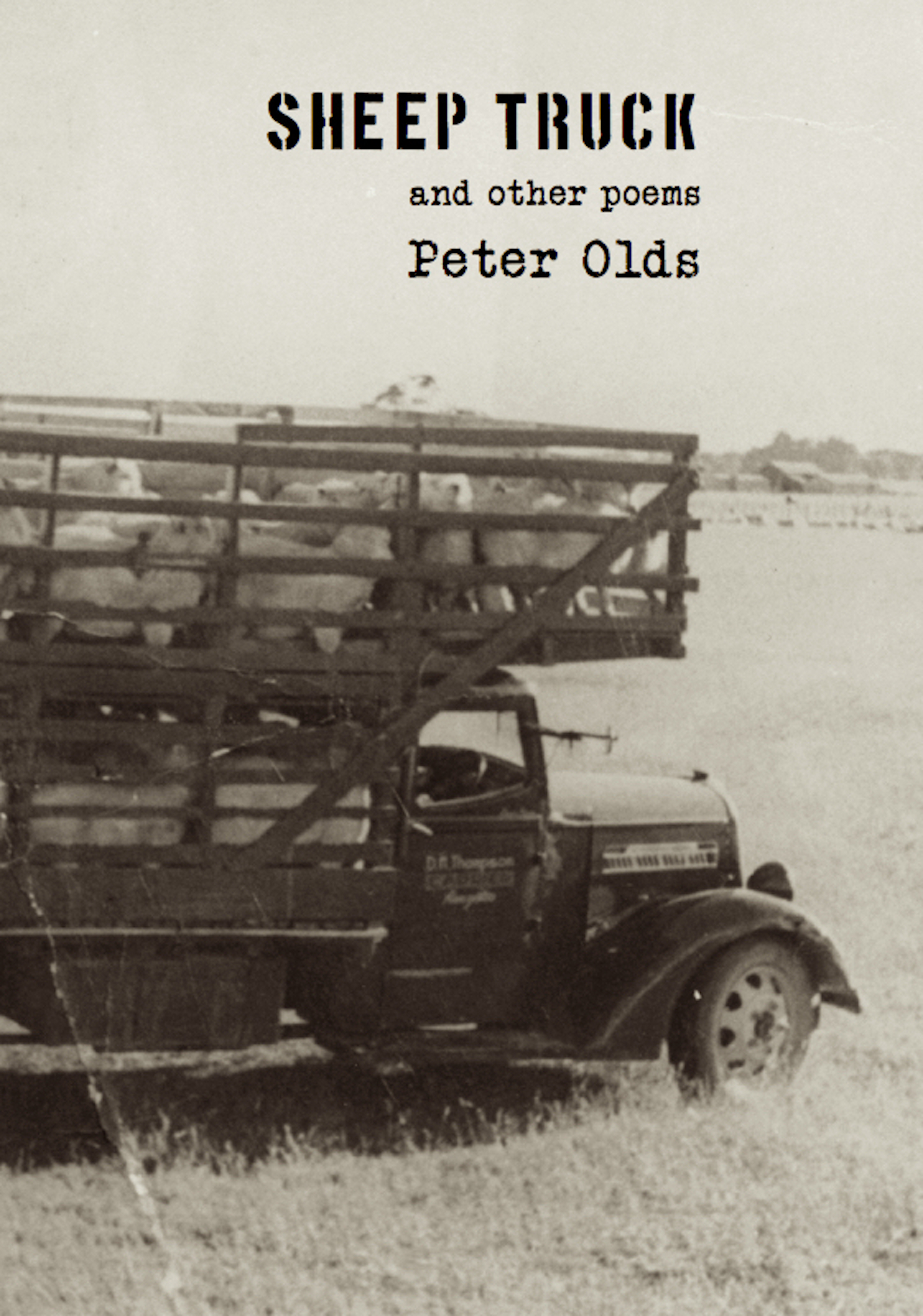
from Sheep Truck (Cold Hub Press, 2022)
Poet makes a useless round-trip journey
Walked around City Rise from home to the Warehouse, above the Exchange, to look
for notebooks & scribble-pads. Quite a hike for me these days . . . Out of Prestwick, past Sim,
down Drivers Road, into Queens Drive, Royal Terrace, up London Street, across Stuart, into Arthur (at
Otago Boys’ High), over the top of York & down Rattray to Maclaggan, & on to the Warehouse
where I bought 3 DVDs but no notebooks––Oh! ––& an icecream . . . Then on again to Queens
Gardens for a pee at the public toilets next to the brothel, & on past the Leviathan Hotel
around the corner from the old Police Station to the new Bus Hub opposite the new Police Station
where I caught a bus back home.
I want to be normal said the worm
I want to be normal said the worm and live in a garden by the sea and have healthy trouble-free teeth strong limbs and wild hair
if I wanted to eat I’d only have to pick the fruit off the trees there would be enough vegetables
in the garden to feed a large family kahawai would run in the surf so thick you could walk on them for company I would keep chooks
and maybe a milking cow the kind elderly couple next door would look after my garden while I went on holiday
I would never drown in the sea swimming would be like warm love the black wet rocks would never
threaten the sky would always be bright and deep blue––except of course at night when the discussion
on the radio would turn serious people talking about relationships and food and wine––
I would sleep in my hole better than ever and awake refreshed and sparkling with the birds
Peter Olds, one of Aotearoa New Zealand’s finest poets, died in Dunedin on August 31, aged 79. In his introduction to The Glass Guitar, a collection of thirty-two previously uncollected and unpublished poems by Olds due out from Cold Hub Press on October 24, his friend John Gibb describes him as “a navigator of contrasting and sometimes contradictory worlds, a kind of battered Zen ambassador of humanity, an at times irreverent pilgrim making his way through life”. David Eggleton called him “the laureate of the marginalised”. And as Frank O’Hara was the poet of New York, and Sydney Goodsir Smith the bard of Edinburgh, he was Dunedin’s unofficial but authentic poet laureate.
Roger Hickin
from The Glass Guitar (Cold Hub Press, publication date: 24 October 2023)
The Glass Guitar
At first you don’t notice it among the furnishings & potplants half hidden in a darker part of the room: the glass guitar its neck bent strings curled round its head almost shameful in an otherwise cheerful room, people drinking beer watching TV taking little notice of arrivals and departures clinking glass on teeth for sound effect and in the hallway a small stereo tapping quietly by a bedroom door, no one paying attention to the glass guitar.
At first you don’t notice the urge to smash glass: the coffee table wet with slippery light the floor crowded with spinning bottles foetuses and clown-masks walls sucked in like toothless heads . . . Flopped in a beanchair the overhead lights switched off a candlestub spluttering for effect, it suddenly hits you like something you can’t find words for and you reach for the guitar and start strumming and singing like mad.
Omokoroa: the place of walks
1 An aeroplane fades overhead towards the Kaimais a magpie beats-up a heron
2 A plastic bag with a small fish inside thrashes around on the wet pontoon a small girl steps gingerly up to it
3
Hats and walking sticks elderly couples hand in hand
4 Fruit rotting under trees next to the self-help food stall
5 A mile away clear as an eye a dog barks chases ducks through water
6 God’s glorious sunset blue Omokoroa like a Bible tract on water
7 You can’t see them but they’re there the small fry lying just below the surface under the jetty light
8 Above the orange grove clouds’ glacial drift solid as sheep
9 When the large fish pass underneath the water suddenly becomes popcorn jumping on a redhot plate
Shipwrecked on Tautuku Beach a therapy
We were drinking from a leaky barrel. Dancing couples slid across the deck. From the rigging Neil Diamond screamed Hallelujah! Down below the netball team were cutting sandwiches.
Madonna, winner of the costume competition, was on the bridge screwing the Captain. Edith Piaf spun on the intercom . . .
I was smoking Pig Island weed with the ship’s cat when we hit. I don’t remember much––only the last strains of a crashing wall of surf followed by a scream.
I got ashore––I don’t know how. My gumboots filled with water. I was lucky: the cat didn’t make it.
On the beach three clowns were sitting round a fire drinking salvaged beer: ‘What the hell happened!’ they shrieked, white-faced. ‘Whose fucking idea was it to go out in this weather anyway?’
We counted the missing: Three gay bishops, one policeman, a prostitute, Edith Piaf, two hitch-hikers, Abba’s entire CD collection, a couple of shearers (who were supposed to be lookouts)–– the netball team were nowhere to be seen.
When the sun rose I walked to the end of the beach to clear my head. Walked as far as a dead cow: its legs in the air, bloated like an Indian raft adrift on the Ganges . . .
I lay on the sand, thankful I still had my teeth, and waited for the rescue-team to arrive. You’d think the beach had always looked like this: mist on bush, kelp entwined in bleached driftwood–– gulls standing in water just out of reach.
Cold Hub Press page David Eggleton talk on Peter Olds Gregory O’Brien on Peter Olds and Geoff Cochrane with Kim Hill RNZ National David Eggleton picks two poems by Peter Olds for Poet laureate blog Poetry Shelf review of A Town Trod by Poets, by Roger Hickin, photographs and poetry by Peter Olds
Lying here watching insects through the bamboo blind zigzag across the window pane
fine rain
from ‘From the Hut Window’ from Music Therapy (Cold Hub Press, 2001)
Sweet Mammalian, edited by Rebecca Hawkes and Nikki-Lee Birdsey, is celebrating ten years of publication with an inviting mix of voices both new and and unfamiliar to me. The slender, hand-stitched zine features an embroidered, magnificent, explosive artwork on the cover – ‘I am always waking up from a long sleep’ – by Saskia Bunce-Rath.
The poems, both rich with intimate detail and expanding with breathing space, are a joy to read. You nestle into love, questions, tidal movement, lies, truths, water, ocean, arriving, departing, what might be, what will be, what is. You travel and you drift.
Follow the link below and find your own routes and meanderings. In the meantime I am offering a handful of lines (out of myriad hauntings I’d add) that have clung.
from ‘Reasons’ by Ruben Mita: ‘This is the light in the bulb, / the boil in the kettle, / this is the whole thing / and the thing expansive.’
from ‘Rare Evolutions1.’ by Elliot McKenzie: ‘A person is a cooled / pool of magma.’
from ‘five steps through january’ by Naveena: ‘the right side of my body is static / neon where it brushes your damp arm’
from ‘GLASS’ by Joan Fleming: ‘Sometimes a storm would take hold of her, a storm borne of blindness.’
from ‘Natural causes’ by Zoe Higgins: ‘and the swans only glare and wild their wings / along the walking-speed water and dredge / another snail from the riverweed roots.’
from ‘Only’ by Xiaole Zhan: ‘Hand me a poem round a fragile as an egg in / the small of a warm palm.’
from ‘The mourning pool’ by Sugar Magnolia Wilson: ‘The systematic pattern of / loss and against the ever blackening water / that rises up and around us.’
Sweet Mammalian Issue 10 page where you can read all the poems
stone men, Jeni Curtis, Sudden Valley Press, June 2023.
‘the worm’s turn’, ‘apples’, ‘Pandora’, ‘chicken’ and ‘birds nesting’
Jeni Curtis is an Ōtautahi/Christchurch writer who has published in various publications in New Zealand and overseas. She has had poems regularly commended in the NZPS poetry competition, and her poem “come autumn” was shortlisted for the Pushcart Prize 2019. She was shortlisted for the Heritage New Zealand/SIWA poetry prize in 2020 and first equal in 2021. Her poem “talking of goldfish” was put to music by composer Janet Jennings as part of Jenny Wollerman’s work 21×21. She was runner up in the John O’Connor best first manuscript award 2022. Her collection of poetry, stone men, was published by Sudden Valley Press, June 2023.
Haven’t worn shoes for two weeks until today, and three quarters of my meals have been muesli. The German man in the seat next to me is watching Bible YouTube. Kid-vids, too—not prosperity gospel self-help flimflam or anything to do with sin-scouring or tongue-lolling, but cartoons of lions and coats and loaves and fiery chariots. Maybe he’s sick as well and can’t concentrate. He’s been an excellent seatmate. You know the type: so nice he’d sooner be impaled with umbrellas than forget to say thank you. Thank you for the elbow room, fella. We’re like a matching pair. 16A and 16B are moving fast! Now there’s a video of the ark filling up with funny long-limbed creatures: flamingos, sea spiders, giraffes.
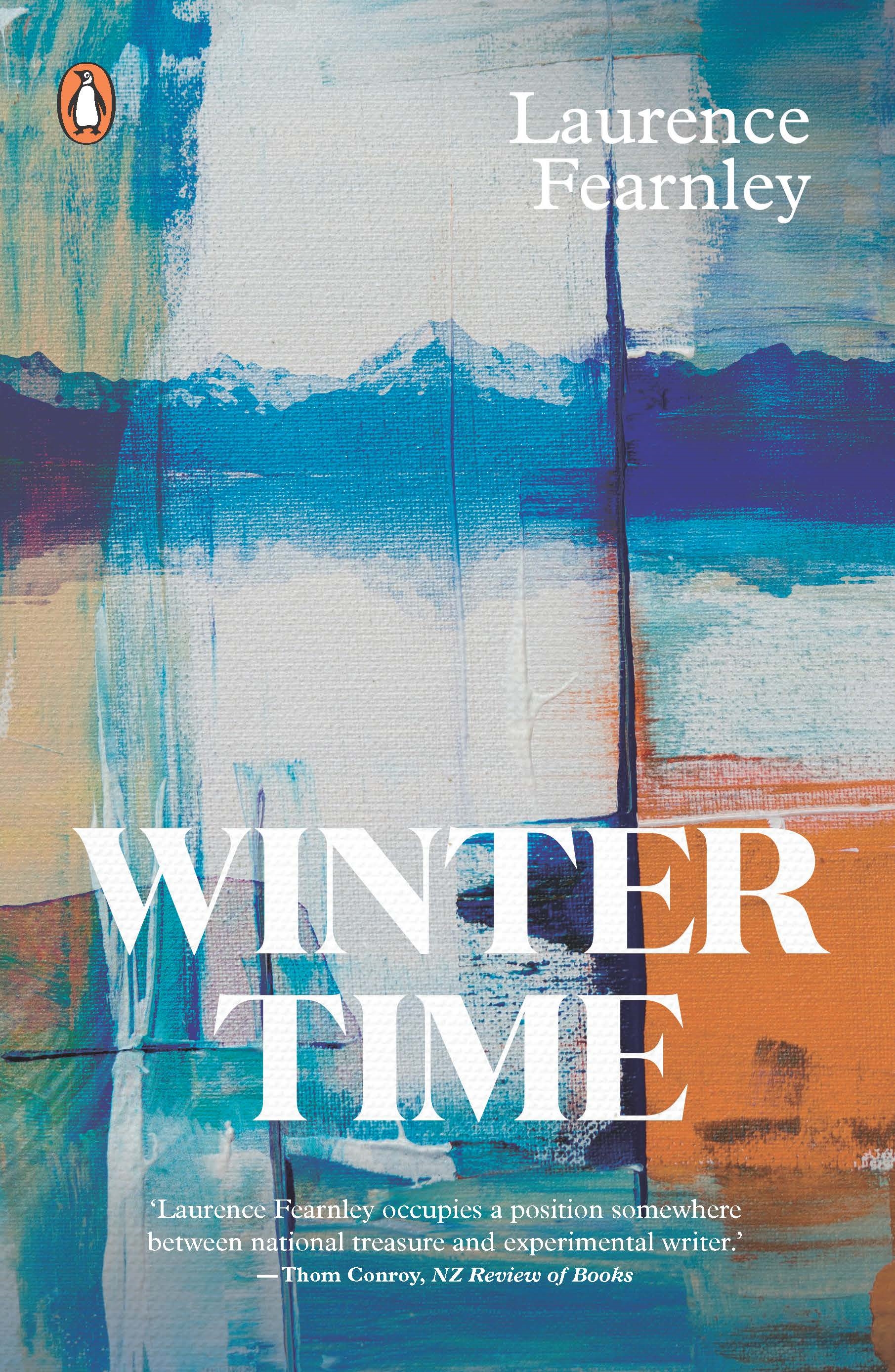
Laurence’s Fearnley’s novel, Winter Time, came out in 2022 but I missed it, in my year of sleeping blogs and slow paced reading. I am such a fan of Laurence’s writing, I was thrilled to discover Winter Time‘s existence in the world. And the book is so good, so beautifully written and exquisitely paced, I wanted to let you know in case you have missed it too. I devoured it in two sittings, breathlessly, compulsively, saying to myself, this is what fiction can do.
Roland returns home to the Mackenzie Country to make sense of the unexpected death of his brother, haunted too by previous family deaths, impersonated on social media when he never uses social media, beleaguered by his brother’s irksome neighbour, ruing the strained relations with his partner back in Sydney.
The novel is character rich, spiky, unexpected; these multi-dimensional figures draw you in so beautifully. They creep up on you, contribute to the engulfing mood, the traces of foreboding and tension, loss and grief, connection and disconnection. The detail is piquant, pitch perfect. The melody of the sentences so supremely judged. It feels like all the narrative roads lead to mood. To the way we inhabit our lives, navigating who we love and who we miss, what we have and what we long for. Place matters. The way memory both infects and nourishes. The way things change and things stay the same.
I adore this book, with its sublime settings and deeply engraved feeling. I simply adore this book.
Laurence Fearnley is an award-winning novelist. Her novel The Hut Builder won the fiction category of the 2011 NZ Post Book Awards. In 2014 her novel Reach was longlisted for the Ockham New Zealand Book Awards, and, in 2008, Edwin and Matilda was runner-up in the fiction category of the Montana New Zealand Book Awards. Her second novel, Room, was shortlisted for the 2001 Montana New Zealand Book Awards. In 2004 Fearnley was awarded the Artists to Antarctica Fellowship and in 2007 the Robert Burns Fellowship at the University of Otago. In 2016 she won the NZSA/ Janet Frame Memorial Award and in 2017 she was the joint winner of the Landfall essay competition. She was named a New Zealand Arts Foundation Laureate in 2019. She lives in Dunedin.
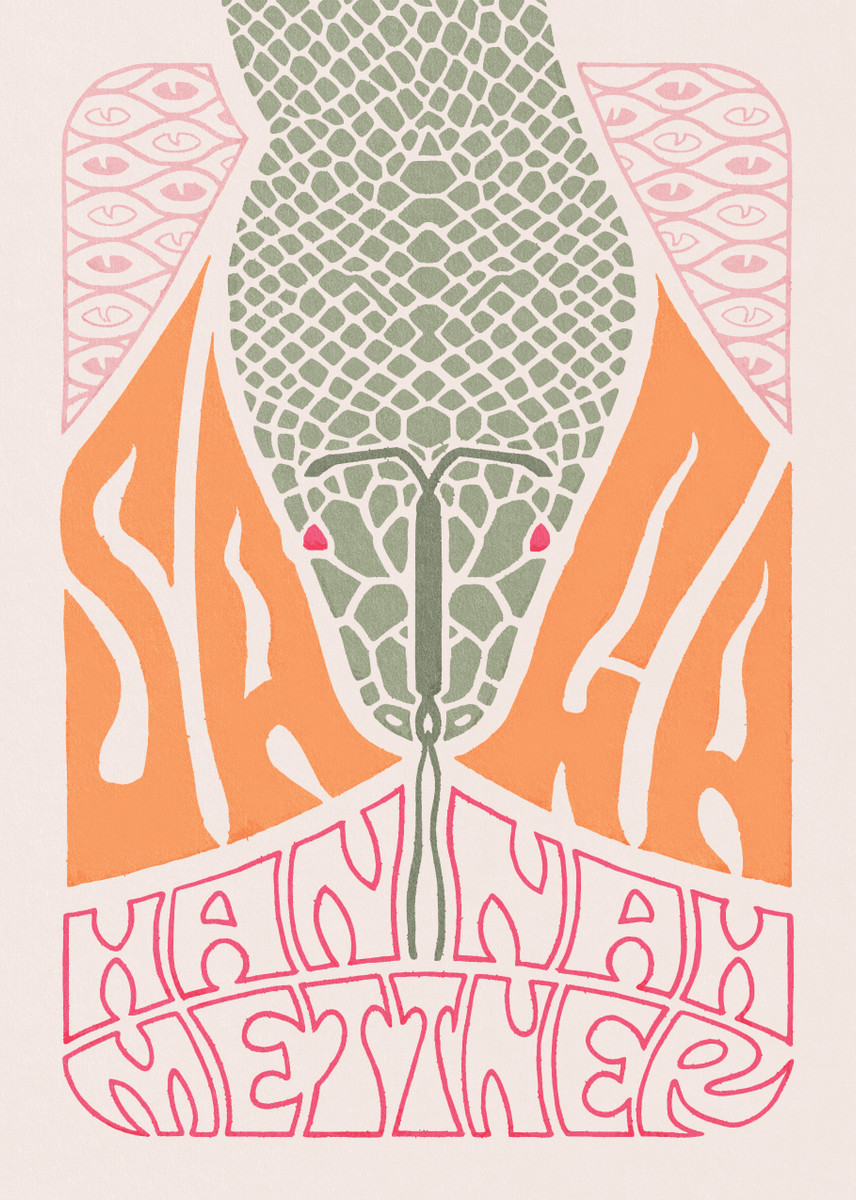
Saga, Hannah Mettner,Te Herenga Waka University Press, 2023
‘Birth control’
‘Beep test’
Hannah Mettner is a Wellington-based poet from Gisborne. Her first collection, Fully Clothed and So Forgetful, won the 2018 Jessie Mackay Best First Book Award for Poetry. Her second collection, Saga, was released in August 2023. She is co-founder, with Morgan Bach and Sugar Magnolia Wilson, of Sweet Mammalian, an online poetry journal launched in 2014.
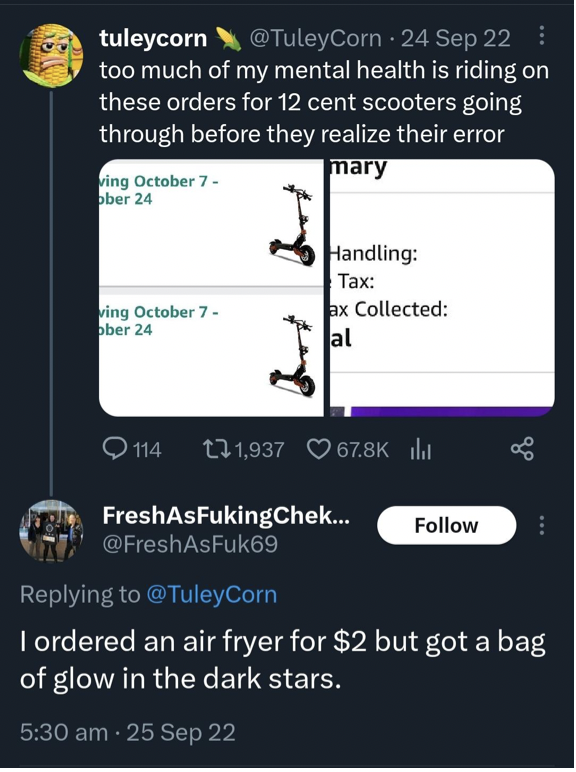
I ordered an air fryer for $2 but received a bag of glow-in-the-dark stars.
Despite knowing better, I’m still looking for magic. When I swim in the night time fiord, through its dense bioluminous clouds, I am waiting for something inside me to transform.
I’m twenty-four, I should know this moment won’t save me, even though I’m alone in its cold light, under the milky way and the ferns overhanging the water. I should know these are plankton, not wishes.
When I was seven, I wanted to be a geologist and the pocket of my school culottes always held treasure: pebbles, cicada shells, and sidewalk receipts. I read Tintin alone in the library, by the window overlooking the pier. I still dream I’m a crab in a rockpool. I still hope so much that it hurts.
Lily Holloway
Poem note:
The title of this poem comes from the following tweet exchange:
Lily Holloway is a trench coat full of ladybugs. Their first chapbook was published in 2021 as a part of Auckland University Press’ AUP New Poets 8. Their other work can be found in places such as Cordite, Hobart After Dark, Peach Mag, Ōrongohau | Best New Zealand Poems, Out Here: An Anthology of Takatāpui and LGBTQIA+ New Zealand Writers, and various other nooks and crannies. You can find more about what they’re up to at lilyholloway.co.nz or on Twitter @milfs4minecraft.
Poetry is like a stream. I woke in the middle of the night and had a thought flash in the dark that I get pulled along poetry currents, and that they might be fierce or gentle, rippled or calm, crisp cold or comfort warm, and sometimes I float and drift and dream, and sometimes I clamber onto a stream boulder and soak up melody and mystery, marvel and the mundane, word dance and human stretch, and it is skin tingle and heart embrace. And it is poetry.
Welcome to Poetry Shelf Cafe and a set of readings by 8 poets to celebrate National Poetry Day. Each poet reads a favourite poem of their own and one by someone else.
Happy National Poetry Day
Arielle Walker
‘Gateway’ by Makyla Curtis from Apertures hand-printed and hand-bound small print run through her MVA project Folding Time
‘dream futures from a plant beneath your tongue’ by Arielle Walker from AUP New Poets 9 (Auckland University Press, 2023) and also No Other Place to Stand: An Anthology of Climate Change Poetry from Aotearoa New Zealand (Auckland University Press, 2022)
Each time I tried to write this line “on poetry,” it quickly threatened to become a very long cord instead, a thread, a whole weaving, possibly even a poem, unspooling quickly even though my other (non-poetic) writing has recently felt effortful – and I think that’s what I love most about it: as reader or writer, poetry has always offered me different ways and possibilities into language.
Arielle Walker
Arielle Walker (Taranaki, Ngāruahine, Ngāpuhi, Pākehā) is a Tāmaki Makaurau-based artist, writer, and maker. Her practice seeks pathways towards reciprocal belonging through tactile storytelling and ancestral narratives, weaving in the spaces between. Her first chapbook, river poems, can be found in AUP New Poets 9 (Auckland University Press, 2023), and her poetry can also be found in Stasis Journal, Turbine | Kapohau, Tupuranga Journal, Oscen: Myths, No Other Place to Stand: An Anthology of Climate Change Poetry fromAotearoa New Zealand (Auckland University Press, 2022), and the upcoming anthology Te Awa o Kupu (Penguin Random House, 2023).
Robert Sullivan
‘Tangaroa whariki kiokio’ by Robert Sullivan from his new collection Hopurangi | Songcatcher (forthcoming from Auckland University Press in 2023).
‘The crash of living things’ by Arihia Latham from Birdspeak (Anahera, 2023)
Kia ora. Poetry day is a celebration of our many traditions sheltering under the old trees of poetry. When Paula Green asked for a contribution I immediately thought of Arihia Latham’s wonderful new collection Birdspeak and its multiple emotional centres. Her poem “The Crash of Living Things” draws its decolonising energy from the colonisation of forests, spirit, and families. It makes gestures toward the traditions of both tangata whenua and western ideas of prayer, care and literature. I hope you each enjoy the eternally delightful energy of poetry on this great day helped along by Paula’s aroha for this artform. Ngā mihi mahana.
Robert Sullivan
Robert Sullivan (he/him/ia, Kāi Tahu and Ngāpuhi) has won awards for his poetry, editing, and writing for children, including the 2022 Lauris Edmond Memorial Award for a distinguished contribution to New Zealand poetry. Tunui Comet (Auckland University Press, 2022) is his eighth poetry collection. His widely acclaimed book Star Waka (AUP 1999) has been reprinted many times. Hopurangi / Songcatcher is forthcoming from Auckland University Press later this year. Robert’s an Associate Professor at Massey University and coordinates its Master of Creative Writing programme. He is a great fan of all kinds of decolonisation.
Hannah Mettner
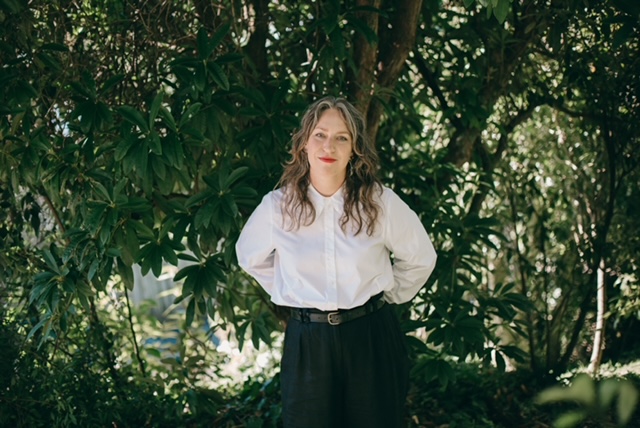
Photo credit: Ebony Lamb
‘after Sissinghurst’ by Morgan Bach from Middle Youth (Te Herenga Waka University Press, 2023)
‘La bohème’ by Hannah Mettner from Saga (Te Herenga Waka University Press, 2023)
Sissinghurst is the ‘castle garden’ in England created by Vita Sackville-West, poet and writer (and the inspiration for Virgina Woolf’s character Orlando), and her husband Harold Nicolson, author and diplomat, who were members of the famous ‘Bloomsbury Group’. The couple spent thirty years transforming a farmstead of “squalor and slovenly disorder” into one of the world’s most influential gardens. In her poem, Morgan visits the now heritage listed garden and imagines what that life must’ve been like; to “have hands all day in soil and sap / and all night in words and lovers, / that is the life we want, that we can / no longer pay for.” This stanza hits me in the chest every time I read it because it gets to the very heart of what makes poetry so seductive: the human need for beauty and love and good honest dirt, and the modern affliction of feeling so separated from those things. Of course, Vita and Harold had money; that’s how they were able to live that life. Morgan’s poem doesn’t dwell heavy-handedly on these problems, instead moving on to consider more sensual pleasures, but it leaves the reader questioning: what happens if only those who have money have the time/energy/resources to make art? Do only the well-off get to experience poetry? Are those things we so crave as humans, beauty and love and good honest dirt, the preserve of the rich? Surely that isn’t fair? With this in mind, the poem of my own that I’ve recorded is ‘La bohème’ which is coming at the same questions as Morgan’s in perhaps a less lovely way.
Hannah Mettner
Hannah Mettner is a Wellington-based poet from Gisborne. Her poems have appeared widely in literary journals, including Sport, Turbine and Cordite. With Morgan Bach and Sugar Magnolia Wilson, she is a founding editor of Sweet Mammalian, an online poetry journal launched in 2014. Her first collection, Fully Clothed and So Forgetful, won the 2018 Jessie Mackay Award for Best First Book of Poetry. Her second collection, Saga, was published by Te Herenga Waka University Press in August 2023.
Emma Neale
Photo credit: Caroline Davies
‘The Names’ by Lauris Edmond first appeared in Salt From The North (Oxford University Press, 1980)
‘The Night Shift’ by Emma Neale first appeared at Adda: Issue 2 : Remember to Rest (Commonwealth Foundation, 2023)
While poetry can be visually, typographically and sonically experimental, and can push the boundaries of language and meaning in multiple ways, I often return to it as a way to find a restorative comfort through the music of voice, and an untangling of complex emotions. Lauris Edmond’s poem ‘The Names’, for example, has a bittersweet seesaw between feelings of deep attachment and the distance that time and geography have wrought between a mother and her children: here there is wistfulness, poignancy, sharp recall and the sense of evolution in relationships, all placed alongside the sense of enduring bonds, despite those changes. My own poem revisits the liminal experience of resurfacing into consciousness after major abdominal surgery. I suppose what both poems might have in common is how they try to reassemble the speaker, or restore memory, after experiences of separation, fragmentation, disintegration of a kind.
Emma Neale
Emma Neale, the author of six collections of poetry and six novels, received the Lauris Edmond Memorial Award for a Distinguished Contribution to New Zealand Poetry in 2020. Her most recent novel, Billy Bird (2016) was short-listed for the Acorn Prize at the Ockham New Zealand Book Awards and long-listed for the Dublin International Literary Award. Her first collection of short stories, The Pink Jumpsuit (Quentin Wilson Publishing, 2021, was also long-listed for the Acorn Prize. She lives in Ōtepoti/Dunedin, New Zealand, where she works as a freelance editor.
Modi Deng
’The River’ by Mark Leidner from Beauty Was the Case That They Gave Me (Factory Hollow Press, 2011)
‘Lessons’ by Modi Deng from collection ‘安慰 (an wei)’ in AUP New Poets 8 (Auckland University Press, 2021)
Poetry is so close to me that it is difficult to write about it. As a form to read, it leaves something out, and yet is full and all-consuming. As a form to write in, it is incredibly concentrated and full of unexpected connections. It might reach behind itself and show you something broken when you were expecting an apple. At the heart of it, it is very beautiful and simple and true. It’s difficult to describe…
Modi Deng
Modi Deng is a pianist and writer from Aotearoa New Zealand. Her debut poetry collection was published in AUP New Poets 8. Currently based in Melbourne, her recent works have appeared in Cordite Poetry Review, Starling, Write Together, and on NZ Poetry Shelf. She cares deeply about literature (especially poetry, diaspora), music, psychology, and her family.
Joan Fleming
Photo credit: Gerard Starling
‘Glaciers’ by Sarah Jane Barnett from WORK (Hue & Cry Press, 2015)
‘Coins, Glass, Nails, Pottery, Cinders’ by Joan Fleming from Australian Book Review, May 2023
I think I still know what poetry is, but I might have forgotten how to do a ‘poem’. These days I’m stuck on the sequence, the hybrid, the poet’s novel. This is why I love Sarah Jane Barnett’s book Work, an undersung triumph of NZ letters. Her sequence work blows me away, as do her exquisite/devastating ecofeminist metaphors. Woman as glacier; woman as geological era. “She melted into deltas / and sinuous lakes” — of course she did.
Joan Fleming
Joan Fleming is the author of three books: The Same as Yes and Failed Love Poems (from THWUP) and the verse novel Song of Less (Cordite Books). Her honours include the Biggs Poetry Prize, the Verge Prize for Poetry, the Harri Jones Memorial Prize from the Hunter Writers’ Centre, a Creative New Zealand writing fellowship, and a residency with the Michael King Writers’ Centre. Her manuscript Dirt was shortlisted for Australia’s richest poetry prize, the Helen Anne Bell Poetry Bequest. She works as a lecturer in Creative Writing at Massey University, and writes about staying awake on the precipice of total ecological shitfuckery.
Vana Manasiádis
‘How do you keep a civil tongue’ by Vana Manasiádis (the poem is made up of English ‘translations’ of Greek proverbs, and the background reading is the Greek original)
‘Princess Alexandra Amalie of Bavaria (believed she swallowed a grand piano made of glass)’ by Rebecca Palmer
In his poem ‘Duplex’, Jericho Brown says ‘a poem is a gesture towards home’. I’ll say poetry is home. Is garden, body, heat and mess; the meal that someone you love makes you when you really need one.
Vana Manasiádis
Vana Manasiádis | Βάνα Μανασιάδη was raised in Pōneke and Ātene Greece and now lives in Ōtautahi. She is senior lecturer in creative writing at Te Whare Wānanga o Waitaha Canterbury University.
Chris Tse
‘Making a Salad’ by Sudha Rao from On Elephant’s Shoulders (The Cuba Press, 2022)
‘Portrait of a life’ by Chris Tse from Super Model Minority (Auckland University Press, 2022)
Last weekend I had the pleasure of being a judge at the second semi-final heat of the Word – The Front Line, a team slam competition in Auckland. Every single word and poem shared that day was imbued with emotion, from joy and rage, to sadness and longing. Something I found so inspiring was how the young poets used poetry to challenge how they are perceived by others (parents, teachers, society, the media) and to take back control of their own narratives. What a privilege it was to listen to their stories and experience first-hand the rapturous response from the audience. These young poets reminded us all that poetry can be a gift, a superpower, a provocation, and a balm – a way to crack upon every question or issue that troubles us to find a way towards light.
Chris Tse
Chris Tse is New Zealand’s Poet Laureate for 2022-24. He is the author of three poetry collections published by Auckland University Press: How to be Dead in a Year of Snakes, HE’S SO MASC, and Super Model Minority (a finalist for the 2023 Lambda Literary Award for Gay Poetry and longlisted for the 2023 Ockham New Zealand Book Awards). He and Emma Barnes edited Out Here: An Anthology of Takatāpui and LGBTQIA+ Writers from Aotearoa.











 NZ Poetry Shelf