Central Stories Museum, Alexandra 6:30 pm–8:30 pm, Saturday 22 November 2025
Six Aotearoa New Zealand poets – Michael Harlow, Bridget Auchmuty, Jillian Sullivan, David Eggleton, Richard Reeve and Robert Sullivan – read poems to emphasise our cultural and spiritual connection with the land as a people, and protest the ecological and aesthetic violence being proposed in the form of open-cast gold mining.
Poetry reading to protest industrial gold-mining
A mining-protest reading by six Aotearoa New Zealand poets – Mining is the Pits – is scheduled for the Central Stories Museum in Alexandra on 22 November 2025.
The reading – which features both the present New Zealand Poet Laureate Robert Sullivan and 2019-2022 New Zealand Poet Laureate David Eggleton – is planned as a continuation of the cultural protest No Go Bendigo, an art auction curated by acclaimed Wellington-based writer Gregory O’Brien featuring leading New Zealand artists including Sir Grahame Sydney, Dick Frizzell and Nigel Brown.
Poets and artists across the motu emphatically reject the plans of Australian company Santana Minerals and other multinationals to establish open-cast gold mines in the Central Otago backcountry, not only at Bendigo in the foothills of the Dunstan Mountains but also in the Rock and Pillar and Lammerlaw Ranges near Middlemarch, the Ida Valley near Alexandra and the Silver Peaks near Dunedin.
In Auckland, Paula Green, recipient of the 2017 Prime Minister’s Award for Literary Achievement in Poetry, has hosted on her widely-read Poetry Shelf website, ‘Reading Poetry to Rare Lizards’ – Poetry in Defence of the Environment, a diverse and powerful collection of protest poems in response to the Bendigo proposal.
The scale of the proposed onslaught on Otago’s natural heritage, brought on in no small part by Minister of Resources Shane Jones’ aggressively pro-mining stance and Fast-Track legislative reforms, is unprecedented.
Poet Michael Harlow of Alexandra, recipient of the 2018 Prime Minister’s Award for Literary Achievement in Poetry and a poet performing as part of Mining is the Pits, has described the widespread proposals as a ‘plague’.
Celebrated Oturehua author Jillian Sullivan, surviving partner of the renowned late poet and environmentalist Brian Turner, believes ‘Brian would be into this fight for land boots and all.’
While the protest reading has been brought into existence by Santana’s proposal and its implications for Central Otago, the poets in their work will be emphasising our cultural and spiritual connection with the land as a people, with the environmental destruction arising from open-cast mining being wholly contrary to those values.
For more information on the reading or to arrange for poet interviews, please contact:
Richard Reeve (Coordinator)
THE POETS
Michael Harlow of Alexandra is the author of thirteen books of poetry and a recipient of the Prime Minister’s Award for Literary Achievement in 2018.
Bridget Auchmuty lives in the Ida Valley. Her collection of poetry, Unmooring, was released by Quentin Wilson Publishing in 2020.
Jillian Sullivan lives and writes in Oturehua in the Ida Valley. Recent publications include Map for the Heart: Ida Valley Essays (Otago University Press, 2020), A Way Home (Potton and Burton, 2016) and Parallel (Steel Roberts, 2014)
David Eggleton was New Zealand Poet Laureate from 2019-2022. His most recent book is Lifting the Island: Poems (Red Hen Press, 2025). Eggleton lives in Ōtepoti Dunedin.
Richard Reeve lives in Warrington / Ōkāhau, to the north of Ōtepoti Dunedin. A barrister sole, he is also the author of seven collections of poetry including About Now (Maungatua Press, 2024).
Robert Sullivan (Ngā Puhi (Ngāti Manu / Ngāti Hau), Kāi Tahu, Irish) lives in Oamaru. He is the current New Zealand Poet Laureate. His most recent book, Hopurangi – Songcatcher: Poems from the Maramataka (Auckland University Press, 2024), was a finalist for the Mary and Peter Biggs Award for Poetry at the 2025 Ockham New Zealand Book Awards.
Readings & installations to celebrate the launch of our special issue connecting the poetics of Aotearoa with South Asia and its diaspora, edited by Nirvana Haldar.
Readings by Arielle Walker, Jasmin Singh, Liam Jacobson (more TBC).
Installations and screenings of works by international contributors Imaad Majeed, Priyanka Chhabra (more TBC).
Join us at @samoahouselibrary for some snacks and beverages in the company of good words.
I WILL NOT DWELL IN THE CAUSEWAYS OF ANGUISH AND CALL THEM DREAMS.
WE WILL CELEBRATE THE PETALS OF THE SPIDER CHRYSANTHEMUM, EMBRACING IN THREE DIMENSIONS, EACH AS A THICK IMPASTO STROKE REACHING FURTHER INTO THE WORLD THAN ANY MORTAL PAINTER COULD MANIFEST, DUSTED WITH TRACKS OF PIGMENT ALMOST-MIXED AND OF GREATER DIVINITY FOR IT—THE VIEW STILL AND EXPLODED.
EVERYTHING WILL BE ALRIGHT, ACTUALLY—IF YOU HOLD TO THIS KNOWLEDGE AND ARE TENACIOUS ABOUT YOUR LIFE.
I WILL NOT DWELL IN THE CAUSEWAYS OF ANGUISH.
I WILL NOT DWELL IN THE CAUSEWAYS OF ANGUISH AND CALL THEM GOD-GIVEN.
YOU MUST FIND THE THING THAT SINGS TO YOU AND LET YOURSELF REJOICE IN THE MELODY.
MY LIFE CAN BE REAL WITHOUT IT BEING CAPTURED. A YOUNG WOMAN WALKING DOWN KARANGAHAPE ROAD IN THE RAIN, BUNCHES OF FLOWERS FROM A PONSONBY GROCER CRADLED IN HER ARMS, IS JUST AS BEAUTIFUL WITHOUT BEING FLATTENED, FRAMED, AND HELD AT A REMOVE. SHE LIVES WITHOUT US HAVING SEEN HER.
DIVE INTO THE HAVING. SEE HOW IT IMPACTS YOUR COMPULSION TO SPEAK.
MY LIFE CAN BE REAL WITHOUT IT BEING CAPTURED. LET SOMEBODY BREATHE WORDS OF LOVE BEHIND A CLOSED DOOR AND RESIST THE URGE TO HAVE A LENS PHASE INTANGIBLY THROUGH THE WOOD. SET DOWN THE SCREENPLAY.
MY LIFE CAN BE REAL WITHOUT IT BEING CAPTURED. ARE YOU IN LOVE OR DO YOU JUST WANT SOMEONE TO TEND TO IN THE SOFT BLUR OF A CROWD SHOT?
MY LIFE CAN BE REAL WITHOUT IT BEING CAPTURED.
MY LIFE IS REAL—THIS—NOW—AND IT IS HAPPENING.
KEEP SOMETHING FOR YOURSELF—THE TROUBLE WITH SO EASILY DISGUISING THE EXERTION IS THAT THOSE YOU’RE SOOTHING DON’T GAUGE THE DEGREE OF YOUR EFFORTS.
YOU DON’T HAVE TO LIVE WITH THIS CAVERNOUS THING INSIDE THAT YOU FEEL COMPELLED, FOR OTHERS’ SAKE, TO CRACK OPEN.
WE WILL CELEBRATE THE HURTLING BEAT—THE SOARING CHORUS—THE WAILING SINGER—THE ALTO AT DUSK.
YOU’RE NOT TRAPPED IN THIS. YOU’RE NOT TRAPPED AND ANYTHING CAN CHANGE AND NOTHING IS EVER WITHOUT HOPE.
I WILL NOT DWELL IN THE CAUSEWAYS OF ANGUISH.
MY LIFE CAN BE REAL WITHOUT IT BEING CAPTURED: SURGING ADRENALINE, A POP BEAT AND A THICK ANCHOR—THE THRUM, THE THRUM, THE THRUM, THE THRUM, THE THRUM. THE TURN AWAY. THE I’M BACK. THE HEY, BABY. THE—THE—THE—
I WILL NOT DWELL ON EVERYTHING THAT COMES AFTER. I WILL FRONTLOAD THE GIFT AND THE DOING.
WE WILL CELEBRATE CORIANDER AND MINT AND BASIL—CELEBRATE THE PARSLEY THAT USED TO GROW IN CLAY POTS AT THE VERGE WHERE YOUR GREAT-GRANDFATHER’S GARDEN MET THE STEPS OF THE HOUSE. YOU HAVE THE SAME HANDS NOW AS THOSE HE HELD. THE SAME IDIOSYNCRACIES AS ONCE KNOWN BY THOSE WHO HAVE CLOSEST LOVED YOU.
WE WILL CELEBRATE THE REFRACTED LIGHT AS IT CASTS ITS SLANTING GLANCES.
WE WILL BANISH SELF-DENIAL.
I WILL DEFAULT TO COURAGE AND FAITH.
I WILL EMBRACE FUN!!!!!!!!!!
MY LIFE CAN BE REAL WITHOUT IT BEING CAPTURED.
MY LIFE CAN BE REAL WITHOUT IT BEING CAPTURED. THE TENDER SLICING OF ANGEL TOMATOES ON THE SUMMER MORNING—THE GENTLE POOL OF OLIVE OIL—THE UNENCUMBERED ENOUGHNESS IN THE MEASURE OF MILK TO BE STEAMED.
I WILL BE ACTIVE IN MY DEVOTION.
WE WILL CELEBRATE THE FACT IT’S ALL AN ADVENTURE, EVERY SINGLE THING, AND ONE DAY IT WILL BE GONE.
I WILL LET GO OF THE COMPULSION TO CARVE IMMEASURABLY DEEP GULFS BETWEEN MY PRESENT SITUATION AND A FORMLESS, IMAGINED SCENARIO WHEREIN MY LIFE IS SOMEHOW BETTER. I WILL LET GO OF ABANDONING MYSELF AND MY DEAREST ONES AND ALL THOSE I AM YET TO MEET. I WILL COME HOME TO MYSELF AND LOVE HER.
I WILL BE GRATEFUL FOR EVERY HAND-UP AND KINDNESS.
ALL OF US IN SUCH CIRCUMSTANCES WILL CELEBRATE OUR DAY-TO-DAY STABILITY AND THE SAFETY IT CAN BE SO EASY TO TAKE FOR GRANTED. WHEN WE FIND OURSELVES IN POSSESSION OF THIS INALIENABLE HUMAN RIGHT, NEEDLED PERHAPS BY DISSATISFACTION BUT NOT RAVAGED BY STATE-SANCTIONED EVIL, IT IS OUR DUTY TO STAND AS MEANINGFULLY AS WE CAN WITH THOSE WHOSE HUMANITY, HISTORY, AND FUTURE IS BEING TARGETED AND ERASED. WE MUST. HEAR ME: WE MUST.
I WILL BE ACTIVE IN MY DEVOTION.
I WILL RETIRE THE METHODS I TOOK UP TO SURVIVE MY ADOLESCENCE—I NEVER HAVE TO BE THAT GIRL AGAIN. INSTEAD—
I WILL BE EXACTLY THE PERSON I’VE WAITED FOR, EVERY WOMAN I’VE LOOKED AT WITH ADMIRATION AND DELIGHT, WITH DEEP, DELICIOUS ASPIRATION. I HAVE THE MEANS NOW. I JUST HAVE TO RESPECT MYSELF ENOUGH TO BECOME HER.
I WILL NOT DWELL IN THE CAUSEWAYS OF ANGUISH AND CALL IT BEING PREPARED.
WE WILL CARVE OUR MOST FUNDAMENTAL TRUTHS INTO THE MATTER OF THIS AND ALL WORLDS, AND WE WILL NEVER LET IMPOSED DESPAIR WIN OUT.
WE WILL MAKE MISTAKES AND GROW AND ALLOW THE SAME FOR OTHERS.
WE WILL CELEBRATE PASSION AND RELIEF.
I WILL COME HOME TO MYSELF AND LOVE HER.
I WILL NOT DWELL IN THE CAUSEWAYS OF ANGUISH.
I WILL COME HOME TO MYSELF AND LOVE HER.
SIDE B: MANIFESTEAUX
The thing about the other side is that it fuckin’ rocks—
—once you take the reins of your life and throw all that other shit out.
It’s a wonder what the right pair of boots will do, even if they immediately crack a sole on the edge of the footpath. Even at the end of a month that has felt cursed to you. Even as everything in your body is screaming at you that it’s time.
Throw it away! Throw it away! Let it mean more by letting it go! Throw it away!
Don’t luxuriate! Let the tides lap at it! It’ll stay if it’s meant to! Here’s your real life, baby!
BRIGHT BLEEDING TULIPS SPRAY CHRYSANTHEMUMS THE LONG LINE FOR THE MADELEINES THE CITRUS ZEST AND THE ELDERFLOWER THE OIL CLINGING TO THE ICING SUGAR THE BUFFETTING LATE SPRING WIND
THE DIP OF YOUR COLLARBONE SMOKED LAVENDER ELECTRIC BLUE
Loosen your grip! Open your hand!
It’s all got a bit serious, hasn’t it!
THE DIP OF YOUR COLLARBONE SMOKED LAVENDER ELECTRIC BLUE THE MONT BLANC DOWN THE ALLEYWAY ON A SUNNY DAY THE SQUARE LINES THE GEOMETRIC JAVA TILING THE SWEET DEEP EUCALYPTUS THE
DEEP EU— ORANGE TU— ENOUGH LOVE HERE THAT THERE’S SOMETHING TO LOSE
You owe it to yourself not to hesitate. Or else you owe it to yourself to power through. You owe it to yourself to be the version of yourself you wish you could be, the one you know you are at your best. Tip your head back and meet the rain. And meet it. And meet it. And—
Most of the time what you’re scared of losing isn’t the thing itself anyway, just evidence that, for a time, you had it—and you did; and you do; but the past doesn’t exist anymore, just as the future doesn’t, hasn’t reached us yet; what can you put down on the way there? What preemptive punishment are you assigning to yourself in order to beat some hypothetical judge to the punch down the line? Let it go! And—
I love you in words I love you aloud I love you waiting for the bus I love you incomprehensible I love you at the perfect time I love you with jitters I love you with your hair in a bun giving notes I love you and your dog who is in many ways a lot like me and vice versa I love you through all events I love you with shared pocket tissues I love you for the others you love I love you from 1.5m away to ensure we’re in focus I love your attentive baby I love your braids I love you at the football I love you unproofread I love you undone I love you I love
THE UNEXPECTED GENEROUS GIFT NEVER ASKED FOR AND YET RECEIVED NEVER ASKED FOR OUT OF THE ASSUMPTION IT WOULD NOT BE GRANTED AND YET RECEIVED AND YET GIVEN WITH THE FULLNESS OF ANOTHER’S HEART
AND NOTICE THE EXCITEMENT SPILLING OVER ACROSS THE TABLETOP FLOODING THE PICKLED FENNEL AND THE STRACCIATELLA THE CRUMBLED PISTACHIO AND THE SICILIAN OLIVES THE FOCACCIA AND THE ROSEMARY ALREADY OILED AND FLAKED WITH SALT AND THE UNREMARKED-UPON SHARED DESSERT
WHAT MIGHT OTHERS TAKE AS SIGNS WHEN REALLY THE LOVE IS AT THE SURFACE WHEN REALLY THE LOVE IS THERE WHEN REALLY ALL I MEAN IS EXACTLY WHAT I AM SAYING TO YOU WHEN WE CAN SINK TWO SPOONS INTO THE CUT OF A CHEESECAKE TO TASTE OUR EQUAL SHARE OF BLISS AND I’M NOT TRYING TO TELEGRAPH ANYTHING ELSE AND WHAT IT MEANS IS THAT WE’RE HERE TOGETHER WHAT IT MEANS IS THAT WE’RE HERE TOGETHER WHAT IT MEANS IS THAT WE’RE HERE TOGETHER HERE RIGHT HERE FOR NOW THANK GOD
One day, sickeningly soon, it’ll all change. You’ll have to find someone new to call on the way home from work, some new supermarket corner to be disappointed by, yet another new site to which hopes can be pinned. All those things you once wrote about with such matter-of-fact self-derision—well, in many ways you were right, trying to haul yourself up as you always have, closer to that great wish, that gnawing right place, that fantasy. But that other world will be one you build, which requires grace. A different flower market. A different, likely more demanding, commute.
Another gentle gaze to fall into.
For the better. For the better.
LET THE IMAGES CASCADE
If you tallied it up—took time and took stock—it’s likely that the list of material objects you’d deem essential to the base comforts of your life and your sense of self would be vanishingly small. To be told this makes you defensive, as though you’re being reprimanded, as though they’re being taken from you by another person’s thought experiment, as though you are without agency again. Unless you’re being actively threatened, resist this urge. The odds of the ‘you’ actually being you are rare. Act in good faith. Let the rest fall through your fingers, unclaimed, to find a better home.
All those months. Years. Whispered, as in prayer: Give me something to run to. Give me something that makes it hard to leave. Better yet—baby, just go. You’re ready! You’ve done all the learning you need to! All the rest will roll on from here, underfoot and overhead and in your hands. So much unknown—and how electric is that!
LET THE IMAGES CASCADE AS A BROOK AS A PERFUME AS A WATERFALL YOUR BEAUTIFUL FACE YOUR BREATHLESS LAUGH YOUR SINCERITY CAUGHT OFF GUARD YOUR HAIR UNKEMPT YOUR SOFT SHIRT CORNFLOWER BLUE MY BOOTS REPLACED THE CRYSTAL DESCANT THE FINAL RASPING JAGGED STONE AGAINST THE SMOOTHNESS OF YOUR VOICE THE PAPERED FRONDS
THE IRIS BOLTING—
ALL THOSE YEARS AS CONCERTINA. LET YOUR HEART REACH RIGHT THROUGH.
You’ve got here and you love her: you love her; you love her; you love her.
Here’s your real life, baby. Here’s your real life and your leitmotif and the themes you’ll never be cured of.
STAND YOUR GROUND / EXHIBIT GRACE / REARRANGE YOUR PRIORITIES FOR THE WORLD YOU LIVE IN AND THE WORLD YOU HOPE, THROUGH ACTIVE COURSE, YOU’RE HEADED TO
Enjoy it, this, everything—everyone through a warm lens, half-grained and smiling.
BELIEVE IN SOMETHING BETTER, FULLER-HEARTED / REFRAME ABUNDANCE / ESCHEW DEPLETION / BE STEADFAST, CLEVER, FIERCELY KIND
And you love her. Keep on proving it.
AND THE IMAGES CASCADE
And you’re here now.
AND YOU HOLD THEM
And you’re gonna love it here.
AND YOU’RE HERE NOW
And you love her.
AND I’M GONNA LOVE IT HERE.
And I’m here now.
AND I LOVE HER / AND
I’m gonna love it here.
Tate Fountain
Tate Fountain is a writer, editor, and creative producer. She has held programming, digital marketing, and strategy roles with Te Ahurei Toi o Tāmaki Auckland Arts Festival, Whānau Mārama New Zealand International Film Festival, and theatre and film company, extracurricular. She is the author of SHORT FILMS (Tender Press, 2022) and, as of September 2025, the editor of Starling, alongside Maddie Ballard.
Poetry at Piha returns! The Listening Sand with Anne Kennedy Bring a picnic and gather at North Piha and join award winning poet Anne Kennedy for a gentle, exploratory poetical workshop under the pohutukawa. Then carve your words into the vast sand-art mural of David “Beach Tagger” Hilliam.
Please register interest to diane@goingwestfest.co.nz
RAIN DATE: 16th November
We’re thrilled to host the fourth edition of our now-famous Poetry at Piha event. This free, public workshop is – in essence – a trip to the beach with one of our finest writers and literary mentors, Anne Kennedy. What could be nicer than that? The inspiration of nature, the power of literature, and the sweeping beauty of large-scale sand art to wrap it all up: it’s a lot!
Anne will take us through a gentle but thought-provoking workshop under the pohutukawa at North Piha. Then we’ll all take our work to the beach to meet with David “Beach Tagger” Hilliam to entwine our words, our kupu and our visions with his own beach mural.
Anne’s poetry workshop is easy, exploratory and fun. She’ll help you find your tone, select words, and work poetical wizardry like crystalising time, resolving insurmountable challenges and telling secrets, memories and hopes to the sand, the sea and the seagulls In the words of a former participant; “That was a special day for me – the sharing of our deeper feelings with complete strangers, subtle but powerful. The grounding of the ocean, the senses, the truth.”
Special thanks to the Waitākere Ranges Local Board for their ongoing support to Going West Trust and for making this unique connection with nature a reality.
You can see samples of previous editions of this event here and here.
The New Zealand National Poetry Slam returns to Wellington for the first time in 10 years.
Poets from around the country will battle it out for the title of 2024 National Champion!
This year, poets 12 poets representing 8 regions from across the country will take the stage. Who will be crowned the 2024 Champion? Judges chosen from the audience will decide!
This event has been known to sell fast so grab your tickets in advance.
Established in 2011, NZ Poetry Slam is an independent community run by a committee of poets from across Aotearoa.
Summit, Thomson Gorge Road (looking towards Mount Aspiring). Photo: Gregory O’Brien, October 2025
Backcountry
Now and ever the mountain river.
A fantail flits. Moss over branch, the trees hurry.
Undying stone continues the rhyme: there is no time.
Richard Reeve from Generation Kitchen (Otago University Press, 2015)
At the end of September, Gregory O’Brien sent me the media release for an online fundraising art show he was curating.
Nine well-established New Zealand artists have gifted works to raise funds in opposition to the proposed Bendigo-Ophir gold mine in Central Otago. The artists – all strongly opposed to the open pit mine – have come together under the banner “No-Go-Bendigo”, and are offering 100% of the funds raised towards fighting the fast tracked mine. All have been deeply affected by the majesty and singular character of the region—as the statements on the exhibition website underline. They all wanted to make a strong stand.
Dick Frizzell, Enough Gold Already, 2025, limited edition of 12 screenprints, 610 x 860mm,
The artists who have contributed are Bruce Foster, Dick Frizzell, Elizabeth Thomson, Eric Schusser, Euan Macleod, Grahame Sydney, Gregory O’Brien, Jenna Packer and Nigel Brown. The works they have gifted for sale can be seen here.
Exhibition organiser Gregory O’Brien, said that the group of artists from all over the country was highly motivated to help. “The proposed desecration of a heritage area for purely monetary gain is an outrage to all of us, as it is to the citizens of Central Otago and to all New Zealanders.” He said that the initial group of nine artists have already heard from other artists enthusiastic to help “during the next round”. “Painters, photographers, writers, film-makers, choreographers and other arts practitioners from within Central Otago and further afield are incensed at the churlishness of both the mining consortium and the Government’s ruinous ‘Fast Track’ (aka ‘Highway to Hell’) legislation. The environmental cost of such a cold-blooded, extractive exercise is simply too high, as is the social impact and down-stream legacy.”
When Gregory said that this was just the beginning, at the end of the exhibition media release, I knew Poetry Shelf had to become involved. My new Poetry Protest series was the perfect opportunity – knowing that poetry speaks out and for and because of issues in myriad ways. Gregory, Richard Reeve and I invited a number of poets based in the area (and beyond) to contribute a poem. Jenny Powell’s poem catches sight of the Dunstan Range, David Kārena-Holmes has penned an aching lament, Emma Neale writes of her local blue swallows that can also be found near Benigo. And then there are poets with miners in the family history such as Jeffrey Paparoa Holman and Diane Brown. Twenty three poets have gathered on this occasion but there are so many poets in Aotearoa singing out in defence of the land. Some poets chose poems from collections, while others wrote poems on the spot, often out of anger and frustration.
Richard Reeve, who is organising an anti-mining poetry reading in Alexandra in November (see poster), has written an introduction for the post. He sent me a suite of poems, both new and old, that touch multiple cords of beauty and outrage. I have included an older poem to head the post, and a longer new poem after his introduction. I have also included an extract from a recent media release by Sam Neill.
An enormous thank you to Gregory and Richard for co-curating this post, to all the poets who contributed, and to everyone who continues to read and write poetry. Today is a day of significant strikes by nurses, doctors and teachers in Aotearoa, a day with a major weather event still unfolding and widespread power outages, and the continuing heartslamming news from overseas.
To be able to connect with readers and writers who care, matters so very much, as I sit here weeping with a strange mix of sadness and gladness, beauty and outrage.
Thank you.
Thomson Gorge Road Photo: Richard Harvey, October 2025
For Freddy – Ora pro nobis
A little while ago now, Lord Byron in his book-length poem The Prophecy of Dante mused, “Many are poets who have never penned / Their inspiration, and perchance the best”. By this he meant that even non-literary types can have poetic experiences. That of course begs the question, What do we mean when we talk about poetry? Is poetry, as some sceptics would suggest, purely prose with line-breaks, or does the concept embrace something more than words on a page to encompass the wider spectrum of lived experience?
Thomson Gorge Road in Central Otago is a place many would say has its own poetry, whether the subject of poems or not. A backcountry dirt road stretching from Matakanui near Omakau in the east to Bendigo near Tarras in the west, it cuts through a pass in the Dunstan Mountains that divides the Manuherikia Valley from the Upper Clutha Basin. Thomson Gorge Road is hawk country. Tussock country. The road is notorious for the sheer number of gates one has to open when using it as an alternative to the highway that skirts the base of the mountain range south to Alexandra and the Cromwell Gorge. The gates, livestock, steep winding track, stream crossings and mud mean Thomson Gorge Road is certainly not the fastest route from Omakau to Wanaka, even though more direct than the highway. Nevertheless, people travel it regularly enough.
Indeed, those who travel the road are off on an adventure. Punctuated with heritage sites associated with the colonial period (mine-shafts, abandoned huts, battery sites and so on), and before that significant to Southern Māori travelling the pounamu routes west to east, the passage exemplifies the interconnected complex of geophysical frontiers, native-vegetation-clad landforms and cultural touchstones that makes Central Otago uniquely important in our national psyche. The scenery is magnificent, encompassing in the course of the journey expansive views of two of the three great basins of Central Otago. Just as with the Hawkdun Mountains to the north or the Clutha-Mata-au River and Old Man Range to the south, Thomson Gorge Road is an essential component of wild Central Otago’s fabric, part of our collective heritage as a nation.
Despite this, flagged on by Minister of Resources Shane Jones and his “fast-track” legislative reforms, an Australian gold mining company – Santana Minerals – is now seeking permission to establish a giant open-cast gold mine not far from the crest of Thomsons Saddle, in an area situated within an officially designated Outstanding Natural Landscape and already subject to a conservation covenant. If consented, the base of the mine where huge volumes of tailings and toxic waste are to be stored will be only 6-7 kilometres from the Clutha-Mata-au River. In light of Minister Jones’ fast-track legislation, the general public have no right of input on the outcome of the proposal even though the open-cast mine is widely regarded as offensive, a public health risk and indeed a brutal and crass affront to the values of the region.
Those protesting the mine include not only poets and artists but also people who have no great interest per se in the literary arts or perhaps even the fine arts. Some have limited exposure to literature. Others likely know very little at all about Byron or indeed Cilla McQueen, Jillian Sullivan, Liz Breslin, Michael Harlow and others who have contributed poems to this edition of Poetry Shelf. Like the poets, they nevertheless understand intuitively and deeply that no amount of trumpeting by Santana or Minister Jones of the alleged financial value of the gold deposit will annul the violence being proposed to the fine poem – or fine wine, or fine painting, or good day on a bike – that is wild Central.
In this issue, Gregory O’Brien uses as an epigraph to his contribution, ‘Thomson Gorge Road Song’, Minister Jones’ now infamous comments to the effect that the days of deifying New Zealand wilderness are over:
We are not going to sit around and read poetry to rare lizards, whilst our current account deficit goes down the gurgler … If there is a mining opportunity and it’s impeded by a blind frog, goodbye Freddy.
Au contraire, Minister. In this issue we proudly dedicate poems to skinks, hawks, backcountry streams, tussocks, snow melt. We wilfully and without reservation pledge our heart and soul to Freddy. For, as Annabel Wilson asks in her poem ‘Gorge’, What would the real Santana – St Anna, mother of Mary – say? “Sancta Ana, ora pro nobis.” Pray for us, St Anna. God help us if we cannot as a people do better than this.
Richard Reeve – 20.10.25
Clutha Gold
People! Keep an eye on the prize before you. Emerging nugget, the stuff “Black Peter” knew about, Bombay gentleman
who struck gold in 1857 at Tuapeka, scooping glinting gravel from the riverbed with his cup years before Gabriel Read
saw flecks “shining like the stars in Orion on a frosty night”, gold confirmed in Otago, a decade after New South Wales,
the glory – not to say reward – bestowed on the well-dressed candidate (not the half-caste from Bombay whose honesty gave rise to no reward).
People! Keep an eye on the prize. Yes. The cycle trail we journey in a meditative state, pausing to assess, for instance,
the scarification of the land above Beaumont Gorge, native scrub scraped off just wherever possible given the steepness,
elsewhere, feral trees spilling out of the radiata along the tops, sprouting under cliffs that once were waymarks to Māori
travelling up river from the coast along mahika kai routes. If we are honest with ourselves, it is carnage. Chaos, plunder:
we ogle the fate of our kind who would move mountains not far from here, nevermind scrub, in pursuit of the shiny stuff,
at so-called “Bendigo” in the Dunstan Mountains, Kura-matakitaki, where men and women with geology degrees feverishly
calculate potential returns from the sparkling core samples extracted under permit from the mountainback,
their CEO crowing future profits in the billions, regional growth, speculation to accelerate the pulse of offshore investors.
Without cash, their fabled open-cast mine may not proceed. Or it may. Certainly, the carnage we see from the riverbank
tells a story the trail people wouldn’t want us to focus on, namely, the irrepressibility of our activity, humans in time
destined to be extracted from the view just like the mountains, the land sliced up by farming, forestry, mining, infrastructure,
enterprise that in the end failed to save us from ourselves. Those, at least, are the signs. What happens remains to be seen,
and we are getting ahead of ourselves. The end isn’t quite yet. There is still sunlight and shadow, glitter of today’s fine day.
The prize is this deep blue vein of the motu, Clutha, Mata-au, river that gave a pseudonym to Janet, a colour to Marilynn,
incrementally digging out its passage through culture, resolving its way to the sea. We cycle from name to name,
past livestock, old gardens unravelling with age like memories, derelict barns at the edge of paddocks, willow clusters;
the prize presumably is us, steering our contraptions along the edge of a signature, at Beaumont saying goodbye
to the river, the trail now mostly following the highway, gold country but no longer river country, dead Black Peter
ghosting the great disenfranchisements evident from the trail as we ride through a converted landscape, sheep country
at Bowler’s Creek, pine plantations on the hills above Lawrence, wholly transformed land, just riparian planting in the valleys
to give any indication of a time before now. The age of birds, rivers, podocarps, sunlight, snow-melt, flax. Winking boulders
in which the ore retained its secret, faithful to the long moment before our century of hard-hatted Ministers of Resources
tapping rocks and denouncing the catastrophe of the economy (no mention of the slow-motion catastrophe of the land,
what is obvious all around us yet routinely overlooked by those in rapid transit from name to name, place to place).
People! Anyway. Yes. Keep an eye on the prize before you, we get that. And riding into Lawrence is certainly gold,
the sun setting on our handlebars, sheep laughing as we pass, the fields outside town home to sun-drunk ducks, goats, horses,
good sorts in the only environment they have ever known, lifestyle blocks, drained, fenced paddocks, previously bog
that before the man-driven fire was once primaeval forest. Hard to believe, the gaudy general store on the main drag
now also extinct; also extinct the ironmongers, breweries, lions that roamed the township, in its origins displaced by mining creep
to the present location. Not yet extinct the beauty of the town. Rusted colonial rooftops pepper the view, seasoned by exotic trees.
Truth is, nature was always ahead of us. To the bitter end. Whatever control any of us dreamed we had was an illusion.
Night colonises the shadows. Worn out, we pull up at the car. We are the gift that keeps on giving, despite the prognosis.
Clutha Gold was awesome, we say. At the Night ‘n Day, we gorge. And it is a fact, we are happy. Good work people! Keep it up!
Richard Reeve
TOXIC
It’s unbelievable, really. Unbelievable. Why would you visit this kind of environmental catastrophe onto a region that is thriving, that is in the midst of what many of us think of as a renaissance? The future of Central Otago lies in its bike trails, vineyards, cafes, in good farming practice, and a diverse and growing population of people, young and old, who genuinely care about the future of where we live.
All aspects of life in the province will be permanently affected by the toxic presence of a mine at Thomson Gorge. The initial mining proposal (and it will only get bigger, you can be sure of that) includes four mining pits, one of which will be a kilometre long and two or three hundred metres deep. All fouling our water, risking arsenic and cyanide pollution among other poisons. Don’t even mention the mad noise, the carbon, the ruin of our rivers, land and air pollution, the road traffic, the dust… the incalculable environmental cost.
Of one thing you can be certain: If the Thomson Gorge Mine goes ahead, there will be further mining proposals to follow. Watch out, Bannockburn. Watch out, Central. Remember this – ‘fast track’ can mean hasty and fatal mistakes.
Coming in here with their bogus claims, their invented figures (’95 per cent of the locals support the mine’– come off it!), these people should be ashamed. Those of us who love Central Otago are going to fight this. Because, make no mistake, this mine would be the ruin of our region, and importantly its future.
Sam Neill – 22nd October 2025
Near turn-off to Thomson Gorge Road, Tarras Photo: Gregory O’Brien, October 2025
Reading Poetry to Rare Lizards
SONG FOR THE TUSSOCK RANGE ‘I will up my eyes unto the hills …’ – Psalm 121
Deep Stream, Lee Stream, Taieri River and their tributary waters – all your lovely water-daughters, Lammerlaw and Lammermoor – dear to me and ever dearer, Lammerlaw and Lammermoor!
Deep Stream. Lee Stream, Taieri river – where I wandered in my childhood with a fishing bag and flyrod – Lammerlaw and Lammermoor, dear to me and ever dearer, Lammerlaw and Lammermoor!
Deep Stream, Lee Stream, Taieri River – let no profiteers deface these windswept, wild, beloved places – Lammerlaw and Lammermoor, dear to me and ever dearer, Lammerlaw and Lammermoor!
David Kārena-Holmes
AT WEST ARM, LAKE MANAPOURI
Tourists on tourist buses enter ‘The Earth’s Arsehole’* (blasted, grouted, |as though the Earth itself were buggered) to view the powerhouse in the bowels, where all the weight of thunderous water that once was the glorious Waiau river, flowing freely South to the sea, is prisoned now in pipes and turbines to serve the mercilessness of man.
And so, it seems, the mythic grief of Moturau and Koronae (whose tears, in legend, filled this lake) is vented in a cry transformed, exhaled as an electric current from generators underground, to howl through cables strung on pylons, gallows-grim, from here to Bluff.
Are we who turn on lights at evening, or use the smelted aluminium, exploiters of anguish, buggerers of the Earth?
David Kārena-Holmes *The site of this power project was, in the construction period, known to the workers (as is, no doubt, commonly the case in such environments) as ‘The arsehole of the Earth’. Most, or all, of the the power has gone to supply an aluminium smelter at Bluff.
Swoon
Skylark ripples the edge of silence, icy hollows mirror its hover, lines of dry grass quiver.
Winter’s travelling light transforms the field of shaded frost to shallow melt, and then, again.
Mountains drift into distance, curve in whiteness. On either side, hills and sky swoon at vision’s end.
Jenny Powell
Leave the arthropod alone
I saw a centipede in the crack of a rock flipped the grey shape to view the earth underneath, watched tiny legs scurry to safety, skittering from my unwanted gaze
I found a story in the hem of my coat picked it apart, ripping the seam stitch by stitch till the torn fabric, this undoing, was all I could see
I peered through a telescope at the southern sky’s gems winced at the big-man voice next to me, joking about ladies who covet – if only we could own them, if a man would get them for us, we’d be happy
I light the quiet fire of this poem: a resilient critter, a seam that holds, the sparkling truth lightyears from man’s reach – these things shining in the untouched crux
Michelle Elvy
A Faustian Bargain
Can I speak as a descendent of Cornish tin miners? Hunger led them to flee to Australia and Kawau Island, where they survived and profited in minor ways, digging up gold and copper. None owned a mine, some died of the dust, and in 1867 my great-great grandfather died in a mine collapse in Bendigo, Victoria leaving a widow, and nine children, one unborn. Is the tiny opal in my wedding ring handed down from him?
Can I speak, knowing nothing of this heritage before I shifted south and my husband took me to the old schoolhouse site in Bendigo, Central where we camped on the hard dryland. Born in Tamaki Makaurau, in view of the Waitemata I took time to love this new land, the forbidding mountains, cold lakes and rivers, shimmering tussocks, and now vineyards and tourists annoying as they may be bringing a more benign form of riches.
Can I speak, knowing my ancestors left their toxic tailings, their dams of arsenic and lead still poisoning the water 150 years later? Too late for apologies or compensation, the best I can do is speak up, say, beware these salesmen with their promises of jobs, and millions to be made. Once the land is raped, its gold stored safely in a vault for nothing more than speculation, the money men will walk away leaving land that feeds no one,
water that will slake no thirst.
Diane Brown
An Anti-Ode to Mining in Central Otago
There’s Lord Open Cast, pompous in yellow smog. Corporate blokes raise another hair of the dog, and pump more pollution for the water-table. Dirty dairying brings bloody algal bloom; so much cow urine until nitrogen’s poison, that the arse has dropped out of the rivers.
Yes, the day looks perfect with road tar heat; gorsebush fires flame above the lakeside beach. Spot mad scrambles of rabbits gone to ground, as orchards totter and grape-vine soils erode; while every avenue is twisting itself around, looking for the fastest way out of town.
Roadside lupins in Ophir echo purple sunsets. Bendigo’s carbon offerings are burnt by nightfall. A hundred per cent pure express their distance, when smell of decayed possum chokes the air. Don’t let land’s dirge be your billy-can of stew, the petrol reek of your tail-finned septic tank.
Tailings will anchor environs turned unstable. Once hymns were sung to hum of the tuning fork, as the ruru called out, Morepork, morepork; now drills hit post-lapsarian pay-dirt, just where Rūaumoko rocks an iron cradle, and the raft of Kupe fades to a roof of stars.
They would mine hills hollow because earth shines gold. Clouds packed in sacks, a bale-hook making way. Hear creeks burble and croon in violin tones, over lost honey-thunder of long-gone bees. Join the boom and bust of prize pie in the sky; chase lizards of rain running down bulldozed trees.
David Eggleton
The Underside
Under the house the dust is dry as an archaeologist’s brush, stippled by the motionless rain of those particulars that make our bodies, my body groping, stooped and short-sighted, under the loom of joists and time.
In this lumber room of mothlight and clotted webs are countless lives burrowing down and flitting between.
There is a workbench, joyously scarred. There are bedsprings for sleeping bones. There are scaffolding planks, rusty bricks, the cheek of the hill that holds us up. There is fire and there are stars beneath this upturned palm on which the piles of our home tremble.
And beyond, the astringent glory of brindled hills that calls me to dwell on the underside: this drowning-fear that has us scrabbling up the ladder of never enough, forgetting the ground it foots upon. This lapse in listening to the depositions of the earth.
Megan Kitching
nothing to do with you
For a cup of coffee, you would strike the heart
with an axe, mine stone for its marrow.
Maim what rolls on into sky. Screw
metal poles into quiet land, warp and crush
its offer of light and air.
*
For greed, on whenua
nothing to do with with you, you would trammel
quilted, southern ground, leave a trail of stains,
thrust twisted iron nto its soft belly.
*
Rocks the wind or sun cannot move, sleep on.
Tussock-backed they carry soft gold
sound we can hear for miles.
From somewhere, a farmer
calls his dogs. Somewhere the blaring throats
of young bulls we cannot see.
Under our feet the gravel coughs. Fallen apples
form a wild carpet below a crooked tree.
*
The mist freezes where it wafts, solid
lace. Cold, bloodless and beautiful. Still for days
on end, the sun a smear across the sky’s white mouth.
Bulrushes stuck fast in frozen ponds.
Willows and poplars as wan as horse-hair.
*
In summer, the grasshopper screams. In summer
the road floats grey. Purple lupins
and orange poppies dribble paint.
When we stop the car we hear overhead
a pair of paradise ducks, their alternating cries
the unfenced sound of a mountain tarn.
*
Seized by the sun, valleys do not resist
the line and fall of riverbeds and trees.
On whenua nothing to do with you, somewhere
the sound of a tiny bird. Somewhere, lovely light,
the sound of nothing, of no one, of the air.
*
Kay McKenzie Cooke This poem, ‘nothing to do with you’, differs slightly from the original published in the book Made For Weather (Otago University Press, 2007).
Burn
It’s Brian Turner rolling around in the bed of a dry burn. Ghost poet Brian Turner galloping the fence line, hunched over a hockey stick. Brian Turner, order of merit, spectral at a precipice, rubbing scree in his beard. Brian Turner opens his mouth and out comes the roar of the sun. The broom fries. The hawks microwave. Ghost poet Brian Turner teleports up and kicks at the plateau with a heel. To the living, the clouds are invisible. But, squirting over stones, the skinks have Brian Turner’s tiny eyes. Tussock have his hands, the wind his keys. The hilltops had hoped to be rid of him. And they are.
Nick Ascroft
Otago: A Ballad (golden version)
Another golden Aussie in his big golden truck, crossing the water to try his golden luck.
Rips up the golden tussock. Digs a golden hole. Finds a lot of rock and a bit of golden gold.
While Shane and all his buddies stand around and cheer in a land called Desolation. No vision. No idea.
But they take their golden pennies, buy a house, a car, a yacht. And they sail away on a plastic sea, to nowhere you would want to be.
On this barren rock they’ve scraped blood red, trashed and burned and left for dead.
Leaving us nowhere to run. Circling round and round the sun.
Ripped out our heart. our breathing space.
This golden land that was our place.
Fiona Farrell
Mine i.m. Pike River miners 19 November 2010
Son, there was a time when you were mine Brother, when the shining day was ours Friend, there was an hour when all went well Darling, for a moment we were love Father, you were always close at hand Human, we were people of the light.
And now, the mountain says ‘he’s mine’‚ And now, the rivers say ‘he’s ours’‚ And now, the darkness says ‘my friend’‚ And now, the silence says ‘my love’‚ And now, the coal says ‘father time’‚ And now, we wait for the day to dawn.
Jeffrey Paparoa Holman from Blood Ties, Selected Poems (Canterbury University Press, 2017)
This is something of a raw topic for me, given my background as a miner’s son, growing up in a mining town. I’ve just looked in my copy of Blood Ties, Selected Poems, from 2017, and there is a section there with twenty poems related to mining and miners, much of it related to my growing up in Blackball. There are three poems there that speak to Pike River, a sore wound at the moment, with the film’s premiere in Greymouth last night. I have a family member who could not face going. Her father died in the Strongman Mine explosion in 1967, when nineteen miners lost their lives. JPH
The Blue Language
In our local park, five welcome-swallows swoop and dart for midges, their red chests swell as they sing their high, sky dialect; the thin vowels in their lyric glint as if rung from glass bells blown in South Pacific blue.
The quintet shifts, leans in the italics of speed: moves now like mobile acrostics, now a faithful, swaying congregation every bone adoring air
until an unseasonal despotic wind flings them out of sight — scatters twigs, dirt, smashed tail-light, laundry, leaves and newspapers like those that reported how, across Greece,
thousands of migratory swallows dropped on streets, balconies, islands and a lake, small hearts inert as ripped sheet music.
In our throats, the wild losses dilate, squat like rock salt in a browning rose
a grief clot, untranslatable.
Emma Neale
Note: There is a shadow of the phrase ‘the green language’ here; also known as la langueverte; in Jewish mysticism, Renaissance magic, and alchemy, this was a name for the language of birds; often thought to attain perfection and offer revelation. Also see ‘High winds kill thousands of migratory birds in disaster over Greece’, Guardian, April 2020.
Is the whole world going into Mutuwhenua? I’m looking at No Other Place to Stand (te whenua, te whenua engari kāore he tūrangawaewae) and it gets me wondering about the end of the whole blimmin’ world. Blimey. What will I do then? Can’t swim in ash. Can’t plant akeake. Can’t eat mushrooms like our tūpuna, the ones that grew on trees and used for rongoā, or practice as children on gourds the tā moko tattoo patterns of our tūpuna with plant juices from tutu and kākāriki (pp. 98–100 of Murdoch Riley’s Māori Healing and Herbal). Soot from kauri was rubbed into tattoos to make them black forever.
Robert Sullivan from Hopurangi / Songcatcher: Poems from the Maramataka (Auckland University Press, 2024)
E hoa mā, please buy No Other Place to Stand:An Anthology of Climate Change Poetryfrom Aotearoa New Zealand Edited by Jordan Hamel, Rebecca Hawkes, Erik Kennedy and Essa Ranapiri (Auckland University Press, 2022)
Mining Lament
I went to see the golden hill but it had all been mined away all that’s left is an empty bowl of yellow gorse and rutted clay
But it had all been mined away except a clay bluff topped with stone in yellow gorse and rutted clay one stubborn relic stands alone
Only a clay bluff tipped with stone remains of the hill the painter saw one stubborn relic stands alone of a rounded hill of golden ore
Remains of the hill the painter saw rutted clay and a stumbling stream a rounded hill of golden ore sluiced away with a sluicing gun
Rutted clay and a stumbling stream all that’s left is an empty bowl sluiced away with a sluicing gun I went to see the golden hill
(after a painting by Christopher Aubrey, c. 1870of Round Hill, Aparima, Southland)
Cilla McQueen from The Radio Room (Otago University Press, 2010)
Thomson Gorge, Gregory O’Brien, Oct 2025
Old Prayer
Hawk, as you lift and flare above the river’s slide, take us not in thy talons. Take us not from the bank or branch or wrench us from the earth, lifted by calamitous wings. Fix us not with your eye. Take us not up the way you raise the sparrow and the finch. Leave us as the covey of quail in the willow. Leave us be.
Jenny Bornholdt from Lost and Somewhere Else (Victoria University Press, 2019)
Gorge
Somewhere
in deep time, this collection of
chemical / isotopic / insoluble
composition signatures rises
and falls —
and falls —
falls —
rises
No one still, silent surface
along this space
in this intense South,
Gwondwana: floods, grey-washed
avalanches, rumbling glaciers, slips
hot water rushing through cracks
engorging crystalline schist
with veins of quartz
layers of platy mineral grains
{ graphite, pyrite, arsenopyrite }
Variations roaring through endless seasons
myriad manifolds must melt
surfaces scrape
gales salve
escarpment creep
alps keen, pine, take
Glaciers loose from time
Ice must, is—
grey, weathering—
heat, rousing—
Mata Au quickening—
Give, heave, cleave, groan
water milky blue, rock particles
scattering sunlight beginning and beginning and
Fast track to hammer / / Fast track to tamper \ \ Fast track to “explore”, drill, dredge, bore / / Fast track to gorge gorge gorge \ \ Fast track to contamination / / Fast track to hollowed out \ \ Fast track to haunted / / Fast track to dust \ \ Fast track to coarse-veined lies / / Fast track to nowhere \ \ Fast track to what would the real Santana, St Anna, say? / / / Sancta Ana, ora pro nobis.
Annabel Wilson
a suitable machine for the millions for/after Hannah Hayes
forge and smithy durability before cheapness do the work of a dozen men
colonise settle, spin the wheel first cost, last cost, stop
the machine if necessary check up press and guard before
you start up all cut, all shaped all mannered the same two
tubes snug one turns another turns one turns a way
to make it work invention is the mother on two
wheels and everything is material or it is
immaterial floating, dust between us
Liz Breslin from show you’re working out, (Dead Bird Books, 2025)
Stone
After all, stones remember the opening and closing of oceans the thrust of volcanoes; they remember, in their sediments, ancient creatures and trees, rivers, lakes and glaciations. After all stone is the firmness in the world. It offers landfall, a hand-hold, reception. It is a founding father with a mother-tongue. You can hear it in the gravity of your body. You can hear it with the bones of your body. You can hardly hear it. See that line of coast… See the ranges ranging… they seem to be saying after you, after you, after all…
Dinah Hawken from Ocean and Stone (Victoria University Press, 2015)
Māori Point Road, Tarras
You and not I, notice the change in light at this time. On my side, it’s all busted rough-chewed grass, stink of silage, black bulls in drenched paddocks. Rusted mailboxes punctuate the long gravel line. Drenched sheep. We are haunted by the chortle of a trapped magpie, the Judas bird made to betray. The black glove comes down once a day.
On your side, twilight bathes paddocks Steinlager green, all the way to those wedding cake Buchanans, the white crown in the distance. The human need to see shapes in things: a rock that looks like a wing. We carry on, not speaking. We carry on not speaking. You know I want to ask you something.
Annabel Wilson
Substratum
We are so vulnerable here. Our time on earth a time of how to keep warm and how to be fed and how to quell our most anxious thoughts which come back and back to connection.
How do we stay here on this earth which is right below our feet? Soil, clay, substrates of rock, magma, lava, water, oil, gas; the things we want to bring up and use, the things we want to use up.
If all we ever wanted was to know we would be warm and fed and listened to, would we be kinder? Would we in turn listen? Would we understand the importance of those close to us and the importance of what is under us?
We have the far sight. And we are what the shamans warned against.
Jillian Sullivan Previously published in Poems4Peace, Printable Reality
Deserts, for Instance
The loveliest places of all are those that look as if there’s nothing there to those still learning to look
Brian Turner from Just This (Victoria University Press, 2009)
Ōpawaho Heathcote River
As a child we fished and swam the Ōpawaho Now Ōpawaho is muddy full of silt unswimmable unfishable for days after rain
as cars leach poisons, some factories spill metals, subdivisions and farms without 20 metre wide riparian plantings spread, as shallow rooting pine forests get blown and burn Opawaho’s waters grow thick with mud sediment and poisons
For our tamariki to swim and play safely in our river we want 20 metre wide riparian plantings on each side of any stream or creek flowing into the awa where the awa flows muddy we can plant raupo
build flax weirs to stop sediment with holes to let fish through lay oyster shells on the river floor Any other ideas let us know
Ōpawaho pollution is our mamae pain Her harikoa joy brings smiles to the faces of our people Her rongoa healing restores our wetland home
Kathleen Gallagher
Great Men (after Brecht)
‘Great Men say dumb things.’
And then they do them. When that plumped-up someone is trying to talk to you about themselves and they are using ‘fat word’ you can be sure they are as spindle-shanked in heart as anyone can be. ’The dumbness of their third-rate ideas’ not even a tattered wonder. And you know that whenever they are smooth-talking about peace, they are preparing the war-machine. Just to show you how dumb they really are, they keep talking to each other about how they are going to live forever.
Michael Harlow from Landfall 243, 2022
Poet’s note: Bertolt Brecht was a Poet, Playwright, and Theatre Director. He was renowned for The Three Penny Opera, and his most famous plays Mother Courage and Children, and The Caucasian Chalk Circle. His most famous quotation: ’Terrible is the Temptation to be Good’. As a Marxist and Poet he was noted for his social and political criticism.
Thomson Gorge Road Song
“Those people who have sought to deify our wilderness … those days are over. We are not going to sit around and read poetry to rare lizards, whilst our current account deficit goes down the gurgler… If there is a mining opportunity and it’s impeded by a blind frog, goodbye Freddy”. (Shane Jones, Minister of Resources, May 2025)
Stand me a while in this warming stream then stay me with flagons, apples—
the sustainable industries of each numbered morning. Or bury me in arsenic, in heavy metals,
blanket me in blackened earth and scatter my ashes beside the Mata-Au,
in the bright orange of its contaminated flow. Bury but do not forget me under what was once
a greenwood, then lay that ailing tree to rest beside me. Steady and sustain me, streets
of the noble town of Alexandra, strike up your municipal band and
bring on the blossom princesses of early spring. Forget if you can this season’s toxic bloom.
Bury me in sodium cyanide, then set me adrift as toxic dust, carry me high above
your ruined waters, your tailings. Bury me in spurious claims, the cheery sighing
of cash registers, volatile stocks and the non-refundable deposits of a town that goes boom. Lay me down
in bedrock and slurry, in overburden and paydirt, fast-track me to the next life.
Bury me under the freshly laid asphalt of Thomson Gorge Road
in gravel and aggregate—bury me there, beneath your highway to hell, but please don’t take me
all the way with you, Minister Jones. Play instead this song on every stringed instrument of the province: on the wiring of
O’Connell’s Bridge, each note strung out on vineyard wiring and well-tempered,
rabbit-proof fencing. Sing me this open-cast, sky-high song above Rise & Shine Valley,
bury me in the company of the last native frog of Dunstan, the last attentive lizard,
lay me to rest, this once quiet road my pillow, sing me this song but do not wake me.
Catastrophe and calamity slip through like fettuccine but I close my eyes to the unbearable pain of humanity and picture myself on Te Henga’s tideline
A nurse asks if I need anything even when she is rushed off her feet I sip Chia Sisters ginger and turmeric juice hoping beyond hope for world peace
I think the whole world is made of strips, strips of good and evil strips of story and strips of song
It’s a solid square of inedible fish pie slathered in Thai coconut sauce that reminds me of cotton wool and saltless sea foam
Living the moment is my way of inhabiting the serene Lake of Good Thoughts
The nurse has come in on her holiday to change my dressing and tell me how well I am doing and how cold it is outside
The night nurse tiptoes in uses the night light from there to here and it’s a sweet soft voice and it’s darling and it’s floating on the water
It’s crescent eyes looking at the moon It’s stars and patches of pitch-black dark
At dawn the air conditioning is the sound of rain on a tin roof and then water dripping in distant bush
Later it’s the ocean’s ebb and flow collapsing in a single beat sometimes an engine purring like a waterfall
The nurse sings when she takes my blood and changes my dressing The clouds sing when they sit outside the window like favourite albums from the 1970s
Living in the present tense I bake a tiny poem from the little words in the little bucket I carry in the little room in my little bookshelf head
The nurse is tired of working long hours but they wipe my brow and gently blow away my fever down the corridor, down the lift to an outside wind that whisks heat and hurt far far away to a Scottish loch
Paula Green from The Venetian Blind Poems, The Cuba Press, 2025
Today I stand with nurses and doctors on strike, holding an enormous placard calling for better pay, increased staffing, better access to equipment and drugs available overseas. I am holding a copy of my new collection The Venetian Blind Poems because this book is dedicated to everyone on Mountains of Difficulty, including support crews. And that includes our incredible doctors and nurses, such as the ones that have guided me through a stem cell transplant and are currently going beyond the call of duty on my challenging recovery road. I look back on my time in Motutapu Ward and visiting the Day Stay Ward over the past three years, with extreme love. Why? I have loved this time because I have witnessed humanity at its very best, the extraordinary patience and kindness and skills of our health practitioners, no matter how overworked and unpaid and under-serviced they are.
We must continue to protest. We must continue to demand major investment in our breaking health system, choices that will significantly improve the wellbeing of nurses and doctors as well as patients and that will build better outcomes and more up-to-date treatments.
Honestly, I feel like crying, it feels so unfair our Government refuses to do its very best to make lives in Aotearoa matter.
Hastings: A Boy’s Own Adventure, Dick Frizzell Massey University Press, 2025
I purposefully saved Dick Frizzell’s new memoir, Hastings: A Boy’s Own Adventure, to read when Gow Langsford exhibition, ‘The Weight of the World’, was on. It’s not very often you get to inhabit an artist’s childhood and their latest work in the same viewing/reading. I am fascinated how the past can shine multiple lights on the present, and how the present can open fertile windows on the past.
Let me say from the outset, I adored the book and I adored the show. Dick begins his memoir with a key question: “How, or how not, to write a memoir? I’m slowly coming to the conclusion that there’s no right way to do it.” He opts to draw upon both truth and fiction: “a little memory, a little licence and a lot of humour”. He lays down a story frame guided by real life then fills in the gaps guided by imagination and wit. The result is an utterly readable voice, infused with an enthusiasm for life, for writing and for making art. An infectious voice, a voice that nails the rhythm of writing, speaking, revealing.
Dick was born in Auckland, moved to Hastings as a young boy, where he suggests living In Hastings, Napier, Clive and the Heretaunga plains felt like living at the centre of universe. It was a locus of escapades, delights and fascinations, with a drawcard library housing metaphorical and literal alleyways of ‘head-spinning’ books. There was the attraction to comics and a desire to copy them, the first encounter with paint on a tin roof, the school art room a beloved hideaway, shooting fish in a barrel, siblings galore, including a temporary stand-in brother.
There is a brilliant series of children’s books (Little Books, Big Dreams) published in the UK that offer miniature biographies of inspirational figures across time (Bob Marley, Virginia Woolf, Leo Messi, Frida Kahlo, Salvador Dali, David Attenborough to name a few). What I love about them, especially in these out-of-kilter times, is how they focus on childhood, on how sparks were ignited and seeds planted, often against all odds, and how the dreams of the child were allowed to find flight and anchor, and how the child could roam and delve and discover.
Reading Dick’s memoir I absorb a fascinating portrait of a time and place, within the shifting tides and trends of the 1950s and 1960s and, within that, the genesis of an artist. I am utterly moved by the portrait of Dick’s mother, a woman who was drawn to arts and craft, as so many women were of her generation, how a “she went to art school but was no bohemian”, stocked the house to the brim with art hobbies, played in skiffle bands, favoured the full glass of happiness. When Dick was in hospital after appendix surgery, his mum brought him art materials and everyone wanted him to draw them something. Wow!
Voice carries family, Robert Sullivan once said. Well voice carries memoir, and this memoir nails voice. It’s in the rhythm, it’s in the wit and detail, it’s in the grey areas (“Yes I know she was my mother, but who the hell was she?”). More than anything, it’s in the multiple dirt roads of boyhood that make an exhibition of landscape paintings even richer viewing.
Gate, 2025, oil on canvas, 700 mm x 900 mm
I am standing in the middle of Dick’s show, mesmerised. An opening chapter of the memoir places a map on Hastings, and this feels like a painterly map on experienced landscapes. How will I navigate my way through hills and sky and vegetation? Viewing art, like reading poetry, offers many trails, eye-catching vantage points, vital epiphanies. On this occasion, I am drawn into the familiar, a palette that is both restrained and vibrant, with shifting lights, the shimmer of brush upon hill and tree (especially trees!). I move from the intensified blue of a sky to shadows that loom across a wet paddock, loitering by a gate that invites (or forbids?) entry, almost feeling feet crunch into the texture of the dirt roads.
Why do I love this show so much? It’s not just standing within a nose-breath of the rural vistas, but finger-tapping lines of nostalgia. It’s admiring the visibility of brush stokes and painterly movement, and it’s the way each work is a repository for story. Where does this painting transport me? I get an extra taste of viewing uplift when I am at the show, sharing the space with a number of other captivated viewers. People are talking about the work nonstop, talking art, memory, story, place. One minute I am thinking the painting ‘Corn’ carries a whiff of Van Gogh and the next minute, a couple further along are saying the same thing. Everyone is talking paint and sky, tree and memory, and I wish Dick could witness it.
The Weight of the World, 2025, oil on canvas, 1800 mm x 2400 mm
I come back to the title of the show, which is also the title of a work. The painting features a huge stack of hacked tree stumps that block out the wider view and light, the everyday and the beauty that we see in the other paintings. This tree stump mound might be symbol or politics or personal anecdotes. Or simply cue the viewer to the visual attraction of gnarly muscular bark in a gnarly muscular pattern, that is taking visual delight in detail at a distance from postcard beauty. Yet couple the work’s title with one of the largest works in the show, ‘Milling Whakaangiangi’ (2025), it is impossible not to be reminded of the contentious deforestation of the land with its subsequent impact on soil and climate. The weight of the world indeed.
As reader, writer and spectator, I am boosted by art and poetry that gets me thinking, feeling, sidetracking. Heart mind eye, maybe even skin. Take ‘Sea View Castlepoint’, where the thin gap on the thin dirt road between the bulging trees affords a thin sea view, and there I go, sinking into the thin view as I widen it into the light of the world.
Sea View Castlepoint, 2025, oil on canvas, 700 mm x 900 mm
I am midway through Dick’s memoir as I view the show, and it feels like his paintings frame the landscape with a hint of the roving and fascinated eye of the child and his burgeoning creativity. Stop and view the trimmed hedge, the dark poplars, the whitebaiter’s huts, the dirt road, the wind swept tree, another dark tree. How easily I might become immune to my local landscape, the view out the car window, the paddocks up the road, but standing in the gallery space, absorbing the initial impact of light, colour and texture, I am immeasurably moved by the points of view, the way the gravel road hums with both journey and destination, the way an enthusiasm for comic books as a young boy, grew into myriad enthusiasms and, how on this occasion, an enthusiasm for patterns and detail in these experienced landscapes, in the quotidian and the physical, is utterly contagious. Wow!
Trimmed Hedge, 2024, oil on canvas, 400 mm x 500 mm
Massey University Press website Gow Langsford Gallery website
Dick Frizzell MNZM is one of New Zealand’s best-known painters. He studied at the Ilam School of Fine Arts at the University of Canterbury from 1960 to 1963 and then had a long career in advertising. Alongside his career as a painter, Frizzell is also the highly sought-after designer of a range of products from toys to wine. He is the author of Dick Frizzell: The Painter (Random House, 2009), It’s All About the Image (Random House, 2011) Me, According to the History of Art (Massey University Press, 2020) and The Sun Is A Star (Massey University Press, 2021). Dick exhibits regularly and often works in collaborations with writers and other artists. He lives in Auckland with his wife, Jude.
With a remarkably diverse repertoire of imagery and styles, Dick has created a unique body of work. His output includes works of landscape, cartoonish portraits, works of homage to notable artists including Picasso and McCahon, pointedly kitsch kiwiana, text-based artworks, abstract paintings, and much more. He has exhibited extensively, with career highlights that include the major travelling retrospective Dick Frizzell: Portrait of a Serious Artiste (City Gallery, Wellington, 1997), his residency in Antarctica as part of the Invitational Artist Programme (2005) and the publication of the monograph Dick Frizzell: The Painter (Random House NZ, 2009). His work is now held in collections throughout the country, most notably Christchurch Art Gallery, The Chartwell Collection, Auckland Art Gallery and Te Papa, Museum of New Zealand.
Join us this Friday, 24 October, to celebrate the launch of 𝑻𝒆 𝑾𝒉𝒂̄𝒓𝒊𝒌𝒊: 𝑹𝒆𝒂𝒅𝒊𝒏𝒈 𝑻𝒆𝒏 𝑵𝒆𝒘 𝑷𝒐𝒆𝒕𝒔 𝒇𝒓𝒐𝒎 𝑨𝒐𝒕𝒆𝒂𝒓𝒐𝒂. 6pm Unity Books 57 Willis Street Wellington
Enjoy readings from some of the featured poets (including including Chris Tse, Amelia Kirkness, Tru Paraha, Joanna Cho and more!) with light refreshments. Grab yourself a copy of this special pukapuka, courtesy of our generous hosts @unitybookswgtn. Nau mai, piki mai, kake mai tātou!
What would the response be in Wellington if you were waking up to find that the Katherine Mansfield house had fences and a demolition sign on it? Would important people reverse the decision with in days? Yes of course they would.
But here in Auckland they are pulling down the Hyde House. Penman House – the house where as a voluntary patient Robin Hyde wrote most of her published work ( Godwits, Wednesday’s Children, Passport to Hell, Nor the Years Condemn ++) – and kept writing journalism when recovered! Auckland has always been considered the money town not the cultural and political one. Iris Wilkinson \ Robin Hyde was Iris’s plume de guerre) always questioned that – questioned it about Orakei for example. She would have been delighted that the land the house stands on is being returned to an Iwi – albeit commercially – a collective of iwi who are able to buy the land from government as part of treaty settlements. And the particular iwi would have liked to have been able to keep the house if they had been offered support to preserve and maintain it. The collective of iwi that are developing the land have a complex mix of housing ( town houses, commercial and social housing) that should be really useful in the area but the MHUD needed to act on heritage advice before handing over planning. Because any building that gets excluded from an individual iwi alters the proportionality of the deal and triggers court cases! What a mess! And this absolutely beautiful house to go.
A house that would be a community asset and whose graciousness ( I must be upset this is not a word i use!!) contains memories of bravery that binds nga tangata across our isthmus! The story of the brave young woman who took the tram to Queen St and limped to her old newspaper office to deliver her critique of government plans to evict Ngati Whatua from what was left of their housing at Orakei. Who went to Grays Ave to interview returned soldier John Douglas Stark (Starkie – amongst his children and chickens) about his horrendous and hilarious experiences as Bomber Fifth Regiment of NZ Expeditionary Forces -a peace work – Starkie is also the lead character in her novel Nor the Years Condemn). Who left Auckland in 1938 and sent journalism back from China – acting as an informal war correspondent. A wonderful verse biofiction Iris and Me tells this story.
Hyde died in London in 1939 – news of her death was on the front page of the New York Times. She was only 33!
Arohamai i am going on – but where is the head and where is the heart? Our tamariki and mokopuna need these stories and the houses and community preservation that reassure them they are important. It’s not only this government but it is worse now.
Please comment and share this post. And please other Hyde lovers and patrons of the Arts there might be a chance to save this house if we act speedily.
Mary Paul, October 8th, 2025
“‘A feminist a fighter’: the extraordinary life of Wellington writer Robin Hyde”, Andre Chumko, April 2021, STUFF
Chapter on Robin Hyde from Wild Honey: Reading New Zealand Women’s Poetry, Paula Green (Massey University Press, 2019)
Robin Hyde was born in Cape Town, South Africa, in 1906, to an Australia mother and an English father; the family moved to Wellington a year later. She was named Iris Guiver Wilkinson, and later assumed the name ‘Robin Hyde’ not as a name to duck behind, as Ursula Bethell did with ‘Evelyn Hayes’, but rather because it was the name she gave to her firstborn son (Christopher Robin Hyde).
As a student at Wellington Girls’ College, Hyde resisted a schoolmaster’s plea to drop ‘this verse nonsense’. She kept at it, and won prizes for her poems, but she did not enjoy school. To Eileen Duggan, a slightly older poet with a growing reputation, with whom she exchanged periodic letters, Hyde confessed that school demanded ‘feminine’ discipline as young girls were trained to be women: ‘I disliked it a great deal, and ceased to pay any attention to what was told me.’ By sixteen, she had assembled a manuscript of poems; by eighteen, she had a job as editor of the Children’s Page of the Farmers’ Advocate. By then she had also fallen in love with Harry Sweetman, an avid reader who worked with her father in accounts at the Chief Post Office. Sweetman moved away, first to other North Island locations as a rural linesman and then to England to embark on foreign adventures; they wrote copious letters to each other until his death in 1926, but to Hyde’s disappointment he never proposed marriage. Sweetman died in Manchester of complications from pneumonia, and from then on became a lover-ghost stalking her poems.
In 1924, Hyde was admitted to hospital in Wellington with inflammation of the knee; the condition resulted in a permanent limp, a need for pain relief and a series of unsuccessful operations over the course of her life. A year later she became pregnant but she was reluctant to marry the child’s father, Frederick de Mulford Hyde. They had had a brief relationship that meant little to either party, during a time when Hyde was having treatment for her knee at the Rotorua Sanatorium. She fled to Sydney, where her baby, who she named Christopher Robin, was stillborn. In ‘The Secret Child’, an autobiographical piece from 1934, Hyde avowed: ‘But Robin: buried, and for my safety and the family comfort more deeply buried still, in silence and secrecy.’3 The Christian name she then adopted was to make her son a visible part of herself, even if only her closest friends knew: ‘Don’t you see, it was because he was so utterly denied and forgotten, buried so deep — for my safety! I wanted that lost name to have its significance, after all.’ The loss of the baby marked the start of increased journalism work for the Dominion and the Women’s Mirror, shifts between New Zealand towns, and ongoing hospitalisations after psychiatric breakdowns.
Derek Challis, Hyde’s second baby, was born in 1930 after she had a short relationship with journalist Henry Lawson Smith. She cared for Derek for short periods, but he mainly stayed in foster homes, in secret, away from societal shame. Hyde continued to publish novels, poetry books and autobiographical pieces along with her journalism work, always mindful that she had to pay for her child’s care. In 1936 Passport to Hell was published; acclaimed as one of New Zealand’s finest war novels, the story documents the real-life war experience of James Douglas Stark. In 1938, Hyde travelled as a freelance journalist to Hong Kong, China and Japanese- occupied Hsuchow. After recovering from a debilitating bout of coeliac disease in Hong Kong, she travelled to London to further her writing career. The Godwits Fly — her largely autobiographical depiction of a young woman in Wellington in the 1930s — was published in 1938, her travel book Dragon’s Rampart was completed, and poetry was written. Friends were worried about her fragile state, however, and on 23 August 1939, at Pembridge Square in London, aged thirty-three, she committed suicide by benzedrine poisoning.
Many people supported Hyde and her writing during her challenging life, among them her psychiatrist, Dr Gilbert Tothill; the editor and compiler of the annual New Zealand Best Poem series, C. A. Marris, who sorted and submitted poems for her first collection; and John Schroder, the editor of Christchurch’s Sun, who employed her and published her poems. Charles Brasch, poet and founder of Landfall, attempted to boost her fragility and confidence when she stayed for a brief time with him in Kent near the end of her life. It is far harder to find those who supported her as a mother. Her school friend Gwen Mitcalfe was the one person with whom she could share secrets, especially a secret such as Derek.
I am not the first writer to absorb Robin Hyde’s poetry glow. Gloria Rawlinson adored the older Hyde as both poet and mentor. In 1952, the Caxton Press published Houses by the Sea, a posthumous poetry collection, with an introduction by Rawlinson.5 Michele Leggott made her misgivings about this volume clear in 2003, when she highlighted a series of ‘insidious’ misrepresentations in Rawlinson’s introduction: ‘Not only the “letters” from her travels in China but most of the quotations attributed to Hyde do not match their sources,’ Leggott wrote. The poems also suffered from mistranscriptions and the deliberate editorial alteration of words and punctuation ‘with no obvious authorial source’. However, in his 1966 essay ‘New Zealand Poetry and the Depression’, Terry Sturm acknowledged that Rawlinson’s anthology brought the best of Hyde’s poetry — that of her last five years — to public attention and underlined its significance: ‘Her actual place in the development of poetry in the thirties is also more central, and her achievement more substantial, than is commonly supposed. Only Ursula Bethell and Fairburn in the thirties produced poetry of comparable substance and quality.’
By the 1960s, Hyde was out of print, with only a handful of poems in New Zealand anthologies and little currency as a poet. In 1960, in his introduction to The Penguin Book of New Zealand Verse, Allen Curnow had suggested that ‘in verse [Hyde’s] worst enemy was the passionate crush on poetry with which she began. Her writing was near hysteria, more often than not, and she was incurably exhibitionistic . . .’ In 1984, Lydia Wevers edited Robin Hyde: Selected Poems. In her introduction, Wevers suggested that Hyde’s best poetry was in Houses by the Sea, but that the three collections published in her lifetime — The Desolate Star (1929), The Conquerors (1935) and Persephone in Winter (1937) — also contained work of merit.10 Wevers wanted to represent ‘the range and progression’ of Hyde’s poetry, alongside ‘the shape of her life as it is revealed by the subject and style of her writing’. When, in the same year, Derek Challis published his mother’s revelatory autobiographical piece A Home in This World, a new readership flourished. Until the autobiography, little was known of Hyde’s periods of poverty, her psychiatric illnesses, drug-taking, attempted suicides and, most importantly, the death of her first baby and her inability to care for her second child full-time. To overlook any of these biographical factors is to miss essential aspects of her writing.
In 2003, having combed the Hyde archives, Michele Leggott published Young Knowledge: The Poems of Robin Hyde, the most comprehensive anthology to date of Hyde’s work. It included substantial online notes and an illuminating introduction. Leggott singled out the prose poem ‘The Book of Nadath’ as ‘arguably the crowning achievement of Hyde’s poetry’; she had already showcased the work in a book of its own in 1999, also with extensive notes and introduction. Leggott’s scholarship on Hyde is a labour of love that radically changes our reading experience of her poetry. It also influenced Leggott’s own poetry. In 2002 Rawlinson and Challis published the substantial biography The Book of Iris: A Life of Robin Hyde to coincide with Leggott’s anthology, and the dual arrivals placed the poet and her poems in clear view.
When you look across the scope of Hyde’s poetry you cannot escape heart. Readers such as Allen Curnow considered that an excess of feeling swamped her early poems, while Lydia Wevers looked to Hyde’s best poetry and found ‘no trace of an over-indulgent heart’. Illness pulled Hyde close to the precipice between life and death, to crippling states of mind that linked a broken heart to the threat of self- erasure. Yet she also admitted to Eileen Duggan that illness enabled her to write: ‘At first I thought it desperately bad luck when I was smashed up at eighteen, and left in a more or less permanently “nervy” condition, but the fact remains that it has been responsible for nearly all the leisure to write that I have ever had.’
In the midst of forgetting so much, the poet recalls a youthful heart carved on a tree bough in ‘Hospital’; there is the heart bruised ‘with the long dark glances of dream’ in ‘Fragment’, the faltering and misunderstood heart in ‘Unsought’:
If men could feel you, heart of mine, Dying, under their hand — (Lie still, heart! It will never be dawn!) They would not understand.
When Hyde writes of sealing up a ‘desolate’ house, she leads the reader to her desolate heart and the secret little infant body that will not let go:
We have been sad too long. Close up this desolate house, Seal the ivied chambers, leave them to the snarling of the garoul wind at night, to the titter of the mouse [. . .]
Kiss not ever again the lily-white silenced face Of that one hour you loved. Leave it alone to rot.
But Hyde does not seal her heart; she leaves a trail of grief crumbs for the reader. When you know the biographical details the poignancy is compounded, as in ‘The Message’.
[. . .] If you tried To shutter half your heart in cypress glooms Learning the old faint hopes of lonely tombs, Still, days being fleet, you must needs leave unread The heart of one lost snowdrop by your side.
Hyde bears the child, ‘curved under your heart’ in ‘Margaret’. In ‘The Dream Child’, she evokes a dream where ‘a wee head lies by your own’ yet ‘[c]louds are the stairs he shall lead you by’. The child is painfully absent but she cannot resist imagining what she has lost. Hyde keeps her secret but cannot block out maternal grief and longings.
In ‘Home’, she assembles trustworthy physical details that form a haven for memory: the grasses, the bell flowers, the dark cherries, the larkspurs, the coprosma berries. Concrete detail becomes a security net, a way to hide the reasons for flight, the heartbreak: ‘Here’s where the love that breaks its heart and passes / Sobbed for an hour alone in the hushed, dim grasses’. Home, ever elusive, ever desired, is Hyde’s dream:
Here there was love . . . Well, over the hills and on. But there’s never a sweeter haven day looks upon, And when the night grows suddenly dark and steep Here’s where my heart will sleep.
Hyde was always on the move, even as a child, moving from house to house in Wellington, and from city to city as an adult. Her poetry is full of sky and flight as though she yearned to escape multiple imprisonments: the pain in both body and heart, the multiple losses, the professional writing that took her away from poetry, the mind that kept breaking, the expectations of what a woman ought to do, the self-doubt.
For Hyde, there is the constant inconstancy of dream as in ‘Letters’:
Did the candle-flame warm my heart? I hardly remember . . . But my hands, as I kindle old pages, are shaken and cold, For I see, scorched through by the scarlet kiss of an ember, The wings of a dream quiver upwards and slowly unfold.
As much as she takes flight in her poems she also yearns for the ground and to be grounded, because of ‘the loveliness of earth which touches me and beguiles me as nothing else can do’. In 1935 she wrote in her journal: ‘I am divorced from all consciousness except the consciousness of the earth, such as may be found in the wild shrubbery: and a little, and lessening longing for human love — Even physically that isn’t so acute as it was.’
The tug of wings is countered by earth, particularly hills, as much a reference to the childhood imprint of Wellington’s hills and home as it is a notion of stable ground. In an early poem, the hills are anthropomorphised into the solidity of embrace. This is not just the beguiling view, the nostalgic memory, the beauty trope; the hills are also an antidote to the unstable terrain of self. Hyde entreats: ‘I’ve come back to you, hills — / All your wet gorse gleams around me’. Hills act as the antithesis of sky and drifting: ‘I lie cradled close / In the arms of a friendly giant’. Perhaps, as Fiona Oliver suggested to me, the hills enfold like a longed-for maternal embrace while the gorse marks the mothering that has eluded her.
As Michele Leggott has noted, it is difficult to separate the writing from the life of the poet when it comes to Hyde because her story is utterly involved in the poem’s making. To ignore the story of her life feels like embracing the ‘little ways and narrow / That are made by men’ that appear in her poem ‘Hills’:
Just for a moment, hills, Hold me — hold me — Let your calm white quietness Of mists enfold me! Then I’ll go back to the world And walk again In the little ways and narrow That are made by men.
In The Godwits Fly — Hyde’s highly autobiographical novel — the protagonist, Eliza, has an epiphany after her baby is stillborn:
The morning after her baby was born dead, Eliza, still heavily drugged, recognised in her mind an old companion. She felt neither happy nor unhappy, merely still, as the nurse moved about the room. When she was alone, words ran in her mind, measured themselves, a steady chain of which no link was weak enough to break. Long ago, she had called the power ‘it’. It was years since her poems had fallen into a foolish little rubble of shards and ashes, schoolgirl sentimentality. This was different. It was the old power back; but with a stronger face, an estranged face, it sat down in the house of her mind.
For Hyde, as she confessed to Duggan, the art of writing poetry drew upon the body: ‘Poetry, if it is poetry, comes from body, mind and spirit too.’ Abstraction in poetry, if it is to exist at all, must be ‘the distillation of one’s most inward and secret self’. She claimed that ‘[t]his essence fluid, once released, is the correct colour-basis of poetic landscape, sky-scape, dream-scape’.
Rather than the microscope, telescope or gyroscope that the moderns favoured, Hyde aligned herself with Elizabeth Barrett Browning’s stethoscope and the music and anatomy of late Victorian poetry. A poem’s heartbeat took precedence over ‘startling’ technique. Hyde wrote: ‘I myself write botched attempts at poetry still from a starved strange body. I have not distilled my abstract, maybe never shall.’ She is scathing that the moderns have tossed emotion on ‘the dust heap’. She, like many other New Zealand women writing at the time, was prepared to write a dissident poetic script, outside the mainstream rebellions of Modernism or pioneering endeavours of the New Zealand men. Hyde makes writing personal, compressed, physical, intimate, musical: ‘But if I ever write, I shall write from every nerve and tissue of this body: did and from all its long experiences, all these distilled and cooled and an essence.’
In ‘Running Water’, she sits by a stream and grapples with the words she needs; the resulting poem is alive with visual details and ear-catching words: ‘The running waters quiver, beckon, gleam, / The running waters glitter through my brain, / Dragon fly blue’. Hyde links the fragile iris petals she sees to the equally fragile words she struggles for. She watches both words and irises fall into the stream.
So one by one my petal fancies drown, And all my foolish words Flutter, and float, and sink like wounded birds. Cool waters close above them, silver-grey, The running water carries them away.
Like Michele Leggott, I am struck by Hyde’s only book-length poem, ‘The Book of Nadath’. In her introduction to The Book of Nadath, published in 1999, Leggott meticulously explains the genesis of the version she edited, its incompleteness and her reliance on a manuscript and a typescript with missing pages and unconfirmed order. Nadath is a ‘false prophet’ delivering his prophetic words of war in 1937, not from some far-flung eastern or western mountain peak, but closer to home.
The words of Nadath, the false prophet, written in the year 1937, in a house that stands on a bay of New Zealand: a house of wood, iron and glass, and with the sea outside.
The poem is steeped in mystical and philosophical undercurrents. Nadath might be part Hyde in disguise, pure invention, or an allegorical figure warning of a darkening world. It seems as if all writing roads led Hyde to this poem, as it interweaves the persistence of dream, social conscience, philosophy, personal experience, grief and a hyper-awareness of the status of women. The poem revels in allegory, opaque side alleys, biblical overtones, descriptive anchors, and the pull of song.
This is song from a world in turmoil, in which the past and the future are corrupted by violence and war and in which the narrator hungers for peace, light and stillness and for weapons and enemies to be made redundant. The unfolding poem offers a voice of protest.
So with a world that is sick: it cannot know the face of its truth.
The men in the courts cried twilight, but the men in the tower cried dawn. And there is war between them. Yet it is dawn, though the dawn be red.
Words are Hyde’s hot, complicated current, but silence, in the eyes of Nadath, is wisdom. The poem, and remember we are reading an incomplete manuscript, is a whirlwind of confusion, oxymoron and difficulty. It mimics a world in upheaval that is impossible to understand. The sense of the poem is elusive but truth comes in flashes. The wisdom of Hyde’s prophet might fall on deaf ears in the sickening world but I recognise enduring truth in what he says:
Nadath says: It is a time of much knowledge, but little wisdom: of much might, but little power.
Stillness is Nadath’s pathway to peace: ‘Lift no heaviness in your arms, for the world hates your labour: / yet it will be lifted, if you will be still.’ What do these lines mean? On the one hand, this is the call of the activist demanding a better world, a world without armed conflict. Then again, the voice might carry autobiographical traces: ‘Lie still, my heart, lie still: the world is full of voices.’ The voices rattle and chime, are dead and present, are difficult to pin down. ‘You’ is an open pronoun that absorbs Hyde’s missing loves as much as it belongs in Nadath’s narrative: from the dead lover, Harry Sweetman, who promised to return, to the young besotted Hyde, to the missed and missing babies. To whom does Nadath speak in the sequence ‘Nadath Speaks to His Love’?
On the first day, after you were gone away, and I knew you would not come back: and if you turned back to smile, I might not see you across the distance: reason left me, I knew not what I said, or what I did: I beat my hands against the airy gates.
All the dead and beautiful came thronging between us, all the slow dead, anointed in their shining hair: and their lips, like flowers whose touch is ice, spoke to me, and said, Why should you complain?
It happened so, between us and whom we loved.
The fragmentation of this sequence, with its tentative order, entangled meanings and missing pieces, is heightened by denseness and secrets. The pronoun ‘you’ is ambiguous; the sequence unfolds like a biblical parable, with its first day, second night and third and fourth days, and little teachings: ‘And it / was so’, we read. ‘You’ intermingles with ‘he’/Nadath, and the reader faces an evasive pronoun. I detect Hyde stepping outside the voice of Nadath and inserting her own pain into ‘I’: ‘It happened so, between us and whom we loved.’ When Nadath claims love, it is as though Hyde claims love:
But Nadath thought, I cannot let my love go out of my heart.
I will be a still house: day by day my love will come to me. And it was so.
Throughout the poem’s revelations and teachings truth is a desired target, yet any clear sense of truth eludes. Truth is a matter of dreams and stalking phantoms. Nadath’s tree bears dreams not fruit, but his Singers of Loneliness, the poets perhaps, sing to be heard, ‘by rote’, ‘to flatter men / and to flatter iron’, without mystery. Dreams cloud things, make things strange or hyperreal, yet some kind of truth sticks in the personal story and the ideas.
The section that affects me most is ‘The House of Woman’, in which Hyde sets the undermined status of women within a parable. Nadath seeks to build ‘the house of woman’ but nobody will help him, neither squirrels, swallows, men nor women. Woman is deprived of her own ground, sons are favoured over daughters, and she is continually defined in relation to men: ‘In her father’s house she is a daughter: in her husband’s house, she / is a wife: and at last in her son’s house, she is his mother, who has / grown old.’ Her role is to give comfort and pleasure and make herself beautiful. The section sounds out as a wail and is pulled from life experience and women’s subjugation: ‘For else, she shall be left desolate. There is no place for her in the / world.’
Hyde returns to the limits placed on women:
In the east was the binding of the feet, that she should not run again: but in the west was bound and holden more than her feet,
Her heart, her dignity and her grace: lest she should move alone.
When Hyde was in psychiatric care, she and her doctor preferred the word ‘asylum’ to ‘mental hospital’ because it denoted a place of sanctuary. The house of woman is also a sanctuary:
It shall be a fair house, and your own. In it you may live.
It is sanctuary also for the seekers of this world, the fugitive and the oppressed: for all who cry out, and are unappeased.
In this place of refuge, fear and loneliness would be eliminated. She, woman — perhaps Hyde, perhaps a universal figure — sings in the next section, ‘The Singers of Loneliness’: ‘She was dumb before and bound, her chords were kept in her / heart, but now she has a voice.’
One part of me wants to sit in the kitchen and drink tea with Hyde, talking through the plight of women, making a bridge between then and now, bringing personal circumstances to feminist ideas and persistent examples of inequity and constraints. Hyde lays down a challenge: ‘The house of woman is built. And one day she shall be called the / conqueror of the sands.’ For me the image, both strange and rich, pulls in directions that are political, philosophical and heart-warming. To build a house from sand is to evoke the impossible. Hyde was desperate to make a home for herself and her son, and she held on to the notion that women would make homes of their own in this world.
Houses by the Sea, originally published in 1952, has captivated readers, including me, with its reduction in rhyme, its vivid physical detail and its strong autobiographical threads. Written in Hyde’s final years, here is the hearth with its heart and heat and its need to anchor self. The writing in its three sections — ‘The Beaches’, ‘The Houses’ and ‘The People’ — is bright with image and with sound effects that connect. The ‘blue-bubbling air’ joins the ‘old tar-bubble’ in ‘The Beaches I’, and short and long syllables drive the rhythm as daughter and father sit dreaming on the sand:
We liked being quiet then. To move or call Crumpled the work of hands, his big red hands: (It was he, our father, piled the mounds for us): He sat and read, dreamed there against the wall, Thinking perhaps how rocks are not quite lands, Housing old barnacles and octopus; How the wet gold soups back, strains into seas.
This last line, with its single-syllable words, taps a shift in beat that introduces the section’s final unsettling line: ‘You’re playing safe, to stay a ghost.’ The beach scene is accessible, utterly familiar, but the arrival of the ambiguous ‘you’ connects the sequence to the more ethereal ‘Book of Nadath’. Is the ghost Hyde herself, a phantom spectator who speaks of the family but withholds the complete story? Her internal havoc is kept at a distance, but I am wondering if this is Hyde, writing and rewriting the family sequences, in Wellington and London, over a number of years, in order to capture a fleeting internal stillness.
Hyde lists Wellington beaches as if she is drawing a road map of her childhood, and she openly situates herself as spectator of a real and true life, not a faked and secret life: ‘You can’t lie still, pretending those are dreams / Like us . . . Or watch, I’ll show you’. She returns to sands, again making that polyphonic bridge between Nadath and this sequence when she sings the sands of her father’s town and her mother’s town. Out of sands, she rebuilds home:
What must I do, my sea? (With empty hands, quiet heart, little else, O sea) Still be my child — my child to me.
The sea falls through fingers; Hyde’s melancholic words fall slantwise down the page, repeating the state of homelessness. Hyde is the itinerant poet, travelling in and out of her asylums, at home and overseas, with a paltry income, few visits to her son, and few people knowing her full story. Home is the phantom that haunts:
Hush your singing and hand me back For a bed and a lamp at home. ‘White bed,’ sea said, rocking,
‘White bed, but not a home.’
Hyde guides us back to the nostalgic glow of her childhood, to a time when voice was testing itself in poetic form, rebelling against the strictures of school and parental control. Amid the mental turmoil and the emotional anguish, she offers the freshness of endless possibilities with ‘heart flying’:
This is my secret, this is the chord most perfectly strung: There lay the dunes: I cleared them in one white stride, Feet flying, arms flying, seagull-swift, hair and heart flying, Smiting my feet on sand, I was into the tide: Catching striking and streaming the harp-chords: for I was young.
The sequence, full of movement and physical detail, hints at the toughness of life. The ghost writer is the ghost mother who leaves home to write with her reserved secrets. Her writing draws upon the senses, and she both stumbles and soars.
All that her dream might flag upon; (The song gat eyes and wings); Till the chords of the wooden heart, The low slow messenger strings, Gave her an art, where dwelt no art, And songs the singer sings. [. . .] Slowly, solemnly, stately, she thrummed them into view — the flocks that would feed the dead.
To read Robin Hyde is to read a woman writing outside of her time, not beholden to the authority of men, or interested in pushing across poetry borders into Modernism or the fledgling New Zealand canon. She is the young girl bursting with sentiment who from an early age has to cope with major challenges with very little parental support. At the end of ‘Houses by the Sea’, Hyde remembers the ‘Faraway’ place that she invented as a child. The image reverberates through her lifetime of writing:
I played alone, till hills quaffed down the sun: Then, hand torn free, three miles through the breathless city Home — run and run!

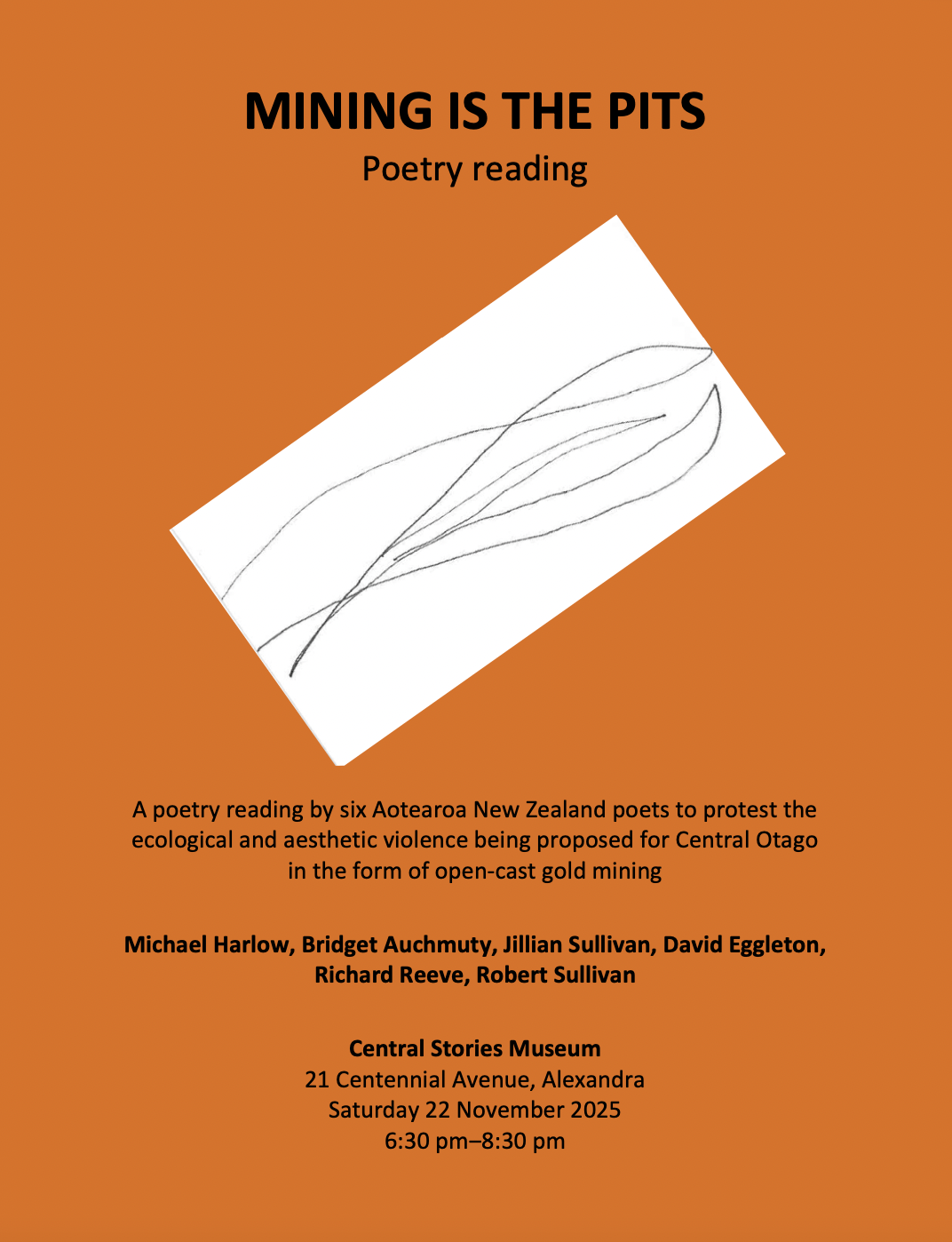
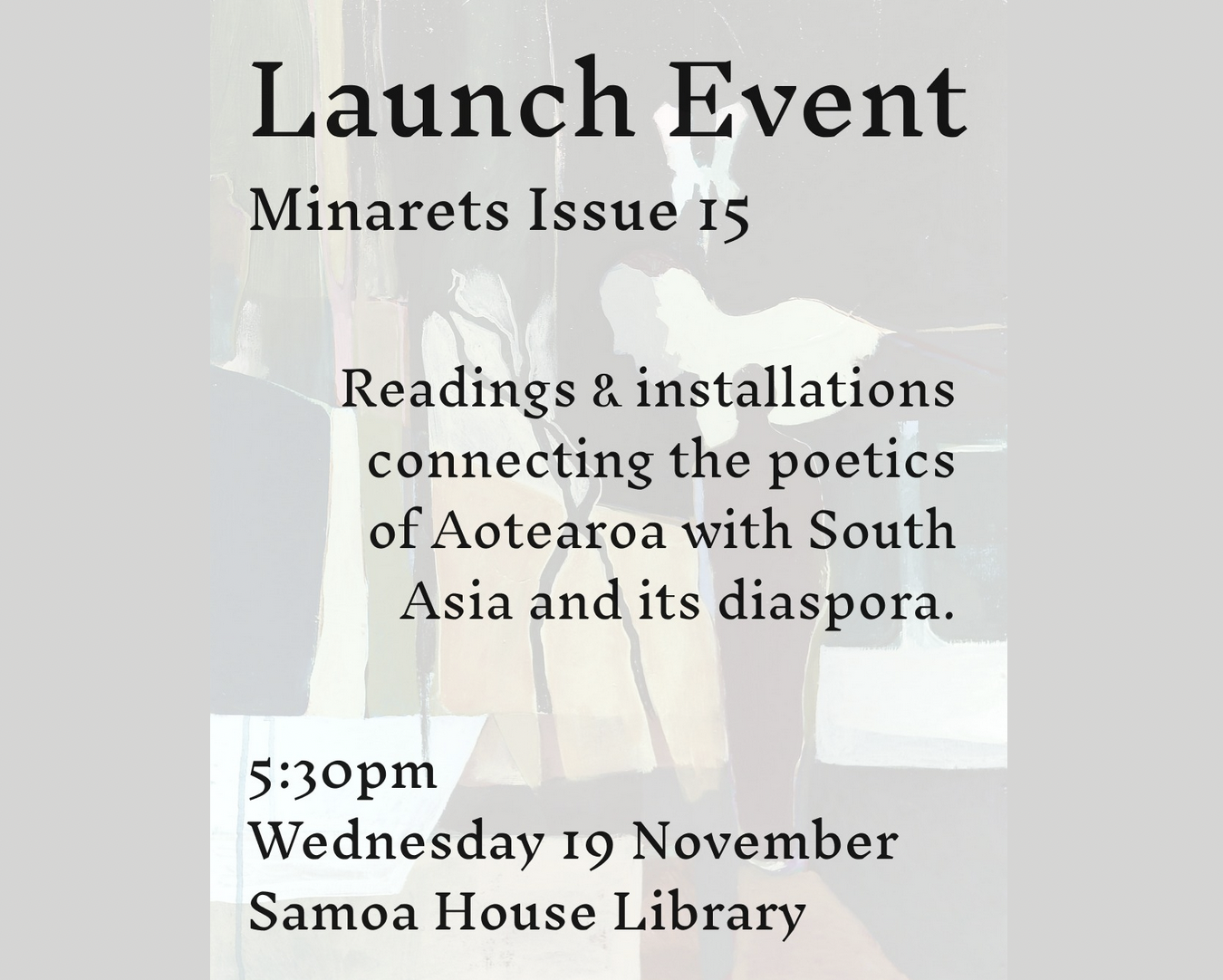
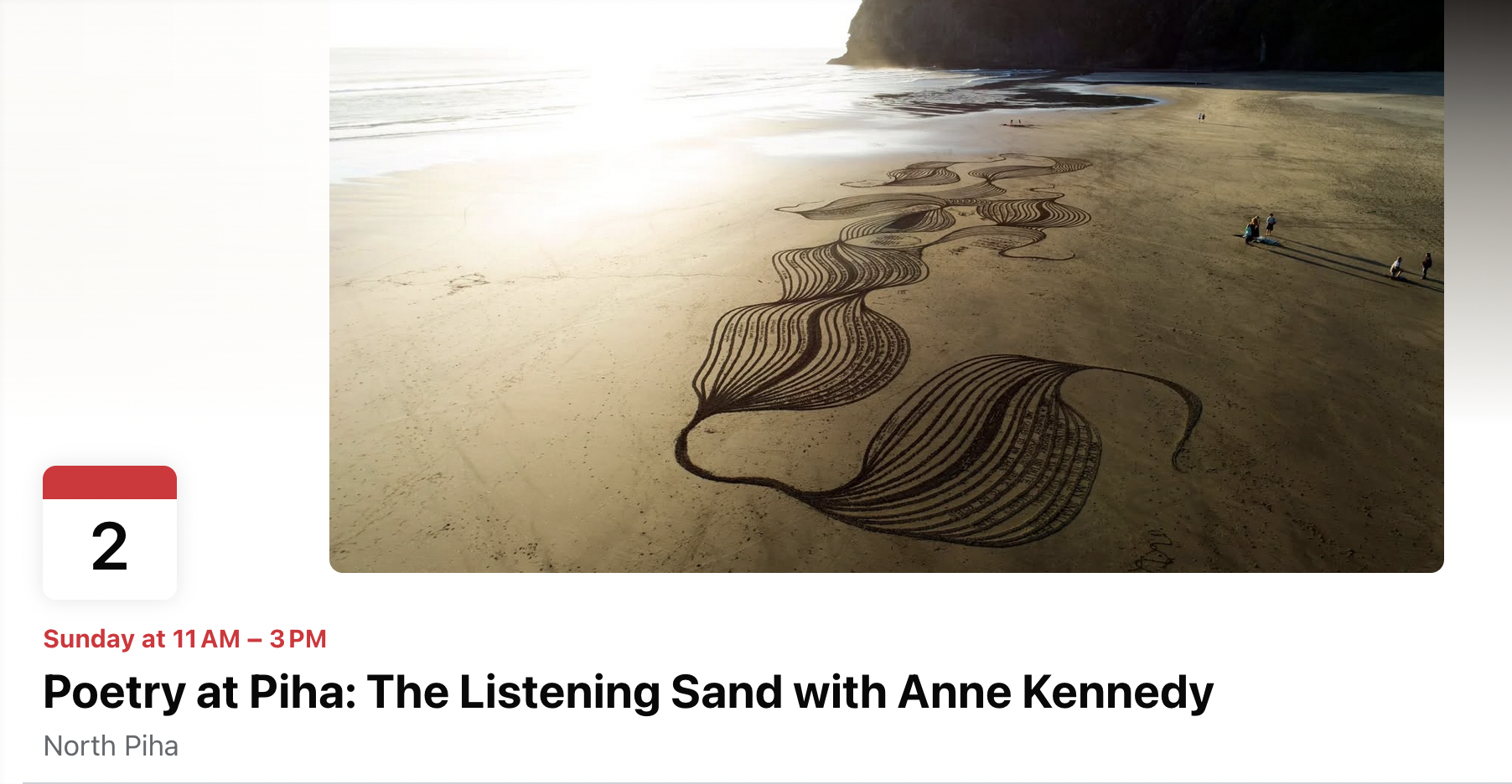


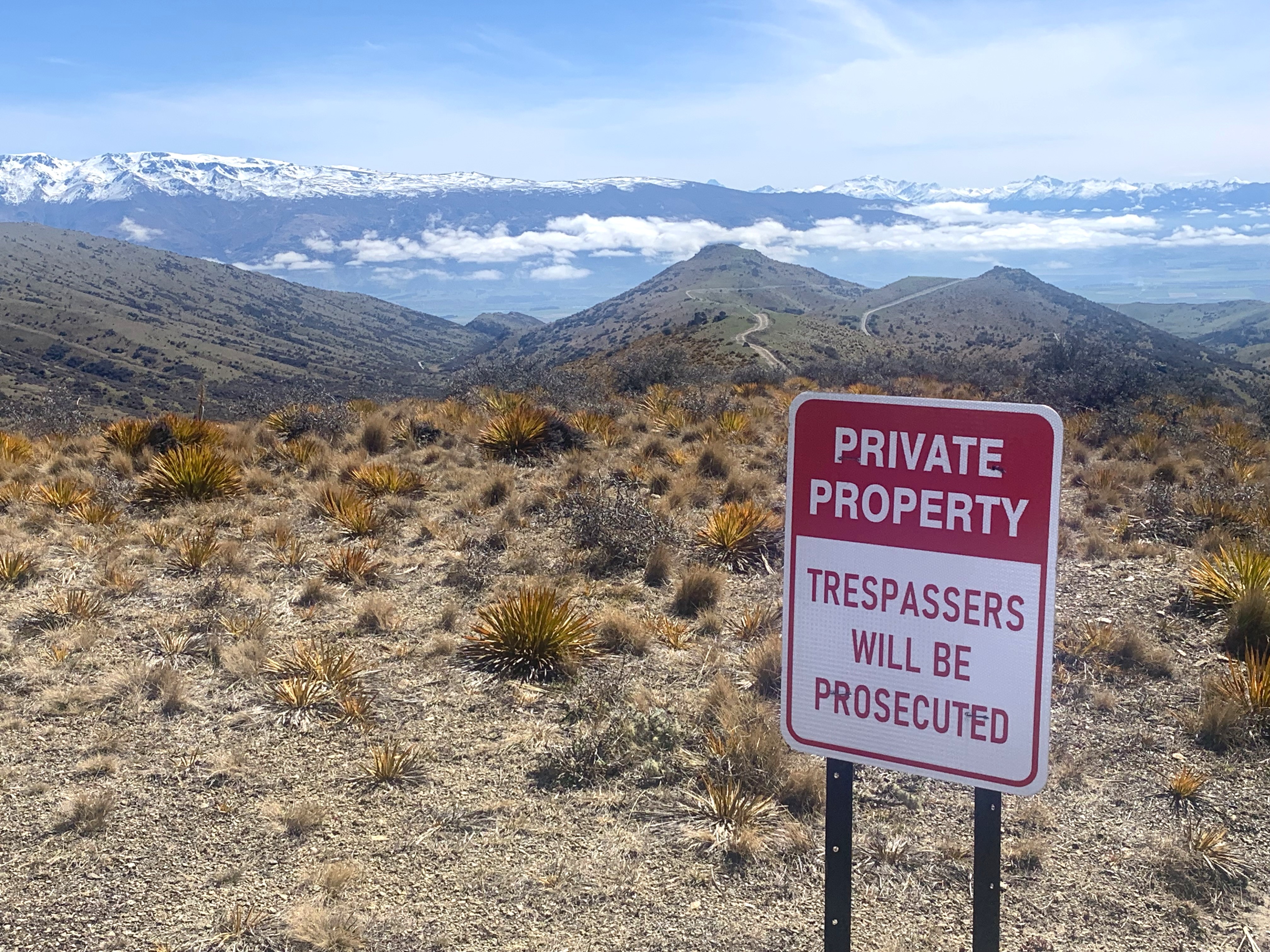
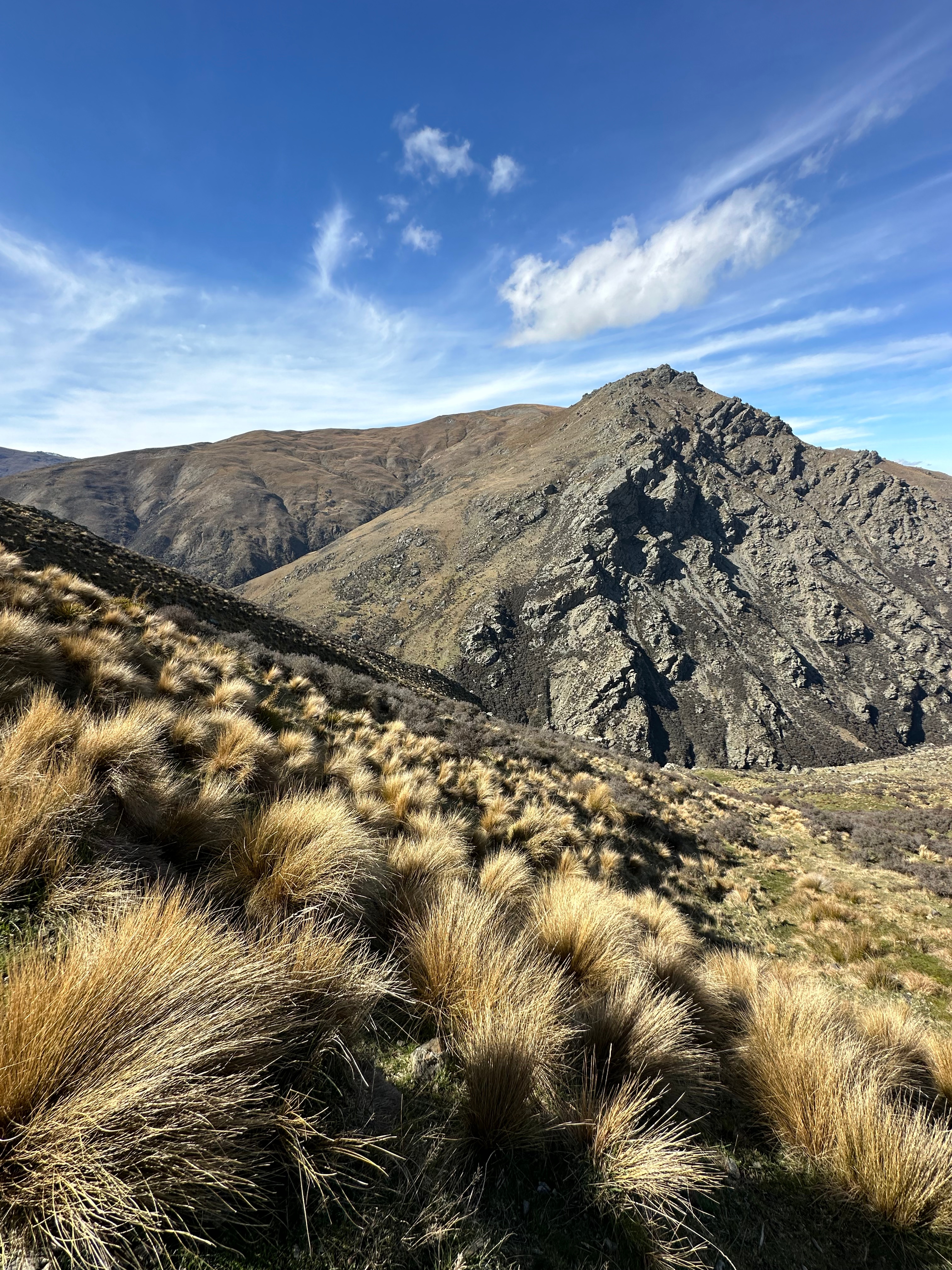
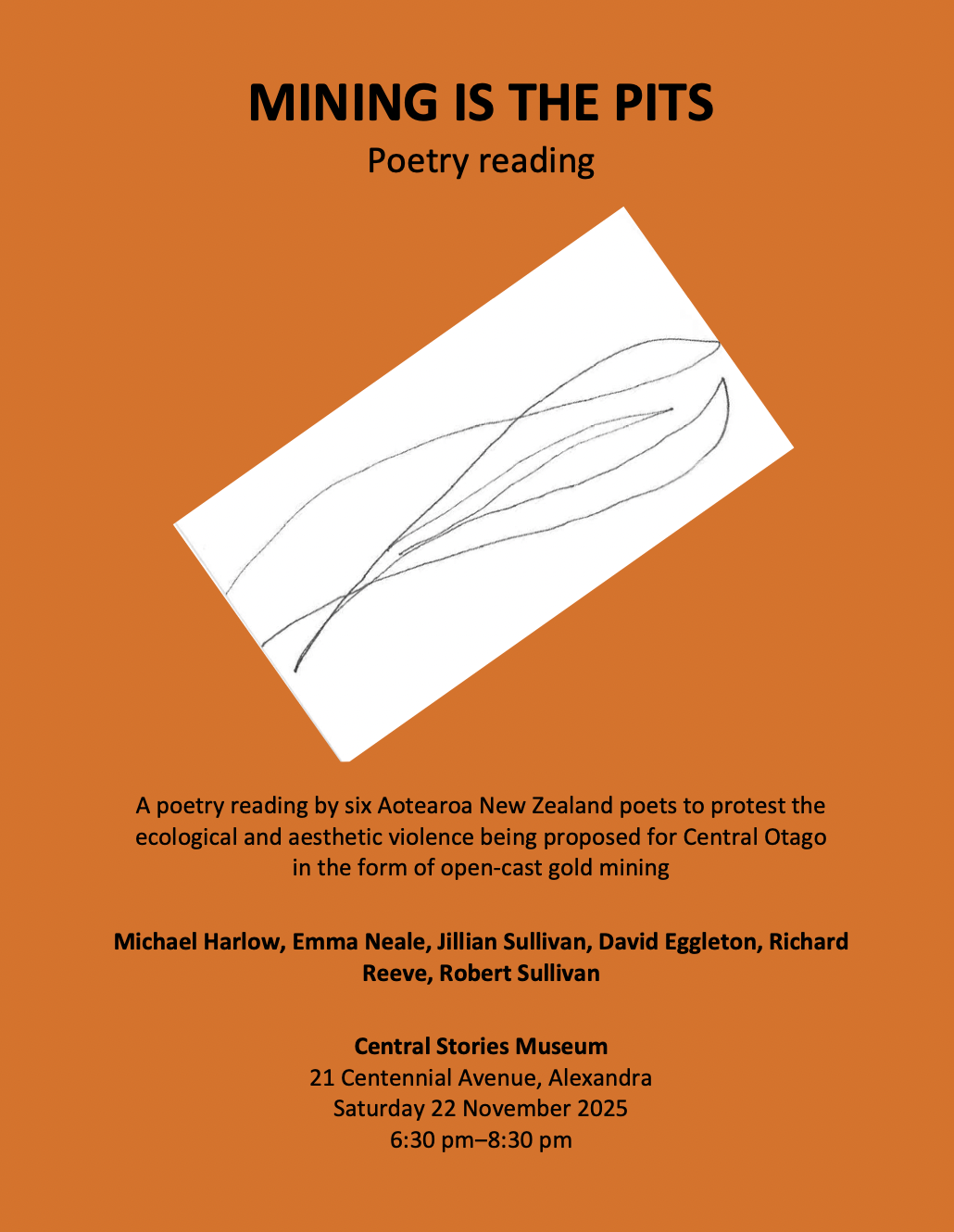
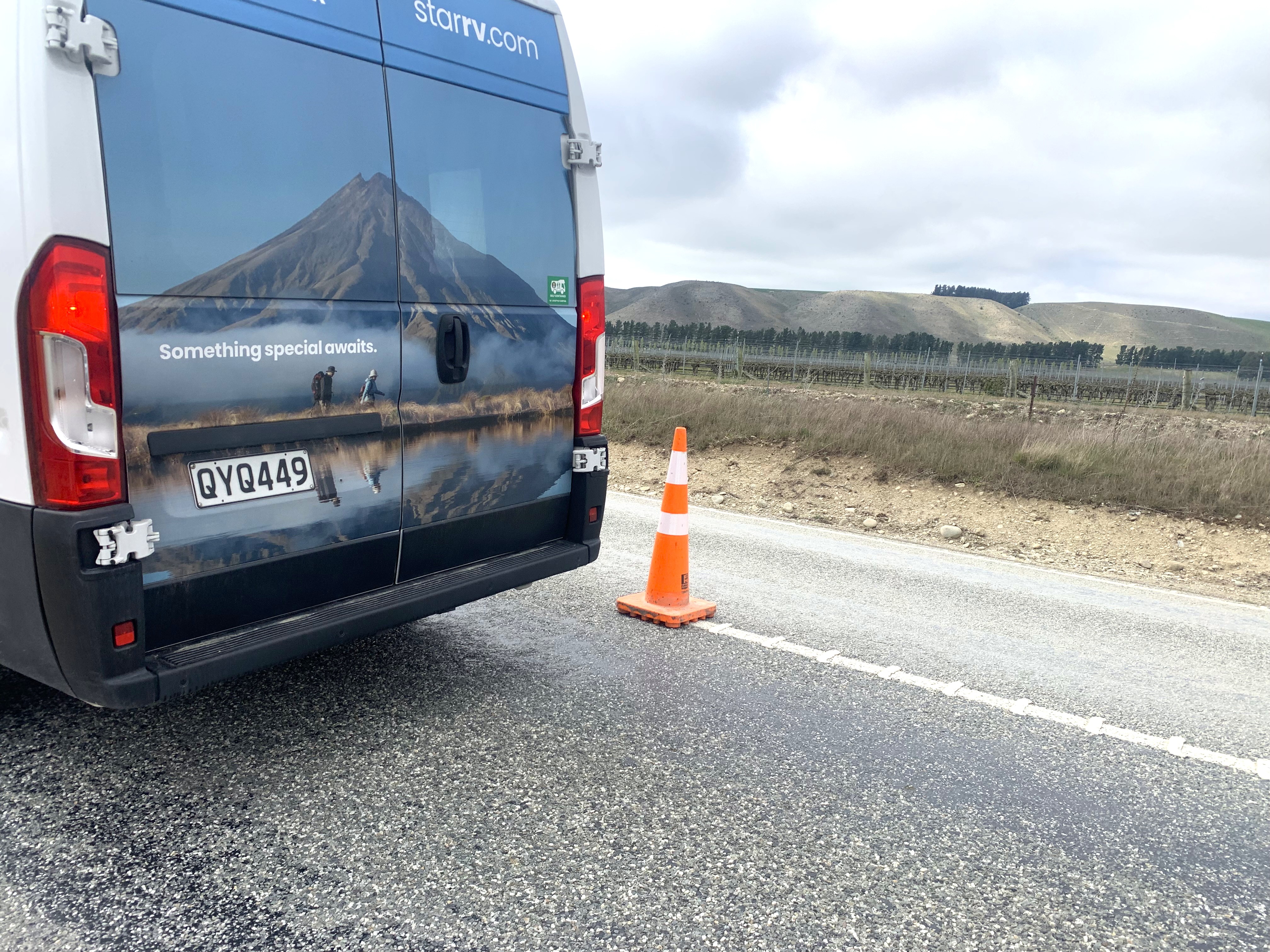
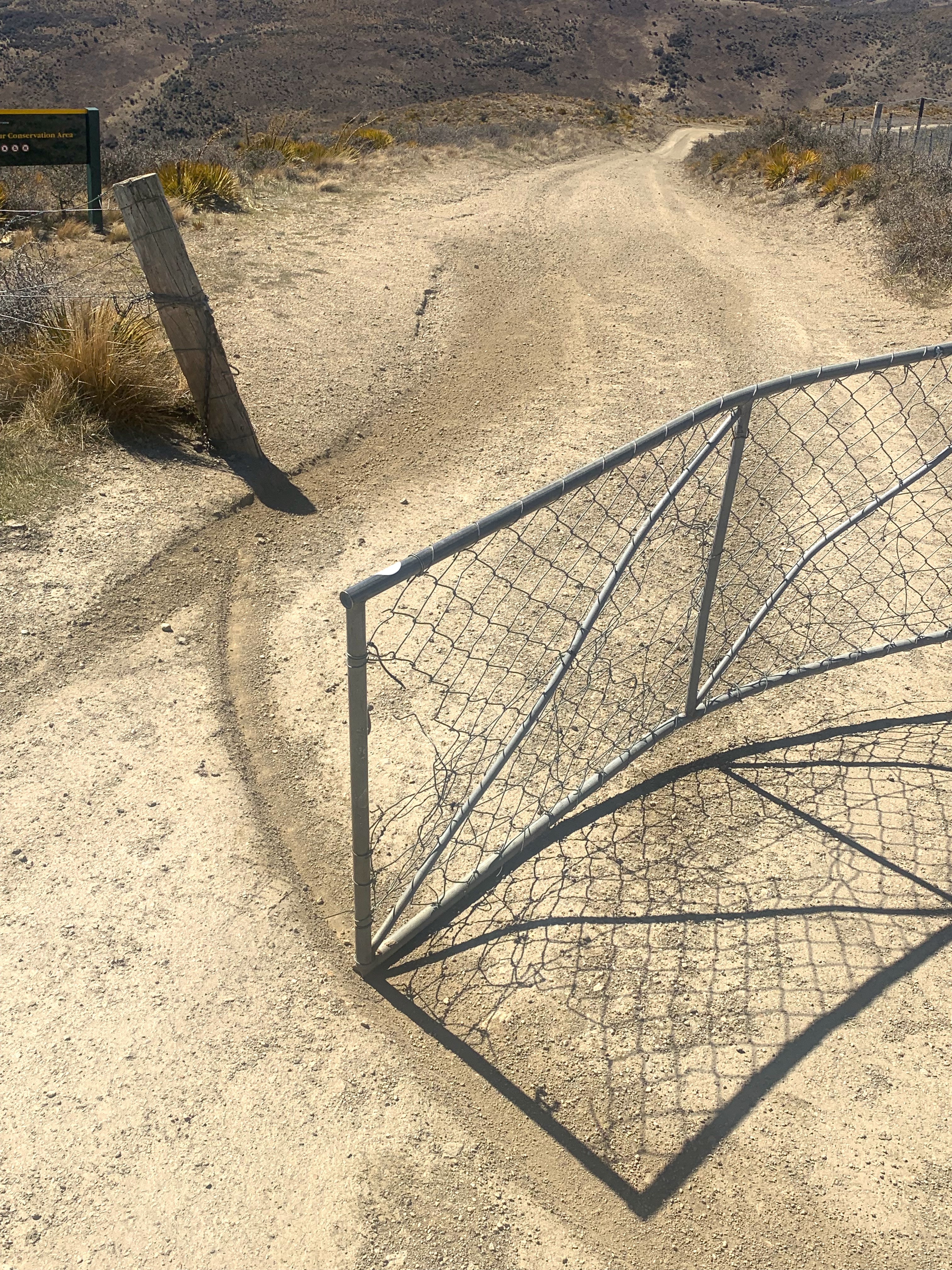

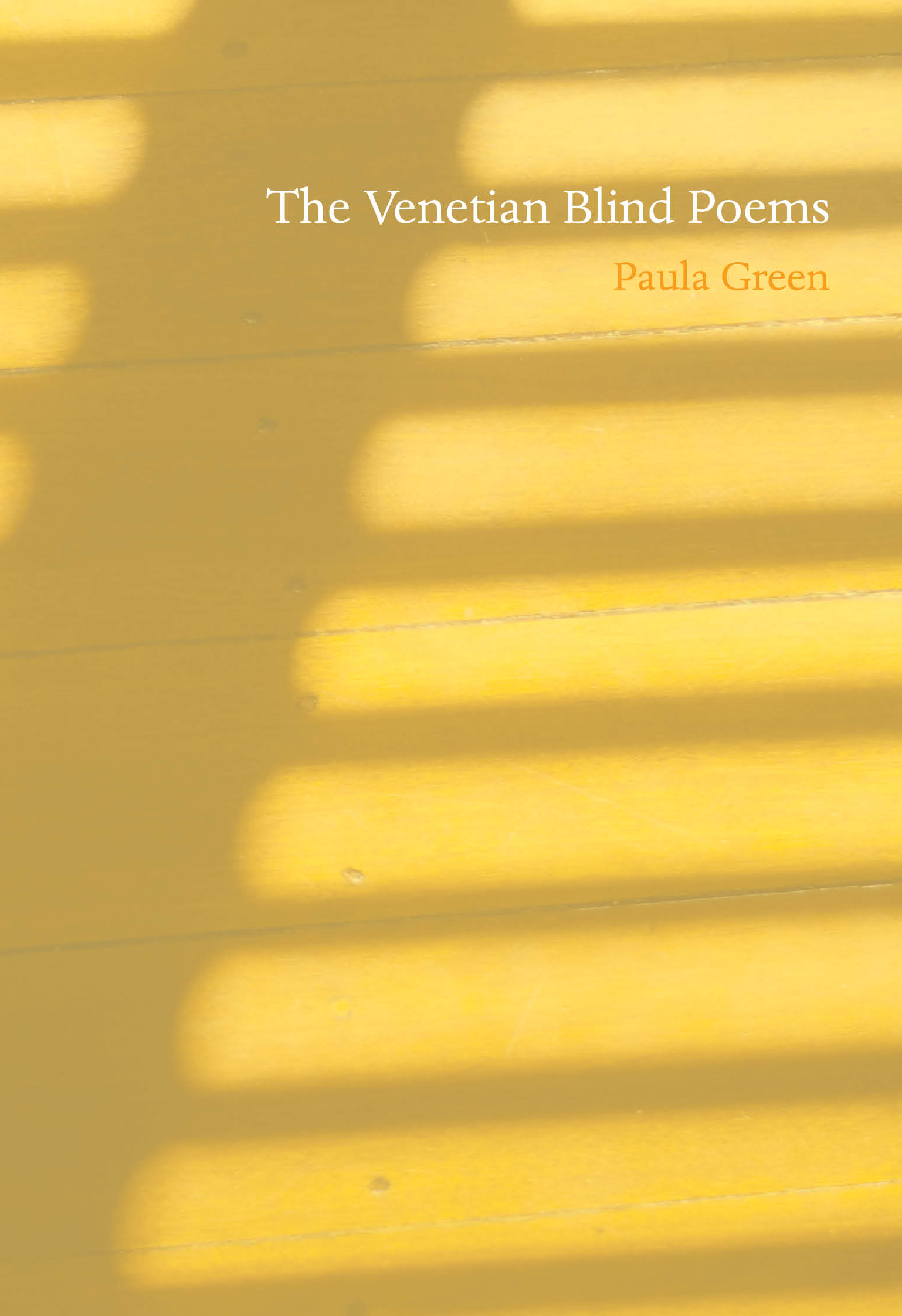
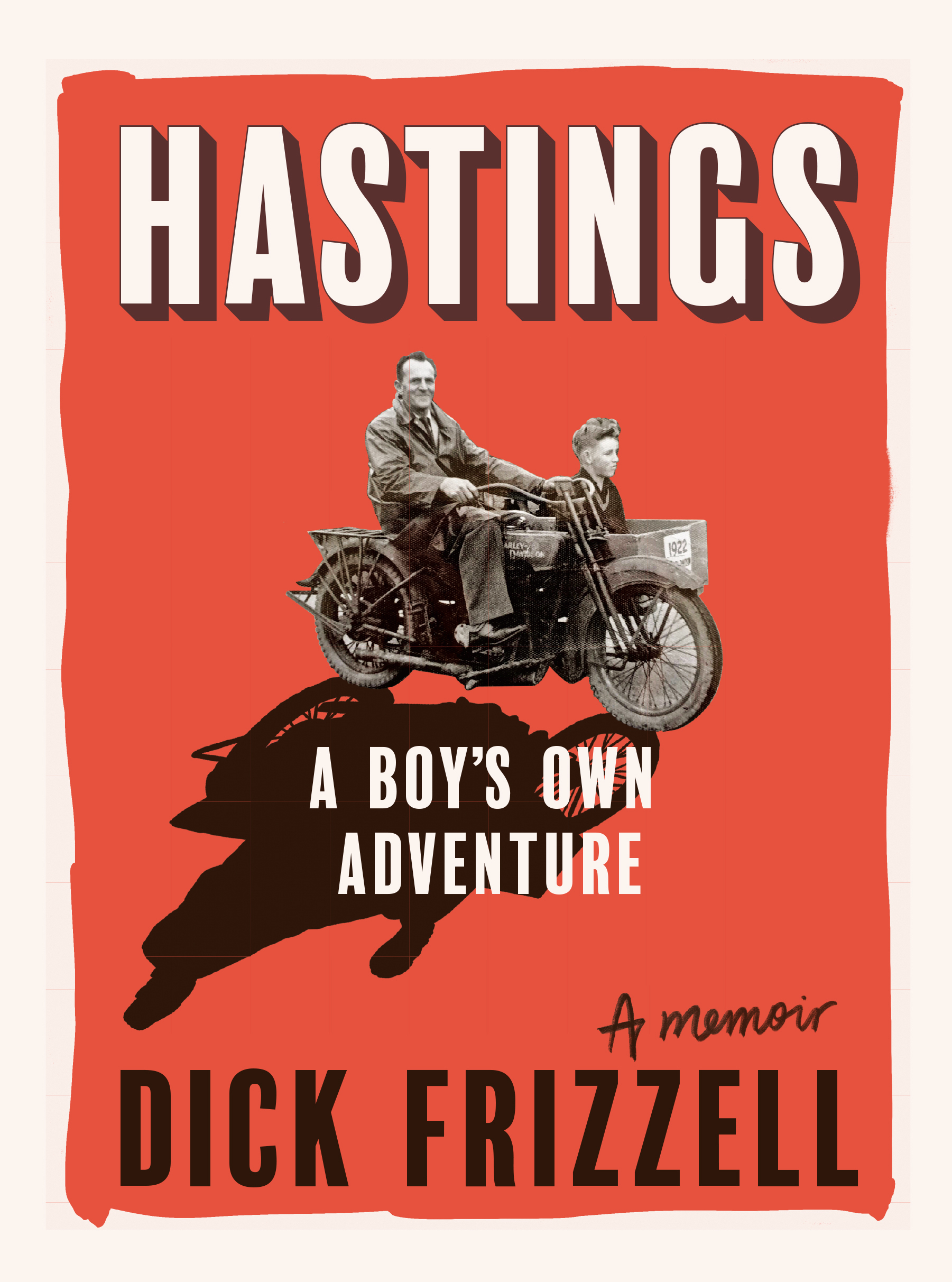
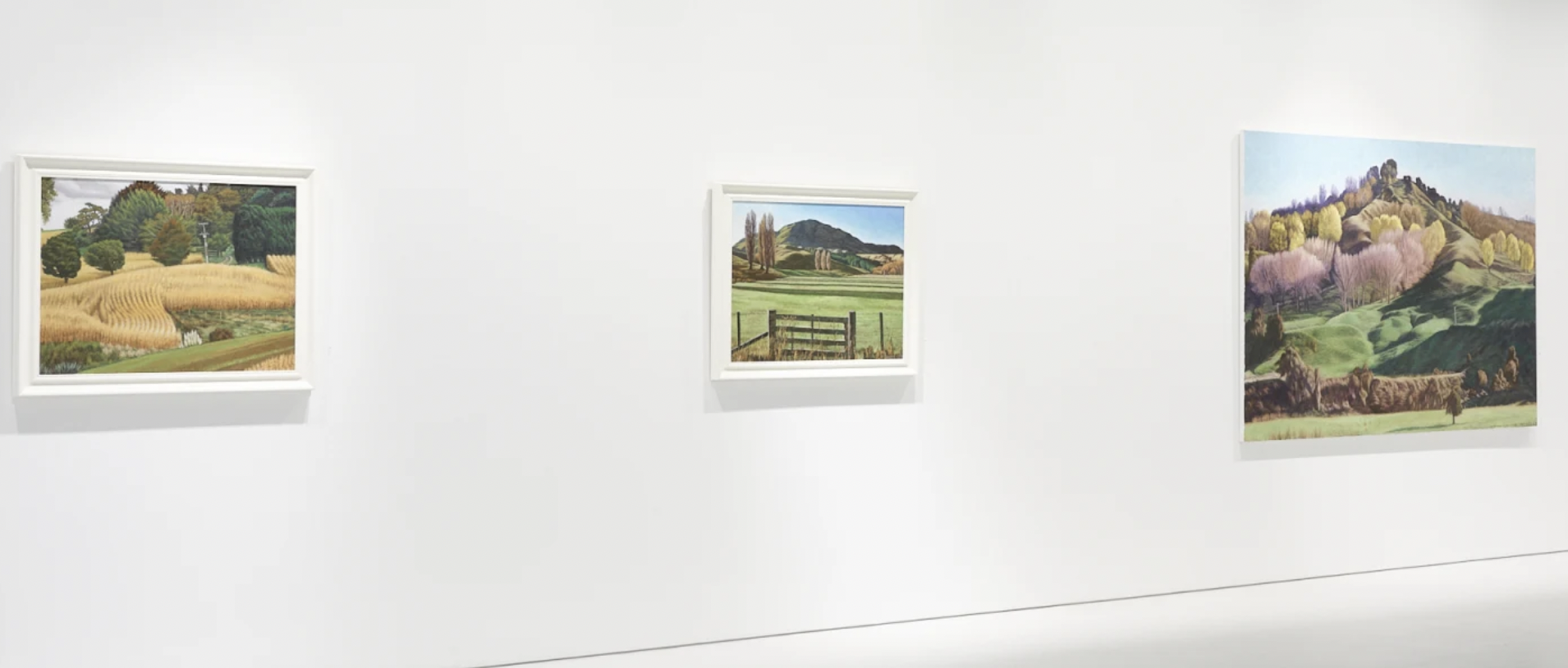
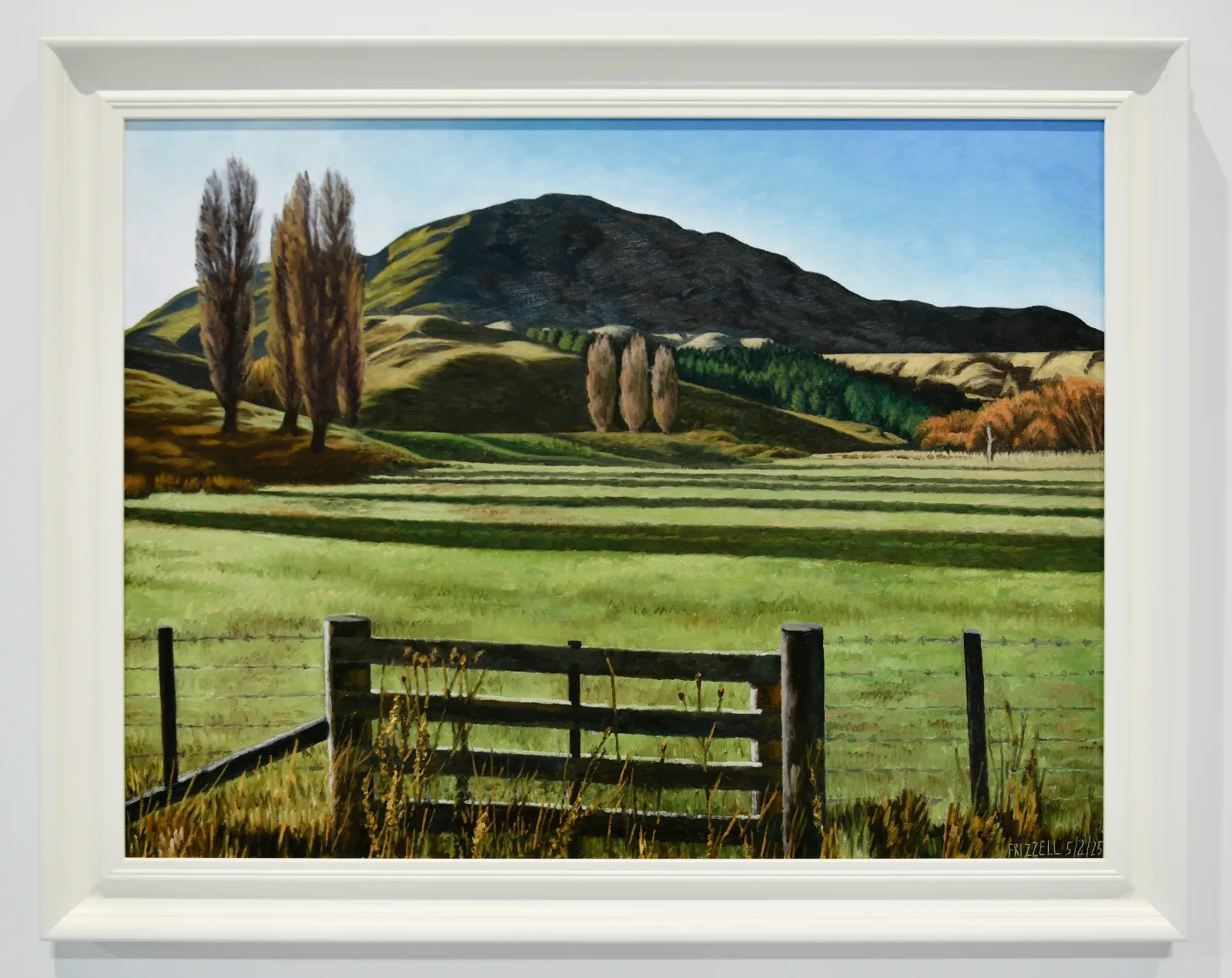
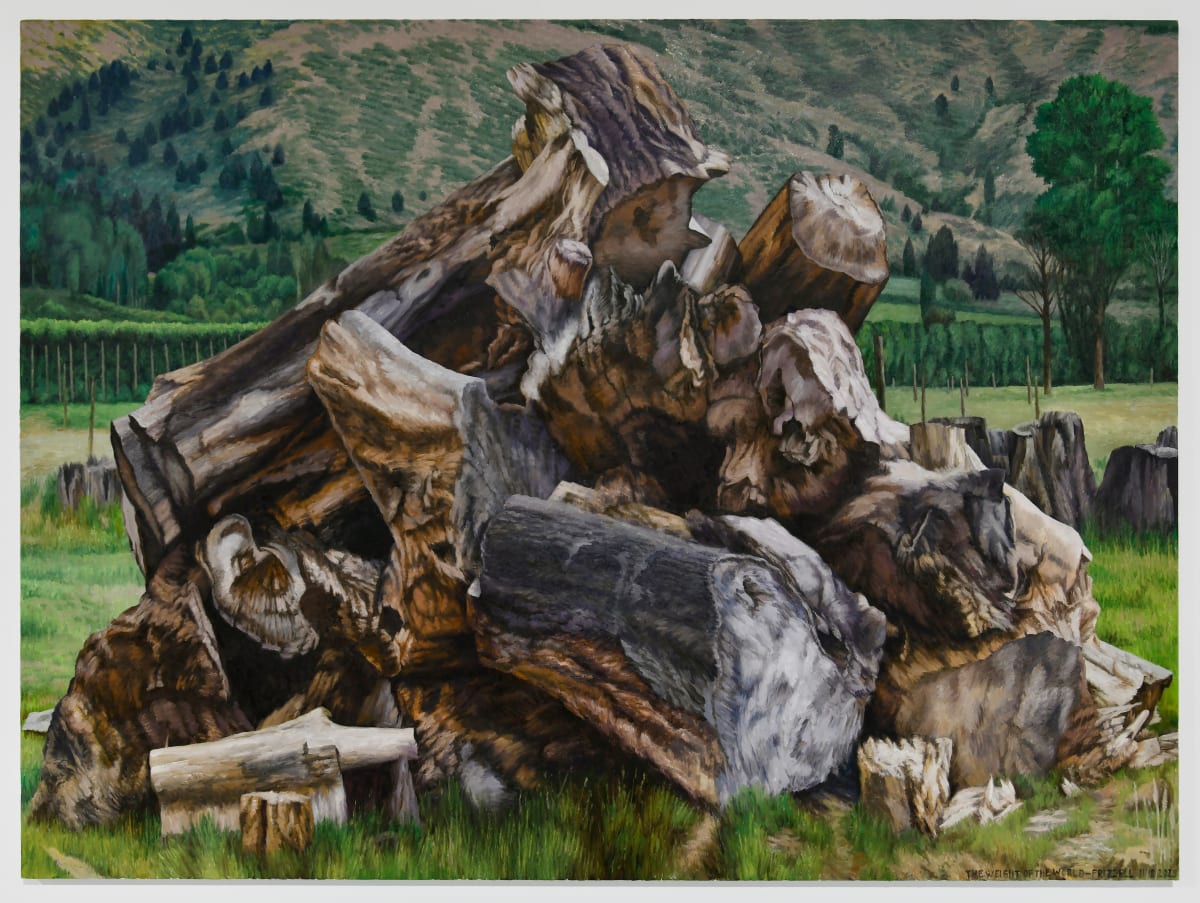
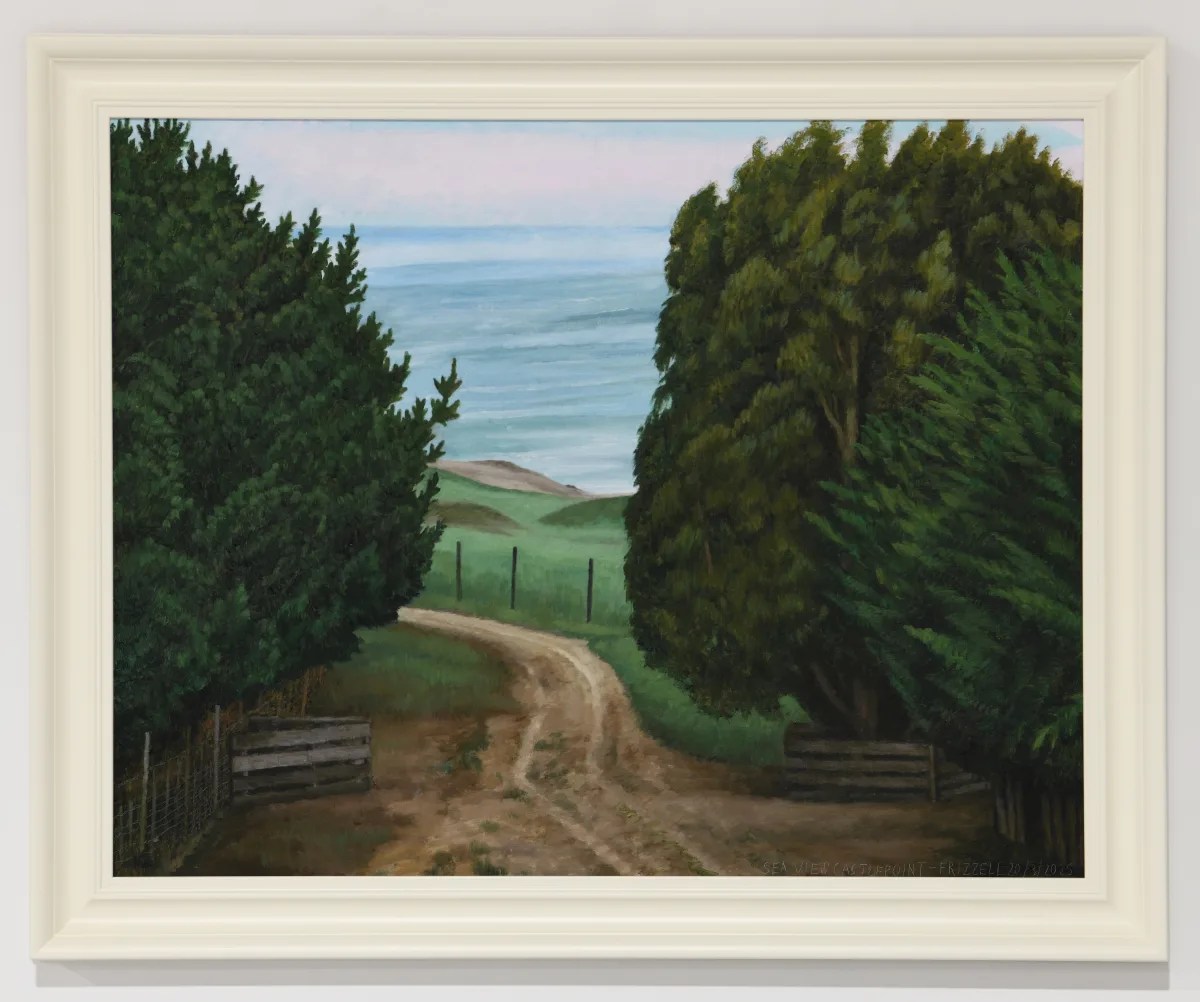
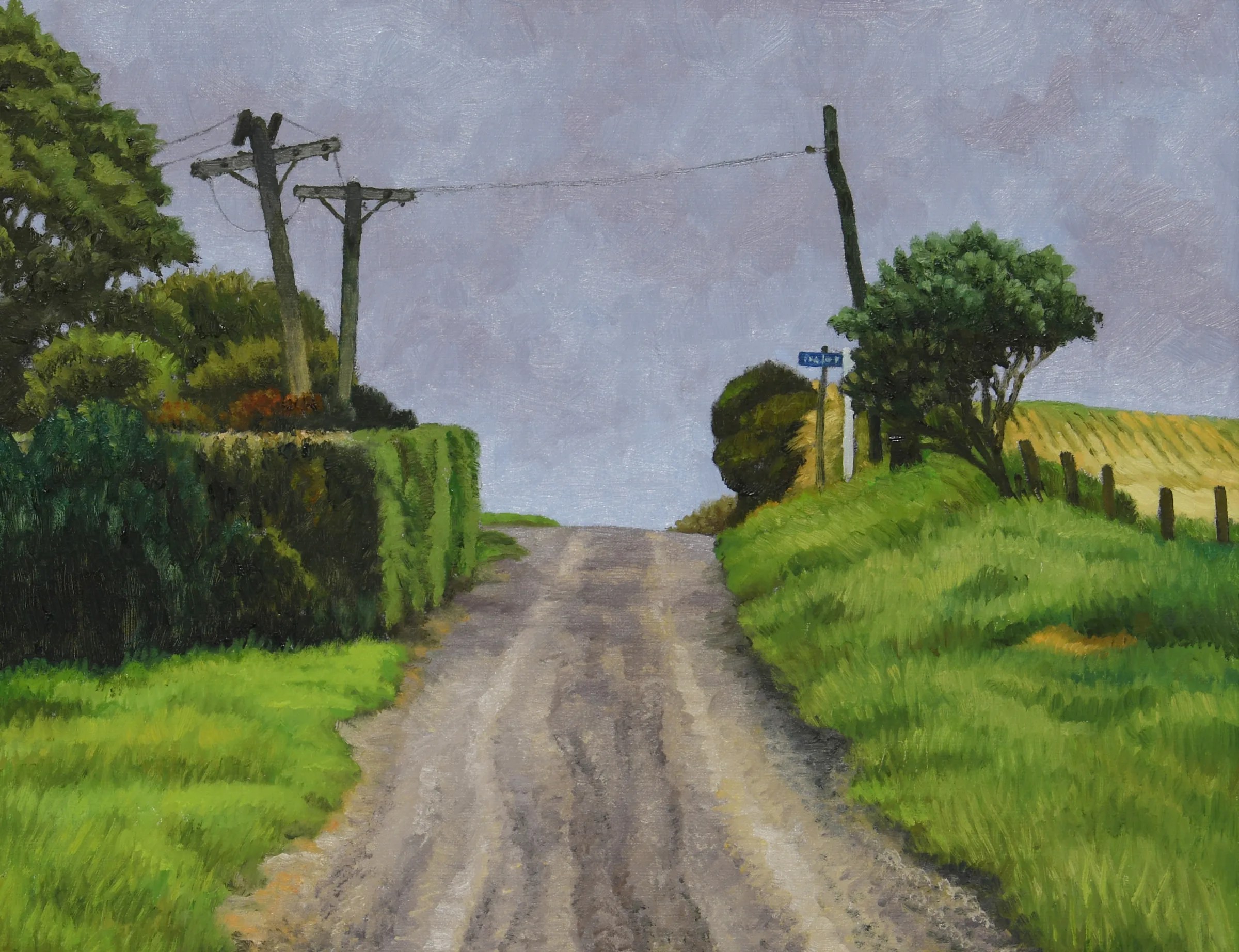
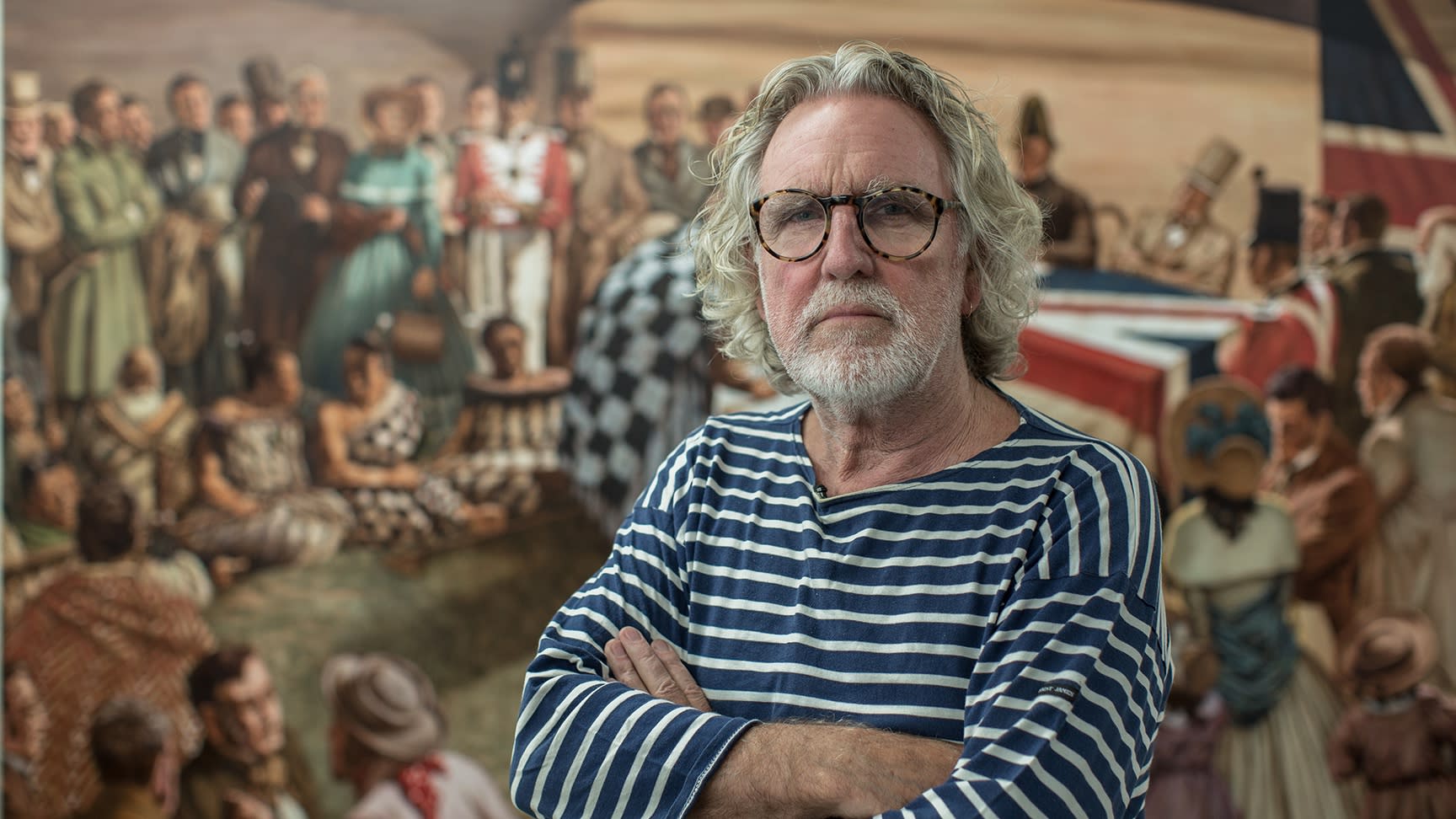
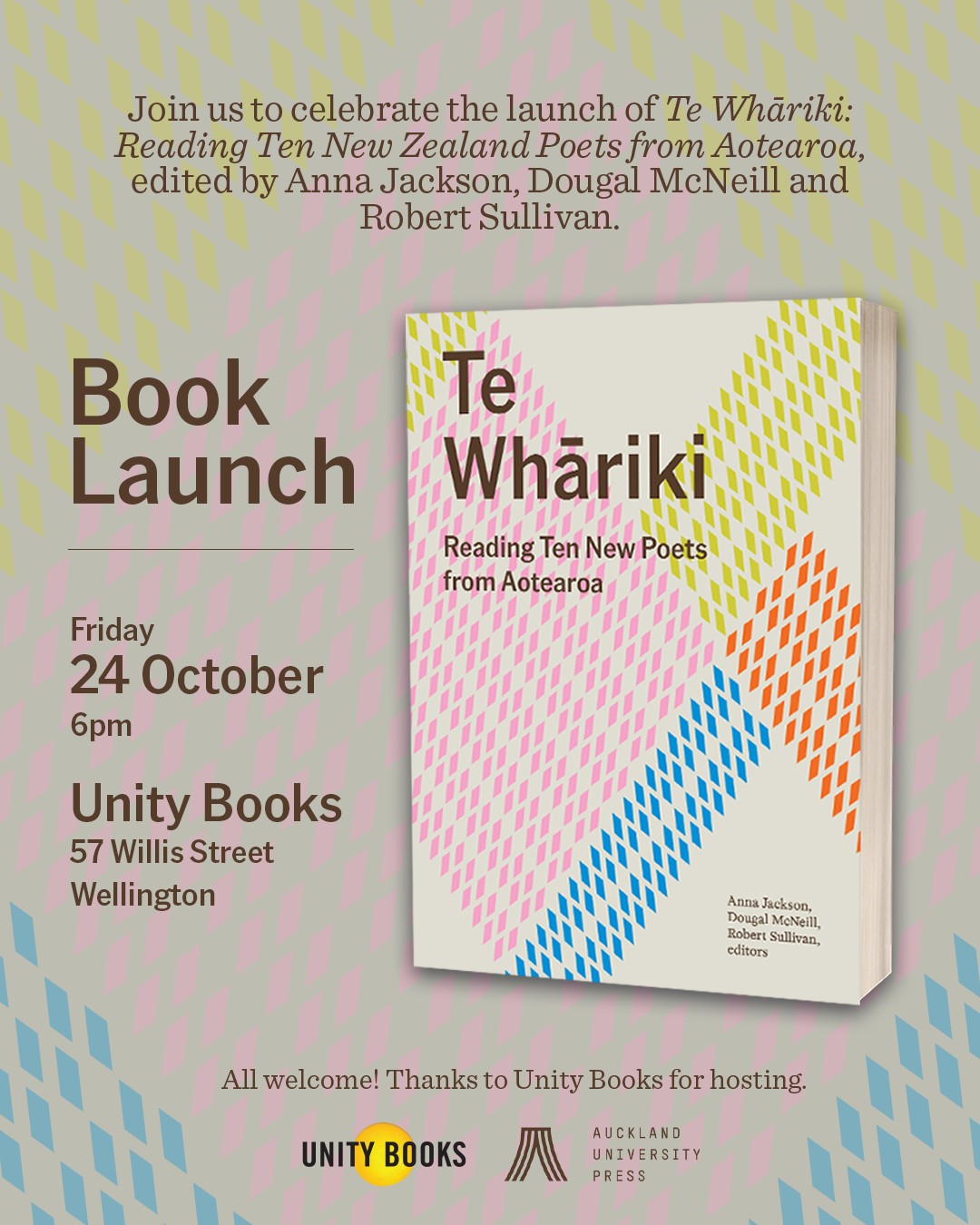

 NZ Poetry Shelf