
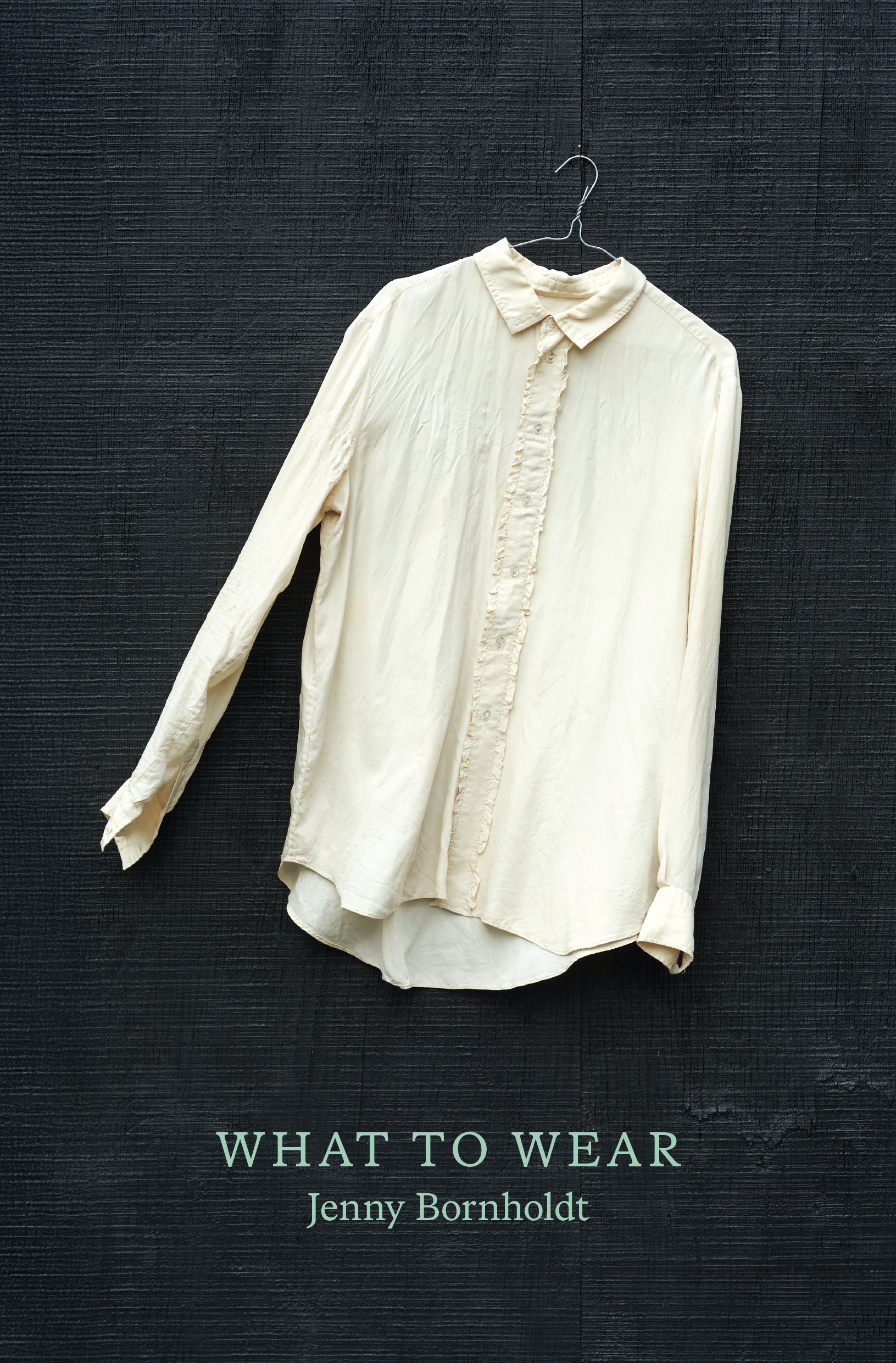
What to Wear, Jenny Bornholdt
Te Herenga Waka University Press, 2026
A woman stilled by light
then folded
into darkness.
Still, though, she’s there
by the window, still there
in the room.
Jenny Bornholdt
from ‘Ada in the Room’
What an absolute treat to lose and find myself within the paths and slipstreams of Jenny Bornholdt’s new writing. This book is a visual haunting, a soundtrack of grief, loss, illness, love, wonder. Enter this collection, and enter a poetic terrain that is both gloriously spare and captivatingly rich.
Poetry can do this. Poetry can offer subtlety within richness, and then in a sweet poetry swivel, offer richness within subtlety.
I found myself musing on the art of dressmaking – an irony when the cover and the title of the book signal clothing (more on this later). I got musing on the way slivers of life are hiding within the seams of the poems, in the nuance of a line, in the folds of a metaphor. Musing on the way tiny arrivals are signposts in the wide expanse of daily living, whether a word mantra repeated during an MRI, or how a mountain’s death zone brushes against the death zone in a cancer ward, or the throwing away of a mother’s maps, or the wearing of socks when days are numbered, or the drawing-breath sound of trees after rain.
‘What to wear’ is the final line in the final poem, ‘Illness’. Not a question, but a member of the checklist of daily choices. The poem — so heart-affecting when the woman we read of is “up, but just, just / hanging on” — returns me to the terrific cover image (photograph by Deborah Smith). The hanging shirt. Hanging in space. Hanging in the great unknown. And in my madcap musings, I am wondering if, in one or more senses, I am wearing the poems, these poems so exquisitely crafted, with piquant detail, with an under-and-overlay of personal experience, with a shimmering bridge between what is and what is not, between what is spoken and what is framed in silence. What is fascinating fable and surprising fiction. Ah. What to read in the seams? I am losing and finding the way a poem hangs in both the dark and light.
Sometimes I muse that what we bring to a poetry collection makes an electric and eclectic difference. Maybe that is why the book has sparked for me on many levels. Both personally and on how we might write a poem.
I read and love ‘Ada in the Room’. It’s an exquisite visual haunting, a poem that catches you as a sublime painting might, and then I discover the poem is a response to an actual painting, ‘Interior, Sunlight on the Floor’ in the Tate Gallery in London. Plus it has a fascinating anecdote. An owner had folded the painting so the artist’s wife Ada was no longer visible! But it is the poem that holds me. I am transported to the moment on the kitchen chair when I too watch the light streak the floor, and knowing I get folded into light and dark across the course of every single day.
Oh the joy of poems as miniatures to fold and unfold.
When I slow down to an extended reading pause, I am reminded of reading Bill Manhire’s new collection, Lyrical Ballads THWUP, 2026). How poetry can hint and whisper, sing and imagine, find humour and enigma, whether in everyday starting points or imagined flight, in both the strange and the unexpected. How the everyday prompts vital rewards for mind heart imagination senses. I loved the idea of listening to Bill read Lyrical Ballads from start to finish, and now I want Jenny to do the same.
Poetry, as my personalised review underlines, can offer delight along with self-nourishment. In What to Wear, the amalgam of reading delight and nourishment is there in broken things, sitting on the phone, the poem with the hole in it (ah what poem doesn’t have a hole in it), and the members of an extended family ‘declining like nouns’. I have had startle jabs of feeling, points of recognition, prolonged engagements with the chemistry of words. Take ‘Poem with a hole in it’. It juxtaposes word lists with stanzas. The laying of a path overlays/underlays the laying of a poem. The word lists epitomise how Jenny’s poems open out wider from their immediately visible pavings.
What to Wear is still on the table and I want to prolong my day in its nooks and crannies and spaces, in this magical poetry collection that folds and gently moves me to wonder and ache and absorb.
Plum
Why wear socks
when your days
are numbered.
Like plums falling
from trees, frequent
as minutes
Jenny Bornoldt
Jenny Bornholdt has published over a dozen books of poems, including Lost and Somewhere Else (2019), Selected Poems (2016) and The Rocky Shore (winner of the Montana New Zealand Book Award for Poetry, 2009). She has edited a number of anthologies, including Short Poems of New Zealand (2018), and has worked on numerous book and art projects with artists including Annemarie Hope-Cross, Pip Culbert, Mary McFarlane, Noel McKenna, Mari Mahr, Brendan O’Brien and Gregory O’Brien. In 2018 she was the co-recipient, with Gregory O’Brien, of the Henderson Arts Trust Residency and spent 12 months in Alexandra, Central Otago. She was New Zealand’s poet laureate in 2005–2007, and in the 2014 New Year Honours she was appointed a Member of the New Zealand Order of Merit for services as a poet.
Te Herenga Waka University Press page
Counting
This morning,
I am not going to add up
how many deaths over the ditch,
and compare,
to how many deaths over there.
Nor, will I post about the human arithmetic
of some lives appearing
to matter more
#all #black #jewish #palestinian
My algorithm
is different
to your algorithm.
And in a calculated way,
we are divided
further.
We find ourselves here.
Trolls.
Scrolling past the body bags of dead children.
And, with our soft typing fingers,
arguing about what it all means.
Karlo Mila
Dr Karlo Mila, of Tongan and Pākehā descent with ancestral connections to Samoa, is an award-winning poet, writer, mother, activist and researcher. She is the author of three books of poetry, including Dream Fish Floating (2005) which won the Jessie MacKay Best First Book of Poetry at the 2006 Montana New Zealand Book Awards. Her most recent book, Goddess Muscle, was released by Huia Publishers in 2020. Career highlights include representing Tonga at the 2012 Cultural Olympiad event Poetry Parnassus Festival in London, a Fulbright Creative Writing Residency in Hawai’i and reading poetry at the Commonwealth Heads of Government Meeting Peoples Forum in 2018.

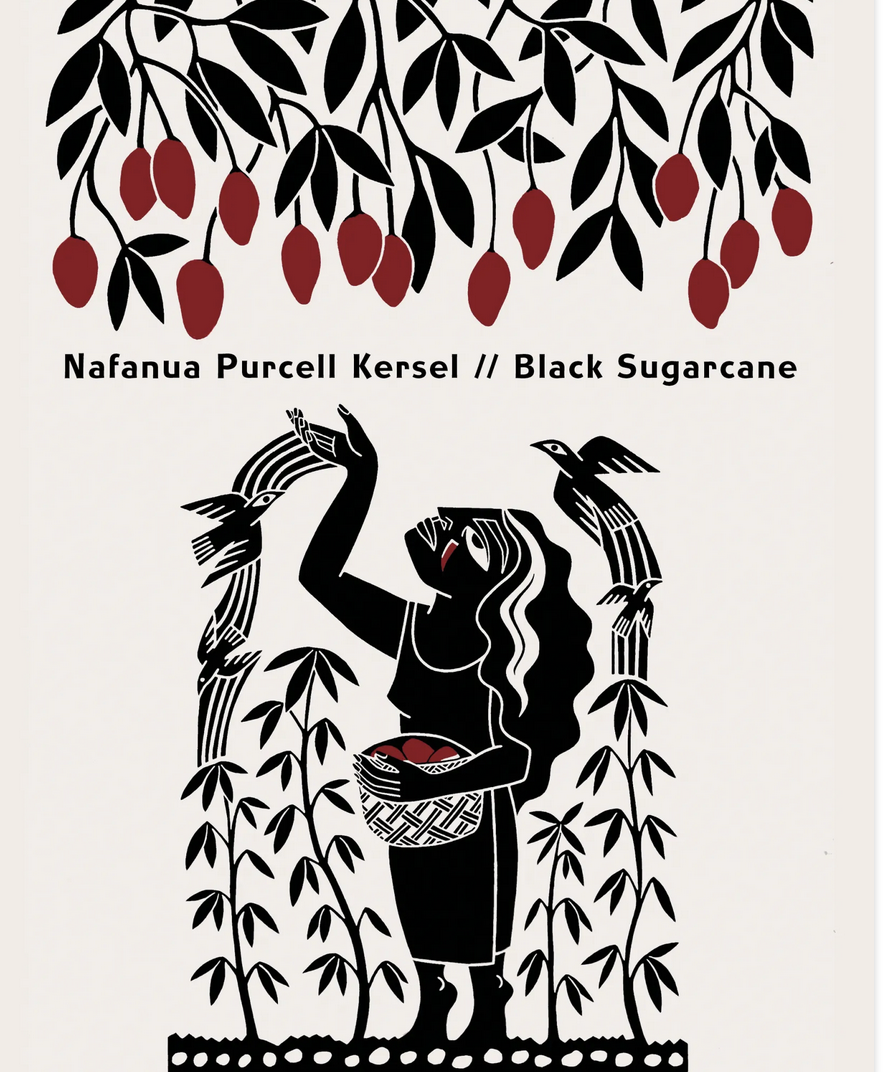
Black Sugarcane, Nafanua Purcell Kersel
Te Herenga Waka University Press, 2025
“Let me say this. There is no shortage of poetry books published in Aotearoa this year to love, to be enthralled and astonished by. We need this. We need these reading pathways. Sometimes I love a poetry book so much I transcend the everyday scene of reading (yes those bush tūī singing and the kererū fast-swooping) to a zone where I am beyond words. It is when reading is both nourishment and restoration, miracle and epiphany . . . and that is what I get with this book.”
Paula Green, Poetry Shelf, 2025
To celebrate placement on The Ockham NZ Book Awards poetry shortlist, I invited the four poets to choose some favourite things. Second up Nafanua Purcell Kersel.
Nafanua Purcell Kersel chooses favourites
Four photos
(a favourite object, place, book cover, album)
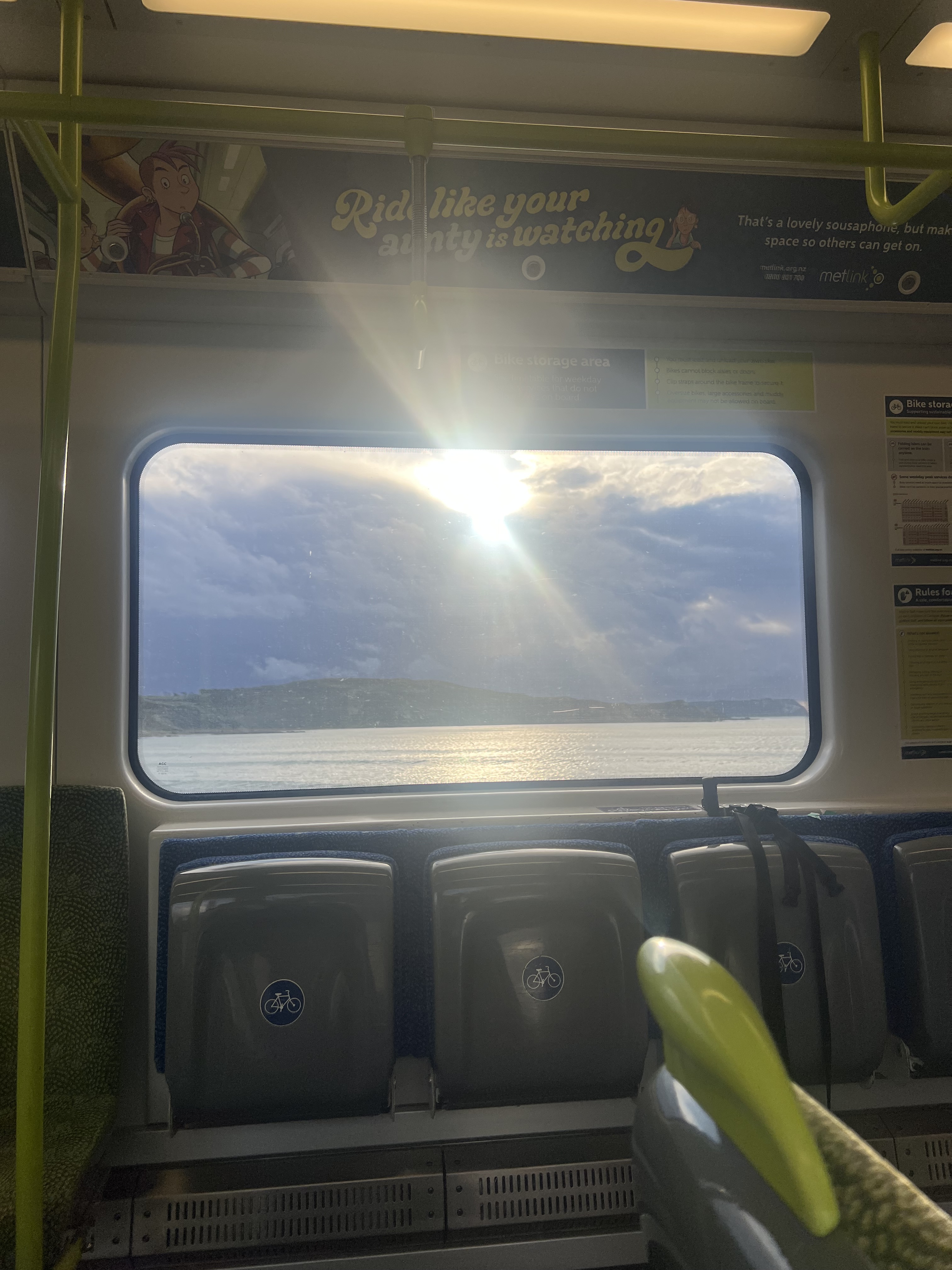
A favourite thing is a seat with a view
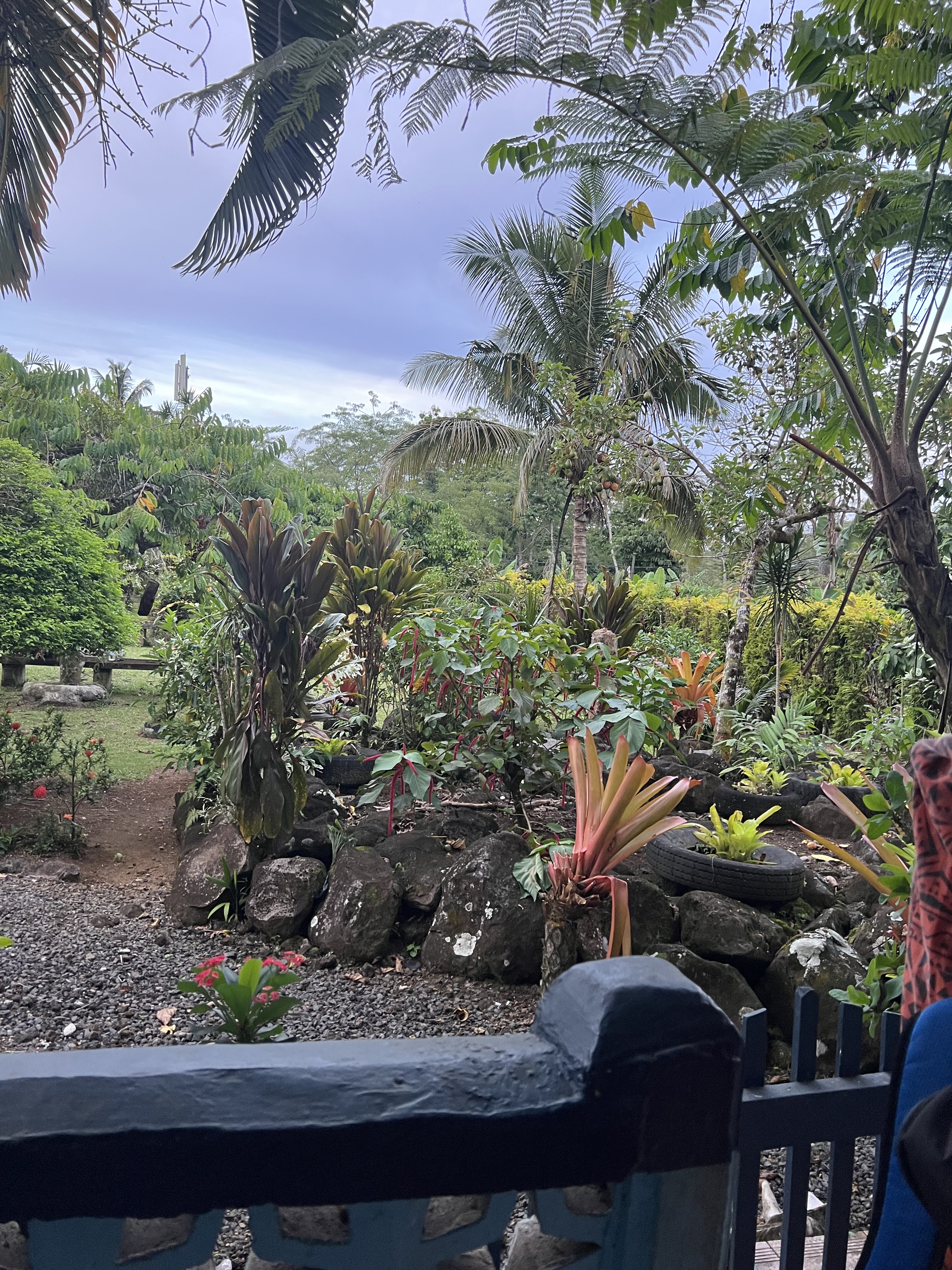
A favourite place is the ‘blue corner’, our family coffee spot on my Mum and Dad’s front porch in Sāmoa.
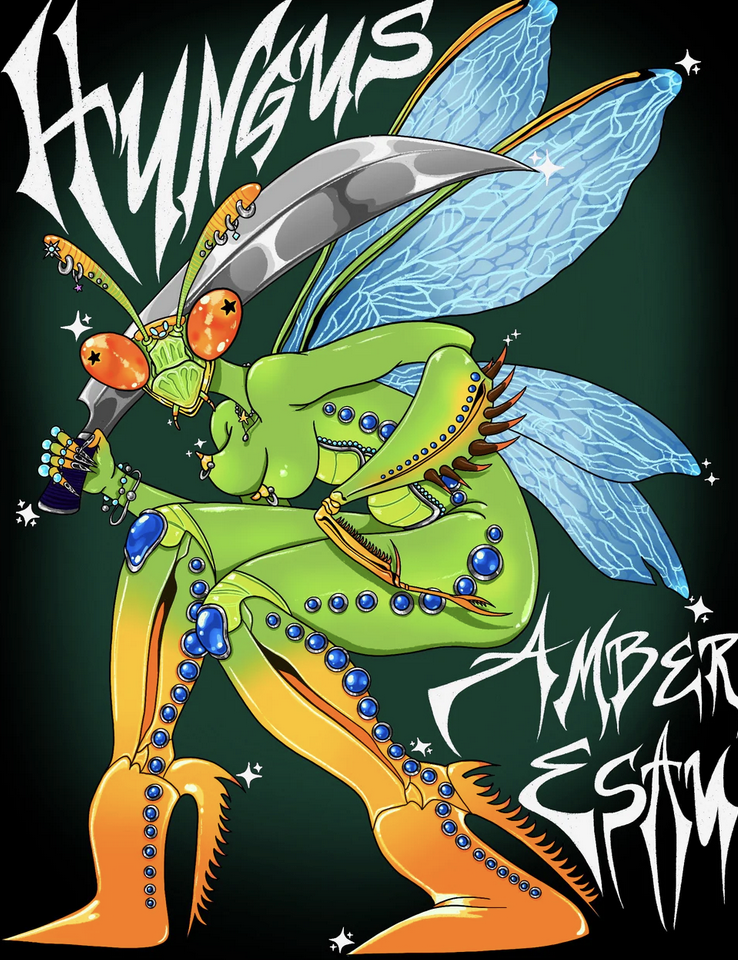
Current favourite poetry book is Hungus by Amber Esau, one of the smartest, slickest poets in Aotearoa
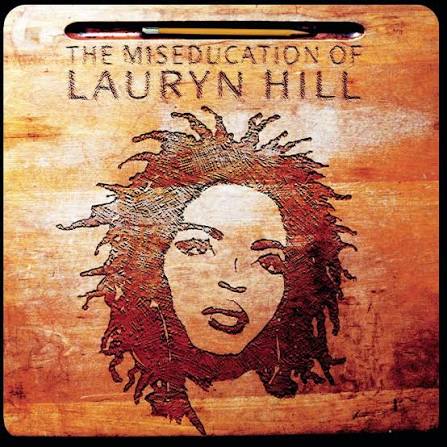
Fave album: All the xennial girlies know
Three sets of three
Three favourite words in your poetry toolkit
A/a – small, sharp/round and very useful.
Place – I’ve been learning to see each poem as a place which helps me nest in and focus.
Mana – I try to ask myself, where does the mana sit?
Three things that matter to you when you read and write poems (just a sentence for each)
Rhythm: how does it sound and flow, what’s the pace and where can these be interrupted?
Structure and shape: concentric patterns of structure and shape in a line, stanza, poem and collection.
Simplicity: As much as possible (unless it’s impossible) I try to use plain language, easy or interesting shapes, blank spaces.
Three poets who have inspired you
Tusiata Avia
Amber Esau
M. NourbeSe Philip
One question: Why or how does your poetry book matter to you?
It mattered to me to have something to pass on to my children, something they could hold with our family names and stories in it.
One poem
Family video call
15 March 2019
On screen our faces are
like clay, about to crack.
We listen for Dad
to splinter the distance between us—
tatou tatalo,
let us pray for those poor families
in Christchurch,
with their loved ones taken.
We must stay aware,
keep safe
and never forget.
We had felt almost safe before this,
thought it was okay to be loud with our brown selves
thought we were free,
but we had only forgotten
that blackbirding and dawn raids
were hatchets roughly buried
and for decades we had let
tiny red flags sneak past us,
let our guards
slip off to sleep.
Now we are reminded
that we are minor.
A migrant shadow follows me to bed,
slips in heavy beside me
steals my comfort
warmth
dreams
prayers
Nafanua Purcell Kersel
‘
Nafanua Purcell Kersel (Satupa‘itea, Faleālupo, Aleipata, Tuaefu) is a writer, poet and performer who was born in Sāmoa and raised in Te-Whanganui-a-Tara, Aotearoa. Her poetry has been widely published. She has an MA from the IIML at Te Herenga Waka—Victoria University of Wellington and won the 2022 Biggs Family Prize in Poetry for Black Sugarcane, her first book. She lives in Te Matau-a-Māui Hawke’s Bay.
Te Herenga Waka University Press page
Listen to Nafanua read here
Poetry Shelf review
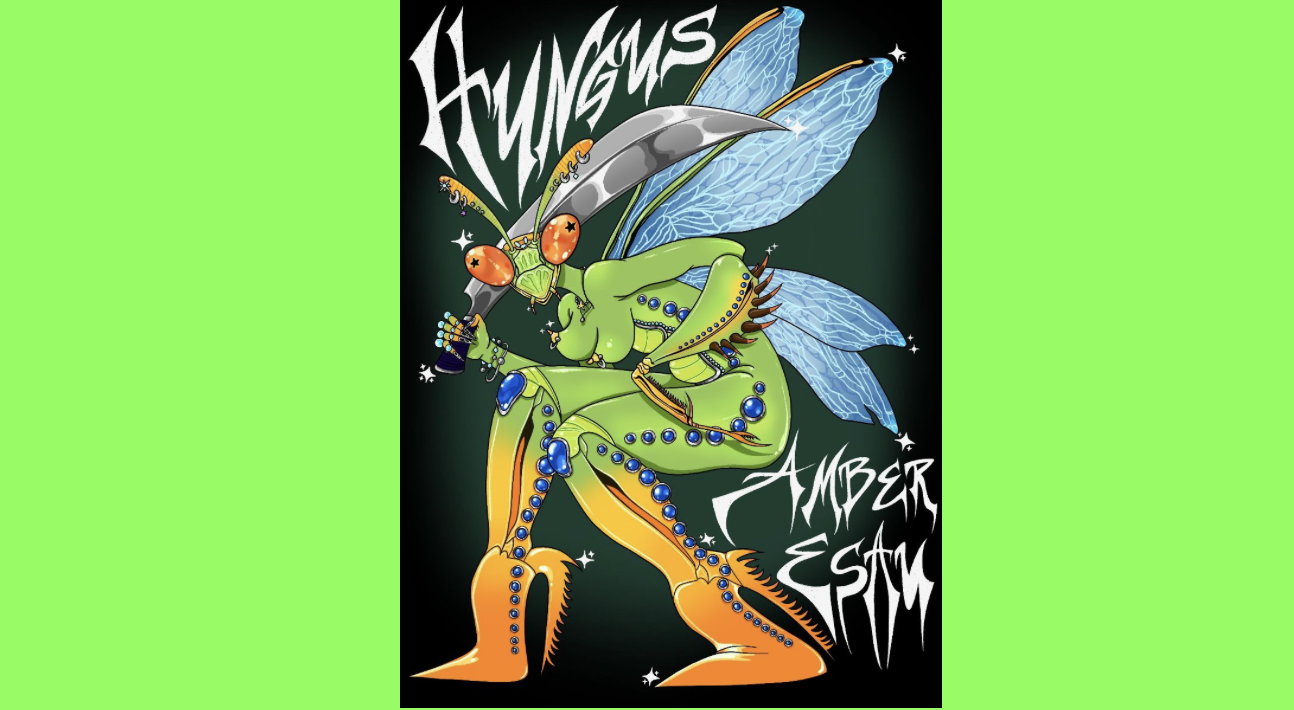
Join us next week to celebrate a dazzling new voice in New Zealand poetry!
Thursday 26 March, 6pm
Rocketman bar, 8 Roukai Lane, Auckland Central
Free entry – all welcome!
The book will be launched by Courtney Sina Meredith and we’ll have three amazing artists – @dam_dandan, @make.aotearoa.native.again, and the book’s cover artist Katrina Steak – in the house with us for mini makeki styles. Books will be for sale thanks to Unity Auckland.
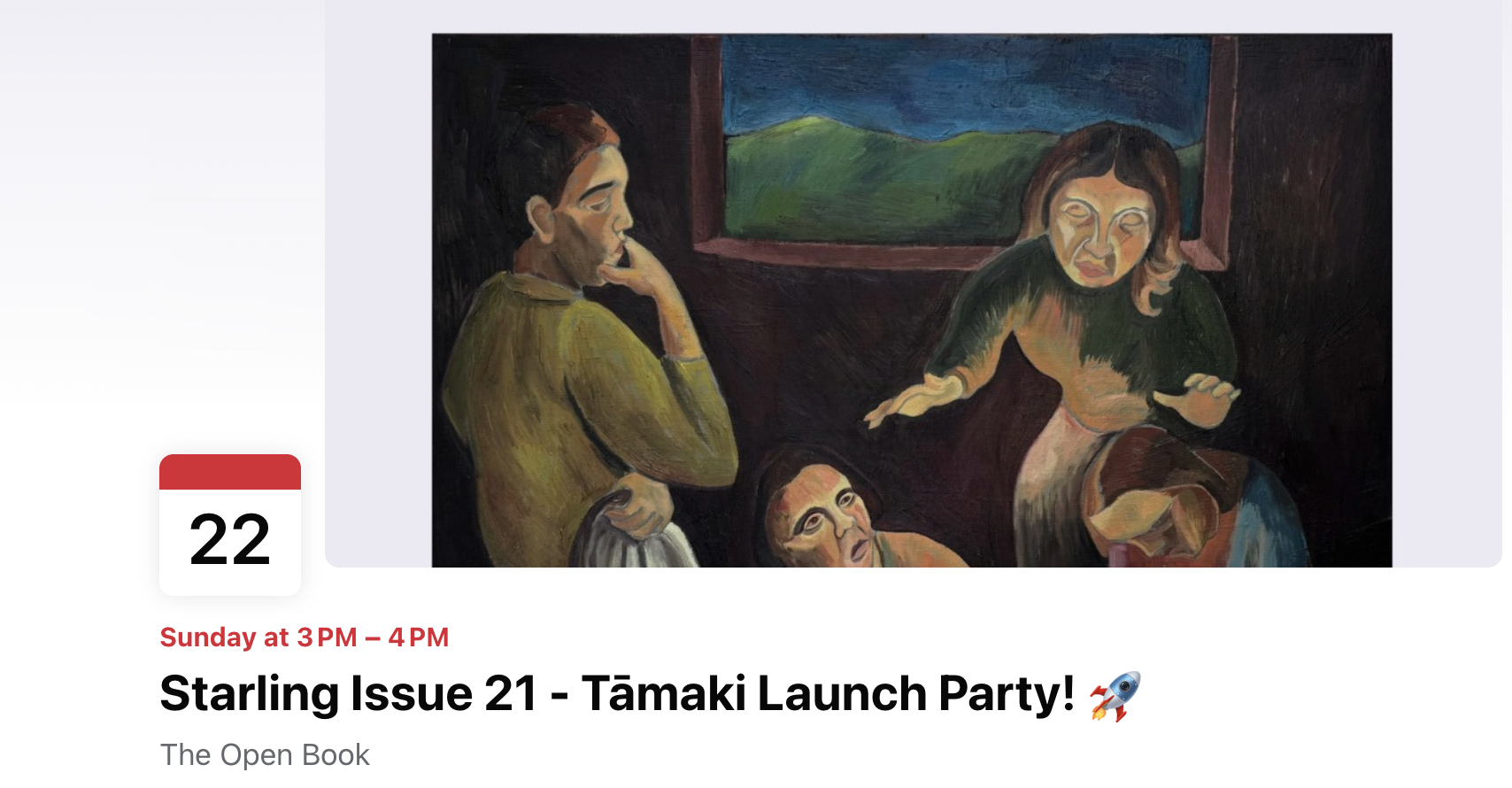
Starling Issue 21 is here, and we’re very happy to be holding our Tāmaki launch party with our friends at The Open Book (201 Ponsonby Road) from 3pm on Sunday 22 March!
Come and hear exciting new writing from young Aotearoa authors, browse the Open Book shelves, and celebrate the latest issue of Starling.
We’ll have readings from Issue 21 authors Lily Wright and Amelia Aratangi, alongside Starling favourites Elise Sadlier and Sherry Zhang, with editorial committee member Ruby Macomber on hosting duty.
It’s set to be a smash – we look forward to seeing you there!
A Life
The late afternoon
finds you seeking
clarity in a book
of Rilke poems, a
shortbread biscuit,
and a cup of lemon
tea—with a dash
of honey.
The honey swirls
down through the
tea, and biscuit
crumbs fall into
the book, lodging
in the spine. The
fading sun slants
across the page.
Today, you decide,
you are truly content
to call your life a
great song. Or even
a small song.
A lullaby. Something
to sing your child to
sleep.
Kiri Piahana-Wong
from night swimming, Anahera Press, 2013
Kiri Piahana-Wong is a poet, editor and publisher living in Tāmaki Makaurau.
The Poetry Shelf Breathing Room: A place to enter and pause and take a long slow breath and then another, as you absorb the beauty movement joy wonder stillness of a poem.

 NZ Poetry Shelf