Looks like there are some great readings coming up in Christchurch:
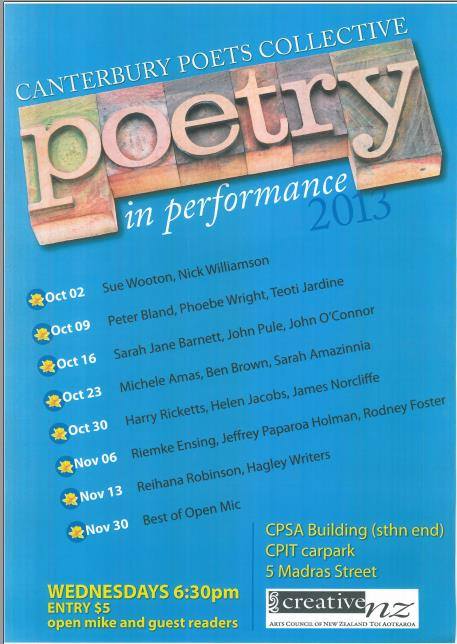

Looks like there are some great readings coming up in Christchurch:
Turbine: Time to get your poem pens in action and send submissions to the online magazine produced by IIML at Victoria University.
What to submit
Only material that has not yet been published in New Zealand will be considered.
Prose: short essays or fiction pieces are preferable, to a maximum of 2,500 words (longer pieces may be considered at the editors’ discretion). Send only 2 pieces.
Poetry: Send only 5 poems.
Photographs or artworks with a literary theme may be considered.
As a non-profit publication, Turbine is unable to offer payment for contributions. For all accepted material, copyright will revert to the author upon publication.
The editors are unable to engage in correspondence regarding individual submissions.
The reading period for the 2013 issue of Turbine will begin July 1, 2013. Please do not send submissions before this date.
Submissions for the next issue must be received by October 19, 2013.
We will send email notification of acceptance or rejection in early December, 2013. (Those submitting by post will only be notified if they provide a stamped, self-addressed envelope with their submission.)
For more information see Turbine guidelines here
Turbine issues here
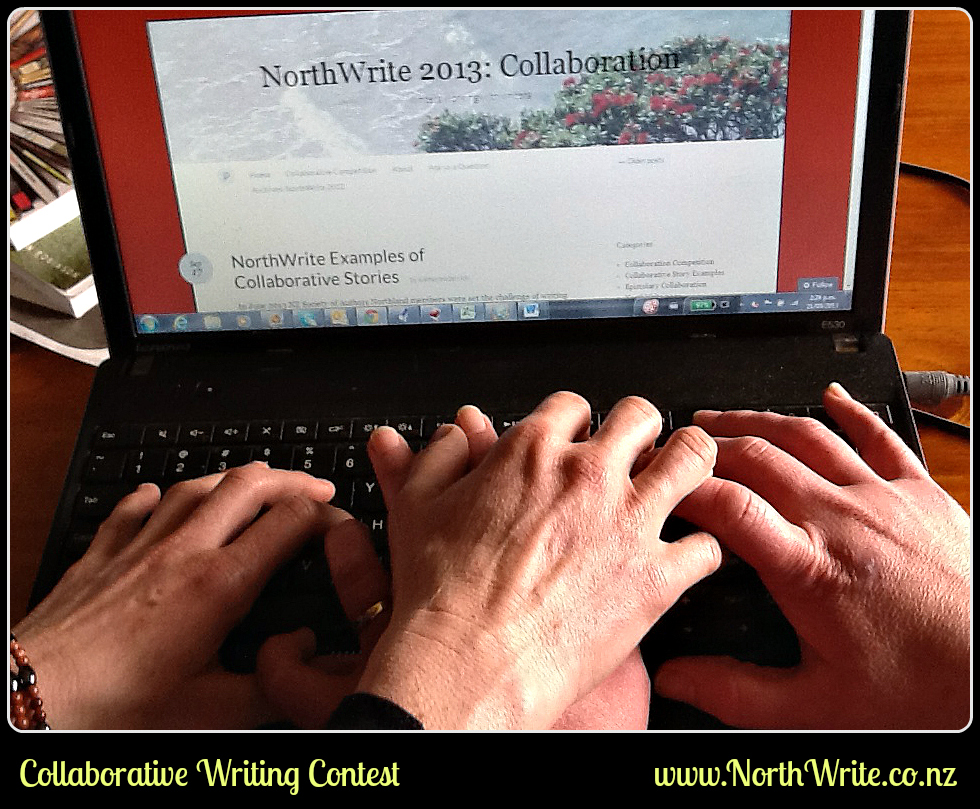
The NorthWrite2013 collaborative competition for short stories and/or poetry is now open for entries and closes at midnight (NZ time) 15 November 2013. Entries received after this time will not be considered. Judges are Michelle Elvy and Tim Jones, and there is a minimum prize pool of $500. There is an entry fee of $20 per entry which is equivalent to $10 per person since each entry must be a collaboration between two people.
Competition Rules:
· The competition is open to all New Zealand citizens and residents, and each entry must be the combined work of two people.
o Story: Either one story (maximum 750 words) written collaboratively, or two stories (total word count not to exceed 750 words) where one has been written as a response to the other.
o Poem: Either one poem written collaboratively (maximum of 60 lines) or two poems (total number of lines not to exceed 60) where one has been written as a response to the other.
o Combination: One poem (maximum 30 lines) and one story (maximum 325 words) where one has been written in response to the other.
The official full rules, regulations and submission details can be found here.
Friday 27th September, Central City Library, Level 2, Whare Wananga
Auckland Libraries and the NZ Electronic Poetry Centre (nzepc) present a poetry reading by Adam Aitken, Ali Alizadeh, Jen Crawford, Ya-Wen Ho, David Howard, Susan Schultz and Ann Vickery as part of the the Poetry as Social Action Symposium at the University of Auckland.
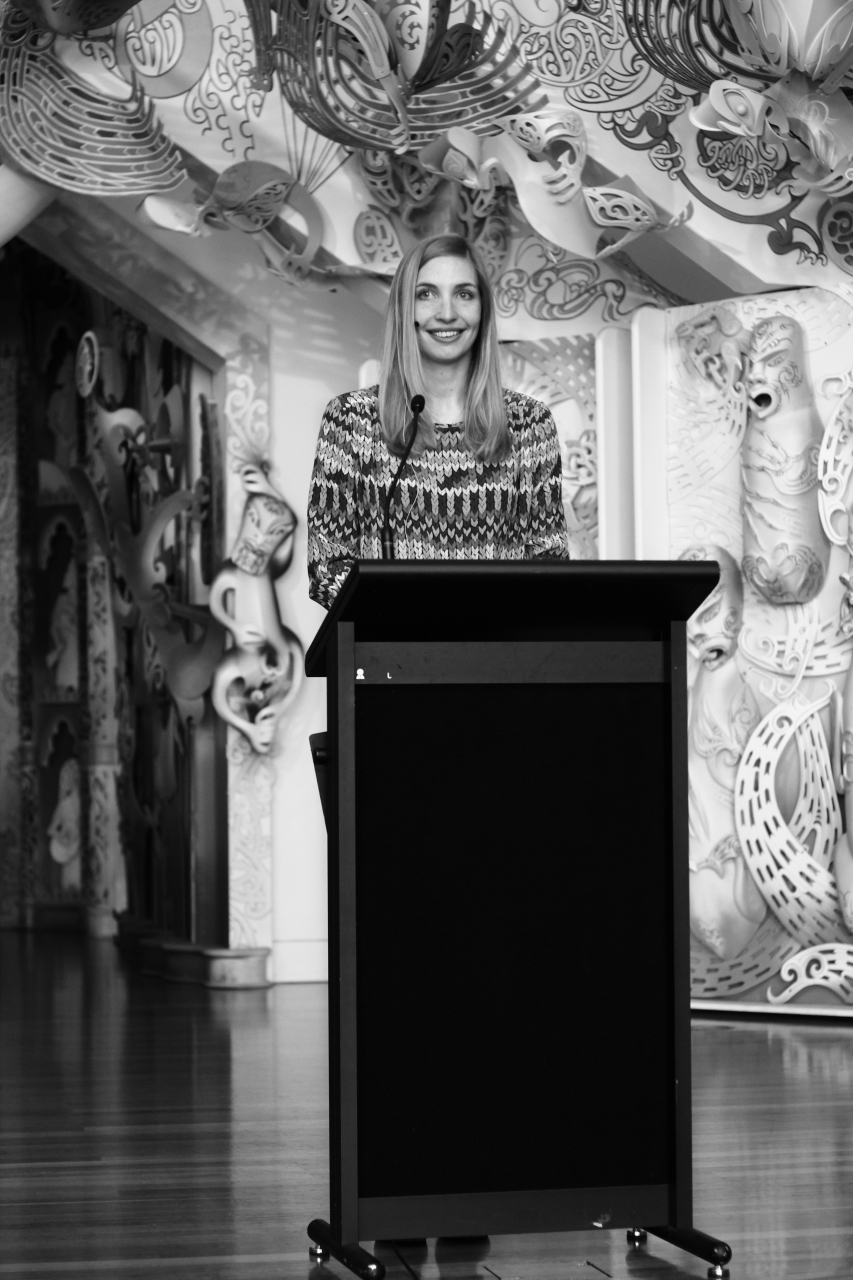
MC is Australian poet and critic Pam Brown.
Welcome glass of wine at 5.30 pm, readings start at 6pm.
Booking recommended 377 0209 or email karen.craig@aucklandcouncil.govt.nz
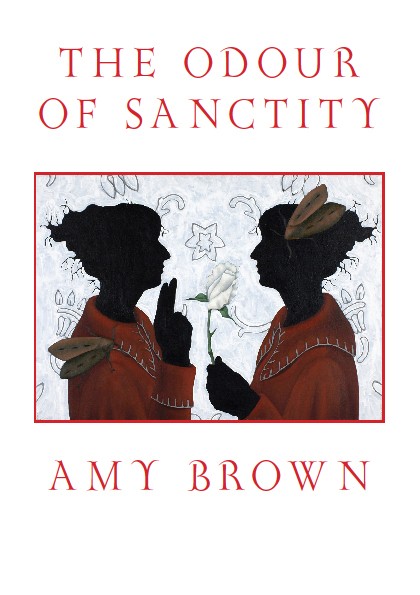
Amy Brown‘s debut poetry collection, The Propaganda Poster Girl, was shortlisted for the Jessie MacKay Award for Best First Book in the 2009 Montana NZ Book Awards. It introduced a fresh new voice, and Amy went into my head compartment of poets to watch. Her second collection, The Odour of Sanctity, moves into different territory and forms part of her Doctoral submission on contemporary epic poetry. She is currently teaching at the University of Melbourne.
This new collection is challenging, intricate, assured. It takes the reader on a roller-coaster trip through the lives of saints, but these six saints are not what you might expect in a catalogue of sainthood. You have Jeff Mangum from the indie rock group Neutral Milk Hotel (nowish), Victorian poet Christina Rossetti (150 years earlier), memoirist and mystic Margery Kempe (four centuries before that), Saint Elizabeth of Hungary (1231), Saint baby Rumwold who spoke nonstop during his three-day life (662) and Saint Aurelius Augustine (300 years prior to that). This backward trawl through time nets some surprising results.
I am no scholar of Catholicism, but I am a student of poetry. The central ways in which this collection acquires an invigorating poetic force are through juxtaposition, (metonymical shivers), acute detail (anchorage in the real), shifting narrative voices, political under-and-overcurrents, and a vital heartbeat (providing little emotional kicks). Each candidate represents his or her own minefield of difficulty and strength, but the compounding effect of goodness and weakness is to be found in the gaps between the candidates.
The six cases fit into a structure of six parts and an envoi that might well echo the formal pattern of a sestina. Such a structure calls for semantic ripples, musical rhyme, and rebound at the level of feeling. And so it is, as the collection pivots and swivels on notions of good.
Jeff Mangum is making music to save himself, using his obsession with Anne Frank as fuel. He imagines unbearable loneliness. In Amy’s words, ‘Music is everything. God is nothing.’ Yet this drive to make music unwittingly unmakes him — leaves him stranded and unable to participate in the world. Daringly, Amy selects the way Jeff might be awarded sainthood (even though he is alive) in his struggle to be good. She picks the way his music kickstarted a dead heart back to life as the miracle.
This might subvert the Catholic criteria for sainthood, but it also might be the point. Read this as a poetic narrative, but also read this as a challenge to orthodoxy. The word ‘odour’ lodged so tauntingly in the collection’s title underlines the way that this book is as much about stench as it is about sweetness. Goodness, miracles, humility, compassion, and faith can be located in the grit and grime, and everyday detail. The church itself has a history of goodness (compassion, forgiveness, charity) that can also be matched by a history of foul play (treatment of women, corrupt relations with political power, greed, abuse). In other words, Amy places ‘goodness’ under a critical spotlight. What is ‘goodness’ when it comes to ‘sainthood’? Is it a matter of piety, eating frugally, caring for others (and animals), compassion, sacrifice, humility, an erasure of ego and desire, chastity, a state of holiness and piety, an ability to perform miracles? It seems to me, a contemporary epic poem is the perfect place to reconfigure notions of good and sainthood (albeit in a secular fashion).
To read Amy’s six saints is to read them outside as well as within Catholic doctrine, along with the history of the Catholic faith at the level of ordinary lives and within the Church hierarchy. The life of Christina Rossetti, for example, raises the thorny issue of woman as saint. This woman writing is not simply an object of beauty (a muse), but a woman who struggles, creates, contemplates, resists and makes choices. There is the shadow-ladder of Neo-Platonic thought that ascends to divine ideals (think beauty). In Christina’s narrative, the steps are both divine and actual. For the woman writing, ‘my voice is a bird,/ my words are weeds,/ poetry is a garden.’ And before, ‘my throat sings/ like a toad or a mallard;/ I groan of things/ that should be loved and changed/ and my mouth stings.’ The words are the ladder that embody grief along with feminist seeds (in this account). Thus Paradise ‘must be/ a place of mothers and sisters/ where there are no demands on one/ but to be cheerful and no reason/ to groan.’
The Odour of Sanctity offers much on an intellectual level along with the poetic veins that I signaled earlier, but it also takes grip of your heart as you enter the unbearable world of the candidates. There is the dissolution of Margery as she wants to be without stain, supplicant to God, to be bodiless and celibate. Yet she bears countless children and countless wounds from her husband. She stands in for female suffering, and as you hold her case close, the yearning for such erasure is both heart wrenching and unfathomable.
Amy has delivered a collection that takes hold of you on numerous, overlapping levels. To me, it is a collection that will provoke and prompt numerous arguments on what it is to be good and what it is to be a saint, whether male or female, dead or alive, religious or non religious. There is a sextet of voices at work (so beautifully crafted by Amy) and more (for example, the contemporary witnesses, God). It is in the rub of this voice against that voice, that the pathos, the grief, the pain and the sour smell of humanity unsettle the sweet potential of good.
The Odour of Sanctity is an astonishing example of a contemporary epic poem. There is a plainness of language that gives birth to a sumptuousness of effect. I am not interested in what the collection does not do, but in what Amy has chosen to get it to do. I loved it.
Amy Brown, The Odour of Sanctity Victoria University Press 2013 $35
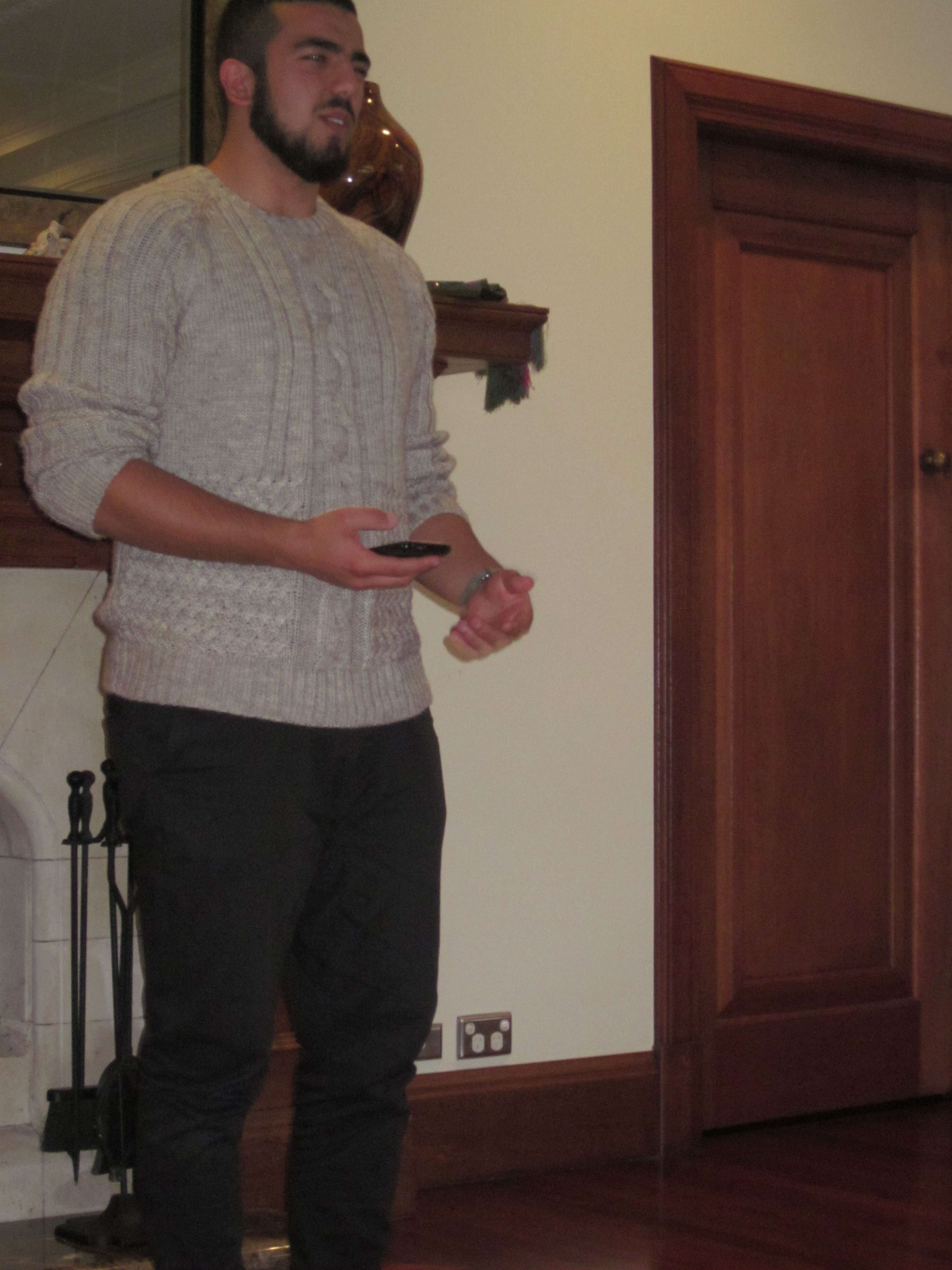
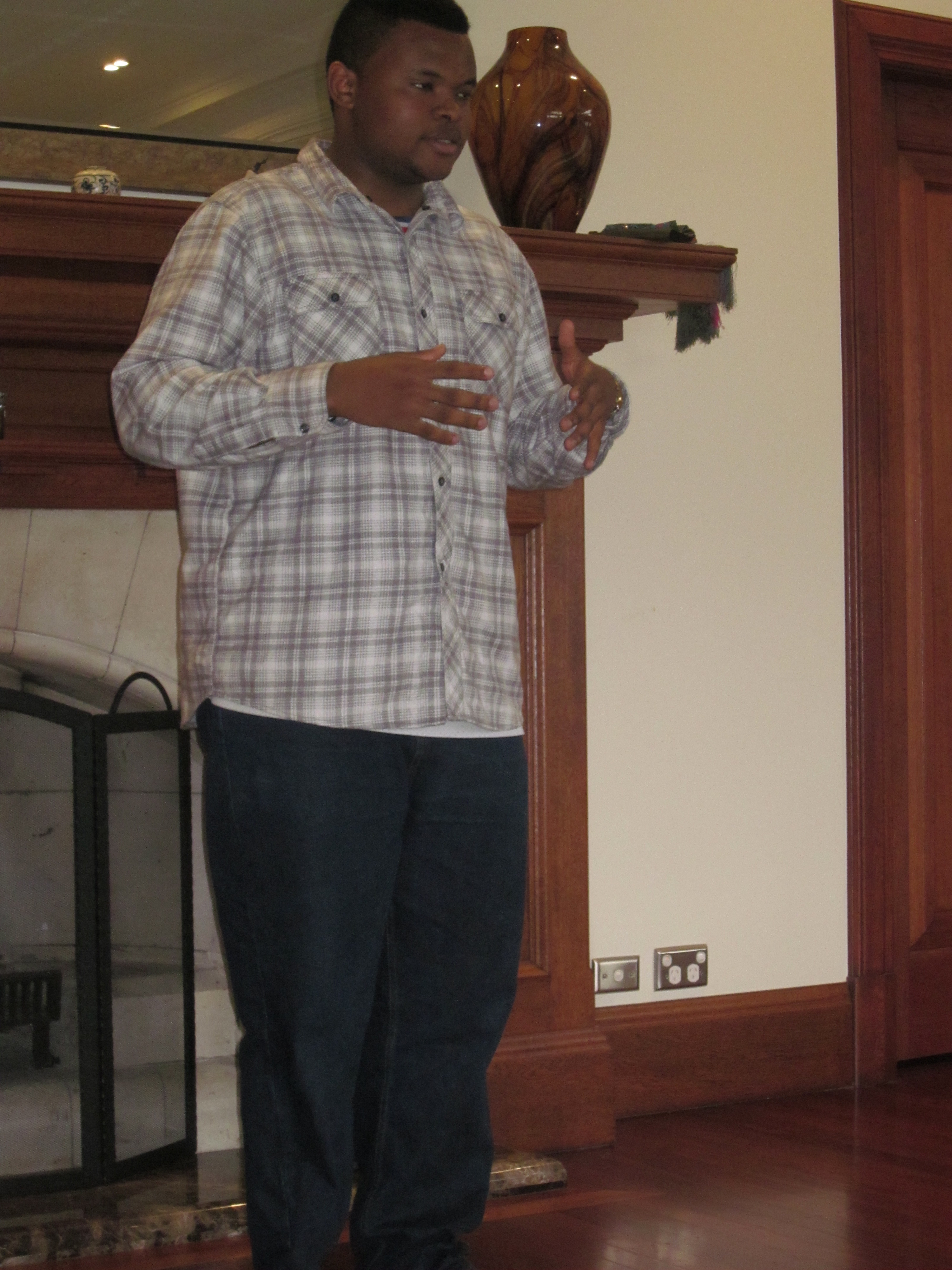
Wednesday September 25th Waxed Poetic Revival
Four of the 2012/2013 Rising Voices and UoA Slam winners and finalists entertain – I have heard two of these live and they are terrific!
Husam Al-Deen, Mohamed Hassan, Rewa Morley, Brian Geshema
Auckland University Poetry Society,
University of Auckland Conference Centre, 20 Symonds Street, Room 423 – 348
$ 5 ( goes to charity)
In Auckland, Pam Brown is part of Lounge #34. Performances by 10 students and visiting writers including Lisa Samuels and Murray Edmond.
Old Government House Lounge, University of Auckland City campus, Princes St,
5.30 pm – 7.30 pm free entry, drinks and food for sale
info: m.leggott@auckland.ac.nz poster: http://www.nzepc.auckland.ac.nz/events/lounge34_poster.pdf
And in Wellington:
AUSTRALIAN POET : PAM BROWN
in conversation with Gregory O’Brien
DATE AND TIME: Friday 20 September at 6pm
VENUE: International Institute of Modern Letters, Kelburn Campus, Victoria University
Since her first collection appeared in 1971, Pam Brown has been a mover and shaker in the quivering pyramid of Australian verse. Born in Seymour, Victoria, in 1948, she was one of the most accomplished poets loosely (and inadequately) labelled the ‘Generation of ’68’ — a wave of young writers fuelled by a heady mix of urban culture, international modernism and dissatisfaction with the ‘outbackery’ of much Australian poetry, past and present. Among her glorious swarm of books —17 poetry collections as well as countless pamphlets, collaborations and other titles — are Cocabola’s Funny Picture Book, Automatic Sad, Cafe Sport, Dear Deliria and Authentic Local. Her latest book, Home by Dark, appeared from Shearsman in the UK earlier this year. For seven years she was co-editor of the on-line journal Jacket, and remains Associate Editor of Jacket2. She continues to explore poetry’s various avenues, on the page and in digital and other contexts. Recent and ongoing concerns can be sampled on Pam’s website. For more see IIML page.
Not sure where the poetry is in this, but just wanted to share some favourite moments from the Sunday sessions at the Going West Literary Festival (after all, I am an honourary Westie!).
What I love about this festival is you sit in the hall with a whole bunch of other readers for the whole day and you never know quite what will be up next (sure, there is a programme, but thanks to Murrray Gray, the sessions take you to regions and zones and conversations you may have never experienced before. I like that!).
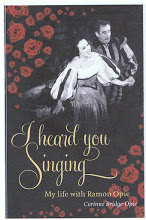
1. First up, the first time I have ever cried at a Writer’s Festival. Corinne Bridge-Opie was in conversation with Max Cryer as she has just published her memoir on her life as an opera singer. The conversation was full of fascinating anecdote and interrupted with opera tracks. She was married to New Zealand tenor, Ramon Opie. I loved the story about the white chiffon dress she bought to wear when she sang at Convent garden (I think?) with its flowing sash that you could sling down down the back or wrap about the neck to look more glamorous. There was a white chiffon flower on the shoulder to hide the stitching, but just before she was to go a stage with the other girls the assistant to the most-important-man in the building came and snipped it off. He always wore a white gardenia and would not be upstaged.
It was when the tracks played that I became undone. We heard the crackling recording of the aria sung at her wedding and the crackling recording of Corinne and Ramon singing together. On each occasion she would be mouthing the words, her face transfixed with joy and love, and every pore of her body was hijacked back to this moment in time. To sit on stage and listen to the love of your life (he has since passed away) sing with you must have been strange. As some one in the audience, it was breathtaking.
Here is her blog.
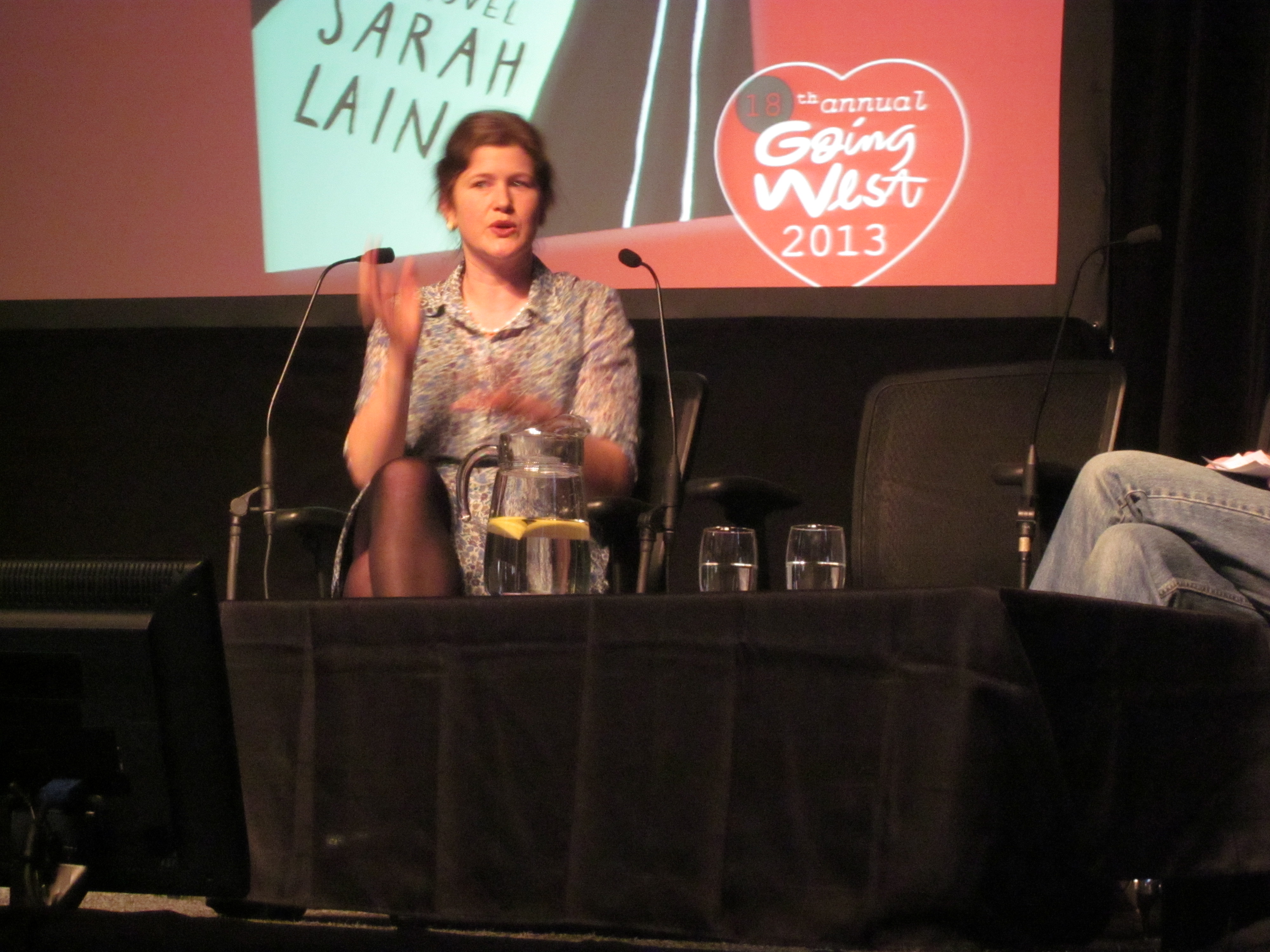
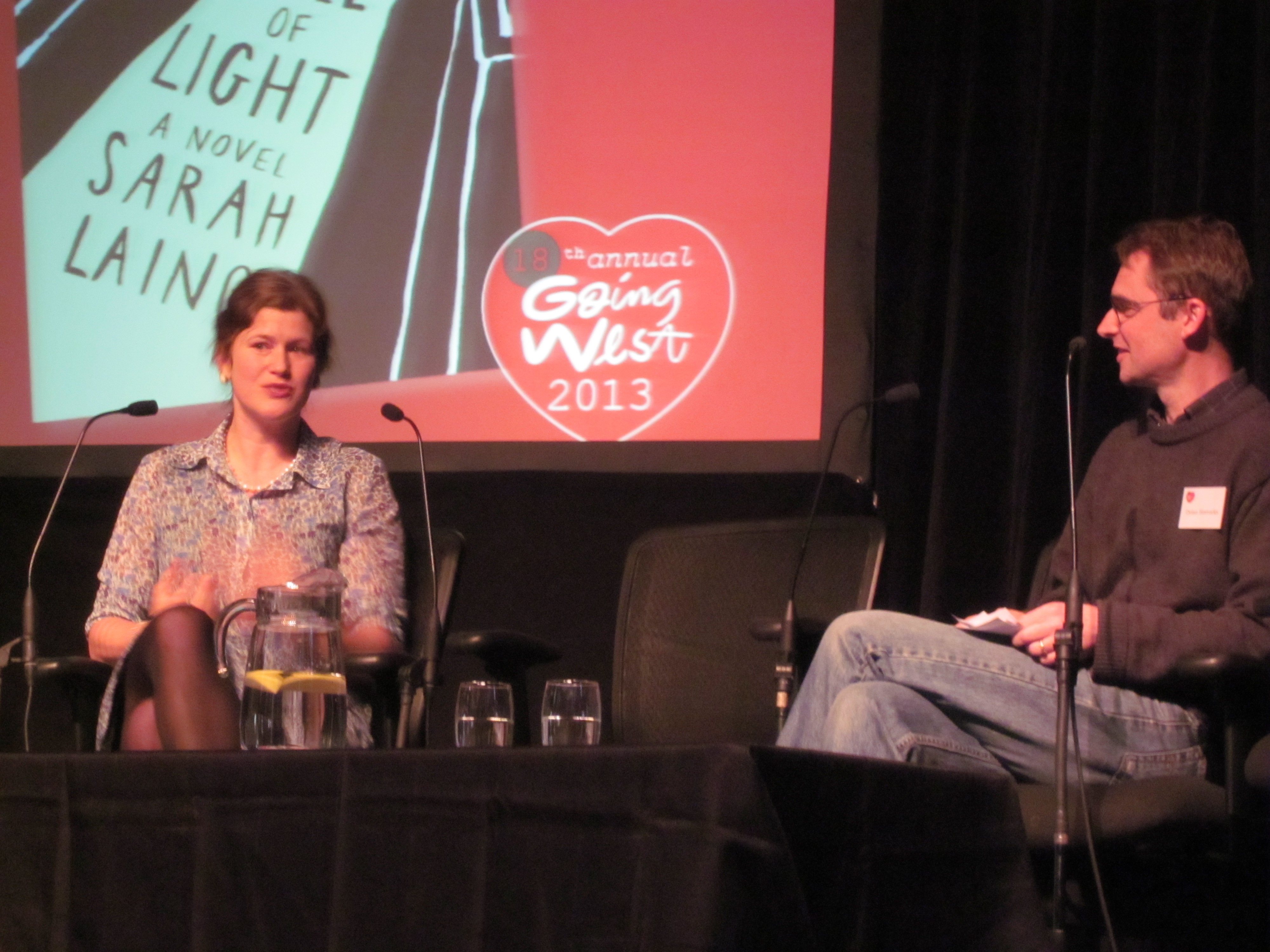
2. Sarah Laing talked about the visual, dream narrative in her book The Fall of Light with Dylan Horrocks. In my view, reviewers just didn’t get this sequence. It is like a novella within a novel -so you have to read it visually. Buried within the pomegranate seed (with its visual appeal and luminous symbolism) are the secrets to architectural wonders. You get to see shelves and shelves of the buildings that grew out of the seeds, and you see Rudy with his hand against the glass about to dissolve through the barrier into the room with the woman growing out of the wood like a tree. Sarah said she had tried to write Rudy’s dreams into the narrative but it didn’t work. By using her pen and water-colours, Sarah ‘wanted to infuse the book with a sense of unreality, to unsettle the narrative prose.’ For me, that is exactly what happens as you read the entwined narratives. ‘My hand slips out of the reality more than the language part of my brain does,’ she said.
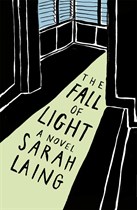
And on blogging, ‘I can show you my crossings out and my false steps.’ In a nice follow-on from Corinne, Sarah said she had fantasies of being an opera singer, a fortune teller, a psychic and a gymnast when she was a girl. ‘To be a writer, is a good fit for all these fantasies, of what my life might be.’ In the spirit of the festival, Dylan and Sarah produced a great conversation.
3. Science fiction writer, Phillip Mann was in conversation with David Larson. It was the first time Phillip had ever been at a festival onstage (you would never have known!). He came up with my favourite anecdote. He was sitting at his typewriter when his wee daughter came and sat on his lap and asked what he was doing. ‘Writing a book,’ he said. ‘Can I write a book?’ she asked. So he got a fresh page and she began to tap and thump until all the keys went into a big clump (remember those old fashioned typewriters!). ‘What does it say?’ she asked. ‘It says Once upon in a deep dark forest there lived a little girl,’ he said. Her eyes filled with story-book wonder. He removed the page and said, ‘Here is your book.’ Gorgeous! His blog here.
4. As Philip was describing the most terrible alien in his book, The Disenchantment of Paradise, a creature with acute psychic powers, a ladder of light flickered across the black back drop behind him. (almost like the ladder on Sarah’s book cover). Loved it!
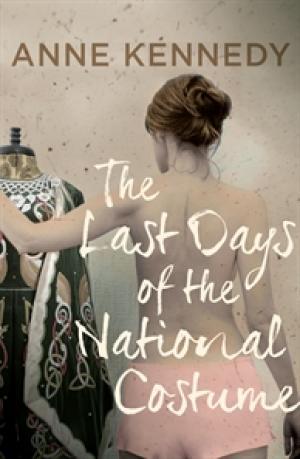
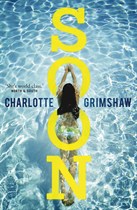
5. Hearing Anne Kennedy and Charlotte Grimshaw read fiction aloud for decent chunks of time from two novels that I have loved. It just brings the exquisite craft of their sentences to a new level.
6. Cathy Downes’s updated performance: Talking of Katherine Mansfield. This is an extraordinary performance that is deeply moving. And to hear Cathy recite ‘The Doll’s House’ — the story came alive on stage like a real thing. I was feeling absolutely sapped of energy having ben at the festival all weekend but the moment she started I was on the edge of my seat. Magnificent!
Thanks Murray Gray, Naomi McCleary and the Going West Trust team. It was a very good festival indeed. Thank you. Pity so few Auckland writers and publishers made the journey out west, but there were some great audiences.
Emma Neale has just announced she is retiring from her job as the Monday Poem selecting editor for the Otago Daily Times. She has done a terrific job, and said it was ‘gratifying to launch new writers through the paper.’
Sue Wootton, the new editor, is interviewed in the paper this morning. ‘It was the obvious question for a leading New Zealand poet: ”What makes a good poem?” ”If you poke it with a stick and it moves it’s alive,” Sue Wootton says.’ See full piece in ODT.
The ODT is also a consistent reviewer of New Zealand Poetry. Bravo! Could we see other papers taking this up please? And publishing a poem once a week?


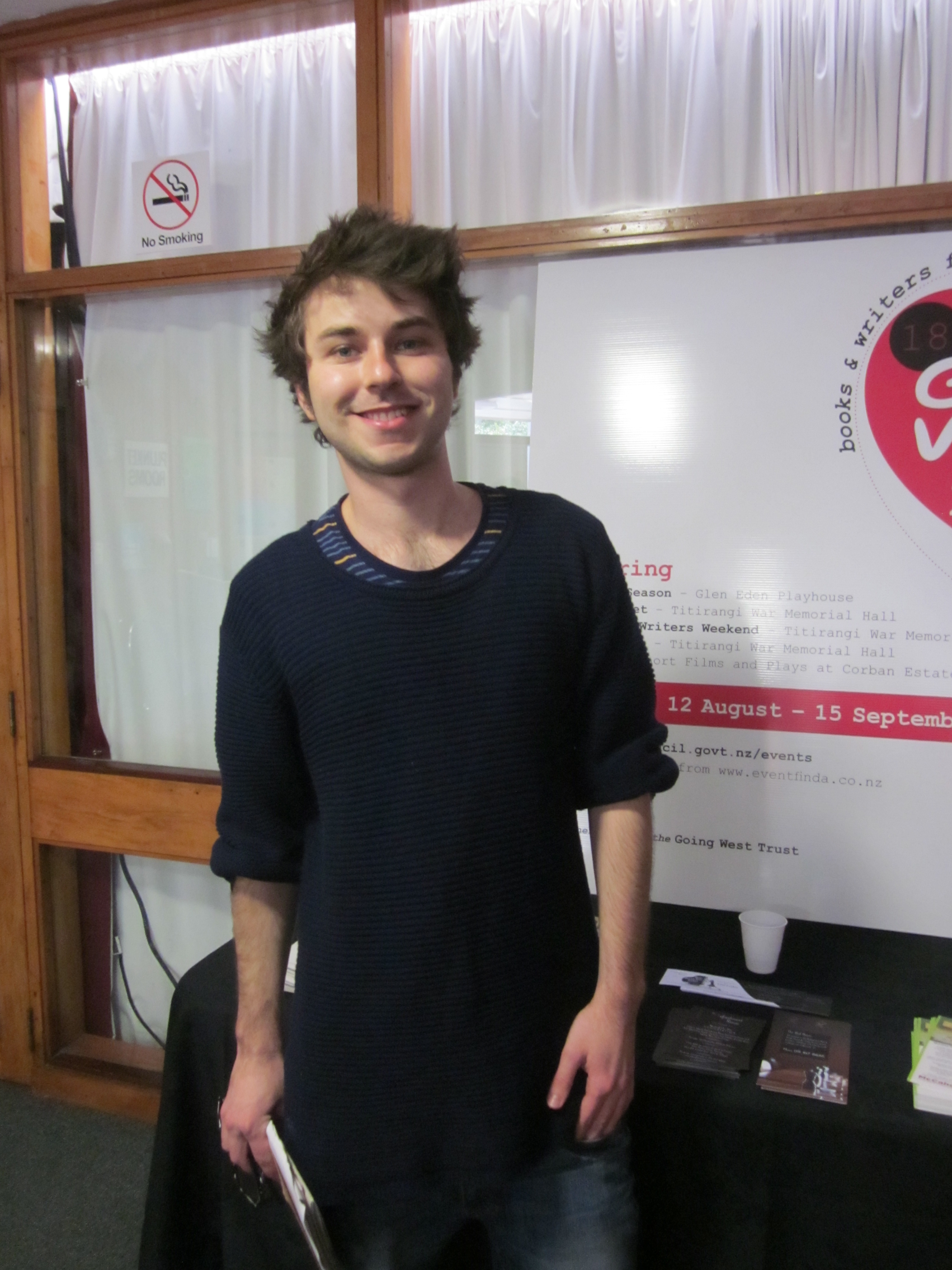
Siobhan Harvey introduced the winner and the runners-up of the 2013 Emerging Poets Competition in an engaging session at Going West Literary Festival on Saturday. Anna Hodge (Auckland University Press) judged the competition and the winners were announced and showcased at an event on New Zealand Poetry Day. The three poets were all different but shared an engaging simplicity that then revealed pleats and folds that moved you. Congratulations to the three poets. I was delighted they gave me permission to post their winning poems.
On the winners, see here. I managed to get a photo of Jack Spicer at Going West but missed the others.
The winner:
Breakfast in Iraq:
the morning smells
of motorways and salt.
all the birds are
empty. last night
the journalist
fell asleep listening
to a woman retching
into a bucket.
somewhere a car bomb
has spat a million tacks
outside a supermarket.
a woman in a sun dress
sucks blood from the
henna of her hair.
it is after dawn but
no children sing
for pastry and milk.
a television plays
cartoons to the growing
crowd of umlauts
where eyes used to be.
© Elizabeth Morton 2013
The runners-up:
Before I go to bed
I play digga on dad’s computer.
When you leave the computer for a long time-
the screen changes.
it changes to stars that go past really really really fast.
I like to sit and look at it
and it feels like I’m in space.
One time I was looking for a really really really long time
and I thought something might happen at the end.
But nothing did.
Maybe this is what you see all the time
– when you’re dead?
Before I go to bed.
I ask mum- what happens when you die?
Mum said – don’t worry,
Cos you’re just a little boy
Now go to sleep
Sack of potatoes
It’s a new day tomorrow.
© Jack Spicer 2013
New moon
I can measure the time you’ve been away
by the small black moon rising.
That day I put your bags into the boot,
laid your vintage hat carefully on the back seat.
A little finger lingered where it shouldn’t have,
held back, stopped instead of pressing on.
I heard the dull thud of a door not quite closing
and knew some part of me was stuck.
Still we made it, little finger held up,
straight like a lady drinking tea,
all the way to the airport.
Snug with its plaster coat on,
ready for a colder climate half way across the world.
Only it wasn’t going with you.
It had to stay here with me, to heal,
and it has, just as you said it would.
And it didn’t loose its nail after all –
it’s been strong, holding on,
though it swelled and missed you terribly.
© Rosetta Allan 2010
 NZ Poetry Shelf