
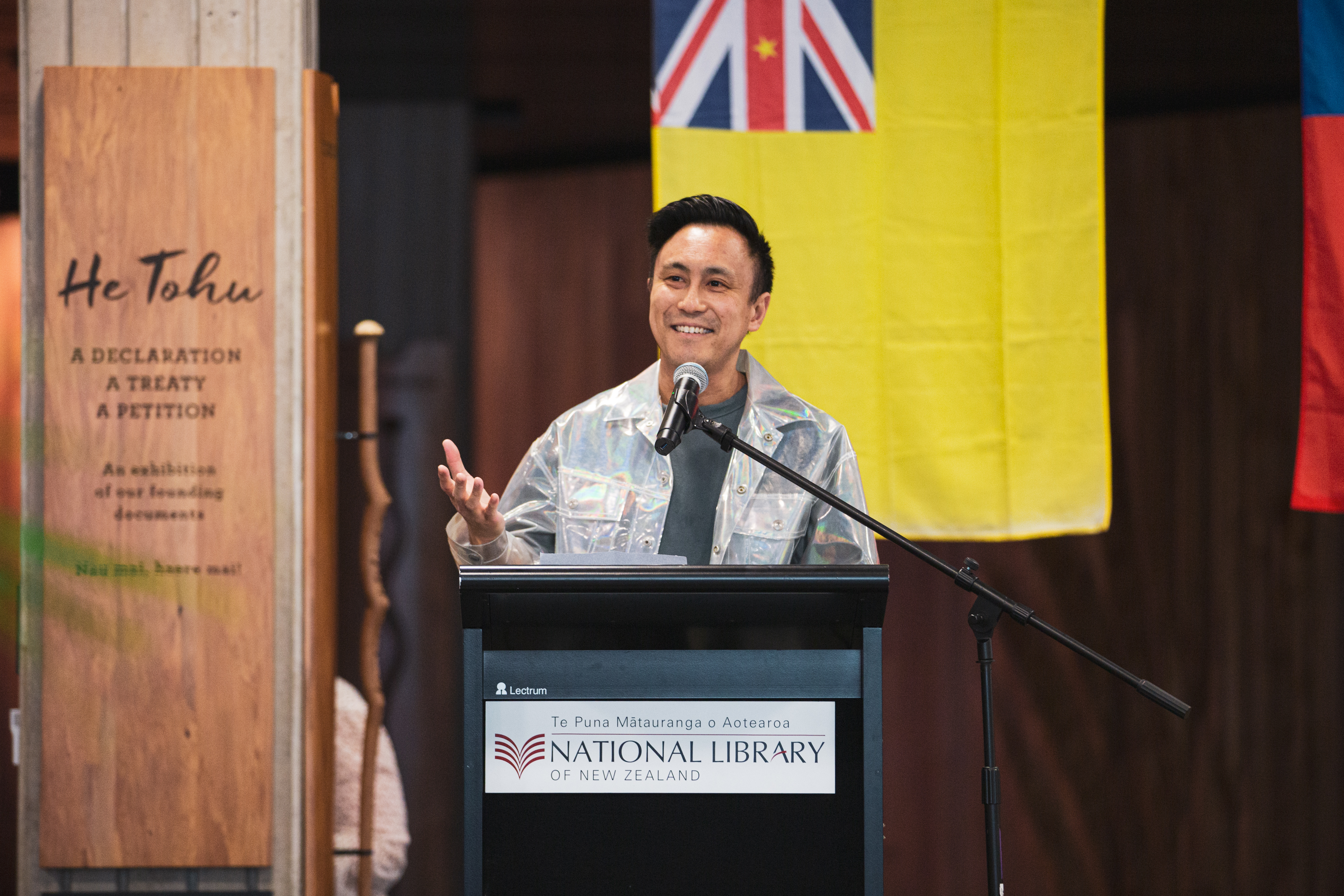
photo credit: Celeste Fontein
Today Chris Tse is stepping down from his role as National Poet Laureate, and it felt extremely fitting to acknowledge his vital contribution to poetry in Aotearoa and overseas. He has staged a range of poetry events around the country, drawing in voices, inspiring younger writers, contributing to inspiring poetry conversations in various settings.
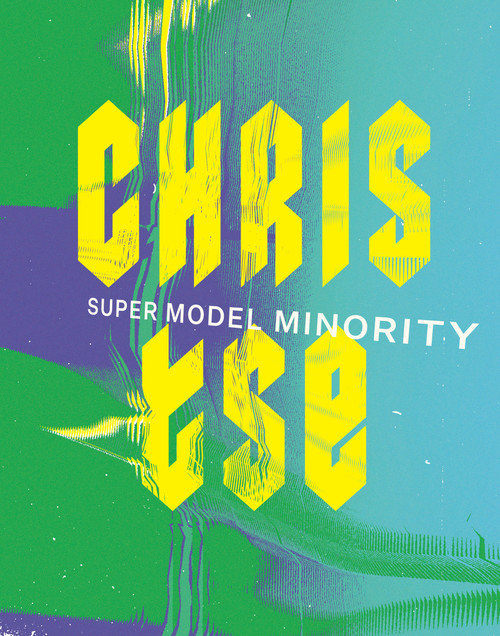
Having always been a big fan of Chris’s poetry — from his debut in AUP New Poets 4 (AUP 2011) to Super Model Minority (AUP, 2022) — I decided I would pick one poem from each of his books as a celebration of his tenure. Chris kindly answered a couple of questions from me and contributed a recent poem. To reread my way through his collections was utterly moving: from How to be Dead in a Year of Snakes (2014, AUP), a collection that returns to the tragedy of murdered goldminer, Joe Kum Yung, to his next two, he’s so MASC (AUP, 2018) and Super Model Minority (AUP, 2022). His books navigate sexuality and race, sky and mountain peaks, revolution and imagining, speech and peace. Ah, take the time and spend a long weekend absorbing his extraordinary poetic ink.
Thank you, Chris thank you.
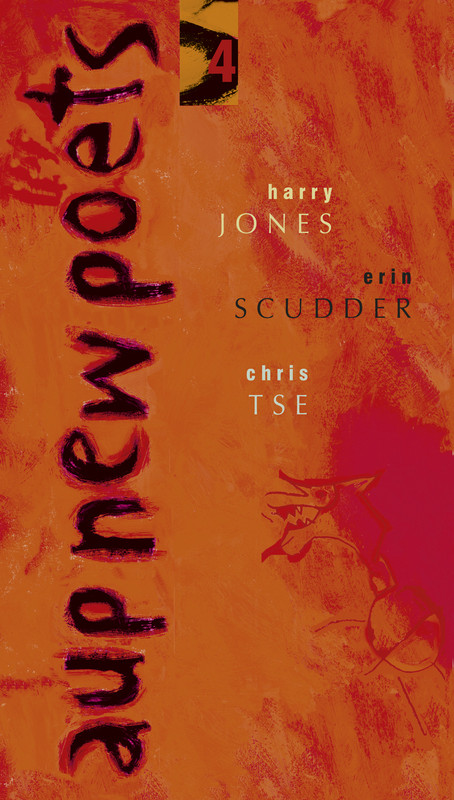
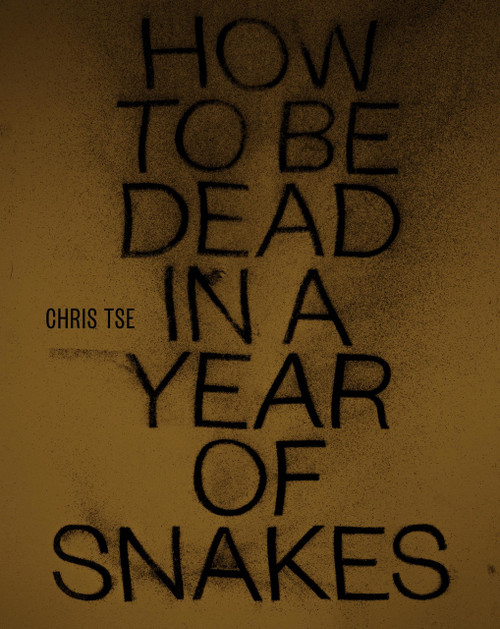
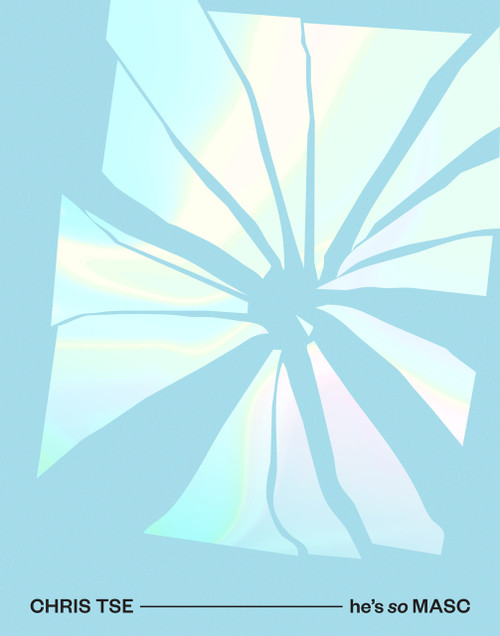
five poems
Dig
after Seamus Heaney
Our first back yard hugged
the prickled slopes
of Kelson.
I watched my father dig and
tear his way through bush and clay
to find that richer soil.
That spicy scent of gorse, the path
he zigzagged.
And beyond him, decades
and oceans away,
his father stooping to dig
gathering ginger and spring onion;
dreams of richer days.
•
Between my finger and my thumb
the sticks rest.
•
Below the surface lies
a history of chopsticks.
In the days
of new sight we clung to comfort
as a sign of success.
Eight treasure soups,
the finest teas
ivory and bone over
wood and plastic.
•
I’ll dig
with them.
from Sing Joe, in AUP New Poets 4, Auckland University Press, 2011
•
They peer through me as if I were dead.
My hands are tired now, fading to mist.
•••
I’ve held out for luck
and fortune like a stony fool,
•••
but sometimes the heart must
gracefully accept defeat.
•••
These days it feels like I am digging
my own grave.
from How to be Dead in a Year of Snakes, AUP, 2014
Heavy Lifting
Once, I climbed a tree
too tall for climbing
and threw my voice out
into the world. I screamed.
I hollered. I snapped
innocent branches. I took the view
as a vivid but painful truth gifted
to me, but did not think to lay down
my own sight in recompense.
All I wanted was someone to say
they could hear me, but he tree said
that in order to be heard I must
first let silence do the heavy lifting
and clear my mind of any
questions and anxieties
such as contemplating whether
I am the favourite son. If I am not,
I am open to being a favourite uncle
or an ex-lover whose hands still cover
the former half’s eyes. I’ll probably never
have children of my own to disappoint
so I’ll settle for being famous instead
with my mouth forced open on TV like
a Venus fly-trap lip-synching for its life.
The first and last of everything
are always connected by
the dotted line of choice.
If there is an order to such things,
then surely I should resist it.
from he’s so MASC, AUP 2018
Wish list—Permadeath
I wish I didn’t feel compelled to write about racism, but there it is
patrolling my everyday thoughts like a mall cop drunk with power.
I wish people didn’t ask me how to solve a problem like racism, as if
it is a cloud they cannot pin down. I am not an expert spokesman
holding an elusive truth. I wish I could predict when racism
would exit stage right to wherever bad things go to die rusty
non-biodegradable deaths, but I can’t predict the death of something
with a robust business continuity plan that involves moving from
host body to host body. I am not an exorcist—I am a sympathetic
vomiter. Is it predictable for me to write this poem? I suppose so.
What I really want to write about are things with promise, to offer up
whiskers on kittens when the outlook is for Nazis on Nazis. I wish
I could sing my way out of this while the man I love applauds from
the front row, our adorable Jack Russell terrier Rocket sat by his feet.
I wish I could start a love poem with a line like ‘He thumbs me
like the Oxford Dictionary‘ and consider it a job well done. I wish
I didn’t always feel this way—always tired of explaining why
I am tired and why writing this poem is more need that want.
I never felt the need to be the gunshot during a knife fight until they
told me there was no such thing as ‘let’s finish this once and for all’
from Super Model Minority, AUP, 2022
How to edit a poem
- Let the poem approach you first. Don’t point; don’t scare it.
- Encircle the poem with broken lines and half-hearted rhymes to reverse any spell that may cause the reader sorrow.
- Ask yourself: is the poem merely camouflage for the poet’s desires?
- All persons, real or imagined, are questions and aphorisms double-crossing each other in pursuit of a revelation.
- Inside this poem there are two poets: one is literal and the other is metaphorical.
- Ask yourself: is the poet a secret carried in a whale’s mouth?
- Capitalise every word that reminds you of your childhood.
- Strike out every verb that will make the reader feel guilty for not living a wholesome and virtuous life.
- Inside this poem there are two poets: one tells the truth and theother got away with it.
- Ask yourself: when did you last trust a poem?
- Interrogate each line as if it were a co-ordinate plucked from a map.
- A crooked staircase halfway to the moon. A wolf cries in the dark.
- The margins seesaw as you pull yourself into the poem for a better view, to take it all in.
- (There is no way out.)
- Use the poem as a mirror.
- Use the mirror as a sucker punch.
- Attack the mirror with a mallet.
- Hide the broken shards in the feathers of birds and instruct them to land on rooftops when the night is at its softest.
- The townsfolk’s sleep is disturbed by the crackle of crystal rain.
- Record their reactions.
- Respond, respond, respond.
from Everything I Know About Books: An insider look at publishing in Aotearoa, edited by Odessa Owens and Theresa Crewdson (Whitireia Publishing, 2023)
three questions
What draws you into a poem, whether as writer or reader?
As a reader, I want to get a sense that the poet is writing from a place of curiosity and isn’t afraid to let the reader get a glimpse behind the curtain as they work through their thinking or daydreaming. I don’t necessarily need anything to be resolved – an open end is just as good as any. I try to apply this to my own work as well because a big part of my writing process is to seek understanding about myself or the world. The poem is the result of that exploration.
Have you discovered any poets new to you in the course of your physical or reading travels over past couple of years?
So many! Editing Ōrongohau | Best New Zealand Poems 2023 was a voyage of discovery of new-to-me poets, like John Allison, Isla Huia, Geena Slow and Marjorie Woodfield. This week I’ve been dipping in and out of the 2025 edition of Aotearoa Poetry Yearbook and there are lots of unfamiliar names, so I can’t wait to get to know these poets’ work. I’ve also had the good fortune of working or performing with poets from other countries, either online or in person. Some of the poets whose work I’ve really enjoyed are Hasib Hourani and Panda Wong from Australia, Péter Závada from Hungary, and Amanda Chong from Singapore.
Can you share a couple of highlights from your tenure as Poet Laureate?
For National Poetry Day 2023, I invited students from Te Whanganui a Tara for a day of poetry workshops and activities at the National Library. The poems that the students wrote that day were great and demonstrated how fearless and creative young minds can be. Another highlight was the Poetry International Festival in Rotterdam, where I appeared in an event with Poets Laureates from around the world. It was a really special performance bringing poetry and dance together. I was very proud to be able to represent Aotearoa on stage that night alongside some poetry legends.
 NZ Poetry Shelf
Pingback: Poetry Shelf 2025 highlights (or some summer reading and listening) | NZ Poetry Shelf