
INVENTORY
this is my bed
these are my sheets
here is my clock
on unsteady locker
my pillow fixes my scalp
restraining my
fears from flight
my thoughts turn in
in the locker are my books
my hands, too weak
to hold them now
hold instead, your hand
the morphine comes
between me and thought
between me and pain
between you and me
the nurses do not say
how long, or when
the god who might say why
has long since gone
this is my bed
this is my body
this is my life
these are my letters
Rae Varcoe,
from Tributary, THWUP, 2007
In 2019, I wrote about women who are both doctors and poets in Wild Honey: Reading NZ Women’s Poetry. I wrote this: Rae Varcoe’s Tributary examines relations between medicine and poetry, her poems net physiological detail, regimens, procedures, grief, death, near death, diagnosis. Medical information is laid along the line, just as it is relayed to the patient, but there are little leakages of self, less likely on the ward, that suture poet and physician. I am no stranger to hospital wards, and this collection upturns me, in its fractured medical stereotypes. The overtones and undertones are multihued, and Varcoe carries us in the wake of the personal.
Today, I return to Tributary to acknowledge Rae’s passing, wondering how it will be reflecting upon poems that have connections to the wards at Auckland Hospital that I have frequented since my blood cancer diagnosis (2010) and bone marrow transplant (2022). How do we speak of death and illness? How do we share grief and difficulty and love, a love of friends and family, work, writing, reading? To return to this precious book, with hairs on end, heart beating faster is extraordinary. I feel like I am on the ward with Rae, we are talking poetry and illness, and I am stepping into her poems and feeling what it is to be doctor. I am stepping into the grief she feels at the loss of her mother. And death is rippling down my skin.
Rae’s poetry navigates light and dark, but a lingering gift for me is the incredible lyricism – her deft ear produces music that haunts and delights and advances the subject matter. I don’t think I ever write things on Poetry Shelf – reviews or tributes – without a degree of vulnerability, without letting the personal slip. And this morning, as I contemplate Rae’s passing, I am holding her book close, thinking about the way poetry is so connecting, so illuminating. How Rae’s writing has opened multiple pathways (tributaries) for us into experienced life, into illness and death. It is a grey sky beyond the window frame today, and I am taking this moment to pause, to offer you two of Rae’s poems so you too may pause and linger and reflect. To pay tribute.
With love to Rae’s friends and family, her publisher and fellow writers.
INSCRIPTION
for:
the newly dead, the book unread
the vicious, the vacant, the complacent
the doctor whose stethoscope stopped
the priest unfrocked, the unheard muse
the plane wrecked, the toxin struck
the space shuttle burned to a cinder
and the mother who watched
the spin doctors, the office gossip
the adulterer, the shocked
the bit on the side, the man who cried
the kid with worms, the scholarly
the restless, the resented, the demented
the elderly teacher who couldn’t do sums
the nurturers, the murdurers
the hate-filled heart, the lovers apart
the man whose mower won’t start
the bored, the lauded
the ignored, the sated
and the imploring patient
the hexed message, the answered prayers
the toddler who swears
and the blackness about the shocked electrician
the agnostic, the caustic
the critic, the failure
and the e-mail trail to the genitalia
the pea-green leaves, the munted trees
the vexed, the next door neighbour
and the religious text with blank pages
I make this paper plane
and watch it dip, flip, swoop
then circle back again
from Tributary
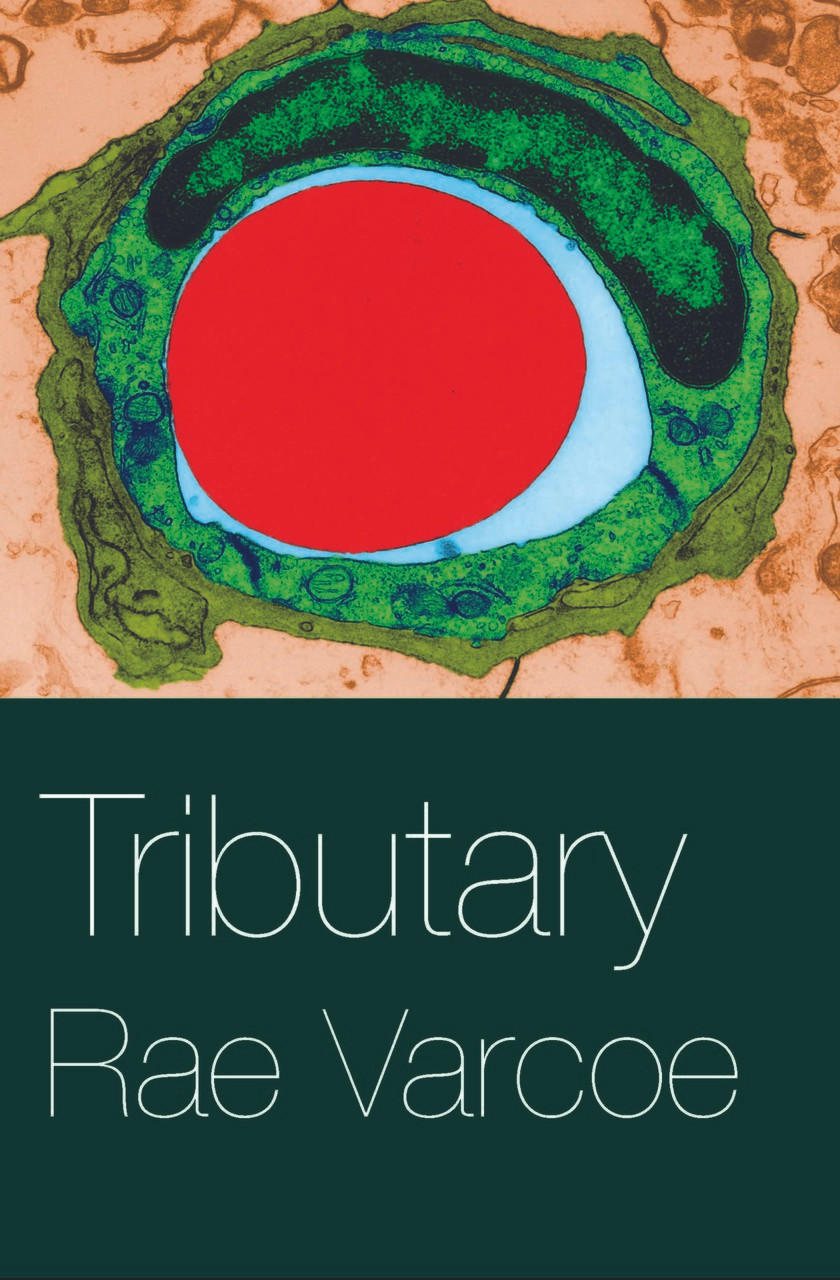
Tributary, Rae Varcoe
Victoria University Press (THWUP link), 2007
Tribute by Jo Emeney
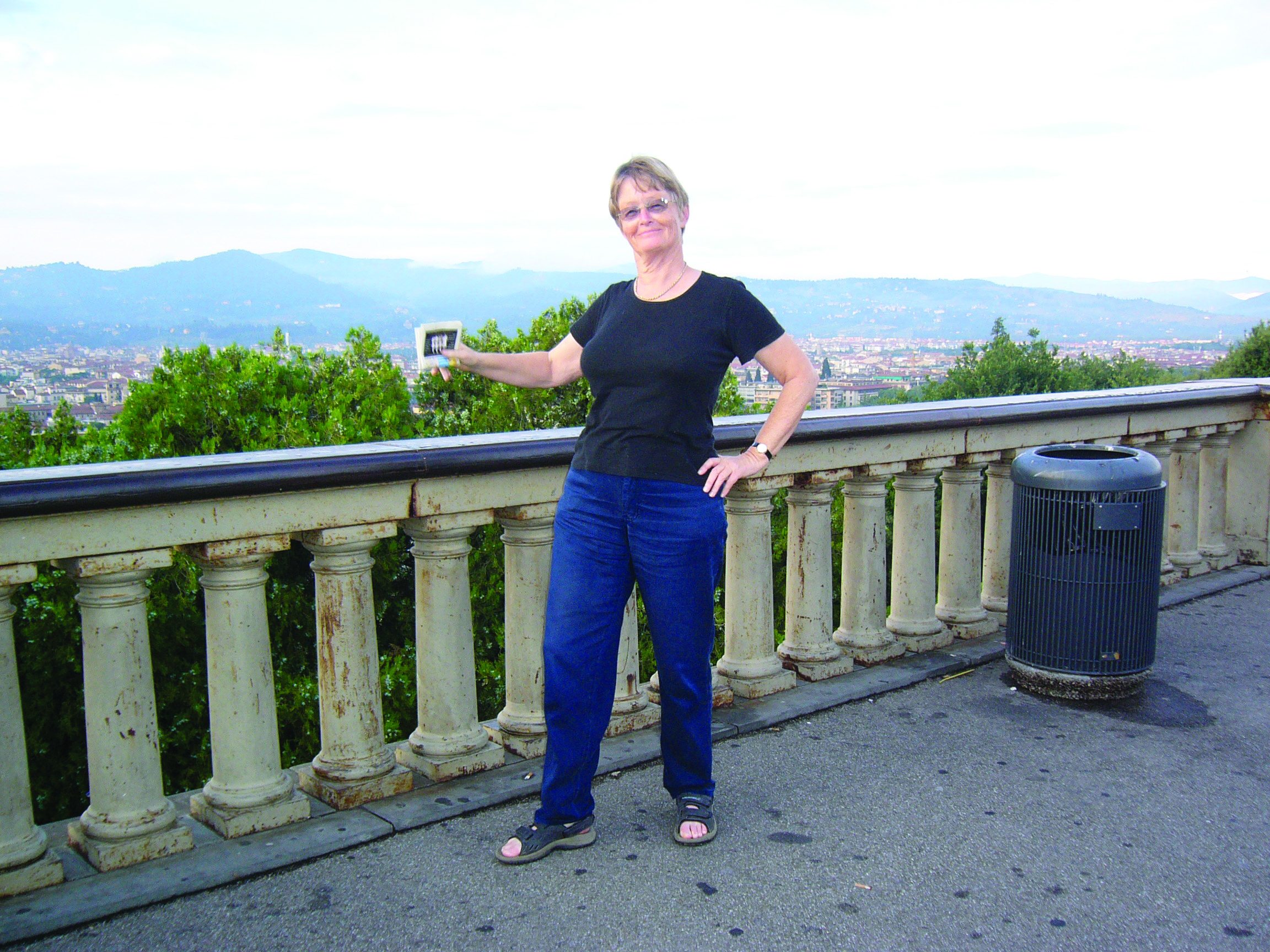
Rae Varcoe (1944-2025) was a haematologist specialising in leukaemia and lymphoma at Auckland Hospital for 30 years. She was also a very fine poet whose formal practice began at Bill Manhire’s inaugural MA class in 1997.
Rae’s medical training informed her poetry, and her collection, Tributary, features many poems which reflect on her medical experience. Ranging from the satirical to the solemn, the Tributary poems explore the relationship between lay language and medical language, often relying on the holes in meaning which lie between the two to highlight inequality, miscommunication, and the mysteries of life and death. Even the collection’s title works in this way: A tributary vein is one that empties into a larger vein, much as a branch of a river or lake is called its tributary. Historically, a tributary is a person who travels from one land to pay homage to another, often bearing gifts. Perhaps this is what Rae’s doctor-personae enact on her behalf.
One poem from Tributary was selected for Best NZ Poems 2002:
Plot 608, The Old Balclutha Cemetery
how deep grief is
how insubstantial this sand
to hold these
the fleshless remnants
of our parents
all our ancestral DNA
exons to earth
introns to dust
who will read you now
my brave wee mother
and who decode
your silence, Dad
and what will we
the messengers
say to the world
What the combination of medical and lay language — and the conversation between the personal and the scientific — gave Rae’s poetry was complexity and originality. It also moved her poems towards the transcendent and universal. As one of “the messengers”, she brought us knowledge from another land.
Vale, Rae. Your contribution to both poetry and medicine will be lasting.
 NZ Poetry Shelf