

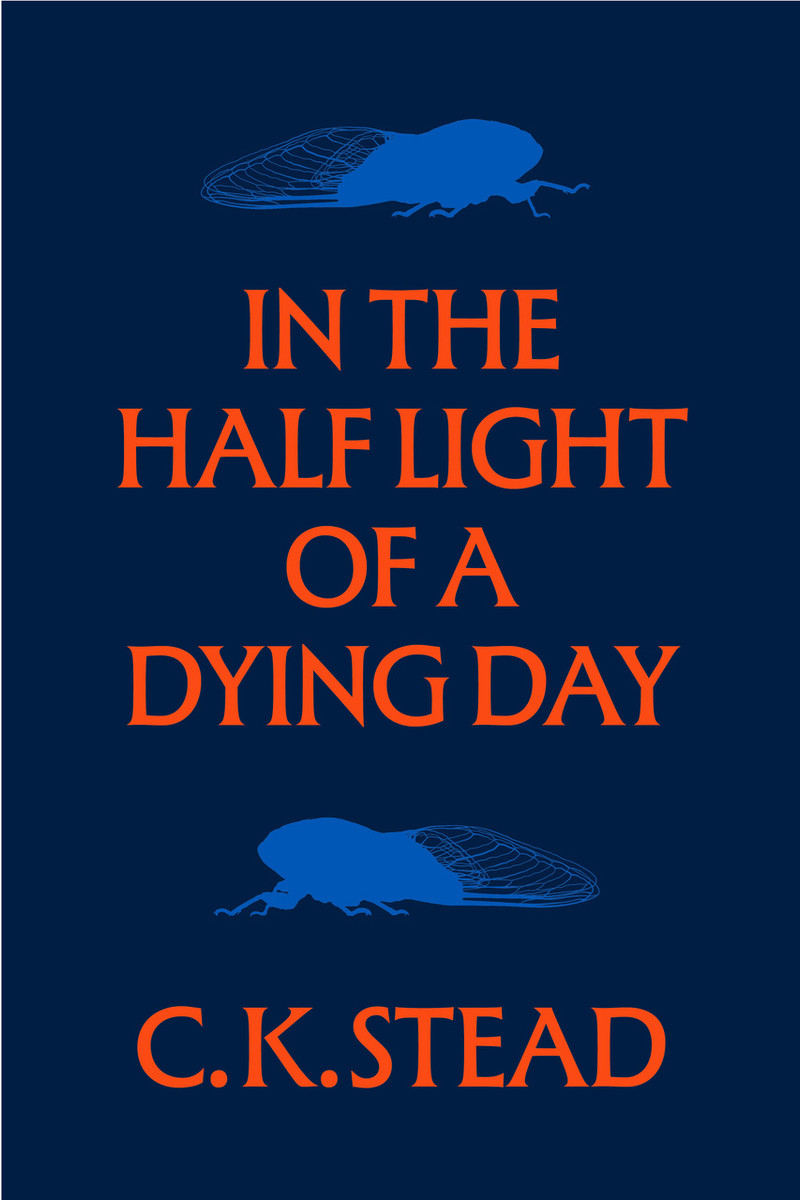
In the Half Light of a Dying Day, C.K. Stead
Auckland University Press, 2024
First light
Kezia’s funeral
Catullus
was yours too
no need for another.
Fine weather forecast
and an early tide
you are up at first light
to swim at Kohi
remembering days
when Kezia swam with you there
to the yellow buoy
in a sea that looked like glass
and felt like silk
and the vast beautiful harbour
under the enigma
of Rangitoto
felt like forever.
Talking to the cat
To Nico Catullus tries to speak only
Māori
which has been recommended
as a way of learning te reo.
Nico replies volubly
(he was always a talkative cat)
in his own first language
almost certainly
Siamese.
When the nights are cold
he occupies your space
Kezia
and Catullus sometimes half-wakes
to the sensation
of a small rough tongue
licking his hand.
It’s Nico’s way of saying
I know you miss her Catullus. So do I.
C. K. Stead
C. K. Stead has been writing versions of Catallus poems since 1979, also drawing upon Clodia, the woman believed to be the origin of Catallus’s Lesbia. Karl introduces a new figure, Kezia, borrowing the name from a child in Katherine Mansfield’s Burnell stories, a child believed to based on herself. Karl suggests his new collection, In the Half Light of a Dying Day, might be ‘read as a work of fiction’.
For me, this deeply affecting book, offers an album of bridges. I traverse the bridge from Caesar and his men away at war to ‘the lantern light / around the kitchen table / the women talking’. I cross the bridge between the farm up North with the calling morepork and another bloody battle. I am stalling on the bridge between Kevin and Karl sharing a wine or a poem and Catallus and Sappho penning verse. There is the bridge between our vulnerable world teetering on ruin and a world of hope and resourcefulness. I walk the bridge between the deeply personal and the imagined/documented past. More than anything, there is the bridge between love and grief, illness and death.
The poet is speaking in the ear of Catallus, the ear of Kezia, in the ear of the reader. He is speaking with heart on sleeve, sublime music rippling along the line, music that enhances the slow-paced revelations, the acute observations, poignant hypotheses, the building talk. In this lyrical unfolding, in this Calvinoesque city of bridges, poetry becomes a form of attentiveness, for both reader and writer.
There are many ways to travel through this extraordinary collection. To savour the contemporary references and locations along with those from the past. To see this as a personal navigation of loss, grief, love. To move from beloved to the wider reach of humanity. This is story. This fiction. This poetry. This is a book of love that I will carry with me for a long time.
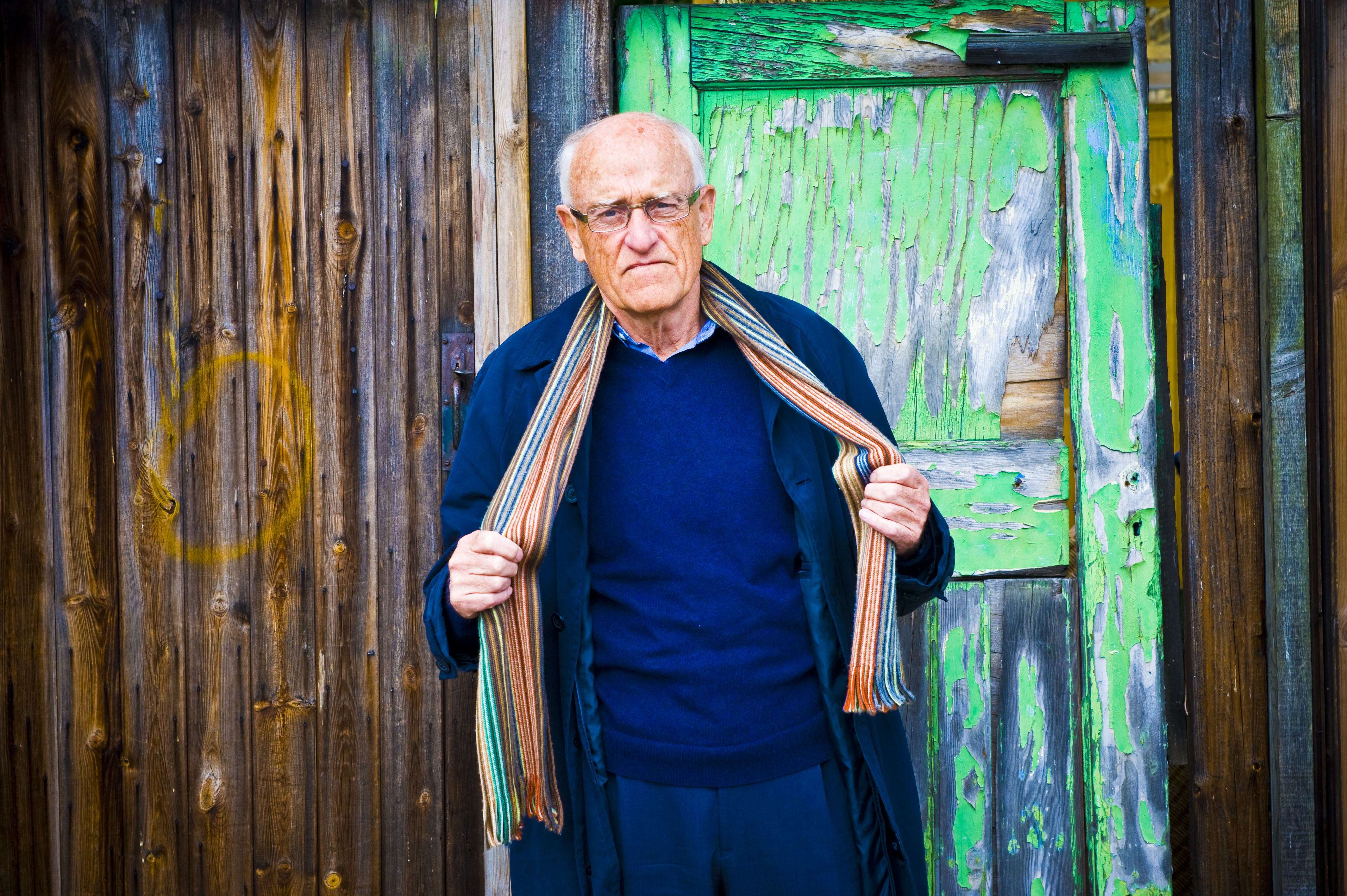
C. K. Stead is an award-winning novelist, literary critic, poet, essayist and emeritus professor of English at the University of Auckland. He was the New Zealand Poet Laureate from 2015–2017, has won the Prime Minister’s Award for Fiction and is a Member of the Order of New Zealand.
Auckland University Press page
 NZ Poetry Shelf