
spell to keep things firm and intact
in spite of counterspells
move the hair from your face / be reflective as a cat’s eye /
become intimate with what you can touch with your hands
/ collect flora from the forest floor / shells from the foam of
the tide / find days that are silken and healing / get used to
living underneath / the same sky / when things won’t stop
coming apart / in an almost sexy way / become life-size / be
gentle to gentle things /
spell to survive
Today I put my anxiety into a card for Natalie like
a pressed flower
Today I walked around in the sun and waved to everyone
in the other ocean
Today the light wanted to come through
Today I lay under a bed of leaves
Today I woke up and kept waking up
Today there was green green green I fell into
Today I mailed out my grief in shiny gold envelopes
Today I found a long black strand of hair and held it up
to the sun as an offering
Today I couldn’t see the future but I heard it like
a branch snapping
Today I texted the sky ‘I don’t want this’
Today I remembered the big red moon in my dream
Today there was a little hope
Today there was not
Today I turned 31 and felt each of my years like a
multi-tiered wedding cake
Today I could not touch anything within my reach
Today I walked up the hill and came back down again
Today the windows reflected me
Today I saw the sea and felt it fill my lungs
Today I put on my pink mask
Today you stood closer
spell to gain courage
love wide-open against the natural framework / sinking
always across phenomena / shift the form and work the
despair until it is hollow / when you can’t see through the
fear / you have to reclaim your structure / rearrange the text
until / you can see yourself there in it /
Stacey Teague
3 poems from Plastic, Te Herenga Waka University Press, 2024
Poetry Shelf’s Monday poem spot usually features unpublished poems, but recently I’ve posted poems that have travelled with me over time, whether months or years or decades. I have a physical poetry room in the house with a substantial book collection, but I also have a poetry room in my head where I store poetry to return to, poems that haunt comfort astonish.
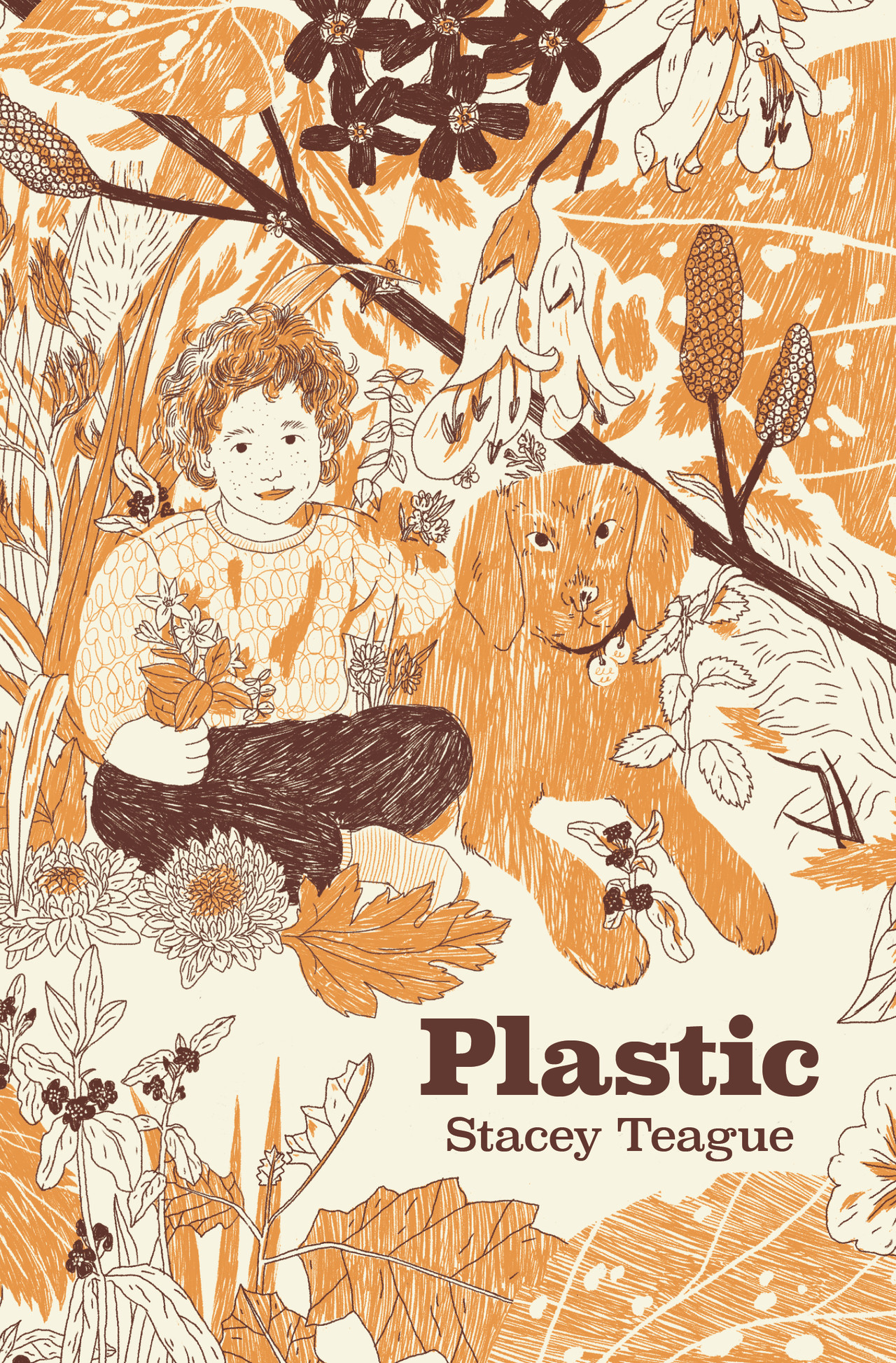
Stacey Teague’s Plastic (Te Herenga Waka University Press, 2024) is one such collection. In particular, the spell poems that are like daily reinforcements, heart boosts, poems demanding replay. I had trouble choosing three to share with you. In my review I wrote: “I have jotted down so many lines I want to quote to you, in order to share the heart-rich rewards of this glorious book. This is a book to pack an overnight bag for, to sojourn within and beyond, to reflect upon and to re-emerge nourished. I am wondering if poetry can also be an amulet that protects ‘the heart’s pulses’. I love it.”
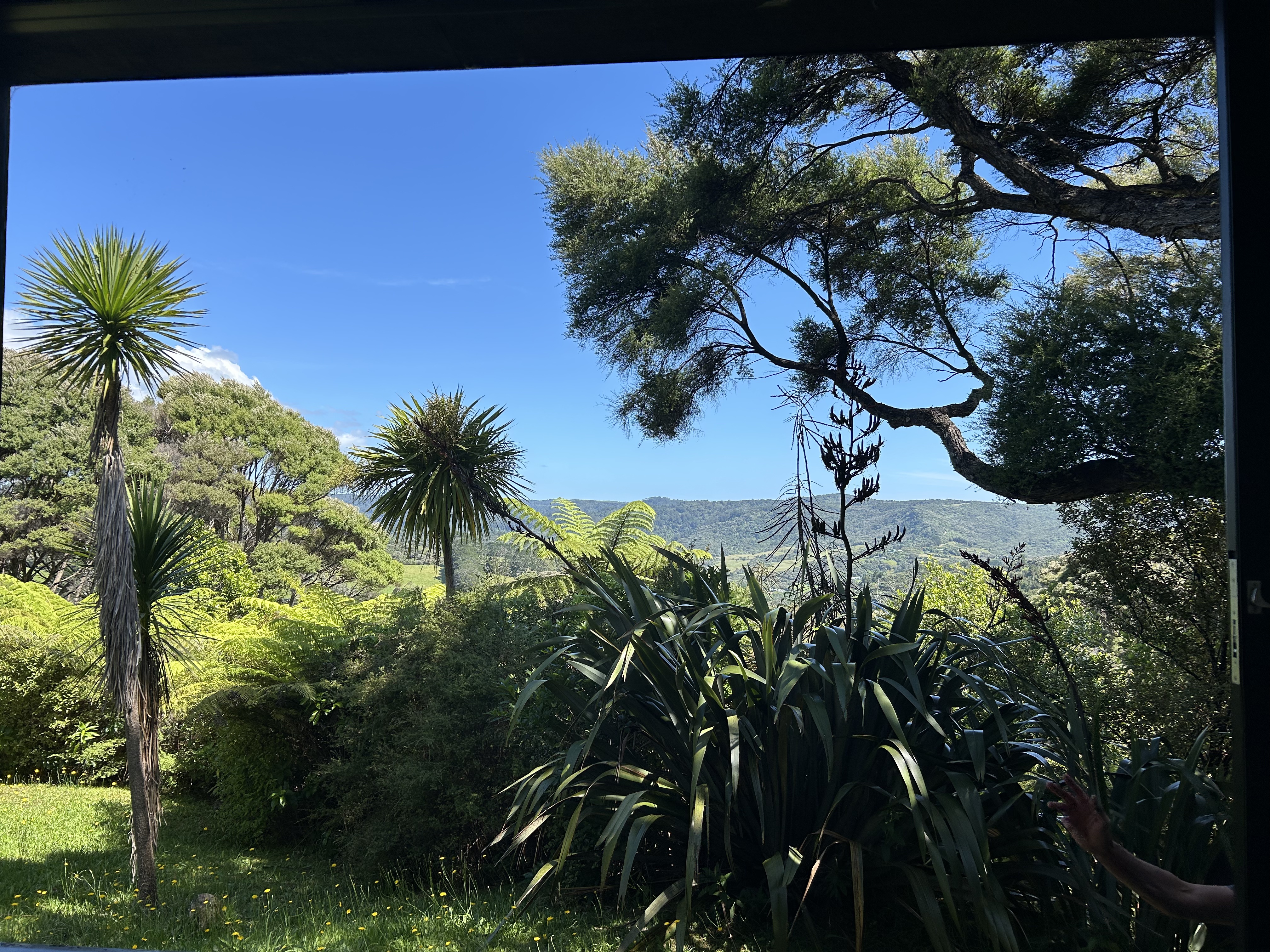
Poetry in Aotearoa is akin to the view from my windows, weird analogy I know, but it is expansive, opening wide upon sky bush land, with myriad musical tracks, imaginings, with birdsong and leaf dance, a meeting place of storm beauty clouds growth new beginnings death harvest. We are reading writing performing reviewing publishing poetry with hearts blazing, with speed and with slowness, gentleness and fire, against all odds, with love and with heart. I agree with Anna Jackson’s opening line: “This has been such a dark and troubling year but also lit up with so much that is wonderful”. And with Louise Wallace’s: “This year, particular poems have been seared in my mind with blinding lines and palpable heartbreak.”
A huge thank you bouquet to all the poets who contributed to the collage.
Poetry Shelf 2024 Highlights Collage – part one here
Louise Wallace
by Chris Tse
This year, particular poems have been seared in my mind with blinding lines and palpable heartbreak. I have seen these poems shared and reshared on social media, which is a wonderful way to both admire the work that goes into these pieces and ensure that these issues stay front and centre. I’m grateful to these hard-working poets who continue to direct our attention here – to global and local injustices – and who demand that we do not look away.
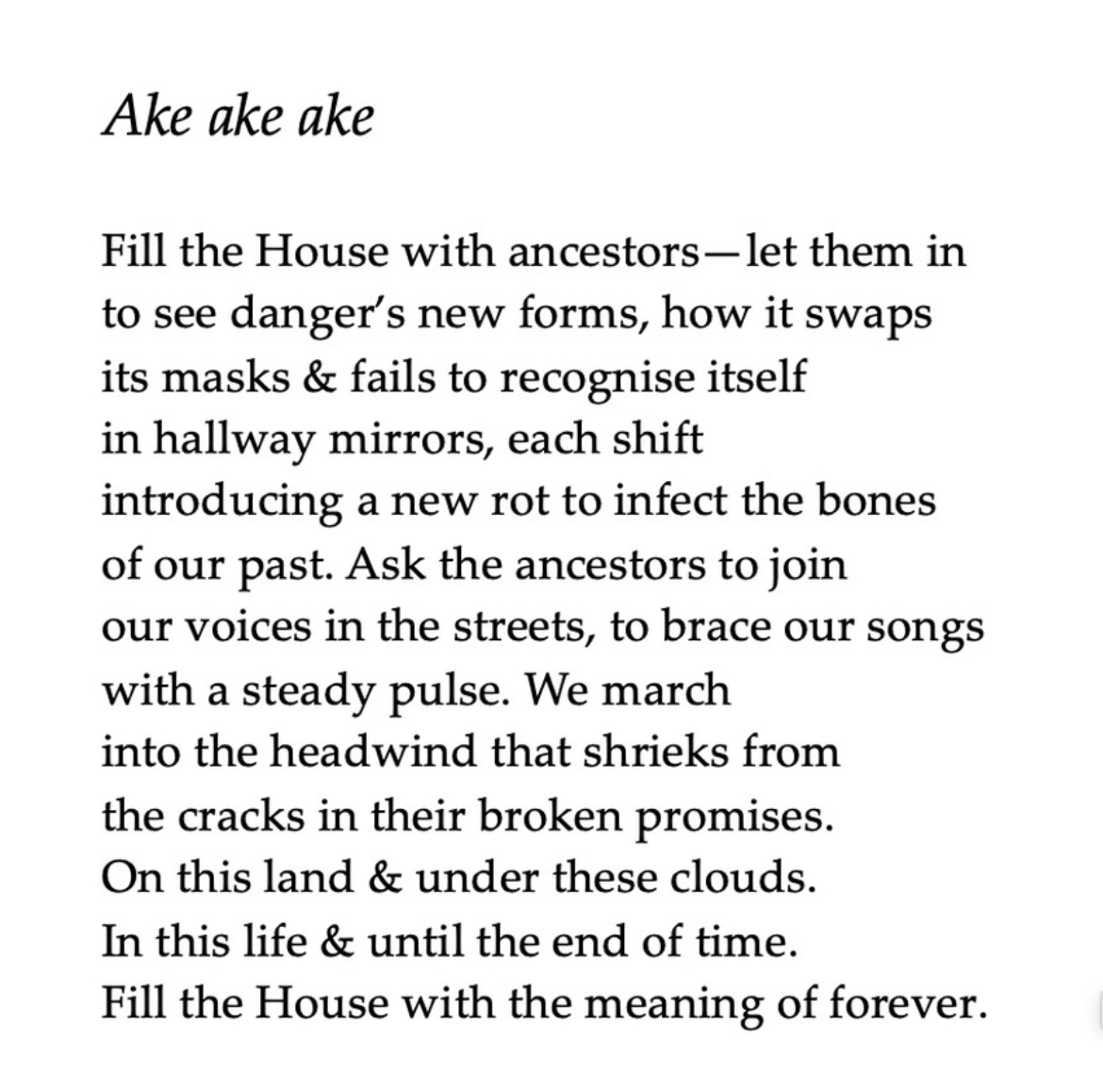
These poems include Omar Sakr’s pieces on the genocide in Palestine (a thank you to Starling Editorial Committee member, Khadro Mohamed for bringing me back to this series), many of which can be read on and shared from his Instagram and will be published by University of Queensland Press as The Nightmare Sequence in 2025. On the same topic – Loretta Riach’s devastating ‘Reverse Tragedy’ from Starling Issue 18. Finally, Chris Tse shared a scorching poem ‘Ake ake ake’ (pictured above) following the November hīkoi in response to the proposed ‘Treaty Principles Bill’ – it is of course, not too late to make a submission on the bill here.
Anna Jackson
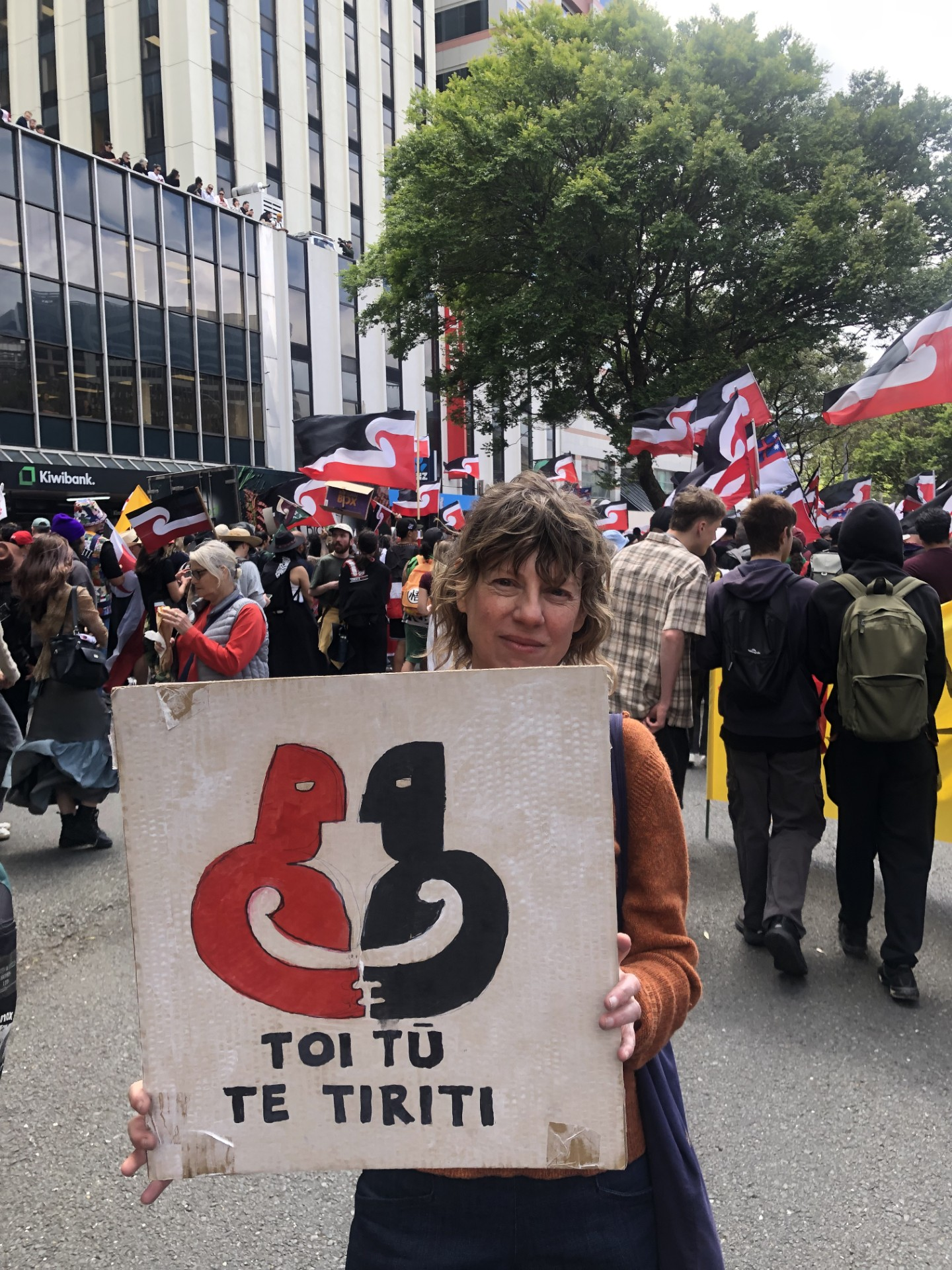
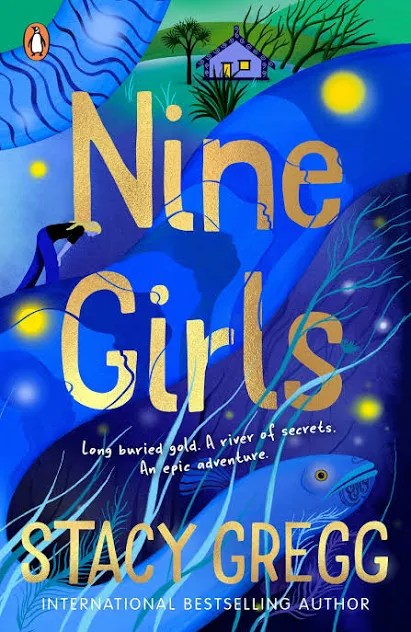
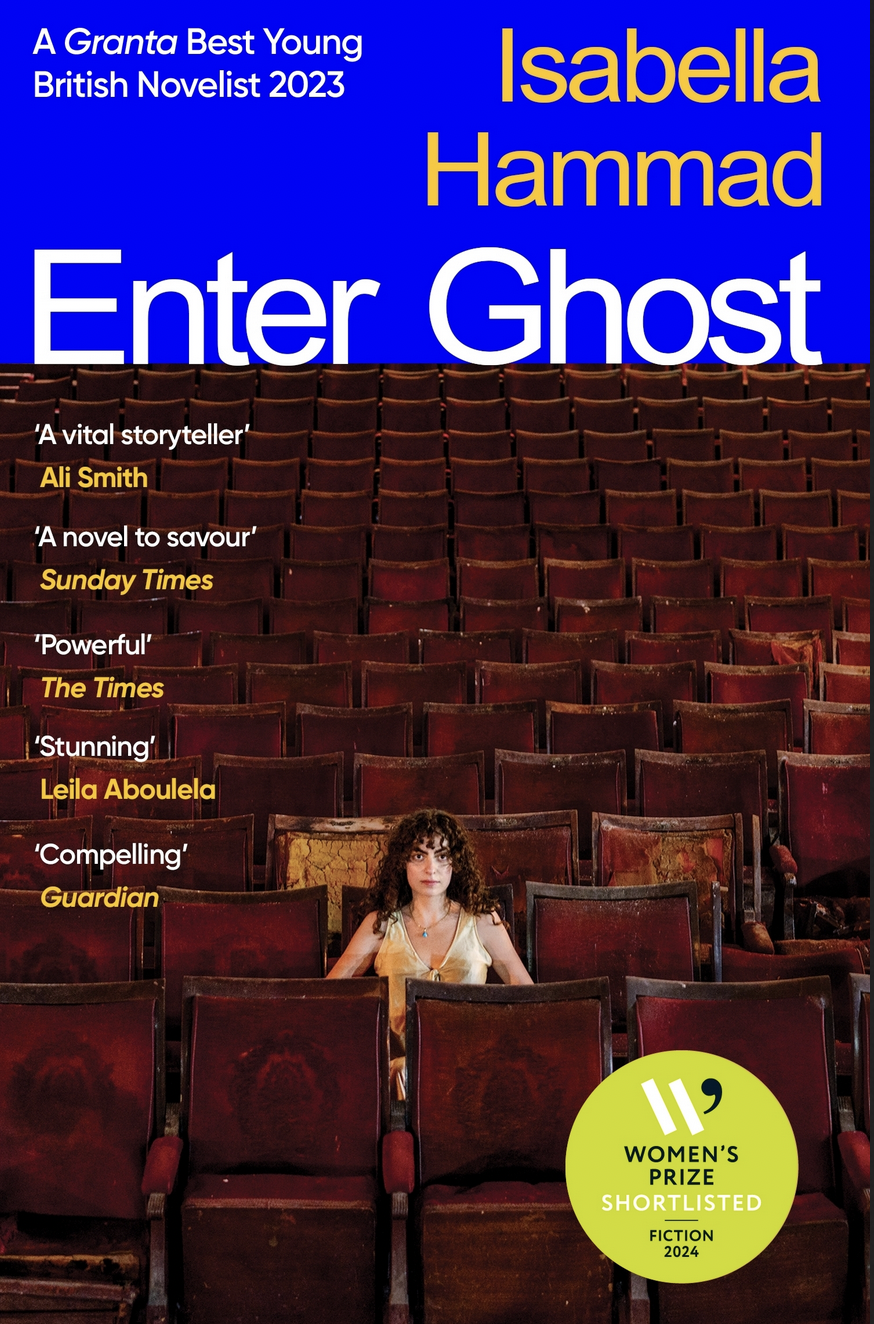
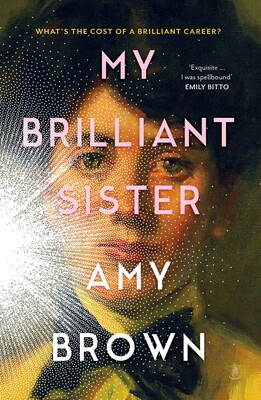
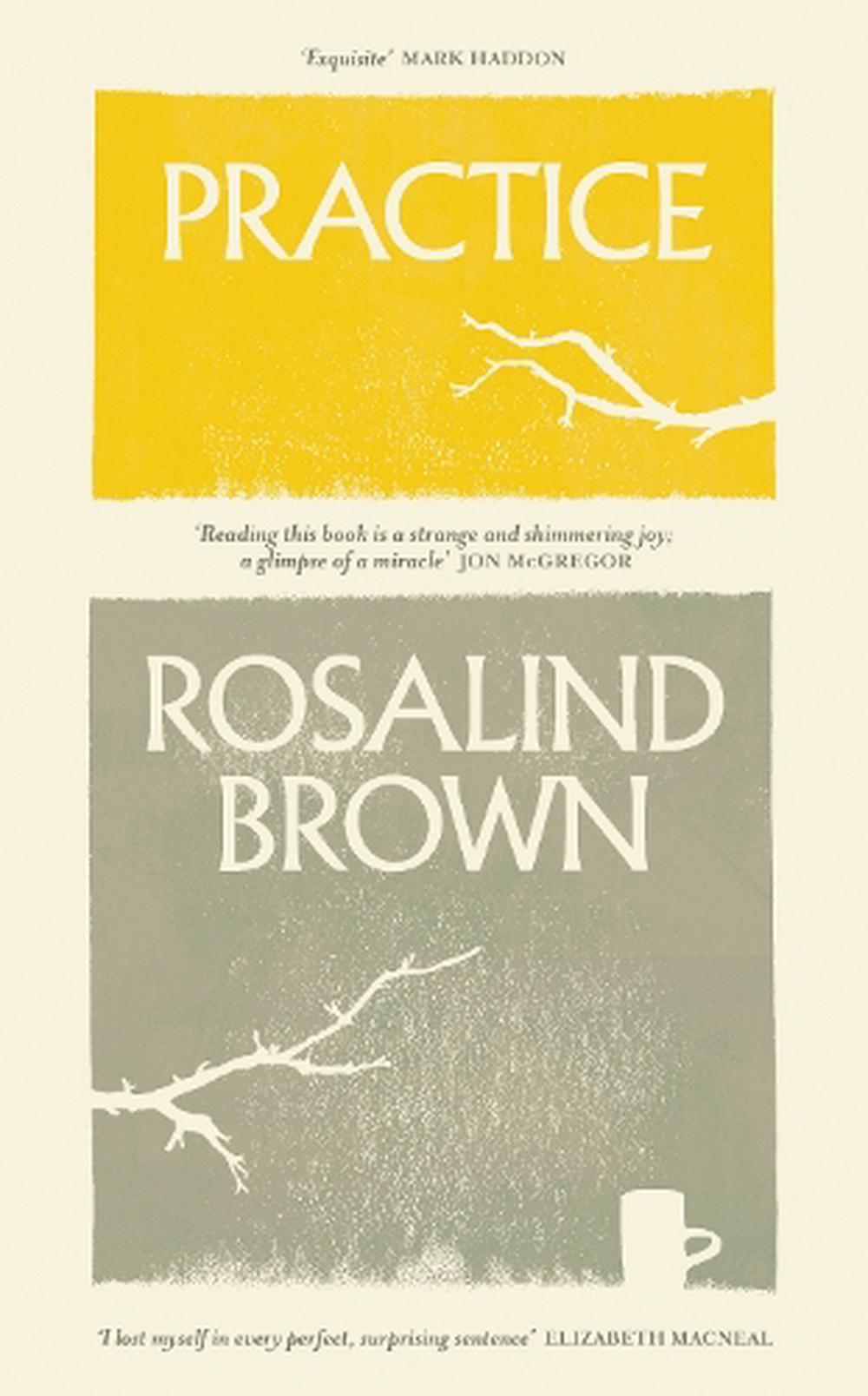
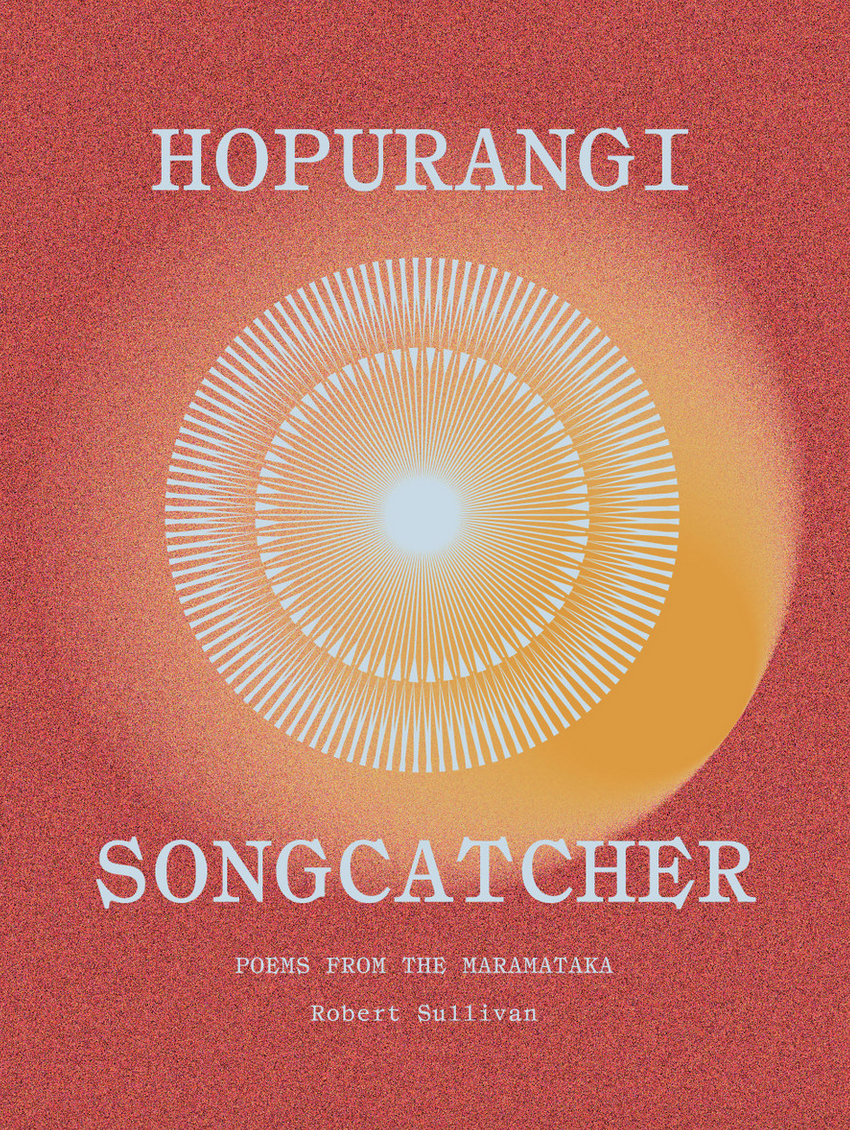
This has been such a dark and troubling year but also lit up with so much that is wonderful, such as Zia Ravenscroft’s “They beheaded St Valentine” and the whole of Starling Issue 18 that this poem appears in. I had several brilliant poets in both of the classes I taught, American Literature and Reading and Writing Poetry, so that meant every week was highlit one way or another. The hīkoi was a highlight. The launch of Robert Sullivan’s Hopurangi: Song Catcher (AUP). Writing my book, ‘Terrier Worrier’, coming out next year with AUP, while house-sitting Edreen’s cat Oli. Going to a Tiny Ruins concert in the Begonia House, in Wellington’s Botanical Gardens. Please, Wellington City Council, don’t pull down the Begonia House. My Brilliant Sister (Scribner), Amy Brown’s very wonderful novel; Nine Girls (Penguin), Stacy Gregg’s novel for adolescent readers, her best yet; Isabella Hammad’s Enter Ghost (Penguin), a novel about a performance of Hamlet in the West Bank; Stacey Teague’s Plastic was a highlight, Practice (Orion), a novel by Rosalind Brown about writing an essay. Starling Issue 18 was full of poetry highlights, including Aroha Witinitara’s “The Production,” already famous in poetry circles as the Frog Poem. Also in Starling 18: Jackson McCarthy’s “Still Life at Sunset.”
Gregory O’Brien
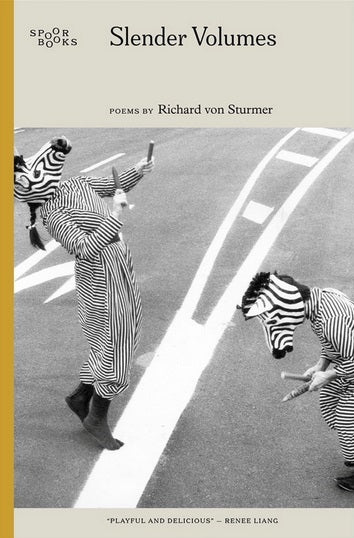
Richard von Sturmer is one of the greats. And so too is his new prose-collection Slender Volumes (published in an exquisite edition by the recently landed Spoor Books). Reading Richard is like having your eyes and mind and heart and soul polished. Polished, in fact, by two whirling dervishes in zebra outfits, singing their zebra songs and providing musical accompaniment. But then, a moment later, a Zen-like calm descends upon all…
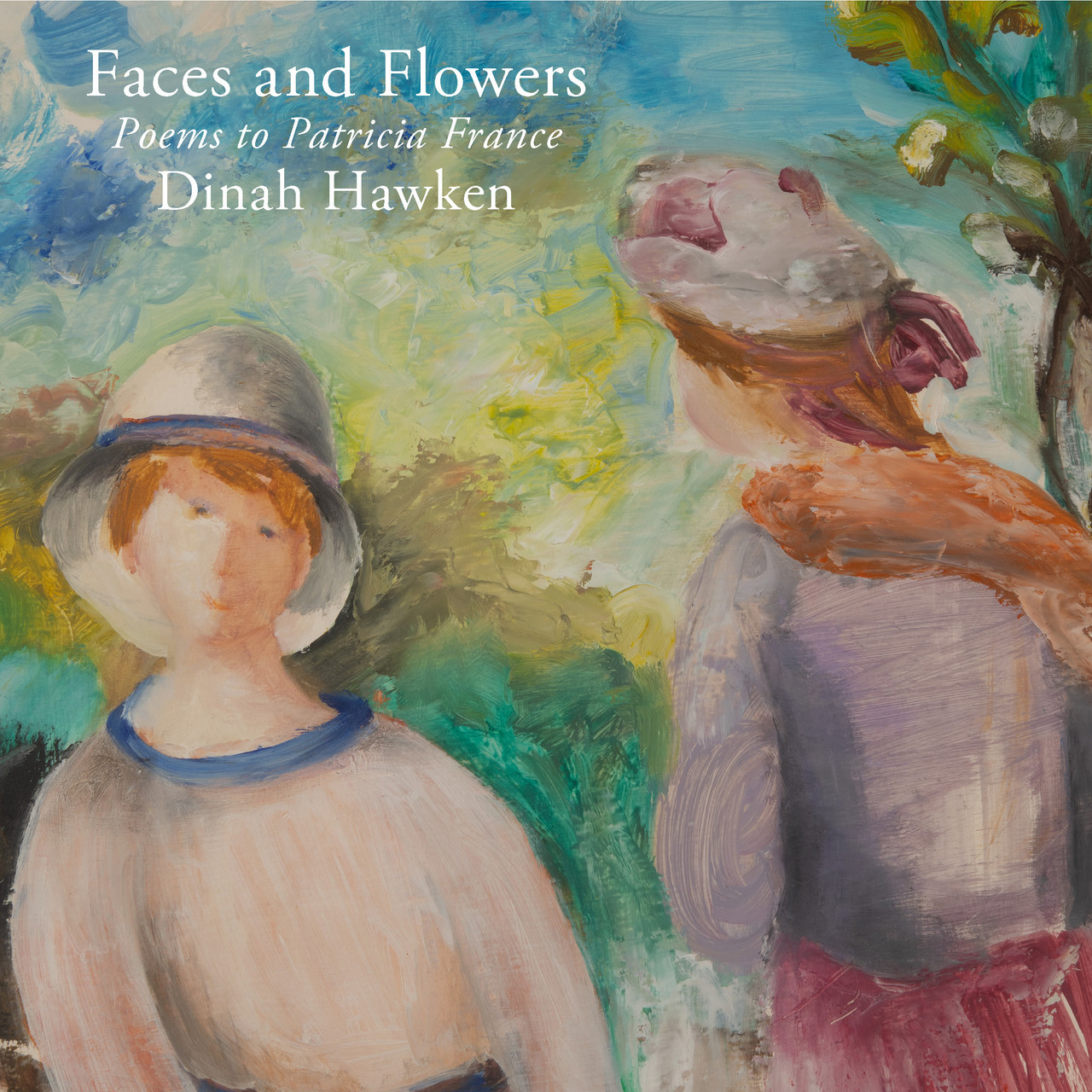
Alongside that, I’d place Dinah Hawken’s timeless gem of a book, Faces and Flowers (THWUP), which features the paintings of Patricia France (1911-1995). Lyrical, understated, a little sad, Dinah’s poems talk to the paintings and vice versa—and it is the most beguiling and disarming of exchanges. (By the way, anyone wishing to know more about the artist should look up ‘Patricia France Painter’ on Youtube.)
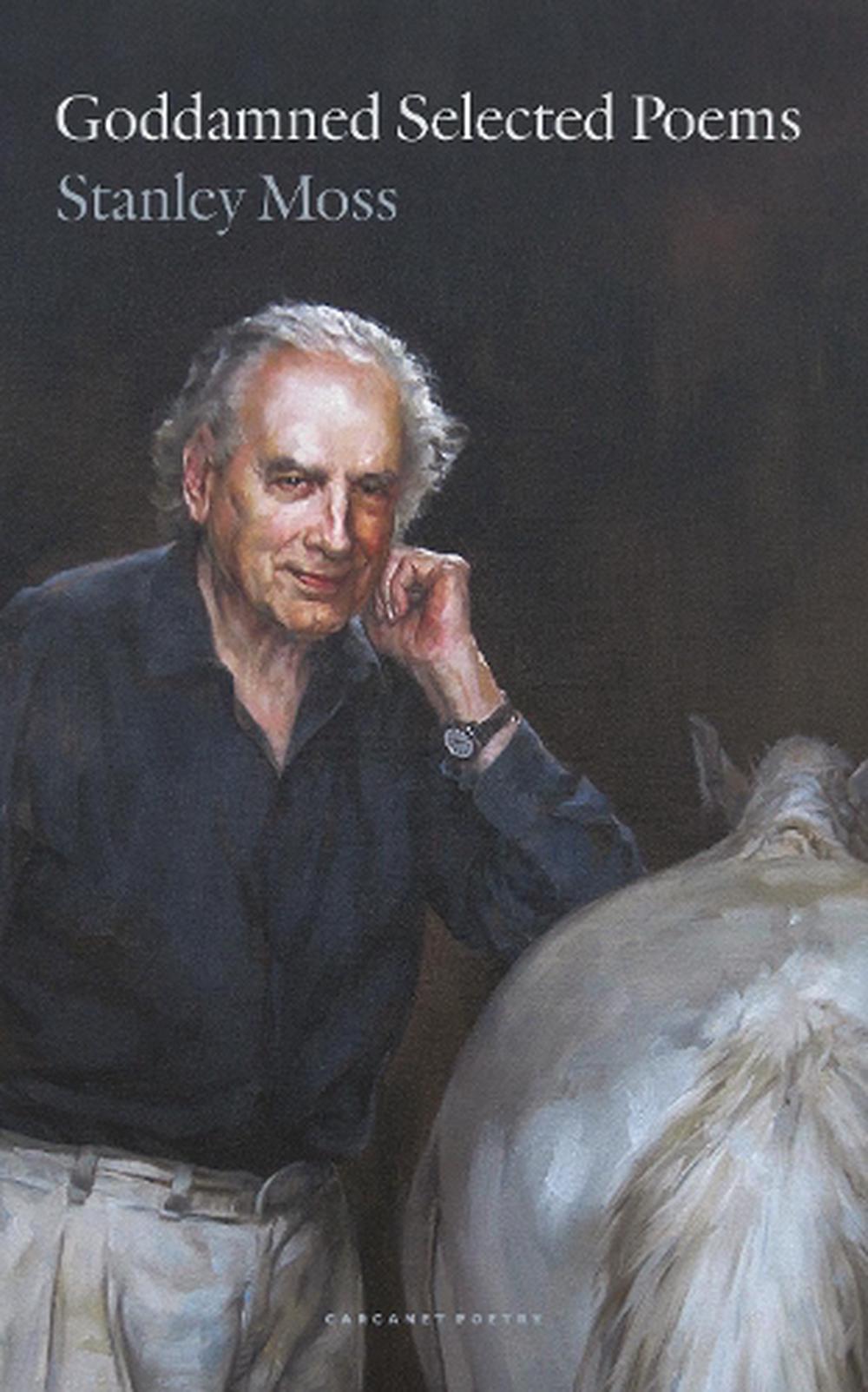
Having had the good fortune of arriving in Manchester, UK, early in 2024, I was promptly handed a collection by the American poet Stanley Moss, then in his 100th year. By the time Carcanet released his nicely titled Goddamned Selected Poems midyear, Stanley was gone. The book is stacked to the gunwales with marvellousness. His publisher Michael Schmidt wrote an obituary which serves as an excellent curtain raiser to the verse itself.
While in England, Jenny and I gave a reading with a youngish Jamaican poet Christine Roseeta Walker. Her book Coco Island (Carcanet) is fiery, imaginative, magical (but plausibly so) and full of life and character–more than sufficient to make the midwinter city of Manchester feel like a sun-drenched, bird-heavy, wind-powered waterfront in the West Indies.
Elizabeth Smither
A highlight of 2024 has been writing something between a commonplace book and an irregular diary. I have always loved quotations but this time I decided to accompany each quotation with a loosey loosey goosey kind of meditation. Each quotation was to expand to 10,000 words.
Some of the quotations:
‘If a lion could talk we could not understand him’, Wittgenstein. Not having a lion I substituted a cat and re-read Christopher Smart‘s ‘For I will consider my Cat Jeoffry’.
‘What I mean by a shifty eye,’ continued Miss Marple, ‘is the kind that looks very straight at you and never blinks’. (Check the TV news).
‘Prayer is the contemplation of things as they are from a very great height’, Ralph Waldo Emerson. If I were a boy I would like to have been called Waldo.
‘The canopy of a single mature tree intercepts 40% of the water falling during a storm, so it doesn’t reach the ground’. This will be titled ‘Trees’.
And the writing life:
‘I am not at all in a mood for writing, I must write on until I am’ – Jane Austen on persistence.
‘Don’t tell me the moon is shining; show me the glint of light on broken glass’ – Anton Chekhov on metaphors.
And Simon Armitage on being a practising poet: ‘the sense of being forever apprenticed to an unachievable goal’. How true that is.
David Gregory
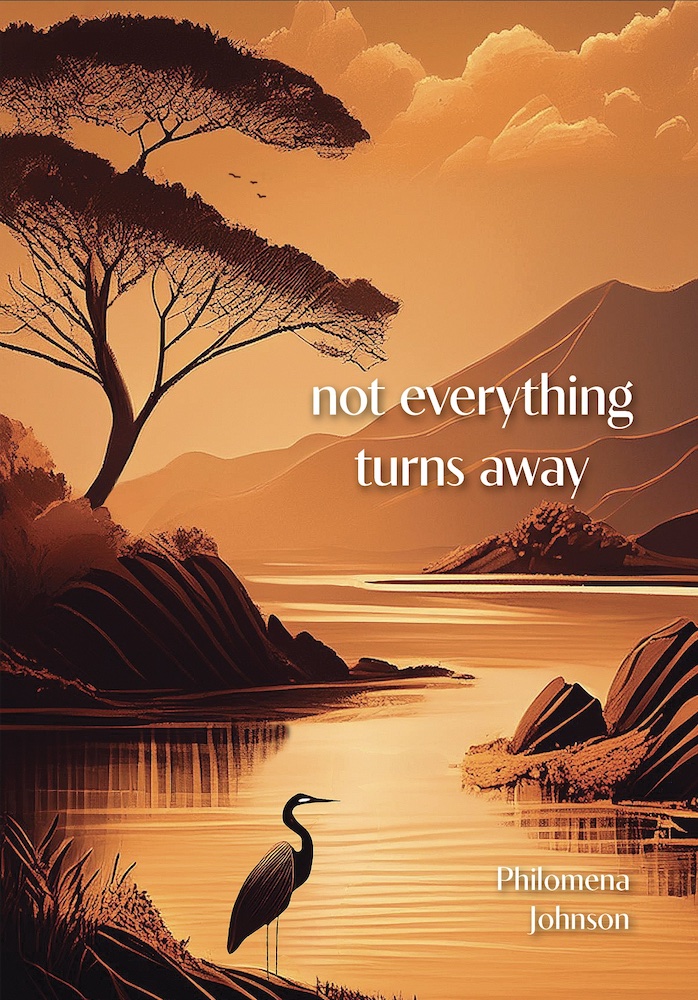
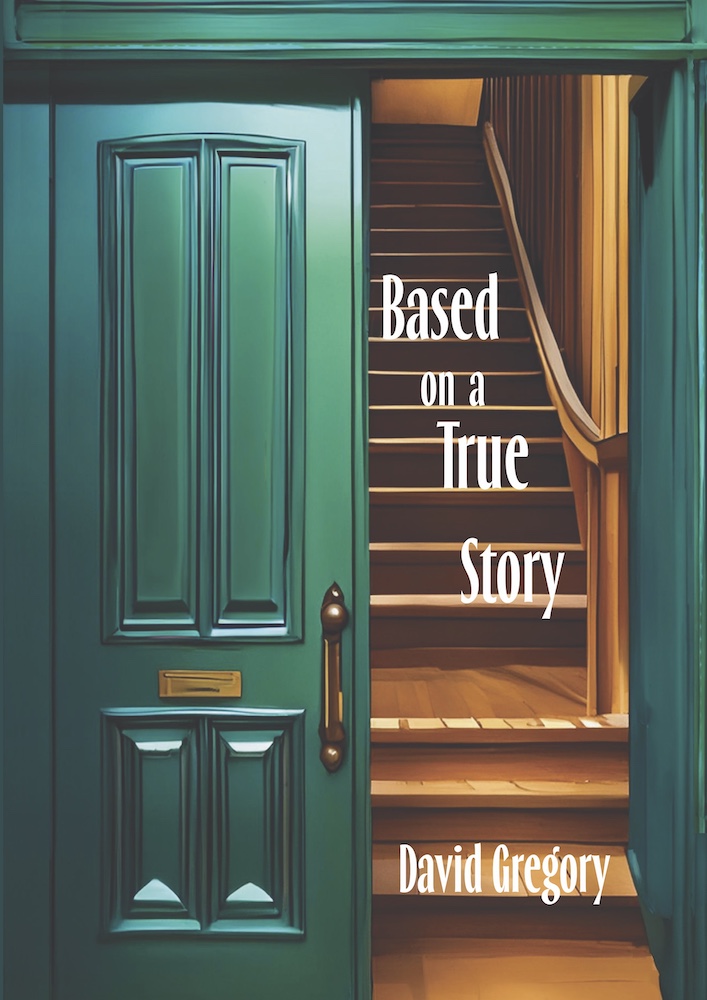
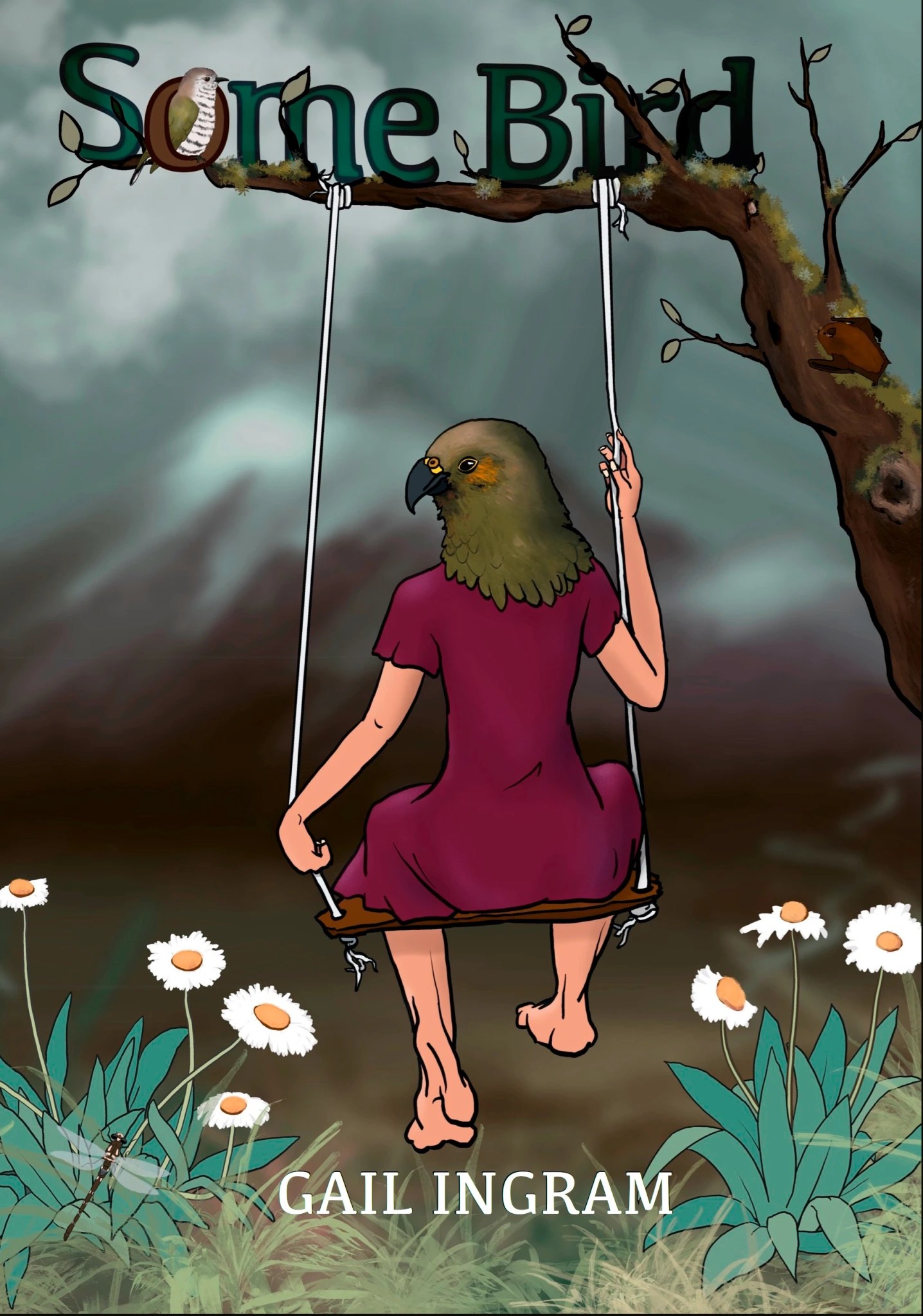
I will stick to the highlights, even though it has been a pretty tumultuous year for my family and for the world. If I can be selfish, the top highlight has to be the publication and launch of my fourth book of poetry, Based on a True Story (Sudden Valley Press). The other highlights are also all about books. The publication by Sudden Valley Press (of which I am the nominal manager) of Gail Ingram’s Some Bird, although this was in 2023. Plus the second John O’Connor Award going to Philomena Johnson’s great book, not everything turns away.
We (SVP) are also working on some great books, which deserve to see the light of day.
A continuous highlight, if there is such a thing, is my amazing family.
Harry Ricketts
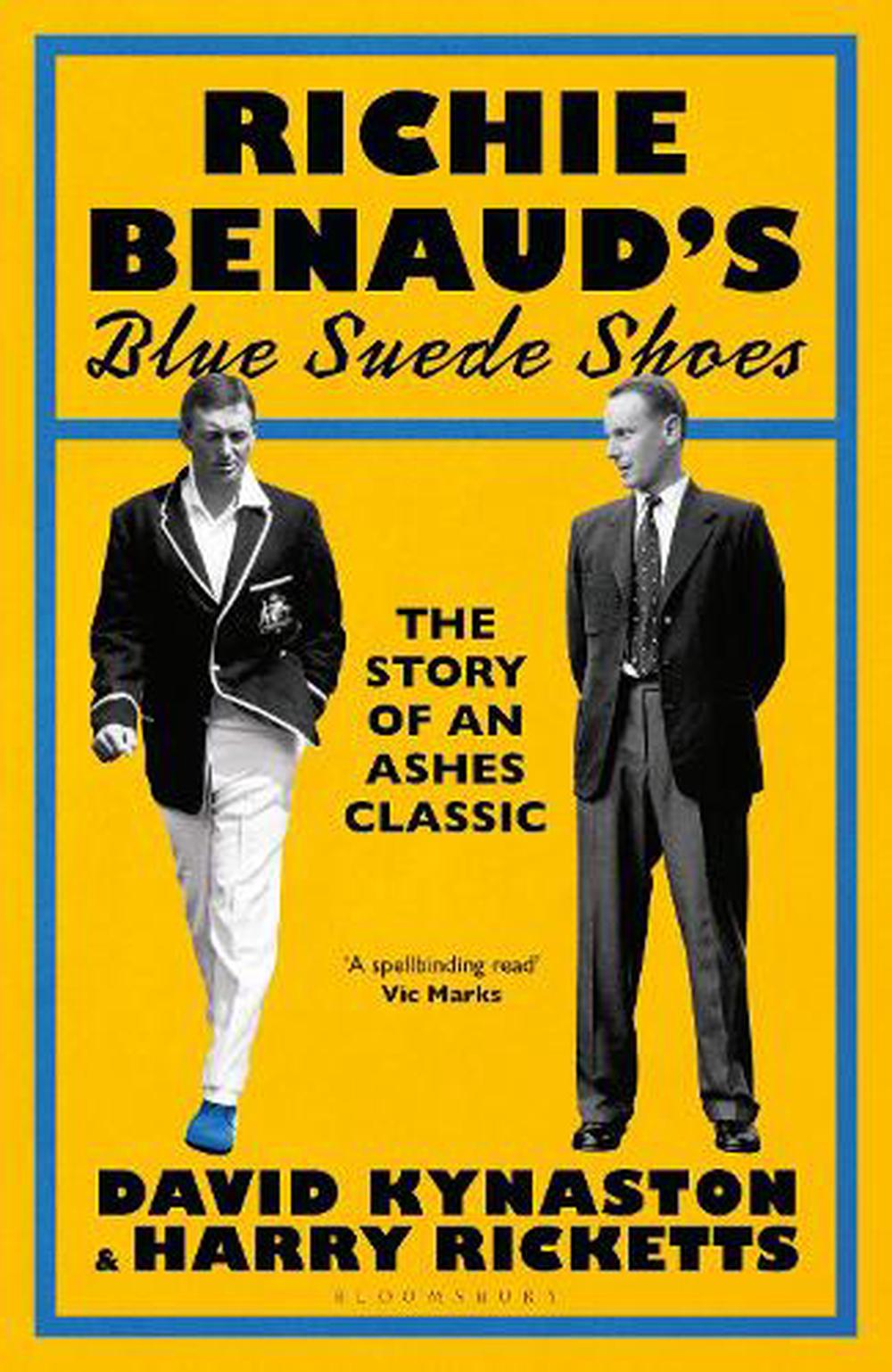
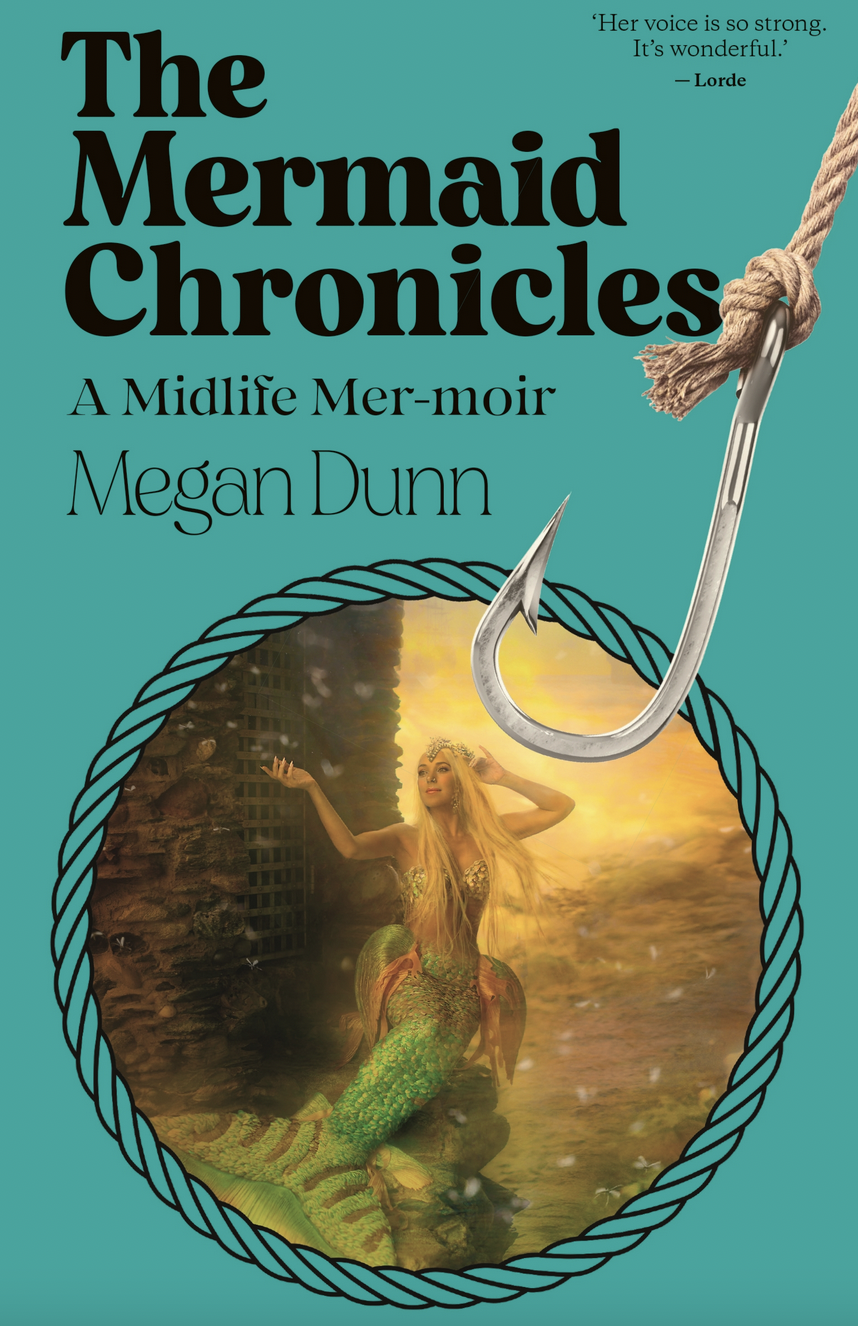
A major highlight was definitely going to Crete for a week and having long, lazy, sun-sinking dinners with children and grandchildren. On the book front, I finally finished Trollope’s six Barset novels (well worth it) and read Victoria Glendinning’s biography of Trollope (ditto). Locally, Megan Dunn’s funny, melancholy The Mermaid Chronicles: A Midlife Mer-moir (Penguin) hit the spot, as did Dinah Hawken’s Faces and Flowers: Poems to Patricia France (THWUP). (I love the way Hawken’s unrhymed sonnets riff off and around Francis’s disconcerting paintings.) Two cricketing highlights were the White Ferns winning the T20 World Cup and the Black Caps thrashing India 3-0 in India. More egotistically, the highlights were the publication of First Things, vol 1 of my memoirs (THWUP), and of Richie Benaud’s Blue Suede Shoes: The Story of an Ashes Classic, co-written with my friend David Kynaston (Bloomsbury).
Jeffrey Paparoa Holman
First of all, on the local front, it just has to be Te Hīkoi mō Te Tiriti, the massive protests we have just seen – some of you were on that road – against Seymour’s egotistical roadblock in the flow history, that bill I will not name. Auē, an estimated 42,000 surrounding Te Whare Paremata in oceanic waves. Made me cry, and rejoice.
Out there in the wider world, for me it’s been Ukraine, as it has since Russia’s psychopathic ruler launched in 2022, his egotistical assault on the country he’s been undermining for the past ten years. The heroism of Ukraine’s citizens, and the terrible price they are paying breaks my heart. I am the child of WW2 survivors. Both parents, and both grandparents, either served in the armed forces or were civilian volunteers. Those who survived bore inner wounds that wounded us.
Those children of Ukraine who survive will also bear a generation’s trauma.
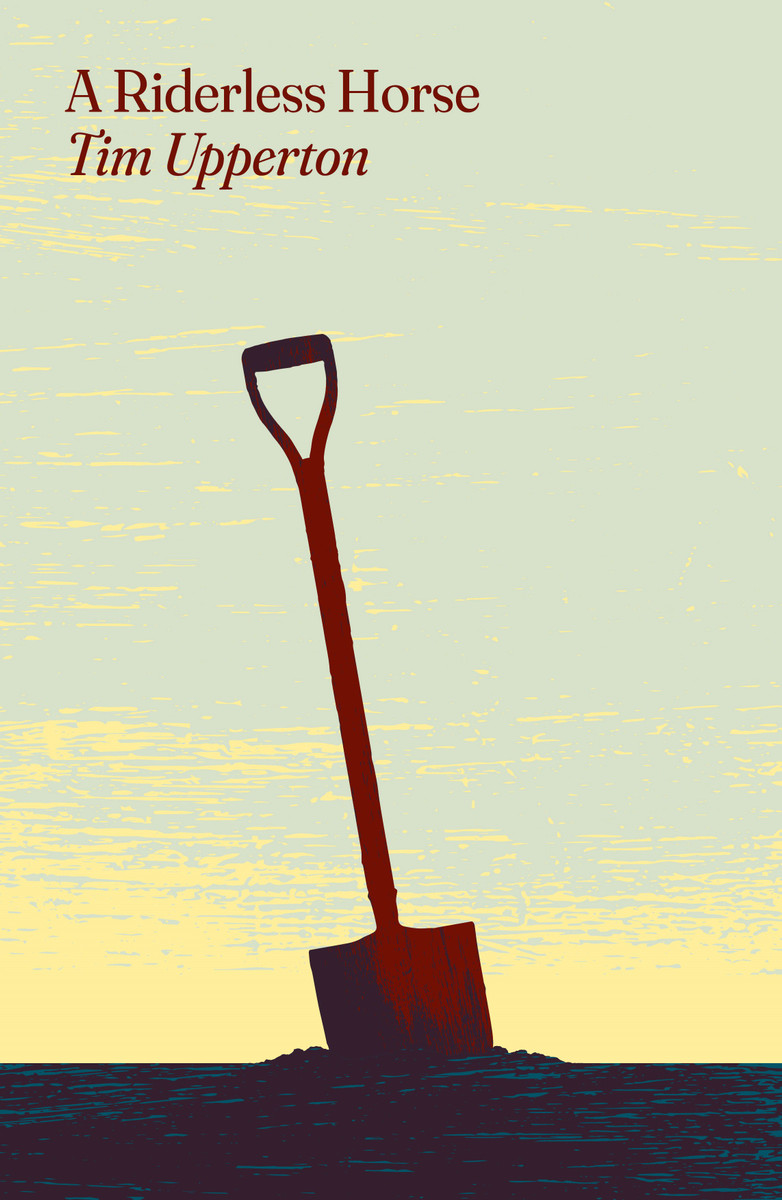
Books, how can I ignore them? Just four I can name as fresh, recently read, or in the process of reading. Poetry, I’ve been diving into Tim Upperton’s most recent work, A Riderless Horse (AUP, 2022). He’s a very fine writer with a range in both style and subject, and a deceptive simplicity of presentation that releases great depth.
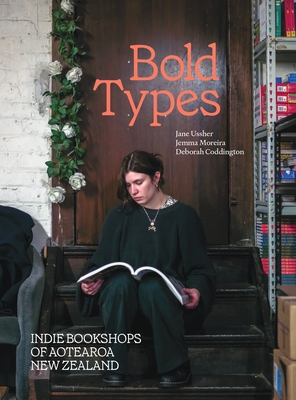
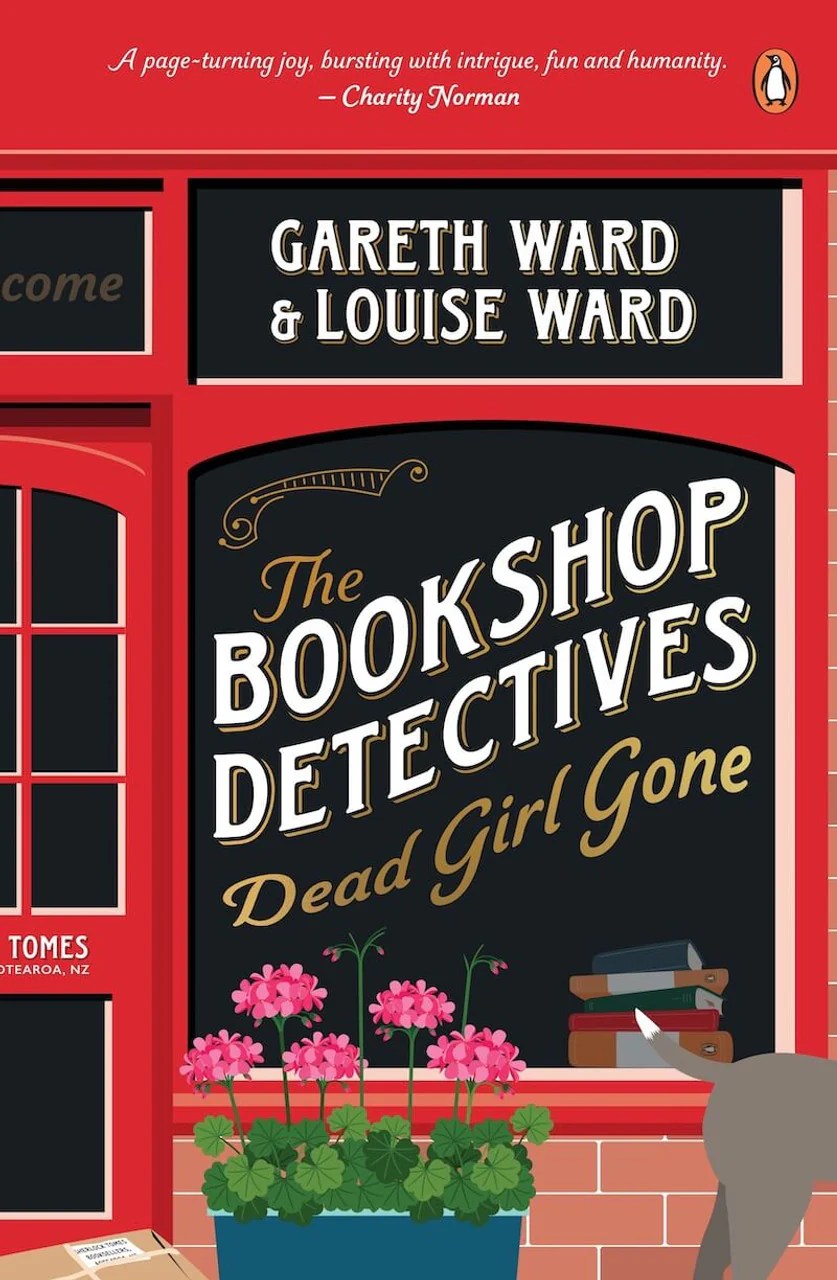
I loved Bold Types – Indie Bookshops of Aotearoa New Zealand (Ugly Hill Press), where Jane Usher, Jemma Moreira and Deborah Coddington opened up the world of independent local bookshops in print with such lavish photography. One of the shops featured, Wardini Books, in Havelock North and Napier has produced a best-selling crime novel, The Bookhop Detectives – Dead Girl Gone (Penguin), which I am happily devouring.
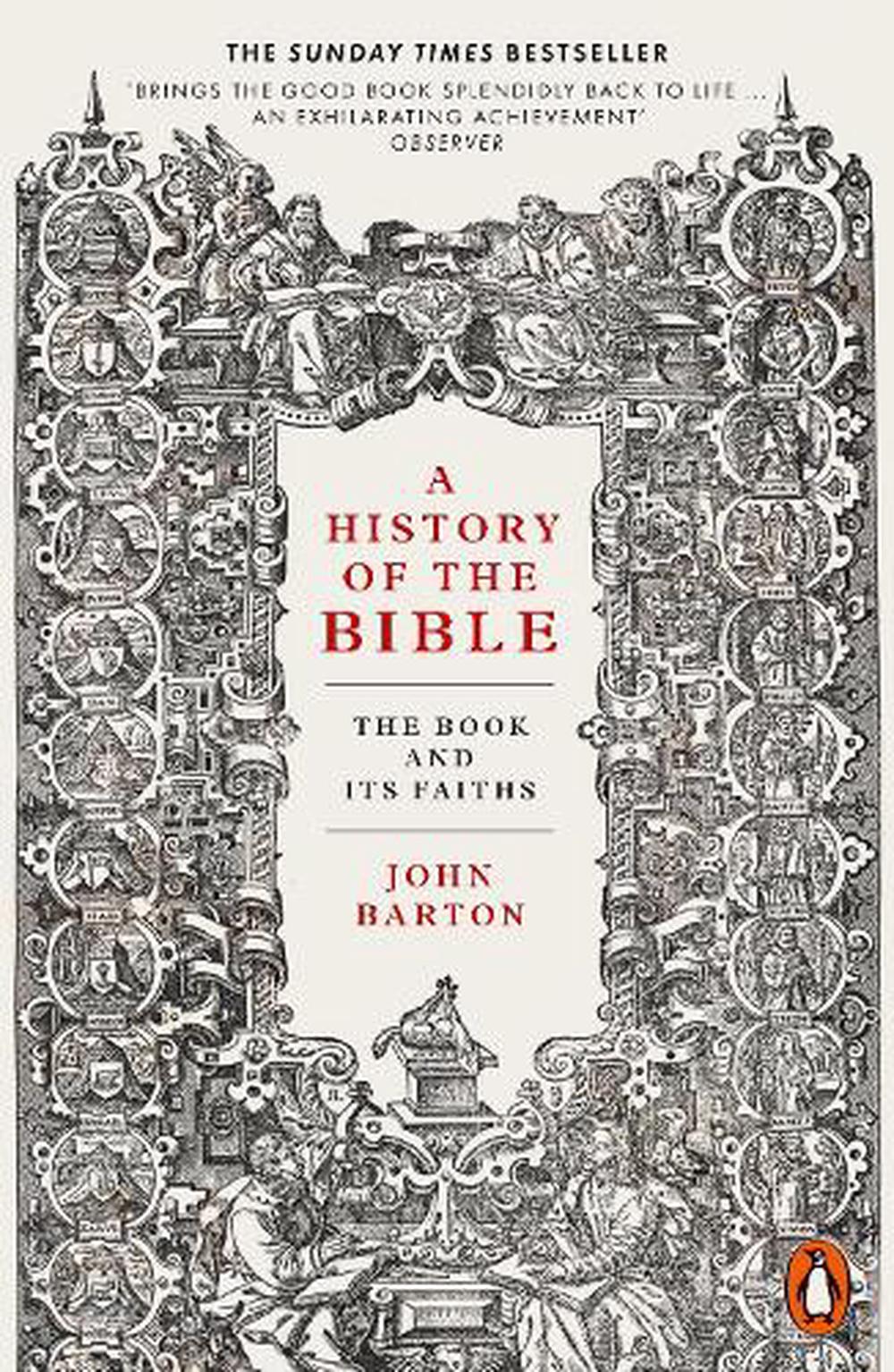
On the non-fiction front, I’m now digging into the magisterial work of John Barton, A History of the Bible – The Book and its Faiths (2019), recommended by a very rapid-fire biblical scholar my wife follows on Tik-Tok. No more than a dozen pages in, I can report on the erudition, superb style, the sheer sweep of this work. It is going to carry me over Christmas, and all the way to Easter, with fresh eyes, with open ears.
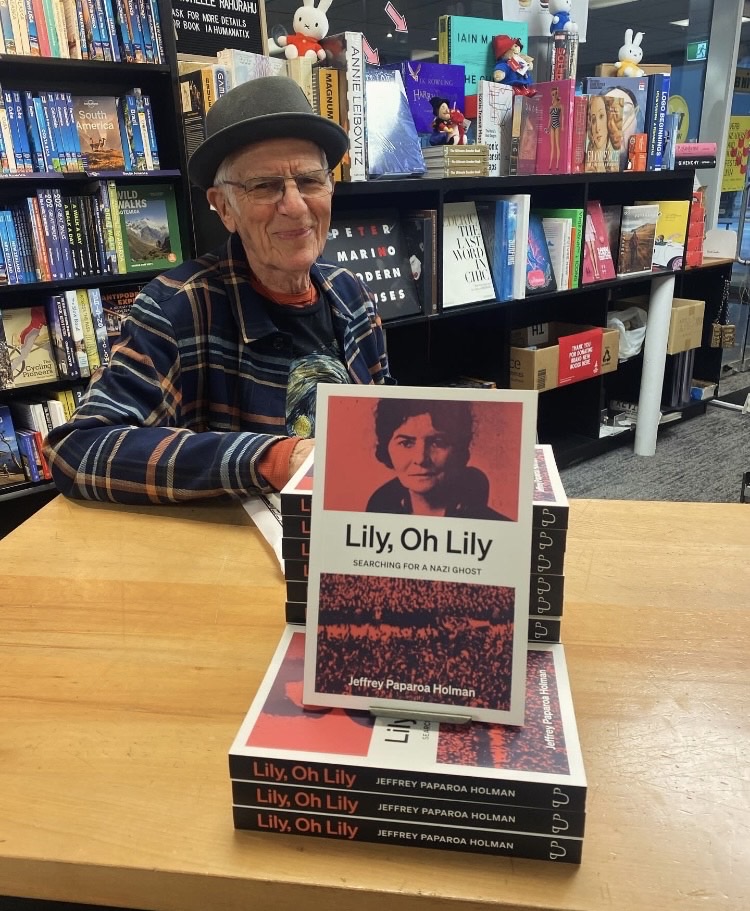
I’m also rejoicing in getting my latest work of non-fiction over the line, brought to the light by the most excellent Canterbury University Press, their designers, their proof readers, printers and distributors. What a combination of talents it takes to do all this, we writers can so easily forget to herald. Thank you, all of you, for making Lily, Oh Lily – Searching for a Nazi Ghost, a reality, out there now, set free in the world.
Reihana Robinson
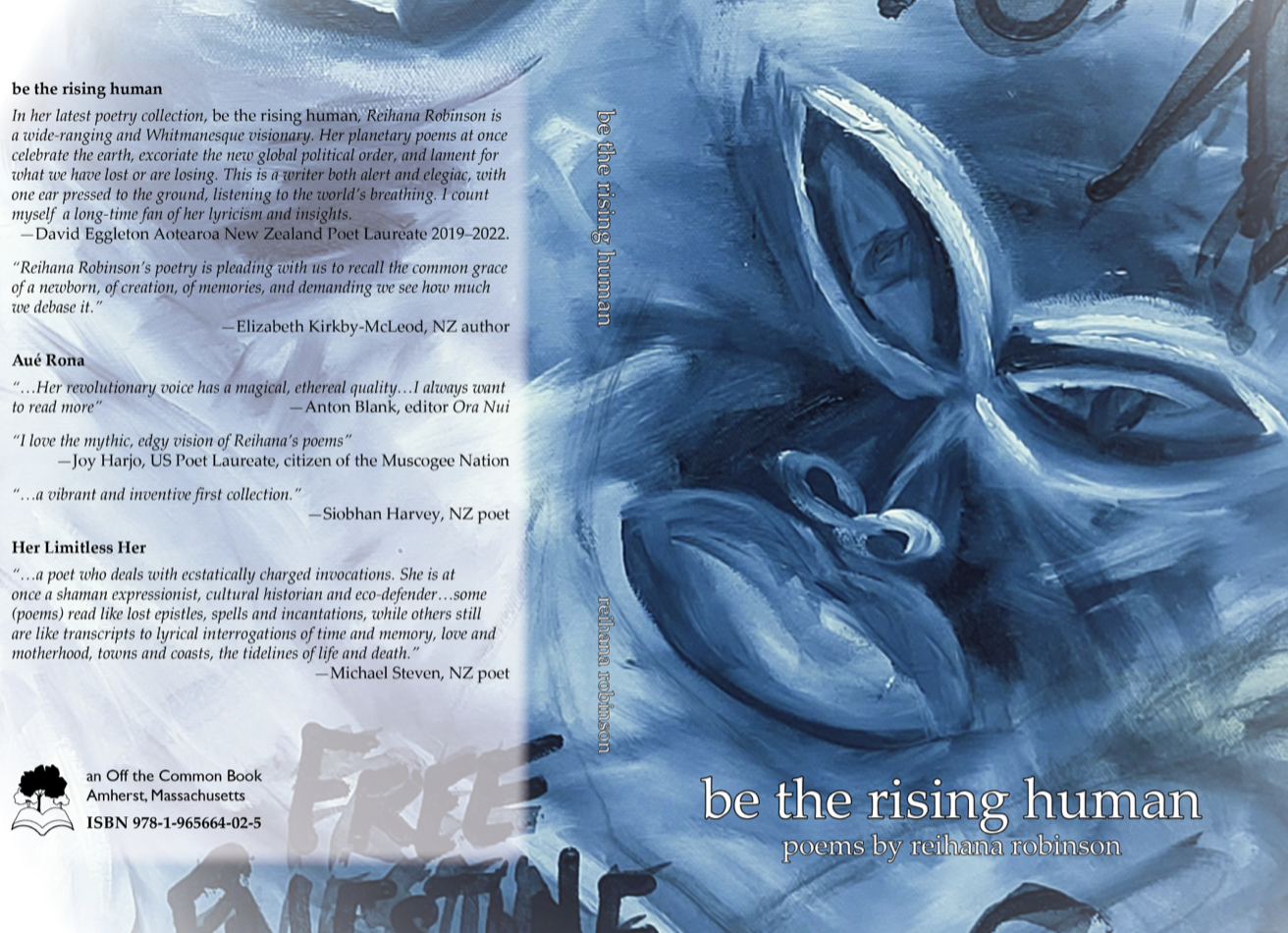
As my third volume of poetry is a fundraiser for Kia Ora Gaza and the Palestine Children’s Relief Fund PCRF (NZ), I would like to share the final poem ‘Children of Gaza’. When we learned of the journeys of renowned Auckland specialist Dr Alan Kerr, paediatric and cardiac surgeon who, with his wife Hazel (now friends), worked in Palestine over many years under the auspices of PCRF (NZ). The organisation does the hard work of humanitarian justice that my words can only skim.
Children of Gaza
Where are the children of Gaza?
Gone from the wedge of land
of no water, no fuel, no medicine—
gone from the land of no sanctuary
Where are the children of Gaza?
Come out. Come out. Why are you hiding?
Why so secretive?
Your mother’s embroidered skirts will not save you
The eaves of the hospital will not save you
Your holy places will not save you
And we are complicit
We don’t stop the bombs
We don’t stop the machine
Swept under the carpet of daily life
We cover our ears on your cries
We close our eyes on despair
We anguish in solitude or out loud in the streets
Yet we do nothing to stop your agony
your tears, your disease, your starvation
We keep hydrated on the far side of the world
We eat healthy. We bite our tongues to
not offend, not offend—allow
chanting to be a crime
Oh you warmongers are hurt
by our outrage that grows to be towering
against Goliath, the brute force—
the nation of prison guards, the nation inflicting
horror every minute. We read six children
killed every hour. How to take cognisance?
Who are we? Who are we so far
and yet on the
very same earth?
And why do we hope we are different?
What makes us think we are not culpable?
Now we see how one can become
mercenary. A mercenary fighting for a speck of land
We believe what we do can make a
difference. But civil disobedience is all that’s
left for peace activists
The cries of children do not stop and our
hearts cry, as hope fills empty hands
Where, oh where are the children of Gaza?
Reihana Robinson
from be the rising human, Off the Common Book, 2024
Ruby Solly
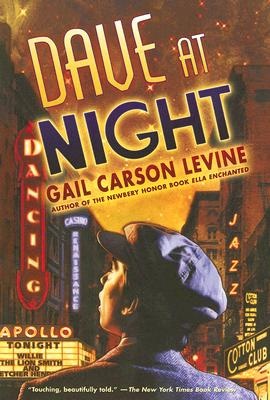
As usual I’ve had quite a varied reading diet this year, and not a huge amount of poetry! Regardless, here’s some ones that have really stuck with me. A bit of a dark theme across them all! But I guess that makes sense considering our wider world. Earlier this year I re-read a YA novel from my childhood, Dave at Night by Gail Carson Levine, and loved it just as much as I did when I was ten. Dave at Night follows a little boy in a Hebrew Boys Home in Harlem, who is rescued by a jewish elder called Solly each night to go to rent parties and jazz jam sessions. In terms of growing up understanding where we fit within jazz and music this was a huge book for me as a kid. I’d forgotten about it for years, but got so much out of rereading it. Felt like retracing my steps!
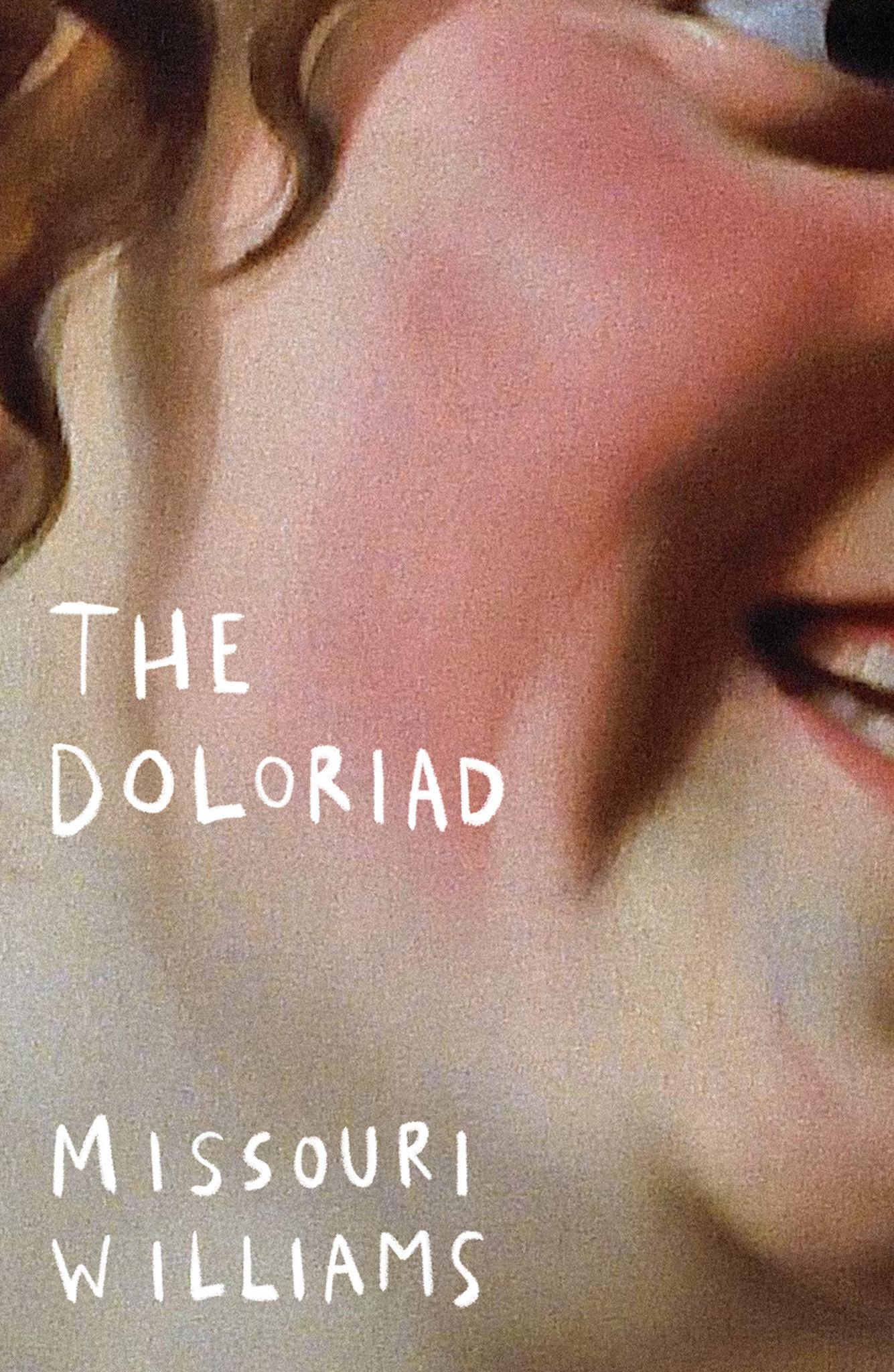
And now for something completely different… The Doloriad by Missouri Williams was a firm favourite, but is definitely not for the squeamish or faint of heart. Set in some strange post-apocalyptic settlement where one family has survived over generations in whatever way possible, the long winding sentences and descriptions in this book were part of Missouri Williams recovery from a series of temporal lobe seizures. This book is incredibly goth, incredibly detailed, and incredibly stunning (but again please apply every trigger warning bar somehow racism and homophobia).
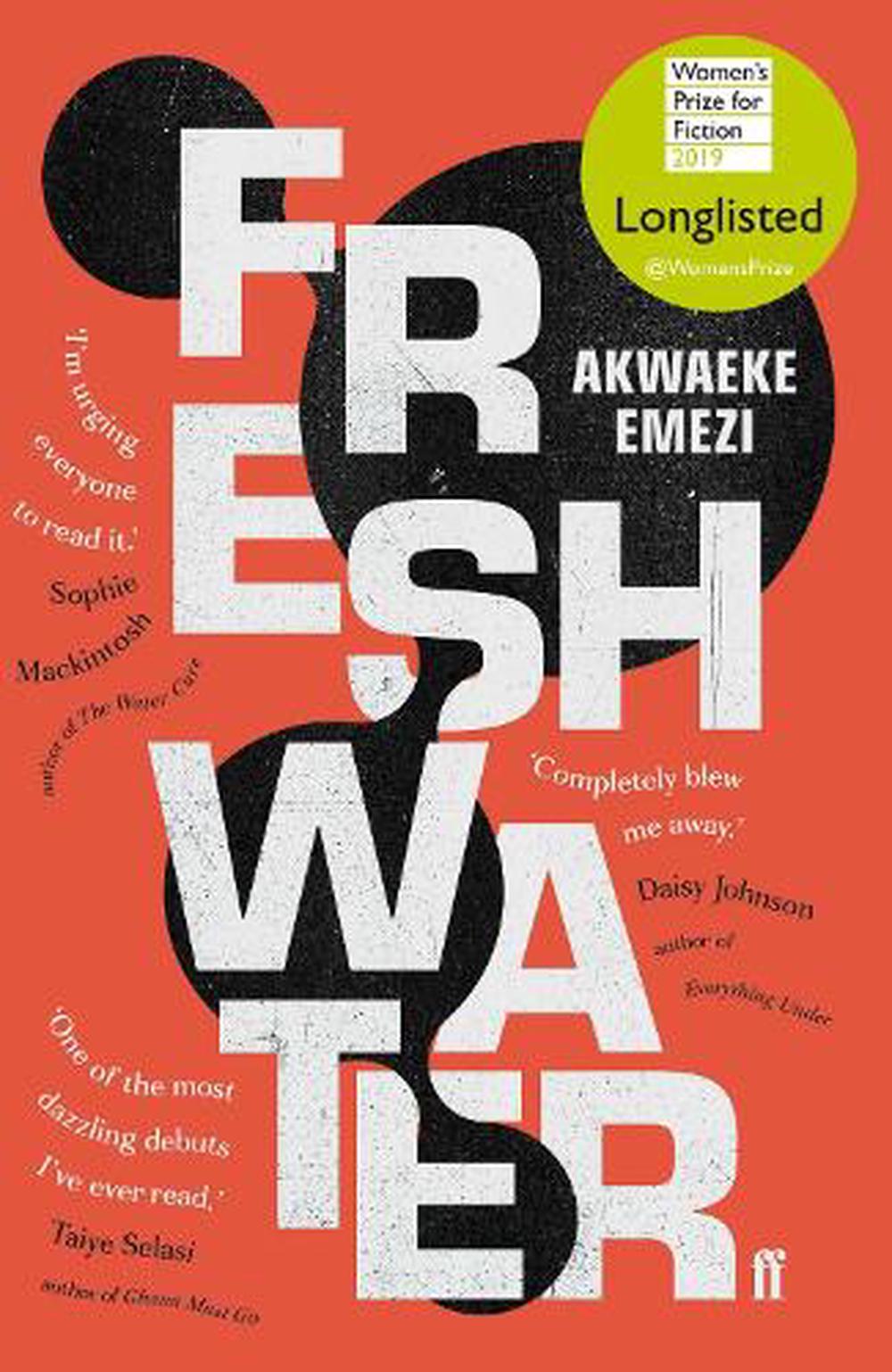
Freshwater by Awkaere Emezi has probably been my most recommended book this year. Both for how it is written, and for how it portrays our whānau who live as a system, or within their own ancestral understandings of personality, personhood, and the mind. The main character is occupied by an ogbanje, a deity from Igbo religion, and the story is of the relationship between the internal world and the external world that isn’t always built to understand the microcosms lodged within it. It’s the kind of book that gives you empathy for the character, without any sense of needing to ‘save them’ because you see how they are the expert on their own mind, as so many of us are.
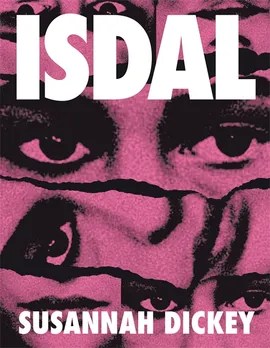
My poetry recommendation this year is again, dark (oops). Isdal by Susannah Dickey is a poem novel / exploration of the true crime genre and our obsession with it and its subsequent dehumanization of its victims. It focuses on the ‘Isdal Woman’, a woman who’s burnt remains were found in Norway in the 1970s and never identified. I loved this book because it made me question so much about how we depersonalise true crime, and about how we build mythologies around women such as this. Amazing format too, lots of different voices and people being addressed. Reads like a beautiful and tragic puzzle, which ultimately has no end.
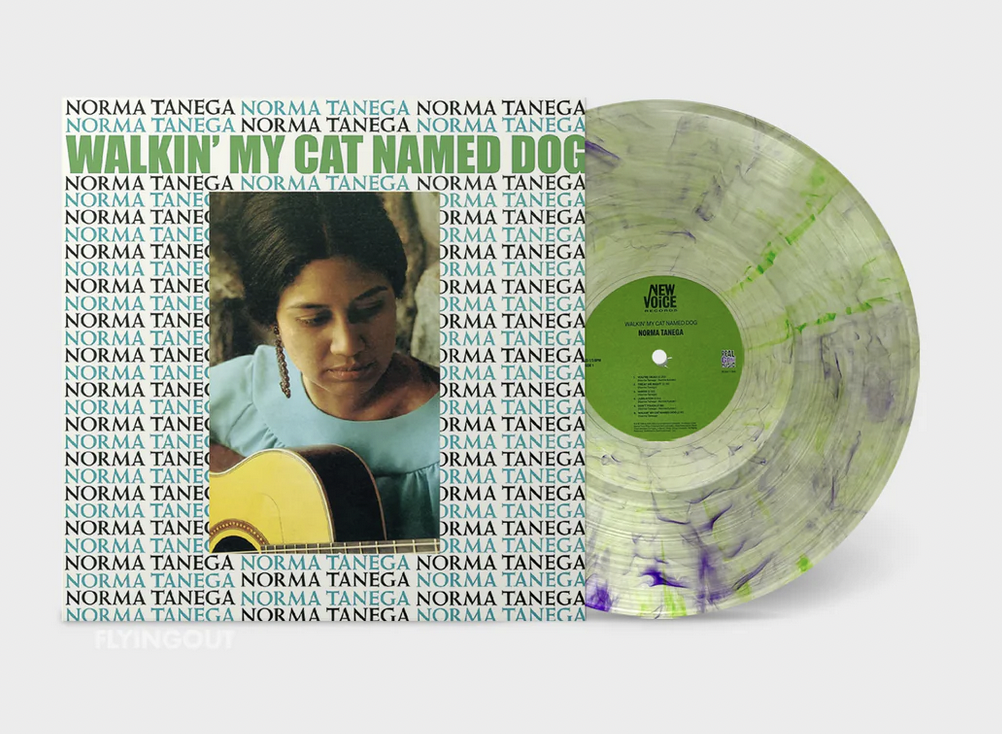
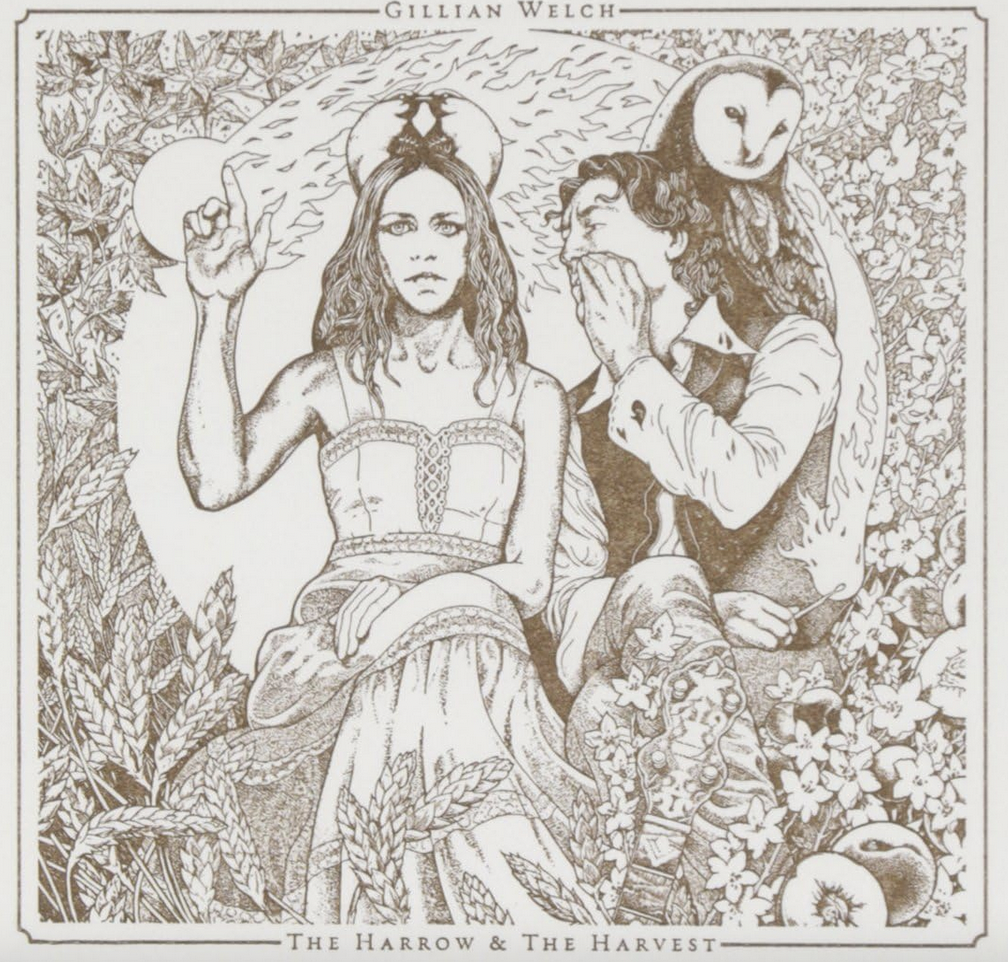
Music wise, it’s been another year of pretty diverse listening too! But here’s three albums that have been on repeat in our house. The Harrow and the Harvest by Gillian Welch has been the whānau ‘wind down at night’ album for most of this year. Welch released the album after an eight year break from recording, as she felt nothing was good enough. This record is an album of stories that are lifted higher with perfect harmonies, and gentle string backing. I fall asleep at about track seven, ‘Six White Horses’. Another popular wind down album (and definitely a writing album for me) is Same Room Another Day by mHz. I’m lucky to be friends with Mo but awkwardly I probably listen to this album more than I see him, because I listen to it all the time! It’s a chameleonic record that seems to not just play over your own surrounding environmental sounds, but becomes part of it. Even though it stays the same, it feels like it’s always changing. A discovery from the past for me this year was Walkin my Cat Named Dog by Norma Tanega. You may recognise the classic ‘You’re Dead’ from What We Do in the Shadows. But Norma’s songwriting and arrangement are peak folk class. She was a songwriter mostly for other musicians, like her friend and ex, Dusty Springfield, but this album is her being herself and getting to create her own musical world. On the title track, the story goes that Tanega wanted a dog but wasn’t allowed one in her apartment building, so she got a cat, named it ‘Dog’, and took it out on a leash.
In terms of general happy things that kept me going this year, ‘we’ have a cat that lives between about three or four houses on our street. She has at least three different names (we call her Maggie, short for ‘Magpie’) and seems to show up exactly when you need a little comfort and company. It’s uncanny, and she is the most amazing member of our little community (even if she sometimes brings in critters for me to rescue).
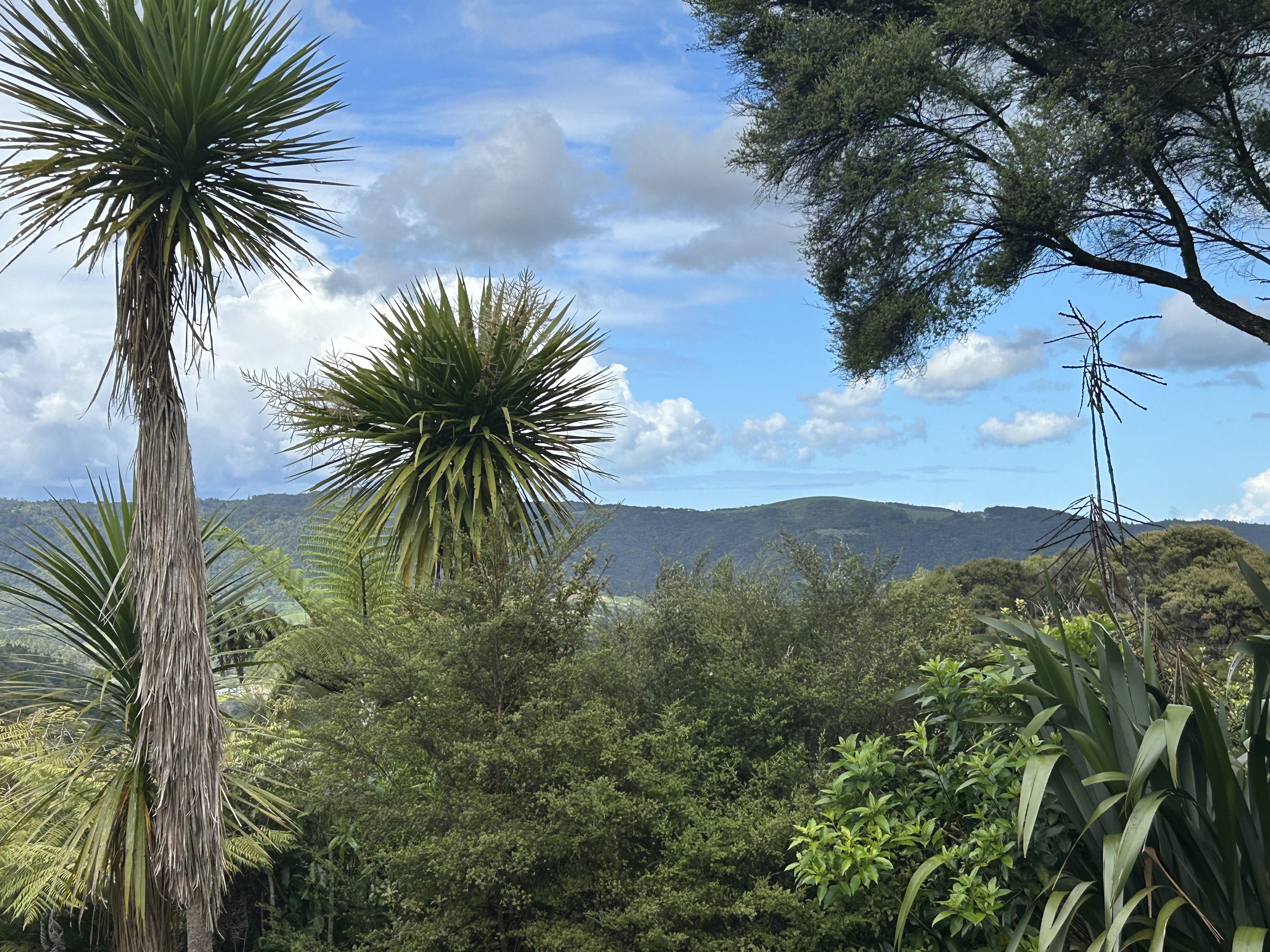
I’ve been lucky to be a part of some amazing community art spaces this year too, like Pyramid Club and Urban Dream Brokerage. These spaces have hosted some amazing gigs, exhibitions, workshops, and experiences in my communities. It’s amazing how far just opening the doors on these spaces can stretch in terms of positive impact that keeps reverberating out. And it’s a good reminder to support them. My final highlight for this year, is the beautiful jasmine-esque smell of ti kouka. And their early flowering this year means we may be in for a long hot summer.
 NZ Poetry Shelf
Pingback: Poetry Shelf 2024 highlights collage – part three | NZ Poetry Shelf