Red lentils and the kererū gliding and dipping Lime juice and the family butters bread at the table Canned tomatoes and outside the vegetables freshly planted Paprika cumin cinnamon for our memory banks Fennel seeds to dance on the tongue Greek yoghurt and it’s song and taste and storytelling Coconut milk for each heart beating
New asparagus with our footsteps on the black sand lifting Sautéed leeks and we hear the ocean waves curling Courgettes added and a small child tumbles Cannellini beans for the bunched clouds and the deep blue Chopped garlic and we’re replaying the beach dogs that yelp and spring Dried tarragon and it’s Te Henga dotterel defending and skittering Parmigiano for my daughter with the Siena tablecloth gifted Chicken broth for each heart beating
Onions sweetening and we are making soup together Chilli flakes for our daughter slicing and stirring Chickpeas and black beans draining while the bush tūī chorus Drained tomatoes for my weak hands holding Gaza thoughts Corn kernels falling in the pot and it’s sweet and sour and blue sky Perfect avocado sliced but my words cannot fill the gap Crisp tortilla chips and I see mothers weeping and fathers howling Fresh coriander washed and dried and there’s the child who cannot understand Lime juice and it’s testing and tasting Grating cheese and the pīwakawaka flutters a nose breath away Chopping garlic and in my midnight dream I’m carrying a soup mountain for Gaza Paprika and cumin waft and we become story flashbacks Vegetable broth for each heart beating
Paula Green
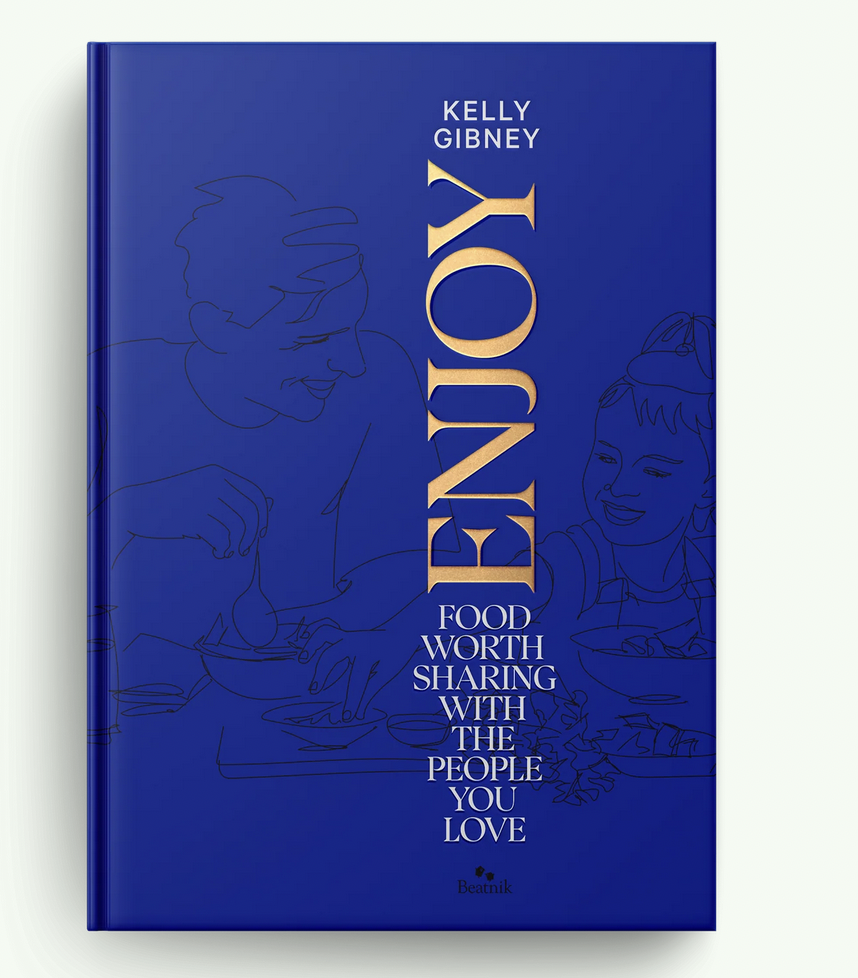
Enjoy: Food Worth Sharing with People You Love by Kelly Gibney (Beatnik Publishing, 2023)
How to review a cookbook? How to review a cookbook at a time when the news of the world is weight, and I am learning to navigate the long road after a bone marrow transplant. My tastebuds are haywire, I eat like a sparrow, certain foods are off limits, my energy half fills a cup but cooking is joy and vital family connection, it is memory and story, flavour and comfort.
Enjoy: Food Worth Sharing with People You Love by Kelly Gibney is sublime. I love this recipe book so much. The litmus test for a good cookbook is the way the ingredients leap off the page and activate your taste buds. All my favourite ingredients are here in various combinations: pulse, lentils, fresh herbs and vegetables, comfort spices, coconut, yoghurt, stocks, chocolate … and meat for the meat eaters in the family and can be adapted for those who don’t.
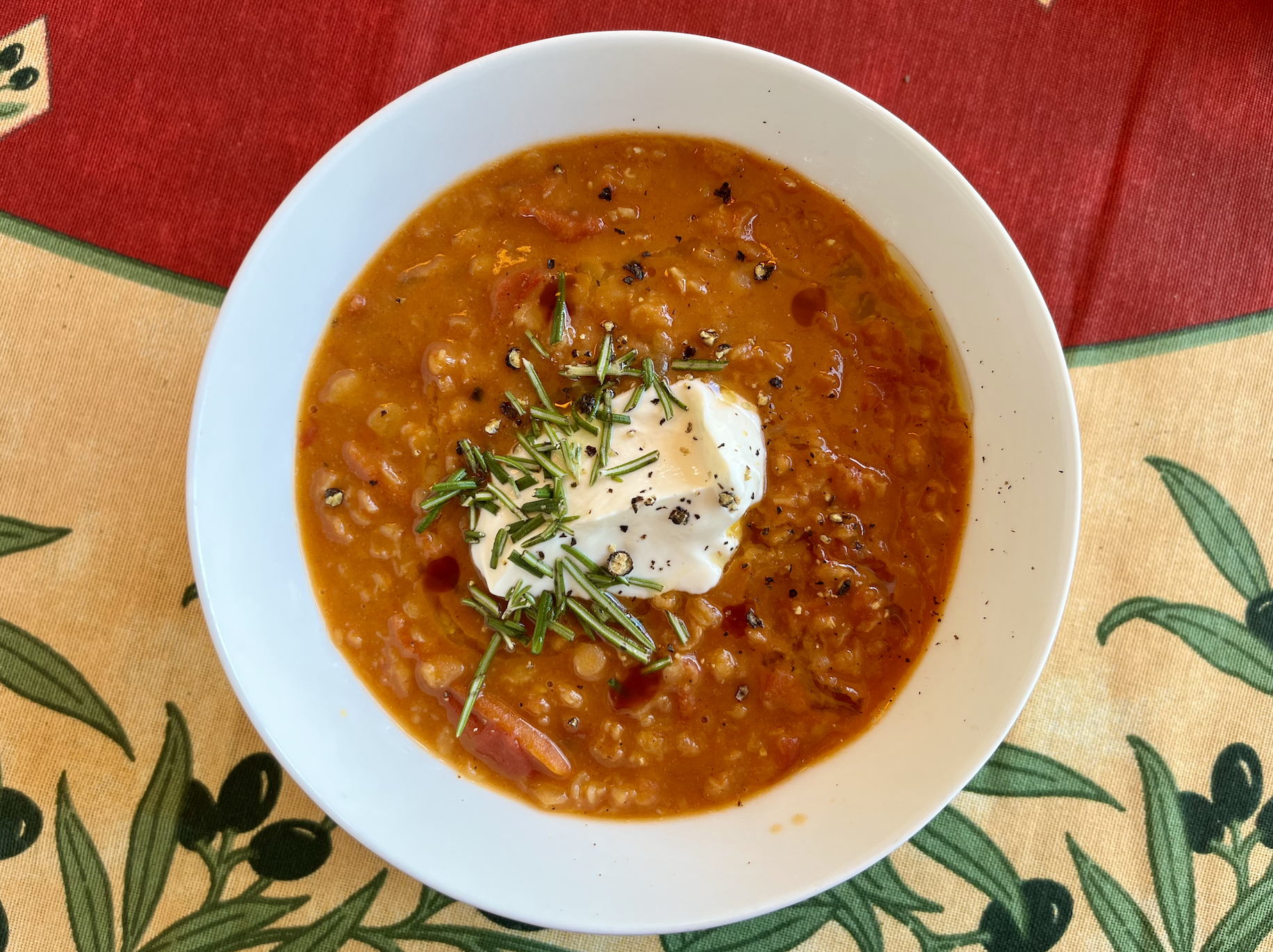
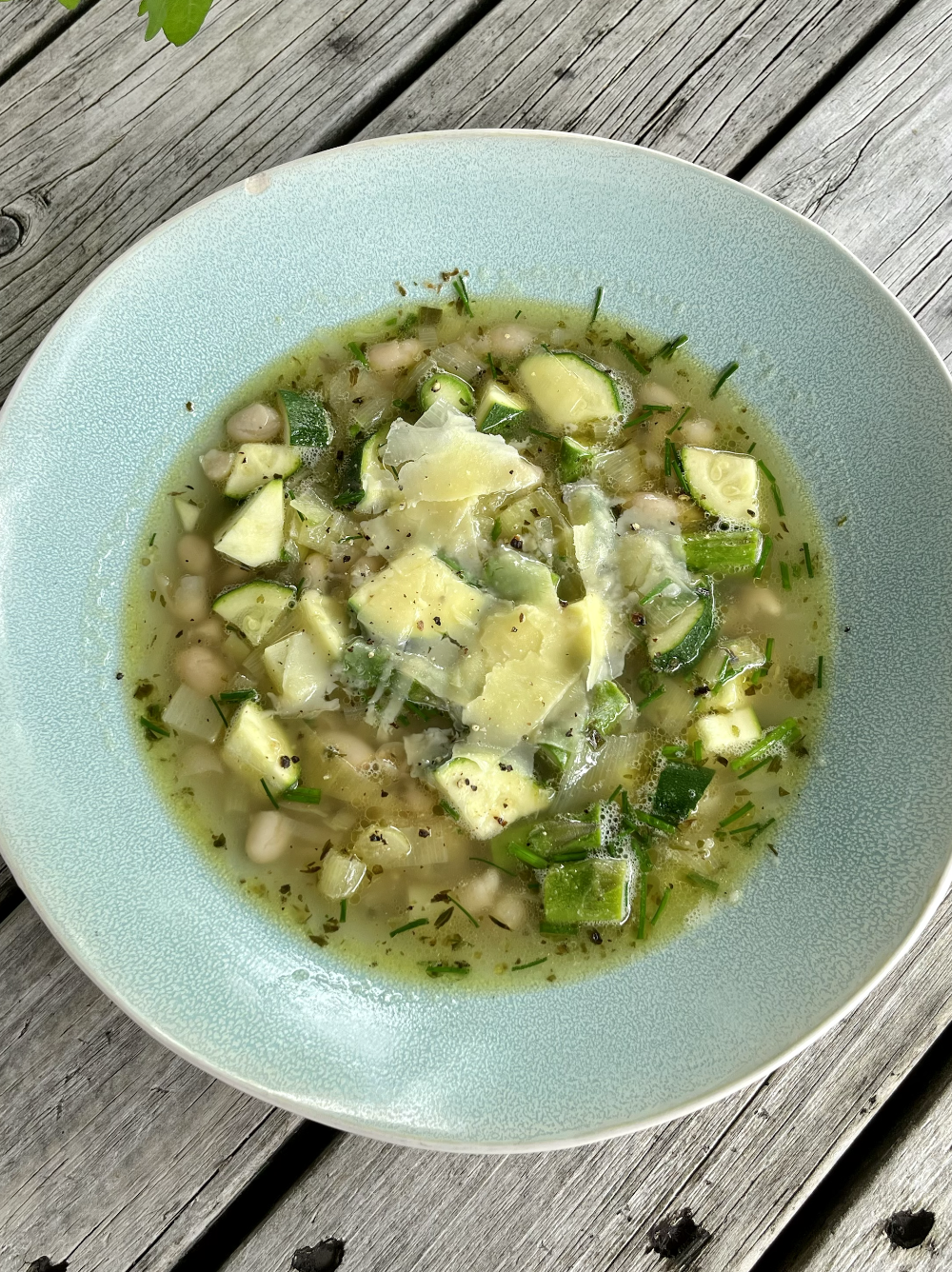
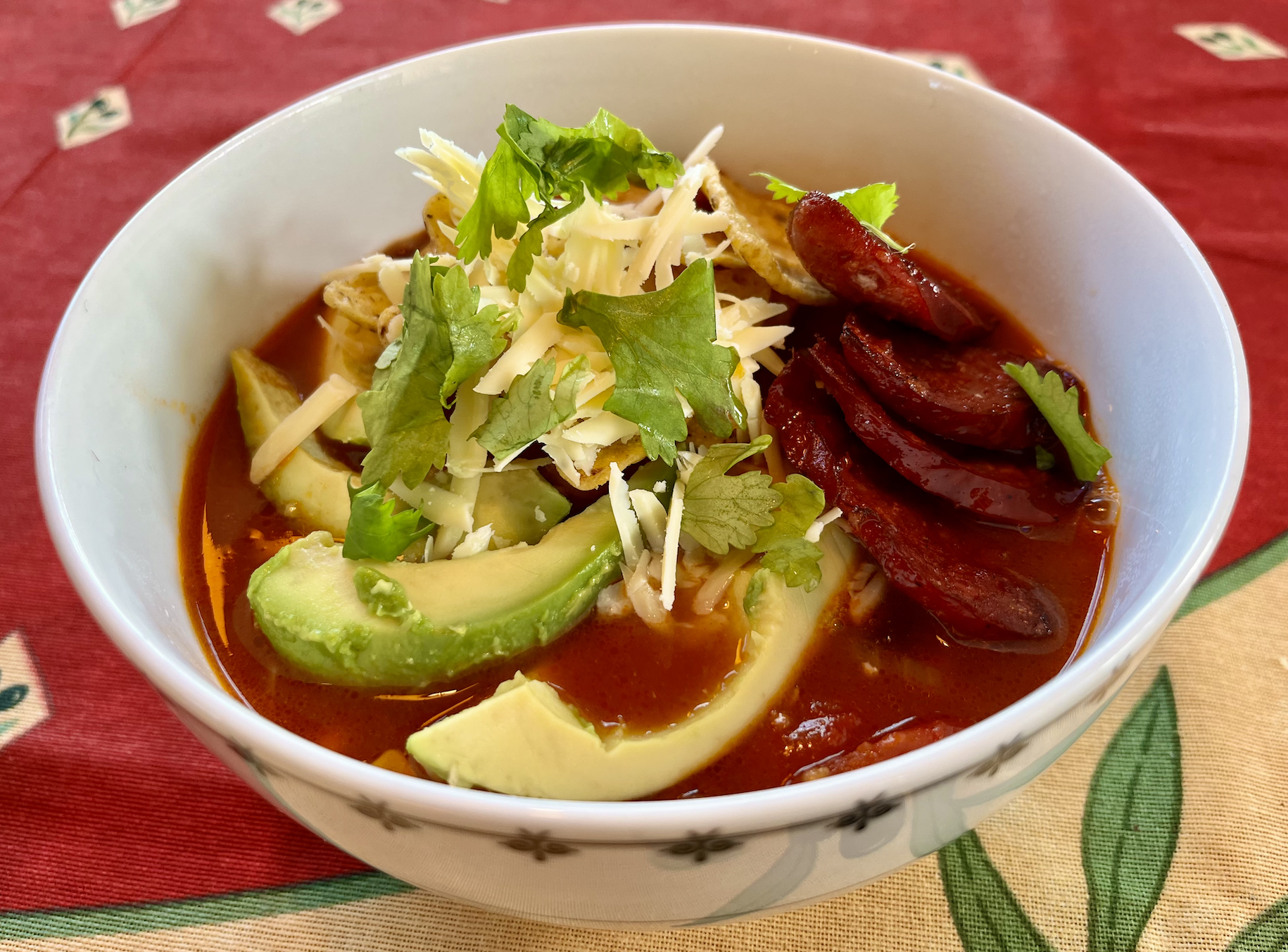
What better way to review a cookbook than to cook from it. So my adult daughter and I dived in and made three soups over the weekend to share with my partner/her dad: ‘Red Lentil, Chorizo, Rosemary & Lemon Soup’, ‘A Late Spring Vegetable & White Bean Soup’, and ‘Tortilla Soup’. They were sensational. The recipes are easy to follow and easy to make. The soups were perfect for my energy cup. The layered tastes comforting, nourishing, warming. We declared, after each one, this is the best soup we have tasted in ages! My daughter took photographs to tempt your tastebuds!
Ah! Soup heaven. Next up, my daughter will try some meat recipes, while I am keen to make the broccoli and cheese fritters, the spiced fish tacos, the black bean salad, the broccoli spinach and coconut soup. Recipes are so often springboards as you tweak and pivot to suit – and that is what works so beautifully here.
As I was making the three soups, a poem bubbled and simmered and surfaced. Food and cooking is so entwined with living and feeling, poetry is a perfect form of celebrating it. Thus my soup poem appears above, with all the life and heart connections that arose as I cooked.
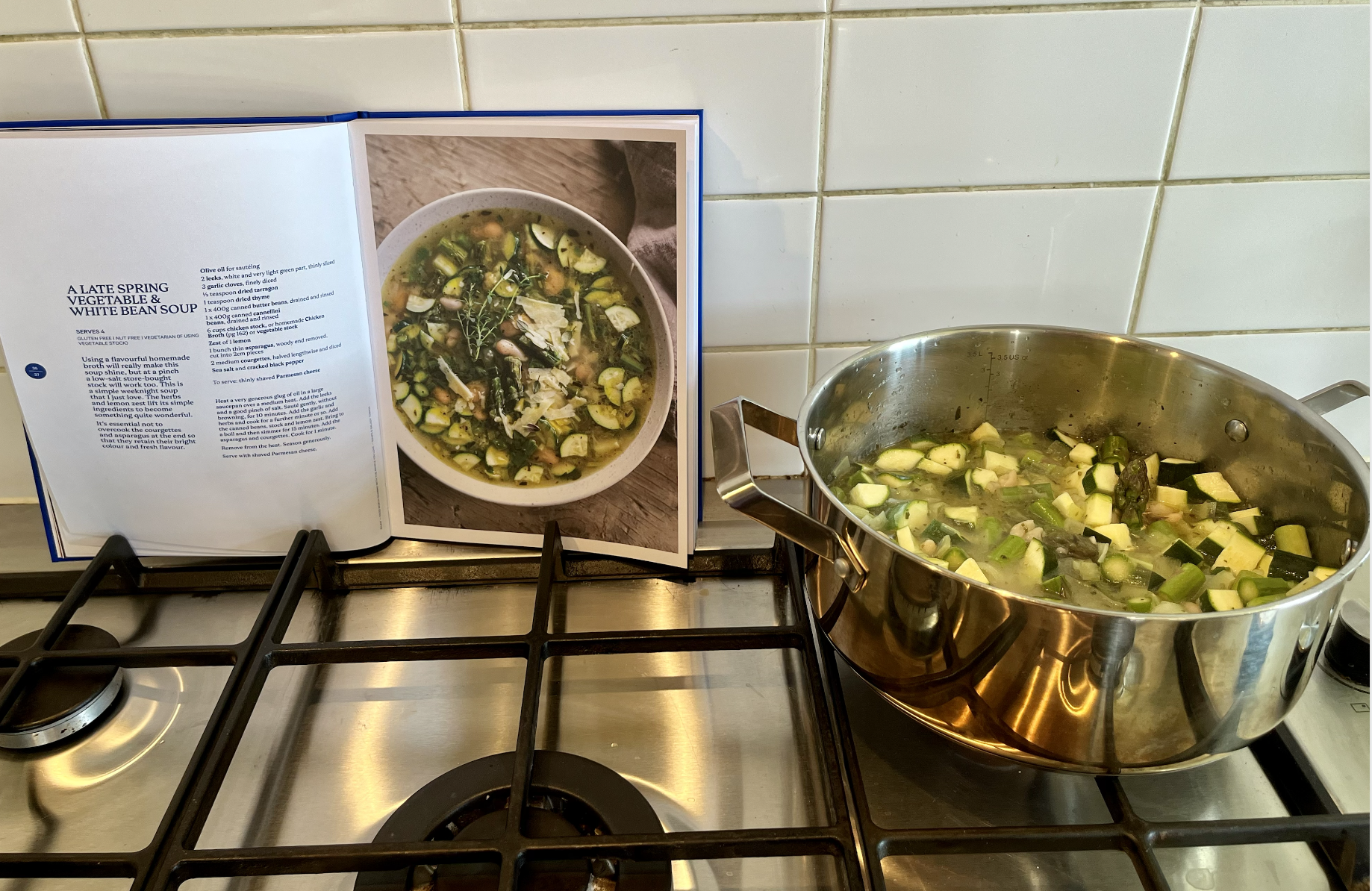
Kelly’s fabulous flavoursome Enjoy is now on kitchen replay in our house. Yes it is absolutely food worth sharing with people you love and it is also food worth cooking with people you love. The photographs in the book are so tempting as you can see in the copy open on our stove. I highly recommend it!
Kelly Gibney has appeared on THREE and TVNZ and you will regularly hear her on RNZ. Kelly’s background was previously in hospitality in New York, Melbourne and Auckland. She ahs been a judge for Metro Magazine’s Restaurant Of The Year Awards and enjoys hosting and MCing food and hospitality industry-related events. Her recipes have also been published in the RNZ Cookbook.
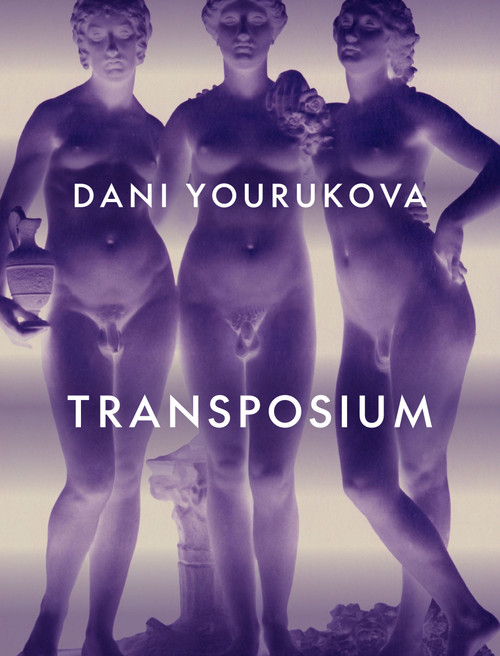
Transposium, Dani Yourukova, Auckland University Press, 2023
The readings
Dana reads ‘Dark Academia’
Dana reads ‘Date idea: you commit a crime and then I hunt you relentlessly for seventeen years in the single-minded pursuit of bringing you to justice’
Dana reads ‘Everything is going to be fine forever’
Dana reads ‘Love poem for the space you thought to occupy’
Dani Yourukova is a queer Wellington writer with great hair and a bad personality who completed their MA in creative writing at The International Institute of Modern Letters. Their poetry and essays have been published in places such as Starling, Sweet Mammalian, Bad Apple, takahē, Stasis, Turbine | Kapohau and The Spinoff. Their debut collection, Transposium, is part philosophy thesis, part ancient Greek psychosexual fever dream, and it was published by Auckland University Press in October 2023.
It happens every spring some infant bird, fat and feathered, on the vine beside my door abandoned by its mother like the inconsolable child in the supermarket aisle making its shrill insistent cry come back come back come back come back
either way, you, or make that I, want to say that’s enough, be quiet now she’ll soon be back. This morning I watched a video of children in Gaza, the boys in nappies carried tiny plastic guns in the street, the older boys held bigger ones their aiming eyes looking straight
towards the camera. In a refuge painted green girls with angel faces and sleekly plaited hair tell. They tell it’s the way their mothers’ heads were blown off in the fighting
better they say, to be martyrs, in Paradise all will be well, we will be happy there.
more to come/
Words are meant to sustain us. No longer. I tell this bird to cease its clamour just be quiet, its unbearable your mother is coming, she is only gone this little while, she will feed you soon, that racket is crowding out my day, so many voices come back come back it’s what mothers do
what do we do when there are no longer words to summon our mothers
Fiona Kidman (November, 2023)
Fiona Kidman DCNZM is a sometime poet, with six books of poems over the past fifty or so years. The last one was This change in the light (Penguin Random House 2015). Her several novels include This Mortal Boy which won the Jann Medlicott Ockham Book Award for Fiction in 2019.
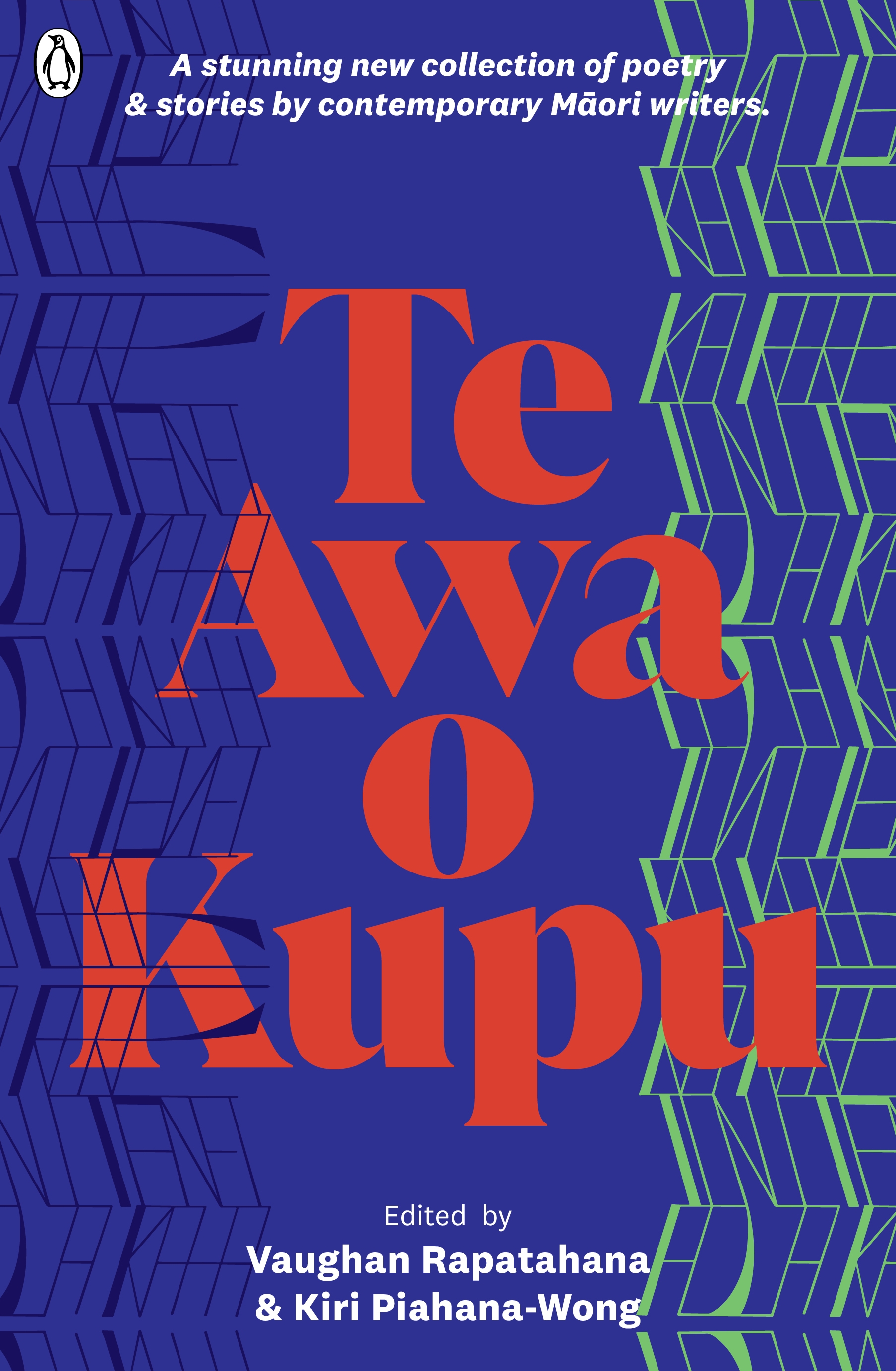
Te Awa o Kupu, eds Vaughan Rapatahana and Kiri Piahana-Wong Penguin Books, 2023
In their introduction, Vaughan Rapatahana and Kiri Piahana-Wong, the editors of Te Awa o Kupu, introduce a river that “has flowed throughout Aotearoa for aeons, with its tributaries, cascades and currents. In places it is majestically serene, in places fierce and forbidding. It is forever mighty.”
It is a river of words, it is an oral river.
Te Awa o Kupu, an anthology of poetry and fiction by contemporary Māori writers, opens windows onto the word-currents for us, so we may delight in the river’s diversity, its heart, its presence. How fitting in the opening poem, beloved poet, Apirana Taylor, calls us onto the river with the poem ‘karanga’: “everyone together with laughter tears kōrero”.
This is an anthology to hold to your heart, at a time when we so desperately need books to hold to our hearts, with writing that shines a light on things that will comfort and things that will challenge. This is a book to carry with you through summer, to pull out in both shade and sunlight, to absorb the music, the sharp edges, the past and the present, the searing beauty. This is a book to celebrate, and what better way than in the Poetry Shelf Cafe with a reading, and so with grateful thanks to the poets who contributed, welcome.
Kiri Piahana-Wong (Ngāti Ranginui) is a poet and editor, and she is the publisher at Anahera Press. Kiri lives in Whanganui with her family.
Vaughan Rapatahana (Te Ātiawa, Ngāti Te Whiti)
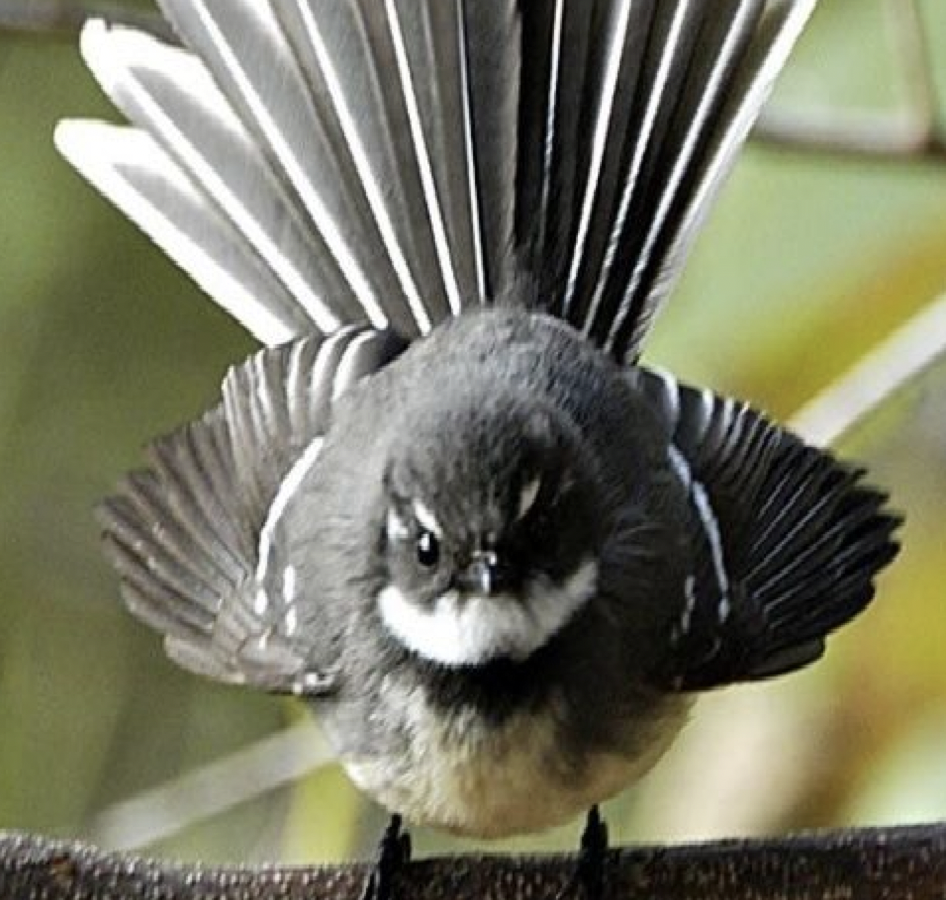
Vaughan reads ‘hā pīwakawaka’
Vaughan reads ‘Rangiaowhia’
hā pīwakawaka
hā pīwakawaka kei whea koe ināianei taku hoa iti?
he manu me he waha rōreka he whaikōrero pēnei i he waiata, te wā katoa
he aha tō kōrero e hoa? he aha te tikanga o tēnei kōwetewete karawhiti?
kāore ahau he mōhio nō te mea kua nunumi kē koe ki tētahi atu he wāhi
kāore ahau he kite i tō whatu kanapa kāore ahau he rongo i tō pūrākauroa, kua ngaro koe ināianei me kei te ngere ahau i a koe,
hā pīwakawaka kei whea koe ināianei?
[hey fantail where are you now my little friend?
a bird with a dulcet voice an oratory like a song, all the time
what is your story friend? what is the meaning of this one-sided conversation?
I do not know because you have already disappeared to another place
I cannot see your glistening eyes I cannot hear your long tale, you are lost now & I am missing you
hey fantail where are you now?]
Rangiaowhia, 1864
[I pāhuatia ō mātou tūpuna i Rangiaowhia – our ancestors were killed unguarded and defenceless at Rangiaowhia – Tom Roa, 2014].
ko wai e mōhio mo ngāwhakapiko o Rangiaowhia? kāore te maha ki tēnei whenua ināianei. ko wai e mahara ngā tamariki mura kāore te maha o tēnei rohe. ko wai e whakapono te kupu o ngā mōrehu? he tokoiti noa o ngā tāngata i noho ki waho tērā tāone.
Auē.
Auē.
Auē.
ki ngā hāhi hoki, ki ngā hāhi hoki, te wāhi puaroa; te wāhi whakaruruhau – tēnei mahi whakamataku o ngā pākehā. tēnei tārukenga nā ngā tāngata mā. kia mōhio ki tātou katoa.
[Note: At dawn on February 21, 1864, armed cavalry, followed by foot troops, charged into the settlement of Rangiaowhia, whose terrified, startled and screaming residents ran for their lives in every direction… Rangiaowhia was a place of refuge for women, children and the elderly. It was an open village, lacking fortifications or defences of its own… For the Kingitanga supporters urged to fight in a ¡§civilised¡¨ manner, just like the British, the assault on Rangiaowhia was an almost incomprehensible act of savagery. They had complied with requests to move their families out of harm’s way, only for the troops, to deliberately target them in the most horrific manner possible. – Vincent O’Malley, 2017].
Translation from te reo Māori to English –
who knows about the murders at Rangiaowhia? not the majority in this country nowadays. who remembers the burned children? not the majority in this district. who believes the word of the survivors? only a minority of people outside that town.
alas
alas
alas.
in the churches also in the churches also. the sacred place, the safe place. this terrible deed of the pākehā this massacre by the white men. we should all know.
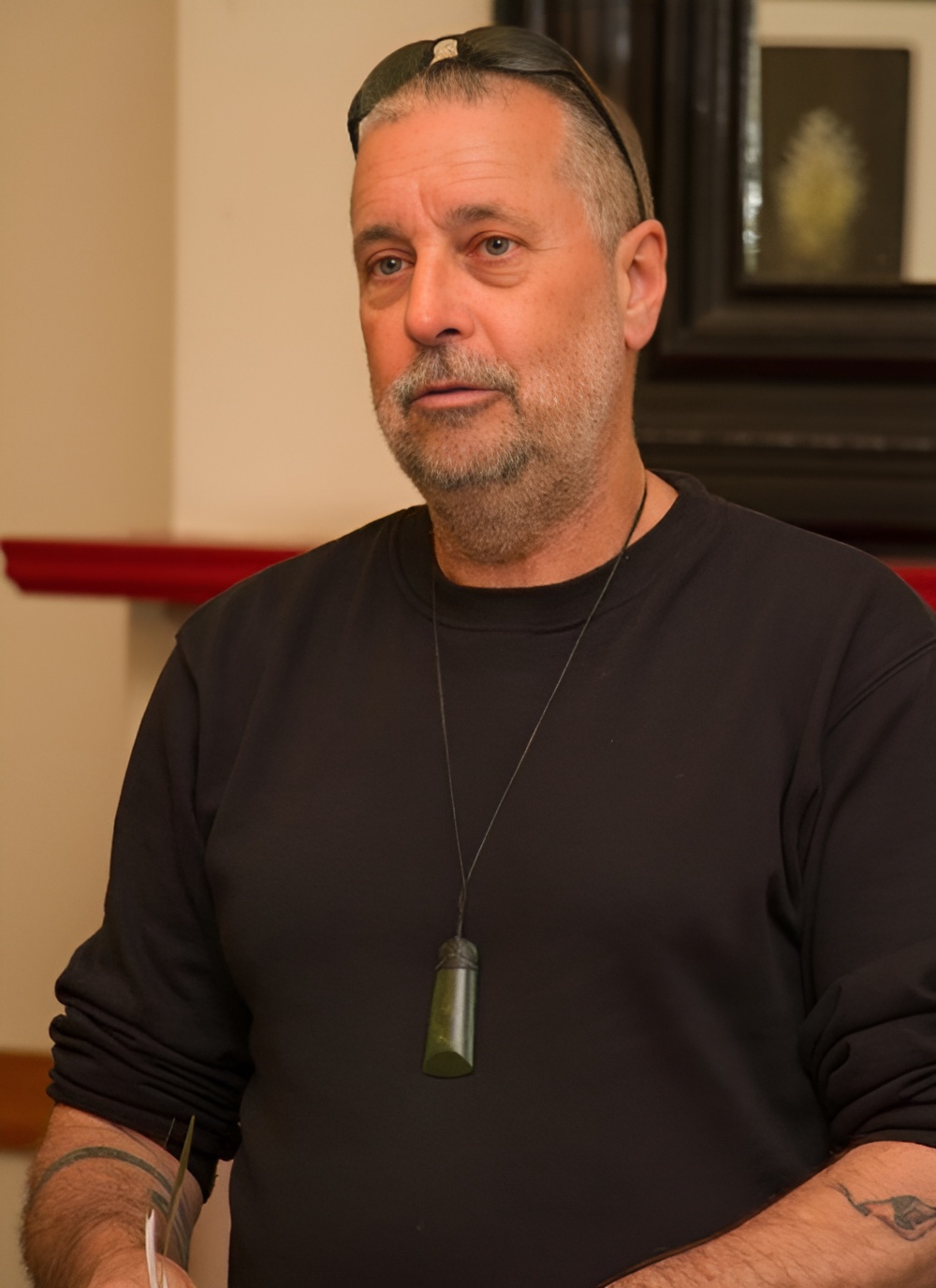
Vaughan Rapatahana (Te Ātiawa, Ngāti Te Whiti) commutes between homes in Hong Kong, Philippines, and Aotearoa New Zealand. He is widely published across several genre in both his main languages, te reo Māori and English and his work has been translated into Bahasa Malaysia, Italian, French, Mandarin, Romanian, Spanish. He is the author and editor/co-editor of well over 40 books.
He earned a Ph.D from the University of Auckland with a thesis about Colin Wilsonand writes and lectures extensively about Wilson. More, Rapatahana is a critic of the agencies of English language proliferation and the consequent decimation of indigenous tongues, inaugurating and co-editing English language as Hydra and Why English? Confronting the Hydra (Multilingual Matters, Bristol, UK, 2012 and 2016) and several academic papers accordingly.
He is a poet, with ten collections published in Hong Kong SAR; Macau; Philippines; USA; England; France, India, Australia, and Aotearoa New Zealand. Atonement (UST Press, Manila) was nominated for a National Book Award in Philippines (2016); he won the inaugural Proverse Poetry Prize the same year; and was included in Best New Zealand Poems (2017). He also writes short fiction and has had two novels published.
Rapatahana is one of the few World authors who consistently writes in and is published in te reo Māori (the Māori language). It is his mission to continue to do so and to push for a far wider recognition of the need to write and to be published in this tongue. His latest poetry collection written exclusively in te reo Māori (with English language ‘translations’) is titled te pāhikahikatanga/incommensurability and was published by Flying Islands Books in Australia, 2023.
Relatedly, he is series editor of two key books published by Penguin Random House in 2023, Te Awa o Kupu and Ngā Kupu Wero, which are compilations of firstly, poetry and short fiction, and secondly of non-fiction pieces, written by ngā kaituhi Māori over recent years.
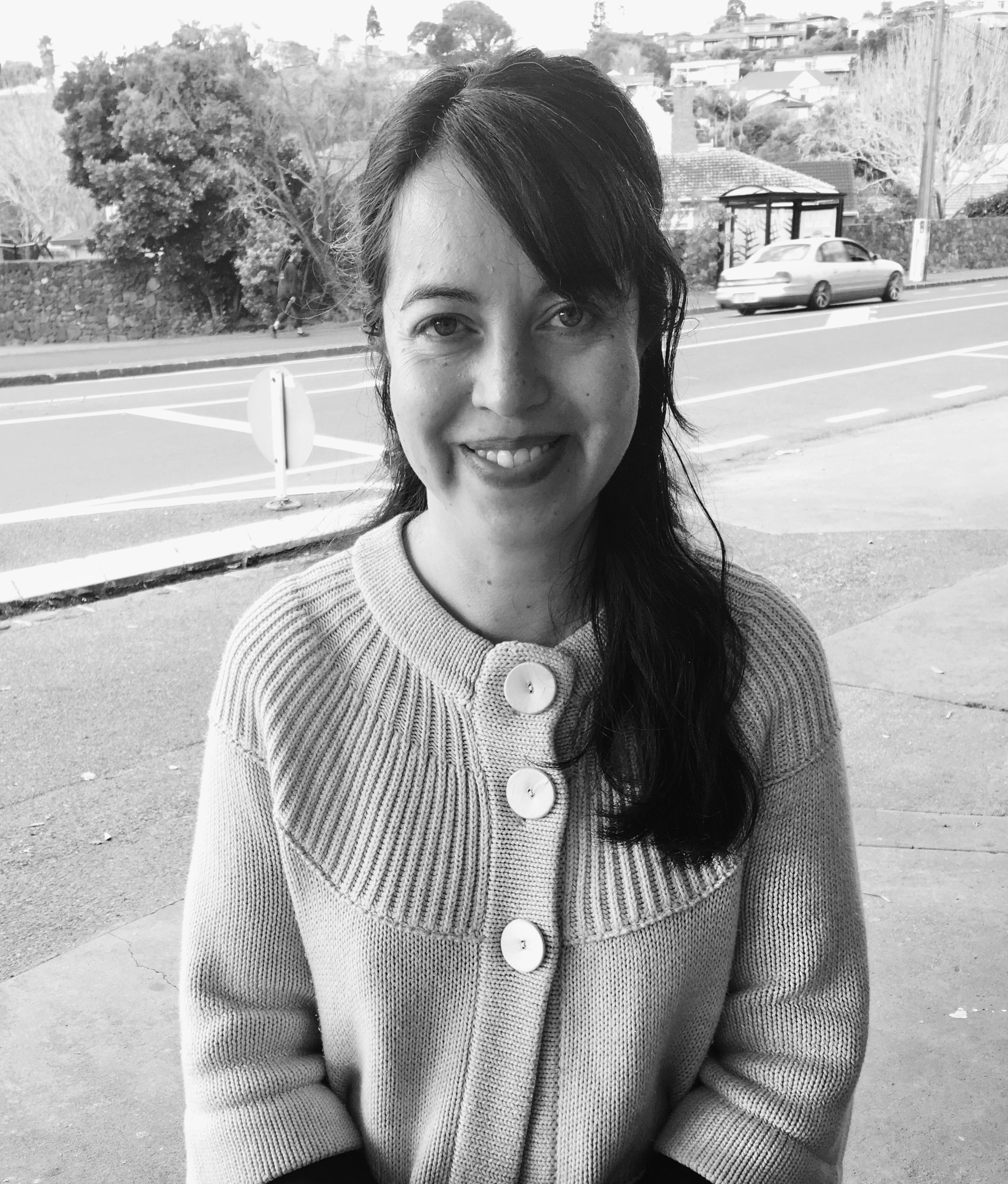
Stacey Teague (Ngāti Maniapoto/Ngāpuhi) is a writer, editor and teacher living in Te Whanganui-a-Tara. She is a publisher at Tender Press.
Anne-Marie Te Whiu (Te Rarawa)
Anne-Marie reads ‘Blood Brothers’
Anne-Marie reads ‘Smells Like Colonial Spirit’
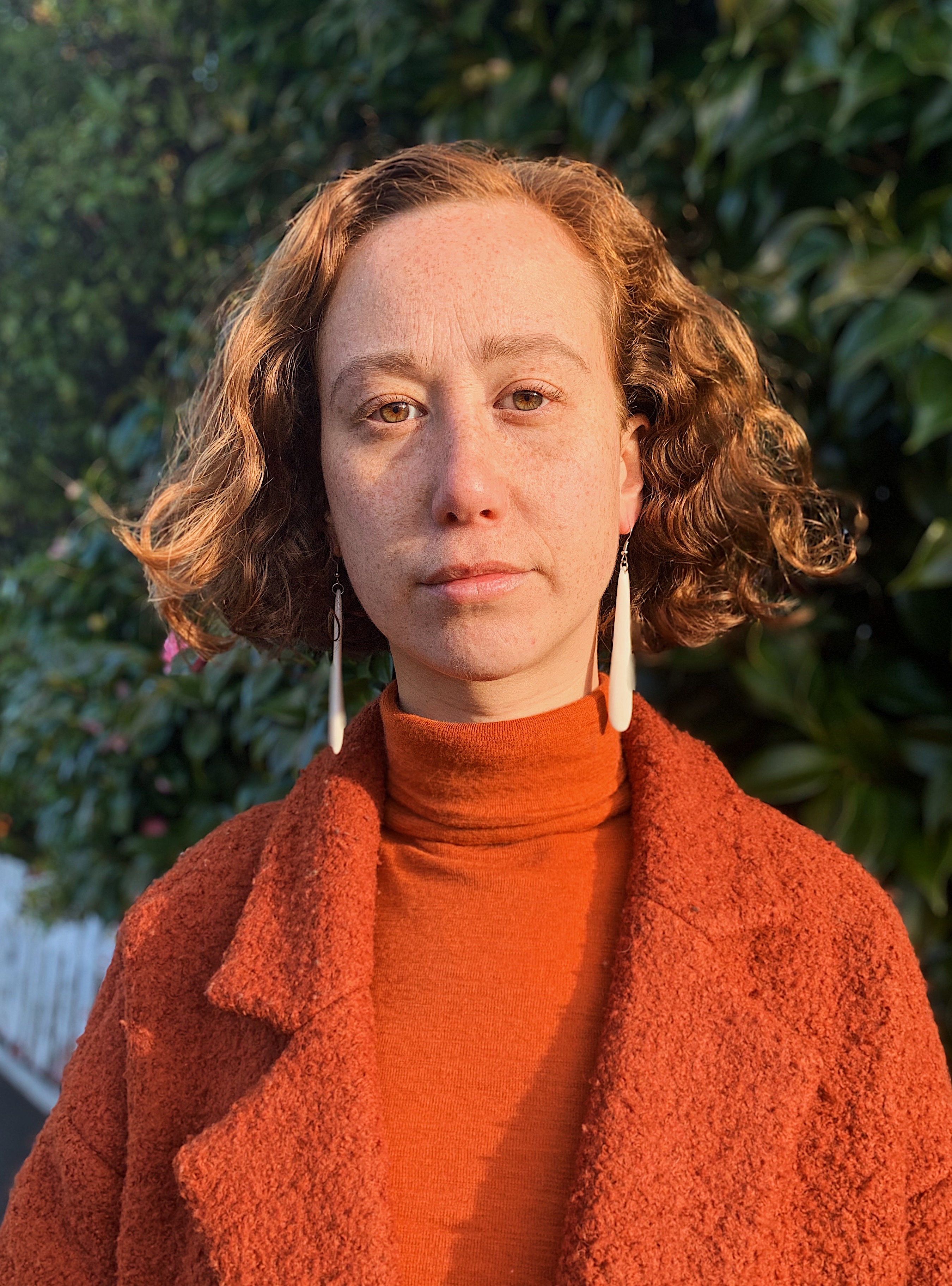
Anne-Marie Te Whiu (Te Rarawa) is an Australian-born Māori, currently living on unceded Gadigal lands. She is a weaver, poet, editor and cultural producer. She is a 2023 recipient of the Clothing Stores artist studios at Carriageworks and in 2021 she was a Next Chapter Fellow recipient with The Wheeler Centre. She is editor of the upcoming anthology, Woven (Magabala, Feb 2024) and her debut poetry collection, Mettle will be published with the University of QLD Press in the not too distant future. Website
Kay McKenzie Cooke (Kāi Tahu Kāti Māmoe)
Kay reads ‘Tuturau’
Kay McKenzie Cooke (Kāi Tahu Kāti Māmoe) was born in Murihiku. Her home is now in Ōtepoti, but Murihiku will always be her turangawaewae. She has four published poetry collections and two independently published novels, both set in Murihiku.
Tania Roxborogh (Ngāti Porou, Ngāti Mutunga o Wharekurī)
Tania reads ‘Rapurapu / Searching’
Nō Ngāti Porou me Ngāti Mutunga o Wharekurī ngā tīpuna o tōku māmā Nō Kōtirani, nō Tīamana mātou hoki. Ko Tippery (Ireland) te wāhi o ngā tīpuna o tōku pāpā. I whānau mai au ki Ōtautahi engari i tipu ake au i wīwā i wāwā. E noho ana mātou ki Waihora ināianei. Ko Tania Kelly Roxborogh taku ingoa. He kaiako ahau, he kaituhi hoki (ngā pukapuka tamariki, rangatahi hoki) I am of Ngāti Porou, Ngāti Mutunga o Wharekurī, Scottish, German, and Irish descent.
I was born in Christchurch but have lived all over the country. We live out at Lincoln now. I’m a veteran English teacher and an award winning writer (mostly books for children and young people) including the 2021 Margaret Mahy Book of the Year Charlie Tangaroa and the Creature from the Sea.
I have just started a new position at Te Tūhuru o te Mātauranga (Ministry of Education) as an NCEA Implementation Facilitator. My role at the ministry is to support kura and kaiako to implement Change 2 of the NCEA Change Programme, i.e. mana ōrite mō te mātauranga Māori I am also studying part time – working on a PhD via Massey looking at ways to help teacher decolonise the teaching of Shakespeare.
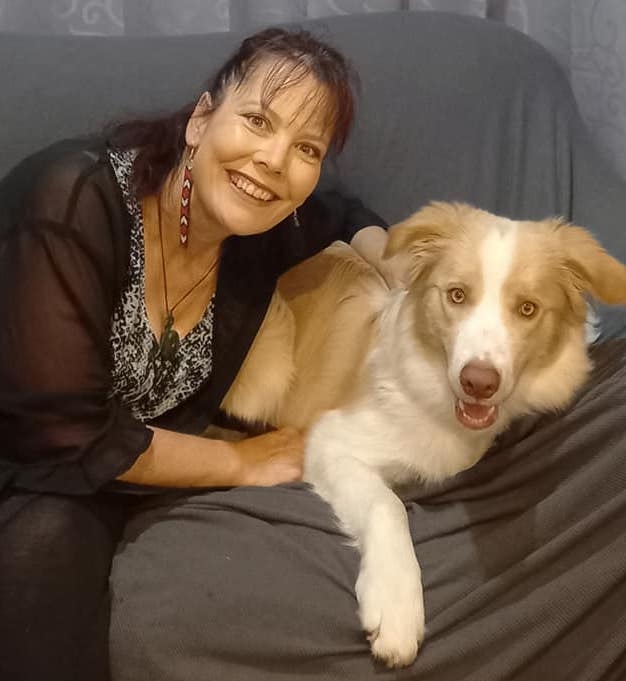
After work time is spent with the most beautiful and cleverest border collie in the country (Coach – named after Coach Taylor from ‘Friday Night Lights’), reading books and articles, writing, listening to podcast (political and books, te reo/te ao Māori content) watching tv, (especially mystery, crime and complex thrillers), because I love story and am fascinated by people.

 NZ Poetry Shelf