
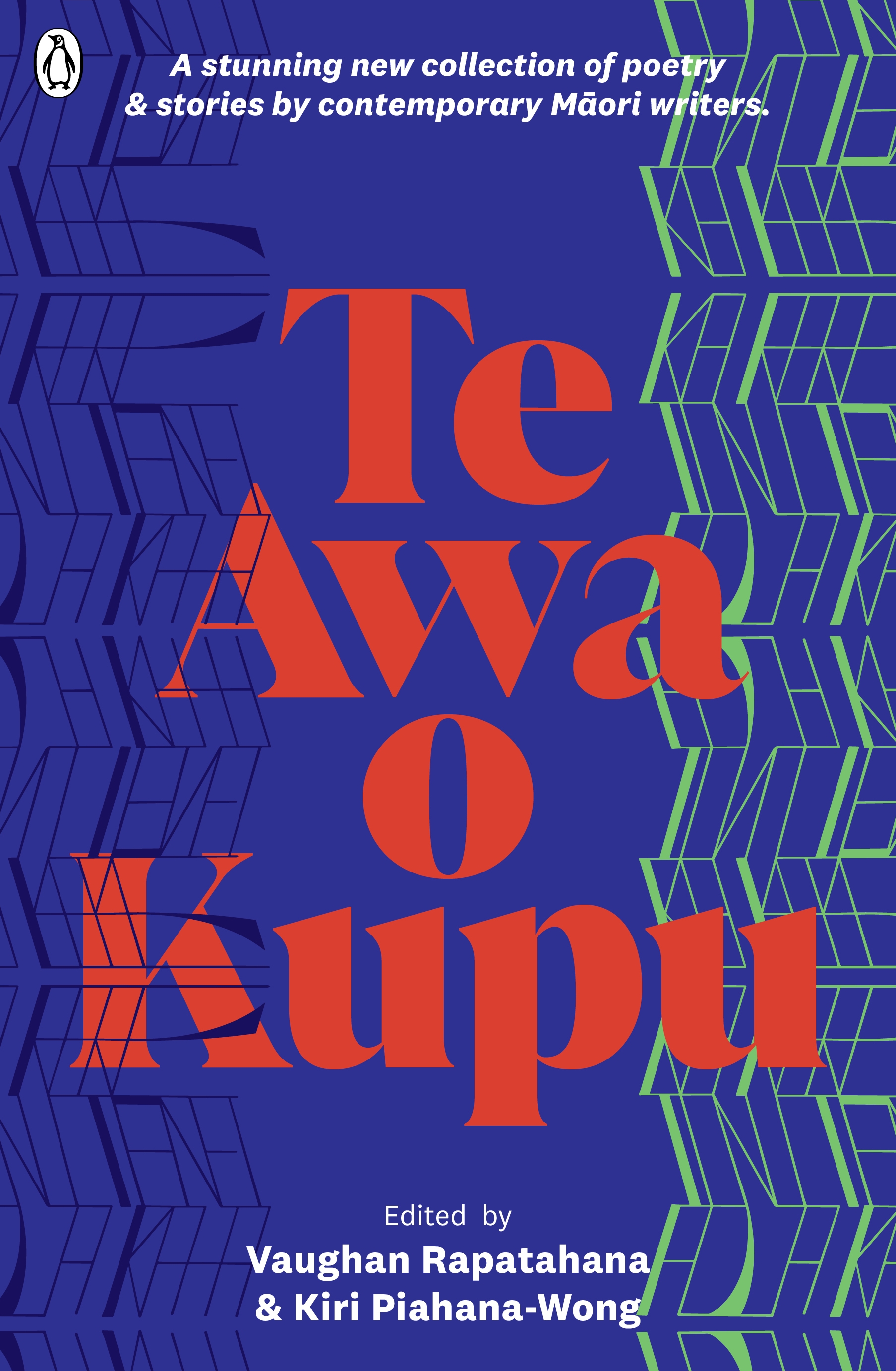
Te Awa o Kupu, eds Vaughan Rapatahana and Kiri Piahana-Wong
Penguin Books, 2023
In their introduction, Vaughan Rapatahana and Kiri Piahana-Wong, the editors of Te Awa o Kupu, introduce a river that “has flowed throughout Aotearoa for aeons, with its tributaries, cascades and currents. In places it is majestically serene, in places fierce and forbidding. It is forever mighty.”
It is a river of words, it is an oral river.
Te Awa o Kupu, an anthology of poetry and fiction by contemporary Māori writers, opens windows onto the word-currents for us, so we may delight in the river’s diversity, its heart, its presence. How fitting in the opening poem, beloved poet, Apirana Taylor, calls us onto the river with the poem ‘karanga’: “everyone together with laughter tears kōrero”.
This is an anthology to hold to your heart, at a time when we so desperately need books to hold to our hearts, with writing that shines a light on things that will comfort and things that will challenge. This is a book to carry with you through summer, to pull out in both shade and sunlight, to absorb the music, the sharp edges, the past and the present, the searing beauty. This is a book to celebrate, and what better way than in the Poetry Shelf Cafe with a reading, and so with grateful thanks to the poets who contributed, welcome.
Penguin page
The readings
Kiri Piahana-Wong (Ngāti Ranginui)
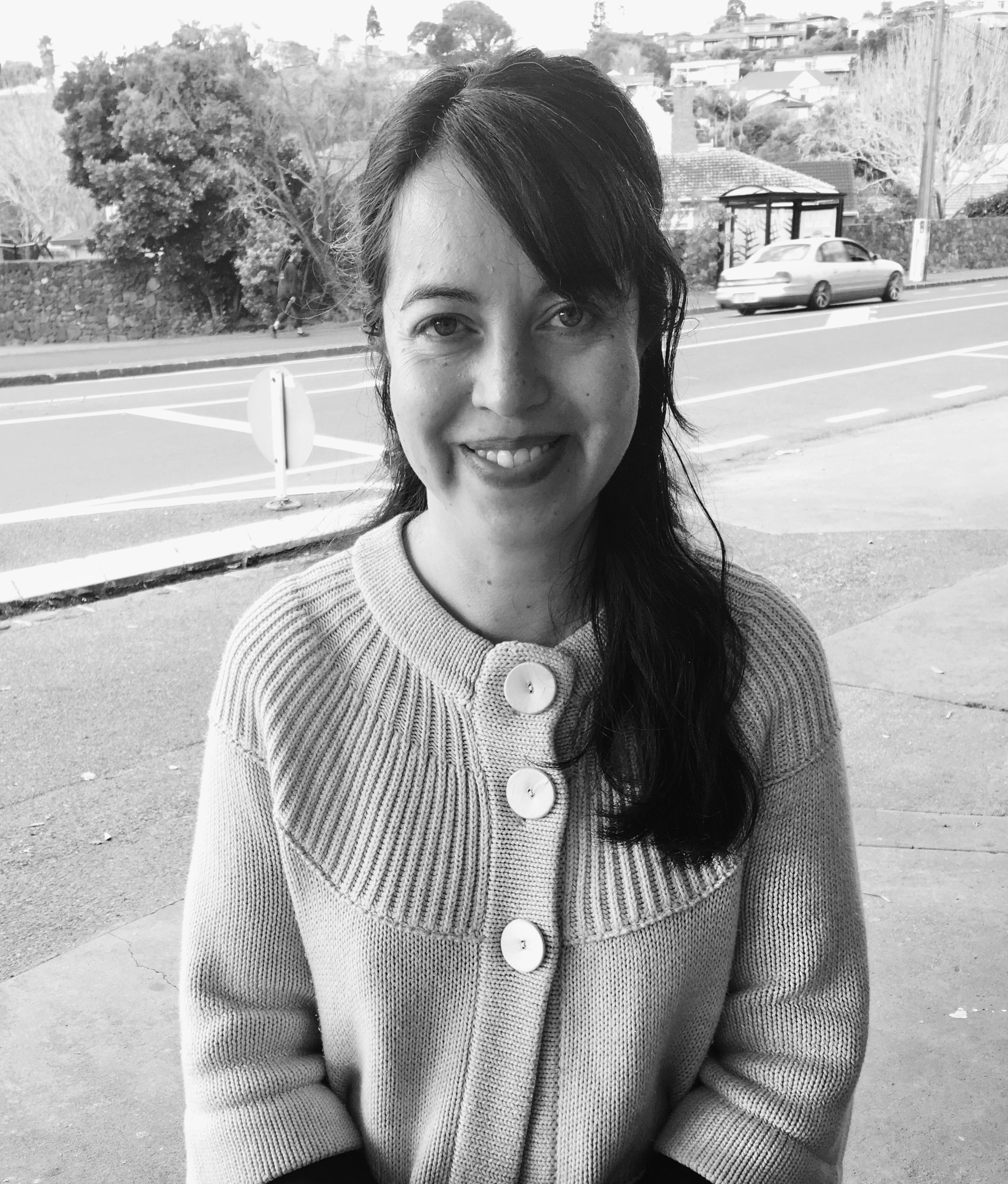
Kiri reads ‘New Year’
Kiri Piahana-Wong (Ngāti Ranginui) is a poet and editor, and she is the publisher at Anahera Press. Kiri lives in Whanganui with her family.
Vaughan Rapatahana (Te Ātiawa, Ngāti Te Whiti)
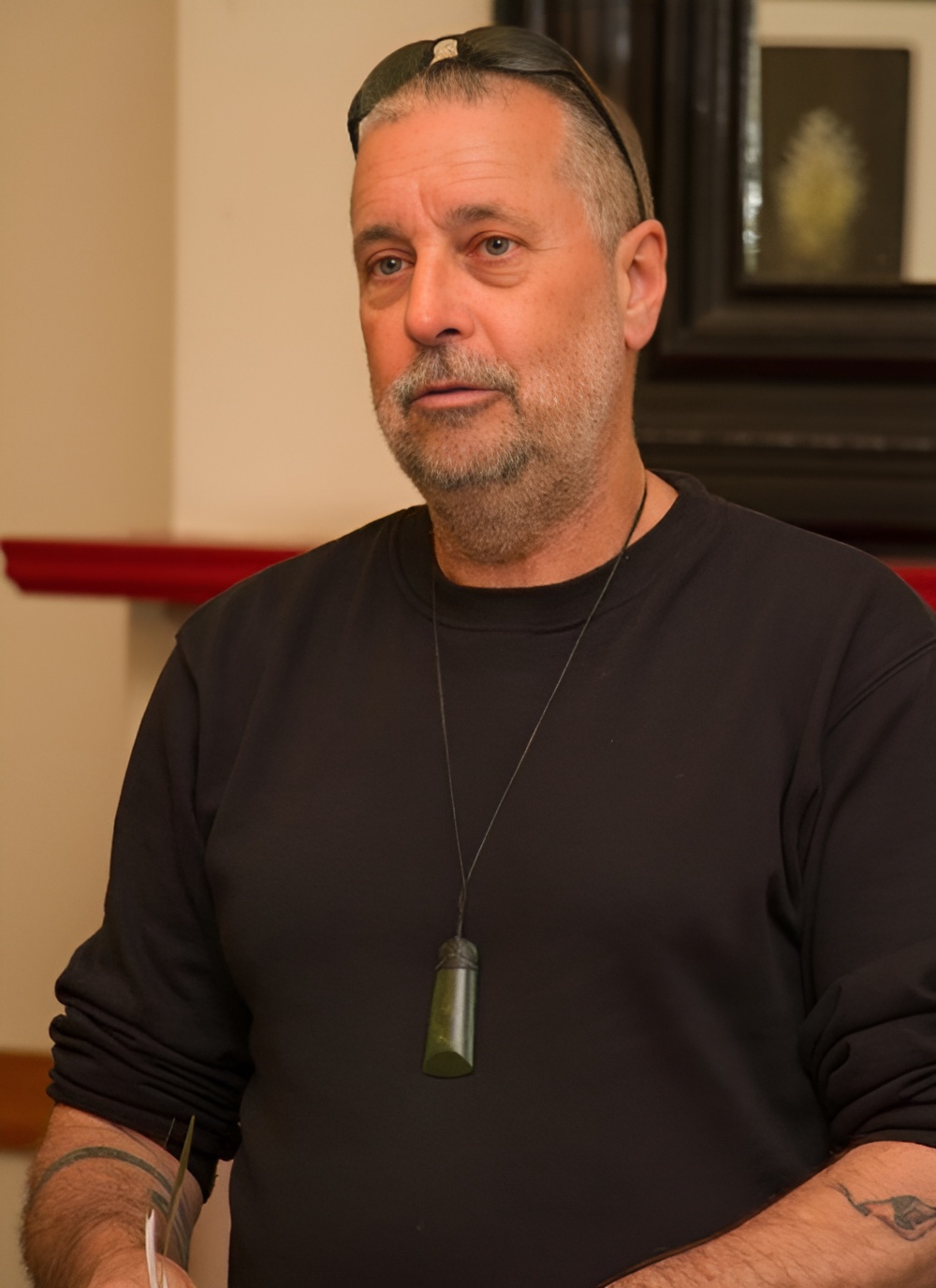
Vaughan reads ‘hā pīwakawaka’
Vaughan reads ‘Rangiaowhia’
hā pīwakawaka
hā pīwakawaka
kei whea koe ināianei
taku hoa iti?
he manu me he waha rōreka
he whaikōrero pēnei i he waiata,
te wā katoa
he aha tō kōrero e hoa?
he aha te tikanga
o tēnei kōwetewete karawhiti?
kāore ahau he mōhio
nō te mea kua nunumi kē koe
ki tētahi atu he wāhi
kāore ahau he kite i tō whatu kanapa
kāore ahau he rongo i tō pūrākauroa,
kua ngaro koe ināianei
me kei te ngere ahau i a koe,
hā pīwakawaka
kei whea koe ināianei?
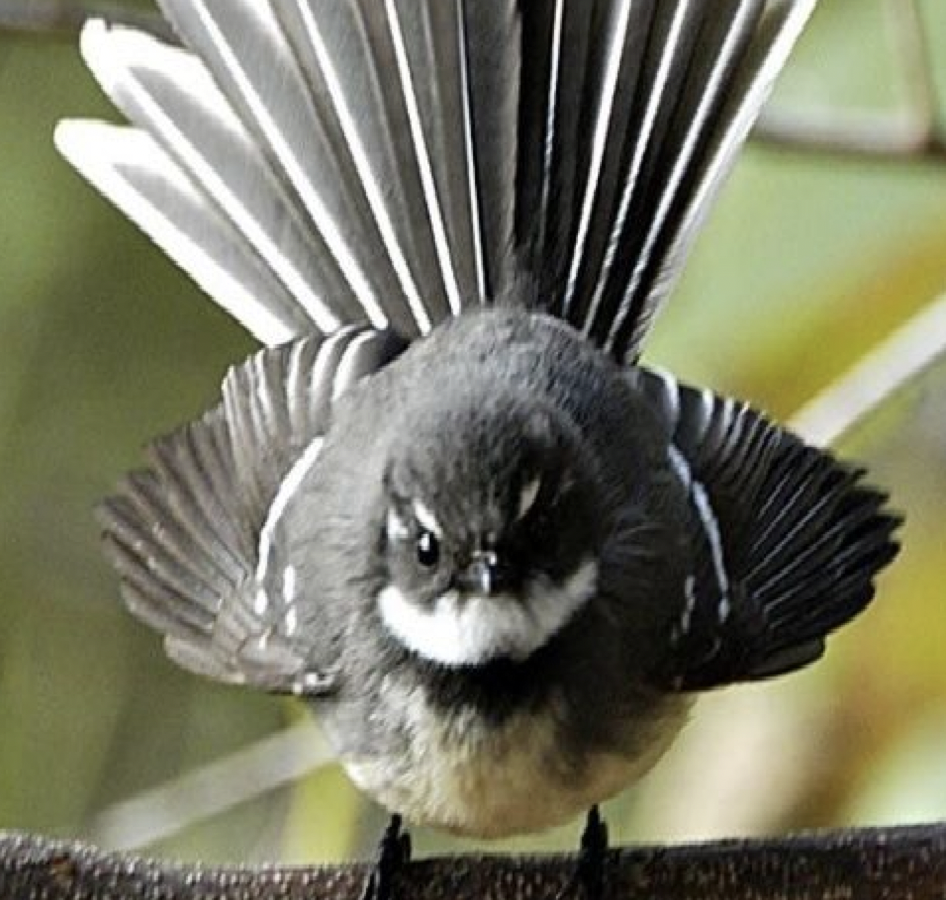
[hey fantail
where are you now
my little friend?
a bird with a dulcet voice
an oratory like a song,
all the time
what is your story friend?
what is the meaning
of this one-sided conversation?
I do not know
because you have already disappeared
to another place
I cannot see your glistening eyes
I cannot hear your long tale,
you are lost now
& I am missing you
hey fantail
where are you now?]
Rangiaowhia, 1864
[I pāhuatia ō mātou tūpuna i Rangiaowhia – our ancestors were killed unguarded and defenceless at Rangiaowhia – Tom Roa, 2014].
ko wai e mōhio mo ngāwhakapiko o Rangiaowhia?
kāore te maha ki tēnei whenua ināianei.
ko wai e mahara ngā tamariki mura
kāore te maha o tēnei rohe.
ko wai e whakapono te kupu o ngā mōrehu?
he tokoiti noa o ngā tāngata i noho ki waho tērā tāone.
Auē.
Auē.
Auē.
ki ngā hāhi hoki,
ki ngā hāhi hoki,
te wāhi puaroa; te wāhi whakaruruhau –
tēnei mahi whakamataku o ngā pākehā.
tēnei tārukenga nā ngā tāngata mā.
kia mōhio ki tātou katoa.
[Note: At dawn on February 21, 1864, armed cavalry, followed by foot troops, charged into the settlement of Rangiaowhia, whose terrified, startled and screaming residents ran for their lives in every direction… Rangiaowhia was a place of refuge for women, children and the elderly. It was an open village, lacking fortifications or defences of its own… For the Kingitanga supporters urged to fight in a ¡§civilised¡¨ manner, just like the British, the assault on Rangiaowhia was an almost incomprehensible act of savagery. They had complied with requests to move their families out of harm’s way, only for the troops, to deliberately target them in the most horrific manner possible. – Vincent O’Malley, 2017].
Translation from te reo Māori to English –
who knows about the murders at Rangiaowhia?
not the majority in this country nowadays.
who remembers the burned children?
not the majority in this district.
who believes the word of the survivors?
only a minority of people outside that town.
alas
alas
alas.
in the churches also
in the churches also.
the sacred place, the safe place.
this terrible deed of the pākehā
this massacre by the white men.
we should all know.
Vaughan Rapatahana (Te Ātiawa, Ngāti Te Whiti) commutes between homes in Hong Kong, Philippines, and Aotearoa New Zealand. He is widely published across several genre in both his main languages, te reo Māori and English and his work has been translated into Bahasa Malaysia, Italian, French, Mandarin, Romanian, Spanish. He is the author and editor/co-editor of well over 40 books.
He earned a Ph.D from the University of Auckland with a thesis about Colin Wilsonand writes and lectures extensively about Wilson. More, Rapatahana is a critic of the agencies of English language proliferation and the consequent decimation of indigenous tongues, inaugurating and co-editing English language as Hydra and Why English? Confronting the Hydra (Multilingual Matters, Bristol, UK, 2012 and 2016) and several academic papers accordingly.
He is a poet, with ten collections published in Hong Kong SAR; Macau; Philippines; USA; England; France, India, Australia, and Aotearoa New Zealand. Atonement (UST Press, Manila) was nominated for a National Book Award in Philippines (2016); he won the inaugural Proverse Poetry Prize the same year; and was included in Best New Zealand Poems (2017). He also writes short fiction and has had two novels published.
Rapatahana is one of the few World authors who consistently writes in and is published in te reo Māori (the Māori language). It is his mission to continue to do so and to push for a far wider recognition of the need to write and to be published in this tongue. His latest poetry collection written exclusively in te reo Māori (with English language ‘translations’) is titled te pāhikahikatanga/incommensurability and was published by Flying Islands Books in Australia, 2023.
Relatedly, he is series editor of two key books published by Penguin Random House in 2023, Te Awa o Kupu and Ngā Kupu Wero, which are compilations of firstly, poetry and short fiction, and secondly of non-fiction pieces, written by ngā kaituhi Māori over recent years.
New Zealand Book Council Writers File
Stacey Teague (Ngāti Maniapoto/Ngāpuhi)
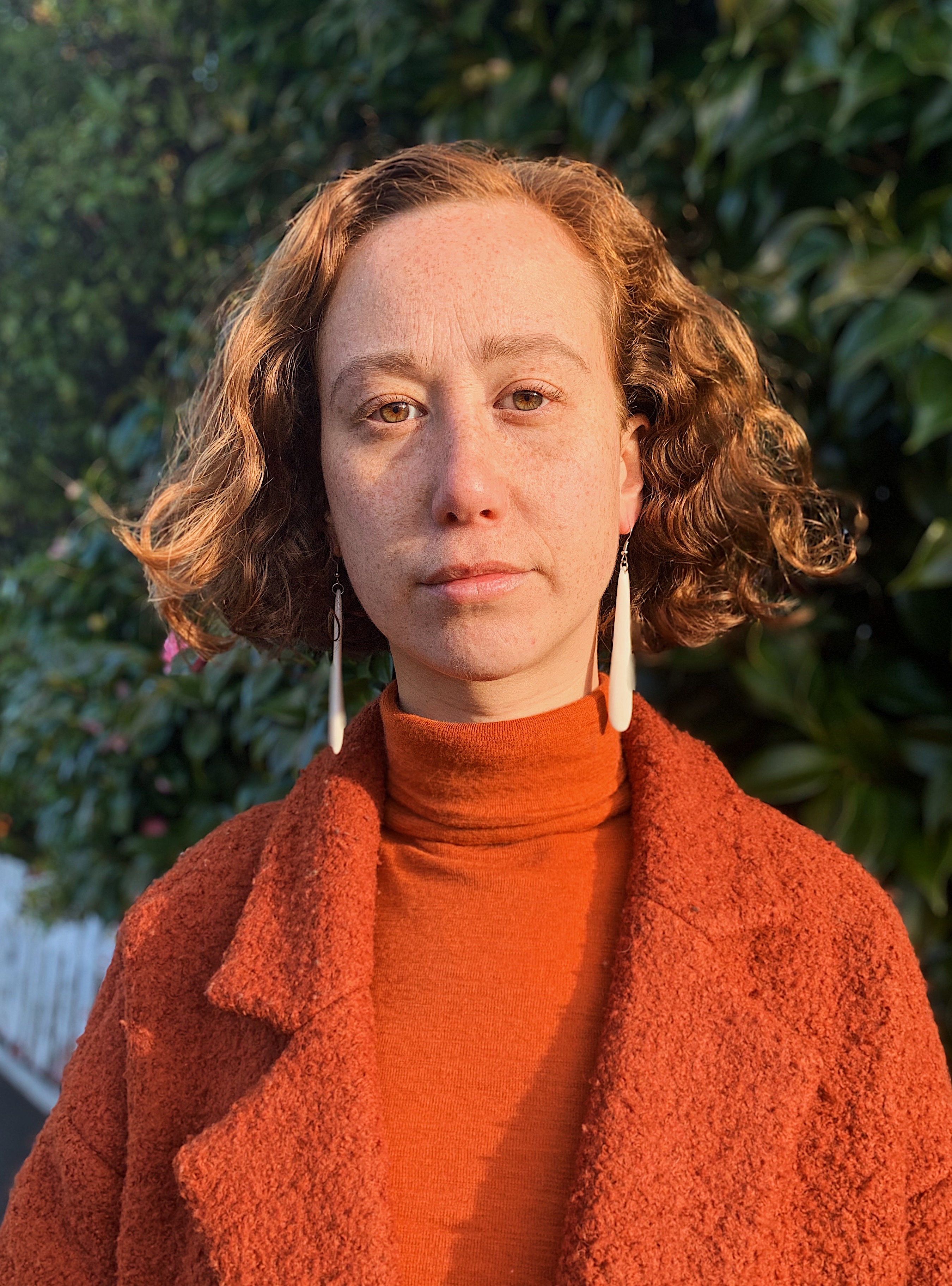
Stacey reads ‘Hineteiwaiwa’
Stacey Teague (Ngāti Maniapoto/Ngāpuhi) is a writer, editor and teacher living in Te Whanganui-a-Tara. She is a publisher at Tender Press.
Anne-Marie Te Whiu (Te Rarawa)
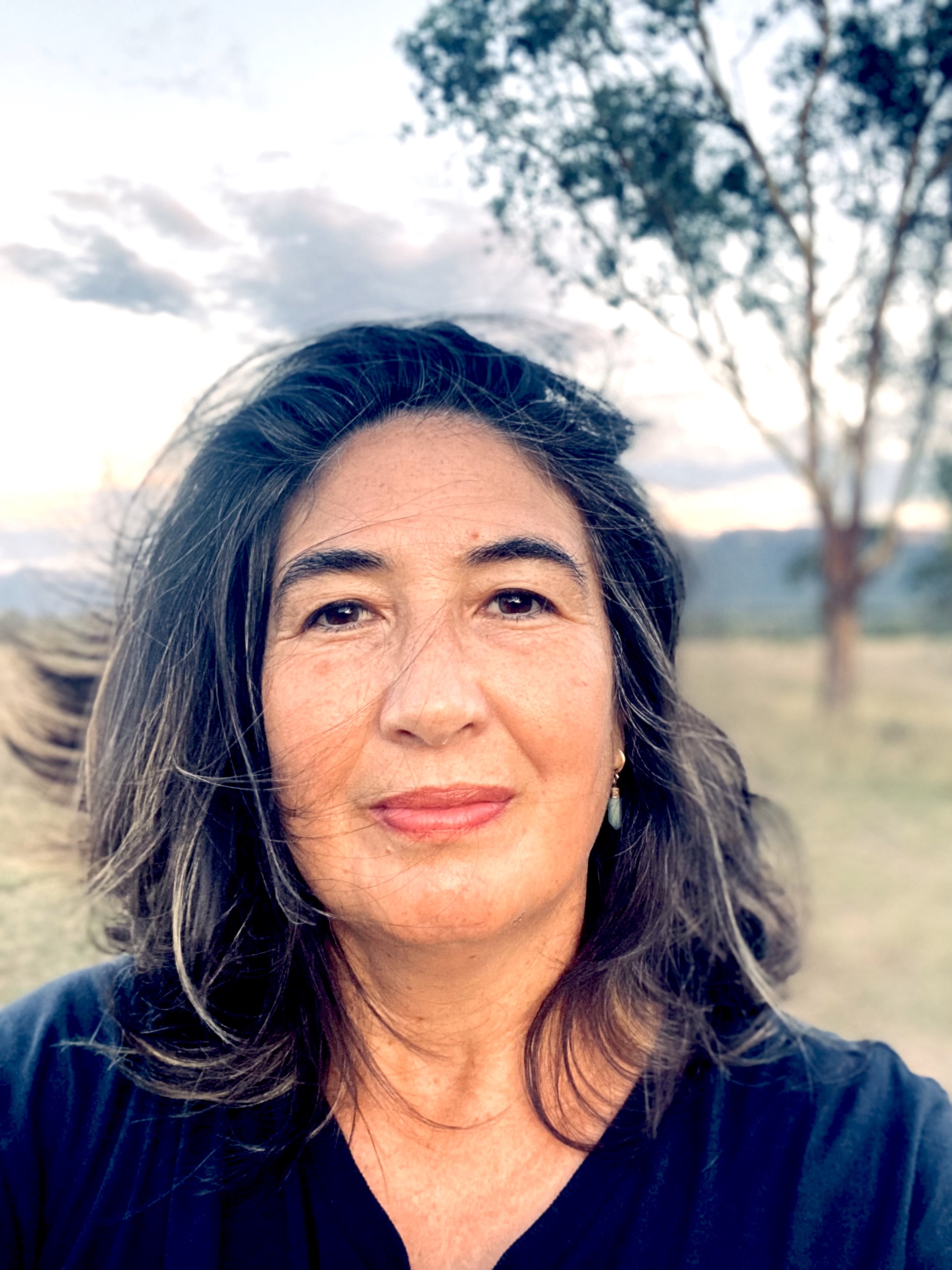
Anne-Marie reads ‘Blood Brothers’
Anne-Marie reads ‘Smells Like Colonial Spirit’
Anne-Marie Te Whiu (Te Rarawa) is an Australian-born Māori, currently living on unceded Gadigal lands. She is a weaver, poet, editor and cultural producer. She is a 2023 recipient of the Clothing Stores artist studios at Carriageworks and in 2021 she was a Next Chapter Fellow recipient with The Wheeler Centre. She is editor of the upcoming anthology, Woven (Magabala, Feb 2024) and her debut poetry collection, Mettle will be published with the University of QLD Press in the not too distant future. Website
Kay McKenzie Cooke (Kāi Tahu Kāti Māmoe)
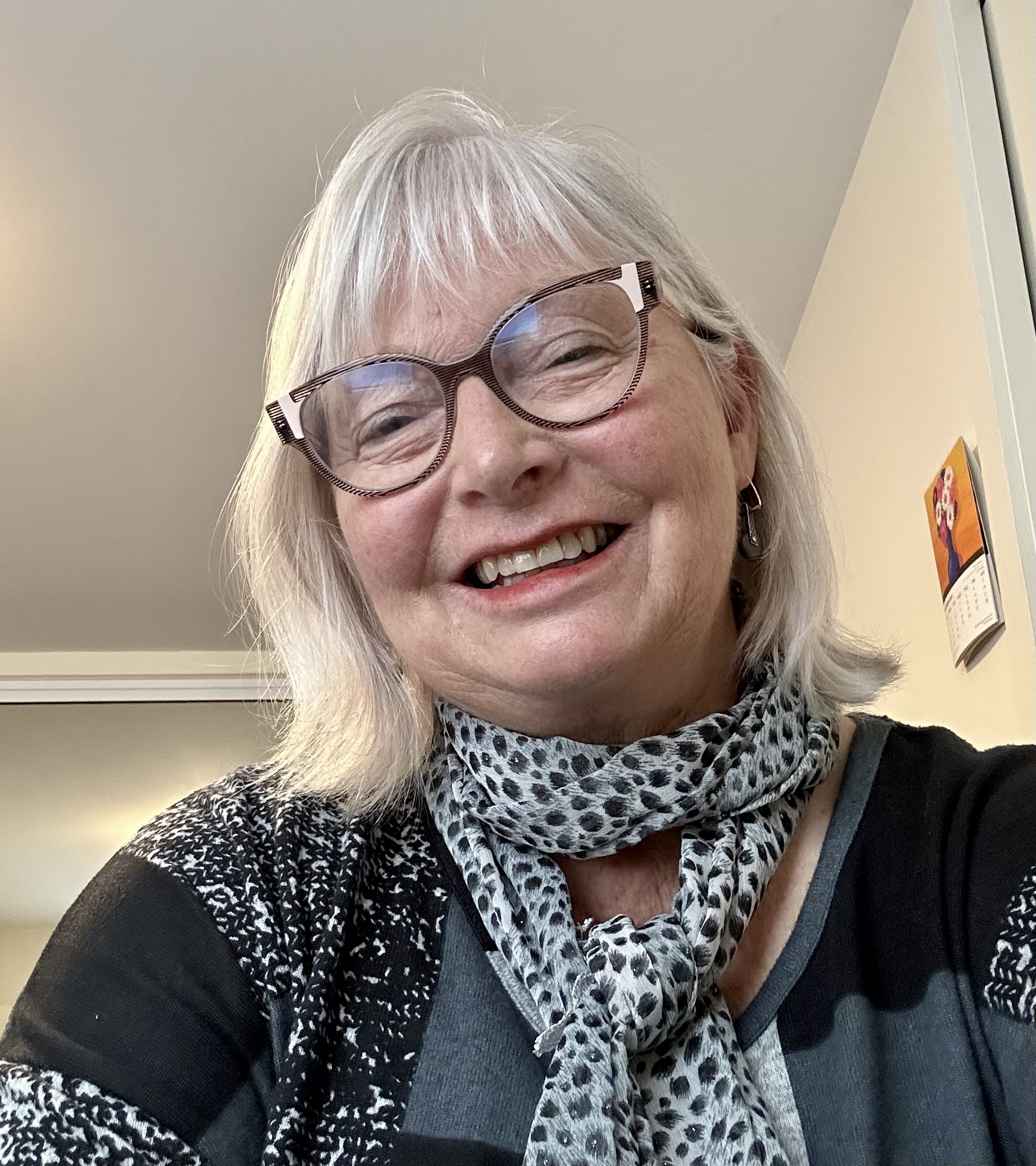
Kay reads ‘Tuturau’
Kay McKenzie Cooke (Kāi Tahu Kāti Māmoe) was born in Murihiku. Her home is now in Ōtepoti, but Murihiku will always be her turangawaewae. She has four published poetry collections and two independently published novels, both set in Murihiku.
Tania Roxborogh (Ngāti Porou, Ngāti Mutunga o Wharekurī)
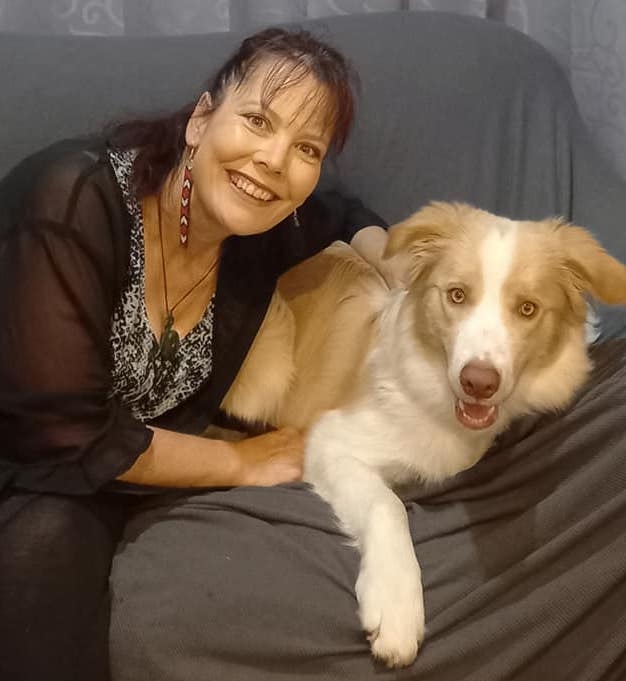
Tania reads ‘Rapurapu / Searching’
Nō Ngāti Porou me Ngāti Mutunga o Wharekurī ngā tīpuna o tōku māmā
Nō Kōtirani, nō Tīamana mātou hoki.
Ko Tippery (Ireland) te wāhi o ngā tīpuna o tōku pāpā.
I whānau mai au ki Ōtautahi engari i tipu ake au i wīwā i wāwā.
E noho ana mātou ki Waihora ināianei.
Ko Tania Kelly Roxborogh taku ingoa.
He kaiako ahau, he kaituhi hoki (ngā pukapuka tamariki, rangatahi hoki)
I am of Ngāti Porou, Ngāti Mutunga o Wharekurī, Scottish, German, and Irish descent.
I was born in Christchurch but have lived all over the country.
We live out at Lincoln now. I’m a veteran English teacher and an award winning writer (mostly books for children and young people) including the 2021 Margaret Mahy Book of the Year Charlie Tangaroa and the Creature from the Sea.
I have just started a new position at Te Tūhuru o te Mātauranga (Ministry of Education) as an NCEA Implementation Facilitator. My role at the ministry is to support kura and kaiako to implement Change 2 of the NCEA Change Programme, i.e. mana ōrite mō te mātauranga Māori I am also studying part time – working on a PhD via Massey looking at ways to help teacher decolonise the teaching of Shakespeare.
After work time is spent with the most beautiful and cleverest border collie in the country (Coach – named after Coach Taylor from ‘Friday Night Lights’), reading books and articles, writing, listening to podcast (political and books, te reo/te ao Māori content) watching tv, (especially mystery, crime and complex thrillers), because I love story and am fascinated by people.
Tania Roxborogh
 NZ Poetry Shelf
Pingback: Poetry Shelf Postcards 2023 by 14 Poets | NZ Poetry Shelf